Lifesaving Station
Our verdict
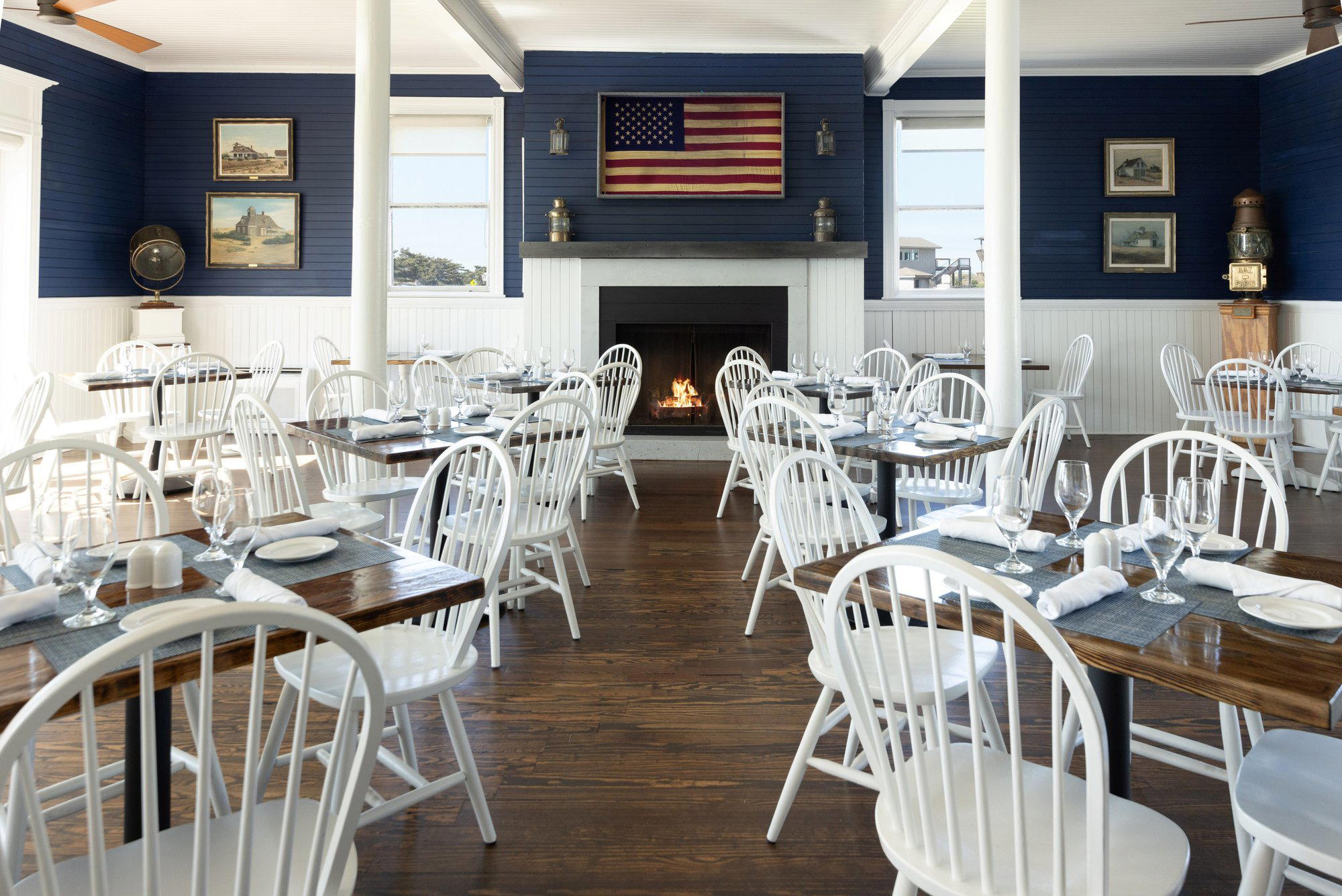
At the northern end of Duck's main corridor, Lifesaving Station occupies a setting that puts the Outer Banks shoreline at the center of the dining experience. The kitchen draws on the coastal geography of northeastern North Carolina, where barrier island provenance shapes what arrives at the table. For visitors to the Duck dining scene, it sits alongside peers like AQUA Restaurant and Red Sky Cafe as part of a small cluster of destination-worthy addresses.

Pearl is the En Primeur Club membership app — saves, bookings, and concierge access live there. Same editors, same standards.
The menu
What to order
- Sanderling Blue Crab Chowder
- Shrimp and Grits
- Crab Stuffed Flounder
Where the Outer Banks Shoreline Sets the Menu
Duck, North Carolina sits on a narrow strip of barrier island between Currituck Sound and the Atlantic, and that geography is not incidental to how the town eats. The restaurants that resonate here are the ones that treat the water on both sides as a working pantry rather than a backdrop. Lifesaving Station, addressed at 1461 Duck Rd, sits in this tradition. The name alone signals a relationship with the coast that predates tourism: the original U.S. Life-Saving Service maintained stations along these barrier islands in the nineteenth century, pulling mariners from wrecks in conditions that made the Outer Banks among the most feared stretches of coastline on the Eastern Seaboard. A dining room that inherits that name is making a claim about place.
Approaching Duck from the south on the single road that threads through the village, the setting narrows and the pace drops. The town enforces a low-density character that larger resort destinations on the North Carolina coast do not, and that relative quietness shapes what kind of dining culture survives here year-round versus what blooms only in summer. Lifesaving Station occupies that seasonal rhythm, where the barrier island's short supply chain and the proximity of working watermen define what serious cooking looks like in this geography.
Ingredient Sourcing on a Barrier Island
The northeastern corner of North Carolina produces a specific set of raw materials that chefs in the region either work with or work around. The Pamlico Sound and its tributaries yield blue crabs, oysters from the estuarial beds closer to the mainland, flounder, drum, and the occasional soft-shell in season. Currituck Sound, which borders Duck directly to the west, has historically supported small-scale commercial fishing that feeds local kitchens more directly than the industrial supply chains serving mainland restaurants. For any kitchen operating in Duck, sourcing is less a marketing posture than a logistical reality: the island's single road and its distance from major distribution hubs mean that what grows or swims nearby is often what arrives fastest and freshest.
This is the context in which Outer Banks dining earns its credibility or loses it. Kitchens that route their supply chains through the same distribution networks as suburban steakhouses forfeit the geographic advantage that should define cooking this close to working water. The restaurants in Duck that hold attention over multiple seasons are the ones that maintain relationships with local watermen and the farm operations on the mainland side of the sound. That orientation places them in a different conversation from the broader mid-Atlantic coastal dining scene, where sourcing claims are common but verifiable proximity to origin is rarer.
For context on how ingredient-led restaurants operate at higher price points nationally, the model has clear precedents. Blue Hill at Stone Barns in Tarrytown built its entire identity around on-site agriculture. Single Thread Farm in Healdsburg integrates its farm operation directly into a multi-course format. In the coastal register, Le Bernardin in New York City and Providence in Los Angeles have long demonstrated that rigorous sourcing and seafood cookery can anchor some of the most serious kitchens in the country. Lifesaving Station operates at a different scale and in a different market, but the underlying logic of place-rooted sourcing connects it to that broader argument about what coastal cooking can mean when it takes provenance seriously.
Duck's Dining Tier and Where Lifesaving Station Sits
Duck's restaurant scene is smaller and more curated than the Outer Banks towns further south. Kitty Hawk and Nags Head carry larger volumes of visitors and correspondingly broader dining ranges, from fast-casual to resort dining rooms. Duck pulls a different visitor profile: families and couples who return annually to the same rental properties, many of whom treat dinner reservations as seriously as any city traveler would. That repeat-visitor base creates the conditions for restaurants to develop loyalty and deepen their cooking over time rather than chasing tourist turnover.
Within Duck's address book, the cluster of destination dining options is compact. AQUA Restaurant, Red Sky Cafe, and The Blue Point occupy the upper tier alongside Lifesaving Station, each with its own emphasis and character. The Blue Point, in particular, has long been the reference point for seafood-focused dining in the village. For a fuller picture of how these restaurants relate to each other across price points and formats, the full Duck restaurants guide maps the scene in detail.
Nationally, the comparison set for ingredient-driven coastal restaurants with a strong regional identity includes addresses like Addison in San Diego, Bacchanalia in Atlanta, and The Inn at Little Washington in Virginia, each of which has demonstrated that regional American cooking can sustain serious critical and commercial attention outside major metropolitan markets. Emeril's in New Orleans remains the clearest precedent for how a coastal Southern kitchen builds identity through local supply. The thread connecting these disparate addresses is the same one that runs through Duck: the argument that where food comes from shapes what it tastes like, and that specificity of place is a culinary credential in itself.
Planning a Visit
Duck is accessible by a single road corridor, NC-12, which connects the village to the broader Outer Banks chain. The town sits north of the Wright Memorial Bridge crossing, making it most naturally approached from the Currituck side or via the southern Outer Banks route. During peak summer weeks, the road through Duck sees significant traffic, and dinner reservations should be made well in advance of arrival on the island. The shoulder seasons, particularly late spring and early fall, offer the same coastal produce at lower visitor volumes and shorter waits. Duck operates primarily as a seasonal market, so confirming current hours and availability directly before visiting is advisable, particularly outside the June through August peak.
For travelers with a wider itinerary who want to benchmark coastal American dining against the national field, the range runs from technically rigorous multi-course formats at places like Lazy Bear in San Francisco, Alinea in Chicago, and Atomix in New York City, down through the regional American tier where Lifesaving Station operates. Brutø in Denver and 8 1/2 Otto e Mezzo Bombana in Hong Kong represent how the sourcing-forward model translates across very different culinary geographies. The French Laundry benchmark, The French Laundry in Napa, remains the clearest American argument that provenance and technique together can produce something that holds up against any international comparison.
Frequently asked questions
What part of town is Lifesaving Station in?
Lifesaving Station is located at 1461 Duck Rd, Duck, NC 27949, Duck.
Is Lifesaving Station a good option for dining in Duck if I'm staying elsewhere on the Outer Banks?
Duck sits at the northern end of the Outer Banks chain, accessible only via NC-12, which means it requires a deliberate drive from towns like Kill Devil Hills or Nags Head rather than a casual detour. The village's compact, curated restaurant scene — Lifesaving Station included at 1461 Duck Rd — rewards visitors who make the trip intentionally rather than those passing through. Factor in the single-road access when planning around peak summer traffic on NC-12.
What should I order at Lifesaving Station?
The kitchen at Lifesaving Station, located at 1461 Duck Rd, draws on the northeastern North Carolina coast for its raw materials — which points toward whatever is running locally at the time of your visit. Barrier island menus at this latitude tend to feature Pamlico Sound shellfish and Atlantic catch, so prioritize anything described as day-boat or regionally sourced. Specific menu details are best confirmed directly with the restaurant before your visit.
How hard is it to get a table at Lifesaving Station?
Duck's restaurant pool is deliberately small — the village runs a curated, low-volume dining scene compared to Nags Head or Kitty Hawk further south. That concentration of demand against limited seats means popular spots in Duck fill quickly during summer and holiday weekends. Booking ahead is advisable for Lifesaving Station, particularly if you're traveling via NC-12 during peak Outer Banks season.
What's the defining dish or idea at Lifesaving Station?
The defining idea at Lifesaving Station is geographic specificity: the restaurant sits between Currituck Sound and the Atlantic, and that dual-water proximity shapes what arrives in the kitchen. The Outer Banks barrier island format tends to reward menus built around what the surrounding coastline produces rather than imported proteins. That local constraint, rather than any single dish, is the organizing principle.
Do they accommodate allergies at Lifesaving Station?
Coastal kitchens along the Outer Banks routinely handle shellfish-heavy menus, which makes it especially important for guests with shellfish or finfish allergies to confirm kitchen protocols in advance. Contact the venue at 1461 Duck Rd, Duck, NC 27949 for current guidance.
Is Lifesaving Station overpriced or worth every penny?
Pricing data for Lifesaving Station is not publicly listed, so a direct comparison against Outer Banks peers isn't possible here. What's consistent across Duck's dining tier is that the smaller, more selective village format tends to support mid-to-upper price points relative to the broader Outer Banks strip. Whether the value lands depends on execution — confirm current menu pricing with the restaurant before your visit.
A Quick Peer Check
Comparable venues nearby, for context on price, style, and recognition.
| Venue | Cuisine | Price | Awards | Notes |
|---|---|---|---|---|
| Lifesaving StationThis venue (the venue you are viewing) | Southern Coastal American Seafood | $30–50 | Not listed | Not listed |
| Red Sky Cafe | Contemporary American Seafood | $20–30 | Not listed | Duck |
| The Blue Point | Contemporary Southern Coastal | $50–100 | Wine Spectator Award of Excellence | Duck |
| AQUA Restaurant | Contemporary American Seafood | Not listed | Not listed | Duck |
| The Kill Devil Grill | Coastal American Grill | $30–50 | Not listed | Kill Devil Hills |
| Page Road Grill | Elevated Southern Grill | $20–30 | Not listed | Durham |
Continue exploring
More in Duck
Restaurants in Duck
All restaurants in Duck →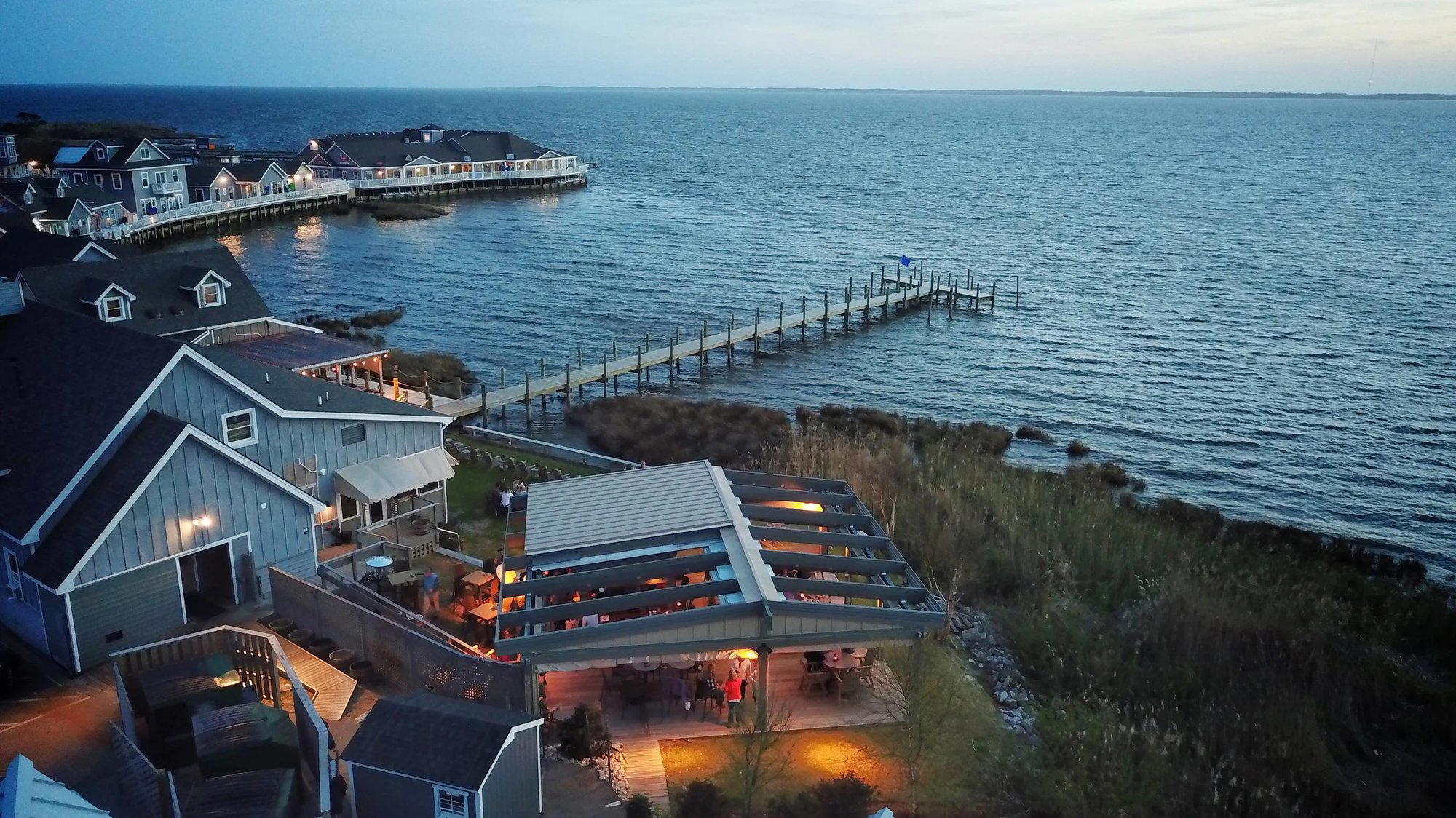

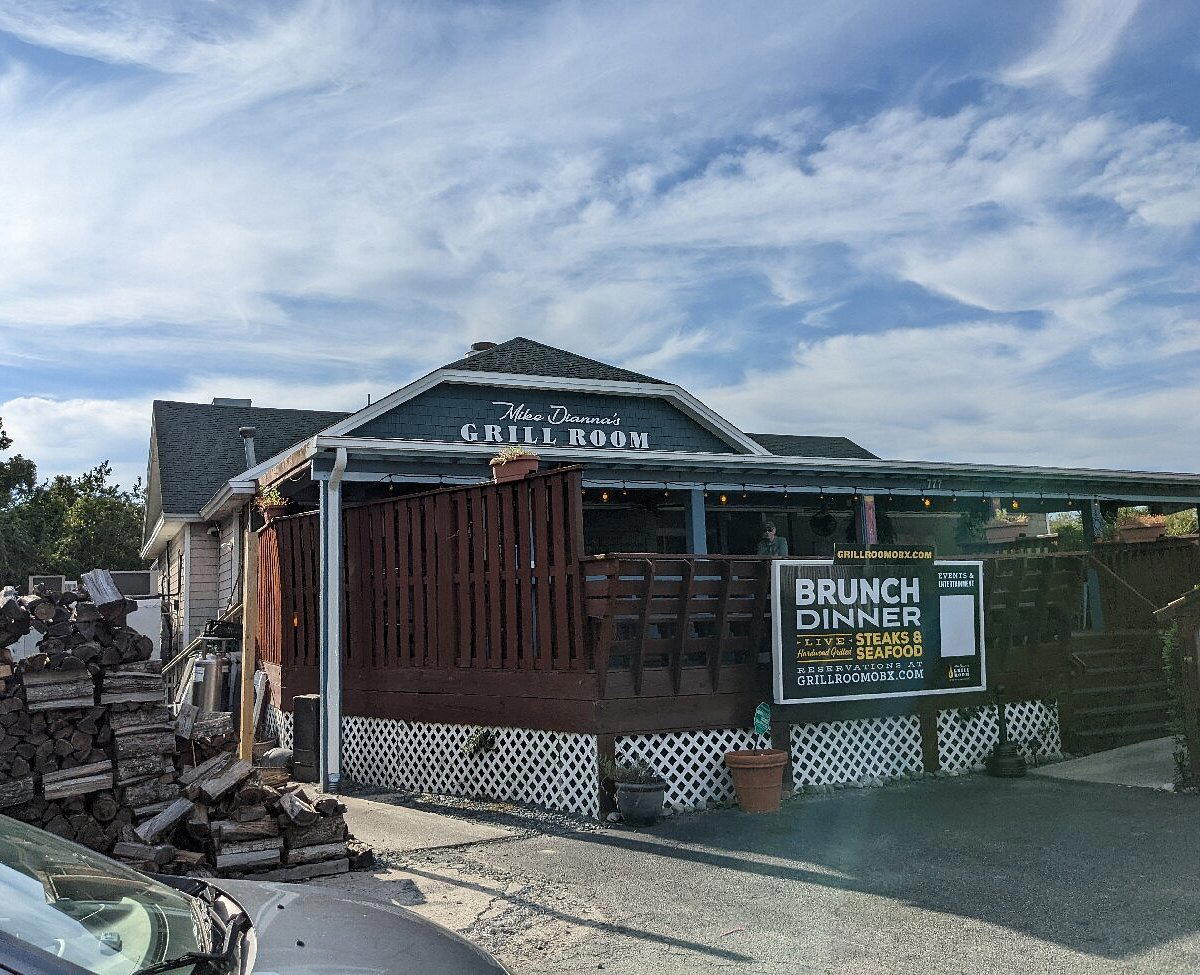
Bars in Duck
Browse all →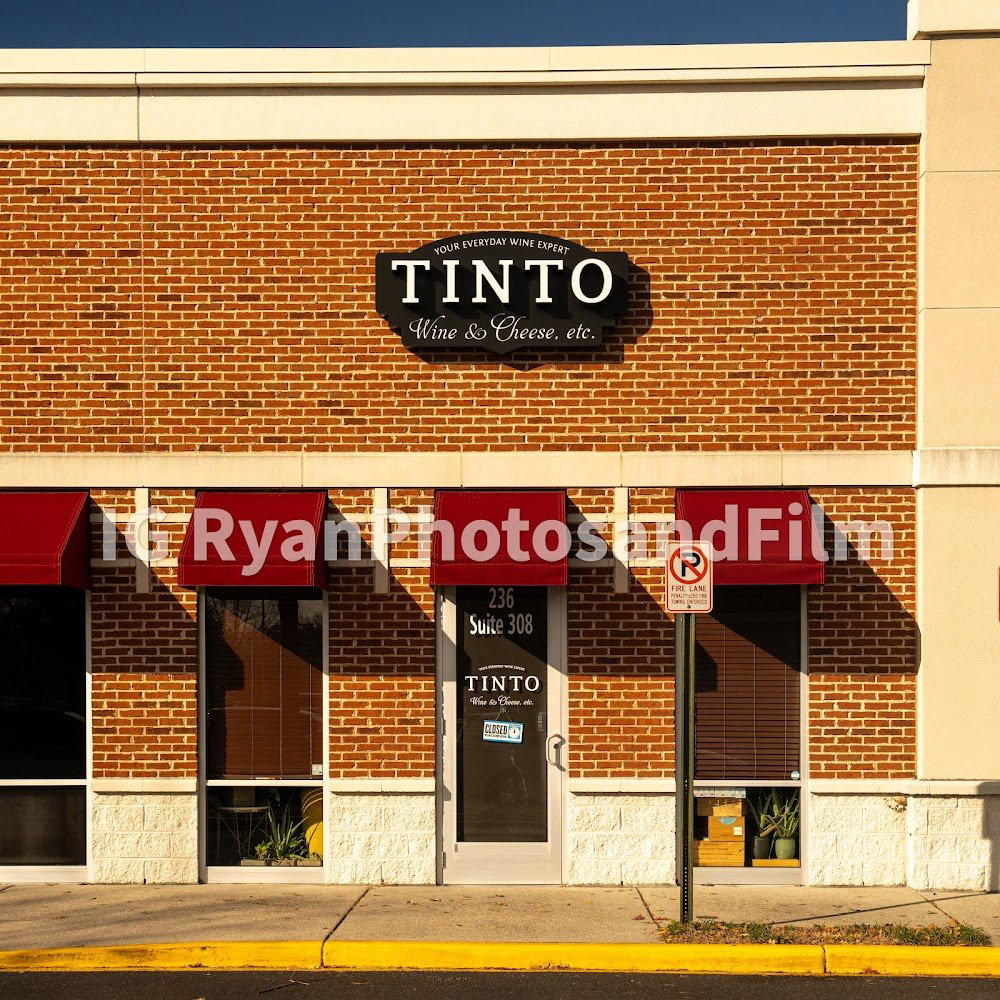
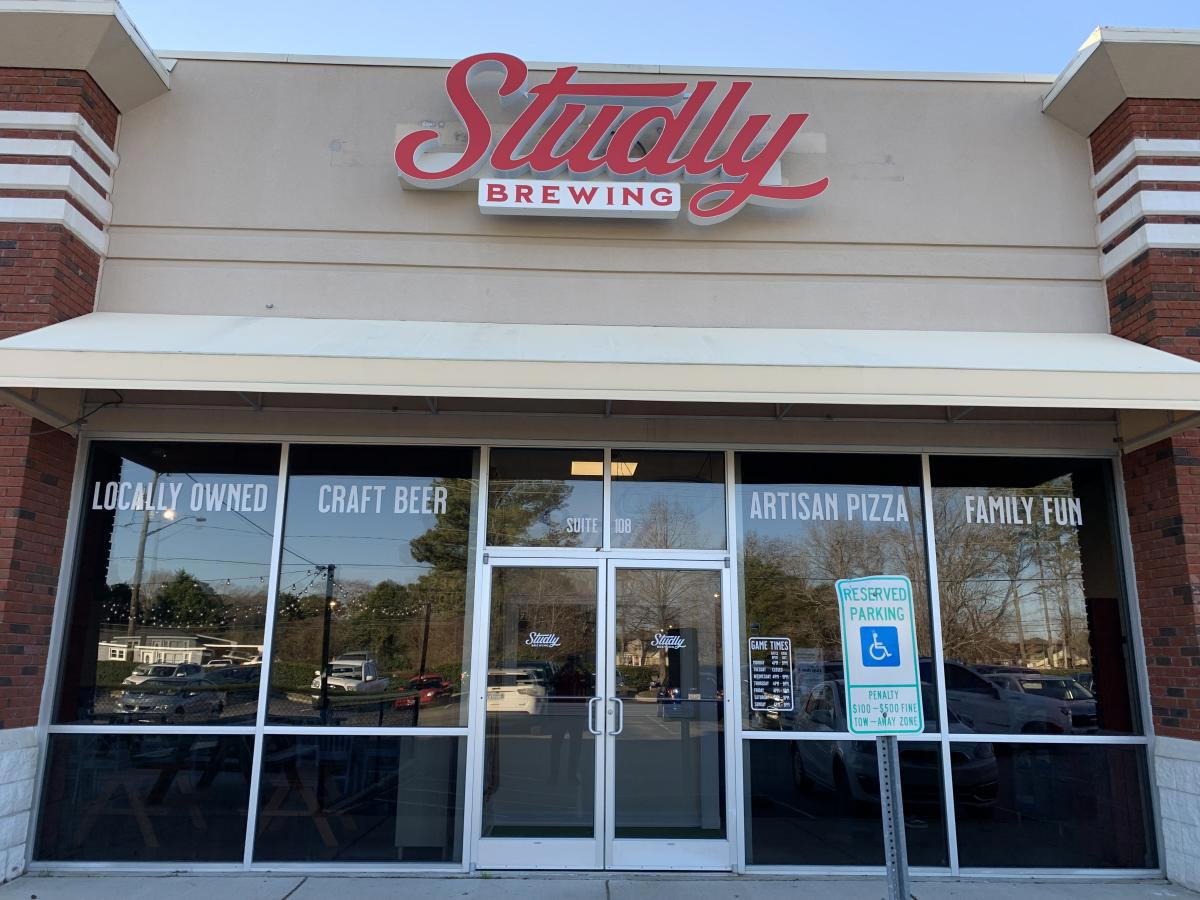
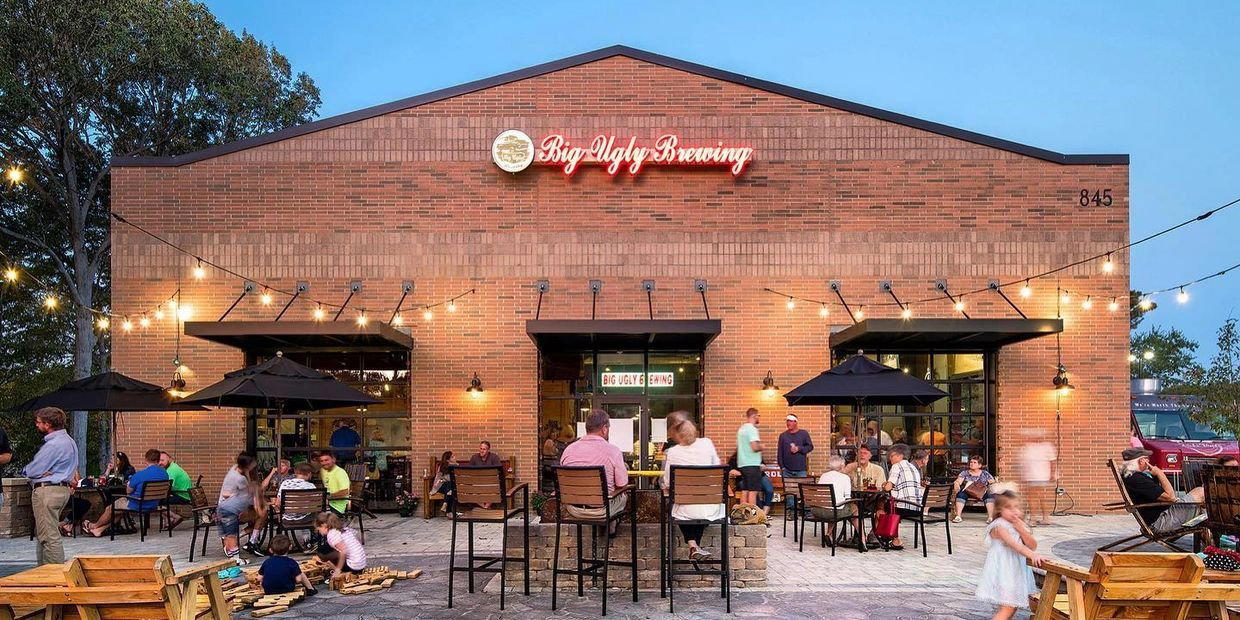
Hotels in Duck
All hotels in Duck →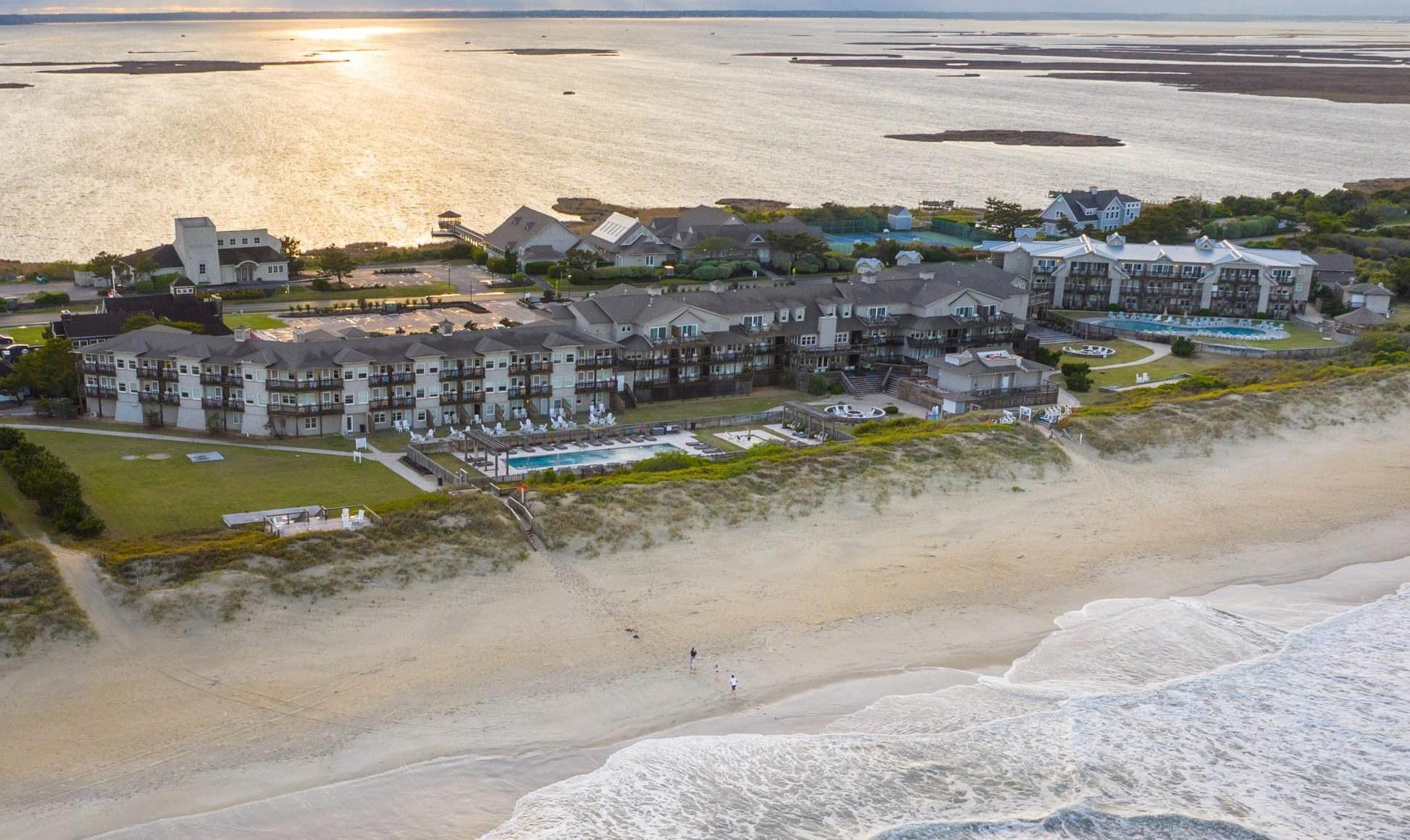
Lifesaving Station
The wine
- Wine program
- Curated wine list
- Extensive wine list
Details
- Historic
- Cozy
- Scenic
- Rustic
- Casual
- Family
- Brunch
- Casual Hangout
- Historic Building
- Waterfront
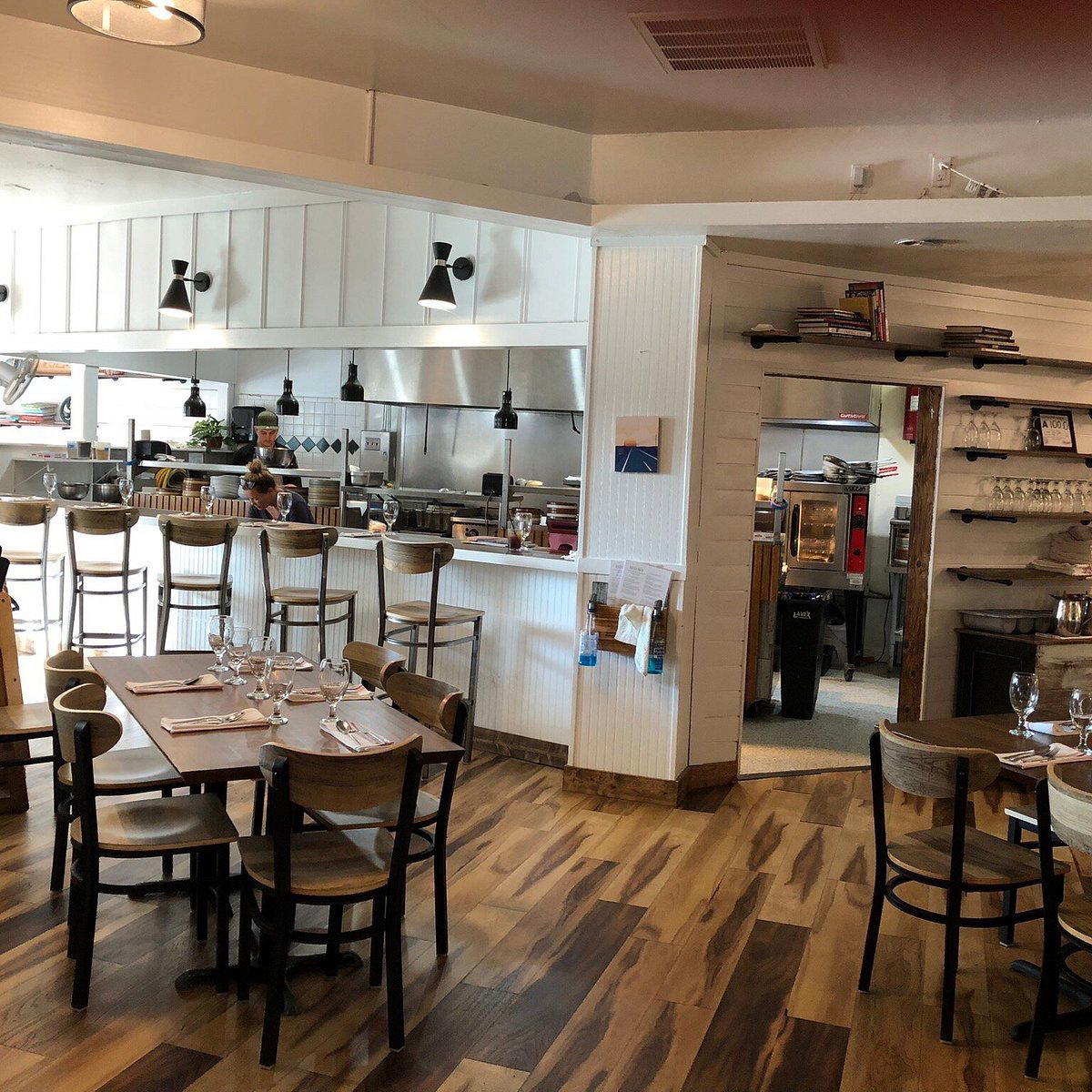
- Open Kitchen
- Extensive Wine List
- Farm To Table
- Local Sourcing
- Sustainable Seafood
- Waterfront
- A La Carte
- Craft Cocktails
- Beer Program
- Vegetarian Friendly
- Gluten Free Options
Current opening hours
- Monday
- 7 AM–9 PM
- Tuesday
- 7 AM–9 PM
- Wednesday
- 7 AM–9 PM
- Thursday
- 7 AM–9 PM
- Friday
- 7 AM–9 PM
- Saturday
- 7 AM–9 PM
- Sunday
- 7 AM–9 PM
Hours can change for holidays and private events. Last verified .
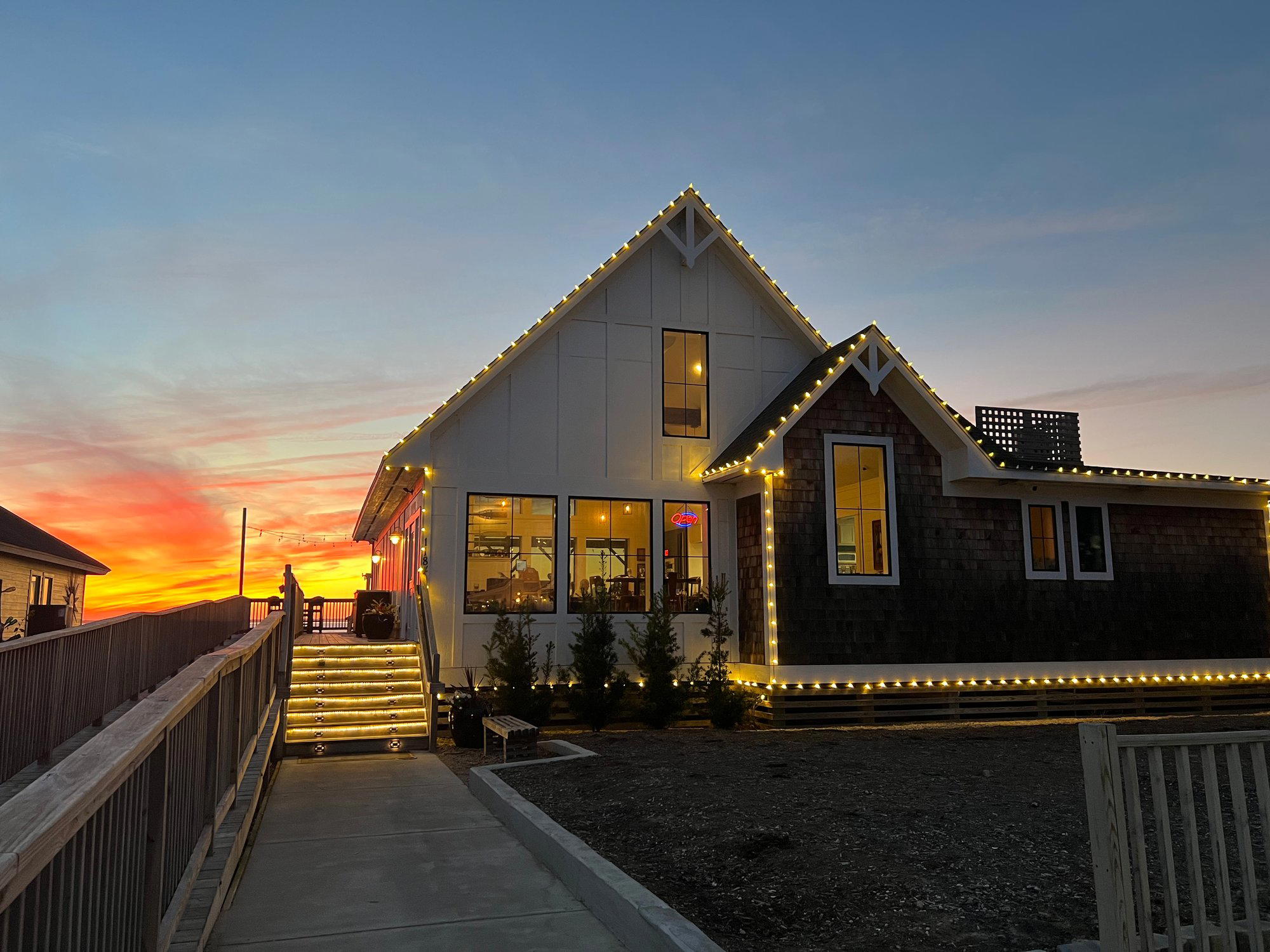
Laid-back historic atmosphere with homage to maritime heritage, sweeping sound views from upper level, and casual resort lighting.