Red Sky Cafe
Our verdict
Red Sky Cafe sits on Duck Road in the Outer Banks village of Duck, North Carolina, where the coastal dining tradition runs as deep as the region's commercial fishing roots. The cafe occupies a place in a small beach-town dining scene that balances local seafood with the relaxed cadence of barrier-island life. Visitors to Duck's compact restaurant strip will find it alongside neighbours like AQUA Restaurant and The Blue Point.

Pearl is the En Primeur Club membership app — saves, bookings, and concierge access live there. Same editors, same standards.
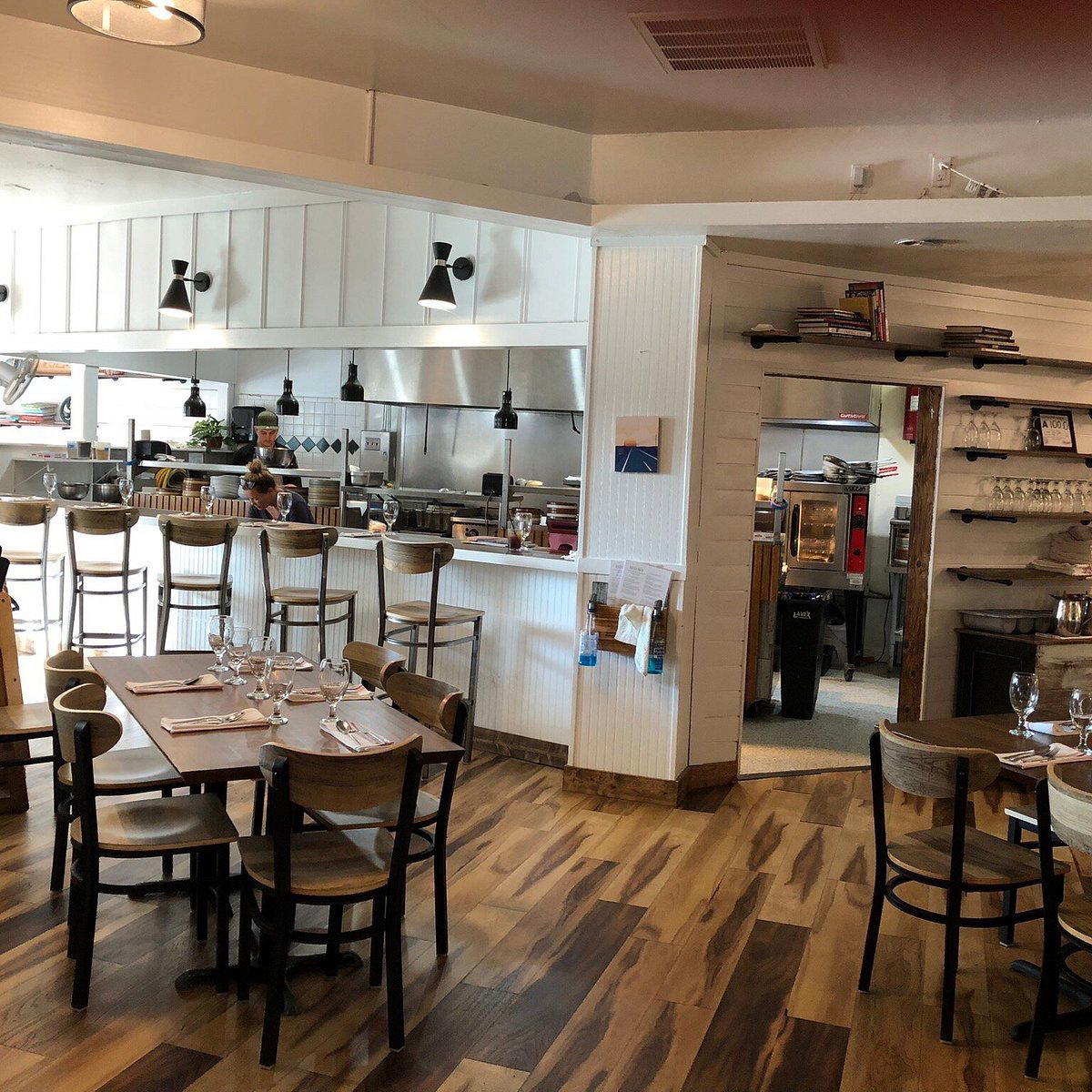
Where Barrier-Island Dining Takes Shape
Duck, North Carolina sits on a sliver of land between the Currituck Sound and the Atlantic, and the dining culture along Duck Road reflects that geography with unusual consistency. The village's restaurant strip is compact enough that visitors can walk the length of it, and the kitchens that line it tend to pull in the same direction: fresh catch, local shellfish, and the kind of cooking that doesn't need to perform. Red Sky Cafe, at 1197 Duck Road, occupies a spot in that cluster alongside peers including AQUA Restaurant, Lifesaving Station, and The Blue Point.
The Outer Banks as a dining region occupies a particular position in North Carolina's food culture. It is not a destination defined by chef-driven tasting menus or the kind of national press cycles that follow a Lazy Bear in San Francisco or an Atomix in New York City. What it does produce is a reliable, place-specific style of eating that draws directly from the surrounding water. The Carolina coast has a long commercial fishing tradition, and the leading kitchens in towns like Duck have historically worked close to that supply chain rather than against it. That orientation shapes what ends up on the plate more than any culinary philosophy could.
The Outer Banks Dining Tradition in Context
Barrier-island dining, as a format, carries its own set of constraints and advantages. Seasonality is acute: the Outer Banks sees a significant population surge from late spring through early fall as beach rentals fill and day-trippers arrive, and the dining scene flexes accordingly. Restaurants in Duck calibrate their operations to that rhythm, running hard through the summer months and pulling back in the quieter stretches. This seasonal intensity distinguishes the Outer Banks from urban dining environments, where demand is steady year-round and a restaurant's reputation is built over a longer, more gradual arc.
The coastal Carolinas also carry a specific culinary heritage that is worth understanding before you sit down anywhere in the region. Southern coastal cooking in this part of the country draws on a longer tradition than most visitors realize: Low Country influences from further south blend with Eastern North Carolina's own pork and vinegar traditions, while the Atlantic catch adds a layer of specificity that differentiates it from Gulf Coast or New England seafood cultures. The fish and shellfish coming out of Pamlico Sound and the waters off the Banks are not the same as what you'd find framed on a menu at Le Bernardin in New York City or handled through the farm-to-table rigor of Blue Hill at Stone Barns in Tarrytown. The register is different, and intentionally so.
Duck's dining scene has matured in recent years relative to the wider Outer Banks. The village sits north of the busier commercial corridor around Nags Head and Kill Devil Hills, and that positioning gives it a slightly quieter, more residential character. The restaurants here tend to attract visitors who are already staying in the area rather than day-trippers in transit, and that shifts the atmosphere toward something more settled. You eat with people who are on week-long rentals, not people who are racing back to the highway.
Finding Red Sky Cafe on Duck Road
Duck Road is the single arterial route through the village, which means Red Sky Cafe is direct to locate on foot or by bike if you're staying nearby. Parking along this stretch is limited during peak season, which runs from late May through Labor Day, and arrival by bicycle or on foot is often the more practical option for visitors whose rentals are within a mile or two of the restaurant strip. The village of Duck has actively discouraged high-density development, which keeps the road from becoming the kind of sprawling commercial strip found further south on the Banks, and that restraint gives the dining cluster a different character from comparable beach-town corridors.
The Outer Banks dining scene sits at a considerable remove from the most decorated rooms in American fine dining. Properties like The French Laundry in Napa, Alinea in Chicago, The Inn at Little Washington, or Addison in San Diego operate in a different register entirely, and that comparison is not the relevant one for Duck. The more useful frame is the cluster of Southern dining that balances serious sourcing with accessible formats: places like Bacchanalia in Atlanta or Emeril's in New Orleans sit in that band, where regional identity carries real weight without requiring the full apparatus of fine dining. Red Sky Cafe operates well below that register in formality, but the underlying premise, that regional ingredients and coastal context are worth honoring, connects.
For visitors planning around the broader American dining map, it's also worth noting how the Outer Banks compares to other regions developing serious place-based food cultures. Single Thread Farm in Healdsburg and Brutø in Denver represent the more maximalist version of that project, where sourcing and terroir are foregrounded as part of a formal dining proposition. Duck doesn't make that argument. Its restaurants, Red Sky Cafe among them, are part of a more informal regional tradition where the local supply chain shows up in the cooking without requiring a narrative framework to explain it.
See our full Duck restaurants guide for a broader overview of where the village's dining scene sits relative to the wider Outer Banks.
Planning a Visit
Duck operates on a seasonal calendar, and the practical logistics of eating here shift considerably depending on when you arrive. Summer weekends in peak season bring enough foot traffic along Duck Road that waits at popular spots are common by mid-evening. Arriving earlier in the service, before 6pm, tends to reduce that friction. The shoulder months of May and September offer a different experience: similar weather, lighter crowds, and a slightly more relaxed atmosphere in the restaurants. Winter and early spring are quieter still, and some restaurants in the village reduce hours or close partially during those months, so confirming current operating hours directly is advisable before making plans around a specific dinner.
Duck's compact geography also means that exploring the village's dining options across multiple evenings is a reasonable approach for visitors on week-long stays. The strip is short enough that you can look through windows and read posted menus on foot, and that kind of low-friction discovery is part of how the village dining scene works.
Frequently asked questions
Is Red Sky Cafe child-friendly?
Duck, NC is a family-oriented beach destination, and most dining along Duck Road is built around that seasonal visitor base. Red Sky Cafe sits at 1197 Duck Road, accessible on foot or by bike from surrounding rental neighborhoods. For confirmed children's menu details, contact the cafe directly before visiting, as seasonal operations can shift offerings year to year.
How would you describe the vibe at Red Sky Cafe?
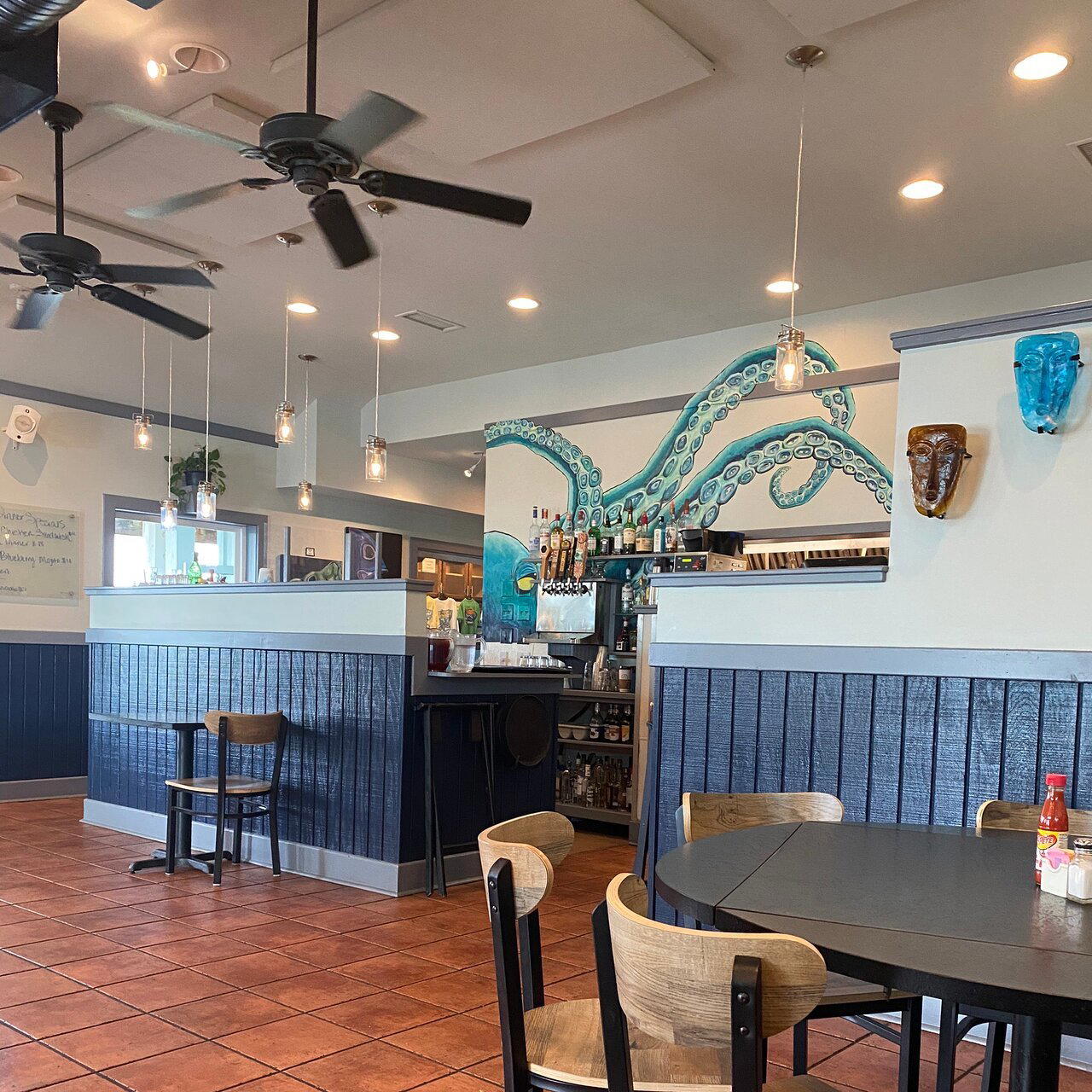
Red Sky Cafe is a Duck Road address, which places it along the single through-road of a quiet barrier-island village squeezed between the Currituck Sound and the Atlantic. The setting leans relaxed and local rather than resort-formal — this is not a white-tablecloth destination. Expect the unhurried pace that defines the Duck dining scene, particularly outside the peak summer window.
Is Red Sky Cafe open year-round, or does it follow a seasonal schedule in Duck, NC?
Duck, NC is a seasonal village by structure — the Outer Banks population along this stretch swells dramatically from late spring through Labor Day, then contracts. Many Duck Road restaurants adjust hours or close entirely during the off-season, and Red Sky Cafe at 1197 Duck Road is subject to that same rhythm. Confirming current operating dates before planning a visit is advisable, particularly outside the June-to-August window.
Where exactly is Red Sky Cafe?
Red Sky Cafe is located at 1197 Duck Rd, Duck, NC 27949, Duck.
Do I need a reservation for Red Sky Cafe?
Duck operates on a sharply seasonal schedule, with summer weekends along Duck Road bringing the heaviest foot traffic of the year. Whether Red Sky Cafe accepts or requires reservations during peak periods is worth confirming directly, as policies at Outer Banks spots typically adjust between summer and the quieter shoulder months. Arriving early in the day is a practical hedge during July and August.
What's the defining dish or idea at Red Sky Cafe?
Without a current menu on record, pinning a single defining dish to Red Sky Cafe would be speculation. What the Duck, NC context does establish is that barrier-island dining here is shaped by seasonality and a compressed geography — kitchens along Duck Road serve a community that essentially rebuilds its population every summer week. That rhythm tends to favor approachable, consistent formats over elaborate tasting menus.
Cost Snapshot
Comparable venues nearby, for context on price, style, and recognition.
| Venue | Cuisine | Price | Awards | Notes |
|---|---|---|---|---|
| Red Sky CafeThis venue (the venue you are viewing) | Contemporary American Seafood | $20–30 | Not listed | Not listed |
| The Blue Point | Contemporary Southern Coastal | $50–100 | Wine Spectator Award of Excellence | Duck, Contemporary Southern Coastal |
| Lifesaving Station | Southern Coastal American Seafood | $30–50 | Not listed | Duck, Southern Coastal American Seafood |
| AQUA Restaurant | Contemporary American Seafood | Not listed | Not listed | Duck, Contemporary American Seafood |
| Beasley’s Chicken & Honey | Not listed | Not listed | Not listed | Downtown Raleigh, Southern fried chicken & comfort food |
| The Cardinal Restaurant | Contemporary American Seafood | $30–50 | Not listed | Masonboro, Contemporary American Seafood |
Continue exploring
More in Duck
Restaurants in Duck
All restaurants in Duck →
Hotels in Duck
All hotels in Duck →
Details
- Casual
- Cozy
- Family
- Casual Hangout
- Live Music
- Craft Cocktails
- Local Sourcing
- A La Carte
- Vegetarian Friendly
- Vegan Options
- Gluten Free Options
Current opening hours
- Monday
- 11 AM–8 PM
- Tuesday
- 11 AM–8 PM
- Wednesday
- 11 AM–8 PM
- Thursday
- 11 AM–8 PM
- Friday
- 11 AM–8 PM
- Saturday
- 11 AM–8 PM
- Sunday
- Closed
Hours can change for holidays and private events. Last verified .
Relaxed casual atmosphere like dining at home with friendly service.