AQUA Restaurant
Our verdict
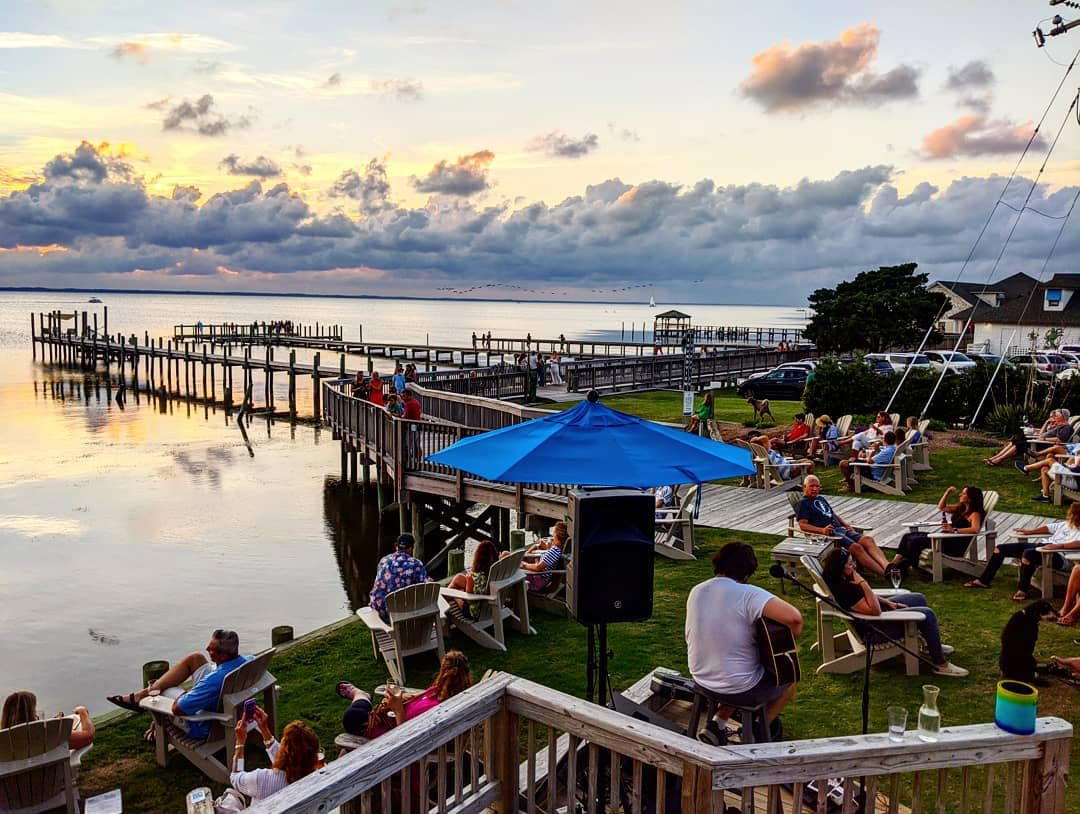
AQUA Restaurant serves Contemporary American Seafood with waterfront views, an extensive wine list, craft cocktails, and a leisurely pace for lunch or dinner.

Pearl is the En Primeur Club membership app — saves, bookings, and concierge access live there. Same editors, same standards.
The menu
What to order
- Seared Salmon
- Lobster Mac & Cheese
- Crab Cake Sandwich
Where the Sound Shapes the Plate
The stretch of Duck Road that runs between the Atlantic and the Currituck Sound carries a particular quality in the late afternoon: the light flattens, the wind off the water picks up, and the restaurants along the strip begin to fill with people who have spent the day reading the tides. AQUA Restaurant sits downstairs at 1174 Duck Road, positioned in a town that has always oriented itself around water. That orientation is not incidental to what ends up on the table. The Outer Banks has long been a corridor of serious seafood, where proximity to productive coastal waters sets a different baseline for what fresh actually means, compared to landlocked restaurant scenes working with product that has travelled two days by truck.
The broader context matters here. The North Carolina coast sits within reach of the Gulf Stream, which pushes warm, nutrient-rich water close enough to the barrier islands to support a productive fishing zone. Outer Banks kitchens that commit to local sourcing are working with that geography directly. Species like flounder, drum, and blue crab move through these waters seasonally, and the leading coastal restaurants in the region time their menus accordingly, treating the catch calendar the way inland restaurants treat the harvest calendar. The question with any Outer Banks dining room is not simply whether seafood appears on the menu, but how tightly the kitchen tracks what is actually available, and from where.
Duck’s Place in the Outer Banks Dining Conversation
Duck itself operates at a distinct register within the Outer Banks. It is a smaller, quieter town than Kill Devil Hills or Nags Head to the south, and the dining scene reflects that character. The restaurants here tend toward the considered rather than the casual, serving visitors who have specifically sought out this end of the barrier island. Lifesaving Station, Red Sky Cafe, and The Blue Point represent the range of what Duck offers at its upper tier, from waterfront settings to locally focused cooking. AQUA occupies a position in that peer group, drawing from the same geography and the same seasonal supply chains that define Outer Banks coastal cooking.
For a broader map of where Duck’s restaurants sit relative to each other, our full Duck restaurants guide tracks the current options with editorial context on each.
The Ingredient Logic of Coastal Carolina
Sourcing along the North Carolina coast operates through a network of small-boat fishermen, local docks, and a handful of specialty suppliers who have built relationships with chefs over years. This is not the industrialised supply chain that feeds urban restaurant groups. It is a shorter, more variable loop, which means menus shift more often and what arrives in a kitchen on a given Tuesday may not match what was planned on Monday. That variability is the point. A kitchen willing to work within those constraints rather than around them is telling you something about its priorities.
The ingredient sourcing angle that defines the better coastal restaurants here connects to a national conversation about provenance-led cooking. Operations like Single Thread Farm in Healdsburg and Blue Hill at Stone Barns in Tarrytown have formalised that sourcing relationship into the core identity of the restaurant. In a coastal town like Duck, the connection between place and plate is less formalised but often just as direct. The fisherman who supplies a kitchen here may have worked the same inlets for decades, and that continuity carries its own credibility.
Coastal Carolina also has its own shellfish identity. The Currituck Sound, which borders Duck on the western side, has supported oyster and clam cultivation for generations. That proximity gives local kitchens access to product that has not left the county before arriving on the table, which puts them in a different supply conversation than, say, a fine dining room sourcing from a national seafood distributor. Restaurants at the serious end of the Atlantic coast seafood spectrum, from Le Bernardin in New York City to Providence in Los Angeles, have built reputations on exactly this kind of sourcing rigour, translated to their respective scales. The Outer Banks version is smaller and less formal, but the logic is the same.
Placing AQUA in a Wider Coastal Frame
American coastal fine dining has fragmented into several distinct modes over the past decade. The tasting-menu format, represented by rooms like Smyth in Chicago and Addison in San Diego, prioritises technique and narrative over accessibility. The ingredient-forward, farm-or-sea-to-table format, practised at places like Lazy Bear in San Francisco and The Wolf’s Tailor in Denver, centres sourcing as the editorial statement. And then there is the accessible regional restaurant, which serves a local community and a seasonal visitor base without aspiring to the tasting-menu tier. Duck’s restaurant scene operates almost entirely in that third mode, and it is no worse for it. The regional coastal restaurant, done with attention, is where most people actually eat well on a vacation, and where the specific character of a place comes through most legibly.
That regional character is what distinguishes the better Outer Banks tables from the generic coastal chain experience that has spread across American beach towns. When a kitchen in Duck is sourcing from local boats and Currituck Sound shellfish operations, the food carries information that a menu sourcing from a national distributor simply cannot. This is the same principle that makes The Inn at Little Washington and Frasca Food and Wine in Boulder compelling at their respective price points: the sourcing is specific, and the specificity is legible on the plate.
Planning Your Visit
Duck is a seasonal town, and that seasonality runs through everything, including how busy its restaurants get. The summer months, particularly July and August, are when the barrier island fills with families renting houses by the week, and reservations at the better tables become harder to secure on short notice. Visiting in shoulder season, late May or September, gives you the same menus without the same competition for tables. AQUA sits downstairs at 1174 Duck Road, which puts it within walking distance of the town’s main strip, accessible without a car if you are staying nearby. Duck itself is compact enough that most visitors orient their evenings around a short drive or walk between the Sound and the Ocean.
For context on what the Outer Banks dining scene looks like across the full range of price and format, comparisons with other American regional cooking programs are useful. Emeril’s in New Orleans represents the anchor end of American regional cooking as restaurant identity, while Atomix in New York City and Atelier Moessmer Norbert Niederkofler in Brunico show how regional ingredient sourcing can operate at the formal tasting-menu tier. Duck is not aiming at either of those registers, but understanding where the spectrum runs helps calibrate expectations for what a well-executed coastal Carolina restaurant actually delivers.
Frequently asked questions
Would AQUA Restaurant be comfortable with kids?
Duck, NC is a family-oriented beach town, and AQUA sits along Duck Road in a setting that draws a broad summer crowd. That said, the restaurant occupies a dedicated dining room with a focused menu approach that skews toward adults seeking a sit-down coastal meal rather than a casual beachside stop. Families with older children who are comfortable at the table will likely find it workable; parents with very young children should weigh the format before booking.
What's the vibe at AQUA Restaurant?
AQUA occupies a downstairs space at 1174 Duck Road, positioned between the Atlantic and the Currituck Sound in one of the Outer Banks' quieter, more residential towns. The atmosphere leans toward relaxed coastal dining rather than the louder, more tourist-driven energy found further south in Nags Head or Kill Devil Hills. Duck itself sets the register: lower-key, less commercial, with a crowd that tends toward repeat visitors rather than first-timers passing through.
Is AQUA Restaurant a good option for a special occasion dinner in Duck, NC?
AQUA's location in Duck rather than the busier Outer Banks towns to the south makes it a practical choice for a quieter, more intimate evening out. Duck's smaller dining scene means fewer alternatives at a comparable sit-down level, which positions AQUA as one of the more deliberate dinner options in the area. For occasions tied to the coastal setting — anniversaries, milestone birthdays along the Outer Banks — the combination of location and format fits the moment reasonably well.
What dish is AQUA Restaurant famous for?
Coastal Carolina seafood preparation — drawing on whatever the regional catch delivers seasonally — shapes the plate logic here more than any fixed dish. Checking directly with the restaurant before visiting will give you the clearest picture of the current menu.
Where is AQUA Restaurant in Duck?
AQUA Restaurant is located at 1174 Duck Rd Downstairs, Duck, NC 27949, Duck.
How far ahead should I plan for AQUA Restaurant?
Duck operates on a hard seasonal curve, with July and August representing peak demand across all restaurants in the town. Booking AQUA several weeks in advance is advisable for summer visits, particularly on weekends, when Duck Road traffic and accommodation occupancy both peak. Outside of summer, the town quiets considerably, and walk-in availability improves across the Outer Banks generally.
Fast Comparison
| Venue | Cuisine | Price | Awards |
|---|---|---|---|
| AQUA RestaurantThis venue (the venue you are viewing) | Contemporary American Seafood | Not listed | Not listed |
| Lifesaving Station | Southern Coastal American Seafood | $30–50 | Not listed |
| Red Sky Cafe | Contemporary American Seafood | $20–30 | Not listed |
| The Blue Point | Contemporary Southern Coastal | $50–100 | Wine Spectator Award of Excellence |
Continue exploring
More in Duck
Restaurants in Duck
All restaurants in Duck →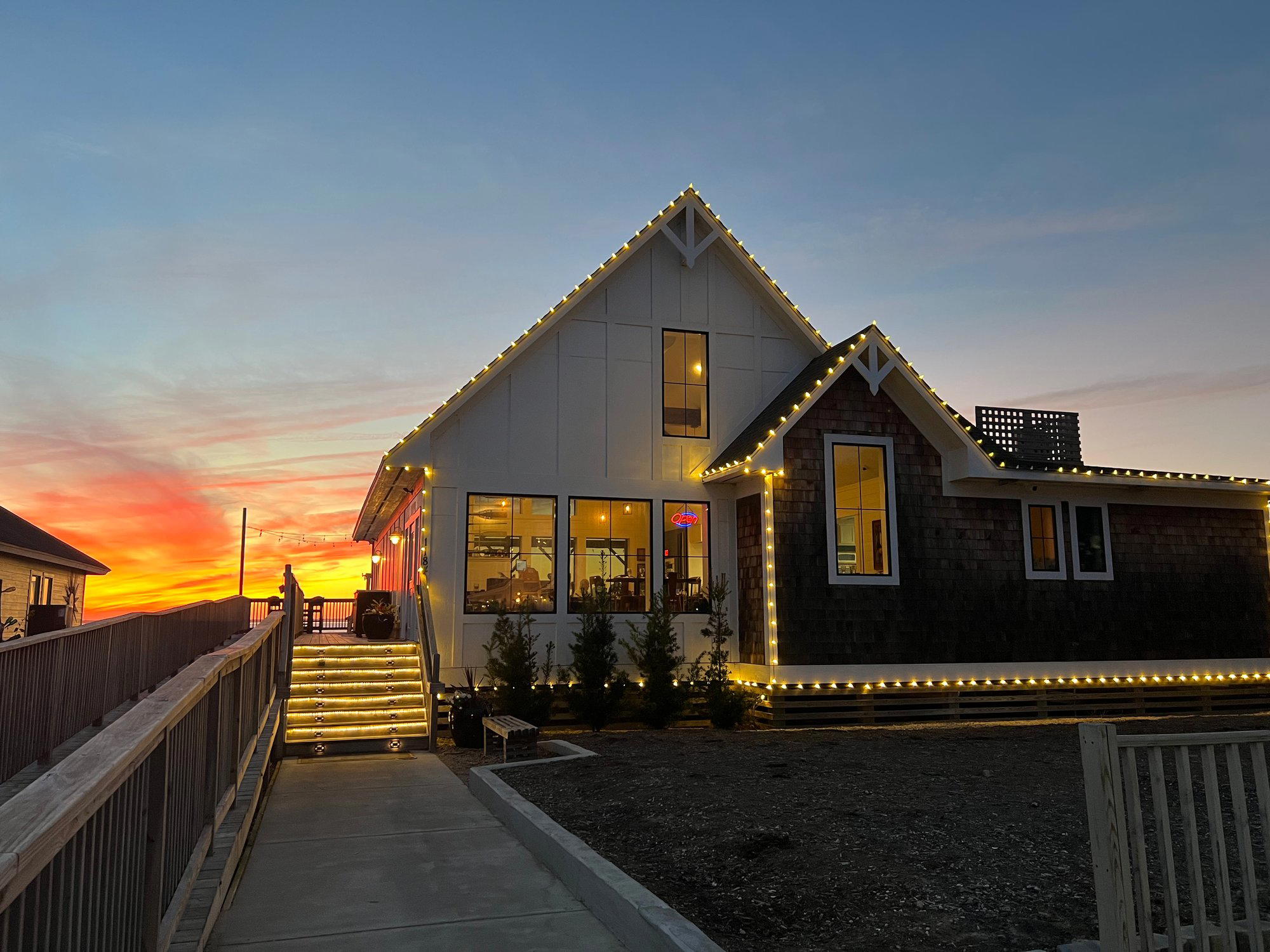


Hotels in Duck
All hotels in Duck →
AQUA Restaurant
The wine
- Wine program
- Curated wine list
- Extensive wine list
- Craft cocktails
Details
- Elegant
- Scenic
- Romantic
- Date Night
- Special Occasion
- Family
- Live Music
- Waterfront
- Extensive Wine List
- Craft Cocktails
- Local Sourcing
- Waterfront
- A La Carte
- Vegetarian Friendly
- Vegan Options
- Gluten Free Options
Current opening hours
- Monday
- Closed
- Tuesday
- Closed
- Wednesday
- 11 AM–8:30 PM
- Thursday
- 11 AM–8:30 PM
- Friday
- 11 AM–8:30 PM
- Saturday
- 11 AM–8:30 PM
- Sunday
- 11 AM–8:30 PM
Hours can change for holidays and private events. Last verified .
Casual yet elegant atmosphere with waterfront views, live music, and a relaxed setting for memorable meals.