On Kaļķu iela in Riga's Old Town, Liberta sits at the address where the Baltic dining conversation between local produce and continental technique is quietly advancing. The restaurant occupies a corner of Riga's fine-dining scene where the city's forested interior and cold-water coastline meet training rooted in Western European kitchens. For the current season, it is a table worth planning well in advance.
Pearl is the En Primeur Club membership app — saves, bookings, and concierge access live there. Same editors, same standards.
- Address
- Kaļķu iela 11, Centra rajons, Rīga, LV-1050, Latvia
- Phone
- +37126159148
- Website
- libertariga.lv
- Directions
- Get directions
 Saves & bookings on Pearl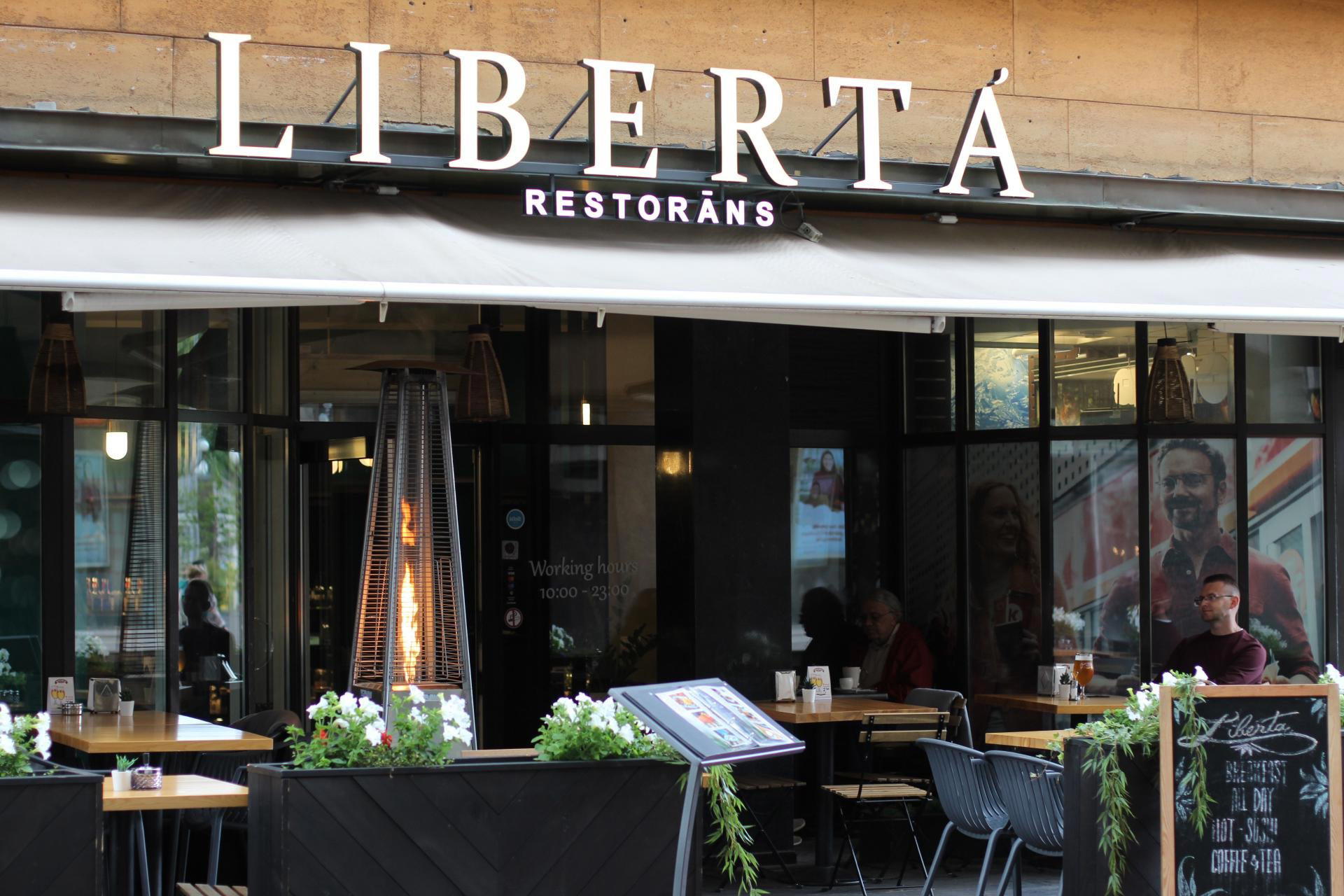
Old Town, New Argument
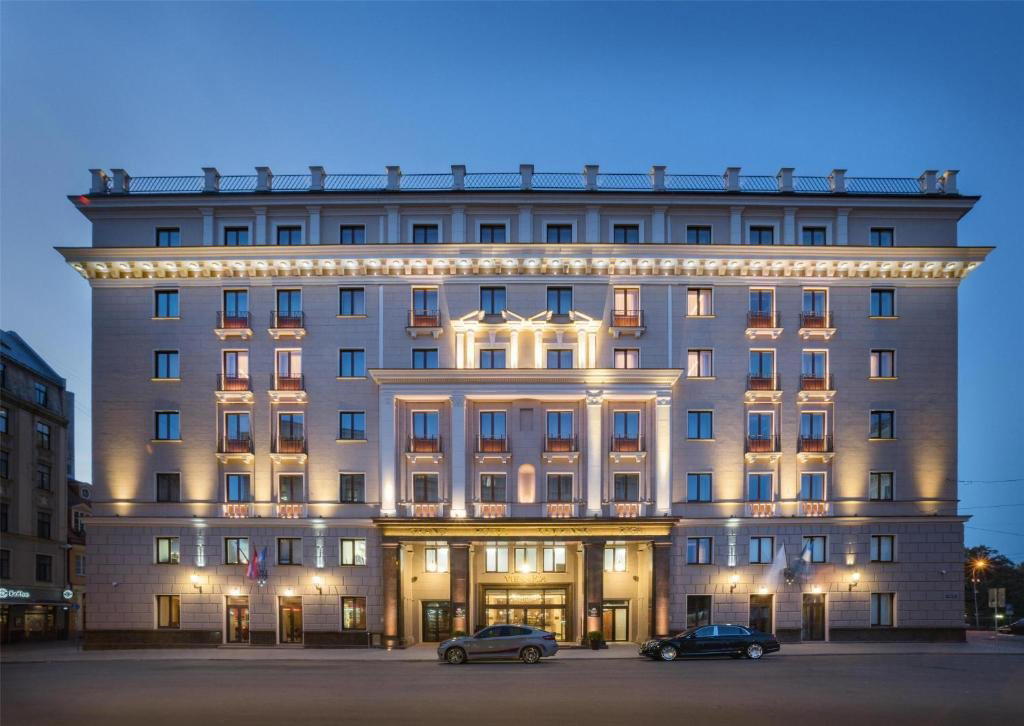
Kaļķu iela is one of Riga's oldest through-routes, threading the medieval core toward the Daugava embankment. The street handles a lot of traffic, tourists angling for the cathedral, locals cutting through from the market side, but number 11 asks you to slow down. The address belongs to Liberta, a casual restaurant in Riga that serves International Comfort Cuisine. The Old Town has historically been tourist territory, its restaurants calibrated for turnover rather than depth. What has changed is that a cluster of kitchens in and around the historic centre now operate on an entirely different register, one where the raw material, foraged mushrooms, river fish, rye-fed farmhouse cheeses, cold-smoked pork from inland producers, is treated as the argument, not the garnish.
The Baltic-European Intersection
To understand what Liberta is doing, it helps to understand what Latvian cuisine has spent the last fifteen years becoming. The country's larder is genuinely distinctive: short growing seasons produce ingredients with concentrated flavour, Baltic amber-coloured honeys, dark rye breads with a fermentation depth that no wheat loaf replicates, and North Sea-adjacent fish that bears no resemblance to the farmed equivalents found elsewhere in Europe. For most of the post-Soviet period, that larder was either underused in upmarket dining, replaced by imported proteins and French frameworks, or overused in a kind of folk-museum register that treated tradition as costume.
The shift came when a generation of Latvian cooks trained in Copenhagen, Paris, and Stockholm returned with technique but, crucially, returned. The result is a strand of cooking that treats classical European method as a tool applied to Latvian raw material, rather than a finished aesthetic to be imported wholesale. Liberta sits in this current. Dishes at this level of Riga's fine-dining scene tend to feature fermentation, open-fire preparation, and a willingness to let ingredient quality speak before sauce complexity does, methods borrowed from Nordic and French kitchens, applied to produce that those kitchens never had access to.
Riga's most discussed addresses in this tier, JOHN Chef's Hall and Max Cekot Kitchen, both operating at the €€€€ price bracket, have made this intersection their explicit territory. 3 Chefs and 3 pavaru restorans extend that conversation. Alaverdi approaches it from a Georgian-Latvian axis. Liberta on Kaļķu iela belongs to this cohort by address and by the ambition that the location implies.
What the Season Brings
Timing matters at this level of Baltic cooking more than at almost any other European regional tradition. Latvia's seasons are compressed and sharp: the window for wild strawberries is three weeks, the chanterelle flush runs from late July into September, and the ice-fishing season produces perch and pike-perch with a texture unavailable in the warmer months. Kitchens that take their ingredient sourcing seriously are therefore running effectively different menus across the year, not through theatrical tasting-menu reinvention but through genuine produce availability. The late-autumn and winter months bring preserved and fermented preparations to the fore, lacto-fermented vegetables, smoked fish, root-cellar produce, techniques that are not supplementary but central to the Latvian table.
For a restaurant at Liberta's address, in the heart of the Old Town where seasonal produce can feel furthest from the plate, the commitment to that cycle is the proof of seriousness. Visiting in the shoulder seasons, March before the spring produce arrives, or October as the last of the foraged harvest closes out, often yields considered cooking, when kitchens are working between the obvious abundance and must rely on preservation technique and structural thinking.
Riga's Fine-Dining Geography
The city's premium restaurant density is concentrated in two zones: the Old Town and the Art Nouveau belt of Centrs and Quiet Centre. Liberta's address on Kaļķu iela places it in the first, which means it shares a neighbourhood with souvenir shops and high-turnover beer halls but draws a clientele that comes specifically. That specificity matters. Tables in this tier are not filled by walk-ins; they require planning. The pattern at comparable Riga addresses is bookings two to four weeks ahead for midweek, longer for weekend evenings in summer and during the Christmas market period when the Old Town is at maximum occupancy.
Latvia's broader dining scene extends well beyond the capital. Laivas in Jurmala brings a coastal angle to the same local-technique conversation. Goldingen Room in Kuldiga and Kest in Cēsis demonstrate that serious cooking is now distributed across Latvian towns rather than concentrated in Riga. Nurmuiža Restaurant in Lauciene, Pavāru māja in Līgatne, and Albatross in Engure extend the map further. For meat-focused cooking, Ahh-meat in Valmiera and ZOLTNERS in Tērvete represent the inland tradition. Piano in Liepaja anchors the western coast.
Planning Your Visit
Liberta is located at Kaļķu iela 11 in Riga's Old Town, a five-minute walk from the central market hub and directly accessible from the main tourist corridor. If the aim is to catch peak seasonal produce, late August through September offers the overlap of chanterelle season, late summer vegetables, and the early cold that sharpens flavour in leafy greens and brassicas.
Atomix in New York City applies Korean sourcing rigour through fine-dining structure; Le Bernardin demonstrates how classical European technique can foreground ingredient quality above all else; and Emeril's in New Orleans shows the long arc of a regional-ingredient kitchen becoming a city's culinary reference point. The parallel with what Riga's leading kitchens are building is instructive.
Same-City Peers
Comparable venues nearby, for context on price, style, and recognition.
| Venue | Cuisine | Price | Notes |
|---|---|---|---|
| Liberta restaurantThis venue — the venue you are viewing | International Comfort Cuisine | $$ | Not listed |
| Siļķītes Un Dillītes | Latvian Fish Cafe | $$ | Latgale |
| KITSCHen | Modern European with Local Flavors | $$ | Centrs |
| Vina bars Garage | Modern European Tapas & Wine Bar | $$ | Centrs |
| Labietis | Latvian Craft Beer Taproom | $$ | Centrs |
| Kalku Varti | Modern Latvian | $$ | Vecpilsēta |
At a Glance
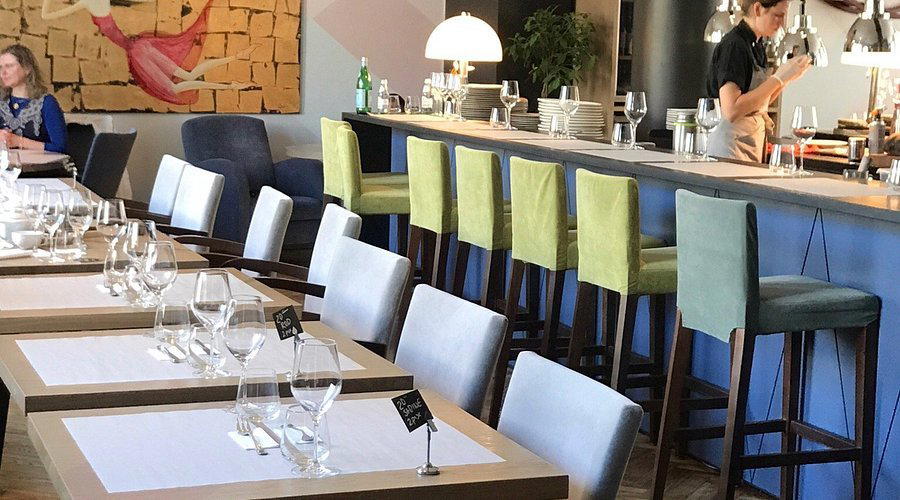
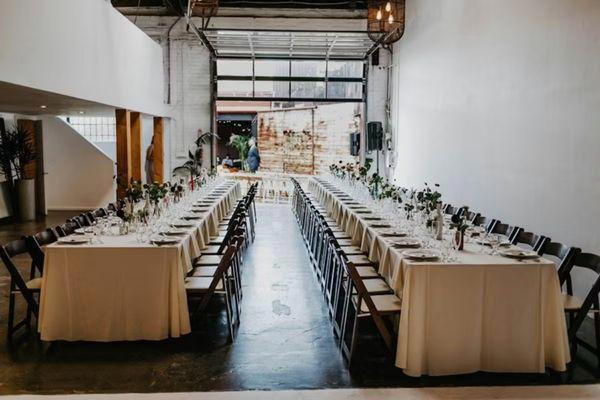
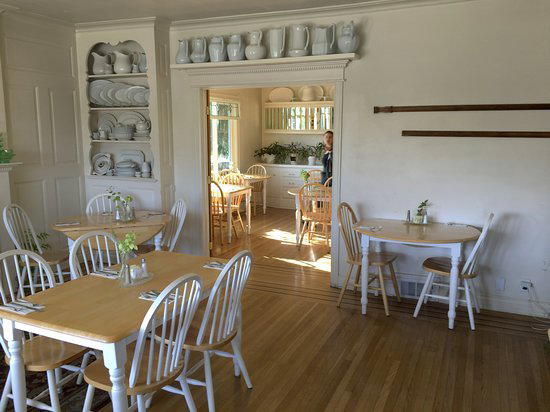
- Cozy
- Modern
- Casual Hangout
- Brunch
- Open Kitchen
- Craft Cocktails
- Street Scene
Current opening hours
- Monday
- 10 AM–10 PM
- Tuesday
- 10 AM–10 PM
- Wednesday
- 10 AM–10 PM
- Thursday
- 10 AM–11 PM
- Friday
- 10 AM–11 PM
- Saturday
- 10 AM–11 PM
- Sunday
- 10 AM–10 PM
Hours can change for holidays and private events. Last verified .
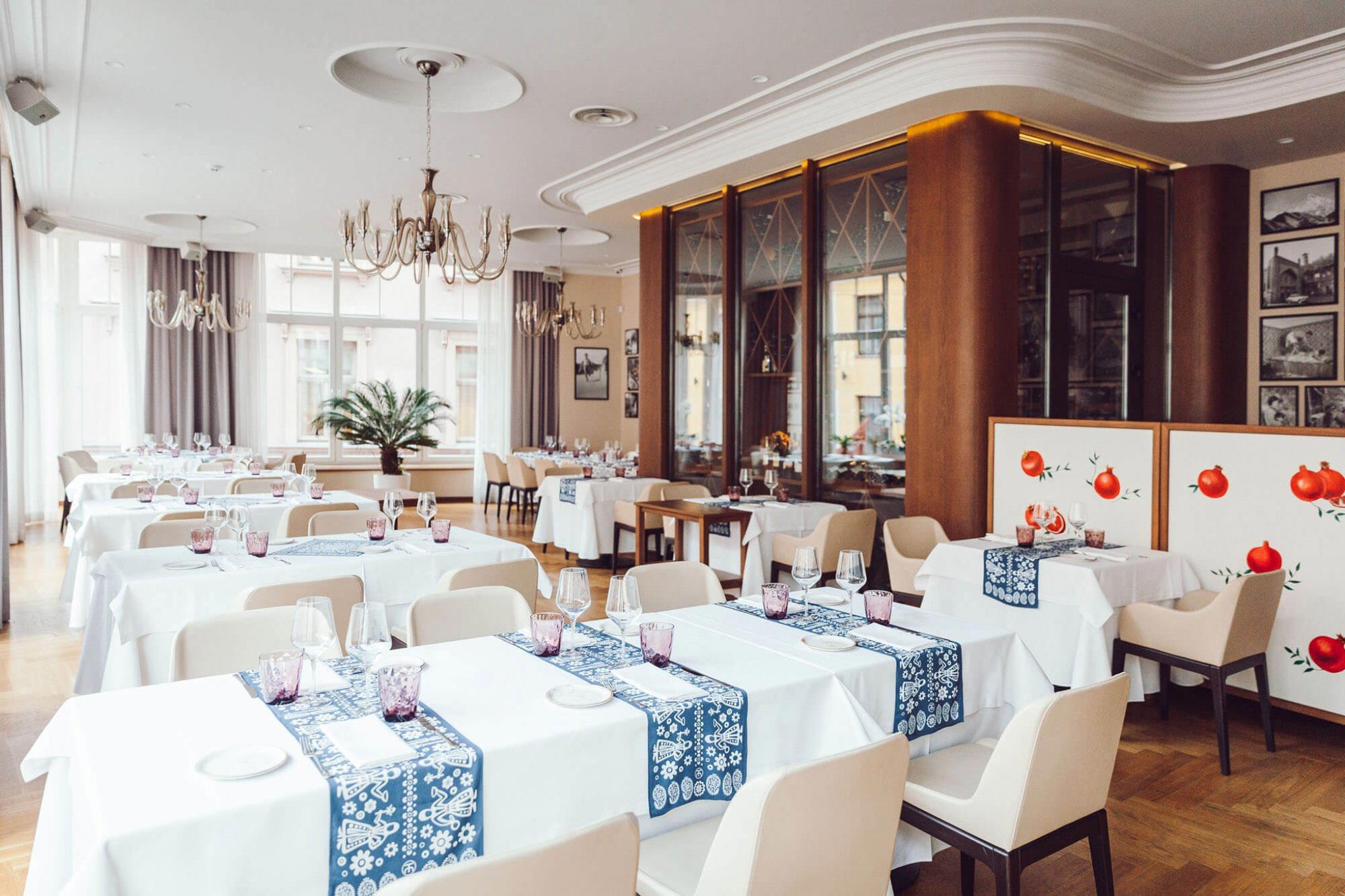
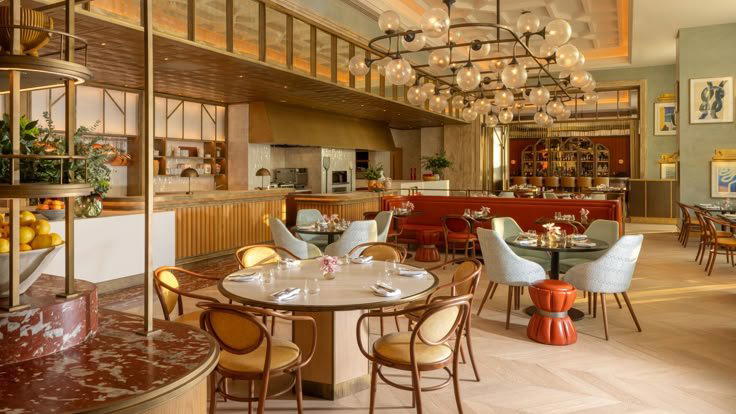
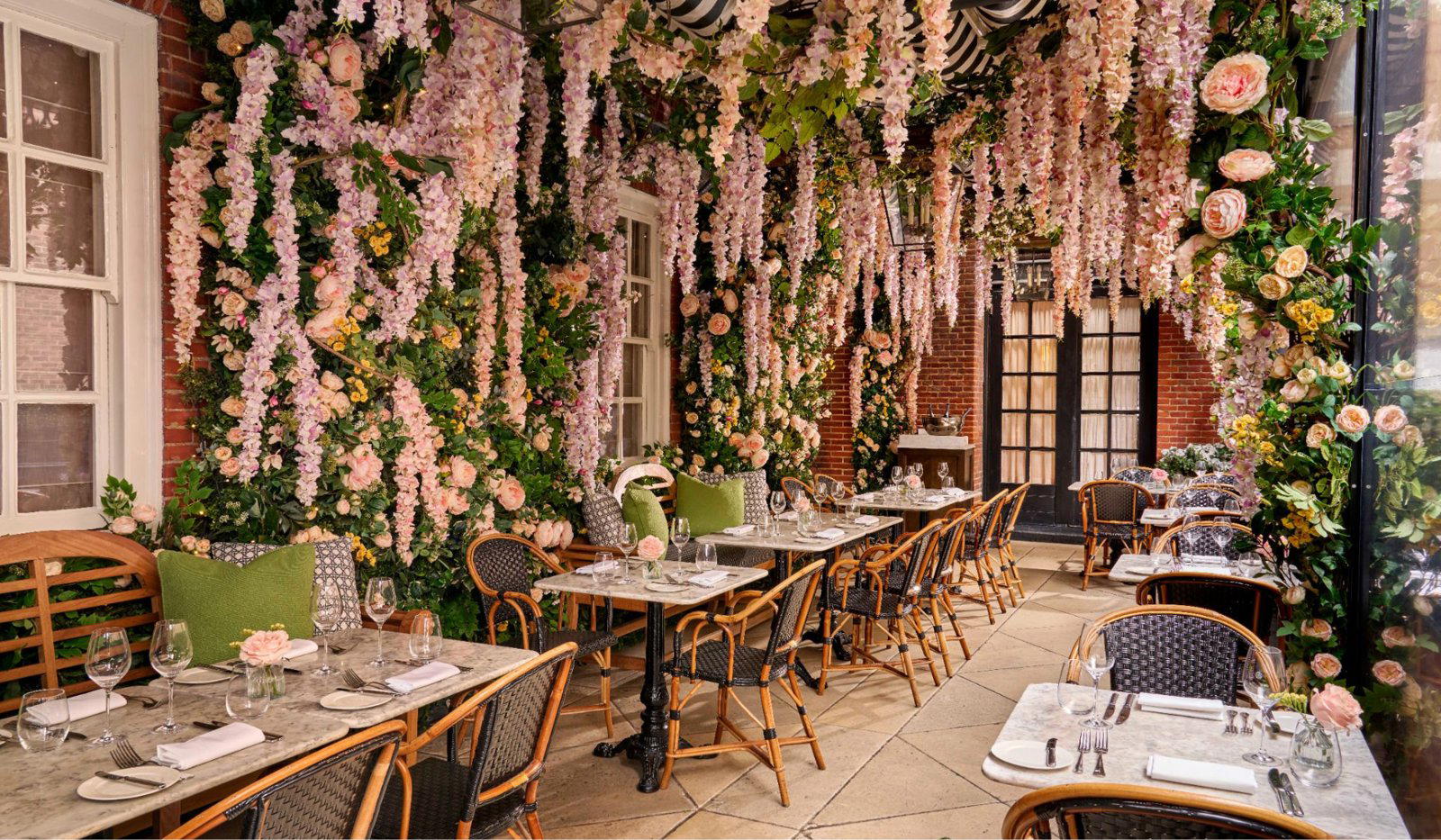
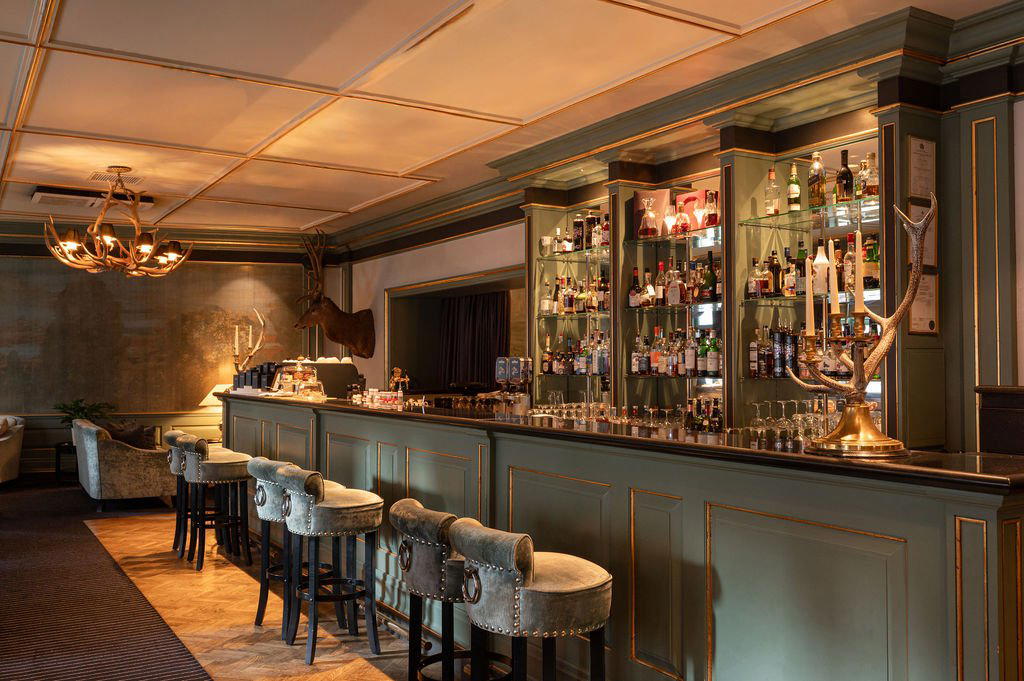
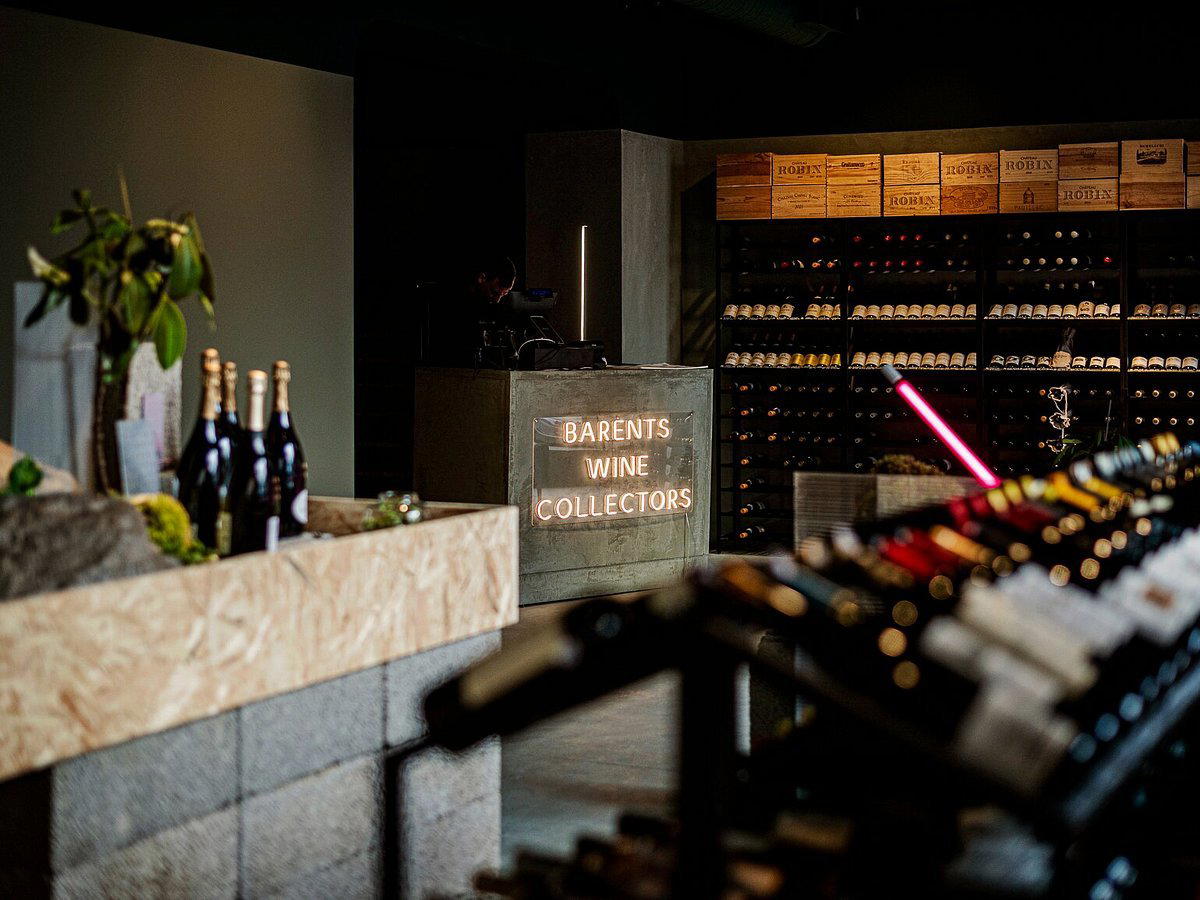
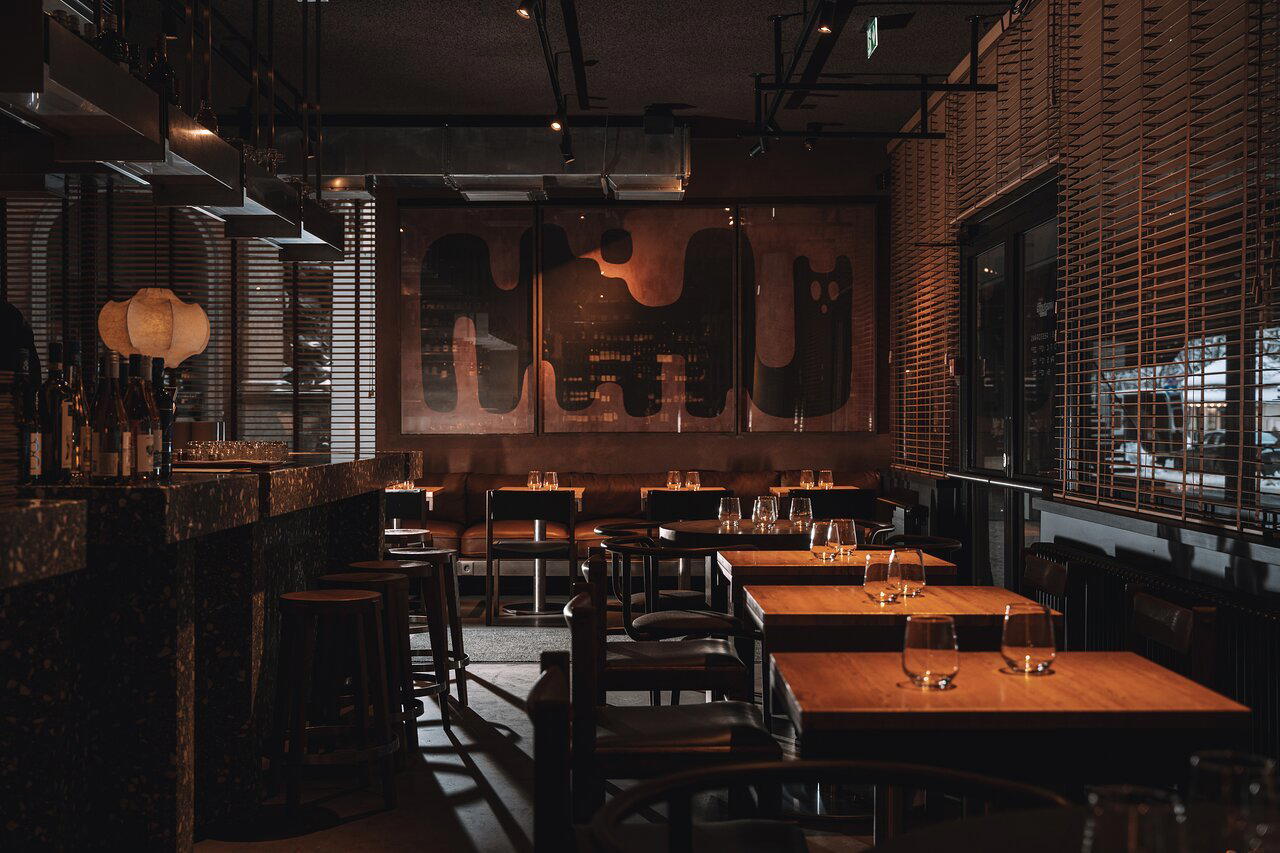
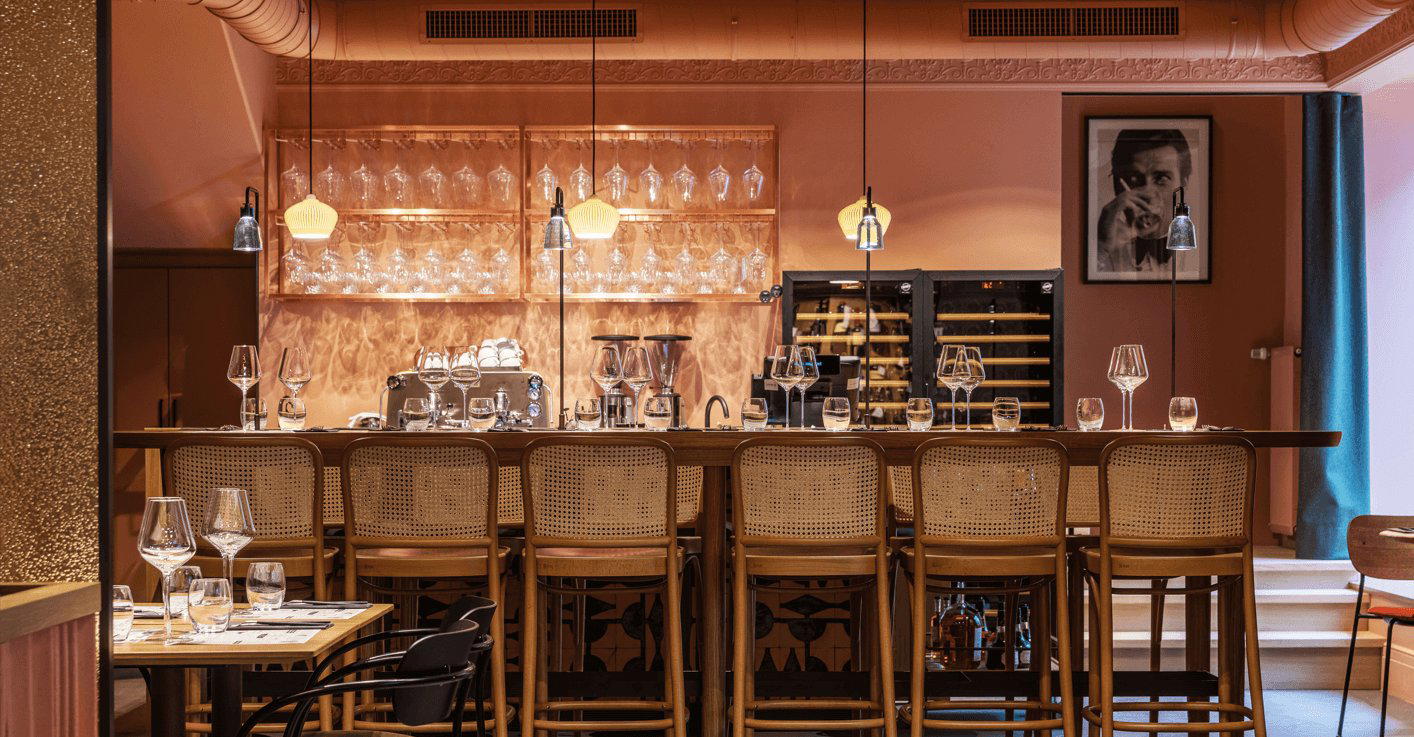
Cozy and cheerful atmosphere with friendly service and relaxed urban vibe.