Our verdict
Labietis occupies a Centra rajons address on Aristida Briāna iela, placing it within reach of Riga's most active dining corridor. The restaurant sits in a segment of the city's scene where menu architecture and ingredient sourcing carry more weight than spectacle. For visitors working through Riga's serious dining options, it belongs on the shortlist alongside the capital's most considered kitchens.

Pearl is the En Primeur Club membership app — saves, bookings, and concierge access live there. Same editors, same standards.
- Address
- Aristida Briāna iela 9a-2, Centra rajons, Rīga, LV-1001, Latvia
- Phone
- +37125655958
- Hours
- Mon 3 PM–12 AMTue 6 PM–12 AMWed–Thu 3 PM–12 AMFri–Sat 1 PM–2 AMSun 1 PM–12 AM
- Website
- labietis.lv
- Directions
- Get directions
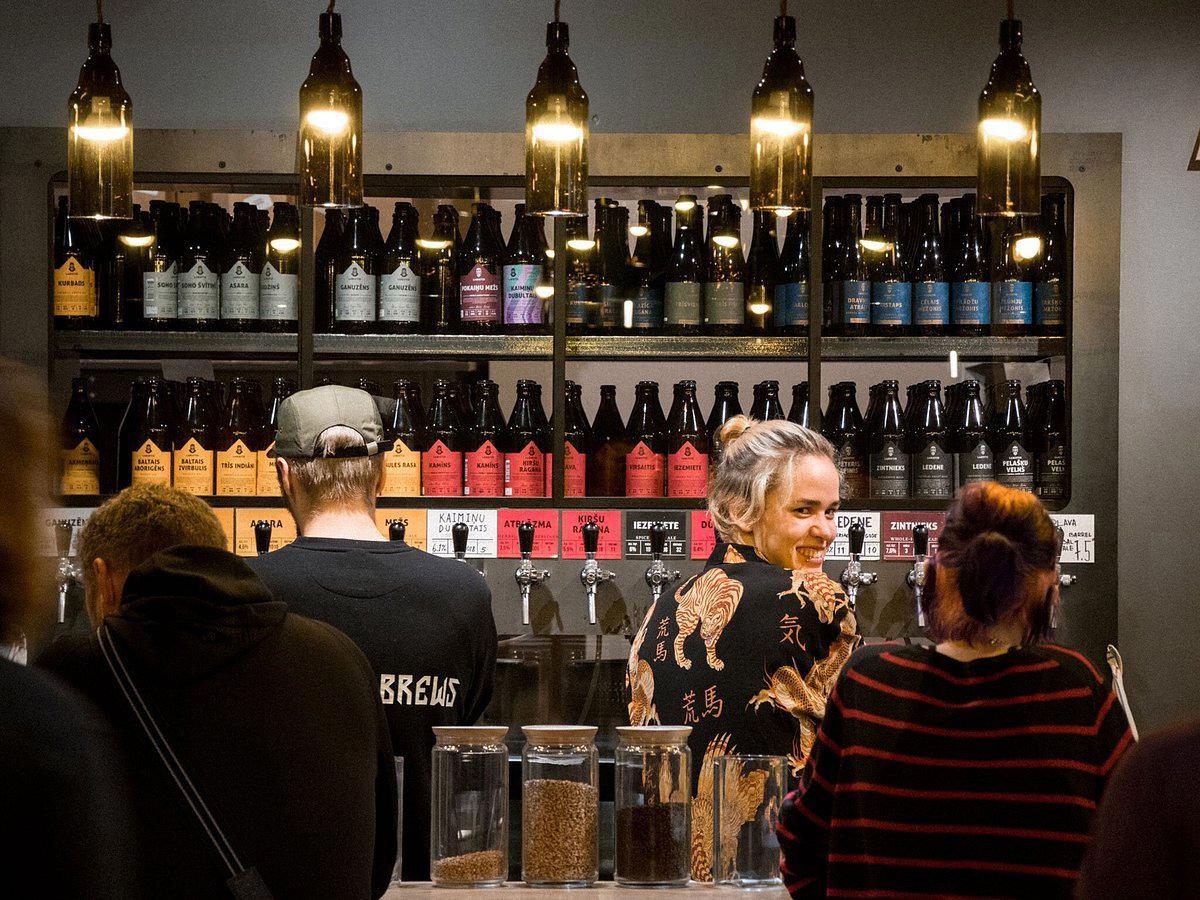
A Street, a Room, a Point of View
Riga's Centra rajons has quietly become the district where the city's more considered restaurants have taken root. The neighbourhood runs between the art nouveau boulevards and the older merchant streets, and its dining scene reflects that layering: formal European tradition sitting alongside newer kitchens that are more interested in what Latvia actually grows, ferments, and preserves. Labietis, at Aristida Briāna iela 9a-2, sits inside this context rather than outside it. The address places it in a part of the city where foot traffic is local, where a restaurant earns its reputation through return visits rather than tourist throughput.
That geographic positioning matters more than it might seem. Riga's restaurant scene has split noticeably over the past decade into two broad camps: venues that orient themselves toward international visitors and the conventions of European fine dining, and venues that are working through something more specific to the Baltic pantry and its fermentation traditions, foraged ingredients, and dairy-forward cooking. Labietis belongs to the second tendency, and understanding that distinction is the right starting point for any reader deciding whether to make the trip.
How the Menu Talks
Menu architecture in Riga's more serious kitchens tends to operate as a statement of intent. At venues like JOHN Chef's Hall and Max Cekot Kitchen, the structure of the tasting menu itself communicates a kitchen's relationship to seasonality and technique. What a menu includes, excludes, and sequences reveals as much about a restaurant's values as any individual dish. Labietis operates in this same register: the menu is the argument, and the argument is about Latvia's larder.
Baltic cooking has a distinct architecture when practiced seriously. It moves through preserved and fermented elements before arriving at fresher, more immediate preparations. It uses smoke, acid, and fat in proportions that differ from the French tradition that still dominates much of Central European fine dining. A kitchen working in this mode will structure its courses so that each one builds on accumulated flavors rather than resetting the palate with each plate. This approach rewards attention and punishes distraction, which is one reason why the restaurants doing it well tend to cultivate a particular kind of diner: one who has come specifically for this experience rather than defaulting to it.
The distinction matters when comparing Labietis to peers across the capital. 3 Chefs and 3 pavāru restorans occupy similar territory in terms of ambition and local-sourcing commitments, while Alaverdi pulls in a different direction with Georgian influences. Each represents a different answer to the same underlying question: what does serious cooking in this city actually look like in 2024? Labietis offers one answer, and it is a coherent one.
The Baltic Kitchen in European Context
To understand what Labietis is attempting, it helps to understand where Baltic cuisine sits in the broader European conversation. Nordic cooking received its critical framework in the 2010s, largely through Copenhagen's influence on the global restaurant press. Baltic cooking, which shares many of the same foundational ingredients but arrives at different conclusions through distinct fermentation traditions and grain cultures, has been slower to receive the same analytical attention. That is beginning to change.
Rye bread, smoked fish, cultured dairy, foraged mushrooms, preserved berries: these are not supporting elements in Baltic cooking but its structural pillars. A kitchen that takes them seriously cannot simply transpose French technique onto local ingredients. It has to develop a different relationship to time, since many of these ingredients require weeks or months of preparation before they arrive at the table. The menus at Riga's more serious restaurants reflect this temporal dimension in ways that menus built around à la carte immediacy cannot.
Internationally, this kind of cooking finds its closest analogues in Scandinavian and northern European kitchens rather than in the Mediterranean-inflected restaurants that still dominate global fine dining coverage. Venues like Le Bernardin in New York City or Atomix in New York City represent different traditions entirely, ones built around luxury seafood and Korean fermentation respectively, but they share with Labietis a commitment to structuring the meal around a coherent culinary logic rather than assembling crowd-pleasing dishes. Emeril's in New Orleans offers yet another frame of reference: a regional American kitchen that made the case for local culinary identity before the localism conversation became ubiquitous. Baltic restaurants making a similar case now are doing so in a European context that is increasingly receptive to it.
Latvia Beyond Riga
Readers who find Labietis compelling will likely discover that Riga is the entry point to a broader Latvian dining scene worth mapping. Outside the capital, the kitchens are often smaller and more ingredient-driven. Goldingen Room in Kuldīga and Kest in Cēsis represent the kind of serious regional cooking that rarely gets international press. Laivas in Jūrmala works with Baltic sea ingredients in a coastal format, while Nurmuiža Restaurant in Lauciene and Pavāru māja in Līgatne operate in rural settings where the sourcing radius is genuinely short. Ahh-meat in Valmiera, Piano in Liepāja, Albatross in Engure, and ZOLTNERS in Tērvete fill out a picture of a national dining scene that extends well past the capital. Our full Riga restaurants guide covers the capital's current tier structure in more detail.
Planning a Visit
Labietis is located at Aristida Briāna iela 9a-2 in Riga's Centra rajons, a district well served by the city's tram network and within walking distance of the Old Town. For restaurants in this part of Riga's scene, booking at least a week ahead is standard practice for weekend sittings; mid-week often allows more flexibility. Diners arriving in Riga for the first time should treat Centra rajons as the base for serious evening dining, with the Old Town better suited to daytime exploration than dinner.
Frequently asked questions
What's the address for Labietis?
Labietis is located at Aristida Briāna iela 9a-2, Centra rajons, Rīga, LV-1001, Latvia, Riga.
How does Labietis fit into the broader Riga dining scene?
Labietis operates from Aristida Briāna iela 9a-2 in Centra rajons, the district that has drawn Riga's more deliberate restaurant projects away from the Old Town. In a city where Baltic sourcing and fermentation-led techniques are defining the next generation of local cooking, its address places it at the centre of that shift rather than at the tourist periphery.
What do people recommend at Labietis?
Labietis sits within Riga's Centra rajons, a district where kitchens have been building menus around Baltic larder ingredients — foraged, fermented, and sourced from Latvian producers. Dishes that draw repeat visits in this scene tend to reflect seasonal availability rather than a fixed signature, so what arrives on the table shifts through the year. Checking current offerings directly before visiting is the practical approach.
Should I book Labietis in advance?
Riga's more considered restaurants in the Centra rajons district fill quickly, particularly Thursday through Saturday. Labietis is located at Aristida Briāna iela 9a-2, a specific address rather than a high-traffic tourist corridor, which means walk-ins carry more risk than in the Old Town. Securing a table ahead of time is the straightforward move.
What makes Labietis worth seeking out?
The case for Labietis is contextual: Baltic cuisine is at an earlier stage of international recognition than Nordic cooking, which means kitchens operating in this register in Riga are doing so without the scaffolding of a global press cycle.
Credentials Lens
Comparable venues nearby, for context on price, style, and recognition.
| Venue | Cuisine | Price | Notes |
|---|---|---|---|
| LabietisThis venue — the venue you are viewing | Latvian Craft Beer Taproom | $10–20 | Not listed |
| Kalku Varti | Modern Latvian | $20–30 | Vecpilsēta |
| Forest | Contemporary Latvian Forest Cuisine | Not listed | Centrs |
| nosaints | Cocktail Bar with Small Plates | $20–30 | Vecpilsēta |
| Kannas | European Latvian Bistro | $20–30 | Centrs |
| Senas Tradicijas | Traditional Russian & Eastern European | $20–30 | Vecpilsēta |
Continue exploring
More in Riga
Restaurants in Riga
Browse all →
![Clos[er] bar in Riga](https://cdn.enprimeurclub.com/storage/v1/object/public/images/bars/d8467ba5-1f7f-437c-95da-9a36985bf8cc/hero1.jpg?width=3840&quality=75)

Details
- Cozy
- Trendy
- Modern
- Industrial
- Casual Hangout
- After Work
- Open Kitchen
- Beer Program
- Craft Cocktails
- Local Sourcing
- Small Plates
- Craft Beer
- Mead
Current opening hours
- Monday
- 3 PM–12 AM
- Tuesday
- 6 PM–12 AM
- Wednesday
- 3 PM–12 AM
- Thursday
- 3 PM–12 AM
- Friday
- 1 PM–2 AM
- Saturday
- 1 PM–2 AM
- Sunday
- 1 PM–12 AM
Hours can change for holidays and private events. Last verified .
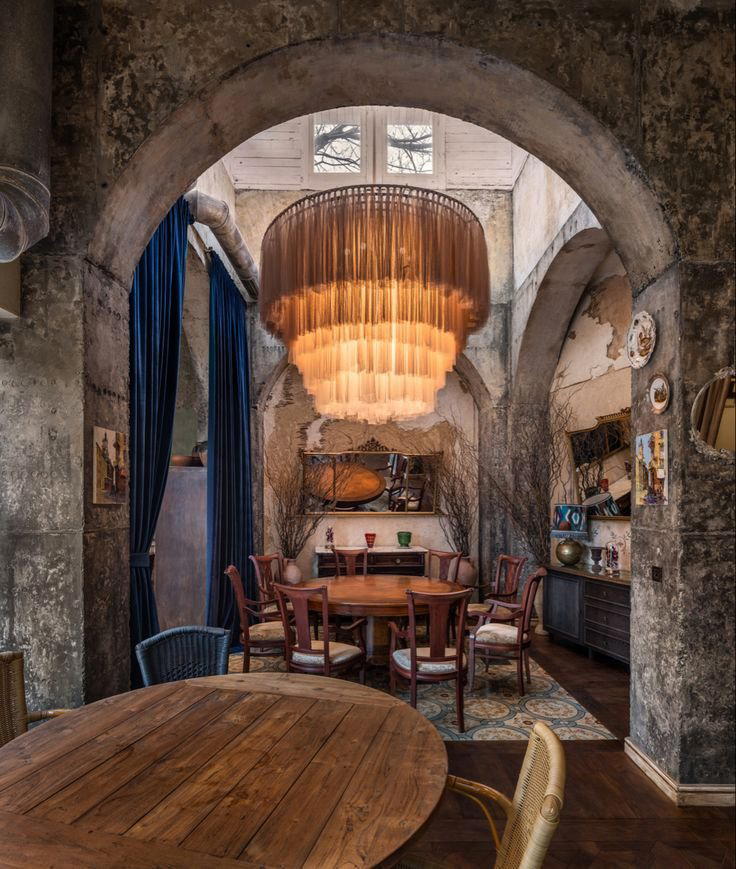
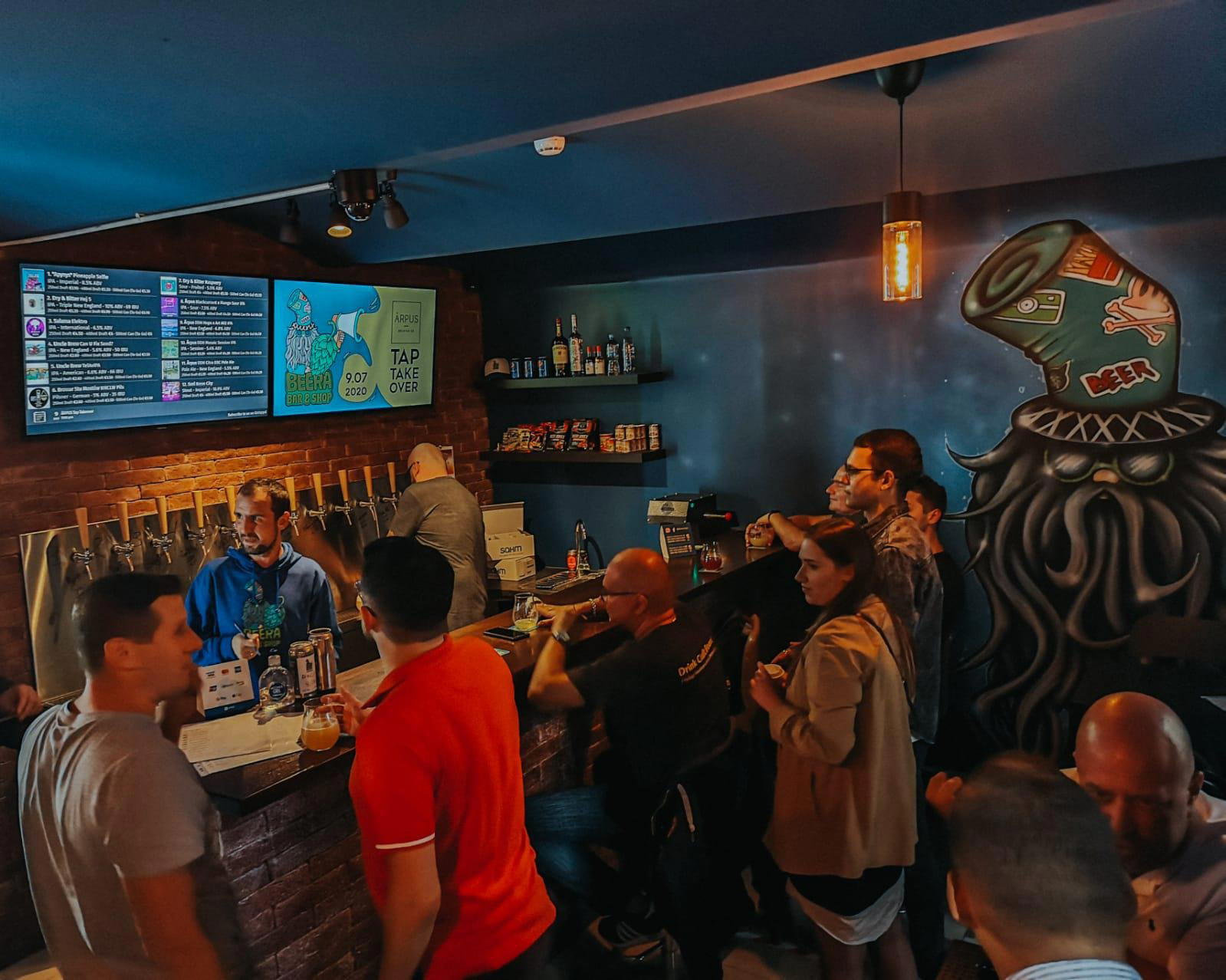
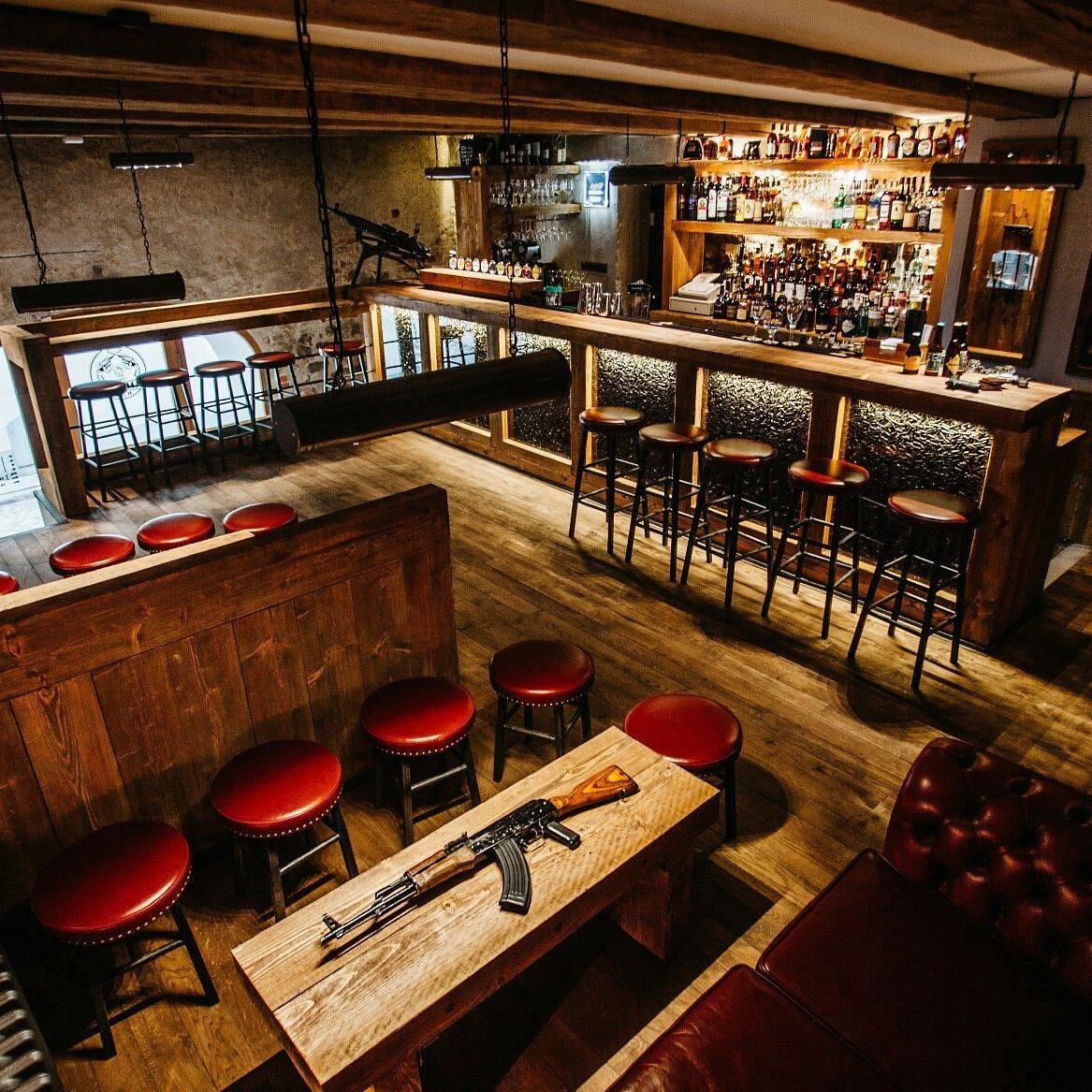
Cozy taproom atmosphere with a modern industrial feel, featuring visible brewing processes and a large communal wooden table.