Liba
Our verdict
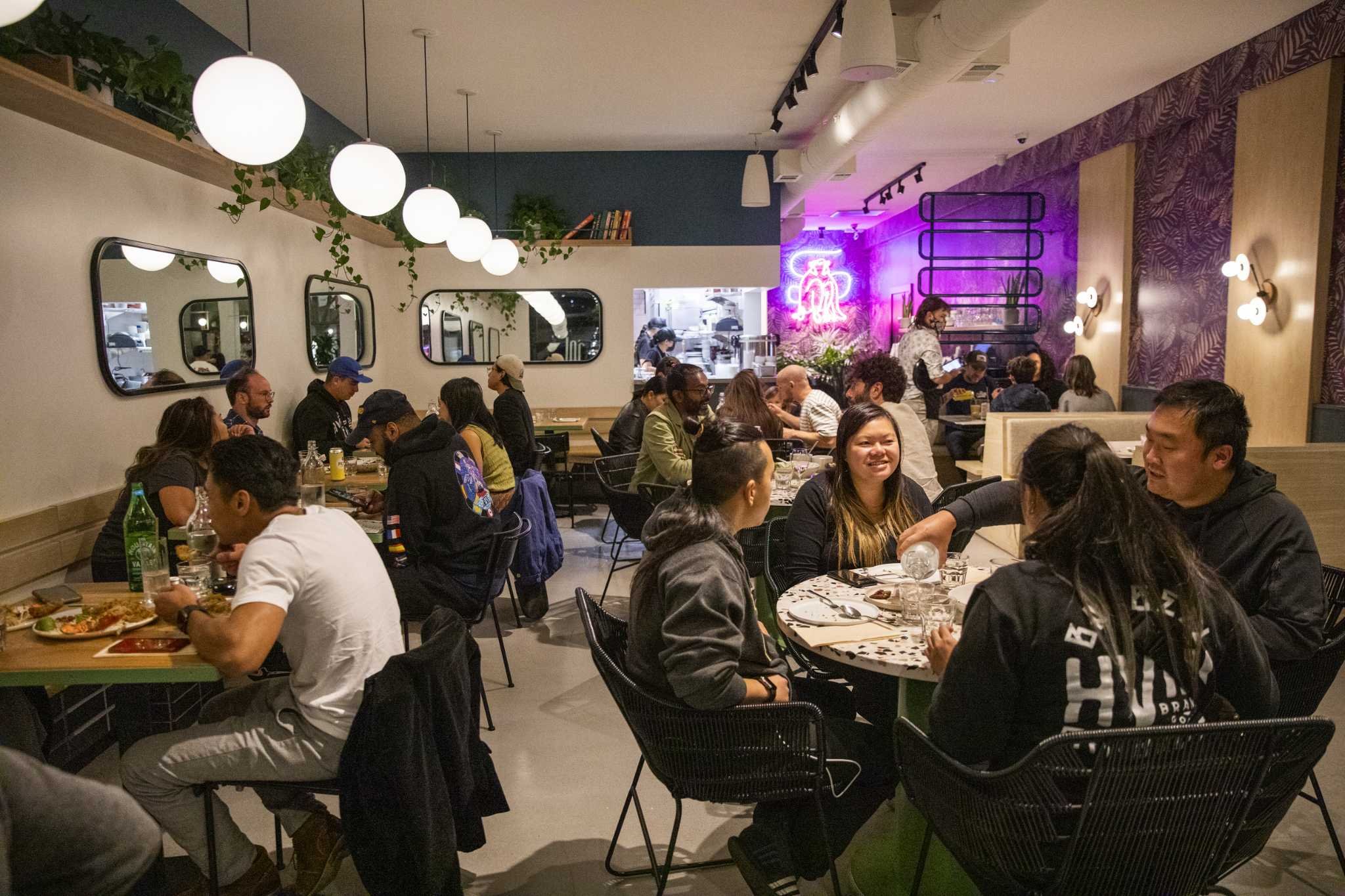
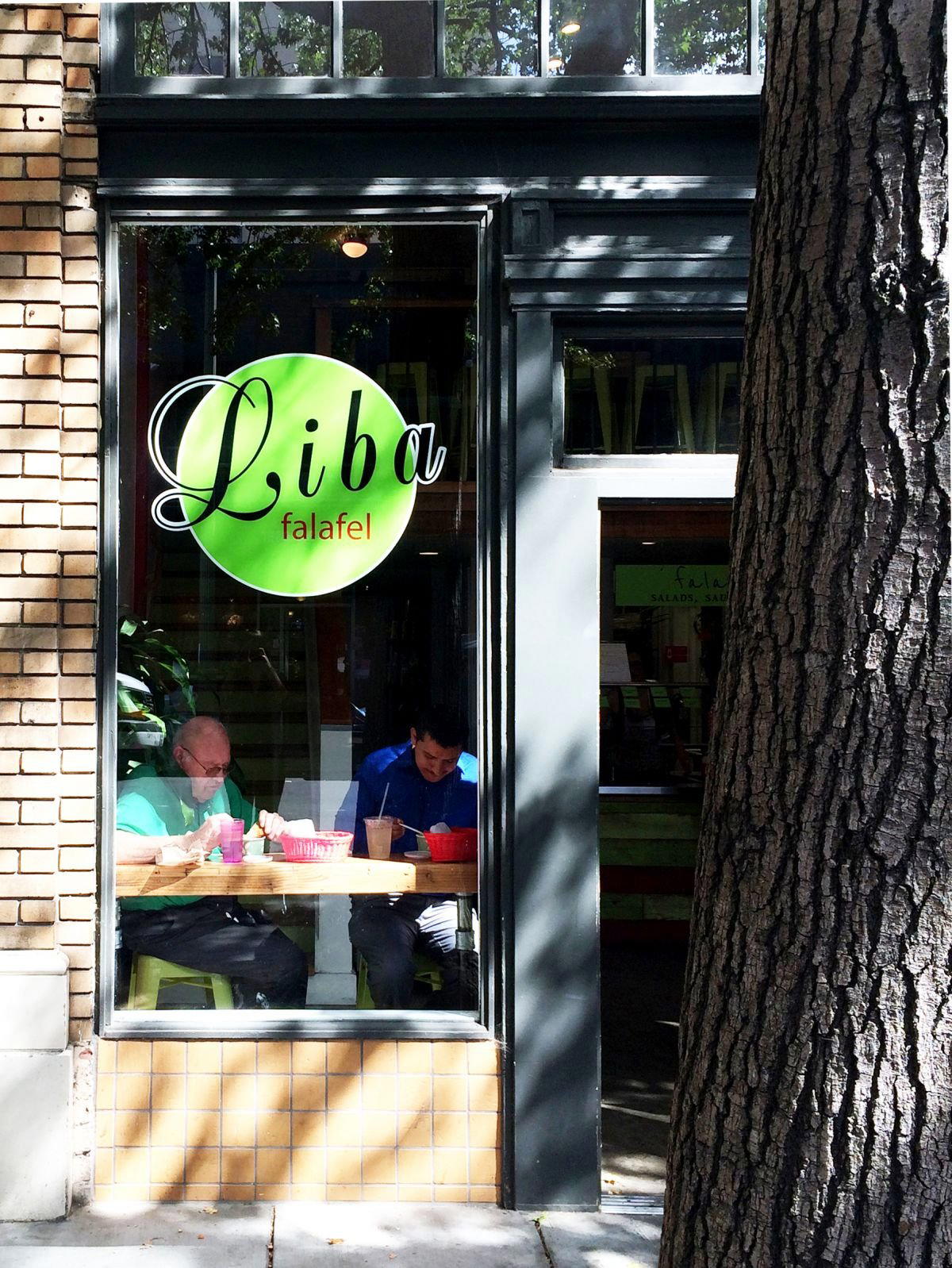
Liba operates at 380 17th St in Oakland's Uptown district, part of a wider East Bay dining movement that takes ingredient provenance seriously. The kitchen works within a sourcing-forward framework that connects the plate to regional producers, placing it alongside a cluster of Oakland restaurants rethinking what neighborhood dining can mean in a city long overshadowed by San Francisco.
The menu
What to order
- Falafel with toppings bar
- Sweet potato fries
Uptown Oakland and the Sourcing-First Imperative
Walk along 17th Street in Oakland's Uptown corridor and the shift in dining culture becomes legible through the buildings themselves: converted warehouses, repurposed storefronts, and ground-floor spaces that once housed entirely different economies. Liba, at 380 17th St, sits inside that transformation. The address places it within a cluster of independent operators that have collectively made Uptown one of the more interesting stretches of the East Bay for anyone paying attention to where American casual dining is actually moving right now.
The broader context matters here. Oakland has spent the better part of two decades operating in the shadow of San Francisco's restaurant press, which tends to treat the East Bay as an afterthought or a footnote. That dynamic has quietly inverted. A generation of cooks and operators who might once have aimed for a Tenderloin or SoMa address have instead committed to Oakland, drawn by lower overheads, a more forgiving landlord environment, and a diner base that rewards authenticity over spectacle. Liba is part of that cohort.
What Sourcing-Forward Means at Street Level
The ingredient-sourcing movement in American restaurants has bifurcated into two tiers. The first is the fine-dining tier, where provenance becomes performance: farms are named on menus, purveyors are listed like credits, and the sourcing story is often inseparable from the price point. Think Blue Hill at Stone Barns in Tarrytown, where the farm-to-table thesis is the entire architectural proposition, or Single Thread Farm in Healdsburg, where a working farm sits behind an eleven-course kaiseki-influenced tasting menu. At that tier, sourcing is capital-S Sourcing, a formal commitment embedded in the business model and priced accordingly.
Second tier is quieter and, in some ways, more interesting. It operates in the mid-market and casual register, where sourcing discipline is practiced without the ceremony. Ingredient quality drives the menu without necessarily driving the marketing. Oakland has produced several restaurants that operate in this register, and Liba appears to belong to it. The absence of a high-profile awards trail or a chef name attached to national press coverage places it outside the first tier almost by definition.
This is not a criticism. Some of the most consistent kitchens in American cities function at exactly this level: technically serious, locally embedded, and largely unbothered by the machinery of culinary celebrity. Compare that positioning to the tasting-menu end of the spectrum represented by The French Laundry in Napa or Le Bernardin in New York City, and the difference in register is immediately clear. Liba operates in a different competitive set entirely, one defined by neighborhood loyalty and ingredient integrity rather than by Michelin stars or reservation queues.
Oakland's Broader Dining Ecosystem
Placing Liba accurately requires some understanding of the Oakland dining ecosystem it shares space with. Uptown and the surrounding districts have developed a genuinely diverse operator landscape over the past decade. Agave Uptown anchors a Mexican dining presence in the neighborhood. alaMar Dominican Kitchen represents the Caribbean-influenced cooking that reflects Oakland's actual demographic texture rather than a carefully constructed idea of it. Cafe Colucci holds one of the longer-standing positions in Oakland's Ethiopian dining scene, which has genuine depth and history.
Beyond those neighborhood anchors, places like 3 Bottled Fish and 8th St Cafe fill out a picture of a city where casual dining is taken seriously across multiple registers. Alem's Coffee adds to a coffee and breakfast culture that runs parallel to the dinner conversation. Liba enters this ecosystem at a moment when the city's dining identity is sufficiently defined that a new operator cannot rely on novelty alone. The sourcing-forward positioning has to be legible in the food itself.
For readers building an Oakland itinerary, the full Oakland restaurants guide maps the wider picture across neighborhoods and cuisine types.
Regional Sourcing and the California Advantage
The Northern California food system gives any sourcing-committed kitchen in Oakland a significant structural advantage. The distance from the East Bay to the Central Valley, the Sonoma Coast, or the farms of Marin County is measured in under two hours of driving in most cases. That proximity, combined with year-round growing conditions that most American cities cannot replicate, means that a kitchen serious about ingredient quality is operating within one of the best-supplied regional food networks in the country.
This is the same infrastructure that has supported the sourcing ambitions of restaurants at every price point along the West Coast, from Providence in Los Angeles to Lazy Bear in San Francisco to Addison in San Diego. What separates those establishments from a neighborhood-level operator like Liba is not access to good ingredients, which is relatively democratized in this region, but rather the ceremonial weight placed around that access and the price structure built on top of it.
At the casual-to-mid tier, the sourcing conversation becomes more practical and arguably more honest. The question is not whether the kitchen can name its farms but whether the ingredient quality is perceptible in the final dish. That is the relevant standard for evaluating what Liba is doing at 380 17th St.
Planning a Visit
Liba is located at 380 17th St, Oakland, CA 94612, within walking distance of the 19th Street BART station, which makes it accessible from San Francisco without requiring a car. Uptown's dining corridor is compact enough that a meal at Liba can sit inside a broader evening that includes drinks or coffee at neighboring spots.
Frequently asked questions
What's Liba's location?
Liba is located at 380 17th St, Oakland, CA 94612, Oakland.
Is Liba a good option for a weekday lunch near the 19th Street BART station in Oakland?
Liba sits at 380 17th St in Oakland's Uptown corridor, which puts it within practical walking distance of the 19th Street BART station and makes it a logical stop for visitors arriving from San Francisco or Berkeley without a car. Its sourcing-forward approach means the kitchen is operating with the same ingredient standards on a Tuesday afternoon as on a weekend evening. Confirming current lunch hours directly with the venue is advisable before making the trip.
What do people recommend at Liba?
Liba's sourcing-first approach means the strongest dishes tend to reflect what Northern California's food system is producing at any given moment. Regulars point to preparations that foreground single-ingredient quality rather than elaborate technique. Because the menu responds to the East Bay's seasonal supply chain, the most recommended items shift across the year rather than staying fixed.
What's Liba best at?
Liba's defining strength is its position within Oakland's sourcing-committed tier of restaurants, where provenance drives the menu rather than decorating it. The Uptown location places it inside a district that has built a serious reputation for ingredient-led cooking across multiple cuisines. That structural commitment to the Northern California food system is what separates Liba from restaurants where sourcing is a marketing note rather than an operational priority.
How does Liba handle allergies?
Restaurants operating in California's sourcing-forward tier typically have granular knowledge of their ingredient suppliers, which tends to support more detailed allergy conversations than kitchens working from broadline distributors. Contacting Liba directly at 380 17th St, Oakland before visiting is the reliable approach for anyone with serious dietary restrictions.
Is Liba worth the price?
What can be said is that Uptown Oakland's ingredient-driven restaurants generally price against the actual cost of Northern California sourcing, which places them above fast-casual but below the fine-dining tier where provenance becomes performance. For guests who prioritize ingredient quality over room theatrics, that positioning tends to represent fair value.
Peers Worth Knowing
Comparable options at a glance, pulled from our tracked venues.
| Venue | Cuisine | Price | Awards |
|---|---|---|---|
| LibaThis venue (the venue you are viewing) | Falafel Bar | Not listed | Not listed |
| Daytrip Counter | California Rotisserie Chicken | $20–30 | Star Wine List |
| Sirene | Modern Seafood and Fried Chicken | $50–100 | Star Wine List · Wine Spectator Best of Award of Excellence |
| Peña’s Bakery | Not listed | $1–10 | Not listed |
| Puerto Rican Street Cuisine | Puerto Rican Street Food | $20–30 | Not listed |
| Cafe Colucci | Authentic Ethiopian | $20–30 | Not listed |