Pausa

Michelin Bib Gourmand
Our verdict
Discover Pausa, a luxury Italian dining experience where time slows and flavors linger. Our chef-driven menu celebrates Italy’s regional traditions with handmade pastas, pristine seafood, and wood-kissed meats, paired with a curated cellar of Italian and international wines. Expect warm, contemporary elegance, seamless service, and a culinary journey designed for date nights, celebrations, and discerning palates seeking authentic craft and modern finesse.

Pearl is the En Primeur Club membership app — saves, bookings, and concierge access live there. Same editors, same standards.
- Address
- 223 E 4th Ave, San Mateo, CA 94401
- Phone
- (650) 375-0818
- Hours
- Mon–Thu 4:30–9 PMFri–Sat 4–9:30 PMSun 4–8:30 PM
- Website
- pausasanmateo.com
- Directions
- Get directions
- Booking
- Book on OpenTable
The menu
What to order
- House-made charcuterie
- Neapolitan pizza
- House-made pasta
Where the Peninsula Slows Down
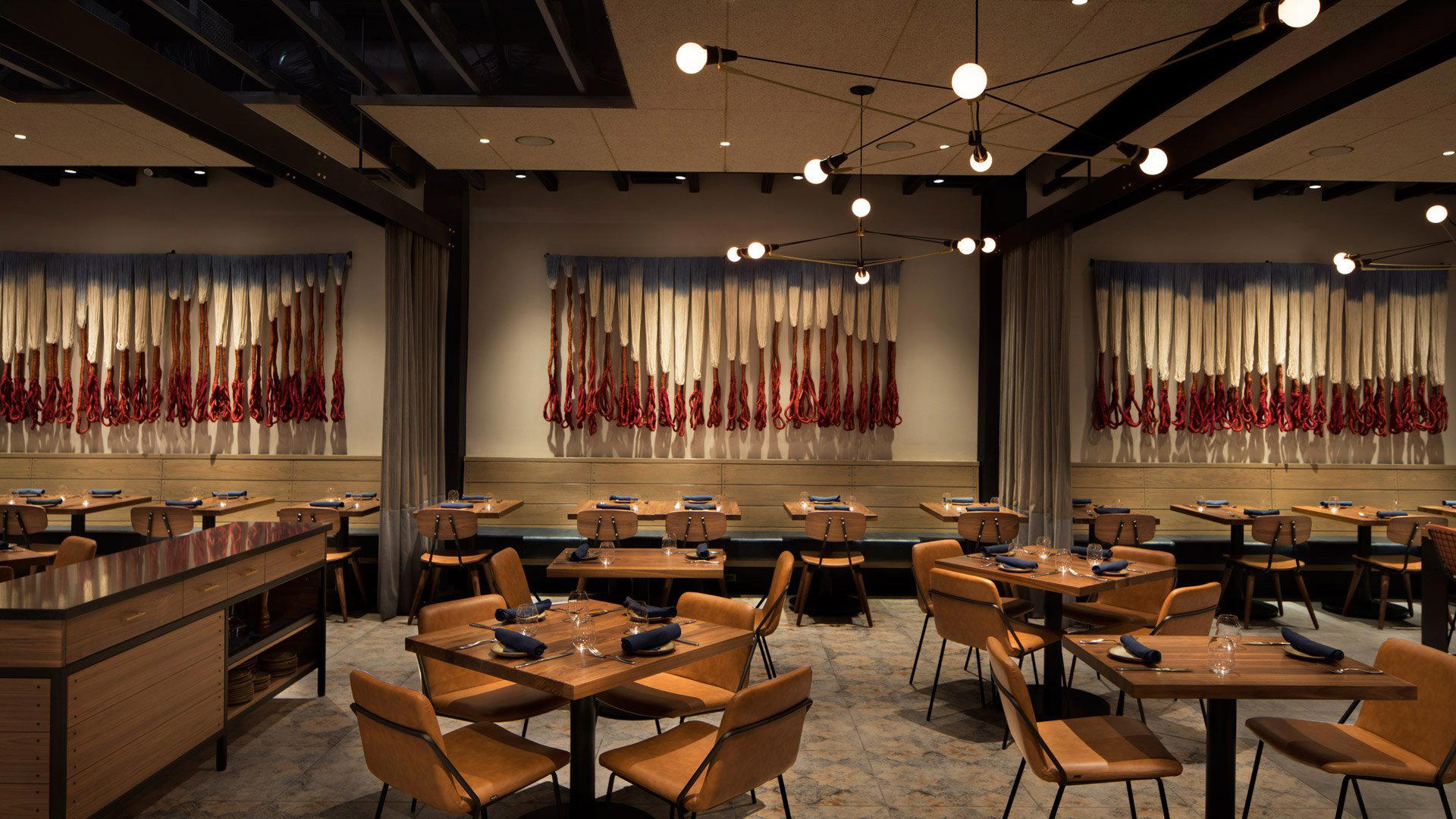
On East 4th Avenue in San Mateo, the pace changes. The dining room at Pausa has a visible charcuterie-aging room behind glass, a design choice that signals intent before you've ordered anything. It tells you this is a kitchen that measures time differently, that the curing rack is as important as the stove. The room draws a crowd that skews smart-casual: tech workers from the nearby corridor, couples looking for somewhere that takes food seriously without requiring a reservation six weeks out. By San Mateo standards, the kitchen runs late, which has made Pausa a de facto anchor for the neighbourhood's evening dining scene.
San Mateo's restaurant scene sits in an interesting competitive position. The city carries a handful of high-ambition tables, including Wakuriya and Sushi Yoshizumi, both of which operate at the $$$$ tier and represent some of the most quietly serious Japanese cooking on the Peninsula. At the other end, places like Kajiken handle the single-focus, low-price-point bracket.
The Logic of the Veneto on a Bay Area Menu
Italian cooking in the United States has spent decades being flattened into a single red-sauce register, which makes the regional specificity here worth noting. Chef Andrea Giuliani draws from the Veneto, the northeastern Italian region whose food tradition runs through rice, polenta, bitter greens, cured meats, and restrained, wine-friendly pasta. This isn't the cooking of Campania or Lazio, and that distinction matters when you're reading the menu.
The salumi program is the most visible expression of that philosophy. The charcuterie-aging room isn't decoration; it's infrastructure. The finocchiona, fennel-flecked and sliced thin, and the salame al parmigiano represent a curing approach that takes weeks rather than hours. In the broader context of Bay Area Italian dining, where house-made charcuterie is often a gesture rather than a commitment, the visible aging room functions as an accountability mechanism. You can see what you're eating before you order it.
Italian restaurants operating at this level globally, from 8 1/2 Otto e Mezzo Bombana in Hong Kong to cenci in Kyoto, tend to anchor their identity in one technical discipline and build the rest of the menu around it. At Pausa, the anchor is cured meat and handmade pasta, with the wood-fired oven as a secondary pillar.
Pasta as the Central Argument
The pasta tradition in northern Italy runs through egg-enriched doughs, long fermented cuts, and sauce philosophies built on fat rather than acidity. The spinach spaghetti amatriciana at Pausa is an instructive case: the base pasta introduces colour and a mild vegetal note that runs against the canonical Roman recipe, which uses plain tonnarelli or spaghetti. But the sauce logic holds, with house-cured guanciale providing the pork fat foundation, piennolo tomatoes (a small, sweet Campanian variety often used for their concentrated flavour) delivering acidity, Calabrian chilies adding heat, and pecorino binding the whole thing with salt and funk.
This kind of regional cross-referencing, Veneto technique meeting Roman sauce tradition with southern Italian chile heat, is characteristic of how serious Italian-American kitchens operate when they have a chef with genuine grounding. It's not confusion; it's a working vocabulary applied across the whole peninsula. The result reads as Italian rather than regional-Italian, which is a meaningful distinction at this price point. You don't need to know the geography to understand that the pasta is made with care. But knowing it explains why the menu feels more coherent than most.
For comparison, the pasta programs at tasting-menu-format restaurants like Lazy Bear in San Francisco or destination properties like The French Laundry in Napa and Single Thread Farm in Healdsburg sit in an entirely different register, both in format and investment. What Pausa offers is regional Italian technique at a price where you can order a full table of dishes without recalculating the evening.
The Wood-Fired Program
Neapolitan pizza in the Bay Area has become a crowded category, with wood-fired ovens appearing across price points and commitment levels. The porchetta variation at Pausa, topped with gorgonzola and radicchio, illustrates a kitchen willing to complicate the format. Porchetta's richness, gorgonzola's sharpness, and radicchio's bitterness form a northern Italian flavour logic on a Neapolitan base. It's a more interesting construction than the category typically produces, and it reinforces the same regional intelligence visible in the pasta program.
This dual focus, pasta and pizza at equivalent quality, is harder to sustain than either alone. Most pizzerias that try to add serious pasta end up with one program that dominates and one that feels supplementary. The Michelin Bib Gourmand designation, which historically recognises good value as much as technical excellence, suggests the balance is holding.
San Mateo's Wider Table
Pausa occupies a specific gap in the San Mateo dining map. The city has strong representation in Japanese cooking, with Wakuriya's precision kaiseki and Sushi Yoshizumi's omakase counter setting a high technical bar. All Spice handles the international fine-dining bracket at the $$$$ tier. Wursthall Restaurant and Bierhaus covers the German-American casual end. Pausa sits between those poles: Michelin-recognised, regionally grounded Italian at a price point that makes it practical for repeated visits rather than occasion dining only.
For a fuller picture of the city's dining options, the complete San Mateo restaurants guide maps the scene across categories and price tiers. If you're planning a longer stay, the San Mateo hotels guide, bars guide, wineries guide, and experiences guide cover the rest of the picture.
Planning Your Visit
Pausa is located at 223 E 4th Ave in San Mateo. Given the reported draw of tech workers and couples in the evenings, midweek timing gives you a better read on the kitchen without the weekend crowd. Hours and booking details are best confirmed directly through current listings, as those specifics weren't available at time of publication.
Frequently asked questions
What's the vibe at Pausa?
Pausa operates at the $$ tier and holds a 2024 Michelin Bib Gourmand, placing it in a category where serious cooking arrives without the bill that accompanies San Mateo's higher-end Michelin tables. The dining room is anchored by a visible charcuterie-aging room behind glass, which sets a tone closer to a northern Italian enoteca than a red-sauce trattoria. The crowd skews toward couples and tech professionals drawn to the late-for-San-Mateo hours.
What's the pricing like at Pausa?
Pricing at Pausa is listed as $$.
What kind of recognition has Pausa received?
Pausa has received recognition including: Thanks to its modern setting and late hours (by San Mateo standards, at least), a growing crowd of smart couples and tech types flock to this San Mateo sweetie. Everyone is here for the authentic Italian eats from Chef/co-owner Andrea Giuli….
What's the best thing to order at Pausa?
The spinach spaghetti amatriciana, made with house-cured guanciale, piennolo tomatoes, Calabrian chilies, and pecorino, is the dish that most directly demonstrates Chef Andrea Giuliani's Veneto training. The porchetta pizza, topped with gorgonzola and radicchio, is the wood-fired program's standout. The salumi boards, particularly the fennel-flecked finocchiona and salame al parmigiano, are worth ordering while the kitchen works through the pasta courses.
What It’s Closest To
| Venue | Cuisine | Price | Awards | Notes |
|---|---|---|---|---|
| PausaThis venue — the venue you are viewing | Modern Italian | $50–100 | Michelin Bib Gourmand | Not listed |
| Wakuriya | Modern Kaiseki | Not listed | 1 Michelin Star | Sushi, Japanese |
| Wursthall Restaurant & Bierhaus | German-American | Not listed | Not listed | Not listed |
| All Spice | Modern Californian with Global Influences | $100–150 | Michelin Plate | Not listed |
| Kajiken | Aburasoba (Oil-Based Ramen) | $10–20 | Michelin Plate | Not listed |
| Sushi Yoshizumi | Traditional Edomae Omakase | $300–500 | Michelin Plate | Not listed |
Recognition history
Dated appearances from independent guides and award organizations, with the underlying list record or original source where available.
Michelin Bib Gourmand
Michelin
Full recognition history (3 entries)
Michelin Bib Gourmand
Michelin
Michelin Bib Gourmand
Michelin
Continue exploring
More in San Mateo
Restaurants in San Mateo
Browse all →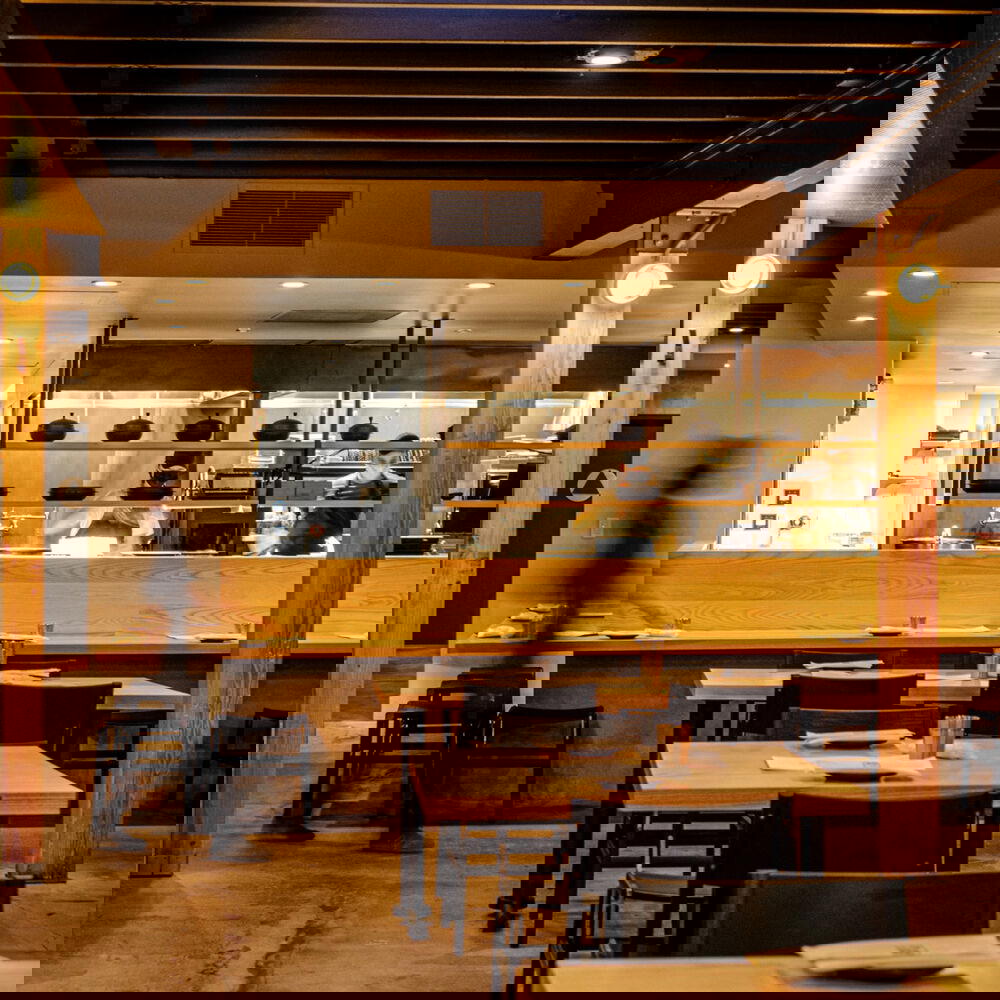
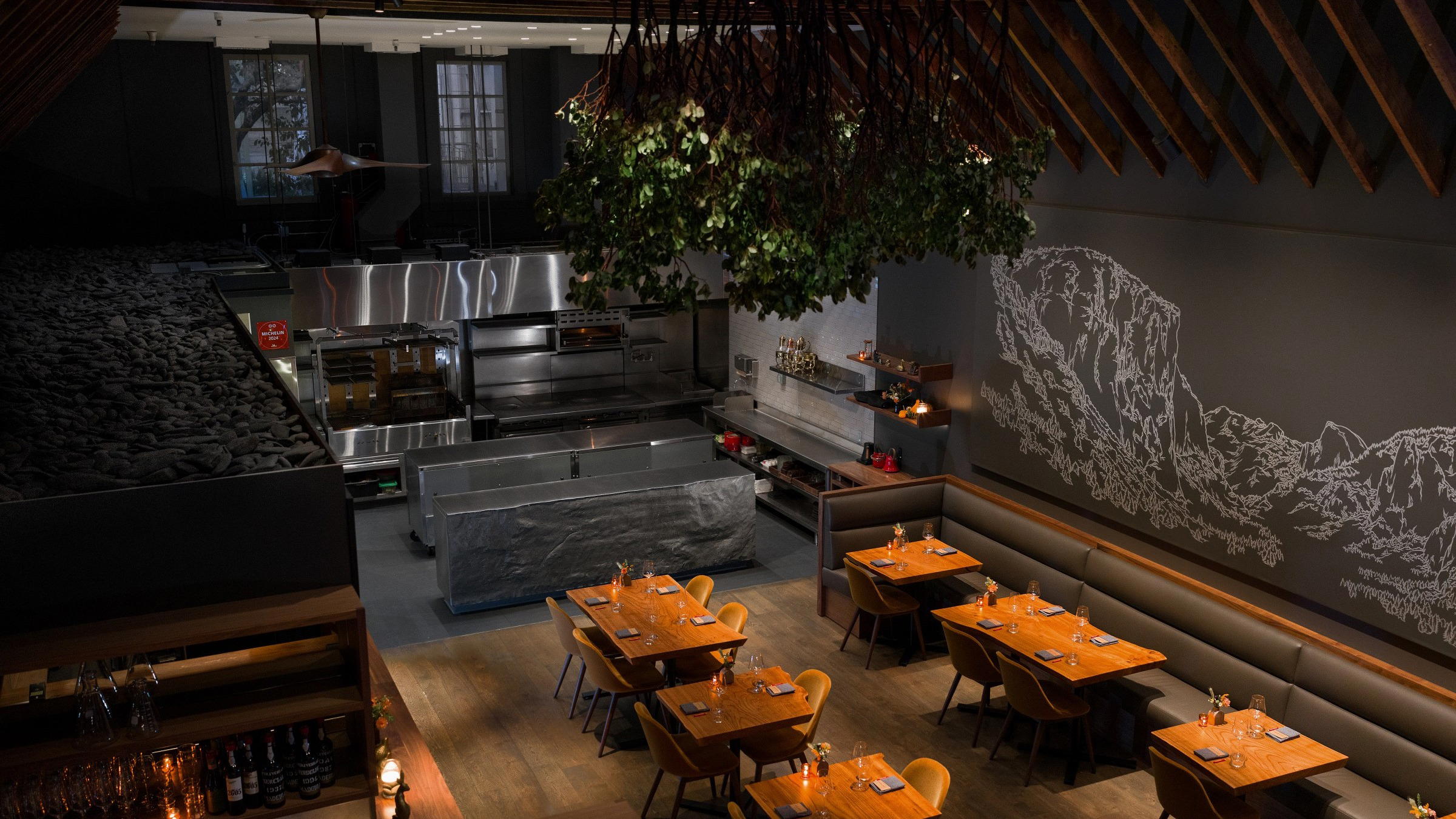
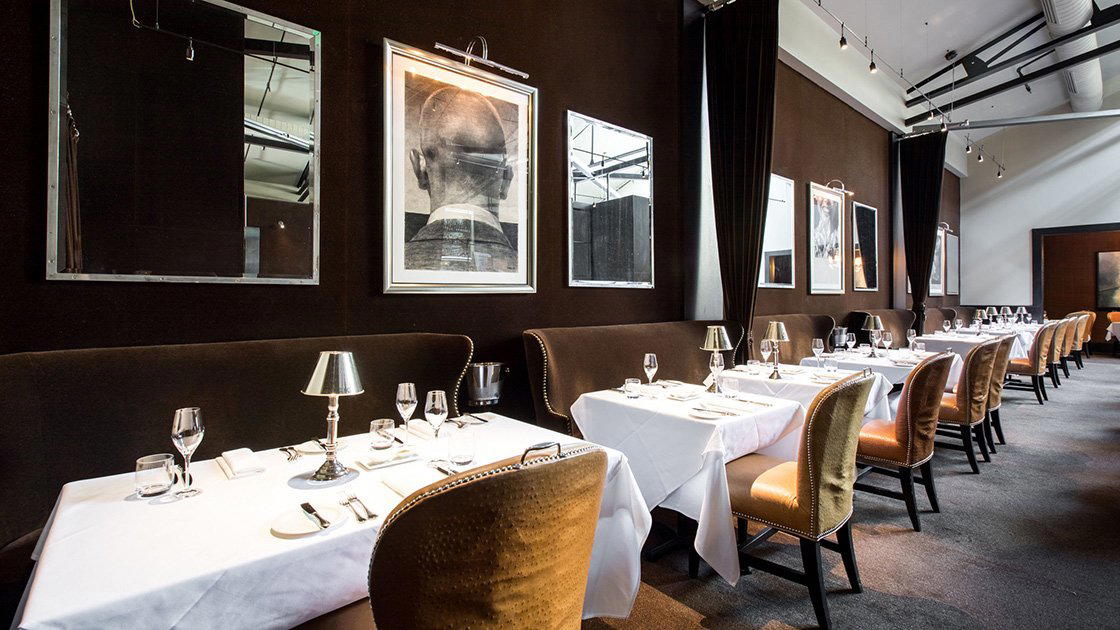
Bars in San Mateo
Browse all →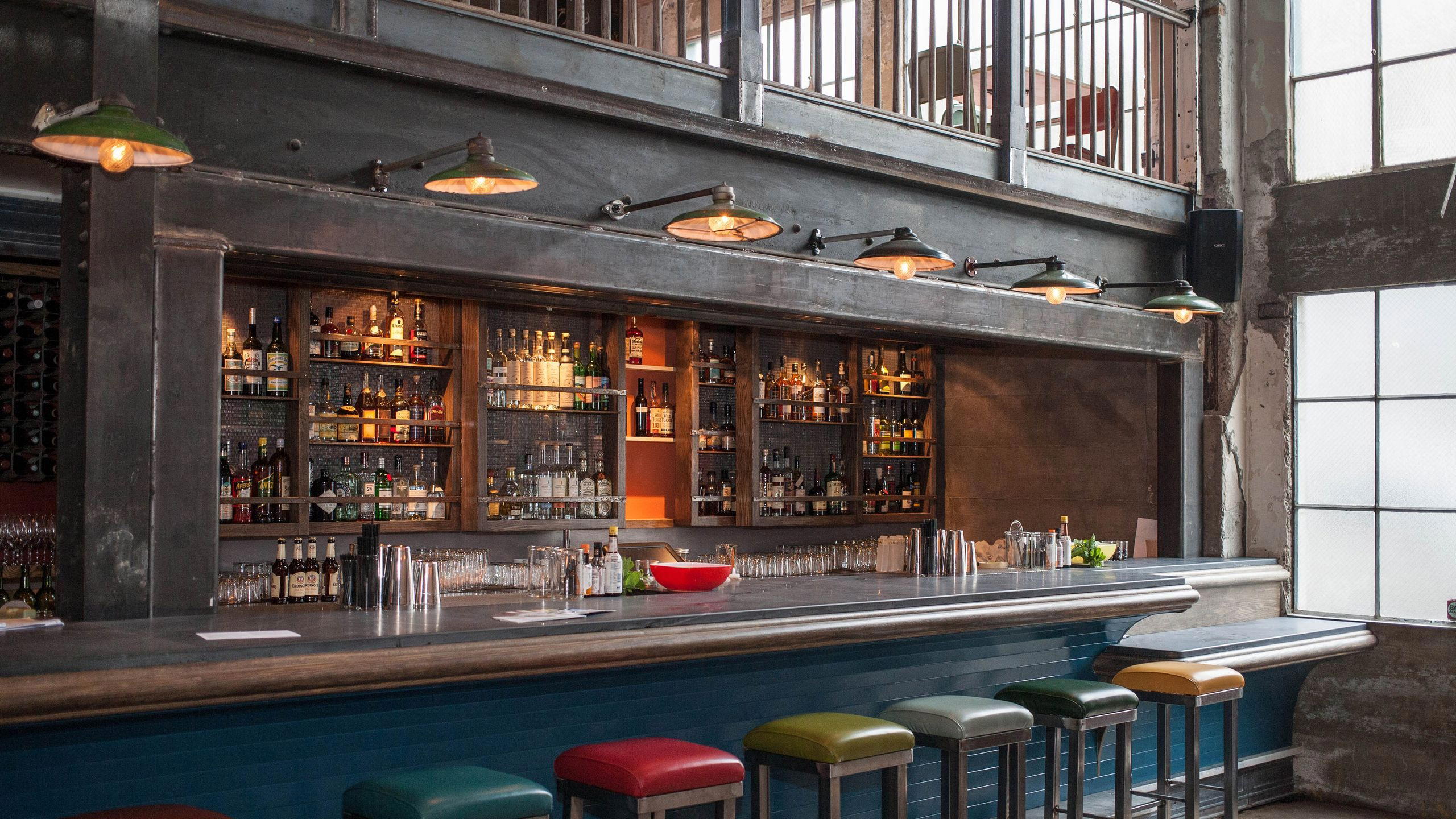
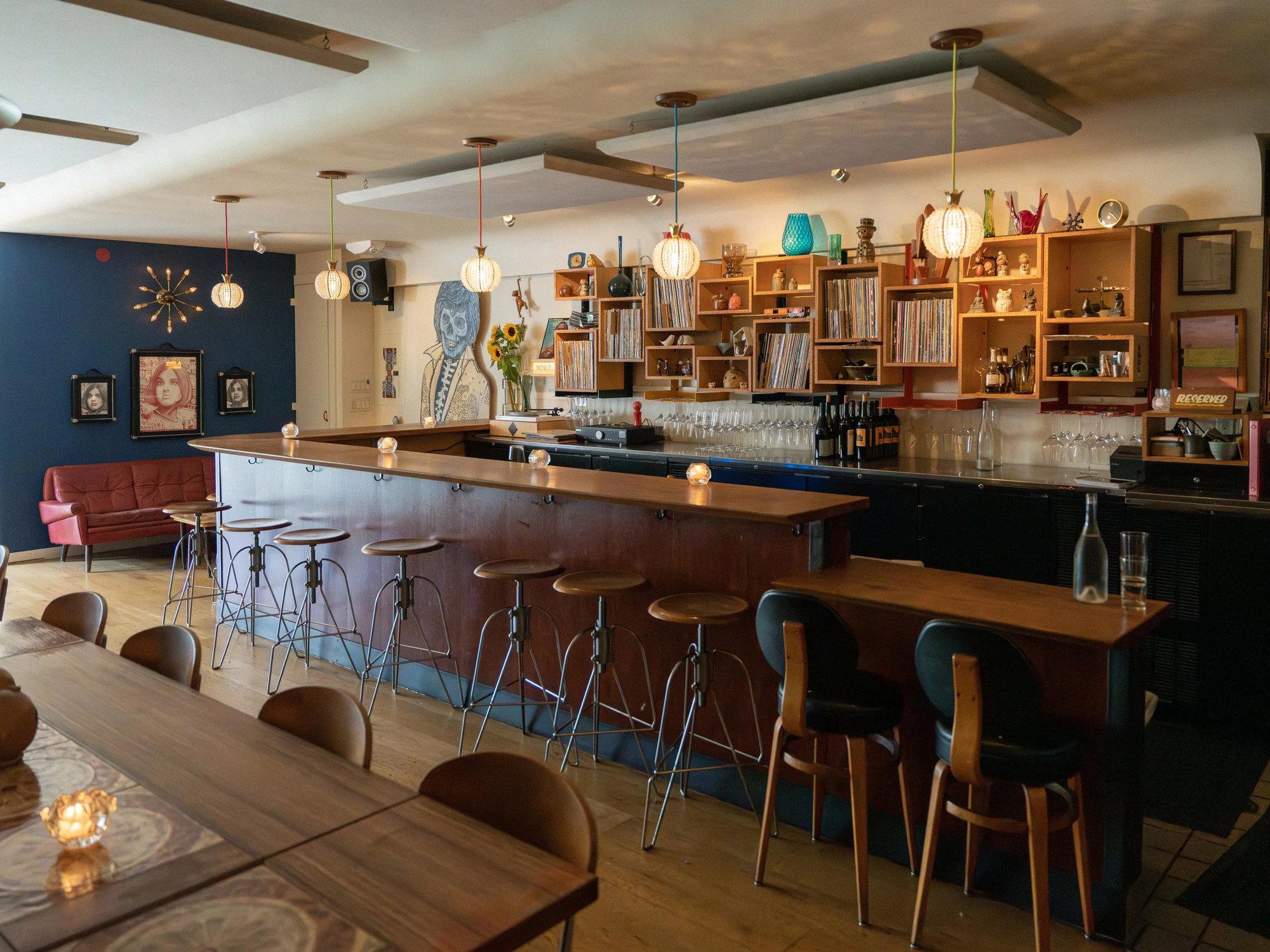
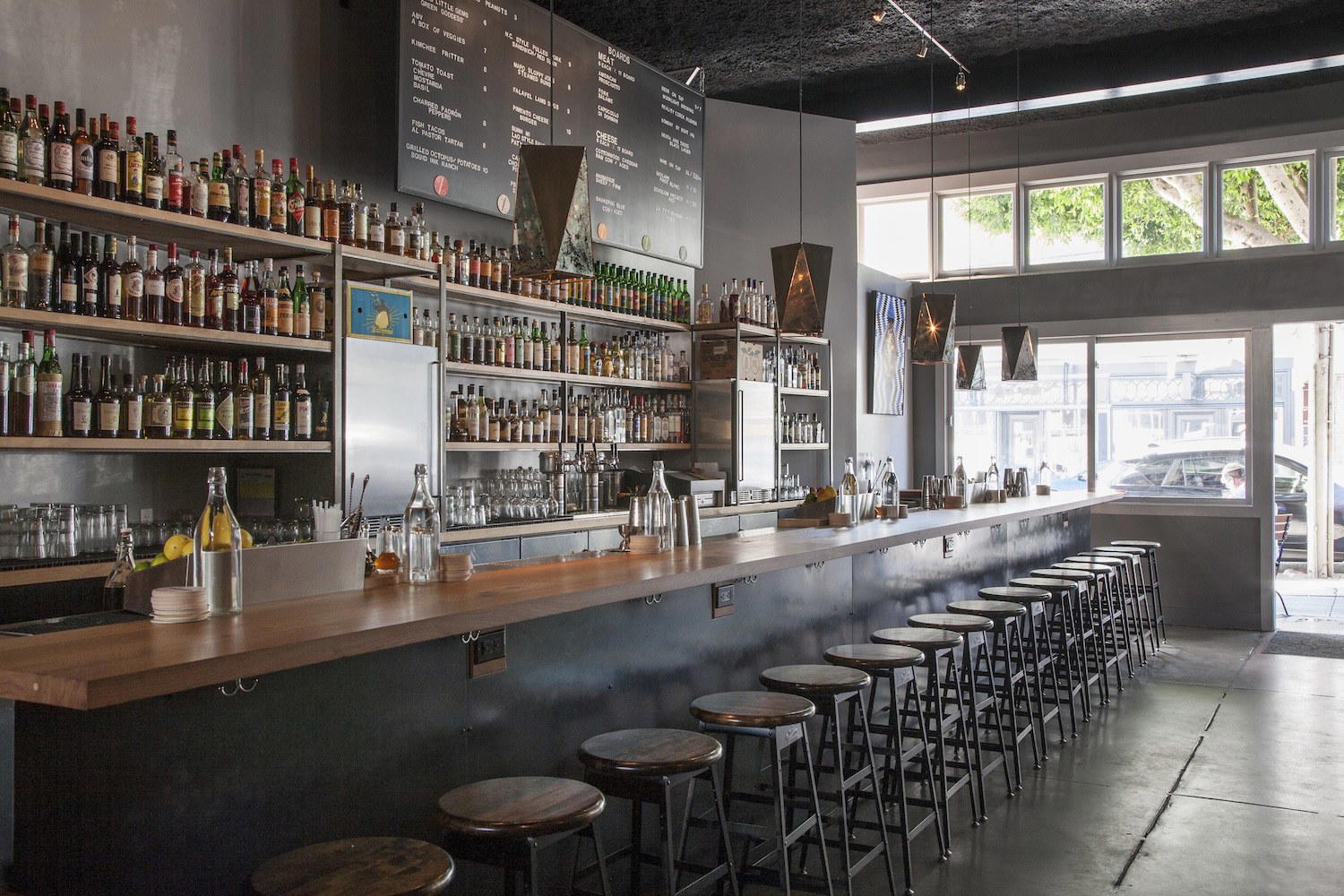
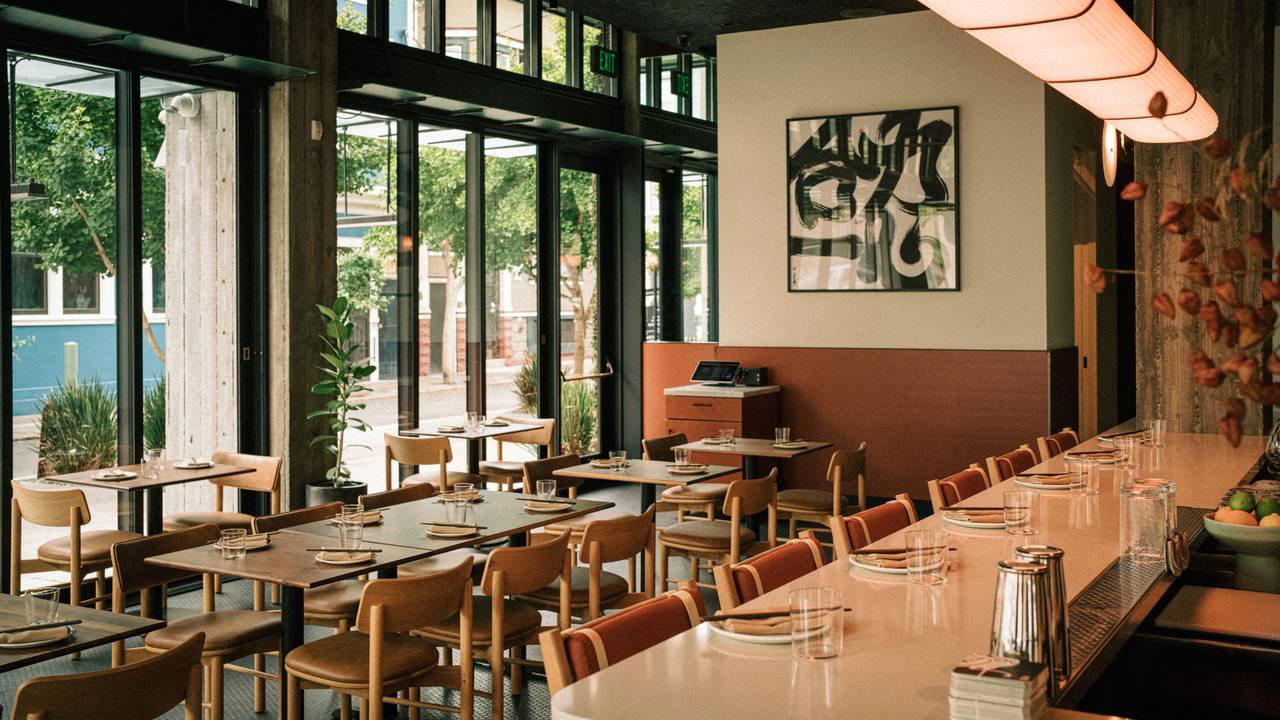
Hotels in San Mateo
Browse all →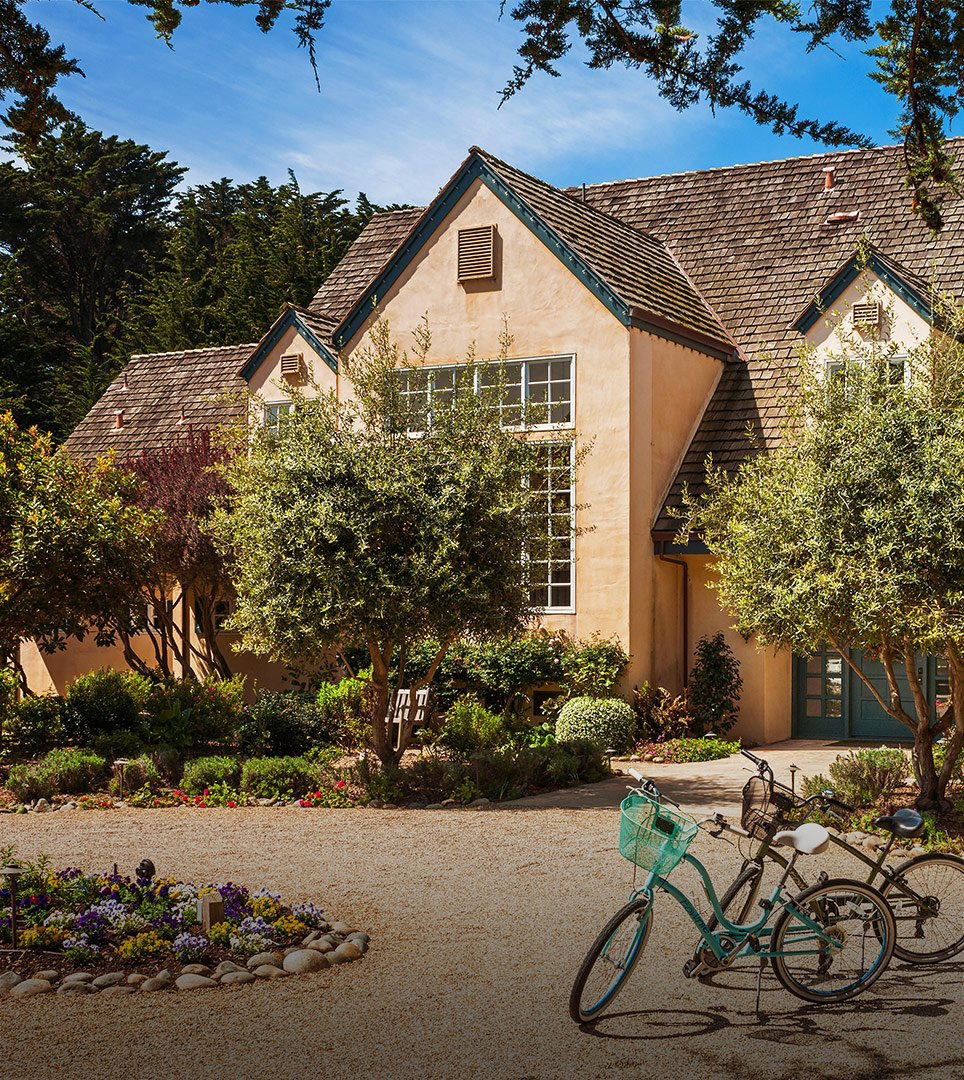
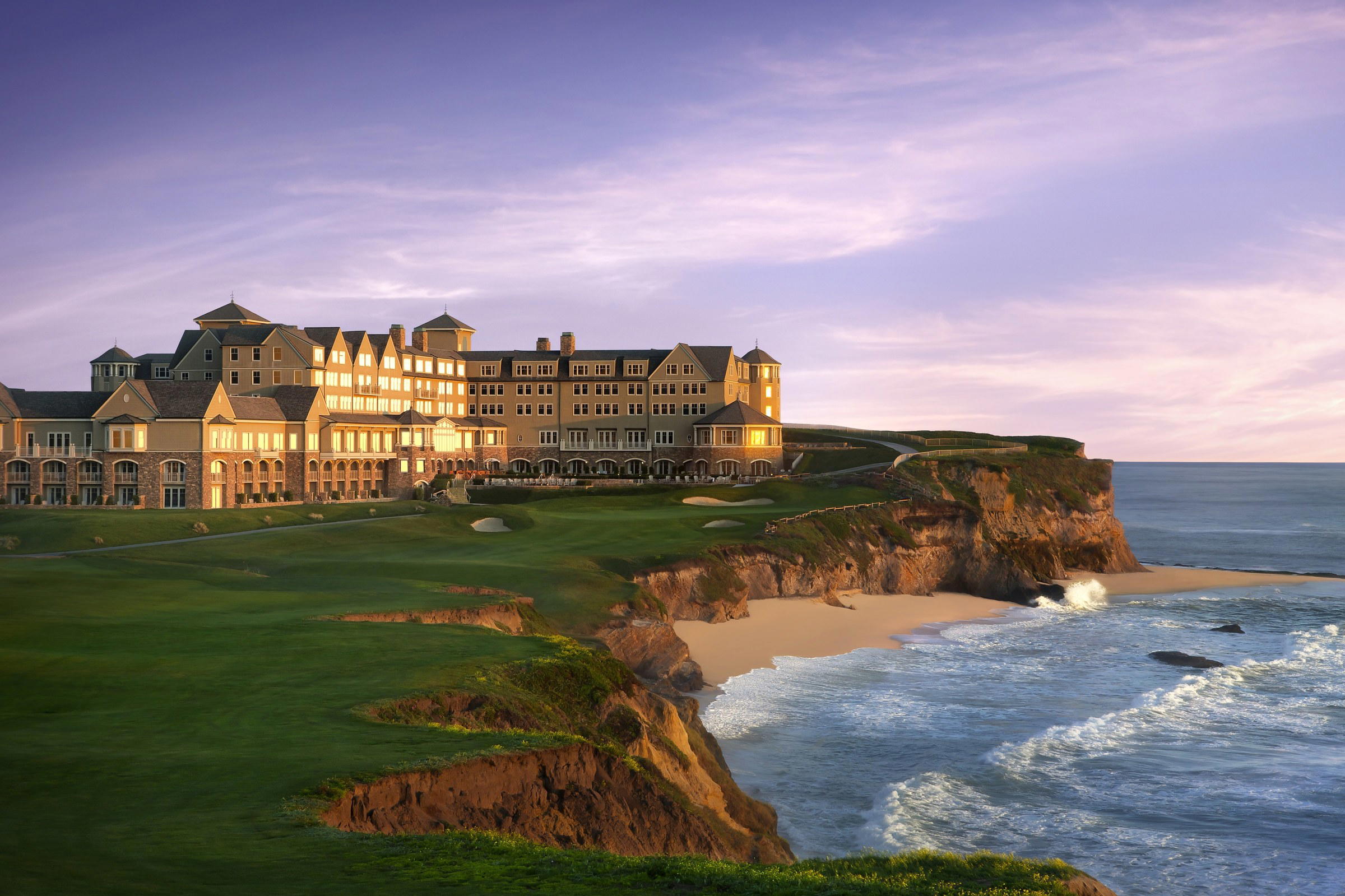
Details
- Modern
- Lively
- Trendy
- Industrial
- Elegant
- Date Night
- Business Dinner
- Group Dining
- Celebration
- Open Kitchen
- Extensive Wine List
- Craft Cocktails
- Local Sourcing
- A La Carte
- Small Plates
- Italian Wine
- Craft Cocktails
- Vegetarian Friendly
- Vegan Options
- Gluten Free Options
Current opening hours
- Monday
- 4:30–9 PM
- Tuesday
- 4:30–9 PM
- Wednesday
- 4:30–9 PM
- Thursday
- 4:30–9 PM
- Friday
- 4–9:30 PM
- Saturday
- 4–9:30 PM
- Sunday
- 4–8:30 PM
Hours can change for holidays and private events. Last verified .
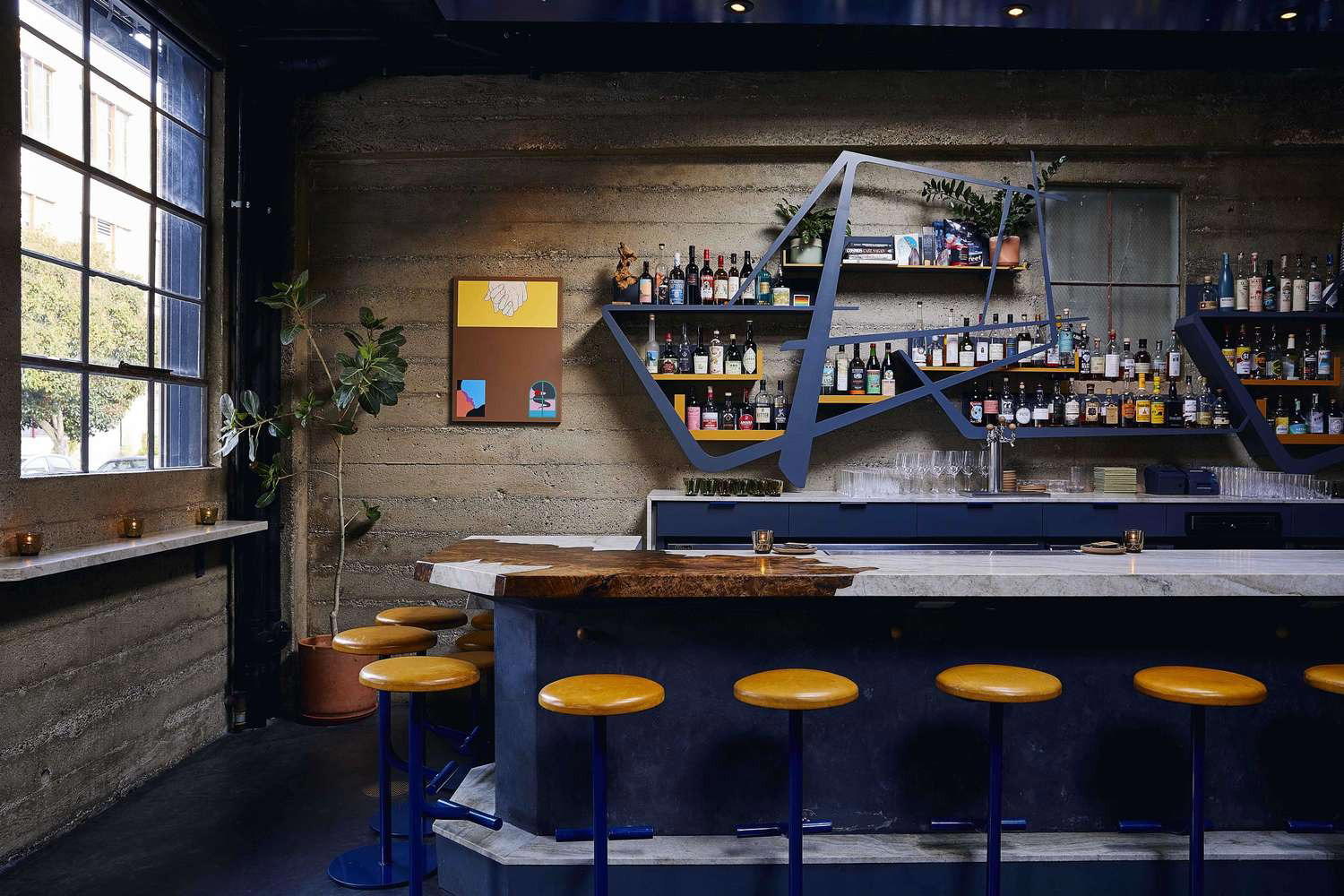
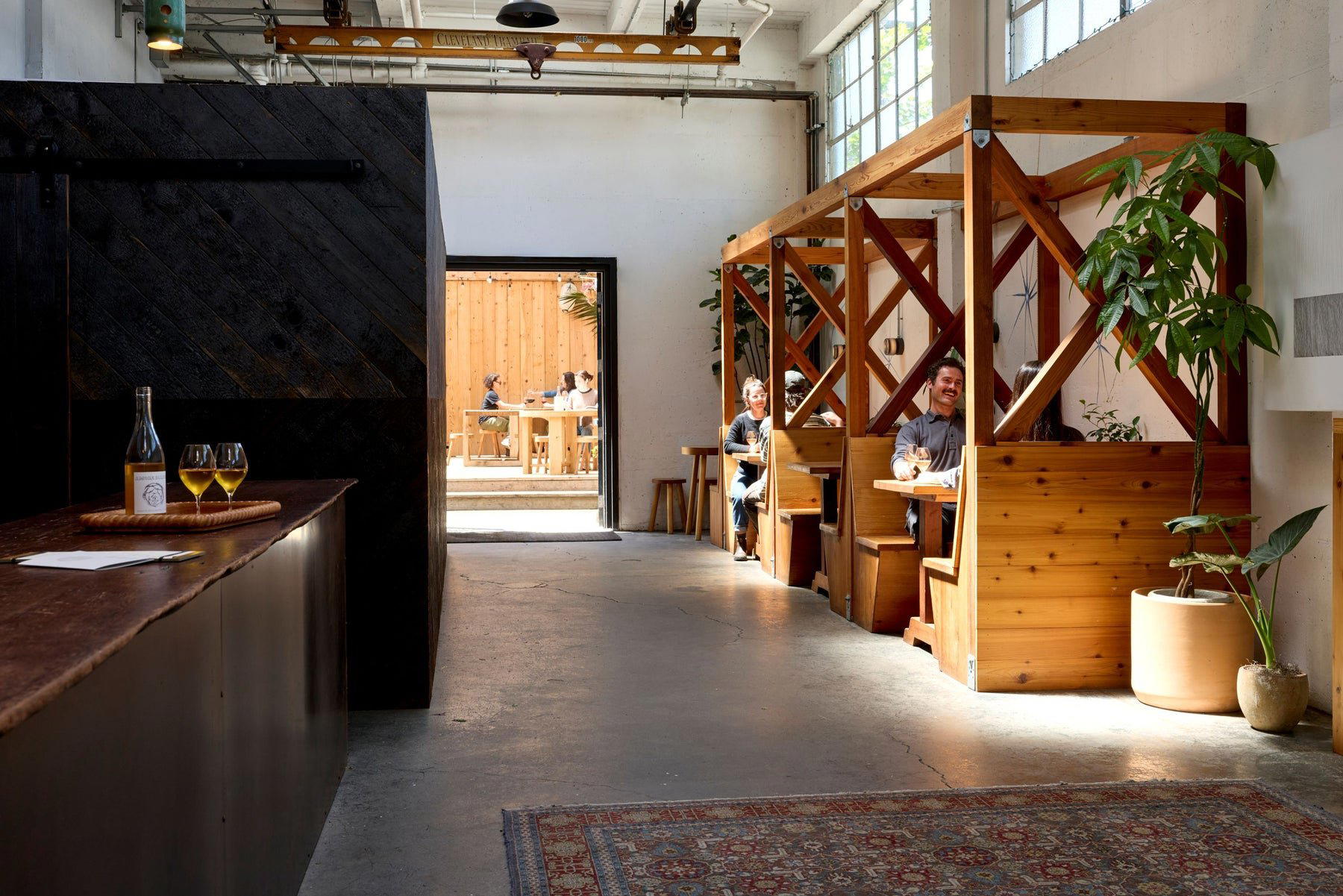
Modern industrial-chic with ambient dining room, lively bar, energetic atmosphere, and view of charcuterie-aging room.