
L'Esprit Bistrot sits ten minutes from Bourgoin-Jallieu on the route du Dauphiné, operating in the mid-range bistrot format that defines much of France's Auvergne-Rhône-Alpes dining landscape. The kitchen works with local supply chains, and the setting trades polish for accessibility. Expect regionally grounded plates and an audience that skews local rather than transient.
Pearl is the En Primeur Club membership app — saves, bookings, and concierge access live there. Same editors, same standards.
- Address
- 167 route du Dauphiné, Maubec, Auvergne-Rhône-Alpes, 38300, FRA
- Phone
- +33 4 74 96 57 81
- Website
- guide.michelin.com
- Directions
- Get directions
 Saves & bookings on Pearl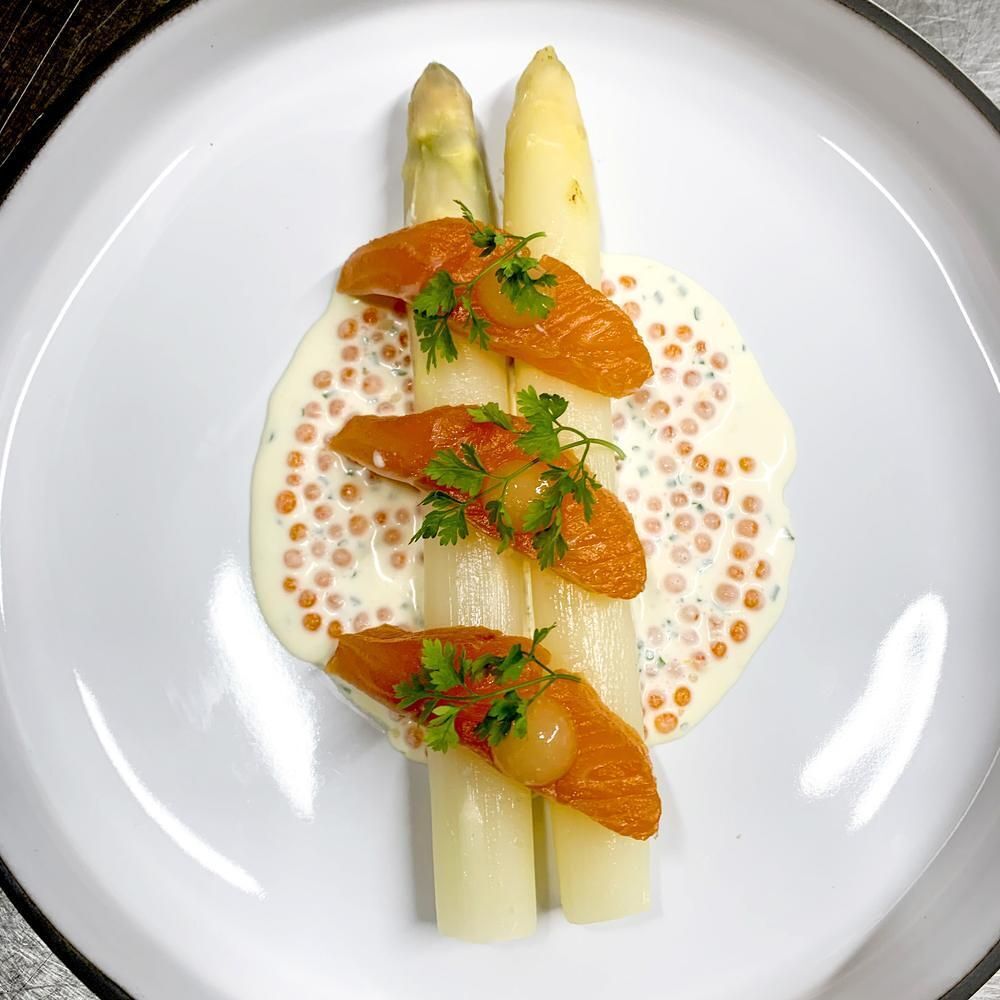
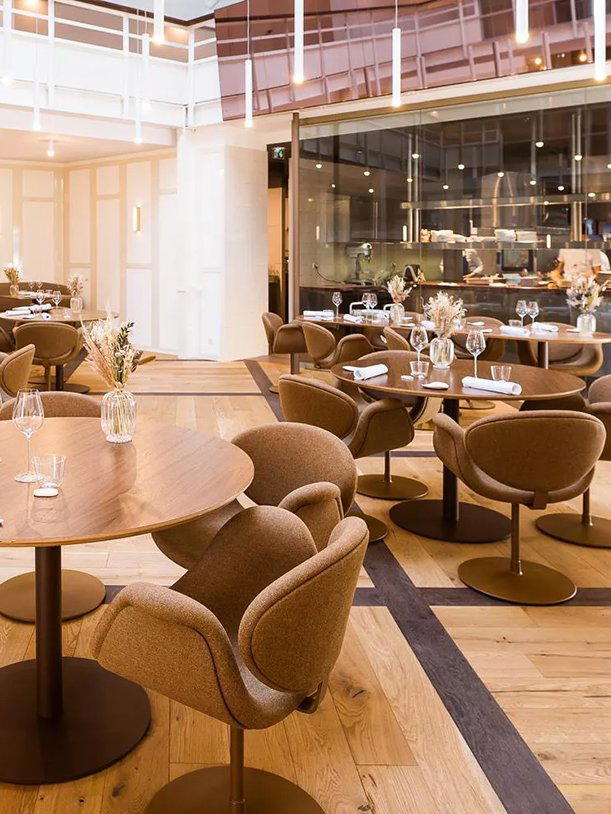
The road into Maubec flattens as it nears the northern Isère plain, and L'Esprit Bistrot occupies a low-profile address where the route du Dauphiné threads between farmland and small-scale residential zones. The building shares its character with the surrounding geography, functional, unadorned, oriented toward utility rather than spectacle. Ten minutes from Bourgoin-Jallieu, the venue sits outside the radius of Lyon's dining pull and inside a network of suppliers, producers, and customers who measure distance in minutes, not Michelin stars. The dining room is modest in scale, the tables arranged without ceremony, and the light falls through windows that frame a view more agricultural than architectural.
Auvergne-Rhône-Alpes sustains a dense roster of bistrot-format restaurants operating at the mid-tier price band, where menus change with seasonal availability and kitchens rely on direct relationships with growers, butchers, and dairies within an hour's drive. L'Esprit Bistrot works inside that structure. The menu reflects what arrives from the immediate region, root vegetables from the Isère basin, poultry from nearby farms, dairy products sourced within departmental lines. This is not a narrative of foraging or chef-driven terroir philosophy; it is the economic and logistical reality of running a kitchen in a town of fewer than two thousand residents, where wholesale distribution networks offer less efficiency than direct procurement. The cooking style follows the format: preparations that respect ingredient integrity, techniques drawn from French canonical training, and portion sizes calibrated for appetite rather than Instagram.
A Bistrot Format Built on Regional Supply Lines
The kitchen's reliance on local sourcing is less a marketing position than a structural necessity. In towns of Maubec's scale, ingredient chains are short by default. Vegetables arrive from producers in the Nord-Isère and Pays Voironnais micro-regions, where soil composition and elevation create growing conditions distinct from the southern Rhône or Savoyard highlands. Poultry comes from farms operating under the Volailles de l'Ain label or similar regional designations, which mandate breed type, feed composition, and slaughter age. Dairy products, butter, cream, cheese, are often delivered by cooperative dairies that aggregate milk from small herds grazing on communal pasture systems. The result is a menu that reads as a function of geography: cuts of meat tied to local livestock breeds, vegetable preparations that shift with the calendar, and desserts built around fruits grown within thirty kilometers.
The cooking itself avoids the technical theatrics common in urban gastronomy. Roasts are cooked to temperature, not deconstructed. Sauces follow classical reductions rather than emulsion experiments. Fish, when it appears, is sourced from the Rhône or brought in from Lyon's wholesale markets, prepared simply to foreground freshness over technique. This approach aligns L'Esprit Bistrot with a broad cohort of regional bistrots across France, places like .... Et la Fourmi in Nantes or 1217 in Bagnols, where the kitchen's credibility rests on ingredient selection and execution consistency rather than innovation or chef celebrity.
What the Setting and Service Model Signal
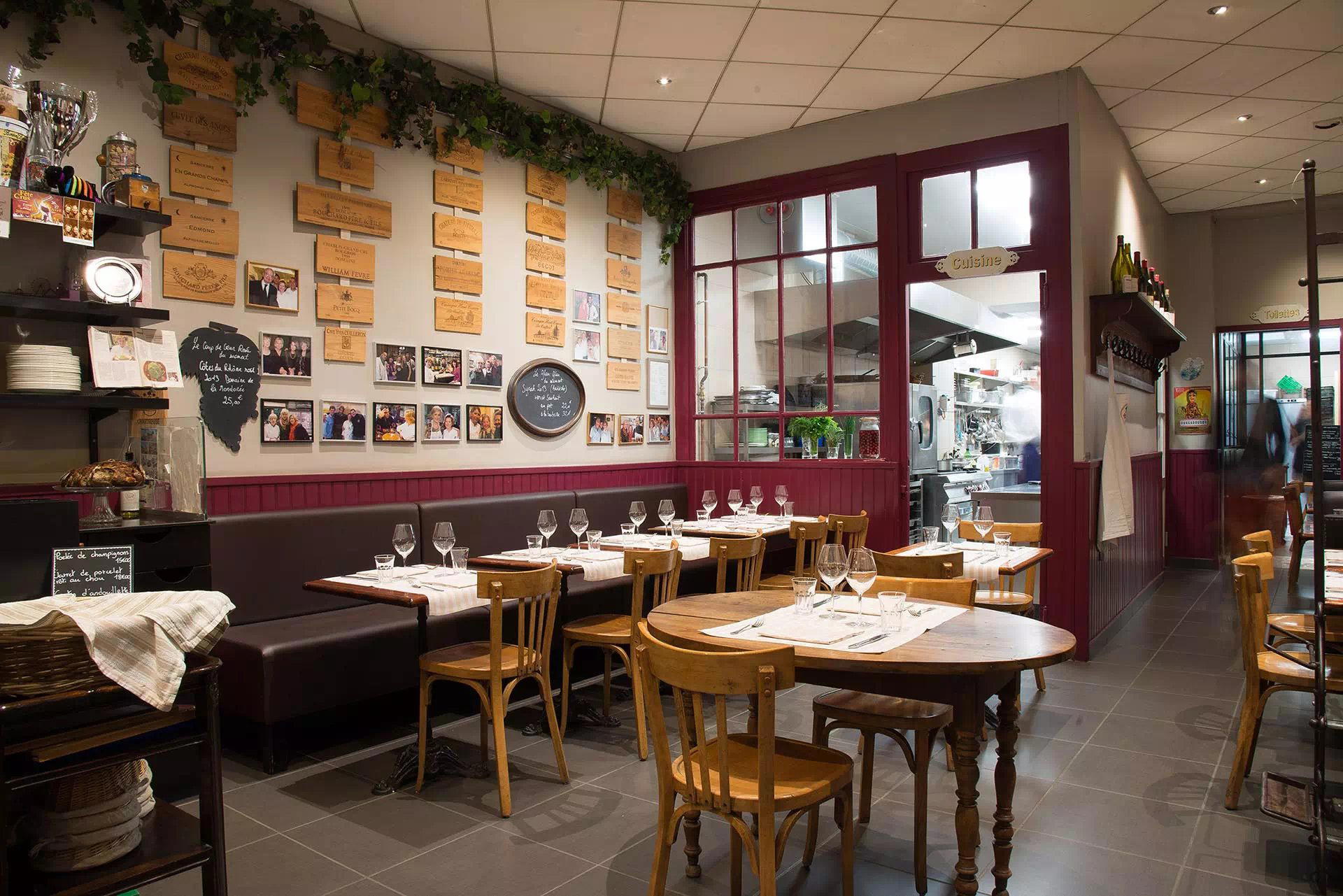
Dining room at the restaurant operates without the layered service choreography of higher-tier establishments. Tables are spaced for capacity rather than privacy, and the acoustics reflect hard surfaces and conversational volume. Service is direct, efficient, and oriented toward explanation rather than performance. The wine list tilts toward regional producers, Côtes du Rhône, Bugey, and small-scale vignerons from the Isère and Drôme, with pricing that reflects wholesale proximity rather than import markup. This is a venue where regulars outnumber tourists, where the kitchen knows what the dining room expects, and where the format privileges reliability over surprise.
For travelers exploring the broader Auvergne-Rhône-Alpes landscape, the restaurant functions as a useful reference point for understanding how mid-tier dining operates outside metropolitan centers. The format is replicated across hundreds of villages and towns, places where chefs work without PR representation, where menus are printed weekly, and where the clientele is drawn from a fifteen-kilometer radius. Venues like S Corner in Courchevel or 114, Faubourg in Paris operate in entirely different competitive sets, with different expectations for ambition, pricing, and recognition. The restaurant, by contrast, competes in a category defined by accessibility, consistency, and local embeddedness.
The venue sits within a broader dining context that includes other regional operators at similar price points and formats. Lo Fieu, another out-of-metro bistrot in the €€ range, works in the regional-cuisine lane with comparable sourcing strategies. L'Émulsion, at the €€€€ tier, represents the upper boundary of ambition in this geographic zone, where technique and presentation escalate. Le Relais du Çatey operates in the classic-cuisine category, adhering to older French culinary templates. The restaurant occupies the middle ground: modern in sensibility, regional in sourcing, accessible in price, and functional in format.
Visitors arriving from outside the region should calibrate expectations accordingly. This is not a destination restaurant, nor is it designed to be. The kitchen does not pursue awards, the dining room does not accommodate special-occasion theatrics, and the menu does not attempt to compete with Lyon's gastronomic infrastructure. What it offers is a clear example of how French bistrot culture functions at the town level, rooted in local supply chains, responsive to seasonal rhythms, and built for a customer base that returns weekly rather than annually. For those exploring Maubec's broader dining scene or planning a route through the Isère's countryside, the restaurant provides a grounded, unpretentious stop that reflects the region's agricultural character and the bistrot format's enduring logic.
The venue also sits within easy reach of Maubec's limited hotel infrastructure and adjacent to local bar options, winery visits, and regional experiences that together define the town's modest hospitality footprint. The restaurant does not anchor a trip, but it fits neatly into an itinerary built around exploring the northern Isère's agricultural and cultural landscape.
- Pavé de truite confite
- Gigot d’agneau de Clavisy
- Fondue
- Raclette
- Tartiflette
- Ravioles gratinées au Bleu de Sassenage
- Cordon bleu maison au fromage à raclette
How It Stacks Up
Comparable venues by cuisine and price in the same metro.
| Venue | Cuisine | Price | Awards |
|---|---|---|---|
| L'Esprit Bistrot | À 10 minutes de Bourgoin-Jallieu, ce bistrot... | This venue | Not listed |
| L'Esprit Bistrot | Modern Cuisine | €€ | Modern Cuisine, €€ |
| Lo Fieu | Regional Cuisine | €€ | Regional Cuisine, €€ |
| L'Émulsion | Modern Cuisine | €€€€ | Modern Cuisine, €€€€ |
| Le Relais du Çatey | Classic Cuisine | €€ | Classic Cuisine, €€ |
Recognition history
Dated appearances from independent guides and award organizations, with the underlying list record or original source where available.
Michelin Bib Gourmand
Michelin
Continue exploring
More in Maubec
Restaurants in Maubec
Browse all →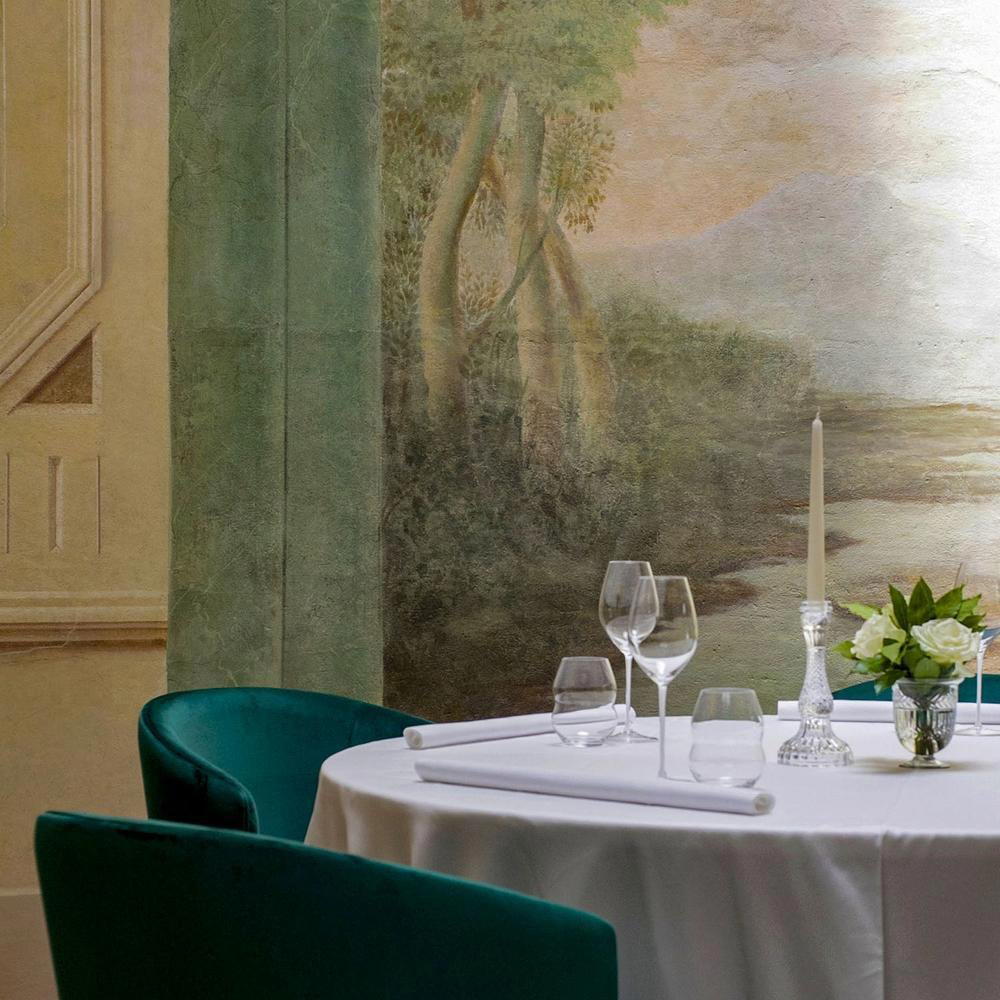
Bars in Maubec
Browse all →
Hotels in Maubec
Browse all →
At a Glance
- Cozy
- Modern
- Elegant
- Intimate
- Rustic
- Date Night
- Business Dinner
- Group Dining
- Special Occasion
- Casual Hangout
- Wine Cellar
- Terrace
- Standalone
- Extensive Wine List
- Local Sourcing
- Farm To Table
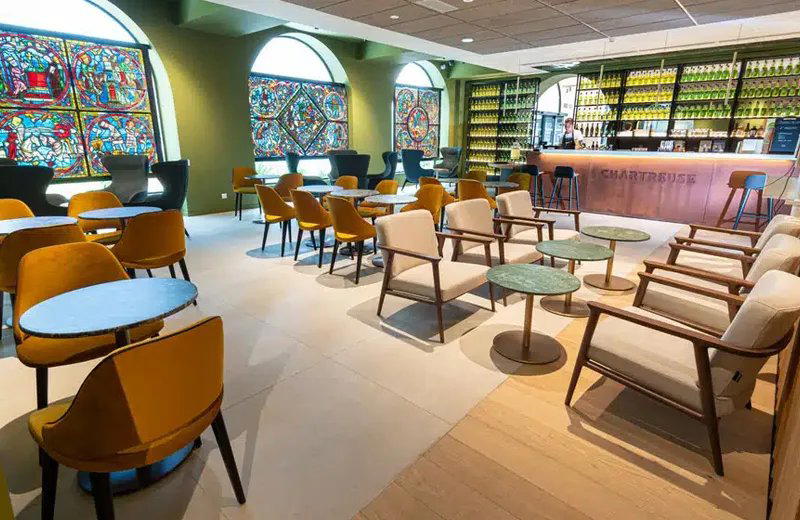
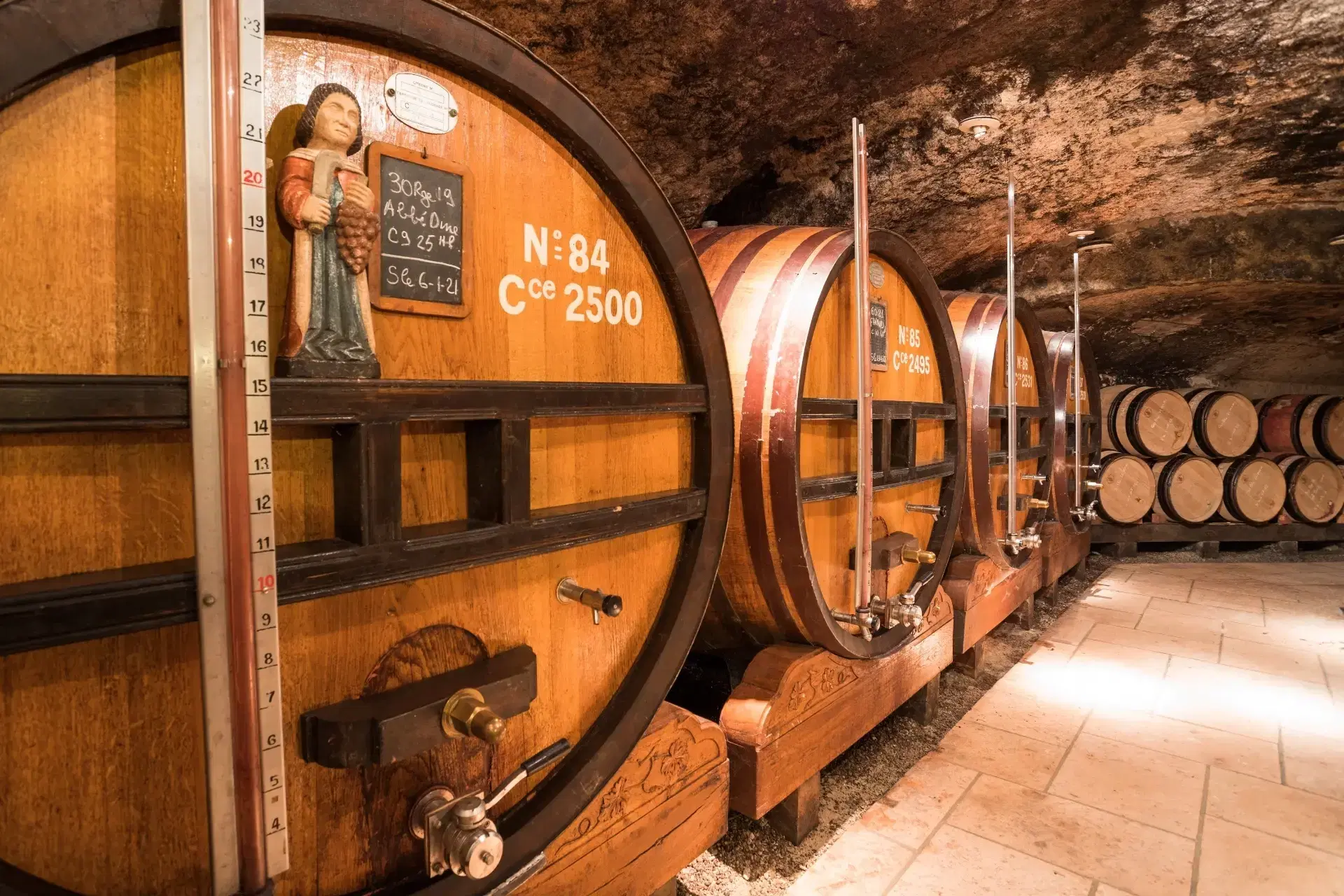
The atmosphere is that of a trendy yet intimate village bistro: warm woods and contemporary décor, softly lit, with a convivial but relaxed dining room, a glass-fronted wine cellar as a focal point, and a sheltered courtyard terrace that feels cozy rather than bustling.