Our verdict
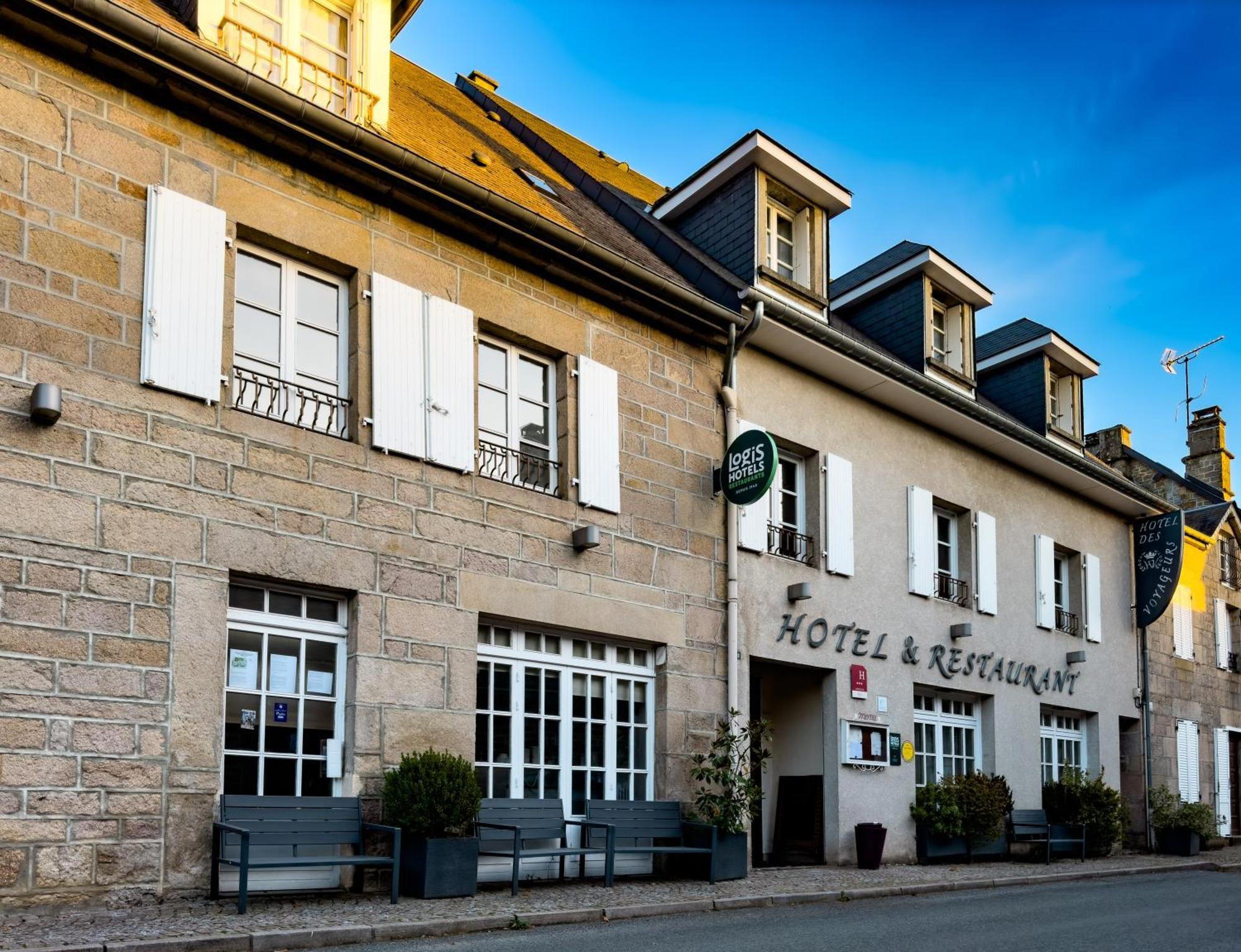
Les Voyageurs sits at the centre of Tarnac, a village of fewer than 300 people in the Corrèze plateau of the Massif Central — a region where the auberge tradition runs deep and the surrounding farmland does most of the talking. The address alone signals a particular kind of French provincial dining: one shaped by geography and seasonal rhythm rather than trend cycles. See our full Tarnac restaurants guide for broader context.

Pearl is the En Primeur Club membership app — saves, bookings, and concierge access live there. Same editors, same standards.
Corrèze at the Table: What the Plateau Puts on the Plate
The Massif Central does not produce chefs who chase the Paris circuit. It produces kitchens that answer to altitude, to difficult soil, and to a short growing season that demands a different kind of discipline than you find in the Loire or the Dordogne. Tarnac sits near the best of the Corrèze plateau at roughly 700 metres, in a landscape where livestock farming has defined the economy for centuries and where the local auberge has functioned, historically, as the village's social and culinary centre simultaneously. Les Voyageurs, at 18 Avenue de la Mairie, occupies that position in Tarnac — a village of fewer than 300 residents whose name carries a certain weight in French intellectual and political history, though the dining room has its own, quieter reasons to pay attention.
The auberge format that places like Les Voyageurs represent sits in a different competitive set than the gastronomic destinations covered elsewhere in our guides. Venues like Mirazur in Menton or Alléno Paris au Pavillon Ledoyen operate at the top of French fine dining's formal tier. The rural auberge tradition — of which the Corrèze has a long-standing example in places like this, operates by different rules entirely: proximity to primary producers is the point, not a marketing detail appended to a tasting menu.
Ingredient Logic: What the Corrèze Plateau Supplies
Corrèze is one of France's least densely populated departments, and that absence of urban pressure has preserved a particular kind of agricultural continuity. Limousin cattle, whose breeding area extends directly into this plateau, are among the most documented beef breeds in French gastronomy, with AOC (Appellation d'Origine Contrôlée) protection for the veal and a traceability record that serious buyers across Europe rely on. A kitchen in Tarnac does not need to source Limousin beef from a distributor; the farms are within walking distance of the address. That proximity is a structural advantage that no amount of menu engineering in an urban kitchen can replicate.
Same logic applies to the plateau's fungi, its river trout, and the chestnut production for which the Corrèze has been agriculturally significant since the medieval period. Chestnuts from the Corrèze carry a geographic reputation distinct from those of the Ardèche, the trees grow at higher elevation, the harvest window is tighter, and the flavour profile is correspondingly more concentrated. For kitchens with direct access to this supply chain, the seasonal calendar is not a branding concept; it is a hard constraint that determines what appears on the plate and when. This is the kind of ingredient sourcing that restaurants like Bras in Laguiole, another high-altitude Massif Central address, have built serious reputations around, and it reflects a broader regional philosophy that geography is the primary authorship behind a dish.
This approach has precedents across French provincial dining. Auberge du Vieux Puits in Fontjoncouse draws from the garrigue and market gardens of the Corbières; Auberge de l'Ill in Illhaeusern has built a multigenerational identity around the produce of the Alsatian plain. The pattern across these addresses is consistent: deep rootedness in local supply chains produces a specificity that tasting menu creativity cannot manufacture on its own. For comparisons further afield, the territory-first philosophy connects to what Christopher Coutanceau in La Rochelle does with Atlantic seafood, or what La Marine in Noirmoutier-en-l'île achieves with the micro-ecosystem of a tidal island.
The Auberge as Format: What It Means to Eat in Tarnac
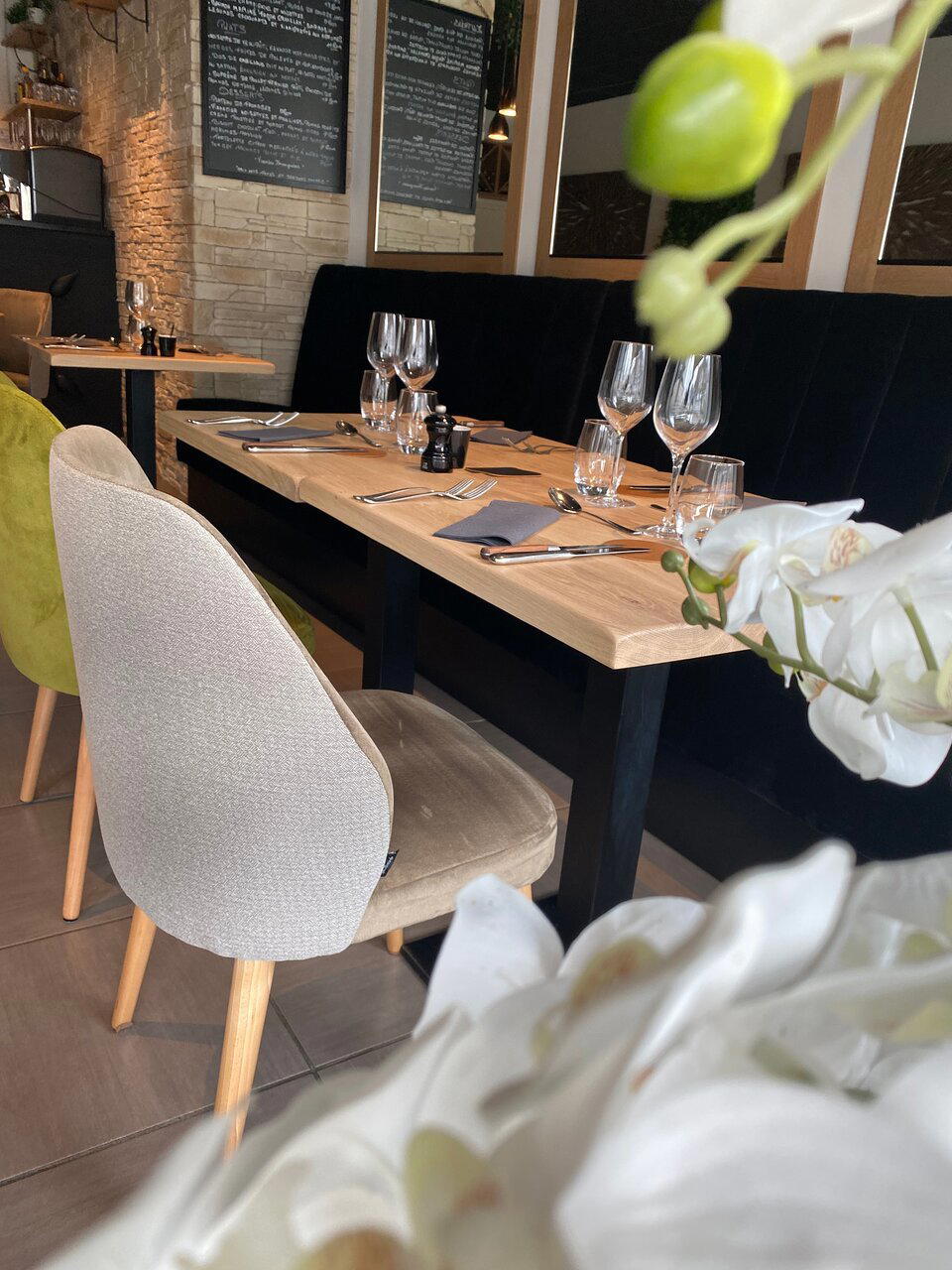
Walking to the address on Avenue de la Mairie, the village's scale is immediately clarifying. There is no hotel district, no dining quarter, no cluster of competing restaurants. The auberge is the dining room of the village itself, and that concentration of function, lodging, eating, drinking, gathering, is the format's defining characteristic. The physical environment of a traditional Corrèze auberge tends toward the functional and the worn-in: stone walls, heavy wooden furniture, a room that has absorbed decades of wood smoke and conversation. The atmosphere is not designed; it has accumulated.
This is a meaningfully different proposition from the formal dining rooms associated with France's starred circuit, the precision environments of Assiette Champenoise in Reims or the historic weight of Paul Bocuse's L'Auberge du Pont de Collonges. At the plateau auberge level, the measure of quality is different: consistency of produce, honesty of preparation, and a sense that the kitchen is answering to the region rather than to a critic's checklist.
For travellers accustomed to the more theatrical end of French gastronomy, the creative programs of AM par Alexandre Mazzia in Marseille or the technical ambition of Flocons de Sel in Megève, a meal in Tarnac requires a recalibration of expectations. The pleasure is not in surprise or spectacle. It is in the directness of a kitchen that has a very short distance between the farm and the plate.
Planning a Visit: Getting to Tarnac and What to Expect
Tarnac is not a destination you stumble across. The village sits roughly 60 kilometres north of Tulle and is accessed by departmental roads through the plateau, a drive of considerable scenic character and negligible speed. The nearest train connections are at Ussel or Eymoutiers-Vassivière, both requiring an onward car journey. The practical reality is that a meal at Les Voyageurs is almost always part of a wider immersion in the Corrèze: hikers and cyclists who use the plateau's long-distance routes, visitors to the Lac de Vassivière, and travellers who treat the Haute-Corrèze as a destination rather than a transit corridor. Given the village's size and the auberge's central role, booking ahead is advisable for any visit, particularly during summer and the autumn harvest period when regional tourism is at its modest peak.
The address is 18 Avenue de la Mairie, 19170 Tarnac. See our full Tarnac restaurants guide for additional context on the village's dining options and broader travel planning.
For context on how the auberge format scales into formal dining destinations in provincial France, the arc from places like Les Voyageurs to Georges Blanc in Vonnas, Troisgros in Ouches, or L'Oustau de Baumanière in Les Baux is informative: each began with similar rootedness in local supply and regional identity, and each grew into a different register of formal recognition. The Corrèze plateau, for now, operates in the register where the produce is the point and the room is functional. That is not a criticism. For a particular kind of traveller, it is precisely the attraction.
For readers comparing French provincial dining to international addresses operating with similar territory-first philosophies, it is worth noting that the sourcing logic at work in places like Tarnac is not uniquely French, kitchens like Le Bernardin in New York City and Atomix in New York City also build their identities around the provenance and integrity of primary ingredients, even at a significant remove from their source regions. The difference in the Corrèze is proximity: the supply chain is measured in kilometres, not continents, and the kitchen's relationship to it is correspondingly direct. Au Crocodile in Strasbourg offers another useful comparison point, a regional address where local produce traditions have sustained a serious dining identity across multiple generations.
Frequently asked questions
What's the overall feel of Les Voyageurs?
Les Voyageurs occupies the auberge tradition in one of France's least populous departments, where the format has always been functional before it was fashionable. The address on Avenue de la Mairie places it at the heart of a village with no dining quarter and no hotel district to blur the identity: this is a room built around the logic of the plateau, not around external trend. Expect a register closer to a working country inn than a destination restaurant.
Is Les Voyageurs worth the drive from Tulle or Clermont-Ferrand?
Tarnac sits roughly 60 kilometres north of Tulle on departmental roads through the Massif Central, making it a deliberate detour rather than a passing stop. The auberge at 18 Avenue de la Mairie is the kind of address that rewards travellers already committed to the Corrèze plateau rather than those routing through on a tighter itinerary. If the region's agricultural character and village-scale dining format align with what you are seeking, the drive is proportionate to the experience.
What do regulars order at Les Voyageurs?
Specific dish records for Les Voyageurs are not in the public domain, but the Corrèze plateau supplies a consistent larder: lamb from high-altitude grazing, freshwater fish from the region's rivers, foraged mushrooms, and charcuterie rooted in local pig-rearing traditions. A kitchen in Tarnac answers to those ingredients above all else, and regulars in auberge culture typically follow the plat du jour rather than arriving with fixed expectations.
Fast Comparison
Comparable venues nearby, for context on price, style, and recognition.
| Venue | Cuisine | Price | Notes |
|---|---|---|---|
| Les VoyageursThis venue — the venue you are viewing | Traditional French Regional | $30–50 | Not listed |
| Capelo | Bistronomic Périgourdine | Not listed | Périgueux |
| L’aventure | French Mountain Grill | $30–50 | Oz en Oisans |
| Saturne | Modern French with Nordic Influences | Not listed | 2nd Arrondissement |
| Restaurant du Château | Traditional Regional Quercy Cuisine | $50–100 | Rocamadour historical district |
| Le Cheverny | Traditional French Regional Bistro | Not listed | Downtown |
Continue exploring
More in Tarnac
Restaurants in Tarnac
All restaurants in Tarnac →
Hotels in Tarnac
Browse all →
Details
- Cozy
- Rustic
- Family
- Group Dining
- Business Dinner
- Hotel Restaurant
- Local Sourcing
- A La Carte
- Vegetarian Friendly
- Gluten Free Options
Friendly and warm atmosphere in a calm, welcoming setting ideal for family stays and discovering the terroir.