L'Inattendu

Michelin Plate
Our verdict
L'Inattendu sits in the hamlet of Saint-Pardoux-Corbier, part of Les Trois-Saints, where Julien and Marion run a kitchen grounded in local sourcing and traditional technique. The rural Corrèze address places it outside the main restaurant corridors of Nouvelle-Aquitaine, but the duo's focus on ingredient traceability and seasonal availability has drawn attention from diners willing to move through the back roads.

Pearl is the En Primeur Club membership app, where members save venues, book tables and use the concierge.
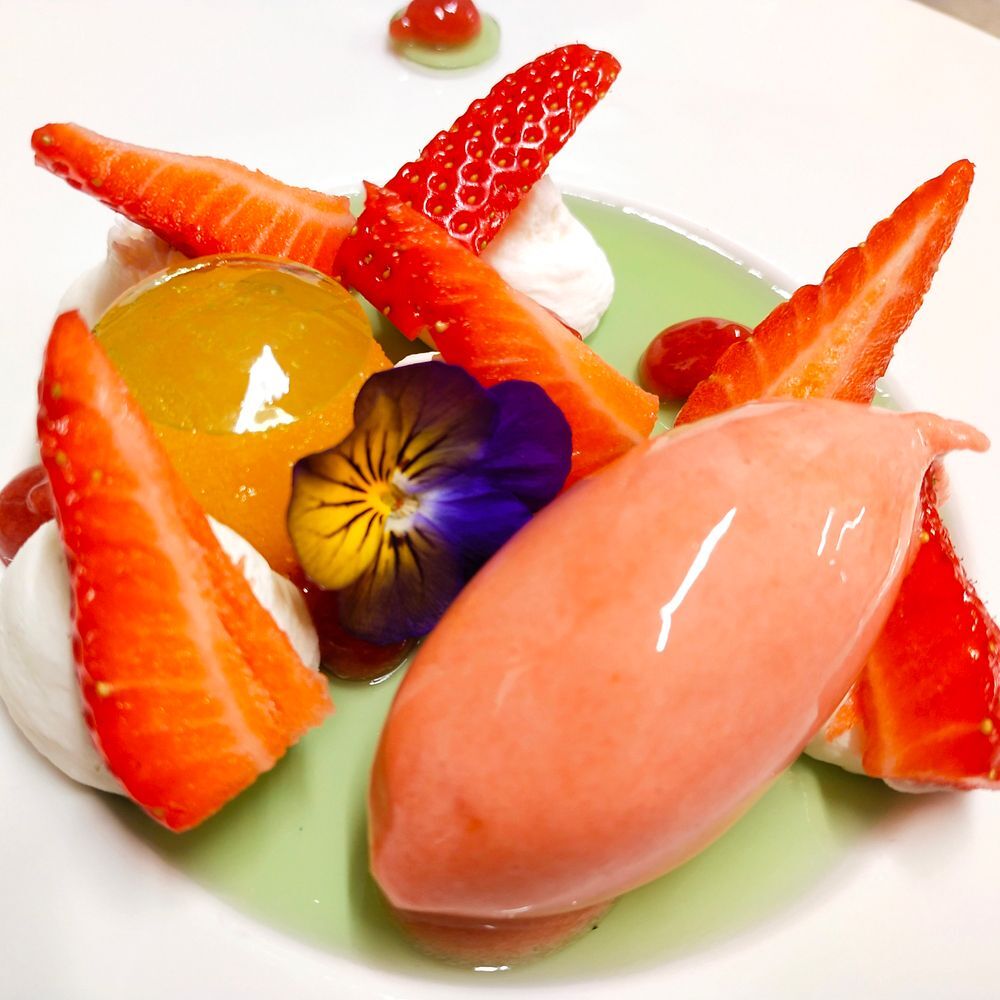
The menu
What to order
- Ravioles croustillantes de boudin noir, compotée de pomme
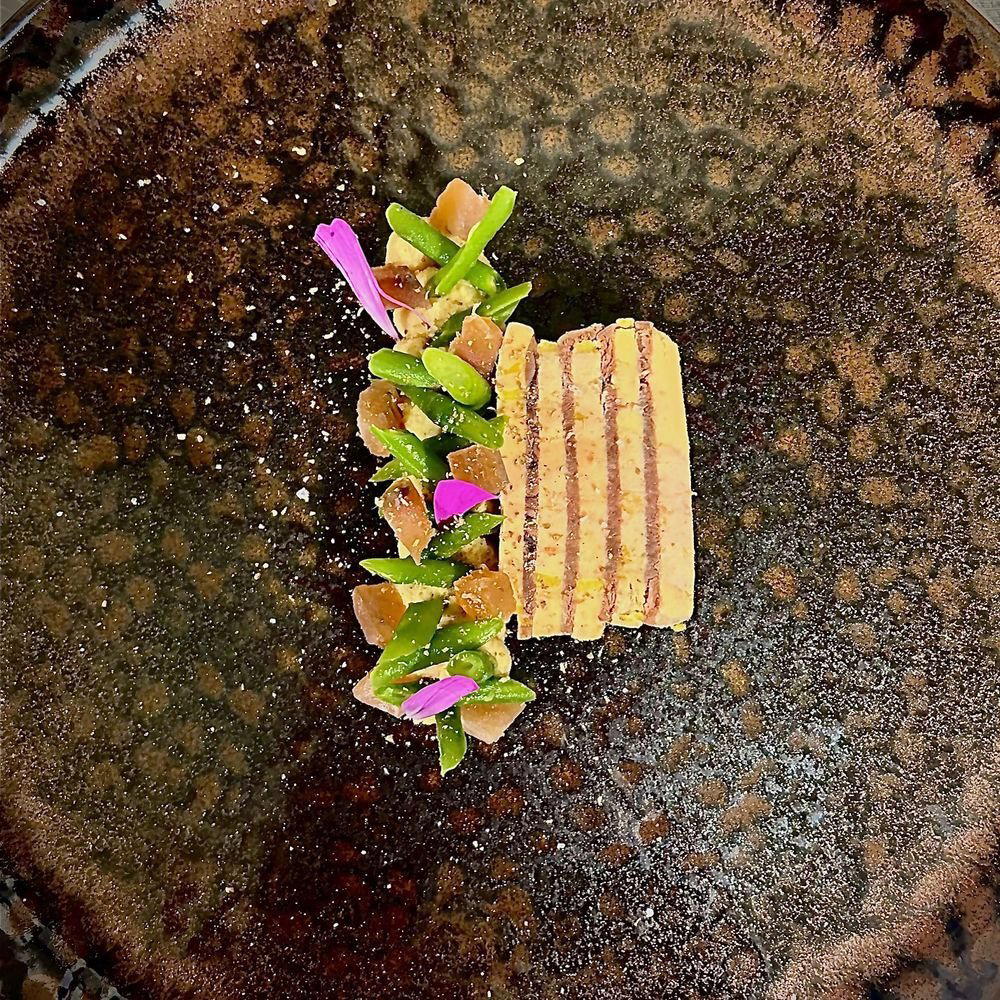
- Revisited pâté en croûte
- Soufflé revisité
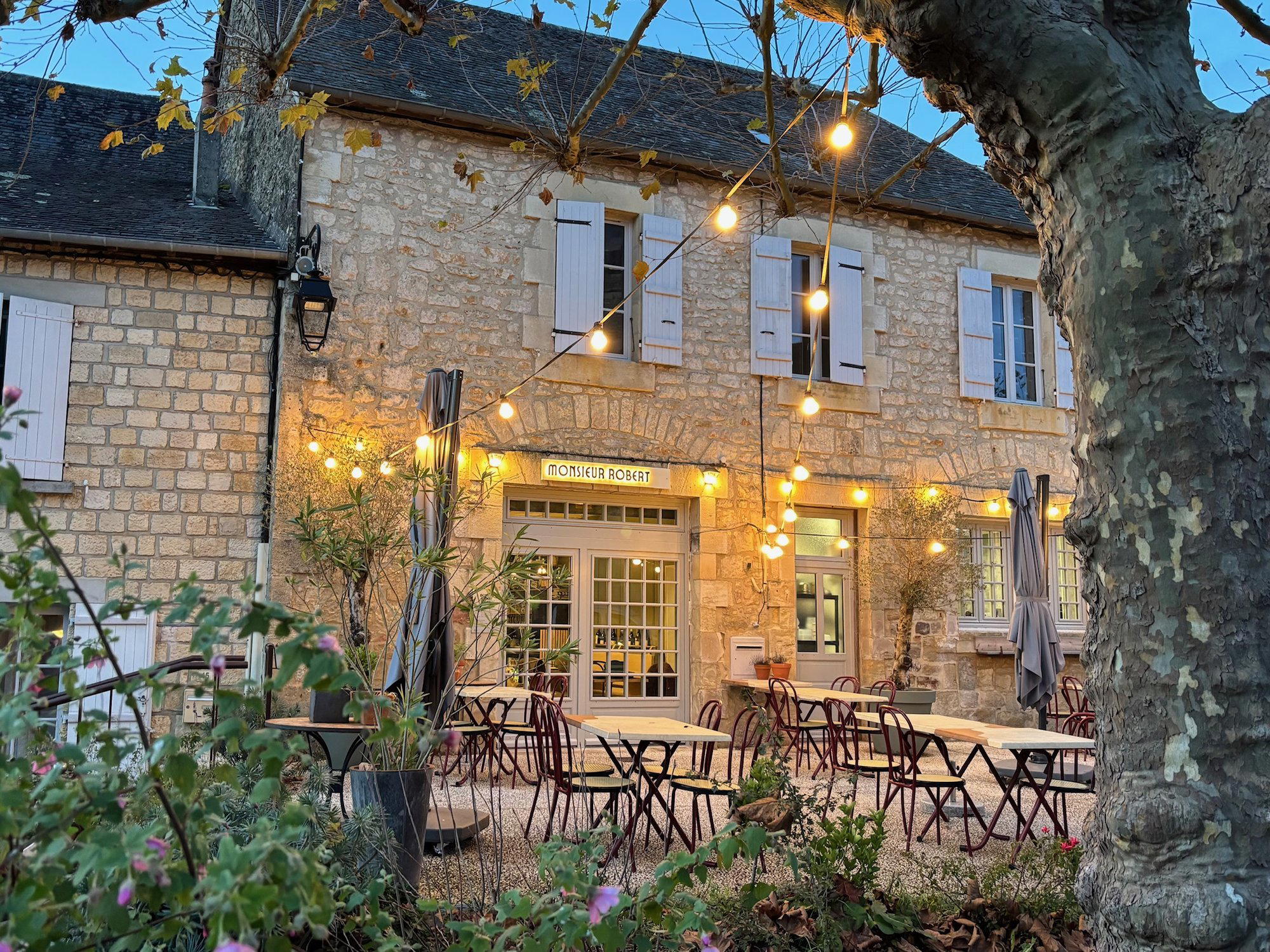
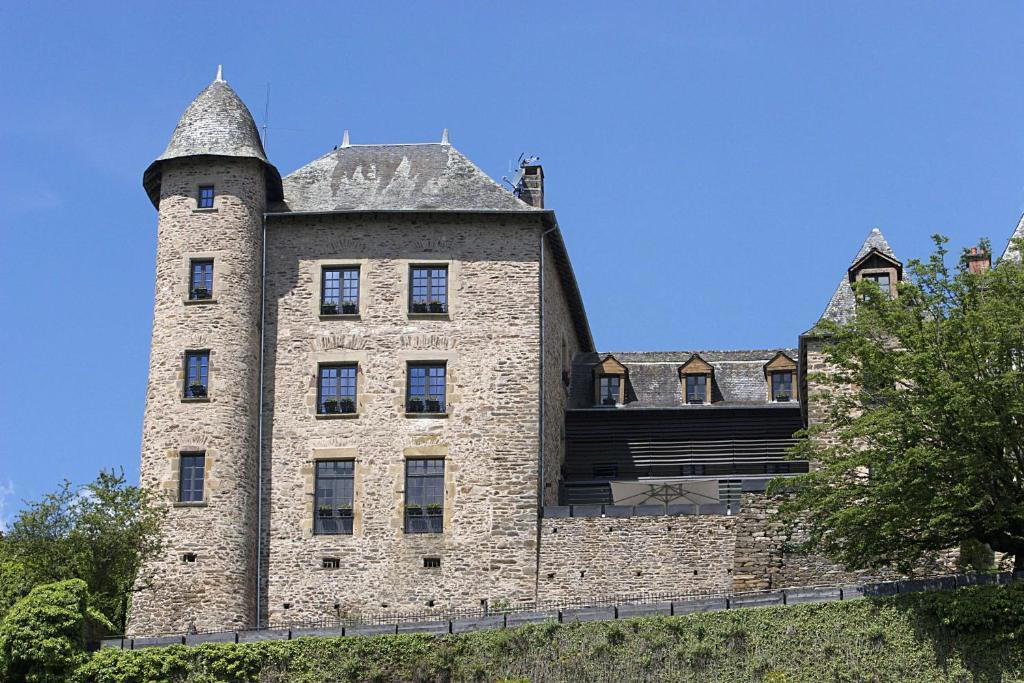
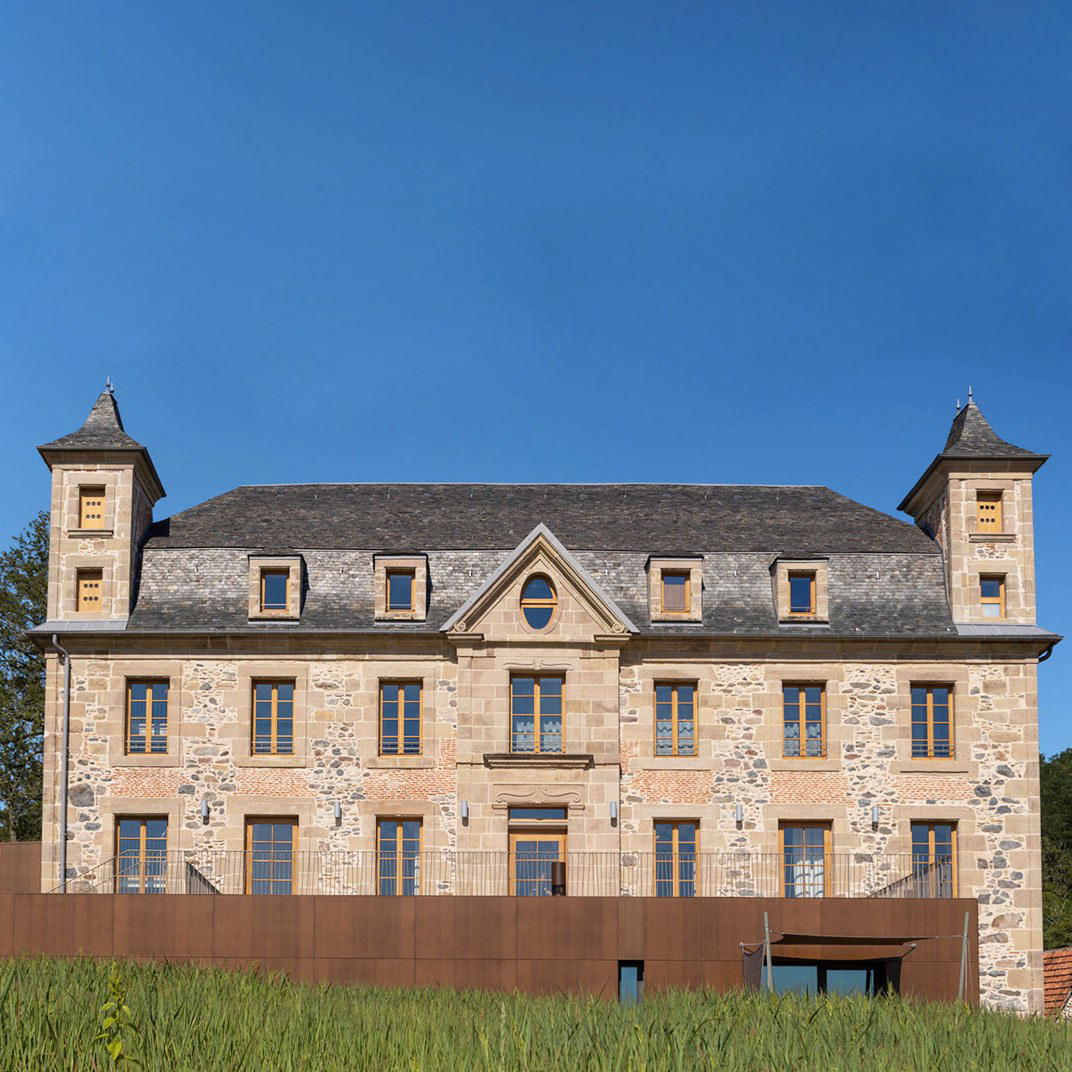
The approach to L'Inattendu follows Route de Pompadour through open pasture and low stone walls, the kind of landscape that defines rural Corrèze. The restaurant occupies a converted farmhouse in the lieu-dit of Saint-Pardoux-Corbier, a handful of buildings clustered at a crossroads where mobile-phone service is intermittent and the nearest train station sits 20 kilometres away in Uzerche. Julien and Marion run the dining room and kitchen between them, a two-person operation that narrows the gap between producer and plate to a matter of hours rather than days.
The menu at L'Inattendu changes according to what arrives from farms within a 30-kilometre radius. Limousin beef, raised on nearby slopes, appears in cuts that reflect carcass-utilization rather than premium-steak fashion. Vegetables come from a network of market gardeners who deliver twice weekly, and the kitchen adjusts its preparation calendar around harvest windows. Cheese arrives from Plateau de Millevaches producers, often unpasteurized and aged in small batches. This sourcing model, common in rural France but increasingly rare in urbanized dining markets, shapes the rhythm of service and the composition of each course. If a supplier misses a delivery, the menu contracts; if a grower brings surplus, the kitchen expands its vegetable composition. The result is a dining format that privileges ingredient availability over menu consistency, a trade-off that defines the rural-restaurant proposition across Nouvelle-Aquitaine and other agricultural regions.
The Ingredient Network Behind the Cooking
Julien and Marion's supplier list reads like a cadastral map of the surrounding communes. Lamb comes from a shepherd in Meymac, pork from a breeder in Treignac who operates at artisanal scale, and poultry from a farm in Chamberet that rotates pasture monthly. The kitchen maintains direct relationships with each producer, bypassing wholesale distributors and adjusting payment terms to accommodate small-scale farming cash flow. This approach carries operational friction, delivery schedules fluctuate, quantities vary, and product consistency depends on weather, but it locks the menu into a hyper-local supply chain that few restaurants in larger towns can replicate. The same model appears at .... Et la Fourmi in Nantes, where the kitchen works directly with Loire Valley growers, and at 1217 in Bagnols, where Rhône Valley farms deliver twice weekly. In all three cases, the geography of sourcing determines the scope of the menu.
The wine program follows the same logic. Bottles come from Corrèze and neighboring Dordogne vignerons, with a handful of natural-process Limousin whites and reds that reflect the region's marginal wine-growing climate. The list includes fewer than 30 references, most priced between €20 and €40, and the selection tilts toward low-intervention producers who farm organically but do not always pursue certification. Julien pours by the glass from a rotating selection of four wines, adjusted weekly based on stock and season. The transparency of this approach, no hidden markups, no international prestige labels, aligns with the kitchen's ingredient ethos and positions L'Inattendu within the broader movement of terroir-driven, producer-forward dining that has gained traction across rural France over the past decade.
The Dining Format and Service Rhythm
Service at L'Inattendu follows a prix-fixe structure with two or three courses, depending on availability. The kitchen does not publish its menu online, and diners learn the evening's composition upon arrival. Marion manages front-of-house solo, explaining sourcing details and guiding wine pairings with a directness that reflects her training in hospitality rather than sommelier credentials. The dining room holds approximately 20 covers across five tables, and the couple operates Thursday through Saturday evenings plus Sunday lunch, a schedule common among husband-and-wife operations in low-density areas where staffing is difficult and demand is seasonal.
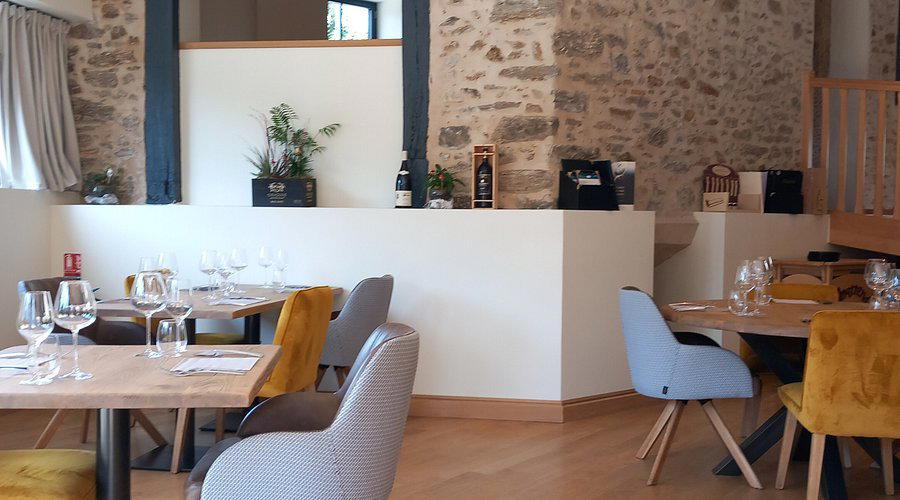
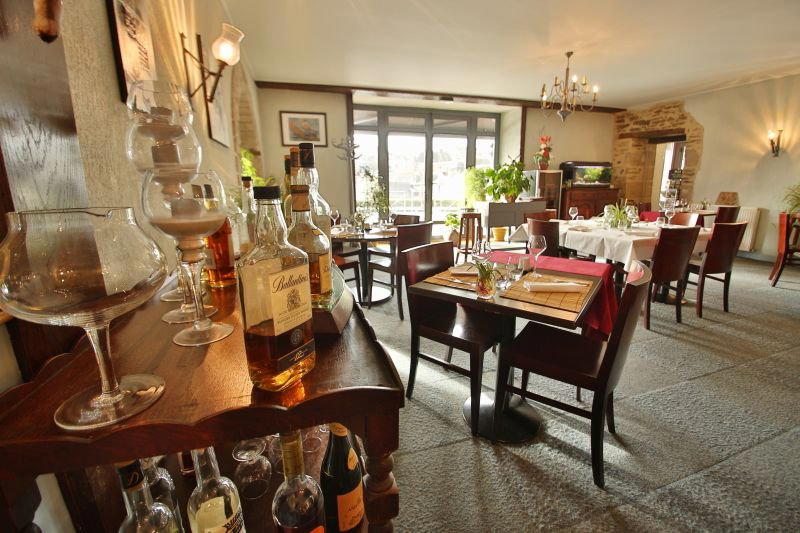
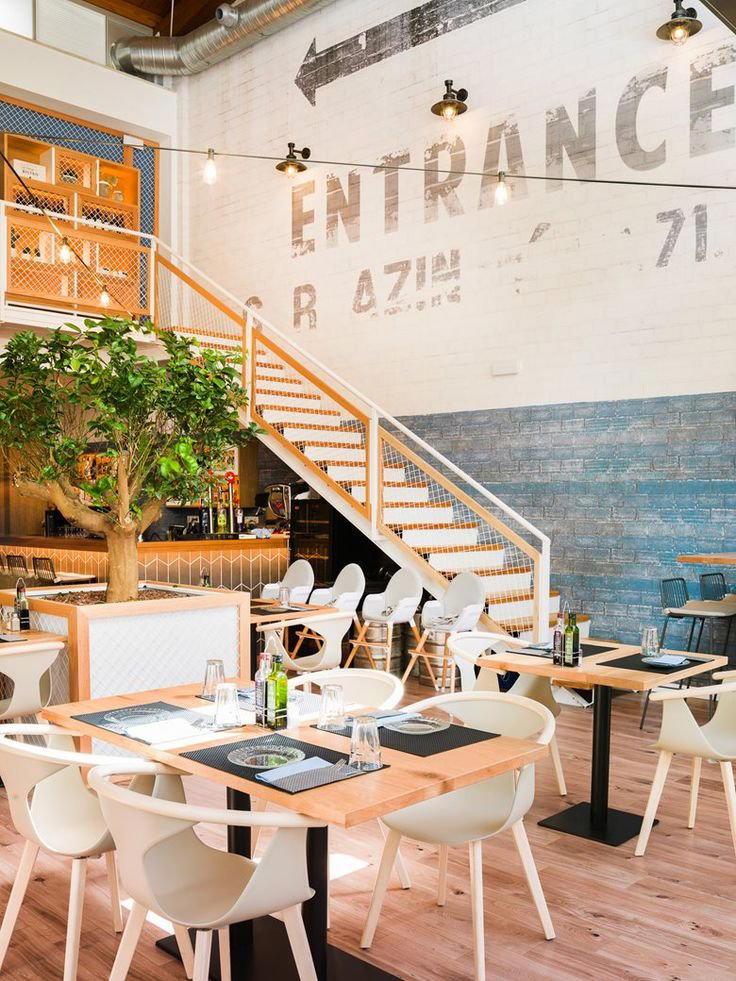
The room itself retains much of its agricultural past: exposed beams, tile floors, and windows that frame views of adjacent fields. The aesthetic is functional rather than designed, with minimal decoration and lighting that reads as domestic rather than theatrical. This plainness serves a purpose, it keeps overhead low and signals a dining philosophy that prioritizes food cost over décor investment. The same calculus appears at comparison venues like Le Périgord, where traditional technique and modest pricing define the value proposition, and at La Table du Moulin, where regional cooking anchors the menu at a similar price tier.
L'Inattendu sits outside the Michelin-starred and Gault&Millau-rated; circuits that dominate Les Trois Saints restaurants coverage, operating instead within the category of fermier-auberge and néo-bistronomie venues that have proliferated across Nouvelle-Aquitaine as younger cooks return to rural areas. The awards field notes enthusiasm from Julien and Marion, a signal of intent rather than formal recognition, but the absence of third-party validation places L'Inattendu in a tier where reputation builds through word-of-mouth and repeat clientele rather than guide-book endorsement. For diners exploring Les Trois Saints hotels or Les Trois Saints experiences, this restaurant functions as a capstone to rural tourism rather than a standalone destination, leading visited as part of a broader itinerary that includes Château de Pompadour or the Vézère Valley.
Getting to Saint-Pardoux-Corbier requires a car, no public transport serves the hamlet, and the nearest bus route terminates in Lubersac, 15 kilometres south. Mobile-phone navigation can falter in the final two kilometres, and paper maps remain advisable. Parking is informal, along the roadside or in a gravel lot adjacent to the building. The restaurant does not list a phone number or website in public directories, and booking function through direct contact or local referral, a barrier that filters clientele toward those already embedded in the regional dining network or willing to undertake logistical friction for the sake of ingredient integrity.
L'Inattendu exemplifies the trade-offs inherent in rural, producer-driven dining: hyper-local sourcing and transparent pricing in exchange for limited accessibility and menu unpredictability. For diners who value traceability over consistency and are comfortable with improvisation, it offers a case study in how ingredient geography can shape culinary identity. For those seeking polished service, advance planning tools, or urban convenience, the format will read as restrictive. The restaurant's future depends on whether enough diners in the Corrèze corridor, and those traveling from Limoges, Brive-la-Gaillarde, or farther afield, are willing to drive the extra kilometres and accept the format's constraints in exchange for a menu that reflects the agricultural calendar of a single, tightly defined radius.
Frequently asked questions
Is L'Inattendu good for families?
The prix-fixe format and hyperlocal sourcing make L'Inattendu suitable for families comfortable with a two- or three-course structure. Lamb from Meymac and pork from regional breeders anchor a menu tied to surrounding communes. Booking ahead is advisable given the rural location in Saint-Pardoux-Corbier.
What kind of setting is L'Inattendu?
L'Inattendu operates from 20 route de Pompadour in the lieu-dit of Saint-Pardoux-Corbier, a rural address in the Corrèze department of Nouvelle-Aquitaine. The dining room reflects the cadastral map of suppliers Julien and Marion work with, tying the space to the surrounding communes rather than urban dining codes.
What kind of recognition has L'Inattendu received?
L'Inattendu has received recognition including: Julien et Marion animent avec entrain....
Where do I go for L'Inattendu?
L'Inattendu is located at 20 route de Pompadour, lieu-dit Saint-Pardoux-Corbier, Les Trois-Saints, Nouvelle-Aquitaine, 19210, FRA, Les Trois Saints.
Can I walk in to L'Inattendu?
Walk-ins depend on availability, and the prix-fixe format means ingredient procurement is planned in advance. The rural location on route de Pompadour and the reliance on named local breeders suggest advance contact is prudent, though the venue does not publish reservation policies online.
What do critics highlight about L'Inattendu?
Recognition notes Julien and Marion's energetic approach to the dining room and their commitment to a supplier network that reads like a local cadastre. The emphasis on Meymac lamb and hyperlocal pork distinguishes the table within rural Corrèze dining.
Comparable venues by cuisine and price in the same metro.
| Venue | Cuisine | Price | Awards |
|---|---|---|---|
| L'InattenduThis venue (the venue you are viewing) | Modern locavore French gastronomy | $50–100 | Michelin Plate |
| L'Attanum | Modern French Fine Dining | $50–100 | Michelin Bib Gourmand |
| La Table du Moulin | Traditional Cuisine | Not listed | Not listed |
| Le Périgord | Traditional French Regional | $30–50 | Michelin Plate |
Recognition history
Dated appearances from independent guides and award organizations, with the underlying list record or original source where available.
Michelin Plate
Michelin
Continue exploring
More in Les Trois Saints
Details
- Elegant
- Cozy
- Modern
- Romantic
- Date Night
- Special Occasion
- Celebration
- Business Dinner
- Group Dining
- Standalone
- Design Destination
- Private Dining
- Extensive Wine List
- Farm To Table
- Local Sourcing
- Organic
- Tasting Menu
- A La Carte
- Wine
- Vegetarian Friendly
Sober yet refined dining room with contemporary, carefully designed decor that feels warm and intimate rather than formal, offering a relaxed but polished gastronomic experience in the countryside.