Our verdict
Les Saisons occupies a quiet address on Rue Camille Desmoulins in central Perpignan, a city where Catalan market traditions and French culinary discipline converge in ways few French cities can replicate. The restaurant sits inside a dining scene shaped by proximity to the Roussillon's farms, fishing ports, and mountain pastures — ingredients that define both the region's identity and the kitchen's logic.

Pearl is the En Primeur Club membership app — saves, bookings, and concierge access live there. Same editors, same standards.
- Address
- 6 Rue Camille Desmoulins, 66000 Perpignan, France
- Phone
- +33685320626
- Hours
- Mon ClosedTue–Thu 12–2 PM, 7 PM–12 AMFri 12–2 PMSat 12–2 PM, 7 PM–12 AMSun 12–2 PM
- Website
- habad66.com
- Directions
- Get directions
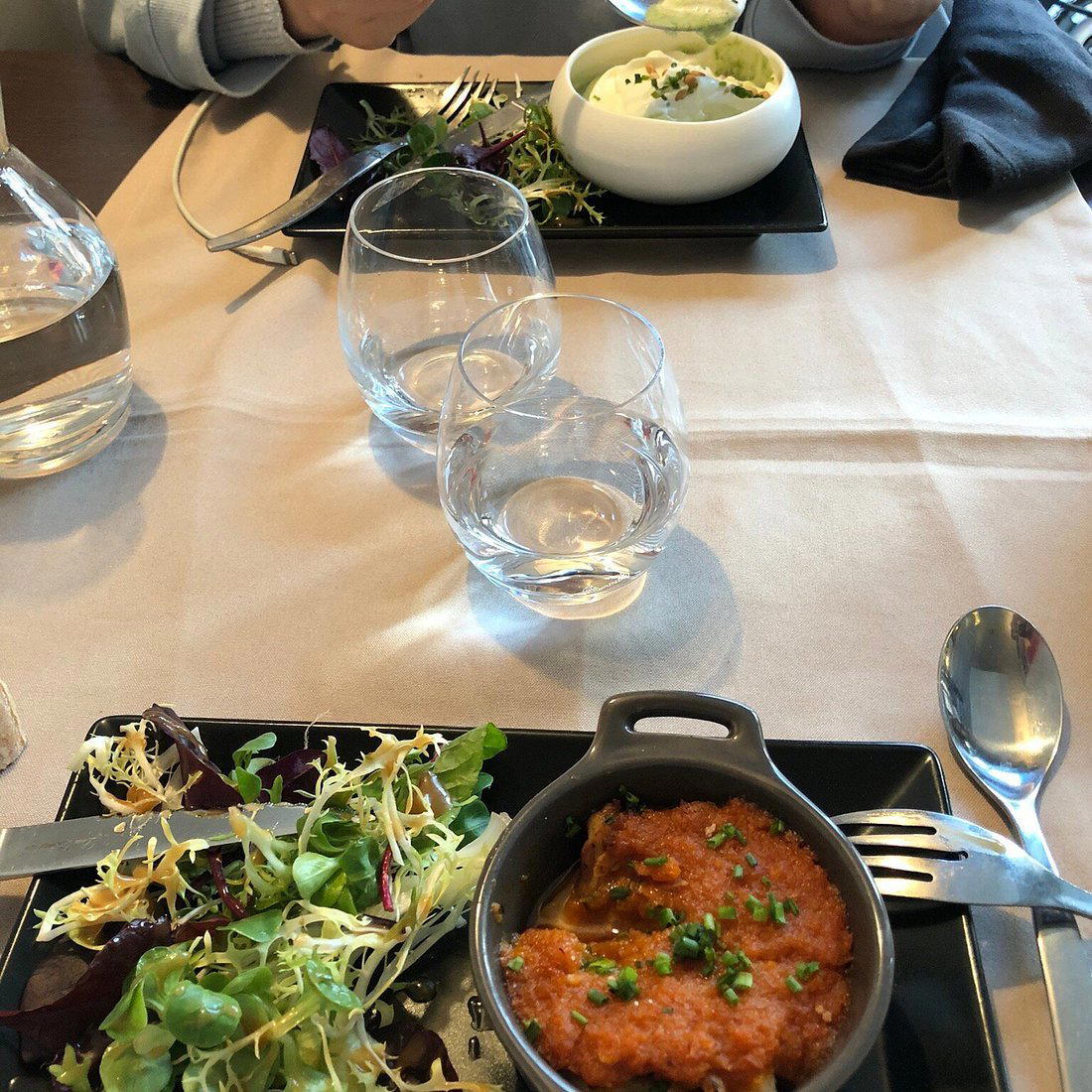
Where Roussillon's Larder Meets the Table
Perpignan's position at the foot of the Pyrenees, pressed between the Mediterranean coast and the Corbières hills, produces one of the most concentrated ingredient corridors in southern France. Anchovies come in from Collioure, a port town less than thirty kilometres south. Catalan charcuterie travels from the high valleys. Market gardens in the Roussillon plain yield tomatoes, peppers, and wild herbs through a growing season that extends well beyond what inland French regions can sustain. For a kitchen committed to sourcing within that geography, the address on Rue Camille Desmoulins is not incidental — it places Les Saisons at the centre of a city that functions as a distribution hub for some of the most characterful raw materials in France.
The logic of sourcing that close to origin is direct in principle and demanding in practice. Unlike Paris kitchens that can abstract their supply chains behind polished menus, restaurants operating in their source region are held to immediate accountability: diners who grew up eating Roussillon tomatoes know what they taste like at the right moment in the season. That pressure distinguishes the better Perpignan tables from those relying on generic French bistro templates, and it sets the terms on which a place like Les Saisons earns its standing in the city.
The Roussillon Table in Context
Perpignan's dining scene has long sat in the shadow of Barcelona to the south and Montpellier to the north, a mid-sized prefectural city that rarely draws the food-press attention its ingredient quality warrants. That is beginning to shift. A small tier of Perpignan restaurants has developed a sharper editorial identity around Catalan and Mediterranean sourcing, with La Galinette (Creative) operating at the more formal creative end of that spectrum and addresses like Au VIANDARD and Guapo handling the more casual register. L'Intermède and La Passerelle (Modern Cuisine) represent the modern cuisine strand that has emerged more recently, drawing on similar regional sourcing with a more contemporary technical vocabulary.
Within that field, the name Les Saisons — the seasons, signals an explicit commitment to a cooking calendar rather than a fixed menu. Seasonally organised kitchens are common enough in France that the framing risks becoming a cliché, but in Roussillon it carries more weight than in most regions. The transition from spring to summer here is not gradual; it arrives quickly, flipping the available palette from root vegetables and legumes to stone fruits, aubergines, and the first anchovies of the warm-water season. A kitchen named for that rhythm is announcing something specific about its relationship with the calendar.
Ingredient Geography and What It Means on the Plate
The Roussillon's ingredient map is organised around altitude as much as geography. The coastal strip running from Banyuls to Argelès produces shellfish, salt-cured fish, and the region's fortified wines. The foothills yield olives, almonds, and Catalan sausages cured in mountain air. Higher still, the Cerdagne plateau contributes lamb, mountain herbs, and dairy with a character shaped by altitude grazing. A kitchen in Perpignan that draws across those three vertical zones can compose plates of genuine complexity without reaching beyond the immediate territory.
This is the sourcing logic that has distinguished the better restaurants of the Languedoc-Roussillon from the broader French provincial tier, and it maps directly onto the broader French tradition of cuisine de terroir, a term that in this region carries Catalan inflection as much as French. Restaurants in the south of France operating at this level of sourcing specificity occupy a niche that the major guides have been slow to recognise relative to, say, the kitchens of the Rhône Valley or Brittany. For comparison, kitchens in Menton such as Mirazur or mountain addresses like Flocons de Sel in Megève have achieved significant recognition by anchoring their menus to hyper-local supply. The Roussillon equivalent of that sourcing ambition is present but less decorated.
France's most formally recognised kitchens, Alléno Paris au Pavillon Ledoyen, Troisgros - Le Bois sans Feuilles, Auberge de l'Ill in Illhaeusern, Bras in Laguiole, and Paul Bocuse's Auberge du Pont de Collonges, share an intense relationship with a defined ingredient territory. In the south, AM par Alexandre Mazzia in Marseille demonstrates how Mediterranean sourcing can support a three-Michelin-star kitchen. Perpignan has not produced an equivalent benchmark yet, but the raw material case for it is clear to anyone who has spent time at the city's covered market on a Thursday morning.
Dining Scene Mechanics: What to Expect in Perpignan
Perpignan operates on a rhythm that differs from Paris or Lyon in one practical respect: lunch is taken seriously. The mid-day service matters to locals in a way that the evening-first model of northern French cities does not capture. For restaurants in the city centre, particularly those on streets like Rue Camille Desmoulins close to the Place de la République, lunchtime tables fill with a mix of local professionals and, particularly in summer, visitors extending a coast-and-city itinerary from the nearby resorts of Canet-en-Roussillon and Saint-Cyprien.
Booking ahead is advisable for the better addresses in Perpignan, particularly during July and August when the city's summer population swells and outside dining becomes a priority. September represents the strongest window for anyone combining dining ambitions with a desire to experience Roussillon at the tail end of harvest season, when game, late-summer produce, and the first new-vintage wines of the Côtes du Roussillon arrive together. Assiette Champenoise in Reims and Au Crocodile in Strasbourg illustrate how regional French restaurants at the top of their local hierarchy build booking cultures that require advance planning; Perpignan's better tables are beginning to operate on similar terms, if not yet with the same lead times.
For visitors structuring a wider France itinerary around serious eating, the Perpignan tier sits between the casual Mediterranean coast experience and the more formal Michelin-circuit restaurants of Lyon or Paris. It is a more honest register in some respects: closer to the ingredients, less mediated by ceremony. Comparable urban dining cultures built around port-city and market-city sourcing exist in New York at Le Bernardin or in the more technically elaborate context of Atomix, but the Perpignan equivalent is defined by informality and directness rather than technical display.
Les Saisons sits at 6 Rue Camille Desmoulins, Perpignan. For planning your broader visit to the city's dining options, the EP Club Perpignan restaurants guide maps the full field across price tiers and cuisine styles.
Frequently asked questions
Where exactly is Les Saisons?
Les Saisons is located at 6 Rue Camille Desmoulins, 66000 Perpignan, France, Perpignan.
Is Les Saisons a good option for a long lunch in Perpignan's city centre?
Les Saisons is located at 6 Rue Camille Desmoulins in the heart of Perpignan, placing it within the city's core where the midday meal remains a genuine institution rather than an afterthought. Perpignan's dining culture treats lunch as the anchor service of the day, with locals and regional professionals taking the meal seriously. For visitors wanting to eat in step with that rhythm rather than against it, a midday reservation here aligns with how the city actually operates.
What's the signature dish at Les Saisons?
No specific menu details are published for Les Saisons at this time. Given its name and location at the intersection of coastal Roussillon and Pyrenean foothills, the kitchen works around what the season and the region's ingredient geography dictate. Contacting the restaurant directly at 6 Rue Camille Desmoulins, Perpignan is the most reliable way to understand the current menu direction.
How far ahead should I plan for Les Saisons?
Perpignan's more considered restaurants fill quickly at lunch, the service that locals and the regional dining community treat as the main event. Planning at least one to two weeks ahead is a sensible baseline for dinner, more in peak summer months when the city draws visitors from across the Languedoc-Roussillon corridor.
What has Les Saisons built its reputation on?
Les Saisons operates in a Perpignan dining scene that has historically been underserved relative to its ingredient wealth, which gives restaurants that take regional sourcing seriously a clear point of difference. The name itself signals a commitment to seasonal rotation rather than a fixed identity, placing the kitchen squarely in the French tradition of letting the larder lead. No formal awards are currently documented for the venue.
Can Les Saisons adjust for dietary needs?
No specific dietary accommodation policy is documented for Les Saisons. French seasonal kitchens of this type typically address requirements when notified in advance, so contacting the restaurant at 6 Rue Camille Desmoulins, Perpignan ahead of your visit is the practical step. Detailing requirements at the time of booking gives the kitchen the most workable notice.
A Quick Peer Check
Comparable venues nearby, for context on price, style, and recognition.
| Venue | Cuisine | Price | Awards | Notes |
|---|---|---|---|---|
| Les SaisonsThis venue — the venue you are viewing | Kosher French Bistro | $20–30 | Not listed | Not listed |
| Au VIANDARD | French-Catalan Steakhouse | $30–50 | Not listed | Old Quarter (Vieux Perpignan) |
| Le Divil | French Grill & Meats | $30–50 | Michelin Plate | historic centre |
| Lazare | Modern French Bistro | $30–50 | Michelin Bib Gourmand | centre ville |
| Maménakané | Modern Japanese Fine Dining | Not listed | Michelin Plate | residential neighbourhood |
| Le Garriane | Modern French Seasonal Bistro | $20–30 | Michelin Bib Gourmand | near station |
Continue exploring
More in Perpignan
Restaurants in Perpignan
Browse all →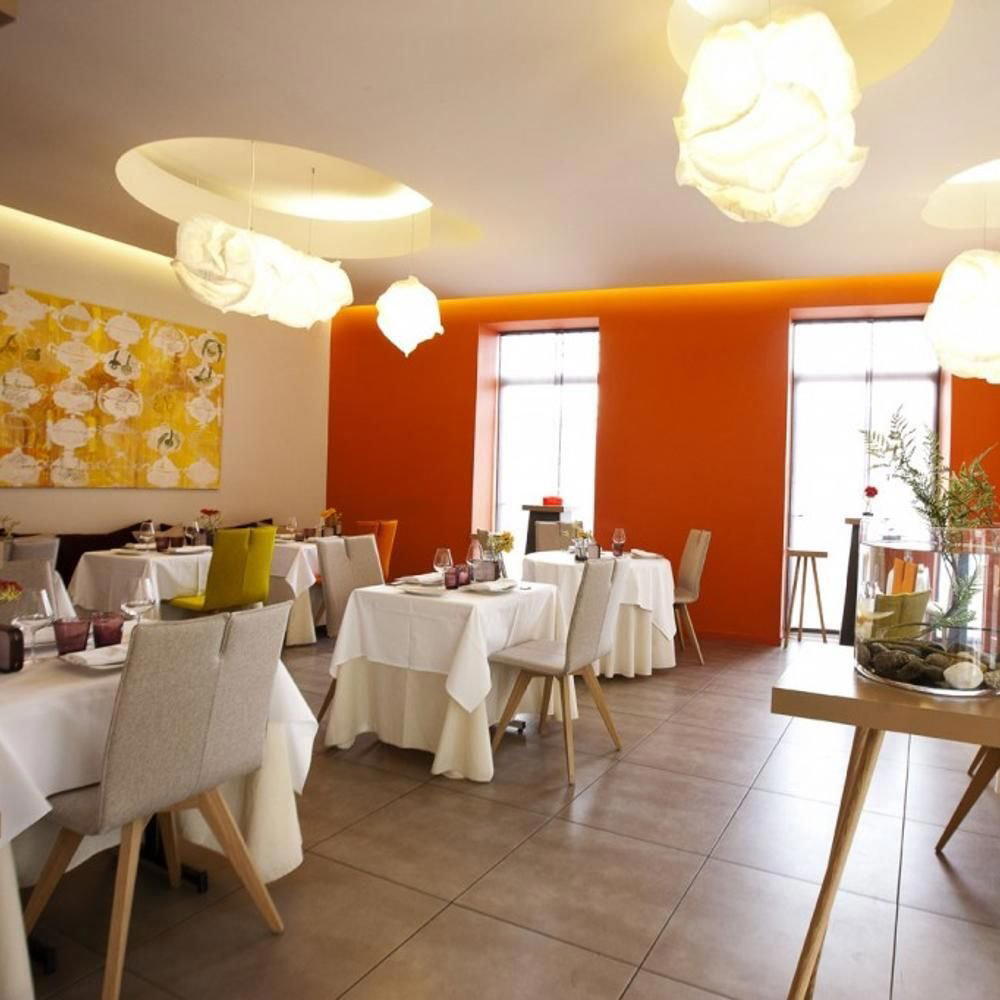
Bars in Perpignan
Browse all →
Hotels in Perpignan
Browse all →
Details
- Cozy
- Classic
- Family
- Casual Hangout
- Standalone
- Local Sourcing
- A La Carte
- Vegetarian Friendly
- Vegan Options
Current opening hours
- Monday
- Closed
- Tuesday
- 12–2 PM, 7 PM–12 AM
- Wednesday
- 12–2 PM, 7 PM–12 AM
- Thursday
- 12–2 PM, 7 PM–12 AM
- Friday
- 12–2 PM
- Saturday
- 12–2 PM, 7 PM–12 AM
- Sunday
- 12–2 PM
Hours can change for holidays and private events. Last verified .
Warm and welcoming atmosphere with cozy simplicity.