Our verdict
On a covered street in central Perpignan, Guapo occupies a corner of the city where Catalan and French culinary traditions press against each other in productive tension. The address on Rue des Fabriqués Couvertes places it within walking distance of the city's main dining corridor, making it a practical anchor for an evening in the old quarter. Perpignan's dining scene remains underexamined relative to its cultural weight, and Guapo is part of a small group of addresses starting to change that.

Pearl is the En Primeur Club membership app — saves, bookings, and concierge access live there. Same editors, same standards.
- Address
- 9 Rue des Fabriqués Couvertes, 66000 Perpignan, France
- Phone
- +33625298128
- Hours
- Mon 6 PM–1 AMTue–Sat 6 PM–2 AMSun Closed
- Directions
- Get directions
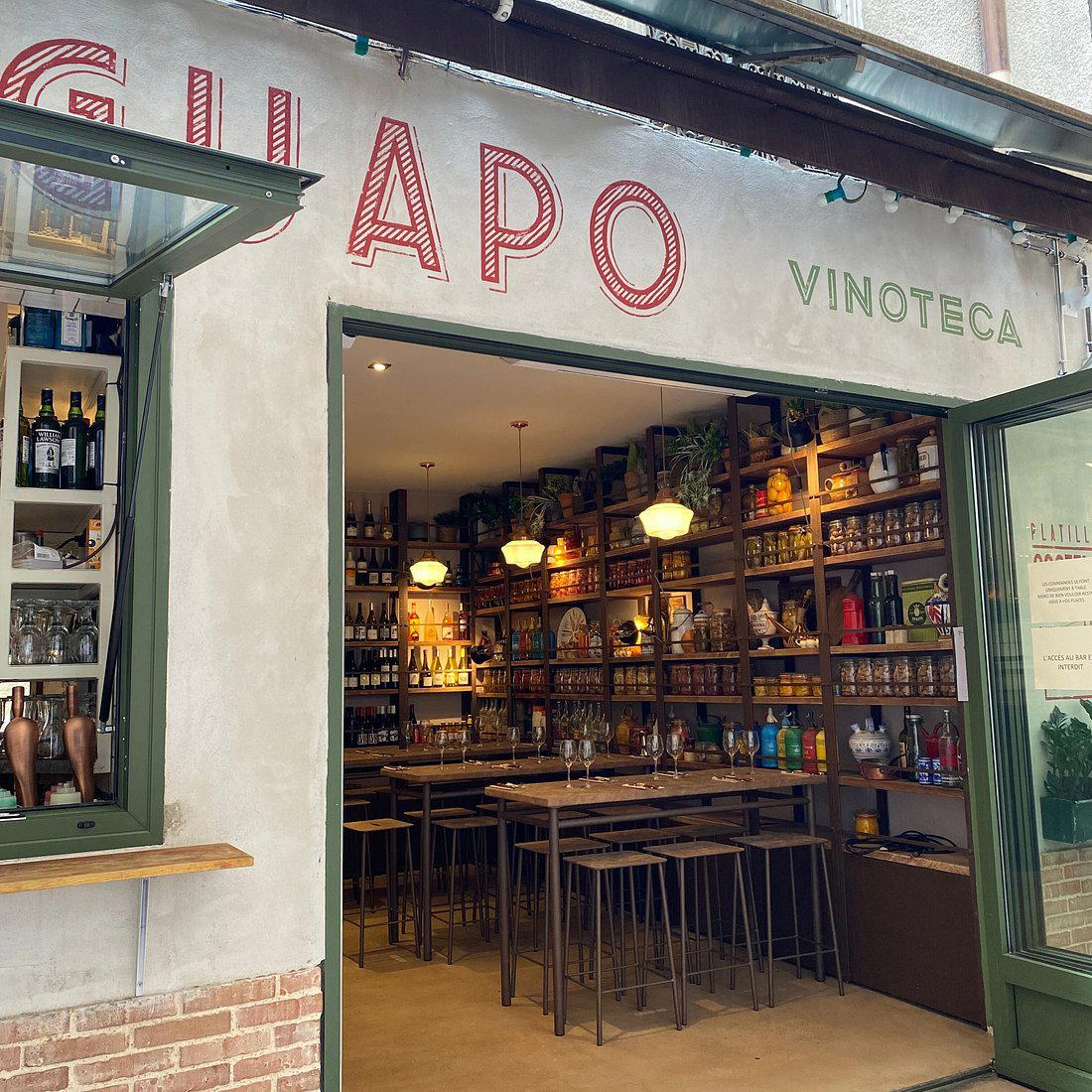
Where Perpignan's Two Culinary Worlds Meet
Perpignan sits at one of France's more complicated culinary borders. The city is administratively French, but its cultural identity is Catalan, and that duality plays out on every serious menu in the old quarter. Dishes that reference pa amb tomàquet, anchovies from the Côte Vermeille, or the char-forward meat traditions of the western Pyrenees sit alongside the classical French repertoire that Michelin and the grandes tables have long defined as the national standard. Guapo, at 9 Rue des Fabriqués Couvertes, occupies a street that captures this ambiguity physically: covered, slightly medieval in feel, and positioned between the Cathedral of Saint-Jean-Baptiste and the market squares that give Perpignan its daily rhythm.
That cultural layering is worth understanding before you arrive. Unlike the Mediterranean-facing tables of Menton, where Mirazur has spent years refining a Franco-Italian sensibility into something wholly its own, or the Alsatian depth that institutions like Au Crocodile draw from, Perpignan's dining identity is still consolidating. It is a city where the Roussillon wine appellation produces serious Grenache-based reds and Muscat de Rivesaltes in quantities that deserve more international attention than they get, and where the proximity to Spain gives the kitchen access to ingredients that most French provincial cities simply cannot source at the same quality.
The Street and Its Context
Rue des Fabriqués Couvertes is one of those Perpignan addresses that rewards arriving on foot rather than by car. The covered arcades that define this part of the old town date to a period when the city was a Catalan trading hub, and the architecture still reads as mercantile rather than ornamental. Restaurants in this corridor tend to draw a mix of local regulars and visitors who have done enough research to move beyond the tourist-adjacent perimeter around Place de la Loge. Guapo sits within that more considered tier of addresses.
For context on how Perpignan's dining scene is structured, La Galinette occupies the creative fine-dining position at the €€€ level, while addresses like Au VIANDARD and L'Intermède offer distinct entry points into the city's mid-range and modern cuisine categories. La Passerelle and Lazare extend that modern cuisine tier further. Guapo's position within this structure is worth establishing in advance, particularly if you are planning a multi-meal itinerary across the city. The full picture is available in our Perpignan restaurants guide.
Catalan Cuisine as Cultural Argument
Catalan cooking rarely gets the theoretical treatment that, say, the cuisine of Lyon receives in France, or that Basque cooking receives internationally following the prominence of Donostia's high-end scene. But the tradition is coherent and historically deep. It runs through a set of techniques and flavor preferences that distinguish it clearly from both mainstream French cooking and from the Castilian and Andalusian traditions further south: the use of picada as a sauce-finishing method, the pairing of seafood with game or dried fruit, the prominence of salt cod in forms that go well beyond the French brandade, and a preference for vegetables cooked with enough heat to develop sweetness rather than preserved in the French en cocotte style.
Roussillon, the French administrative region in which Perpignan sits, adds its own inflection to this tradition. The wines of the appellation, particularly the fortified vins doux naturels produced around Banyuls and Rivesaltes, have a structural affinity with the region's cooking that sommeliers in Paris are only beginning to take seriously. Restaurants in Perpignan that work with these local wine traditions are making a coherent argument about regional identity that goes beyond nostalgia.
Compare this with the altitude-driven restraint of Flocons de Sel in Megève, the Loire-inflected classicism that underpins Assiette Champenoise in Reims, or the ambitious creative compression of AM par Alexandre Mazzia in Marseille, and it becomes clear that France's most interesting contemporary cooking is frequently happening at the edges of the country, where one tradition presses against another and the result is something harder to classify and more alive for it.
Planning Your Visit
Perpignan's old quarter is compact enough to be covered on foot, with the main market, the cathedral, and the palace of the Kings of Majorca all within a short walk of Rue des Fabriqués Couvertes. For visitors arriving by train, the Gare de Perpignan is roughly a ten-minute walk to the old town. The city sits on the main TGV line connecting Paris to Barcelona, which makes it accessible as a standalone destination or as a stop within a longer southern France itinerary. The covered streets of the old quarter tend to be quieter at lunch, with evening service drawing more of the local dining crowd.
Given the concentration of serious addresses in this part of the city, it is worth building your dining itinerary around the quarter rather than treating individual venues as isolated stops. The proximity to the Spanish border means that the wine selection at most addresses in this corridor will include both Roussillon and Catalan producers, which is worth factoring into a longer tasting evening.
For comparison points elsewhere in France's leading dining tier, Alléno Paris au Pavillon Ledoyen, Troisgros in Ouches, Auberge de l'Ill in Illhaeusern, Bras in Laguiole, and Paul Bocuse in Collonges-au-Mont-d'Or represent the institutional register against which regional addresses are often implicitly measured. Perpignan's scene, including addresses like Guapo, is operating in a different register: less formally codified, more directly connected to a border-crossing culinary tradition that France's Michelin infrastructure has historically underweighted.
For international reference points operating at the boundary of two culinary traditions, Le Bernardin in New York and Atomix in New York both demonstrate how serious cooking at a cultural intersection can produce something more precise and argued than cooking from within a single tradition.
Frequently asked questions
What's the address for Guapo?
Guapo is located at 9 Rue des Fabriqués Couvertes, 66000 Perpignan, France, Perpignan.
Where exactly is Guapo located in Perpignan, and how does the setting affect the dining experience?
Guapo is at 9 Rue des Fabriqués Couvertes, a covered-arcade street in Perpignan's old quarter that places it within walking distance of the Palais des Rois de Majorque and the central market. The covered arcade format means the street reads differently from open-air dining strips: there is a particular quality of light and contained atmosphere that makes arrival on foot, rather than by car, the more rewarding approach. It is the kind of address that situates a meal inside the city's Catalan architectural identity before the food has arrived.
What dish is Guapo famous for?
No specific signature dish is currently documented for Guapo. What the address on Rue des Fabriqués Couvertes does suggest is a kitchen operating within Perpignan's Franco-Catalan culinary tradition, where grilled meats, anchovy preparations, and dishes drawing on both Roussillon and Catalan convention tend to define the repertoire. Confirm the current menu directly with the venue before visiting.
Do I need a reservation for Guapo?
Given that Perpignan's old quarter draws consistent foot traffic and covered-arcade addresses like Rue des Fabriqués Couvertes tend to fill quickly at lunch and dinner, booking ahead is the more reliable approach. check the venue's official channels for current availability.
What makes Guapo worth seeking out?
Guapo's address alone positions it at one of southern France's more interesting culinary fault lines: Perpignan is administratively French but culturally Catalan, and few cities in the country produce that same tension on the plate. Rue des Fabriqués Couvertes, with its covered arcade architecture, gives the approach a character that most generic city-centre dining strips cannot replicate. The kitchen operates within a tradition that Lyon and Basque country receive far more critical attention for, despite Catalan cooking's equally serious credentials.
Do they accommodate allergies at Guapo?
For anything involving specific dietary requirements, contact the restaurant at 9 Rue des Fabriqués Couvertes, 66000 Perpignan before your visit to confirm what the kitchen can accommodate on the day.
Is eating at Guapo worth the cost?
Pricing information for Guapo has not been publicly documented. For context, Perpignan generally sits below Paris and Lyon price points across comparable dining categories, and Catalan restaurants in the old quarter tend to offer meaningful value relative to equivalent addresses in Barcelona or Montpellier. Verify current pricing with the venue before booking.
Price and Positioning
Comparable venues nearby, for context on price, style, and recognition.
| Venue | Cuisine | Price | Notes |
|---|---|---|---|
| GuapoThis venue — the venue you are viewing | Spanish Tapas | Not listed | Not listed |
| Sa Botiga | Sardinian and Italian | Not listed | Centre ville, Sardinian and Italian |
| Le Bec Verseur | French Cocktail Bar | $20–30 | Quais de la Têt, French Cocktail Bar |
| Au VIANDARD | French-Catalan Steakhouse | $30–50 | Old Quarter (Vieux Perpignan), Catalan Grilled Meats |
| L'Intermède | Modern French Gastronomic | $50–100 | Centre-ville, Modern French Gastronomic |
| Les Saisons | Kosher French Bistro | $20–30 | Centre-ville, Kosher French Bistro |
Continue exploring
More in Perpignan
Restaurants in Perpignan
Browse all →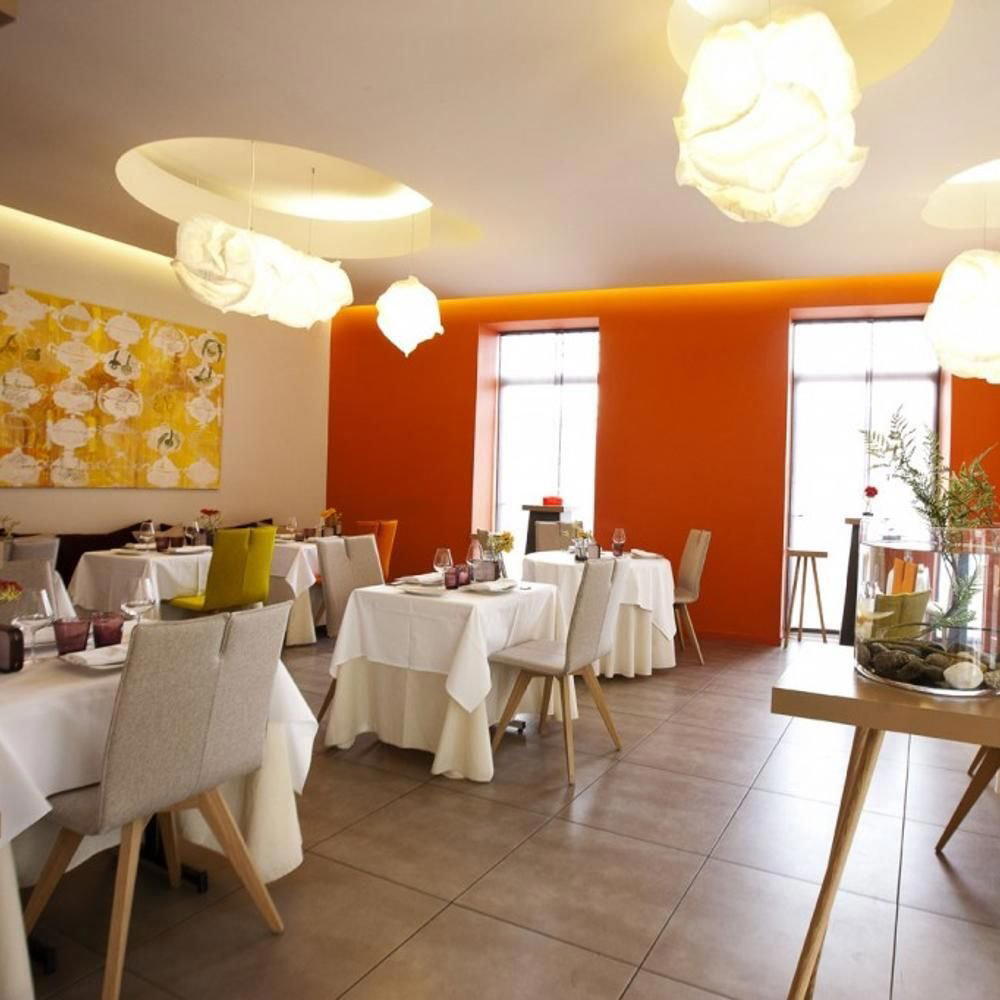
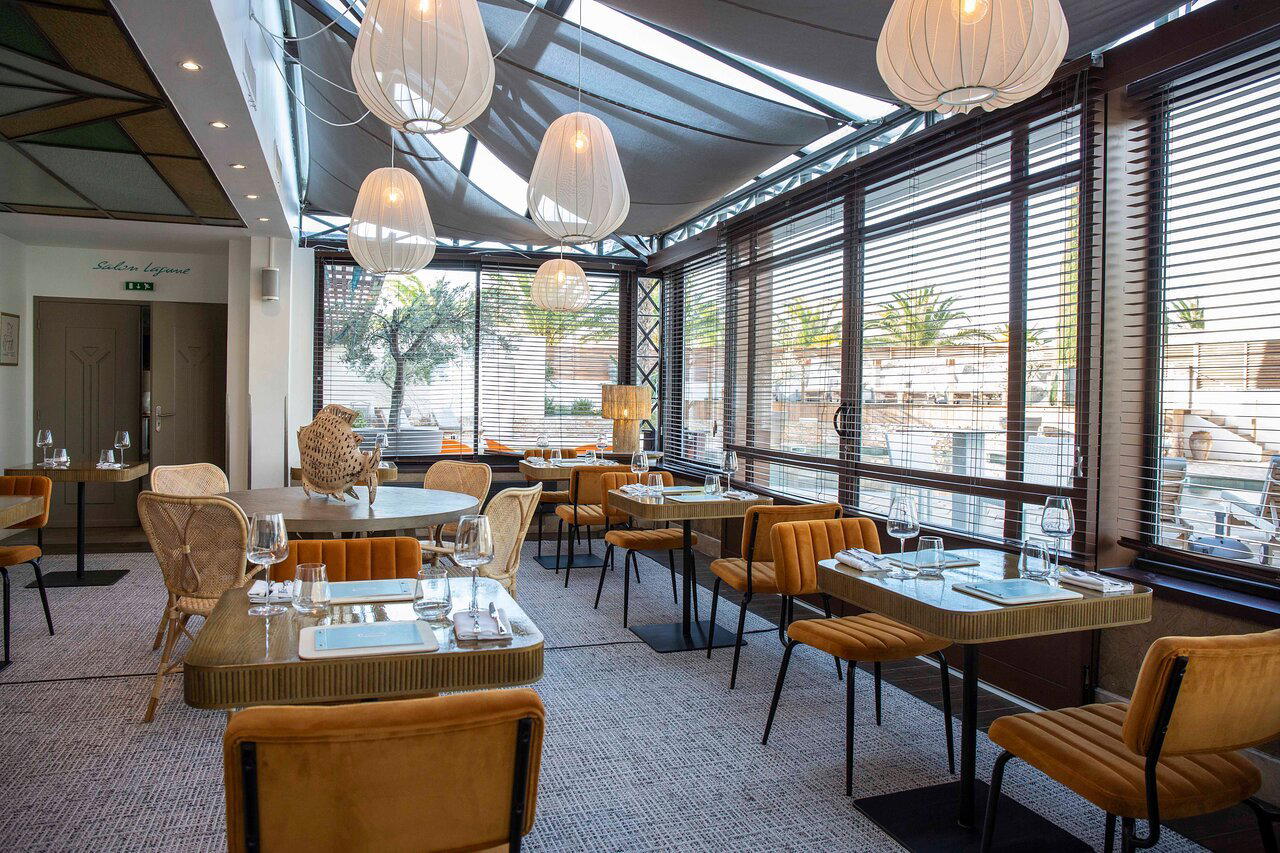
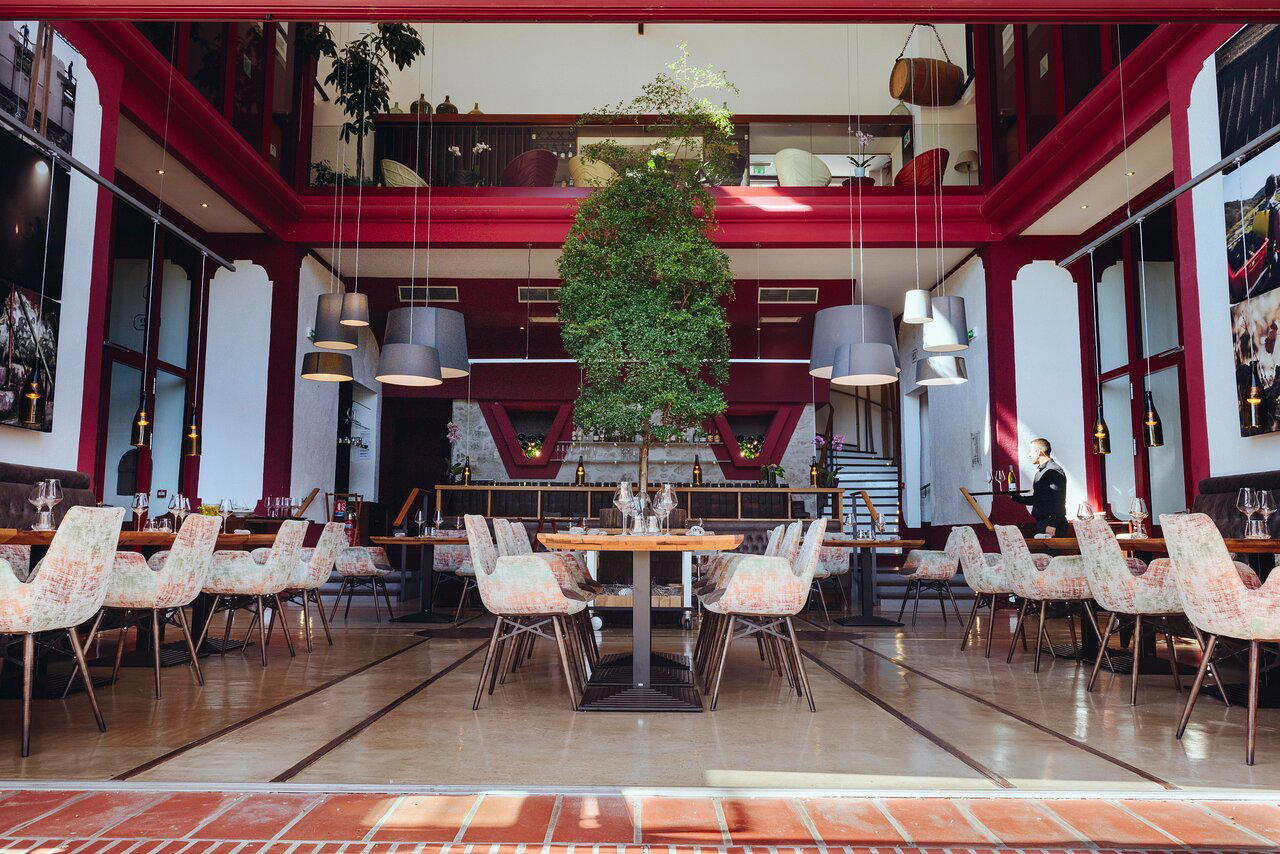
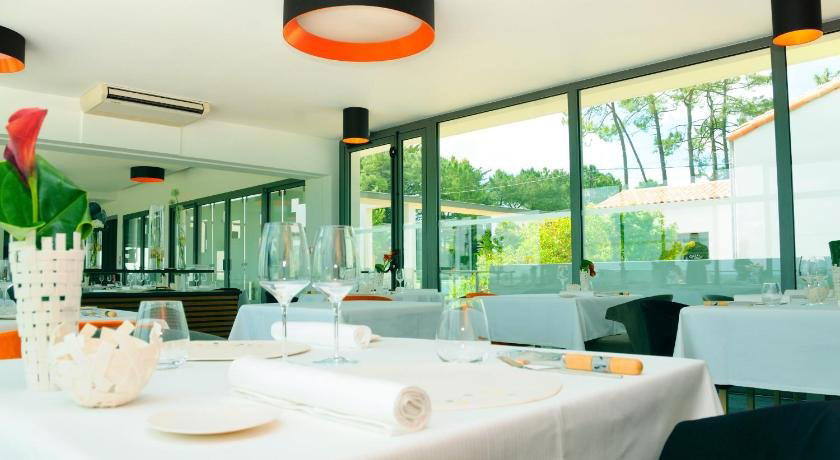
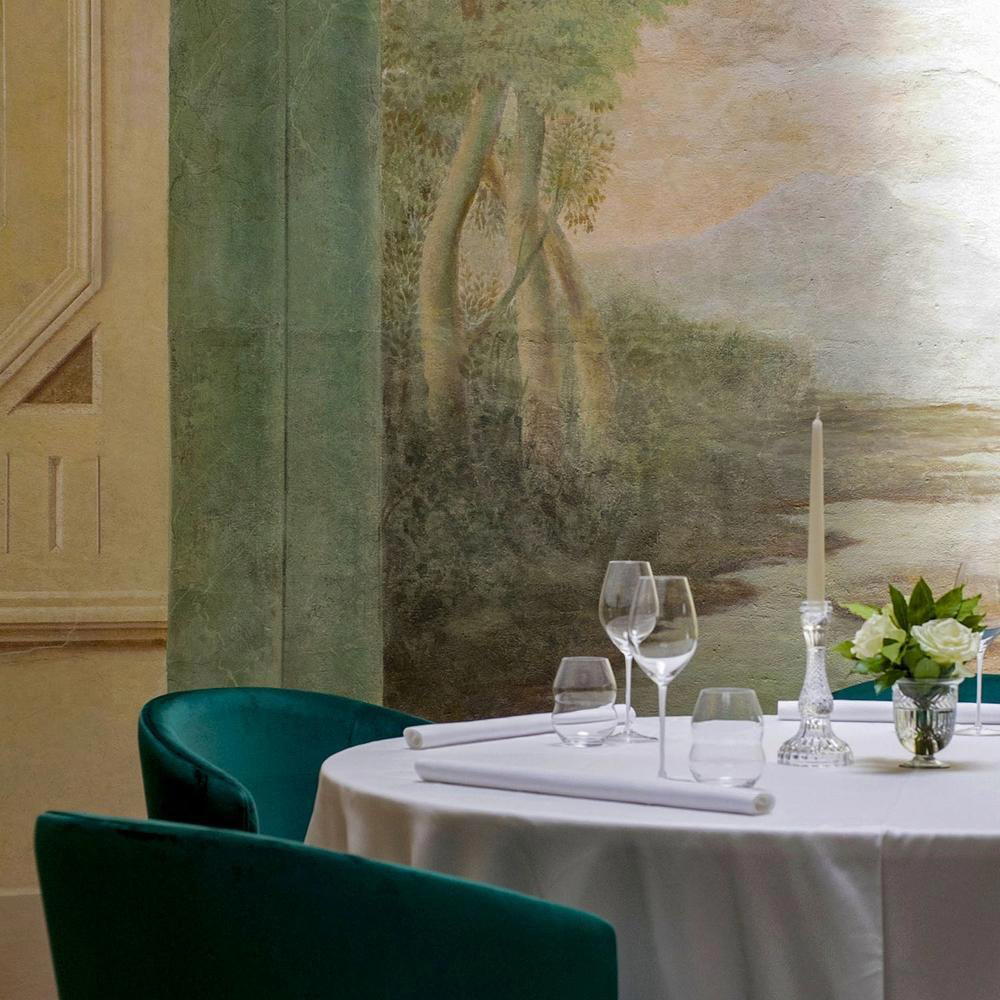
Bars in Perpignan
Browse all →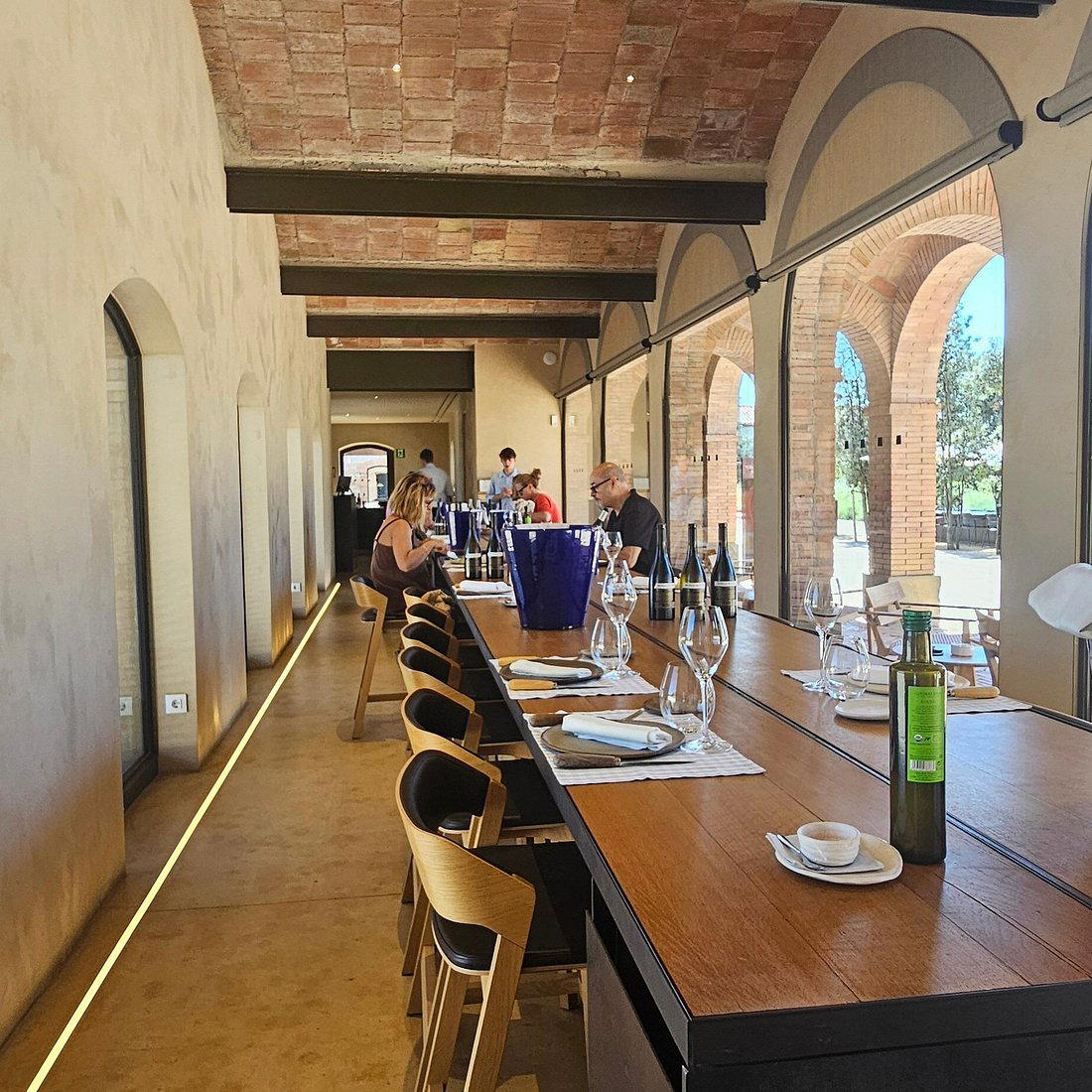
Hotels in Perpignan
Browse all →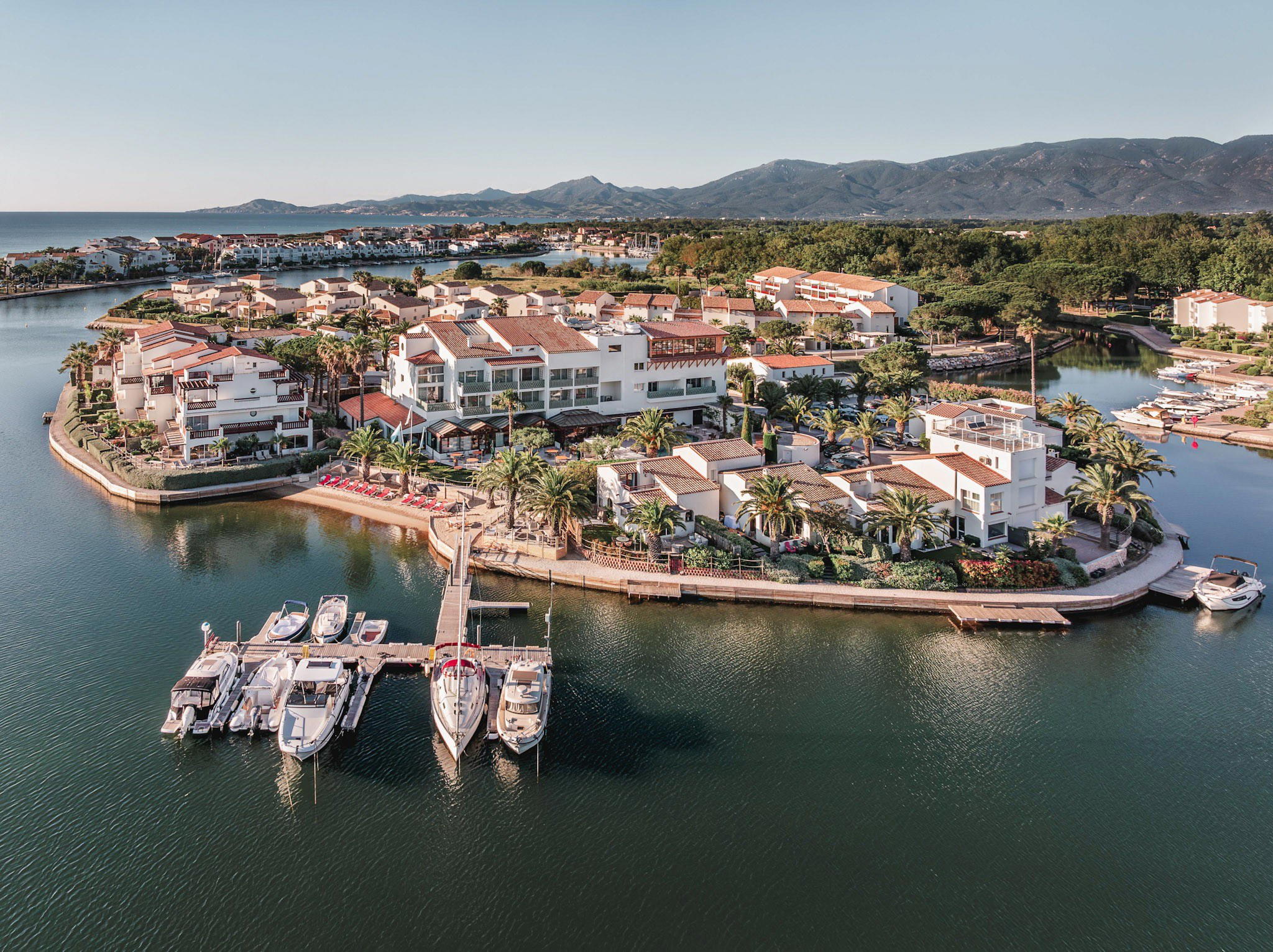

Details
- Cozy
- Lively
- Casual Hangout
- Standalone
- Small Plates
Current opening hours
- Monday
- 6 PM–1 AM
- Tuesday
- 6 PM–2 AM
- Wednesday
- 6 PM–2 AM
- Thursday
- 6 PM–2 AM
- Friday
- 6 PM–2 AM
- Saturday
- 6 PM–2 AM
- Sunday
- Closed
Hours can change for holidays and private events. Last verified .
Cozy small bar atmosphere in the historic old part of town with warm hospitality.