
Michelin Plate
Our verdict
Across the River Têt from central Perpignan, Maménakané operates a single multi-course set menu shaped by Chef Maiko Ike's Kyoto training and subsequent French kitchen experience at L'Axel in Fontainebleau. The cooking draws on Japanese technique applied to Mediterranean seafood and produce, accompanied by a wine list assembled by self-taught sommelier Kotaro Ike. It sits in a quiet residential quarter, and the room's understated register matches the precision on the plate.

Pearl is the En Primeur Club membership app — saves, bookings, and concierge access live there. Same editors, same standards.
- Address
- 9 rue des Pêcheurs
- Phone
- +33 6 28 64 61 87
- Hours
- Mon–Tue ClosedWed–Sun 7–10 PM
- Website
- mamenakane.fr
- Directions
- Get directions
- Booking
- Book on Zenchef
The menu
What to order
- Salt-marinated and flame-seared yellowtail
- Steamed sea bream with yuzu
- French toast with olive oil and citrus fruits
Across the Têt, Away from the Centre
Perpignan's dining scene concentrates most of its energy around the historic core, where La Galinette and La Passerelle anchor the higher end and a cluster of modern French tables fills the middle tier. Maménakané occupies a different geography, both literally and conceptually. The restaurant sits at 9 rue des Pêcheurs, on the far side of the River Têt, in a residential neighbourhood that most visitors pass through without stopping. There are no terrace crowds, no passing foot traffic, no ambient city noise pushing through a crowded dining room. You come here with intention, or you don't come at all.
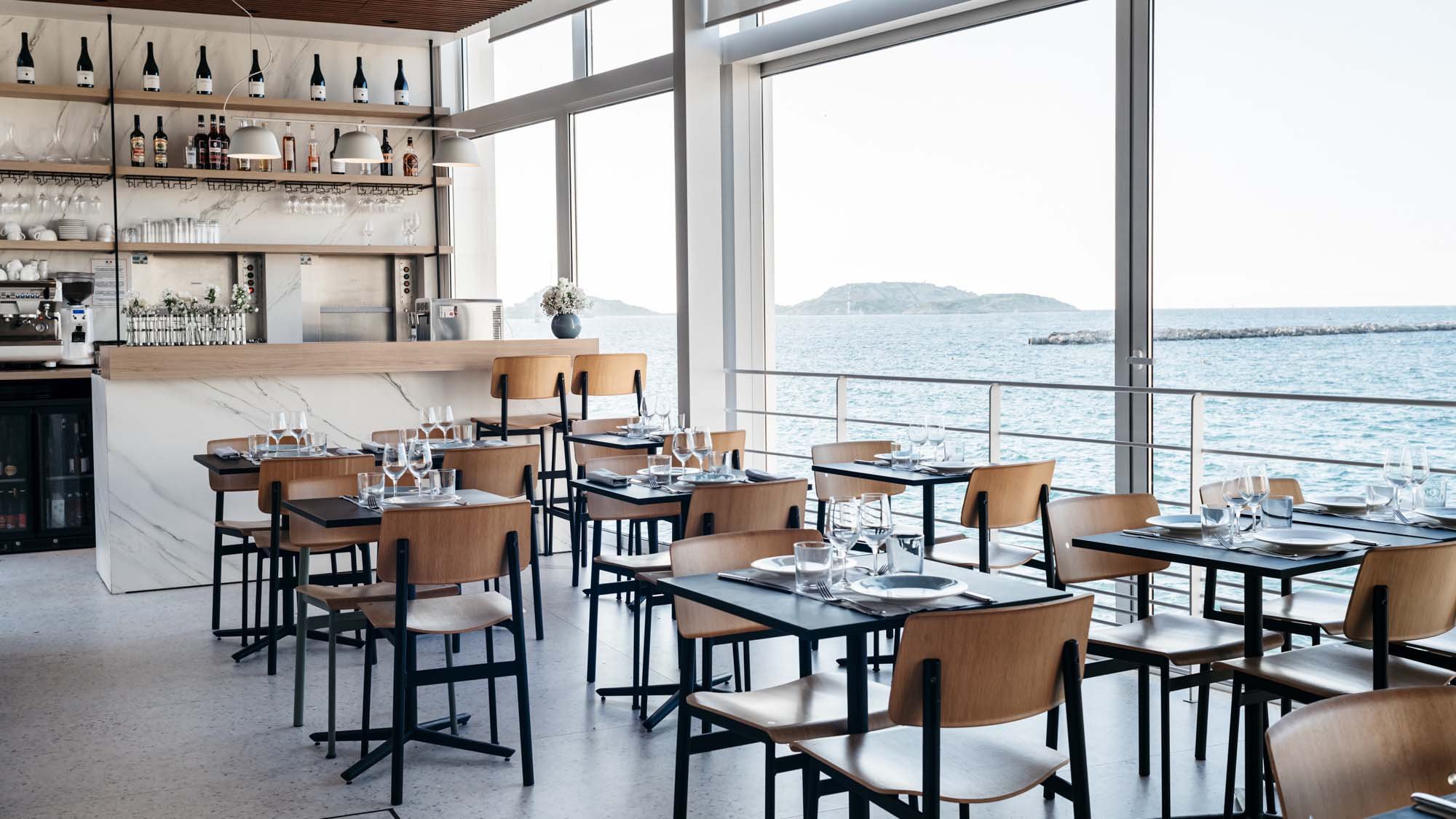
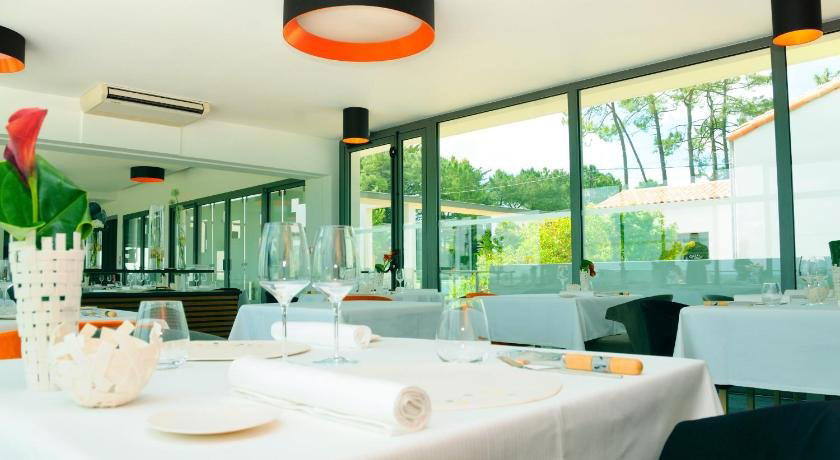
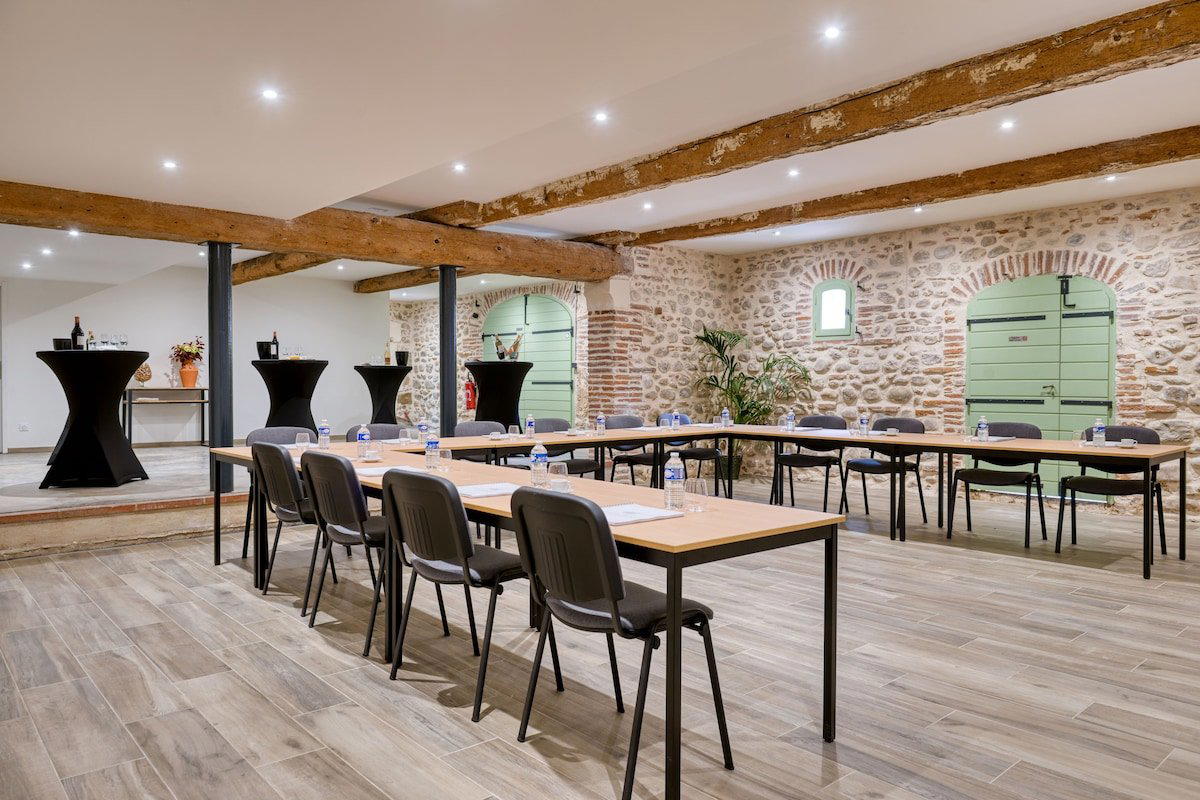
The room itself signals the same philosophy. The decor reads as Japanese-Scandinavian in sensibility: understated materials, restrained palette, nothing competing with the food for attention. It is the kind of interior that positions a restaurant within a recognisable international grammar of precision dining, the spare aesthetic that has become shorthand for kitchens that want the plate to carry all the communicative weight. In Perpignan, a city whose dining character has historically leaned toward Catalan robustness and Mediterranean abundance, that kind of quietness is a deliberate departure.
Japanese Technique, Mediterranean Ingredients
The question that defines this kitchen is not where the produce comes from in any narrow sense, but how two distinct sourcing traditions are reconciled on the same plate. Chef Maiko Ike trained in Kyoto, one of the world's most codified culinary environments, where the relationship between ingredient and technique is governed by a precision that prioritises the integrity of the raw material above almost everything else. She then moved into the French kitchen at L'Axel in Fontainebleau, absorbing a very different set of structural assumptions about how a tasting menu is built and how sauces, seasoning, and course progression function in a European dining context.
That double formation is not merely biographical context. It determines what ends up on the plate. Japanese kitchen culture, particularly in the Kyoto tradition, treats sourcing as inseparable from cooking: the fish must be handled in a way that reflects where it came from and what it is. French haute cuisine, especially in its contemporary register, asks a different question: what does this ingredient become in conversation with technique, seasoning, and the larger arc of the menu? At Maménakané, the answer is a set menu where neither tradition dominates the other. Salt-marinated and flame-seared yellowtail speaks to a Japanese handling of fatty fish, using curing and direct heat to manage texture and amplify rather than obscure the protein's character. Steamed sea bream with yuzu positions a Mediterranean fish inside a Japanese flavour register, the citrus cutting through the fish's delicacy without overwhelming it. A dessert of French toast with olive oil and citrus fruits draws from a French pantry but arranges its components with the restraint of Japanese plating sensibility.
This kind of cross-cultural kitchen work requires extremely precise sourcing decisions. The fish must be good enough that Japanese technique does not merely compensate for quality; the yuzu must be real enough that it does the structural work the dish asks of it; the olive oil in a dessert context must carry flavour rather than just fat. Kitchens that attempt this kind of integration and fall short on ingredient quality tend to produce food that feels confused. What the awards record here indicates is that those sourcing calls are being made well.
The Wine List as Second Language
Self-taught sommelier Kotaro Ike assembled the wine list to accompany the set menu rather than operate independently of it. That framing matters. In many restaurants at this level, the wine list functions as a separate curatorial project, impressive in isolation but only loosely tethered to what the kitchen is doing on any given evening. A list built specifically around a single multi-course set menu operates under different constraints: it must read against delicate seafood cookery, against yuzu and citrus acidity, against the restrained seasoning that is characteristic of Japanese-influenced technique.
Wine pairings for this style of food tend to favour mineral whites, wines with textural precision rather than fruit weight, and bottles that can hold a conversation with umami rather than being undermined by it. What's significant here is that the list was put together by someone who learned the craft independently, outside formal sommelier training. In the broader French restaurant world, where formal certification still carries significant institutional weight, that self-directed approach is a specific signal about how the list was built: through tasting and iteration rather than received doctrine.
Perpignan sits at the edge of Roussillon wine country, a region that has been producing serious natural and low-intervention wines for long enough that some of its producers now appear on lists across France. Whether the Ike list draws heavily from Roussillon or casts wider is not information available here, but the regional context makes that conversation worth having with the floor team on arrival.
Where It Sits in Perpignan's Dining Tier
Perpignan's higher-end restaurant market is not large, but it is more layered than the city's profile outside France might suggest. Lazare and Le Garriane represent the modern French middle ground; Le Divil occupies the grills and meat register. The creative end is anchored by La Galinette, which operates with a longer track record of recognition. Maménakané sits in a different bracket from all of them, not by price tier alone but by the specificity of its culinary proposition. A Japanese-trained chef delivering a single set menu in a residential neighbourhood addresses a narrow, committed audience rather than the broader Perpignan dining public.
Restaurants built around chef couples, where kitchen and floor operate as a unified creative project rather than a divided labour arrangement, have become a distinct format in French fine dining. The model appears across French regions, at houses like Bras in Laguiole and, at a different scale, in the multi-generational structures behind Auberge de l'Ill in Illhaeusern. At Maménakané, the husband-and-wife structure means that the wine programme and the kitchen share a common editorial logic, which produces a more coherent dining experience than restaurants where those two functions are built separately and then asked to align. Internationally, the precision seafood cooking recalls the kind of single-minded focus seen at restaurants like Le Bernardin in New York City, where technique applied to fish is the entire argument, or the tightly constructed tasting menus at Mirazur in Menton, which similarly positions coastal ingredients inside a cross-cultural cooking sensibility. The structural discipline of a single set menu also places it in conversation with the focused format of houses like Flocons de Sel in Megève.
Planning a Visit
Maménakané is at 9 rue des Pêcheurs, across the River Têt from central Perpignan. The residential location means arriving by car or taxi is more direct than on foot from the main hotel belt. The single set menu format removes one variable from the planning equation: there is no à la carte decision to make, which means the main practical consideration is timing. A multi-course set menu of this type typically runs two hours or more, so evening reservations should be treated as the centrepiece of the night rather than a prelude to anything else.
Given that the restaurant operates a set format in a small room in a neighbourhood address, advance booking is advisable. The format and the couple-run structure suggest limited covers, and in Perpignan's higher-end tier, tables at addresses with this level of recognition tend to fill before the week. No phone or website is listed in the public record, so booking through the restaurant's direct contact or via a hotel concierge is the working approach. For visitors building a wider itinerary, our full Perpignan restaurants guide, hotels guide, bars guide, wineries guide, and experiences guide cover the broader city context.
Frequently asked questions
Is Maménakané a family-friendly restaurant?
The format is a single multi-course set menu served in a small, quiet room with spare Japanese-Scandinavian décor. That structure suits adults looking for an attentive, course-by-course meal rather than families with young children who need flexibility in ordering or pace.
What should I expect atmosphere-wise at Maménakané?
The room draws on Japanese and Scandinavian design conventions: restrained materials, minimal decoration, and a quiet that keeps attention on the food and wine. Across the River Têt in a residential pocket of Perpignan, the setting is deliberately removed from the busier city-centre dining strip.
What distinctions does Maménakané have?
Maménakané has received recognition including: On the other side of the River Têt, in a residential neighbourhood at a slight remove from the city centre, this restaurant puts its best foot forward with understated decor in a Japanese or Scandinavian style. Self-taught sommelier Kotaro ….
What should I order at Maménakané?
There is no menu to choose from — the kitchen runs a single multi-course set menu each service. Documented dishes include salt-marinated and flame-seared yellowtail, steamed sea bream with yuzu, and French toast with olive oil and citrus fruits, with Kotaro Ike's wine list assembled specifically to accompany the sequence.
Where is Maménakané located?
Maménakané is located at 9 rue des Pêcheurs, Perpignan.
What's the best way to book Maménakané?
No website or phone number is listed in the public record. Given the small-room format and the recognition the restaurant carries in Perpignan, advance contact through the restaurant's address at 9 rue des Pêcheurs or via local concierge services is the most reliable route.
Fast Comparison
Comparable venues nearby, for context on price, style, and recognition.
| Venue | Cuisine | Price | Awards | Notes |
|---|---|---|---|---|
| MaménakanéThis venue — the venue you are viewing | Modern Japanese Fine Dining | Not listed | Michelin Plate | Not listed |
| Lazare | Modern French Bistro | $30–50 | Michelin Bib Gourmand | centre ville |
| La Passerelle | Modern French Seafood with Catalan Influences | $50–100 | Michelin Plate | Downtown Perpignan |
| L'Intermède | Modern French Gastronomic | $50–100 | Not listed | Centre-ville |
| Manat | Franco-Japanese Fusion | $30–50 | Michelin Bib Gourmand | Hyper Centre |
| Guapo | Spanish Tapas | Not listed | Not listed | old town |
Recognition history
Dated appearances from independent guides and award organizations, with the underlying list record or original source where available.
Michelin Plate
Michelin
Continue exploring
More in Perpignan
Restaurants in Perpignan
Browse all →
Bars in Perpignan
Browse all →
Hotels in Perpignan
Browse all →
Details
- Minimalist
- Intimate
- Elegant
- Special Occasion
- Chefs Counter
- Sommelier Led
- Set Menu
Current opening hours
- Monday
- Closed
- Tuesday
- Closed
- Wednesday
- 7–10 PM
- Thursday
- 7–10 PM
- Friday
- 7–10 PM
- Saturday
- 7–10 PM
- Sunday
- 7–10 PM
Hours can change for holidays and private events. Last verified .
Understated decor in Japanese or Scandinavian style with subtle and harmonious lighting.