
A Michelin Plate-recognised modern cuisine address on Cours François Palmarole, La Passerelle sits in Perpignan's mid-to-upper dining tier alongside a compact field of ambitious contemporaries.
Pearl is the En Primeur Club membership app — saves, bookings, and concierge access live there. Same editors, same standards.
- Address
- 1 Cr François Palmarole, 66000 Perpignan, France
- Phone
- +33 4 68 51 30 65
- Website
- restaurant-lapasserelle.com
- Directions
- Get directions
 Saves & bookings on Pearl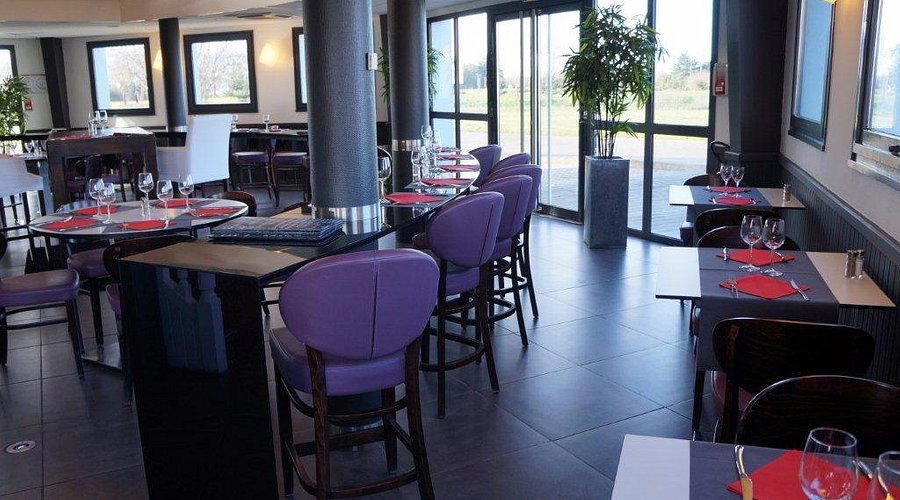
Where Perpignan's Dining Ambitions Meet the Plate
La Passerelle is a restaurant at 1 Cr François Palmarole in Perpignan, serving Modern French Seafood with Catalan Influences at a €€€ price point. La Passerelle occupies that corridor with a presence that reflects the broader direction of Perpignan's mid-to-upper dining tier: modern technique applied to a region whose larder, Roussillon wines, coastal seafood from the Gulf of Lion, Pyrenean produce from the hinterland, gives any serious kitchen a material advantage before a dish is even conceived.
The cuisine leans into modern French seafood with Catalan influences, using the regional context as a clear point of reference. That approach has earned La Passerelle consecutive Michelin Plate recognition in both 2024 and 2025, a signal from the Guide that the cooking merits attention even without the pressure of star pursuit. The Michelin Plate is awarded specifically for good cooking, distinguishing it from mere listing, and its retention across two consecutive years suggests consistency rather than a single inspired service.
Perpignan's Culinary Position, and What La Passerelle Represents Within It
To understand where the restaurant sits, it helps to understand what Perpignan is as a food city. The capital of the Pyrénées-Orientales sits at the confluence of French and Catalan culinary traditions, close enough to the Spanish border that the kitchen vocabulary shifts noticeably from what you find further north.
The restaurant prices at the upper end of the local market without carrying a star, which means it competes on execution and atmosphere rather than Michelin-driven table demand.
That positioning has its own logic. In cities of Perpignan's scale, a Plate-recognised address at €€€ can offer technically rigorous food in a more relaxed register.
The Cultural Frame: Modern Cuisine in a Catalan City
Modern Cuisine as a category carries different weight in different regions of France. In Paris, where addresses like Alléno Paris au Pavillon Ledoyen operate at the furthest extreme of technical intervention, it implies a conversation with the entire history of French haute cuisine. In a region like Roussillon, the same designation tends to mean something more grounded: cooks working with identifiable local produce, applying contemporary technique without erasing the place from the plate.
That regionalist thread runs through compelling modern cooking in provincial France. Addresses such as Bras in Laguiole and Auberge de l'Ill in Illhaeusern built their reputations precisely on the argument that great cooking does not require proximity to Paris. In the Roussillon context, that argument is easier to make than in many parts of France: the produce density is high, the Catalan culinary heritage is coherent, and the wines of the region, from Banyuls to Maury to the dry reds of Côtes du Roussillon Villages, provide a pairing framework that rewards a kitchen paying attention. For comparison, the alpine ambition of Flocons de Sel in Megève or the Mediterranean sweep of Mirazur in Menton illustrate how place-driven modern cooking operates at different scales across France; the restaurant works at Perpignan's scale, which is a smaller canvas but not a lesser one.
The Catalan dimension matters specifically here. Perpignan is not simply a French city that happens to be near Spain; it is the historic capital of French Catalonia, with its own civic identity, its own language tradition, and a food culture that draws on Catalan technique, the use of picada, the integration of sweet and savoury, the preference for assertive flavour over refinement for its own sake, as a living inheritance rather than a historical footnote. A kitchen working in this context has access to a culinary vocabulary that is genuinely distinct from what you find in Lyon or Bordeaux, and modern cooking that engages seriously with that vocabulary has something to say that cannot be said elsewhere.
Planning a Visit
The restaurant is located at 1 Cours François Palmarole, 66000 Perpignan, in a central position that makes it accessible from most of the city's accommodation on foot. At the €€€ price point, the upper bracket of Perpignan's restaurant market, it sits above the majority of the city's dining options, which means it functions leading as a destination booking rather than a casual walk-in.
For visitors planning around the restaurant, Perpignan's broader offer is worth mapping in advance. The full Perpignan restaurants guide covers the range from modern cuisine to market cooking. Those extending the trip can reference the Perpignan hotels guide, the bars guide, the wineries guide for the Roussillon wine context, and the experiences guide for what the city offers beyond the table. Comparable modern cuisine formats operating at international scale, such as Troisgros - Le Bois sans Feuilles in Ouches, or Frantzén in Stockholm and FZN by Björn Frantzén in Dubai, illustrate the range the Modern Cuisine designation covers globally; the restaurant operates in a more compact register, but the Michelin acknowledgement places it on the same quality-recognition map.
Cost and Credentials
Comparable venues nearby, for context on price, style, and recognition.
| Venue | Cuisine | Price | Awards | Notes |
|---|---|---|---|---|
| La PasserelleThis venue — the venue you are viewing | Modern Cuisine | $$$$ | Michelin Plate | Not listed |
| Le Divil | historic centre, French Grill & Meats | $$$ | Michelin Plate | Not listed |
| Les Saisons | Centre-ville, Kosher French Bistro | $$ | Not listed | Not listed |
| Maménakané | Not listed | $$$ | Michelin Plate | residential neighbourhood, Modern Japanese Fine Dining |
| L'Intermède | Centre-ville, Modern French Gastronomic | $$$ | Not listed | Not listed |
| Le Bec Verseur | Quais de la Têt, French Cocktail Bar | $$ | Not listed | Not listed |
Recognition history
Dated appearances from independent guides and award organizations, with the underlying list record or original source where available.
Michelin Plate
Michelin
Michelin Plate
Michelin
Michelin Plate
Michelin
Continue exploring
More in Perpignan
Restaurants in Perpignan
Browse all →
Bars in Perpignan
Browse all →
Hotels in Perpignan
Browse all →
Wineries in Perpignan
Browse all →
At a Glance
- Elegant
- Intimate
- Sophisticated
- Quiet
- Date Night
- Special Occasion
- Celebration
- Terrace
- Standalone
- Extensive Wine List
- Sommelier Led
- Local Sourcing
Current opening hours
- Monday
- Closed
- Tuesday
- 7:30–9 PM
- Wednesday
- 12–1:30 PM, 7:30–9 PM
- Thursday
- 12–1:30 PM, 7:30–9 PM
- Friday
- 12–1:30 PM, 7:30–9 PM
- Saturday
- 12–1:30 PM, 7:30–9 PM
- Sunday
- Closed
Hours can change for holidays and private events. Last verified .
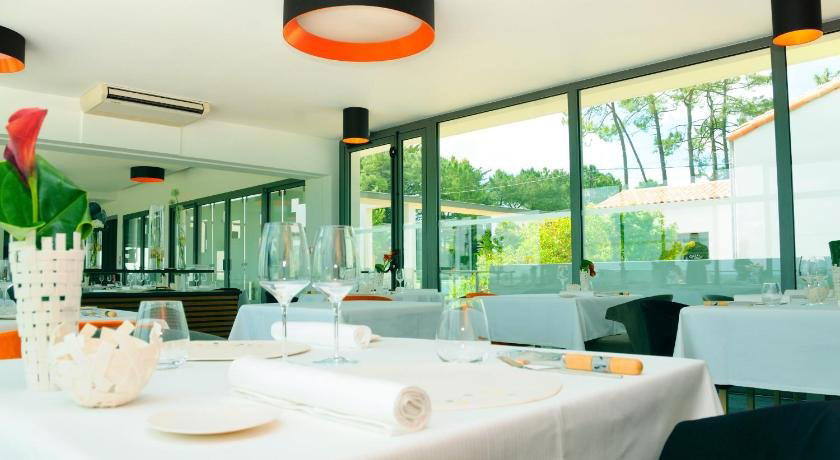
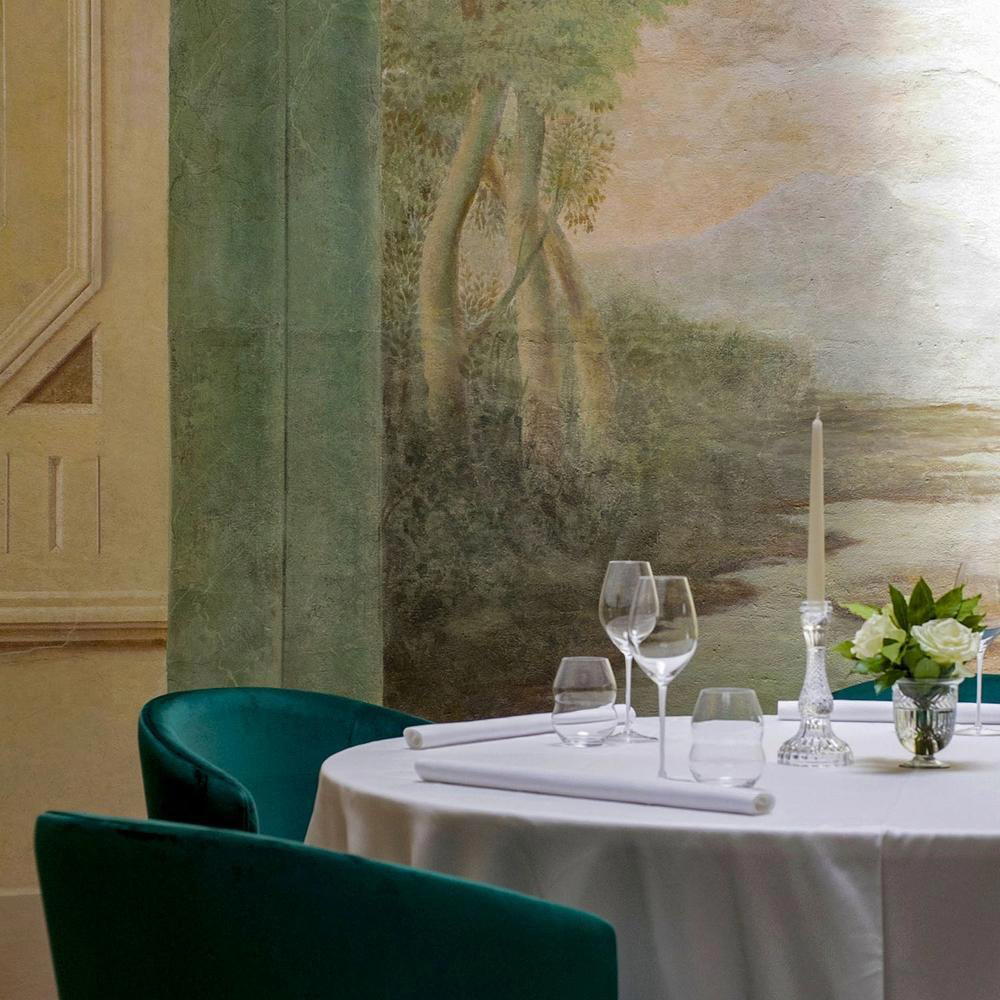
Stylish and refined dining room with minimalist decor; one reviewer noted the space is somewhat dark with drawn window shades, creating an intimate atmosphere focused on the culinary experience.