Au Viandard sits on Rue Pierre Rameil in central Perpignan, placing it within a city where proximity to Catalan farmland and the Pyrénées shapes what arrives on the plate. The address alone signals a meat-forward kitchen with a sourcing-first sensibility, the name says it plainly. For Perpignan visitors moving beyond the well-trodden bistro circuit, this is where the provenance conversation starts.
Pearl is the En Primeur Club membership app — saves, bookings, and concierge access live there. Same editors, same standards.
- Address
- 14 Rue Pierre Rameil, 66000 Perpignan, France
- Phone
- +33411819499
- Directions
- Get directions
 Saves & bookings on Pearl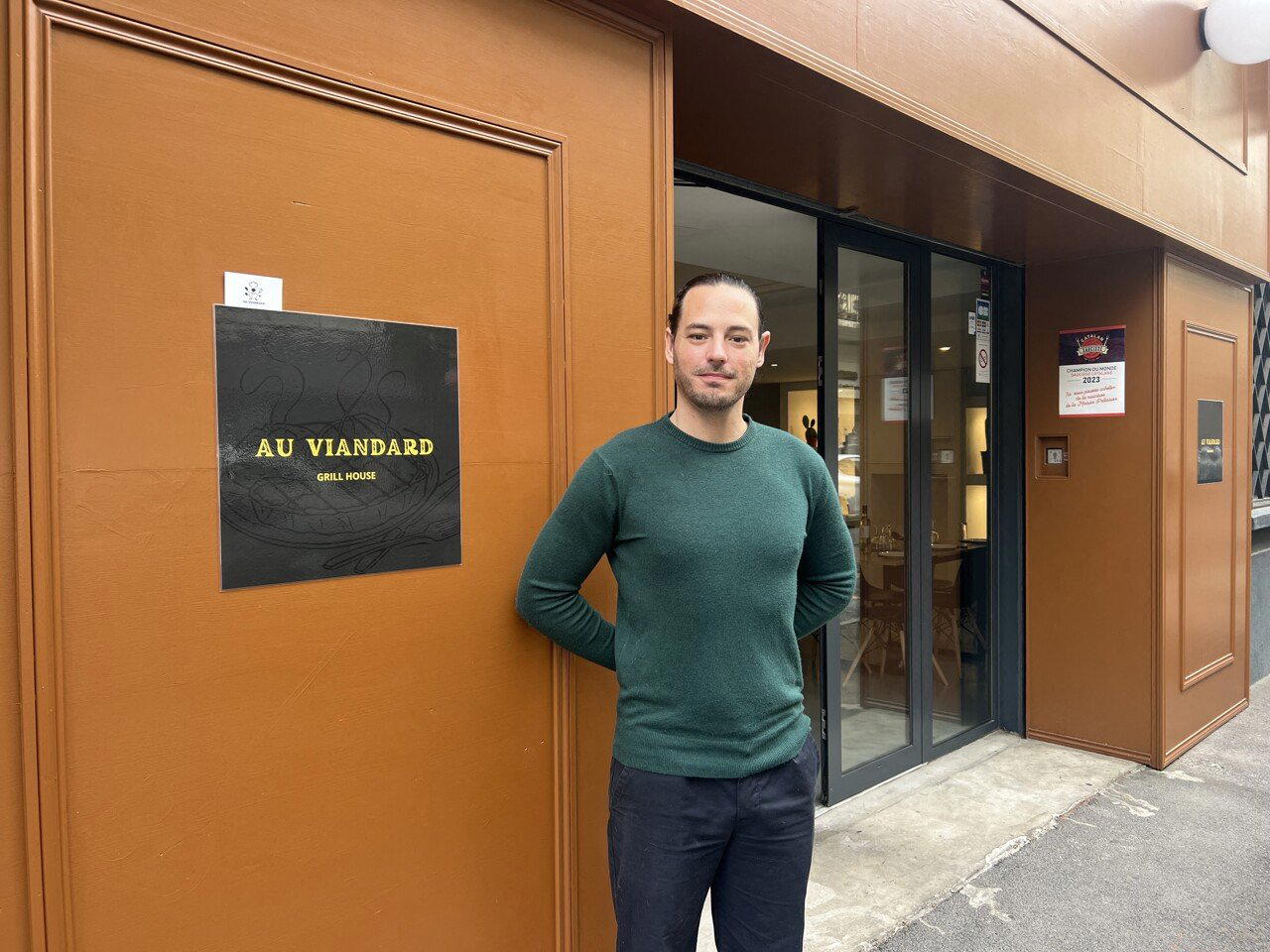
Where the Meat Comes From Matters More Than How It Is Plated
In the south of France, the argument about ingredient provenance has largely been settled by geography. Perpignan sits at a crossroads where Catalan agricultural tradition, Pyrénéan pasture, and Mediterranean coastal supply lines converge within a short radius. That convergence is not incidental to how kitchens like Au Viandard operate, it is the operating logic. The name points to a meat-forward identity, a designation that places the kitchen inside a French tradition where the sourcing relationship precedes the cooking method.
That tradition has deep roots. France's boucher-restaurateur lineage, where the person responsible for selecting and preparing meat holds as much authority as the chef assembling the plate, produced some of the country's most durable dining institutions. Properties like Paul Bocuse - L'Auberge du Pont de Collonges in Collonges-au-Mont-d'Or and Bras in Laguiole built their reputations in part by treating the raw material as the primary creative act. Au Viandard, operating at a much more local scale on Rue Pierre Rameil, operates in the same philosophical register, even if the ambition is pitched at the neighbourhood rather than the international dining circuit.
Perpignan's Dining Character and Where Au Viandard Sits Within It
Perpignan's restaurant scene is smaller and less internationally visible than Montpellier or Marseille, but it carries a distinct culinary identity shaped by its dual French-Catalan heritage and its access to notable regional produce. The city's better-regarded tables tend to divide between creative Franco-Catalan kitchens, La Galinette being the clearest example in the creative tier, and more direct, product-led addresses where the cooking is a vehicle for what the market provided that morning. The restaurant, from its name and address on a central Perpignan street, reads as firmly in the latter category.
That positioning is significant. In cities like Perpignan, where the supply infrastructure for quality meat is genuinely strong (the Pyrénées produce serious lamb and beef, and the wider Occitanie region has a long tradition of smallholder animal husbandry), a kitchen that foregrounds sourcing can draw on real depth of supply. This is not marketing language dressed as a concept, it reflects a practical reality about what the land around Perpignan makes available. Peer addresses in the meat-forward segment include Le Divil in the meats and grills category at a comparable price tier, though the restaurant's framing suggests a slightly different register: less grill-house, more curated product kitchen.
For visitors constructing a broader Perpignan itinerary, the city's dining addresses worth cross-referencing include L'Intermède, Guapo, and Lazare for a fuller picture of what the city's mid-range and creative segments cover. La Passerelle rounds out the modern cuisine tier if a longer stay warrants the breadth.
The Physical Address and What It Signals
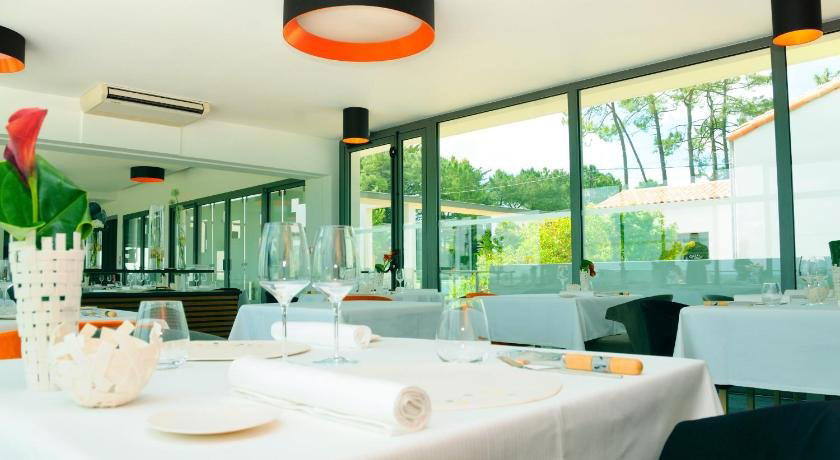
Rue Pierre Rameil runs through central Perpignan, close enough to the city's historic core that foot traffic and neighbourhood character shape the mood. Small-room meat-forward kitchens in this part of southern France tend to operate with a directness that reflects their sourcing identity: the room is rarely the point, and the cooking seldom needs theatrical framing when the raw material is doing the primary work. Approaching an address like this, the expectation is a spare, no-distraction environment where the quality of what is on the plate is the entire argument.
That atmospheric register is worth noting for readers who arrive from Perpignan's more internationally profiled neighbours. Cities like Menton, home to Mirazur, or Megève, where Flocons de Sel operates, set a different kind of expectation: elaborate tasting architectures, destination-dining theatrics, rooms designed to be as memorable as the food. The restaurant is not in conversation with that tier. It is closer in spirit to the kind of address that cities like Perpignan have historically done well, a place where the sourcing intelligence of the kitchen matters more than its media profile.
The Sourcing Logic of the Catalan South
The agricultural zone surrounding Perpignan is one of France's more underappreciated food-production territories. The Pyrénées-Orientales department produces Roussillon wines, market-garden vegetables under consistent Mediterranean sun, and upland-pastured livestock that supplies kitchens across the region. A kitchen operating under a name that foregrounds meat, "viandard" derives from "viande," the French word for meat, has a clear opportunity to exploit that supply chain in a way that a more generalist kitchen cannot.
The broader French tradition of letting the product lead is well-documented at its upper registers. Kitchens like Troisgros - Le Bois sans Feuilles in Ouches, Auberge de l'Ill in Illhaeusern, and Les Prés d'Eugénie - Michel Guérard in Eugénie-les-Bains all built lasting reputations on the logic that French regional produce, handled with technical respect rather than transformative ambition, produces food that is inherently compelling. At the local level, in a city like Perpignan, the same logic operates without the Michelin scaffolding. Among restaurants internationally where a comparable sourcing-first meat identity has defined the offer, Lazy Bear in San Francisco and Le Bernardin in New York City illustrate how product-led kitchens occupy different niches entirely depending on city context and category, in Perpignan, that niche is filled at a more grounded, local scale. Georges Blanc in Vonnas similarly anchors itself to regional produce identity, a model that scales down effectively at neighbourhood level. Alléno Paris au Pavillon Ledoyen and La Table du Castellet in Le Castellet round out the French regional-to-Parisian spectrum where sourcing identity anchors the menu structure.
Planning a Visit
The restaurant is located at 14 Rue Pierre Rameil, 66000 Perpignan, in the city centre. Perpignan is accessible by TGV from Paris in approximately five hours, and the city centre is walkable from the main railway station. For visitors building a multi-day itinerary, Perpignan's dining scene is compact enough that restaurant fits naturally into a broader tour of the city's product-led and creative addresses without requiring significant logistical planning.
In Context: Similar Options
Comparable venues nearby, for context on price, style, and recognition.
| Venue | Cuisine | Price | Awards | Notes |
|---|---|---|---|---|
| Au VIANDARDThis venue — the venue you are viewing | Catalan Grilled Meats | $$ | Not listed | Not listed |
| Les Epiciers | Modern French Bistro | $$ | Not listed | >null |
| Sa Botiga | Sardinian and Italian | $$ | Not listed | Centre ville |
| Les Saisons | Kosher French Bistro | $$ | Not listed | Centre-ville |
| Maménakané | Modern Japanese Fine Dining | $$$ | Michelin Plate | residential neighbourhood |
| Le Divil | French Grill & Meats | $$$ | Michelin Plate | historic centre |
Continue exploring
More in Perpignan
Restaurants in Perpignan
Browse all →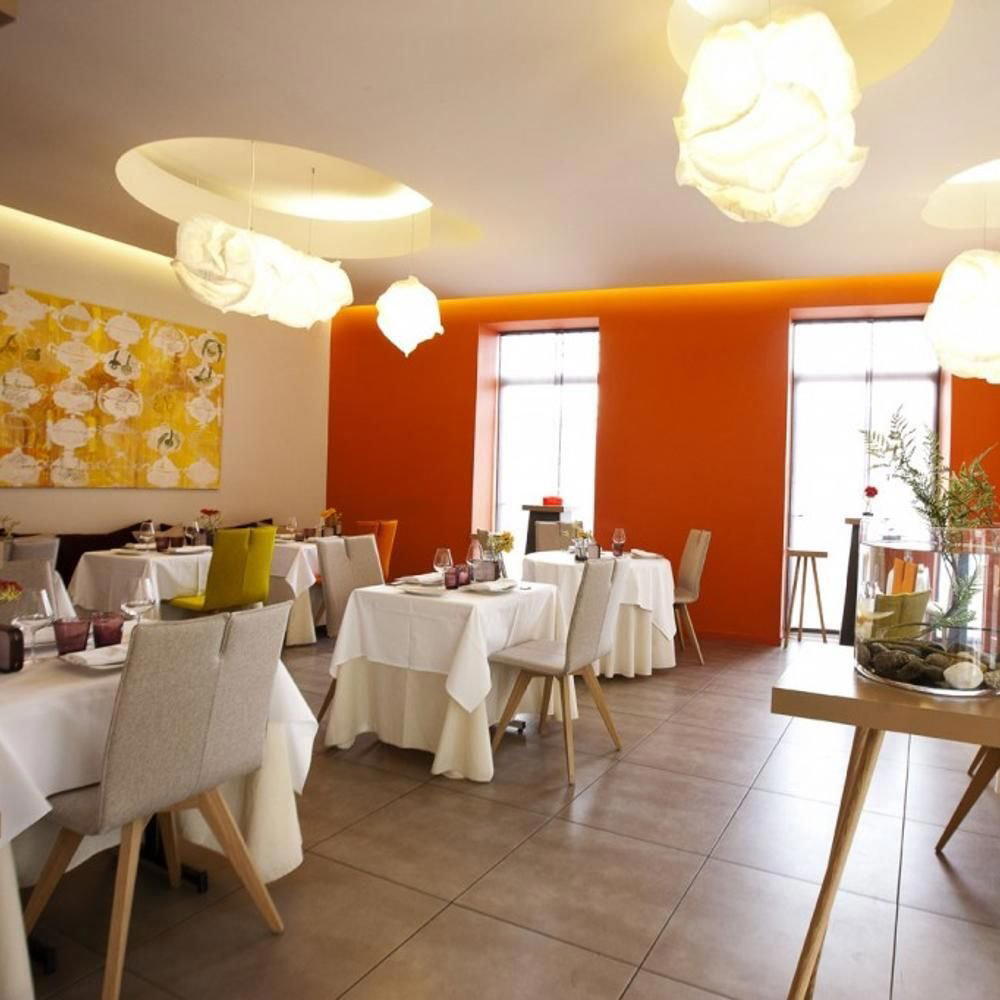
Bars in Perpignan
Browse all →
Hotels in Perpignan
Browse all →
Wineries in Perpignan
Browse all →
At a Glance
- Rustic
- Classic
- Intimate
- Casual Hangout
- Group Dining
- Standalone
- Local Sourcing
- Farm To Table
Intimate and well-spaced tables in a classic French bistro setting with warm, rustic charm reflecting the restaurant's commitment to regional authenticity.