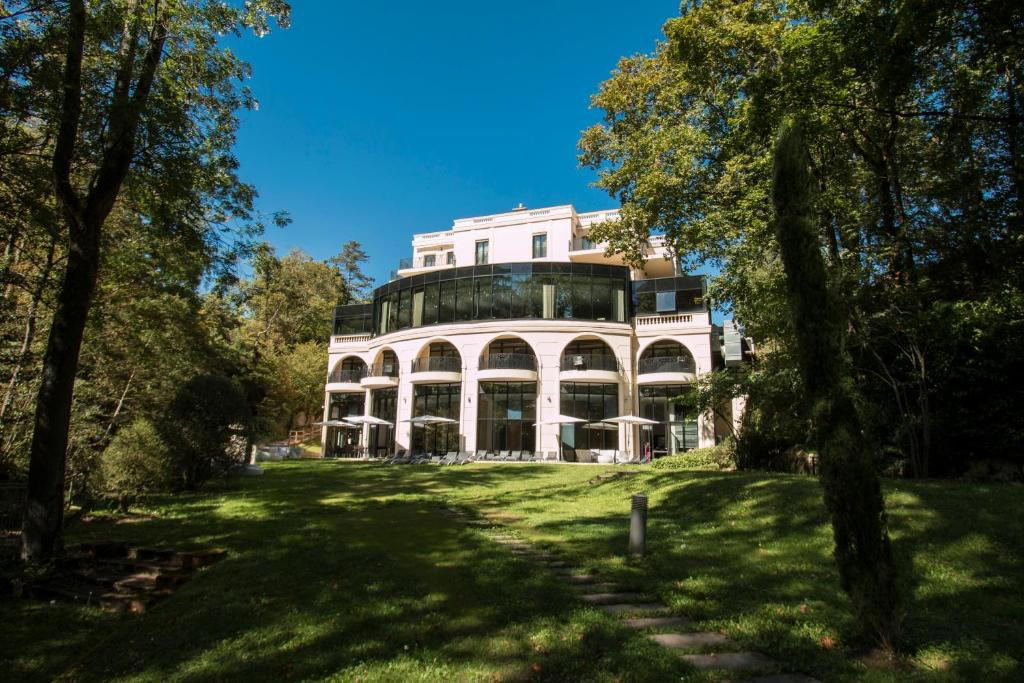
Les Lodges sits in Champagne-au-Mont-d'Or, just north of Lyon, in a setting that bridges the Beaujolais hills and the Saône corridor. The property occupies a distinct tier among greater Lyon addresses, where the surrounding agricultural terrain shapes the sourcing logic as much as the kitchen does. For visitors arriving from the city, it represents a deliberate step into a slower, more rooted register of French hospitality.
Pearl is the En Primeur Club membership app — saves, bookings, and concierge access live there. Same editors, same standards.
- Address
- All. des Tennis, 69410 Champagne-au-Mont-d'Or, France
- Phone
- +33472529494
- Directions
- Get directions
 Saves & bookings on Pearl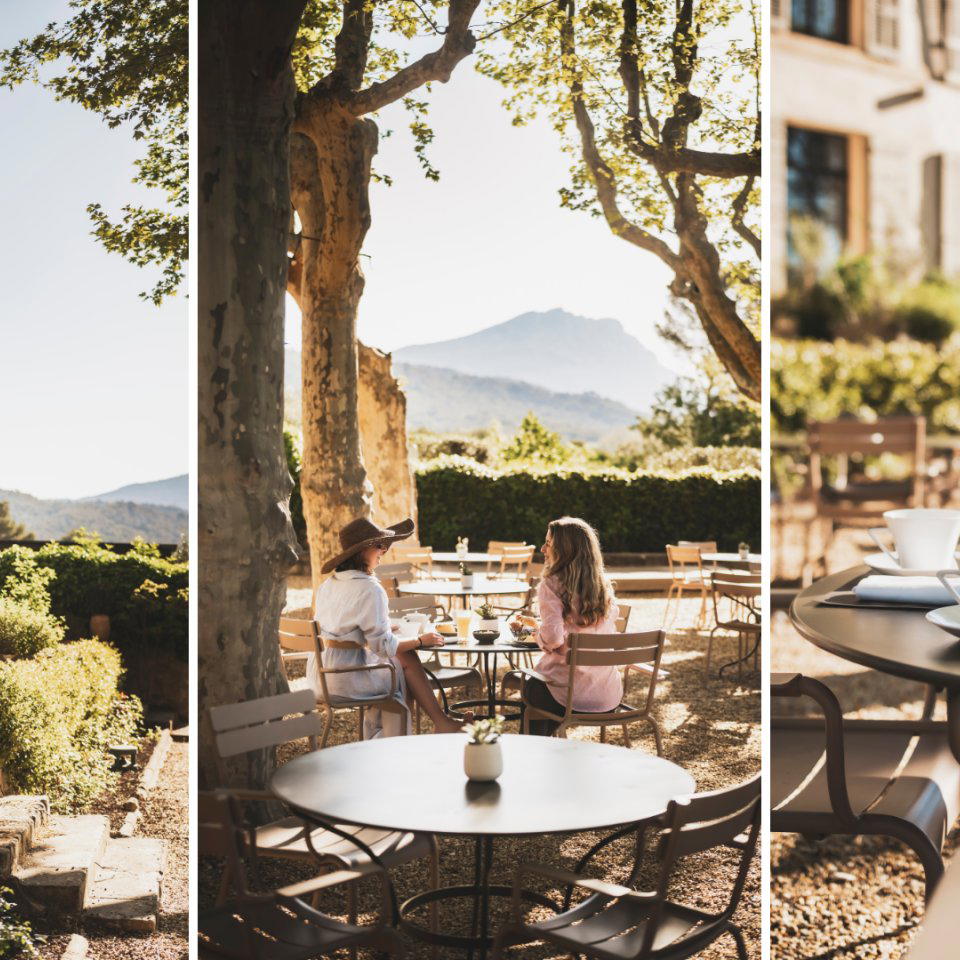
Where the Terrain Arrives at the Table
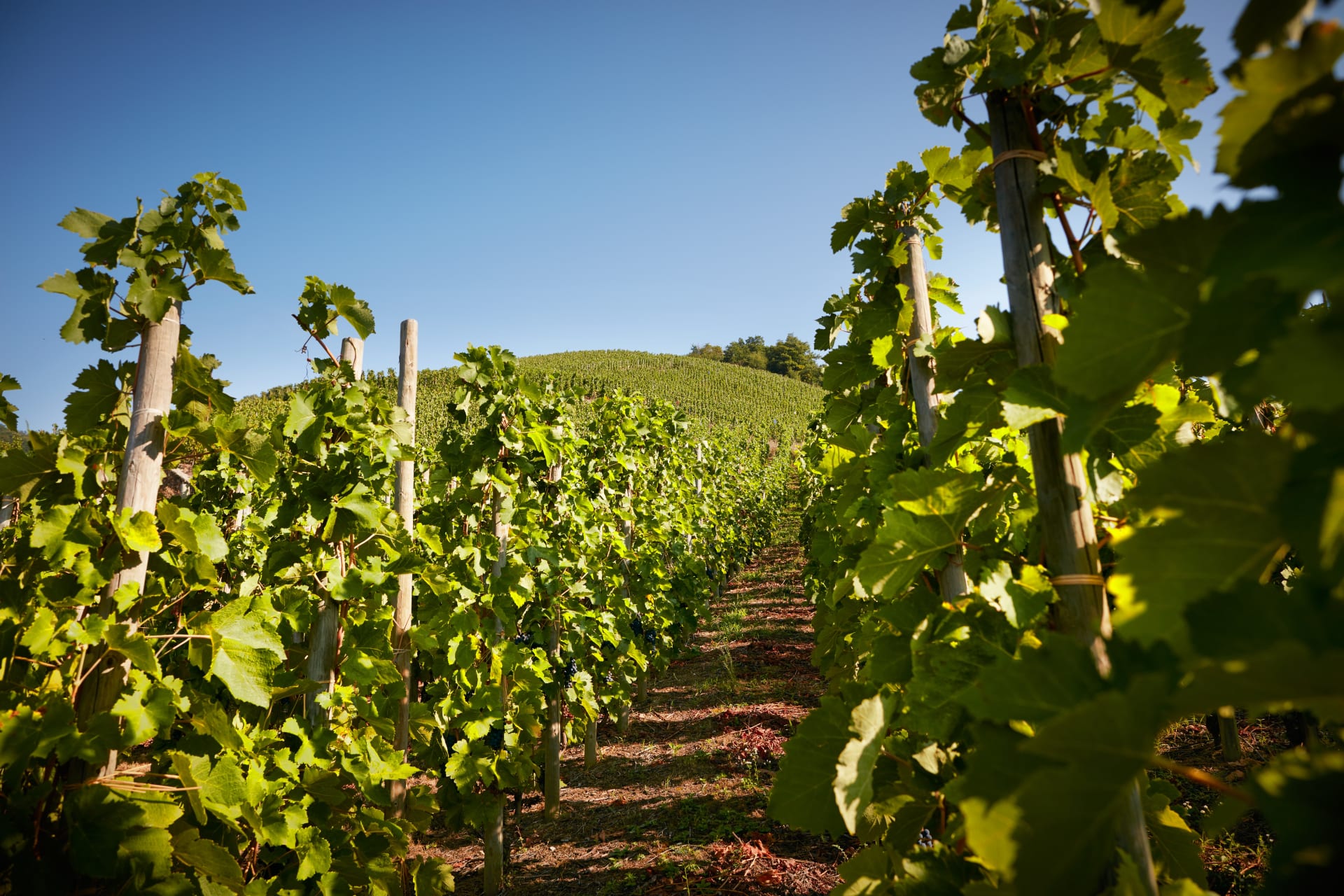
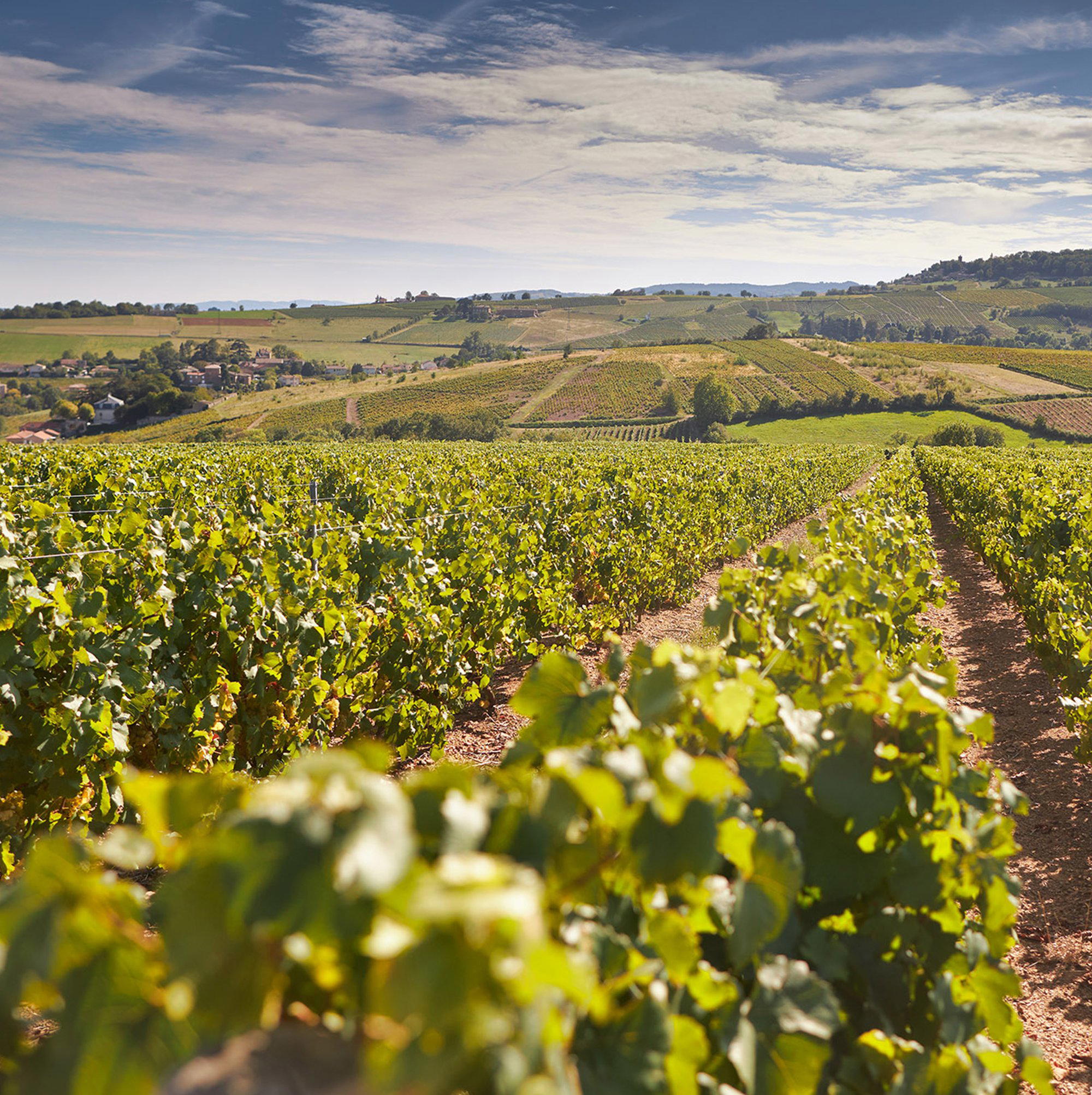
The road into Champagne-au-Mont-d'Or rises gently out of Lyon's northern suburbs, past limestone outcrops and market gardens that have fed the city's kitchens for generations. By the time you reach the address on the Allée des Tennis, the urban pressure has receded. What replaces it is the particular quality of the Monts d'Or microterroir: calcareous soils, morning mist from the Saône, and a market-garden tradition that has historically made this corridor one of the more productive supply zones for Lyon's restaurant culture. Les Lodges sits inside that geography in a way that is less decorative and more functional. The setting is not backdrop; it is sourcing infrastructure.
This matters because Lyon's broader dining scene has long operated on a principle of hyperlocal proximity. The city's position at the confluence of the Rhône and Saône, within reach of Bresse poultry, Dombes fish, Chartreuse herbs, and Beaujolais vine-country, made ingredient sourcing a structural advantage long before farm-to-table became an international shorthand. The bouchon tradition codified this logic at the democratic end of the market; the grander tables of the region scaled it upward. Les Lodges operates within that inherited framework, positioned in the hillside commune where the supply lines are shortest and the seasonal calendar is most legible.
The Sourcing Geography That Defines Greater Lyon Cooking
To understand what a kitchen in Champagne-au-Mont-d'Or can draw on, it helps to map the concentric rings of supply that Lyon has always taken for granted. Within thirty kilometres, you have: Bresse, whose AOP-designated chickens remain among the most tightly controlled poultry products in France; the Dombes plateau to the north, a lake district whose carp, pike, and tench have fuelled Lyon's quenelle tradition for centuries; and the Beaujolais hills immediately to the west, where market gardeners and small producers operate on scales that allow direct-to-kitchen relationships rather than wholesale intermediaries.
This is the competitive context in which properties like Les Lodges position themselves. In the broader French luxury hospitality category, the question of ingredient sourcing has become a meaningful point of differentiation. Addresses that can demonstrate short supply chains, named producers, and seasonal specificity occupy a different register from those importing premium goods from distant regions. The Monts d'Or location places Les Lodges inside the inner ring of that supply geography, which is an advantage that no amount of design investment can replicate for a property in a less fortunate postcode.
For comparison, consider how other French tables at a similar level have staked their identity on terroir proximity. Bras in Laguiole built its entire culinary language around the Aubrac plateau's wild herbs and volcanic soils. Flocons de Sel in Megève draws on Alpine pasture and mountain foraging as its primary ingredient logic. La Marine in Noirmoutier-en-l'île is inseparable from its Atlantic coastline. The pattern across France's most rooted fine-dining addresses is consistent: the kitchen's sourcing radius is as much an editorial statement as the plate itself. The Champagne-au-Mont-d'Or position gives Les Lodges access to that same argument.
The Lyon Corridor and Its Place in French Fine Dining
Lyon's claim to be France's foremost eating city is not rhetorical. The concentration of Michelin-starred kitchens, the density of specialist producers, and the survival of a working bouchon culture at the neighbourhood level give it a depth that Paris, for all its critical mass, cannot quite match in per-capita terms. The northern suburbs and the Monts d'Or hills form a distinct sub-zone within this ecosystem, historically residential and discreet, where properties can draw on the city's supply networks while operating at a remove from the urban density.
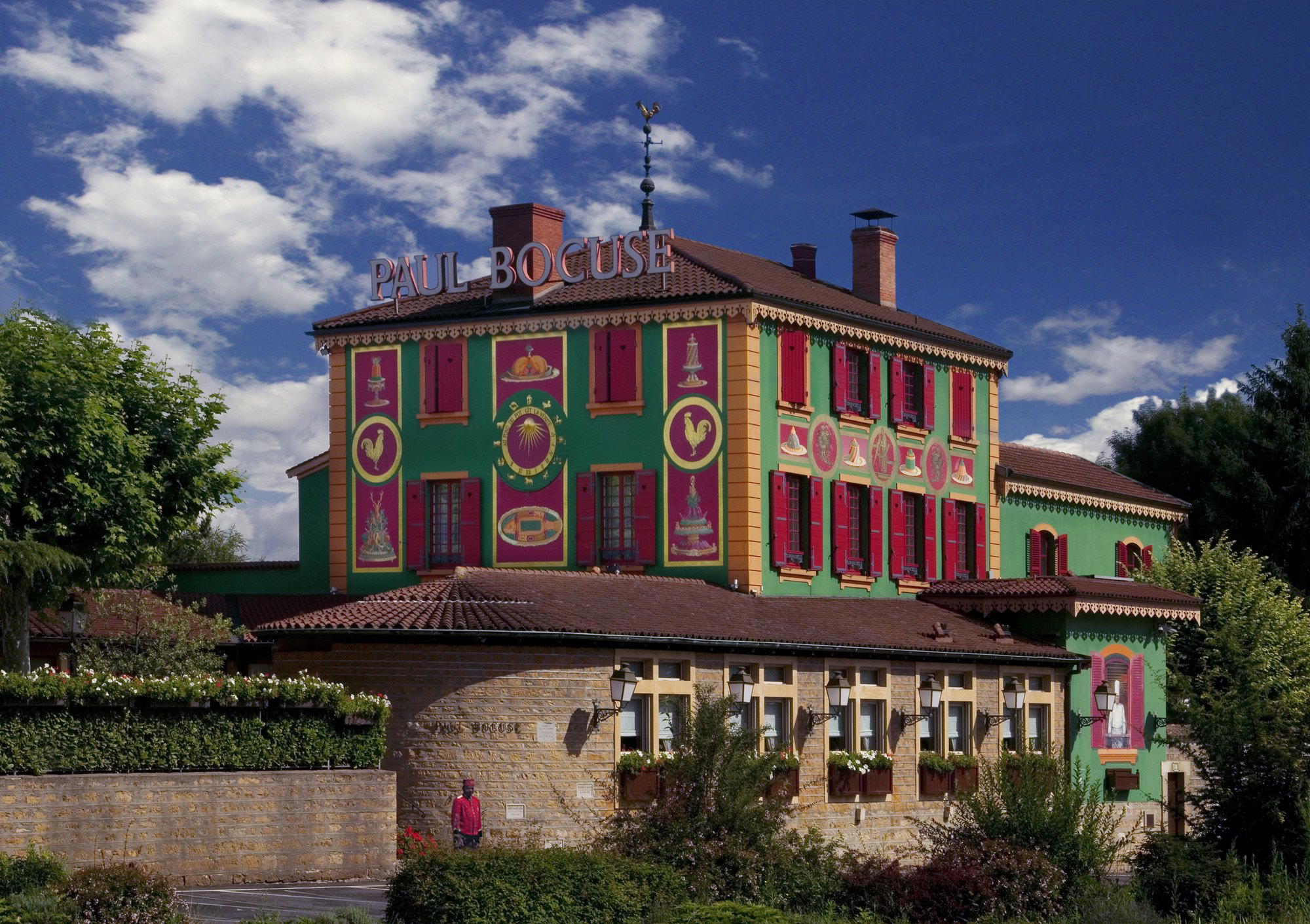
Paul Bocuse's Auberge du Pont de Collonges sits in the same Monts d'Or corridor, a few kilometres south, and has defined the benchmark for this stretch of the Saône for decades. Georges Blanc in Vonnas operates on a comparable model of estate-scale hospitality further north in the Bresse corridor. These are not direct competitors so much as reference points that establish what the format can aspire to in this part of France: properties where the grounds, the kitchen, and the sourcing geography are legible as a single integrated proposition.
Further afield, the French fine-dining category has moved in several directions simultaneously. Creative addresses like Alléno Paris au Pavillon Ledoyen and Mirazur in Menton have pushed into technique-led territory. More classically anchored houses like Auberge de l'Ill in Illhaeusern and Troisgros in Ouches have remained committed to a version of French classicism that the Lyonnais tradition understands instinctively. For visitors building a tour of France's serious cooking, the greater Lyon area merits its own dedicated chapter, and our full Contour restaurants guide maps the broader picture in detail.
Planning a Visit
Champagne-au-Mont-d'Or is accessible from Lyon's Part-Dieu station in roughly twenty minutes by road, making it a practical half-day or evening excursion from the city centre. The address on the Allée des Tennis is residential in character, which means arriving by private car or taxi is the more reliable approach; the immediate vicinity does not have the transport density of an urban arrondissement. As with most properties in this category in the greater Lyon area, the shoulder seasons, specifically March through May and September through November, offer the clearest expression of local produce and the most settled conditions for a meal that leans into regional sourcing. Summer brings its own market-garden abundance, but also the heaviest regional tourist traffic.
Given the absence of published booking data in our current record, the practical recommendation is to contact the property directly and to treat advance planning as the baseline assumption rather than the exception. Properties at this level in France's northern Lyonnais corridor rarely operate on walk-in terms, particularly at weekends or during the Lyon gastronomic calendar's peak moments, which include the Bocuse d'Or cycle and the autumn truffle season.
Comparison Snapshot
| Venue | Cuisine | Price | Awards |
|---|---|---|---|
| Les LodgesThis venue — the venue you are viewing | This venue | Not listed | Not listed |
| Alléno Paris au Pavillon Ledoyen | Creative | €€€€ | Michelin 3 Star |
| Kei | Contemporary French, Modern Cuisine | €€€€ | Michelin 3 Star |
| L'Ambroisie | French, Classic Cuisine | €€€€ | Michelin 3 Star |
| Le Cinq - Four Seasons Hôtel George V | French, Modern Cuisine | €€€€ | Michelin 3 Star |
| Mirazur | Modern French, Creative | €€€€ | Michelin 3 Star |
Continue exploring
More in Contour
Restaurants in Contour
Browse all →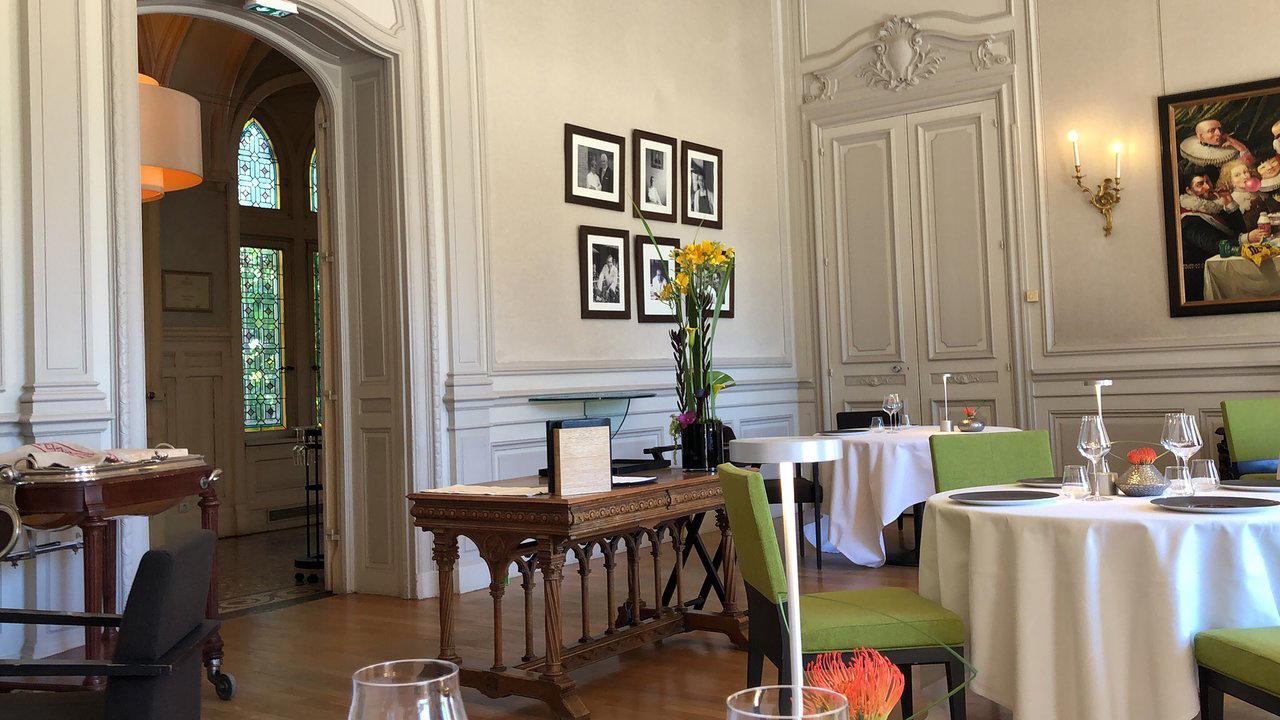
Bars in Contour
Browse all →
Hotels in Contour
Browse all →

At a Glance
- Cozy
- Casual Hangout
- Terrace
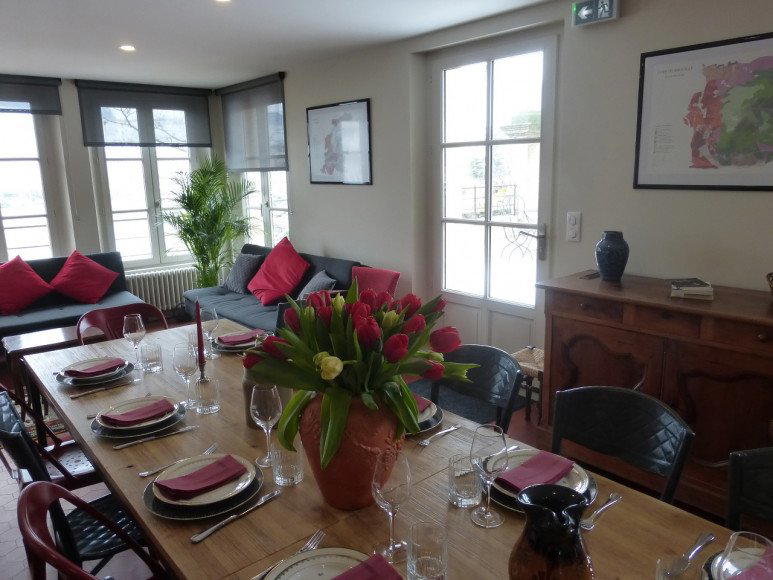
Cozy atmosphere.
Know Before You Go
- Getting there
- All. des Tennis, 69410 Champagne-au-Mont-d'Or, France