Chez Steff occupies a quiet address on Rue Malesherbes in Lyon's 6th arrondissement, a neighbourhood where serious cooking and residential calm coexist. The restaurant sits within a city that has defined French gastronomy for generations, placing it in a scene where even mid-tier tables carry weight. Practical details, booking approach, hours, and pricing, are best confirmed directly with the venue.
Pearl is the En Primeur Club membership app — saves, bookings, and concierge access live there. Same editors, same standards.
- Address
- 8 Rue Malesherbes, 69006 Lyon, France
- Phone
- +33478891095
- Website
- facebook.com
- Directions
- Get directions
 Saves & bookings on Pearl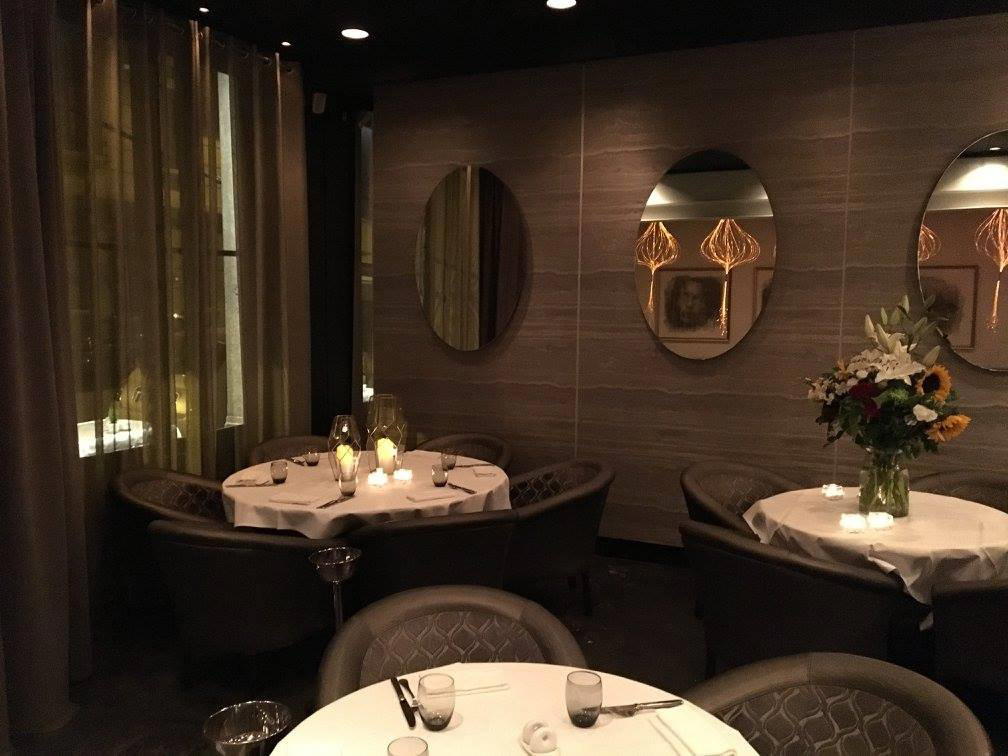
A Street in the 6th, and What It Signals
Lyon's 6th arrondissement occupies a particular position in the city's dining map. It is not the tourist-facing theatre of the Presqu'île, nor the rough-edged energy of the Croix-Rousse. It is residential, considered, and quietly serious, a neighbourhood where locals book tables months in advance and where the absence of neon signage is itself a statement. Rue Malesherbes, where Chez Steff sits at number 8, fits that character. The address alone places the restaurant in a recognisable tier: neighbourhood-rooted, not destination-branded, drawing a clientele that arrives knowing what it wants rather than wandering in.
This matters in Lyon more than almost anywhere else in France. The city's gastronomy operates on a kind of institutional weight that other French cities can only approximate. From the tradition of the mères lyonnaises, the matriarchal cooks who built Lyon's culinary reputation in the 19th and early 20th centuries, to the contemporary concentration of Michelin-recognised tables, Lyon has always treated serious eating as civic infrastructure. A restaurant in the 6th inherits that context whether it seeks it or not.
The Physical Container
In Lyon's 6th, interior architecture tends toward a particular restraint. The neighbourhood's dining rooms, unlike the grand brasserie theatrics of Lyon's centre, typically work with smaller footprints, tighter seating arrangements, and a deliberate informality in material choices that is not to be confused with carelessness. Stone, tile, and bare wood recur across the arrondissement's better rooms, not as stylistic accidents but as a local grammar of authenticity. A dining room that communicates permanence through its surfaces is making an argument about the cooking that will emerge from its kitchen.
The spatial logic of a room like this shapes the dining experience in ways that larger venues cannot replicate. Closer tables mean overheard conversations become part of the atmosphere; tighter service patterns mean the relationship between front-of-house and guest is more direct. These are not compromises. In the Lyon tradition, the intimacy of the physical space is inseparable from the cooking's identity, the room is sized to the food, not the other way around. It is the same principle that distinguishes Lyon's celebrated bouchons from their imitations: the container and the content are calibrated together.
Lyon's Dining Tiers, and Where Neighbourhood Restaurants Fit
Lyon's restaurant scene now operates across several clearly differentiated tiers. At the leading, tables like La Mère Brazier carry Michelin recognition and the full weight of historical lineage. One step below, contemporary creative kitchens, Le Neuvième Art, Takao Takano, and Au 14 Février, operate with tasting menus and a deliberate internationalism that places them in a comparable set stretching well beyond the city. Burgundy by Matthieu represents the modern cuisine register at a mid-premium price point. And then there is the neighbourhood tier: restaurants that do not make the press releases but fill their rooms consistently with local regulars who would notice immediately if the quality slipped.
This last category is particularly important for understanding Lyon as a food city. The city's gastronomy is not sustained by its starred tables alone. It is sustained by the density of competent, serious cooking at the neighbourhood level, a density that France's own guides have historically struggled to capture because it resists the award frameworks designed for destination dining. A restaurant on Rue Malesherbes is in that neighbourhood tier. The competition is different from the Michelin bracket, the price points are calibrated to regular use rather than occasion spending, and the relationship with its audience is built over years rather than launched through press coverage.
That model has parallels across France's great food regions. The Rhône Valley, Burgundy, and Alsace all maintain a similar infrastructure of serious neighbourhood cooking that underpins the starred establishments above them. Auberge de l'Ill in Alsace and Georges Blanc in Vonnas represent the destination end of that spectrum; the neighbourhood restaurant represents the other. Both are necessary. Neither makes sense without the other.
The Broader French Fine Dining Context
Understanding any Lyon restaurant requires situating it within French fine dining's larger geography. France's most celebrated tables, Mirazur in Menton, Alléno Paris au Pavillon Ledoyen, Troisgros in Ouches, Paul Bocuse near Lyon itself, Bras in Laguiole, Les Prés d'Eugénie, Flocons de Sel in Megève, and La Table du Castellet, sit at a remove from the everyday dining experience. They are useful reference points for tradition and ambition, but they describe a different mode of eating from the one most Lyon residents practise most of the time.
Lyon's contribution to that larger story is not only its starred tables. It is the argument, made credible through generations of practice, that serious cooking is not a luxury reserved for special occasions. Neighbourhood restaurants in the 6th make that argument quietly, through consistency, through rooms that have been used for years, through menus calibrated to the people who live nearby rather than the people who fly in for the weekend. International comparisons are possible, Le Bernardin in New York or Lazy Bear in San Francisco represent cities where serious cooking similarly exists across multiple tiers, but the Lyon model remains the one most deeply embedded in the civic fabric of its city.
Planning a Visit
Chez Steff is located at 8 Rue Malesherbes, Lyon 69006, in the 6th arrondissement. Chez Steff is recommended for reservations and offers a business casual setting at a price tier of 3, around $50 per person. This is advisable in any case for smaller neighbourhood restaurants in Lyon, where service patterns and availability can shift seasonally without advance publicity.
Budget and Context
Comparable venues nearby, for context on price, style, and recognition.
| Venue | Cuisine | Price | Notes |
|---|---|---|---|
| Chez SteffThis venue — the venue you are viewing | Not listed | $$$ | Not listed |
| Marguerite | Quartier Monplaisir, French Brasserie | $$$ | Not listed |
| La Table d'Eugène | Not listed | $$$ | Quartier Bas des Pentes Presqu'île, Semi-Gastronomic French |
| l'Âme Sœur | Not listed | $$$ | Quartier Voltaire Part-Dieu, Modern French Seasonal Bistro |
| Les Apothicaires | Not listed | $$$ | Quartier Saxe Roosevelt, Modern French Bistro with Scandinavian & Brazilian Influences |
| La Table de Max | Not listed | $$$ | Quartier Guillotière, French Beef & Lobster Bistro |
Continue exploring
More in Lyon
Restaurants in Lyon
Browse all →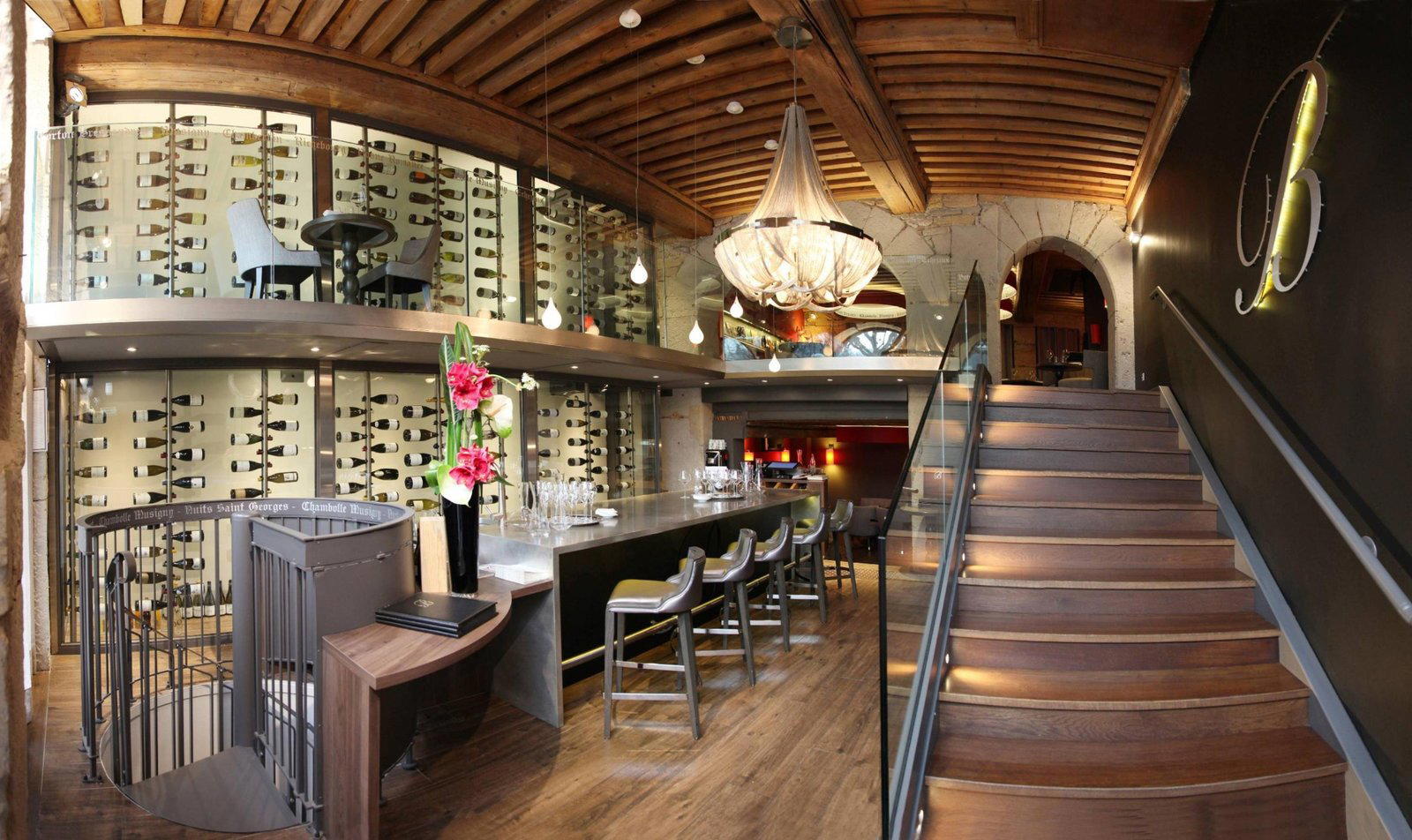
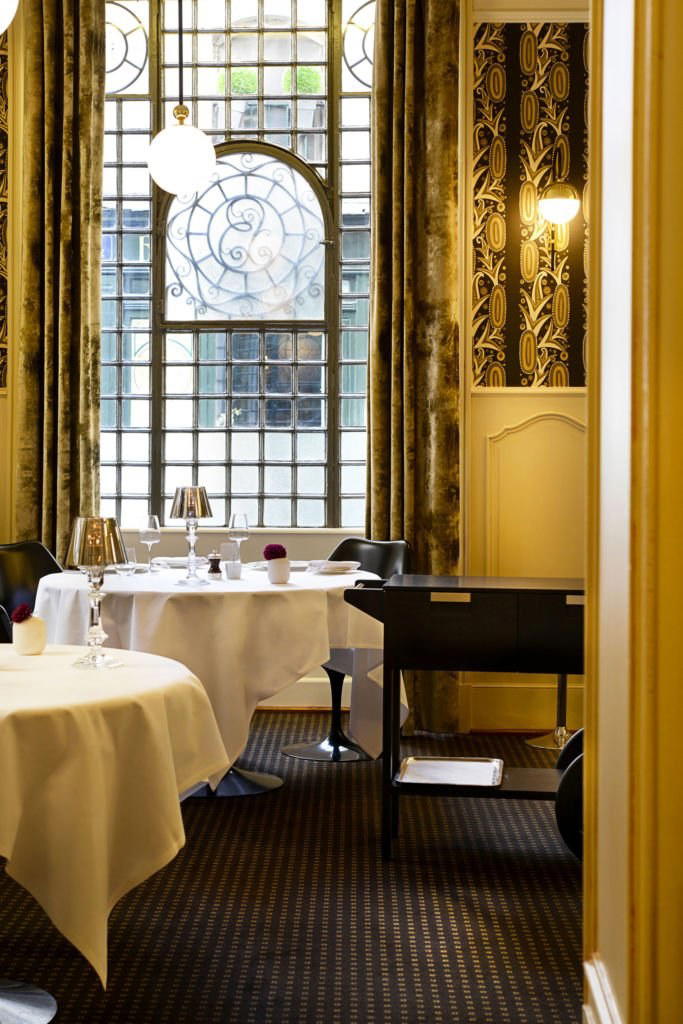
Bars in Lyon
Browse all →
Hotels in Lyon
Browse all →

At a Glance
- Cozy
- Elegant
- Intimate
- Sophisticated
- Date Night
- Business Dinner
- Standalone
Current opening hours
- Monday
- 12–2 PM, 8–9:30 PM
- Tuesday
- 12–2 PM, 8–9:30 PM
- Wednesday
- 12–2 PM, 8–9:30 PM
- Thursday
- 12–2 PM, 8–9:30 PM
- Friday
- 12–2 PM, 8–9:30 PM
- Saturday
- 8–10 PM
- Sunday
- Closed
Hours can change for holidays and private events. Last verified .
Warm, cozy, and elegant with soft lighting, contemporary decor in warm colors, and a friendly, welcoming vibe.