Les enfants terribles
Our verdict
In the foothills of the Pyrenees, where Roussillon meets Catalonia, Les Enfants Terribles occupies a corner of Laroque-des-Albères that speaks loudly of its terroir. The village sits at the intersection of mountain produce, coastal seafood, and Catalan culinary tradition, and the restaurant draws directly from that overlap. For travellers moving between the Côte Vermeille and the high valleys, it earns a deliberate stop.

Pearl is the En Primeur Club membership app — saves, bookings, and concierge access live there. Same editors, same standards.
- Address
- 33 Rue Louis et Michel Soler, 66740 Laroque-des-Albères, France
- Phone
- +33468894051
- Hours
- Mon–Tue ClosedWed–Thu 12–1:30 PM, 7–9 PMFri 12–1:30 PM, 7–9:30 PMSat 12–2 PM, 7–9:30 PMSun 12–2 PM, 7–9 PM
- Website
- m.facebook.com
- Directions
- Get directions
The menu
What to order
- Salade de homard
- Ceviche de daurade
- Risotto aux langoustines
Where the Pyrenees Meet the Plate
The foothills above Argelès-sur-Mer produce a particular kind of cooking logic. Laroque-des-Albères sits at roughly 200 metres, close enough to the Mediterranean coast for anchovy and sea bass to arrive the same morning they're caught, and close enough to the Albères massif for wild herbs, game, and mountain cheeses to reach a kitchen without losing their character in transit. It is this geographic compression, coast and mountain folded into a short radius, that gives restaurants in the village their most interesting raw material. Les Enfants Terribles, on Rue Louis et Michel Soler, operates inside that logic.
Across the broader Roussillon region, the conversation around ingredient provenance has sharpened over the past decade. In Menton, Mirazur built a global reputation on hyper-local sourcing from its own coastal gardens. Further north, Bras in Laguiole made the case for a single plateau's ingredients sustaining a three-star kitchen for decades. The principle at work in both cases, that the most interesting cooking often draws from the smallest geographic circle, runs through the dining culture of the French southwest as a consistent thread. A village restaurant in the Albères foothills is not playing at the same scale as those addresses, but it operates in the same tradition.
Catalan Roots, French Technique
Laroque-des-Albères sits in Pyrénées-Orientales, the department that covers French Catalonia, and the culinary identity here pulls in two directions simultaneously. The Catalan inheritance brings anchovies from Collioure, olive oil pressed from local groves, aubergine dishes with deep Iberian roots, and a directness of flavour that resists the kind of over-refinement that can hollow out regional cooking. The French technical tradition, meanwhile, provides the framework: proper sauce work, attention to texture, a respect for classical structure that elevates rather than obscures what the market provides.
This is a different register from the grand maisons of French fine dining. Alléno Paris au Pavillon Ledoyen or Assiette Champenoise in Reims occupy a tier defined by multi-course architecture and extensive wine programs matched by sommelier teams. Village restaurants in Roussillon work from a different contract with their guests: shorter menus, more seasonal variation, and an intimacy of scale that those larger addresses cannot replicate. The comparison is not competitive so much as categorical. When travellers approach the Albères after touring L'Oustau de Baumanière in Les Baux or Auberge du Vieux Puits in Fontjoncouse, they are shifting from monument-scale dining to something more rooted in daily village life.
The Sourcing Geography
The Roussillon coastline from Banyuls to Collioure is among France's more distinctive microregions for seafood. Collioure anchovies carry AOC protection and have supplied Spanish and French kitchens for centuries, salted and packed by hand in small factories that have changed little in method. Sea urchin, rouget de roche, and dorade from the rocky Côte Vermeille move through local markets and directly to kitchen doors in a supply chain that has none of the distance that defines urban restaurant procurement. For a restaurant in Laroque-des-Albères, this proximity is the primary competitive advantage over peer addresses in larger cities.
Inland, the Albères produce a different set of materials. Wild mushrooms in autumn, herbs from garrigue scrubland, local charcuterie drawing on Catalan pig-rearing traditions, and cheeses from small producers in the higher valleys all feed into the seasonal rhythm of cooking in the area. The Roussillon wine appellation, including the fortified Banyuls and Rivesaltes designations that are among France's most historically significant, provides a local wine pairing context that larger destination restaurants have to source from much greater distances.
The Setting and Practical Considerations
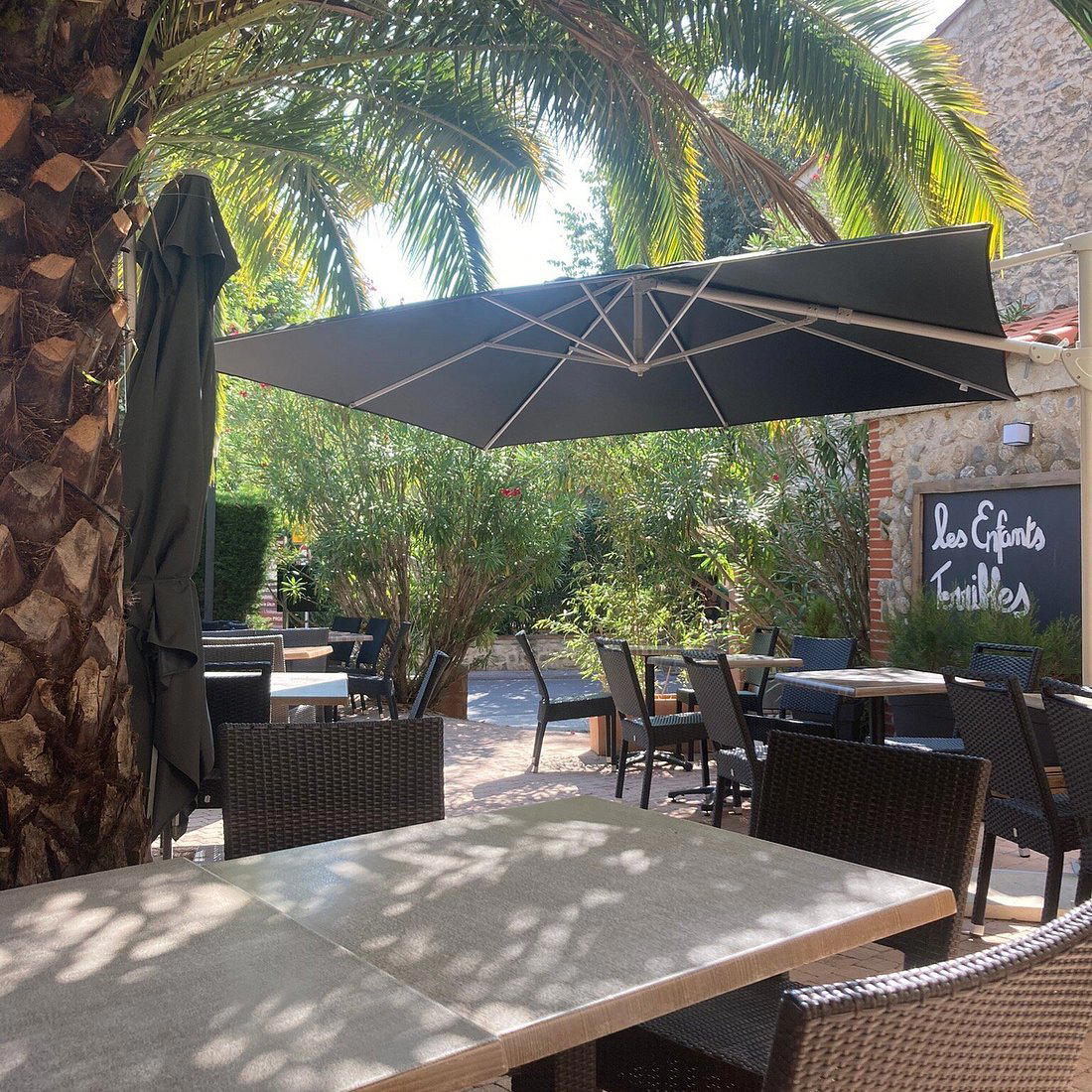
The address on Rue Louis et Michel Soler places the restaurant in the village centre, within the compact stone-street grid that characterises settlements throughout the Albères foothills. The physical environment here, plane-tree shade, medieval stonework, the particular afternoon light that hits limestone walls in Roussillon, forms the backdrop to any meal taken in the village. Arriving by car from the A9 autoroute at Perpignan or from the coast road via Argelès takes roughly twenty to thirty minutes, making Laroque-des-Albères accessible as either a lunch stop or evening destination without significant journey time from the main tourist circuits of the region.
For travellers building a southern France itinerary that prioritises ingredient-driven cooking at different scales, the regional map offers significant depth. AM par Alexandre Mazzia in Marseille represents the avant-garde end of Mediterranean French cooking. Christopher Coutanceau in La Rochelle demonstrates what strict sustainability commitments look like at a two-star level. Flocons de Sel in Megève shows how mountain-sourced menus can reach three-star execution. Each sits at a different point on the spectrum between accessibility and ambition. A village address in the Albères occupies its own position on that spectrum: closer to the ground, shaped by what arrives from the fields and the sea each morning.
For a broader look at where Les Enfants Terribles sits within the local dining scene, see our full Laroque-des-Albères restaurants guide. Travellers planning further afield can also reference Auberge de l'Ill in Illhaeusern, Troisgros in Ouches, Paul Bocuse in Collonges-au-Mont-d'Or, Georges Blanc in Vonnas, Au Crocodile in Strasbourg, La Marine in Noirmoutier, Le Bernardin in New York, and Atomix in New York when mapping the wider context of ingredient-led cooking across France and beyond.
Frequently asked questions
Is Les enfants terribles good for families?
Laroque-des-Albères is a compact village with a relaxed pace, and restaurants in this setting tend to accommodate mixed-age groups without ceremony. The address on Rue Louis et Michel Soler puts it within the stone-street village centre, which is walkable and unhurried. Confirm specific arrangements directly with the restaurant before visiting with young children.
Is Les enfants terribles formal or casual?
Laroque-des-Albères is a small Pyrenean village rather than a destination dining hub, which shapes expectations considerably. Village restaurants in this part of Pyrénées-Orientales generally run on relaxed, neighbourhood terms rather than white-tablecloth formality.
Is Les Enfants Terribles worth visiting if you're staying on the Roussillon coast near Collioure or Argelès-sur-Mer?
Laroque-des-Albères sits roughly 200 metres up into the Pyrenees foothills, a short drive inland from Argelès-sur-Mer and the Collioure coastline. That proximity makes it a plausible inland detour from a coast-based stay, offering a different register from the port-town tourist circuit. The village setting on Rue Louis et Michel Soler is characteristically southern Catalan in feel, which contrasts with the busier coastal towns below.
What should I eat at Les enfants terribles?
The restaurant sits in French Catalonia, a region where the cooking draws on both Roussillon produce and Catalan culinary tradition. The coastline from Banyuls to Collioure supplies distinctive seafood, including AOC-protected Collioure anchovies, which appear across local menus in this area.
Where is Les enfants terribles located?
Les enfants terribles is located at 33 Rue Louis et Michel Soler, 66740 Laroque-des-Albères, France, Laroque Des Alberes.
At-a-Glance Comparison
Comparable venues nearby, for context on price, style, and recognition.
| Venue | Cuisine | Price | Awards | Notes |
|---|---|---|---|---|
| Les enfants terriblesThis venue — the venue you are viewing | French Mediterranean | Not listed | Not listed | Not listed |
| Côté Saisons | French Bistronomique | Not listed | Michelin Plate | Laroque-des-Albères |
| Bienheureux | Modern French Creative | Not listed | Michelin Plate | Wasquehal |
| Saturne | Modern French with Nordic Influences | Not listed | Not listed | 2nd Arrondissement |
| Momento | Modern French-Mexican Fusion | $50–100 | Star Wine List | Bué |
| La Bergerie | Mediterranean French Bistro | $30–50 | Not listed | Portel-des-Corbieres |
Continue exploring
More in Laroque-des-Albères
Restaurants in Laroque-des-Albères
Browse all →
Bars in Laroque-des-Albères
Browse all →
Hotels in Laroque-des-Albères
Browse all →
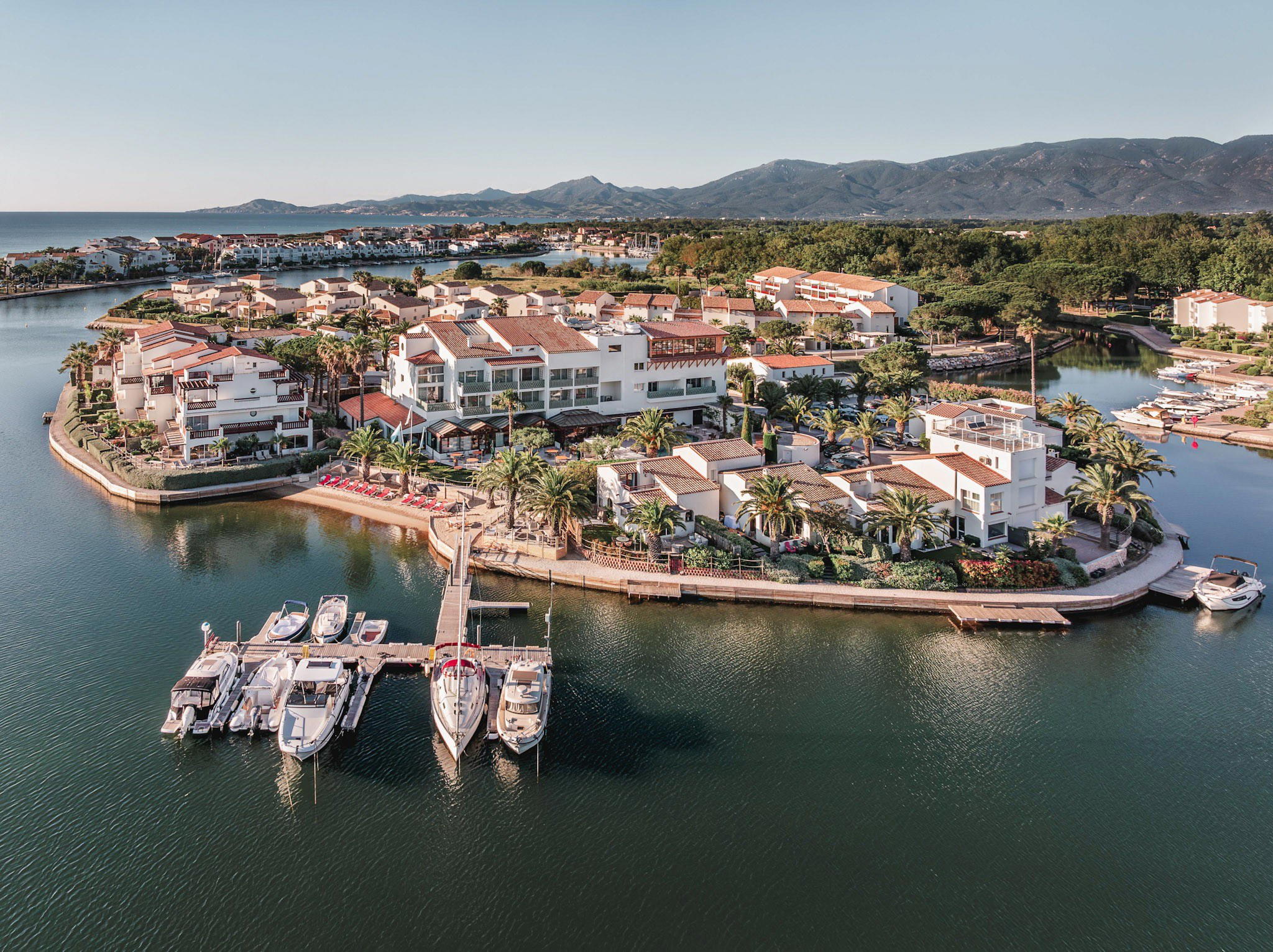
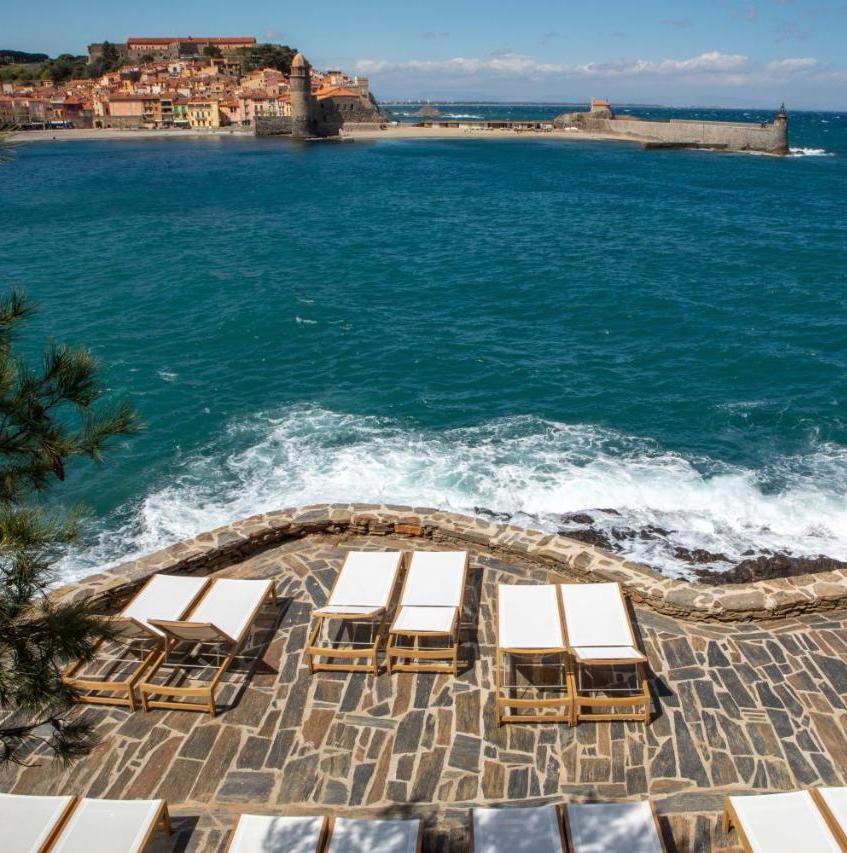
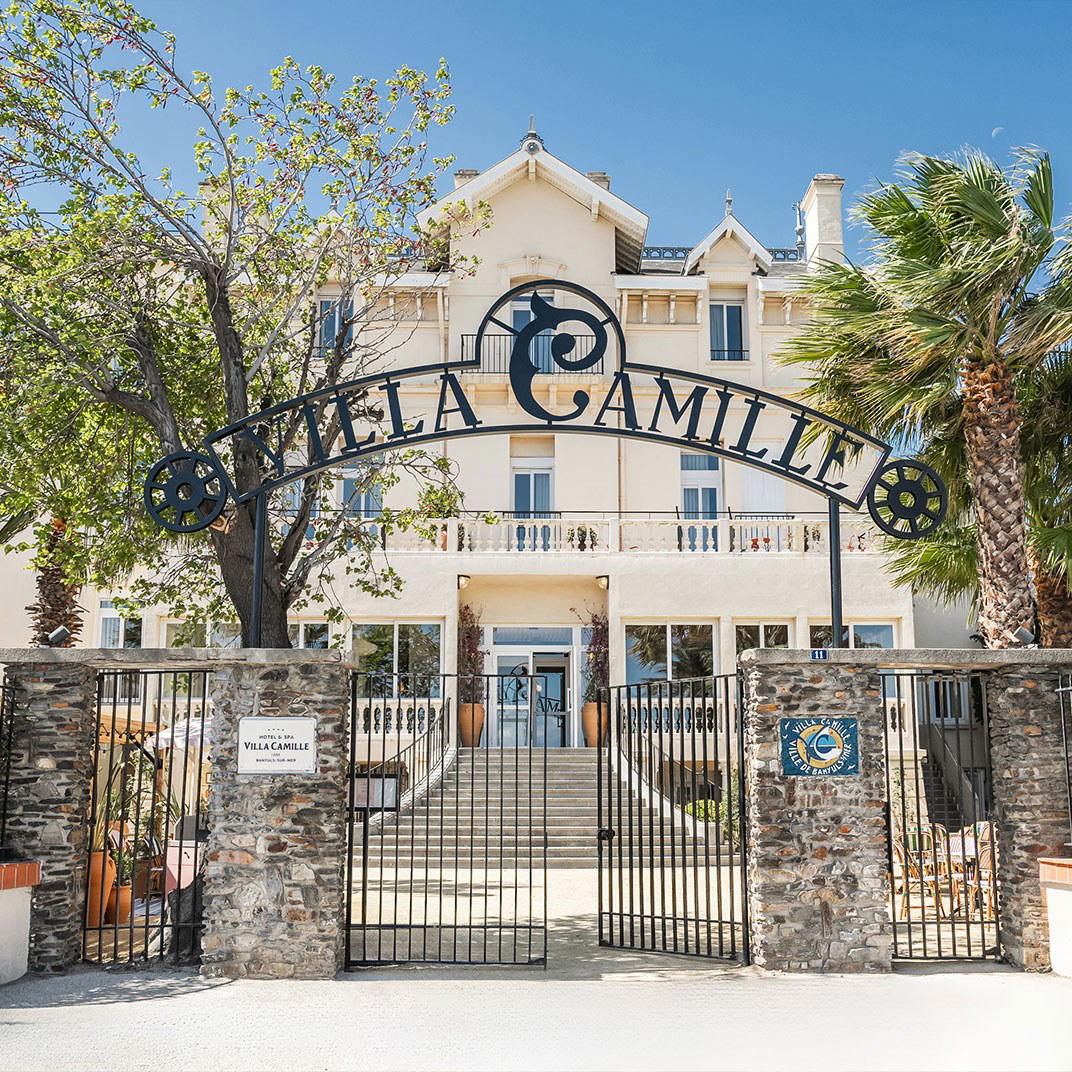
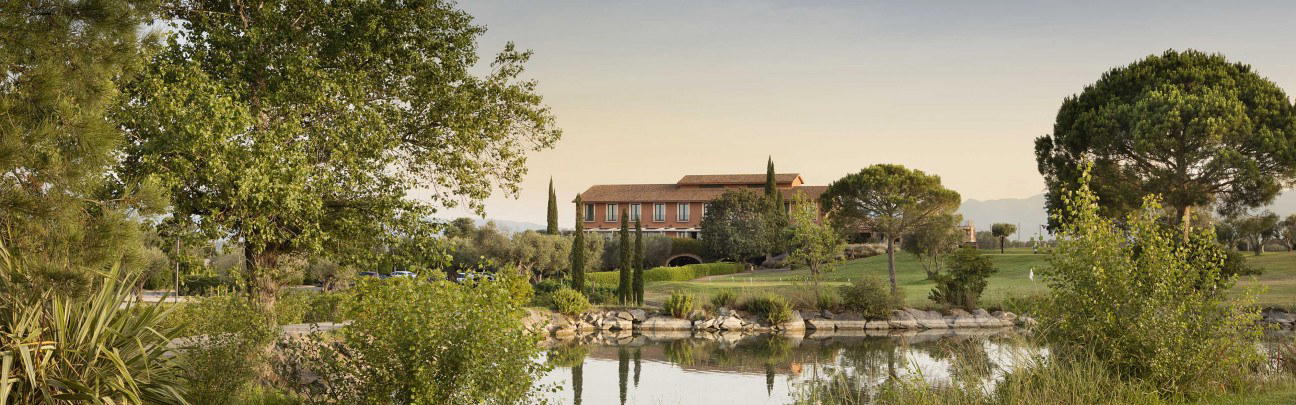

Les enfants terribles
The wine
- Wine program
- Curated wine list
- Extensive wine list
Details
- Cozy
- Rustic
- Elegant
- Date Night
- Family
- Group Dining
- Terrace
- Extensive Wine List
- A La Carte
- Vegetarian Friendly
- Vegan Options
- Gluten Free Options
Current opening hours
- Monday
- Closed
- Tuesday
- Closed
- Wednesday
- 12–1:30 PM, 7–9 PM
- Thursday
- 12–1:30 PM, 7–9 PM
- Friday
- 12–1:30 PM, 7–9:30 PM
- Saturday
- 12–2 PM, 7–9:30 PM
- Sunday
- 12–2 PM, 7–9 PM
Hours can change for holidays and private events. Last verified .
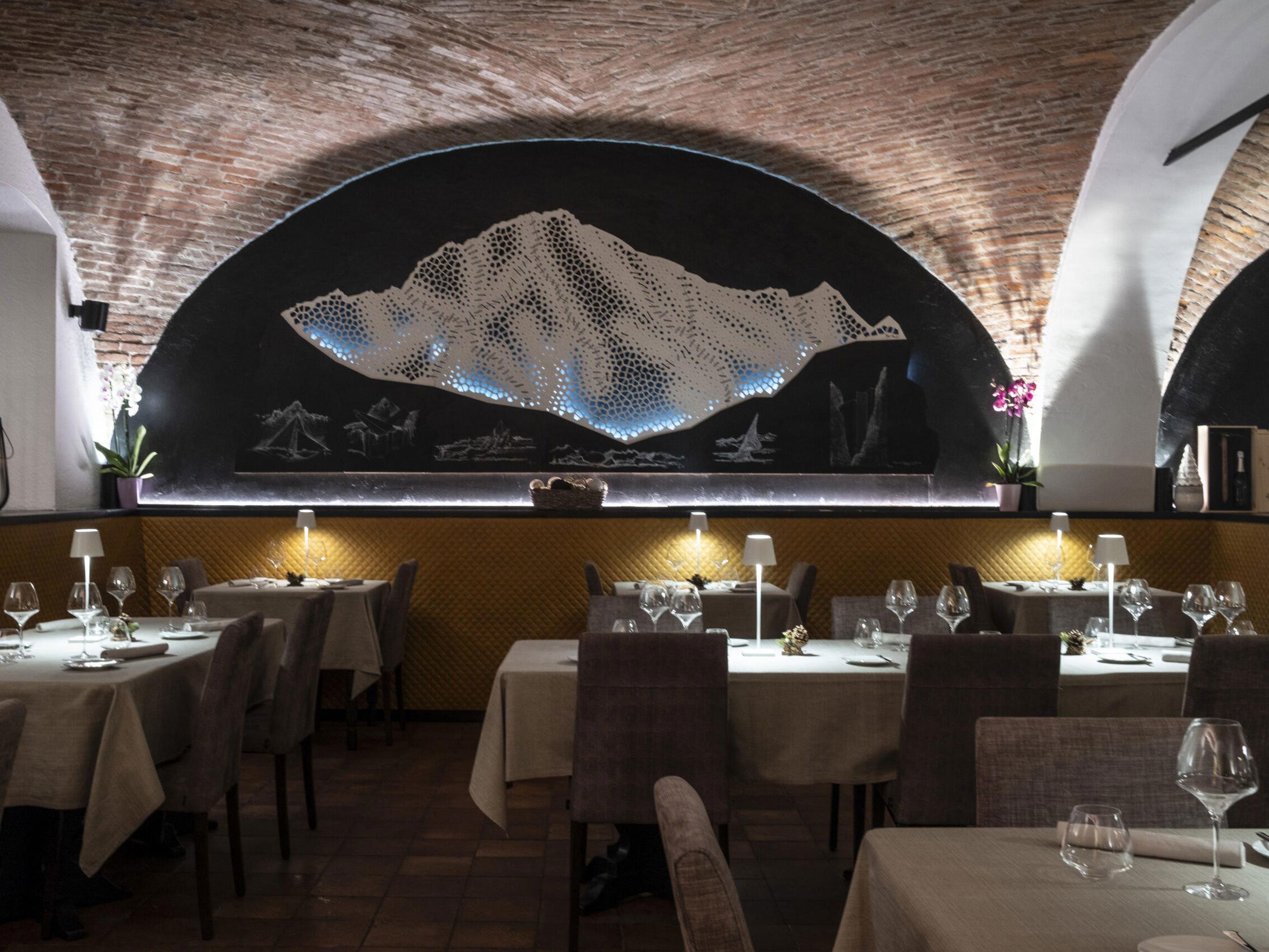
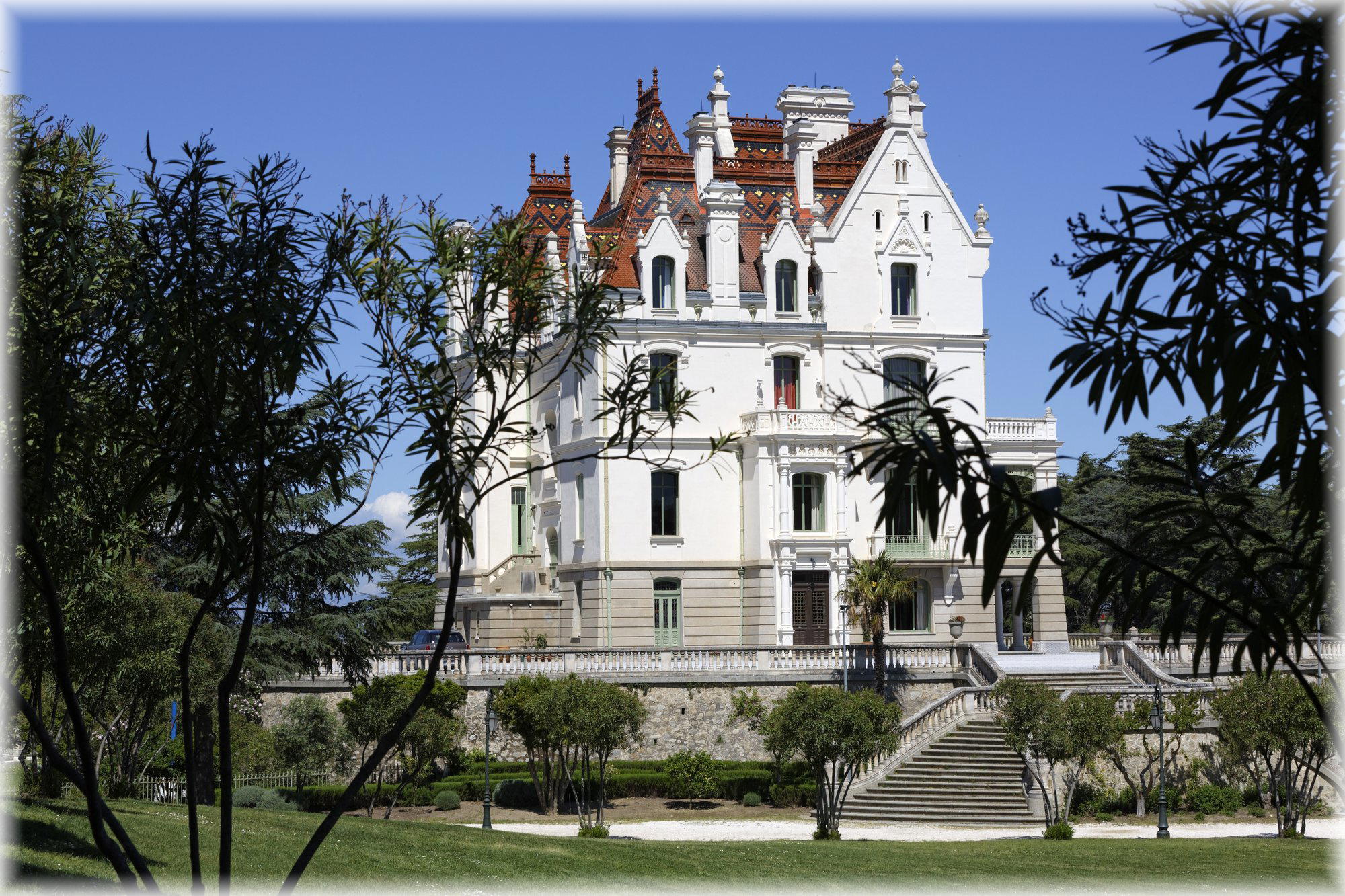
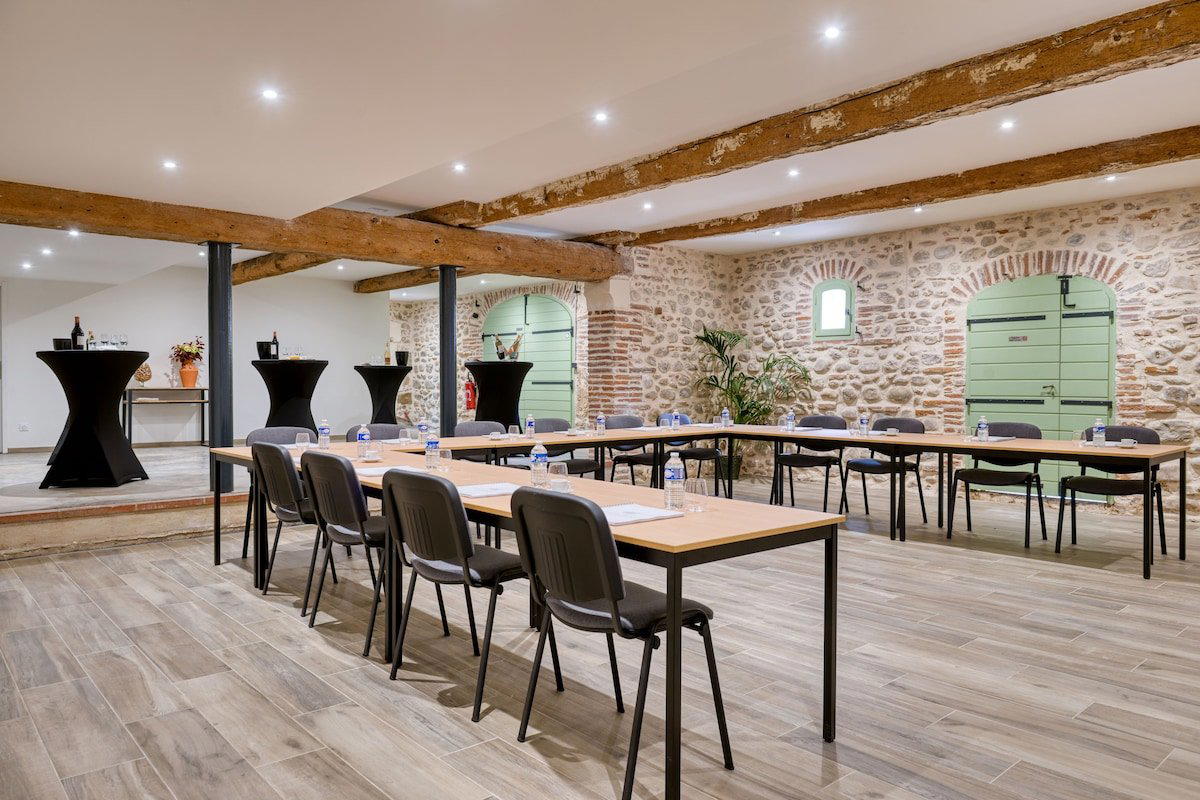
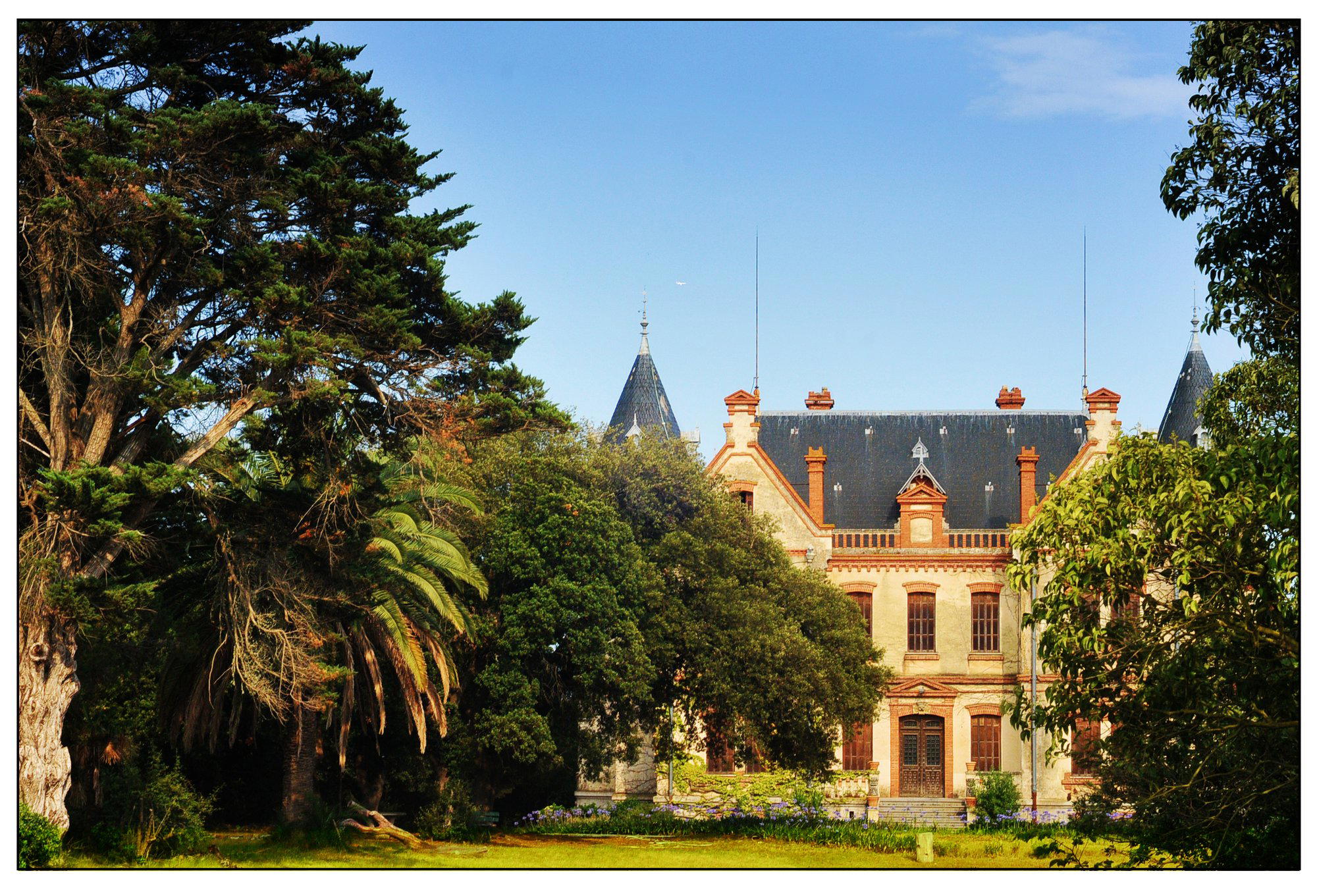
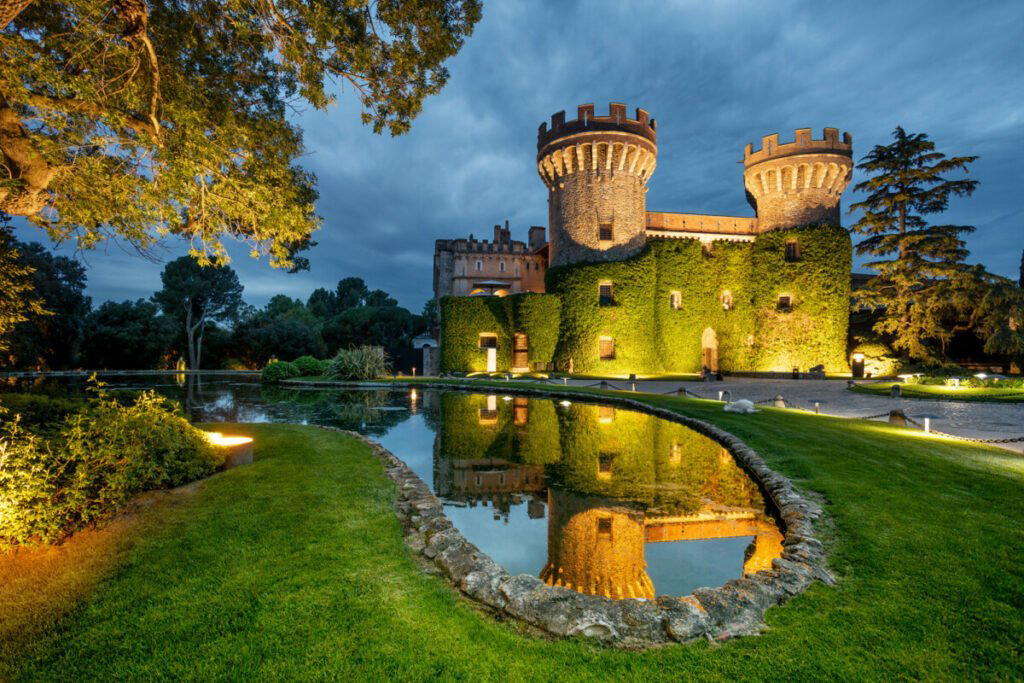
Warm and authentic atmosphere blending old stone and brick elements, with a lively yet unpretentious vibe under vaulted ceilings indoors and on the shady terrace.