


Michelin Plate · Macarfi 8 Food Rating · Guía Repsol 1 Sol
Our verdict
A French kitchen operating at the mid-market price point in the old city, Les Amis holds a Michelin Plate recognition (2025). The address on Calle del Pozo Blanco places it squarely in Pamplona's historic core, where French technique sits in deliberate contrast to the Navarrese pintxo tradition surrounding it.

Pearl is the En Primeur Club membership app, where members save venues, book tables and use the concierge.
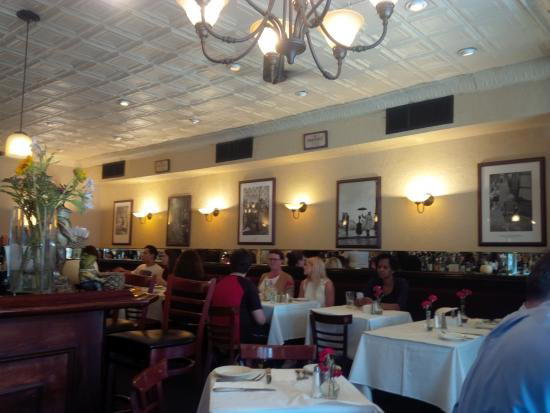
The menu
What to order
- Solomillo con foie
- Canelones Maison
- Tuna tartare
French Technique in a Navarrese City
Pamplona's dining identity is built around Navarrese produce and Basque-adjacent pintxo culture, which makes the sustained presence of a French kitchen in the old city worth examining. French cooking has always had a foothold in northern Spain, particularly in the stretch of territory that runs from Navarra toward the Pyrenean border, where trade and migration flattened the culinary boundary between the two countries for centuries. Les Amis, on Calle del Pozo Blanco in the historic centre, sits inside that tradition rather than against it. The address puts guests within the dense web of streets where Pamplona's serious eating happens, a few minutes on foot from the cathedral quarter and the plazas where the city's restaurant culture concentrates. Approaching the street, the scale is domestic rather than grand, the kind of building that in this part of Navarra houses everything from family homes to wine bars, and the contrast with what arrives on the plate is part of the point.
Where the Sourcing Argument Lives
The editorial case for French cooking in Navarra is, at its core, a sourcing argument. Navarra is one of Spain's most productive agricultural provinces: white asparagus from the Ebro valley, peppers from Lodosa, piquillo peppers with their own protected designation of origin, lamb from the Pyrenean foothills, and river fish that predate any restaurant culture in the region. French classical technique, with its emphasis on reduction, clarification, and fat-based emulsification, has historically been a delivery system for whatever exceptional primary ingredient arrives at the pass. A kitchen working in that tradition, in a city surrounded by this kind of supply chain, is making a coherent argument. The sourcing radius here is not a branding exercise in the way it might be in a capital city; Navarrese producers supply the Basque Country's three-star kitchens precisely because the raw material quality is already there.
That broader pattern is what frames a mid-range French address like Les Amis most usefully. At the €€ price point, the kitchen is not competing with Rodero or Europa, both of which operate at higher price tiers within Pamplona's contemporary fine-dining bracket. Instead, it occupies the space where classical French discipline meets accessible pricing, a tier that in French cities themselves has contracted sharply over the past decade, as rent and labour economics pushed bistro cooking either downmarket or into the natural wine register. In Pamplona, that pressure is less acute, and a kitchen can still operate classical French style at a price point that would be unusual in Paris or Lyon.
Michelin Recognition and What It Signals
The 2025 Michelin Plate is the relevant trust signal here. The Plate designation, distinct from a star, confirms that Michelin's inspectors regard the cooking as consistently good, it is the Guide's quality floor, not a consolation prize.
For context, this is the kind of recognition that French restaurants operating outside France accumulate when the kitchen is disciplined about fundamentals: sauce work, protein cookery, the structural logic of a menu that builds through courses rather than presenting plates in parallel. In cities like Tokyo, French technique has generated its own elite tier, Sézanne in Tokyo exemplifies how French classical cooking transplanted into a different ingredient context can generate something genuinely distinct. In Pamplona, the scale is more modest and the ambition more local, but the underlying dynamic, French method applied to non-French produce, is the same.
The City's Broader Dining Picture
Understanding Les Amis requires understanding where it sits in Pamplona's restaurant hierarchy. The city punches above its size in dining terms, partly because the San Fermín festival concentrates international attention for two weeks each July, creating commercial conditions that support year-round restaurant investment. Rodero represents the city's highest modern Spanish expression; Europa occupies the contemporary fine-dining position at the top of the price range. At the other end, Bar Gorriti anchors the pintxo tradition that remains the city's most democratic dining format. Alhambra covers traditional cuisine, and Kabo brings a contemporary angle at a similar price bracket. Within that spread, Les Amis is the French option, and the only one with Michelin recognition at this price tier.
Spain's most decorated French-influenced kitchens operate at a remove from Pamplona, Arzak in San Sebastián and Azurmendi in Larrabetzu both carry three Michelin stars and draw on French structural logic even within their Basque identities. The avant-garde register, represented by DiverXO in Madrid and the molecular tradition of El Celler de Can Roca in Girona, operates in a different register entirely. Les Amis is not competing in any of those directions. The European parallel would be somewhere like Hotel de Ville Crissier, which demonstrates how provincial French cooking outside France can sustain high standards over decades. The scale and ambition differ, but the structural logic connects.
Planning a Visit
Les Amis is at C. del Pozo Blanco, 20, in Pamplona's old city, walkable from the main historic sites and the city's pintxo bars, which makes it a natural anchor for an evening that begins with aperitivo and moves into a longer sit-down meal. The €€ pricing sits well below Pamplona's top-tier addresses, which means the budget case for a French dinner here is direct for travellers already committed to the city. For a broader view of where Les Amis fits in the city's dining geography, the full Pamplona restaurants guide maps the complete picture across price tiers and cuisine types. Travellers planning a longer stay can also consult the Pamplona hotels guide, bars guide, wineries guide, and experiences guide for the full city coverage. For those interested in how Spanish producers supply the country's most celebrated kitchens, Aponiente in El Puerto de Santa María and Quique Dacosta in Dénia offer further reading on the sourcing-led approach at the other end of the ambition scale.
Frequently asked questions
What does dinner at Les Amis typically cost?
Pricing at Les Amis is listed as €€.
Has Les Amis won any awards?
Les Amis has received recognition including: Michelin Plate (2025).
What do regulars order at Les Amis?
EP Club's database does not confirm specific signature dishes. Given the French cuisine classification and 2025 Michelin Plate standing, expect a kitchen grounded in classical technique, sauces, precise protein cookery, and structured courses rather than pintxo-style grazing. Navarra's agricultural output, particularly its vegetables and lamb, gives French kitchens in the region strong raw material to work with.
What's Les Amis's location?
Les Amis is located at C. del Pozo Blanco, 20, 31001 Pamplona, Navarra, Spain, Pamplona.
How hard is it to get a table at Les Amis?
At the €€ price point, Les Amis sits in a range where demand is steady but not as compressed as Pamplona's starred addresses. The real pressure comes in July during San Fermín, when the city's restaurant capacity is tested across every tier. Booking ahead by at least a week outside festival season is prudent; during San Fermín, reserve as early as your itinerary allows.
What's the standout thing about Les Amis?
The combination of French cuisine and a 2025 Michelin Plate at the €€ price point makes Les Amis an outlier in Pamplona's dining picture, where most Michelin-recognised addresses skew either Basque-contemporary or considerably more expensive. It sits at C. del Pozo Blanco, 20, in the old city, which positions it as a practical choice for visitors who want recognised kitchen standards without committing to a full tasting-menu budget.
Awards and Standing
Comparable venues nearby, for context on price, style, and recognition.
| Venue | Cuisine | Price | Awards | Notes |
|---|---|---|---|---|
| Les AmisThis venue (the venue you are viewing) | French-Peruvian Fusion | $30–50 | Michelin Plate · Macarfi 8 Food Rating | Not listed |
| El Kabo | Contemporary Navarrese Fine Dining | $100–150 | 1 Michelin Star · Star Wine List | Not listed |
| La Bankada | Spanish Tapas Bar | $20–30 | Michelin Plate · Macarfi 7.6 Food Rating | Ensanche |
| Enekorri Restaurante | Modern Spanish Basque | $50–100 | Star Wine List · Macarfi 7.7 Food Rating | city center |
| Zurita, Barra y Mantel | Regional European | Not listed | Michelin Plate | Casco Antiguo (Old Town) |
| Udon | Japanese Ramen & Noodle House | $20–30 | Not listed | Centro (Pamplona) |
Recognition history
Dated appearances from independent guides and award organizations, with the underlying list record or original source where available.
Michelin Plate
Michelin
Guía Repsol 1 Sol
Guía Repsol
Macarfi 8 Food Rating
Macarfi
Continue exploring
More in Pamplona
Restaurants in Pamplona
All restaurants in Pamplona →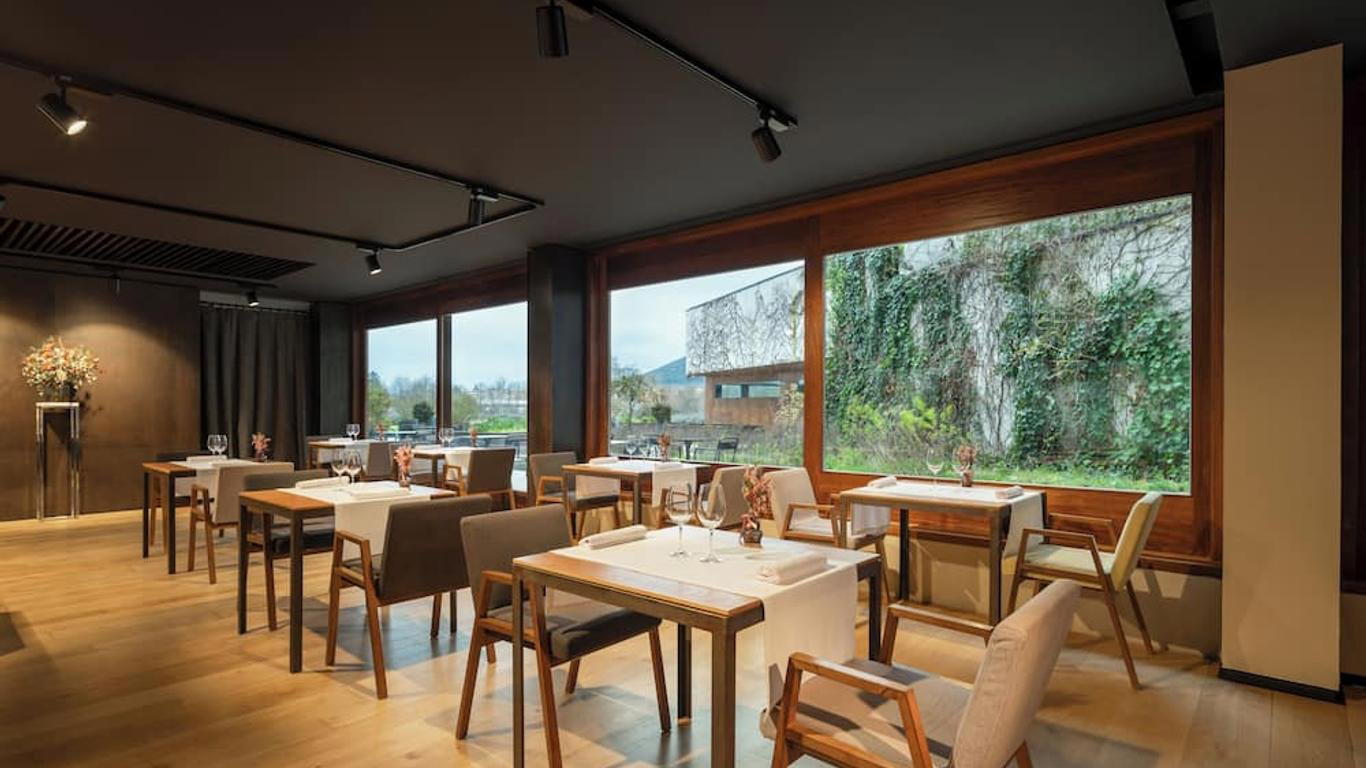
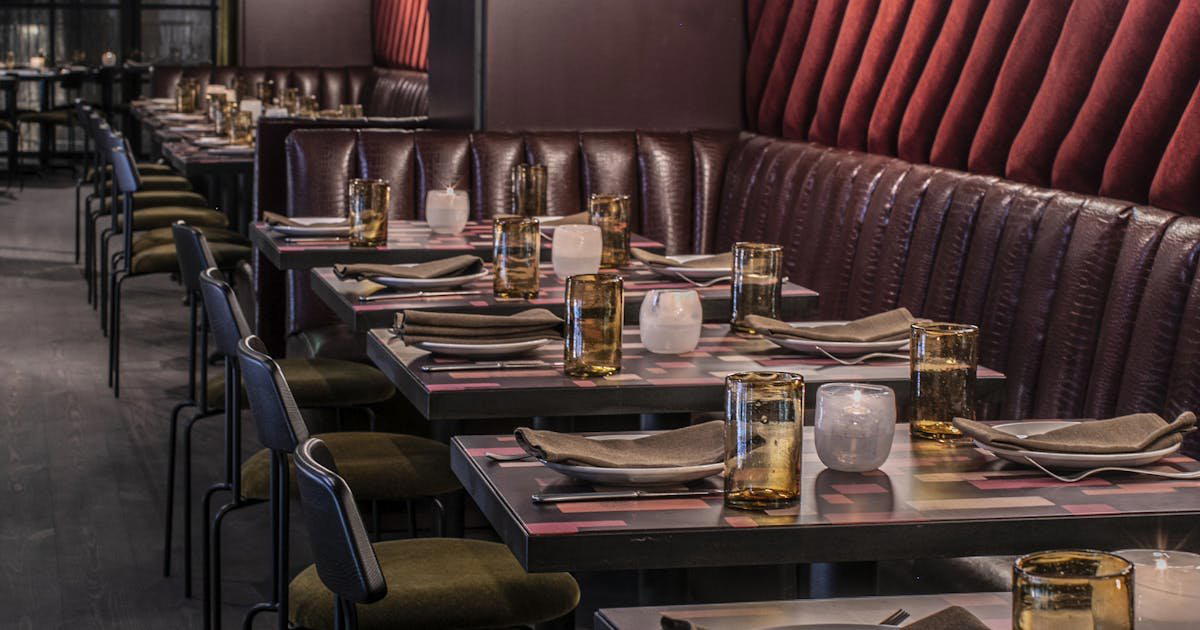
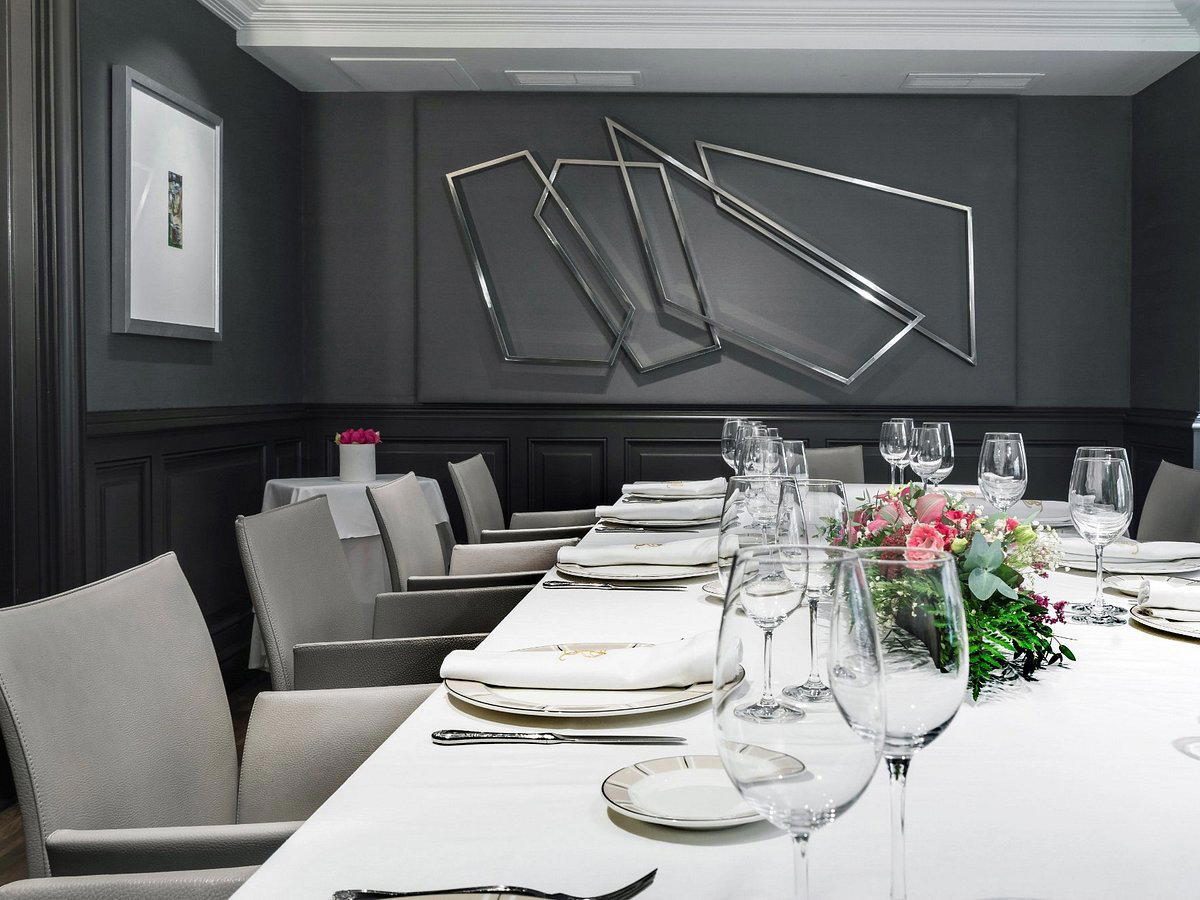
Bars in Pamplona
All bars in Pamplona →

Details
- Elegant
- Cozy
- Intimate
- Sophisticated
- Date Night
- Special Occasion
- Open Kitchen
- Extensive Wine List
- A La Carte
Current opening hours
- Monday
- Closed
- Tuesday
- Closed
- Wednesday
- 1:30–3:30 PM
- Thursday
- 1:30–3:30 PM
- Friday
- 1:30–3:30 PM, 9–10:30 PM
- Saturday
- 1–3:30 PM, 9–11:30 PM
- Sunday
- 1:30–3:30 PM
Hours can change for holidays and private events. Hours as of .
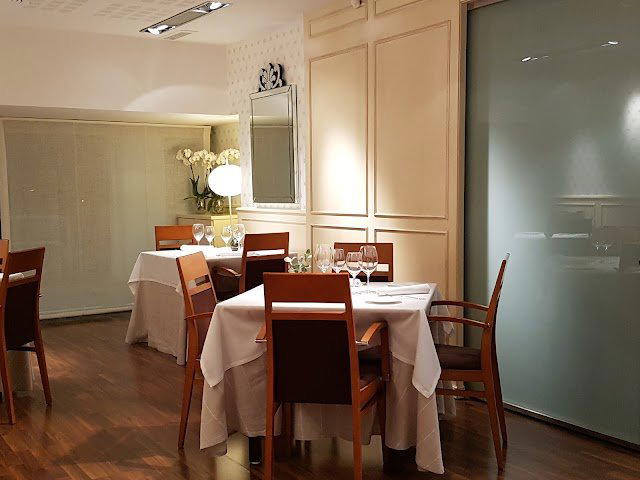
Cozy and elegant with modern finesse, musical atmosphere, small tables, and refined lighting creating an intimate dining experience.