
A Michelin Plate recipient in consecutive years (2024 and 2025), Lertrod sits opposite Phuket International Airport in Sakhu and delivers central and southern Thai cooking that prioritises technique over theatre. Air-conditioned, photo-menu friendly, and priced at the accessible end of the island's dining spectrum, it draws both passing travellers and locals who know the kitchen's sourcing habits well.
Pearl is the En Primeur Club membership app — saves, bookings, and concierge access live there. Same editors, same standards.
- Address
- 17, 1 ซอย 7, Sakhu, Thalang District, Phuket 83110, Thailand
- Phone
- +66 90 323 2321
- Website
- facebook.com
- Directions
- Get directions
 Saves & bookings on Pearl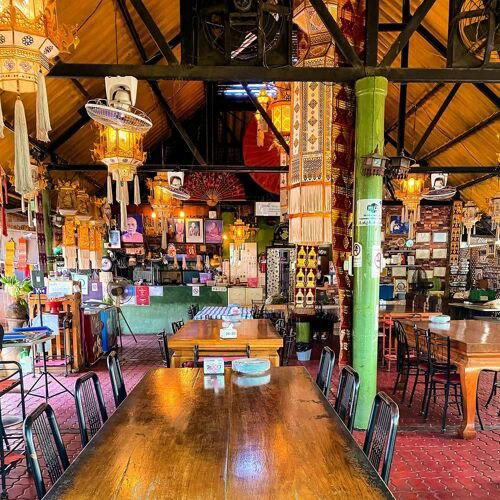
Airport proximity, culinary seriousness
The stretch of road facing Phuket International Airport is not where most visitors expect to encounter food worth a detour. Arrival corridors tend to be dominated by convenience-first operators, and Thalang District rarely features in itineraries built around the island's southern beaches. Lertrod sits in that overlooked zone, on Soi 7 in Sakhu, and is a casual Southern Thai Local Kitchen known for consistent quality. In the broader context of Phuket dining, where four-symbol prices at venues like PRU or the heritage rooms of Blue Elephant define one end of the spectrum and canteen-style Thai fills the other, Lertrod occupies a distinct low-price position with ingredient sourcing that punches above it.
The four-pillar logic of southern Thai cooking
Thai cuisine at its most precise operates on a balance of four sensory pressures: sour, salty, spicy, and sweet. Central Thai cooking tends to moderate these forces, pulling heat back and allowing sweetness more space. Southern Thai cooking does something different, it sharpens the sour register, pushes the spicy end harder, and uses aromatics like turmeric, galangal, and dried shrimp paste in concentrations that leave little room for softness. Lertrod's kitchen works across both traditions, and that dual fluency is part of what distinguishes it from restaurants that commit entirely to one regional style.
The sour curry option on the menu illustrates this well. The dish allows a choice of pickling agent, bamboo, coconut shoots, or pineapple, each of which shifts the sourness profile differently. Pickled bamboo brings a restrained, earthy acidity; pineapple amplifies the citric register and adds a slight sweetness that tempers the heat; coconut shoots occupy the middle of that range. This is not customisation for its own sake: it reflects a genuine understanding of how sourness functions as a structural element in southern Thai cooking, where the tamarind-and-coconut base of a kaeng som is a vehicle for the sourness rather than the feature itself. Venues like Sorn in Bangkok have built serious reputations on southern Thai precision at considerably higher price points; Lertrod operates the same culinary logic at a fraction of the cost.
Sourcing as technique
In Thai cooking, ingredient quality is inseparable from flavour balance. A sour curry built on farmed fish and industrial chillies will produce an acceptable dish; one built on fresh-caught local fish and market-sourced aromatics produces a different category of result entirely. Lertrod's kitchen sources from local farmers and fishermen, and that supply chain shows in the deep-fried seabass with fish sauce, a dish the restaurant has built a reputation around. The seabass preparation is technically direct, frying, sauce, texture, but the quality of the fish determines whether the dish coheres. Fish sauce itself, as a flavour agent, concentrates the salty register and amplifies the umami base, and when the fish is fresh, the sauce works as an accent rather than a corrective. This is the kind of dish that reads as simple on a menu and reveals itself in execution.
For comparable sourcing-led Thai cooking at different price points and in different parts of Thailand, AKKEE in Pak Kret and Aeeen in Chiang Mai each take regional ingredient discipline seriously. On Phuket itself, Buabok and Chuan Chim operate within comparable price tiers and offer useful points of comparison for how local sourcing translates across different formats.
A room designed for clarity, not theatre
The interior is air-conditioned and well-lit, a design choice that prioritises legibility and comfort over atmosphere-building. Bright spaces in Thai restaurant culture often signal a focus on the food rather than the setting, the visual equivalent of a dish that arrives without architectural plating. The menu is written in Thai, English, and Chinese, with photographs throughout, which makes the ordering process accessible without requiring a guide or prior familiarity with the dishes. For travellers arriving into or departing from Phuket, this functional clarity is part of the offer: no navigation required beyond knowing what looks good.
This contrasts with the heritage-presentation model at places like Baan Rim Pa Patong, where the setting carries significant weight in the overall experience, or the more international register of restaurants like Gorjan. Lertrod's room removes that layer entirely and places all the work on the plate. Given the Michelin recognition, the approach holds.
Context in the Thai Michelin tier
Thailand's Michelin programme has consistently recognised street-level and neighbourhood Thai cooking alongside fine dining, which gives the Plate designation a different meaning here than it carries in, say, Paris or Tokyo. A Michelin Plate in Thailand signals consistent quality and kitchen discipline; it does not imply white tablecloths or multi-course architecture. Lertrod sits within a cohort of Thai restaurants where the recognition functions as quality certification for everyday-format cooking. For reference points at higher price tiers within the Thai canon, Nahm in Bangkok and Samrub Samrub Thai represent what the premium end of the same culinary tradition looks like with additional resources behind it.
Planning a visit
Lertrod is located at 17, Soi 7, Sakhu, Thalang District, Phuket 83110, directly opposite the airport, making it a natural first or last stop on an island itinerary. The restaurant is open daily from 10 AM to 10 PM, and arriving in person is the practical approach. The restaurant is walk-in friendly.
For a broader map of the island's dining options, our full Phuket restaurants guide covers the range from airport-adjacent neighbourhoods to the southern beaches.
Peers You’d Cross-Shop
Comparable venues nearby, for context on price, style, and recognition.
| Venue | Cuisine | Price | Notes |
|---|---|---|---|
| LertrodThis venue — the venue you are viewing | Southern Thai Local Kitchen | $ | Not listed |
| Shrimp Noodles Ao Kae | Hokkien Prawn Noodles | $ | Mueang Phuket |
| Jongjit Kitchen | Southern Thai | $ | Kathu |
| Jadjan | Southern Thai Street Food | $ | Mueang Phuket |
| Roti Thaew Nam | Phuket-Style Roti and Curry | $ | Mueang Phuket |
| Chuan Chim | Thai-Chinese Seafood | $ | Mueang Phuket |
Recognition history
Dated appearances from independent guides and award organizations, with the underlying list record or original source where available.
Michelin Plate
Michelin
Michelin Plate
Michelin
Michelin Plate
Michelin

At a Glance
- Casual
- Rustic
- Casual Hangout
- Family
- Group Dining
- Solo
- Open Kitchen
- Local Sourcing
Current opening hours
- Monday
- 10 AM–10 PM
- Tuesday
- 10 AM–10 PM
- Wednesday
- 10 AM–10 PM
- Thursday
- 10 AM–10 PM
- Friday
- 10 AM–10 PM
- Saturday
- 10 AM–10 PM
- Sunday
- 10 AM–10 PM
Hours can change for holidays and private events. Last verified .
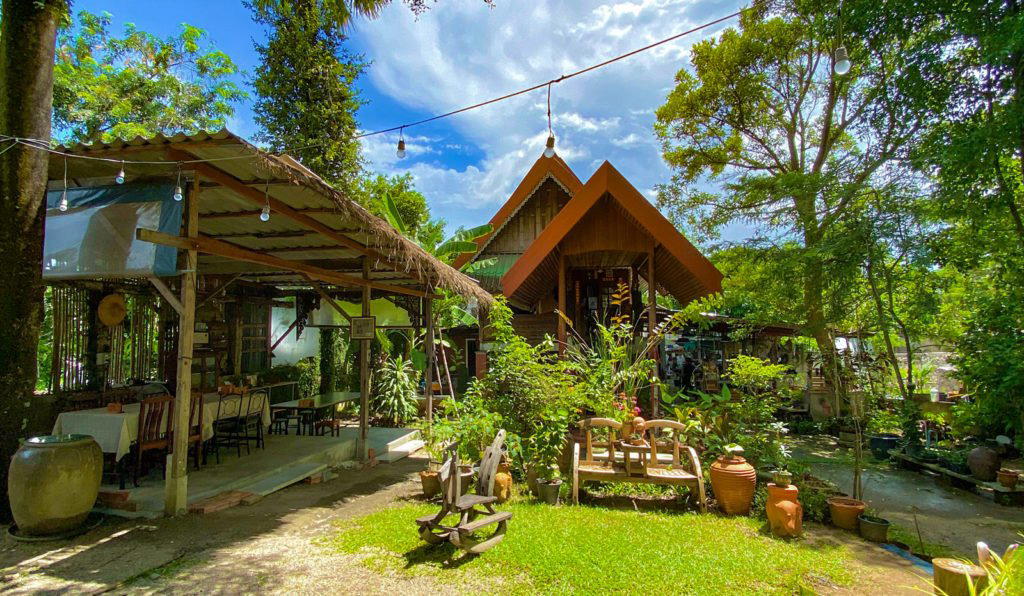
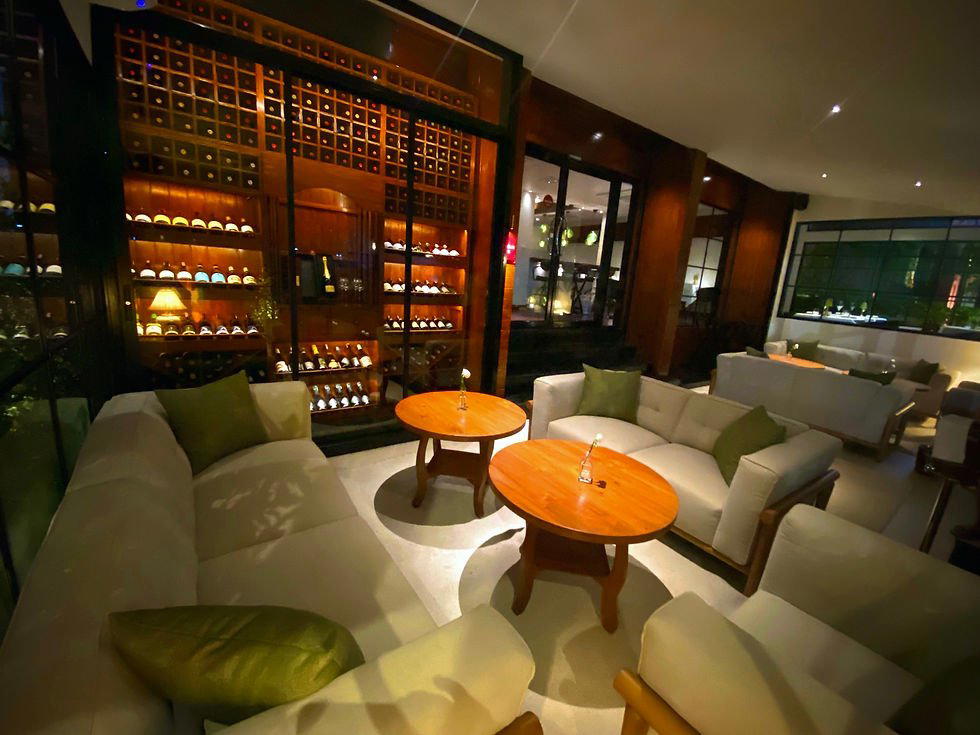
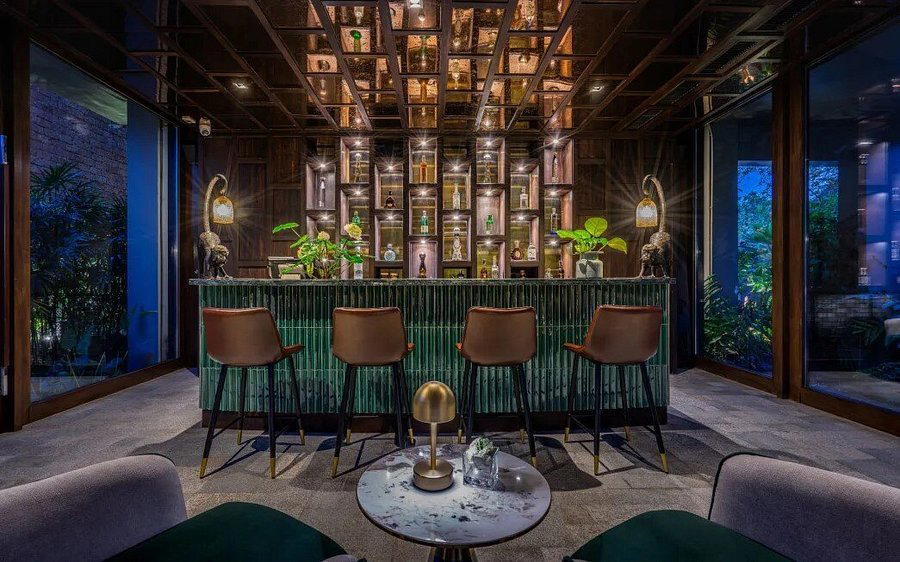
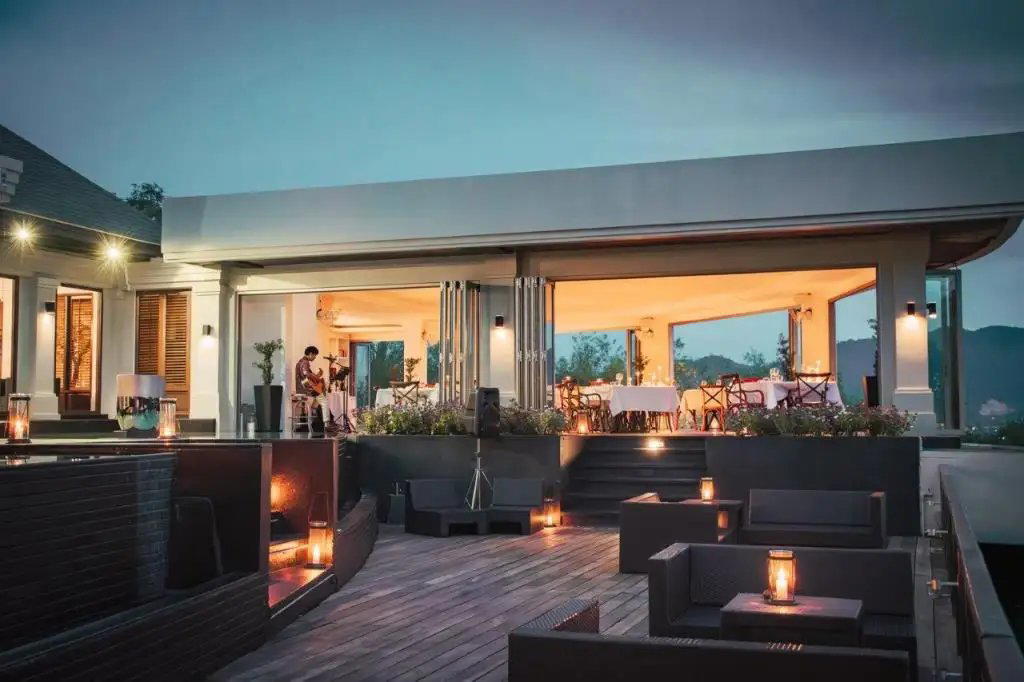
Bright, air-conditioned dining space with simple, modest decor and an open kitchen where you can watch skilled cooks prepare dishes; casual fast-food atmosphere but meticulously clean with genuine warmth from staff.