
Michelin Plate
Our verdict
A former tearoom on the Brugse Baan that Ellen and Christopher have reshaped into one of the West Flemish coast's most quietly serious dining rooms. The wine list punches well above its rural postcode, and the à la carte format, where guests are encouraged to compose their own menu, delivers coastal produce with technical precision. The quality-to-pleasure ratio is difficult to match in this part of Belgium.

Pearl is the En Primeur Club membership app, where members save venues, book tables and use the concierge.
The menu
What to order
- Hand-shelled shrimps with burrata
- Turbot with bearnaise
Where the Belgian Coast Gets Serious About the Plate
The road between Bruges and De Haan runs through a stretch of West Flanders that most visitors pass without stopping. Vlissegem sits quietly along that corridor, a village more associated with polders and cycling routes than with the kind of cooking that warrants a detour. Lepelem, on the Brugse Baan, occupies a building that began its life as a tearoom, a format that, in Flemish village culture, implies lace curtains, layer cake, and an early closing time. What Ellen and Christopher have built inside that former tearoom is something rather different: a dining room that rewards the drive and suggests that Belgium's coastal hinterland is still producing serious tables without needing to announce itself in Bruges or Ghent first.
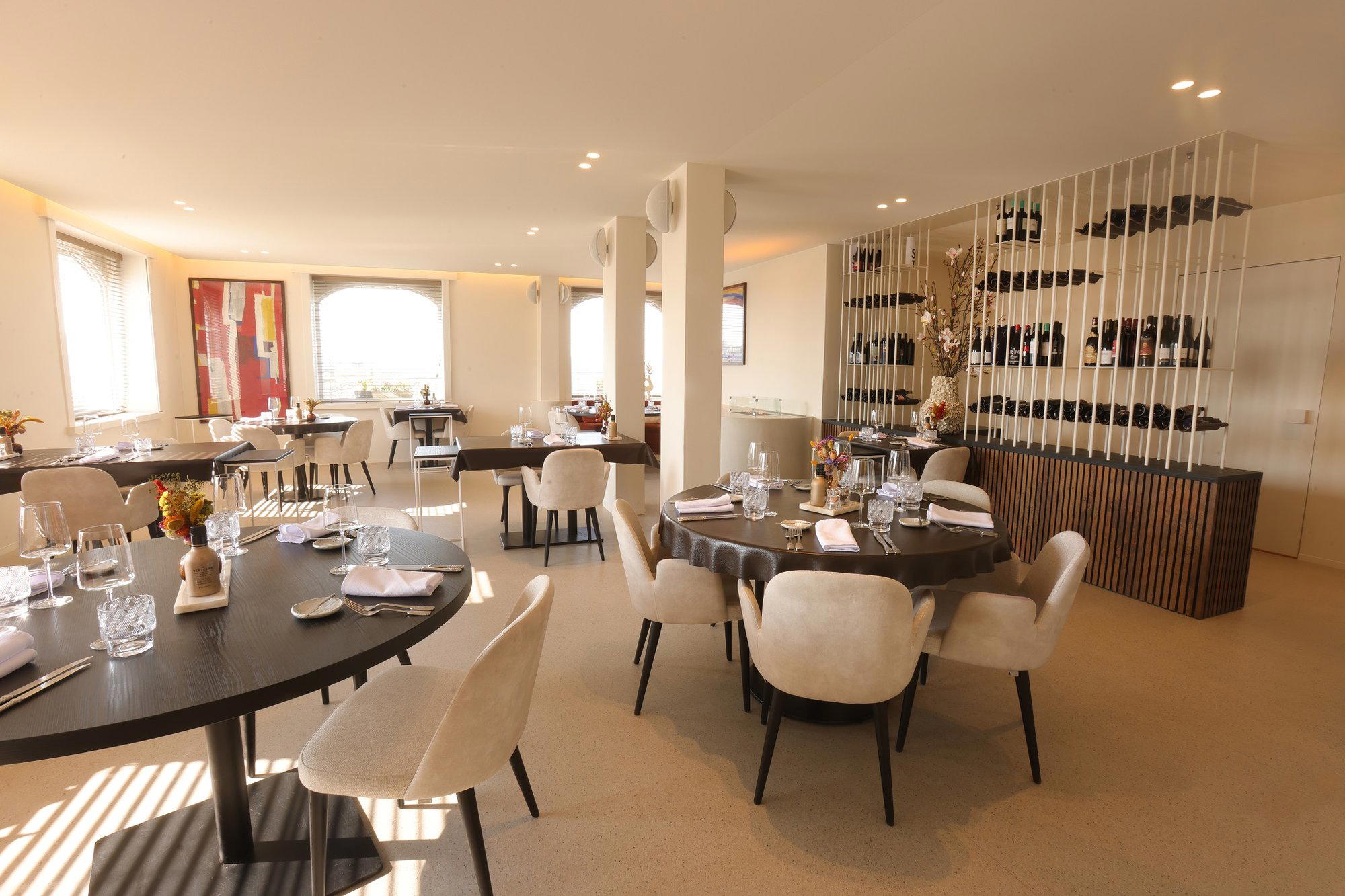
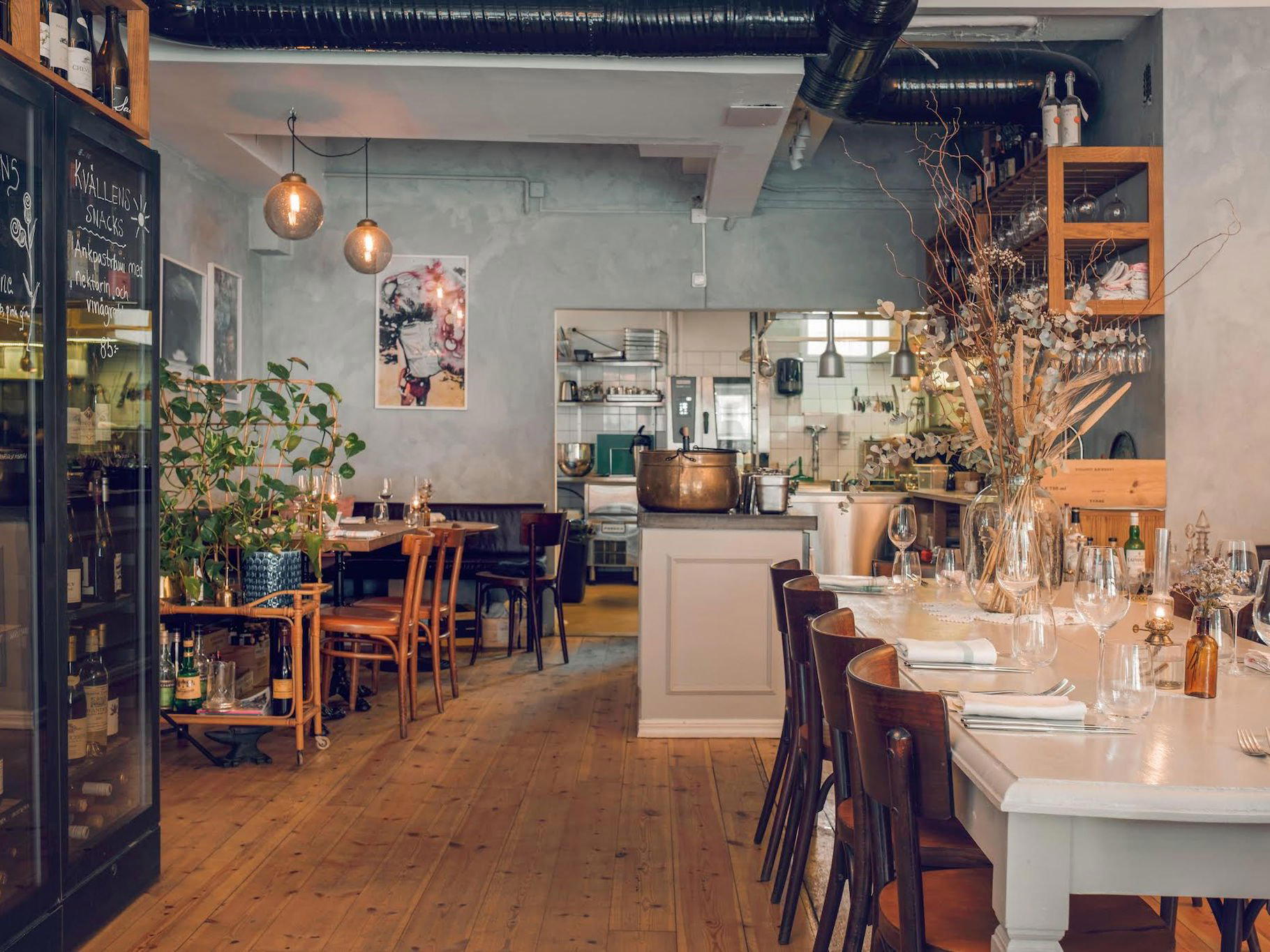
The transformation from tearoom to smart restaurant is visible in the tone of the room as much as its fittings. The atmosphere reads as what reviewers have described as a genuine home-from-home, not the affected rusticity of a country-house hotel, but a place that feels inhabited, considered, and calm. For the Belgian coast, where the dining offer tends to bifurcate between brasserie seafood and destination tasting menus with serious price tags to match, Lepelem occupies a thoughtful middle position. It sits closer in spirit to the restrained, produce-led rooms gaining ground across Flanders than to the showier end of coastal dining.
Produce as the Point: What Reaches the Table and Why It Matters
Belgian coastal cooking has a clear geographic logic: the North Sea supplies the shrimps, the sole, the turbot; the polders behind the dunes supply the dairy, the vegetables, the herbs. At its finest, this is a larder that barely needs embellishment. The question any serious kitchen along this coast must answer is whether it handles those ingredients with enough discipline and intelligence to justify a restaurant rather than a good fish stall.
At Lepelem, the evidence points firmly toward yes. The hand-shelled shrimps, a reference ingredient along this stretch of coast, where the grey shrimp remains one of Belgium's most protected culinary signatures, appear here paired with a creamy burrata, pickled watermelon, and a fragrant dashi. That combination is worth pausing over. The dashi signals a kitchen comfortable with umami scaffolding from outside the local tradition; the pickled watermelon provides the acidity that would otherwise come from a squeeze of lemon or a dash of vinegar. The shrimp anchors it to place. What could read as fusion drift is instead a demonstration of how familiar coastal produce can carry more technical weight without losing its identity.
The turbot, a fish that Belgium's North Sea kitchens have been cooking well for generations, arrives here with a silky béarnaise that speaks to the French-Flemish culinary continuum running from the Belgian coast through to northern France. At a restaurant like Le Bernardin in New York City, turbot commands attention as a luxury import; here it arrives closer to its source, and the béarnaise grounds it in a tradition that feels appropriate rather than referential. The sourcing advantage that a coastal Belgian kitchen holds over its urban counterparts is real, and Lepelem appears to understand that advantage without over-explaining it.
Christopher's approach to the menu structure reinforces this reading. Guests are encouraged to compose their own à la carte menu rather than follow a fixed sequence. In a dining era that has seen tasting-menu fatigue spread across the European restaurant conversation, with even some multi-starred rooms beginning to reintroduce à la carte options, that structural choice feels less like a concession and more like a considered position. The kitchen's job is to juggle familiar flavours with complex preparations, and that task is arguably better served when the diner has a hand in the architecture of the meal.
For the wider Belgian coastal scene, Lepelem sits in a peer group that includes Bartholomeus in Heist and Willem Hiele in Oudenburg, rooms where the North Sea's produce is handled with genuine technical seriousness rather than used as set dressing for tourist menus. Further inland, the standard set by Boury in Roeselare and Hof van Cleve in Kruishoutem defines what Flemish creative cooking can achieve at its most ambitious; Lepelem is not chasing that register, but it understands the same underlying commitment to sourcing and execution. Nearby in Vlissegem itself, Kok Sur Mer represents another point of reference for the village's quietly growing dining reputation.
The Wine List as a Separate Argument
In Belgian village restaurants, the wine list is often an afterthought, a serviceable selection of recognisable labels calibrated to avoid complaint rather than to generate conversation. Lepelem's list is, by the account of those who have sat at the table, something that will knock your socks off. That is a specific kind of praise in a country where serious wine programs tend to concentrate in urban restaurants: in Brussels at Bozar Restaurant, in Antwerp at Zilte, or in the kind of destination rooms at De Jonkman in Sint-Kruis and Castor in Beveren that command a pre-planned visit. A wine list that generates genuine surprise in a converted tearoom on a rural Flemish road is an editorial detail worth noting, and it raises the stakes of the overall experience considerably.
The combination of a serious wine list with an à la carte format that gives diners compositional freedom produces a particular kind of evening. It is not the structured progression of a tasting menu with matched pours; it is something looser, more conversational, and arguably more satisfying for guests who know what they want from both food and wine. Creative peers elsewhere in Belgium, from Cuchara in Lommel to d'Eugénie à Emilie in Baudour, have built strong reputations on similarly guest-directed formats. Lepelem fits that pattern while adding the geographic specificity of the coast.
Planning a Visit
Lepelem is at Brugse Baan 16 in Vlissegem, Belgium, a short drive from both Bruges and De Haan along the coastal road. Given that phone and booking details are not publicly listed through standard channels, the most reliable approach is to consult the restaurant directly through local directories or to check current availability through Belgian restaurant platforms, where Lepelem appears in regional listings. The format suits guests who want a proper meal rather than a quick cover, so arriving without a reservation on a weekend carries obvious risk in a room of this character. For the wider area, our full Vlissegem restaurants guide covers the current dining picture; the Vlissegem hotels guide, bars guide, wineries guide, and experiences guide round out the planning picture for a longer stay on the Flemish coast.
Frequently asked questions
Is Lepelem good for families?
The home-from-home atmosphere Ellen and Christopher have built at Brugse Baan 16 is warm rather than stiff, but the kitchen's technical ambition, hand-shelled shrimps paired with burrata and dashi, turbot with béarnaise, makes it better suited to adults who want to eat deliberately. Families with younger children may find the cooking focus a mismatch for the occasion.
How would you describe the vibe at Lepelem?
A former tearoom that has been quietly transformed into a smart restaurant, Lepelem sits in a register that is relaxed without being casual. The room retains a domestic warmth, the hosts describe it as a home-from-home, while the wine list and à la carte format signal that serious eating is the point.
What distinctions does Lepelem have?
Lepelem has received recognition including: Ellen and Christopher have gradually turned a former tearoom into a smart restaurant. An exquisite home-from-home vibe and a wine list that will knock your socks off are among its standouts. Christopher enthusiastically offers diners the po….
What should I eat at Lepelem?
The coastal produce anchors the menu: hand-shelled grey shrimps treated with considerably more technical ambition than the Belgian standard, and turbot described as juicy and paired with a silky béarnaise. Christopher's approach, composing à la carte menus with familiar flavours framed by complex preparations, means the kitchen's method is clearest in those two dishes.
Where is Lepelem in Vlissegem?
Lepelem is located at Brugse Baan 16, Vlissegem.
What's the best way to book Lepelem?
No website or published phone number is currently listed for Lepelem at Brugse Baan 16, Vlissegem. Belgian restaurant reservation platforms and local directories in the Bruges or De Haan area are the most practical starting points for confirming availability and booking details.
What's the signature at Lepelem?
The hand-shelled shrimps with burrata, pickled watermelon, and dashi capture the kitchen's logic in a single dish: a North Sea coastal ingredient repositioned through Japanese technique and Italian dairy. It is the clearest demonstration of Christopher's knack for pairing familiar Belgian flavours with preparations that carry considerably more complexity beneath the surface.
A Quick Peer Check
Comparable venues nearby, for context on price, style, and recognition.
| Venue | Cuisine | Price | Awards | Notes |
|---|---|---|---|---|
| LepelemThis venue (the venue you are viewing) | Modern French | Not listed | Michelin Plate | Not listed |
| Kok Sur Mer | Modern French | $50–100 | Michelin Bib Gourmand | Vlissegem |
| ATELIER D THE BISTRO | Franco-Belgian Bistro | $50–100 | Michelin Plate | St-anna |
| Assiette Blanche | Modern Franco-Belgian Bistro | $50–100 | Michelin Plate | St-anna |
| Nova | Modern Belgian Farm-to-Table | $50–100 | Michelin Plate | near Grand Place |
| Bistro Mathilda | Modern French-Belgian Bistro | $50–100 | Michelin Plate | Ostend Center |
Recognition history
Dated appearances from independent guides and award organizations, with the underlying list record or original source where available.
Michelin Plate
Michelin
Continue exploring
More in Vlissegem
Restaurants in Vlissegem
All restaurants in Vlissegem →
Bars in Vlissegem
Browse all →
Hotels in Vlissegem
Browse all →
Wineries in Vlissegem
Browse all →
Details
- Cozy
- Intimate
- Elegant
- Date Night
- Family
- Business Dinner
- Open Kitchen
- Extensive Wine List
- Local Sourcing
- A La Carte
- Wine
- Vegetarian Friendly
Current opening hours
- Monday
- Closed
- Tuesday
- 12–2:30 PM
- Wednesday
- 12–2:30 PM
- Thursday
- 12–2:30 PM
- Friday
- 12–2:30 PM, 6–11 PM
- Saturday
- 12–2:30 PM, 6–11 PM
- Sunday
- Closed
Hours can change for holidays and private events. Hours as of .
Precise home-from-home vibe with warm, cozy, and tastefully decorated interior.