

Michelin Guide Plate · Michelin Plate
Our verdict
A Michelin Plate-recognised claypot bak kut teh stall in Bukit Merah, Leon Kee has earned a loyal neighbourhood following for its pork rib soup served in the traditional claypot format. Priced at street food rates, it occupies a small hawker unit at 120 Bukit Merah Lane 1 and draws a repeat clientele that returns not for novelty but for consistency.

Pearl is the En Primeur Club membership app, where members save venues, book tables and use the concierge.

The menu
What to order
- Pork Rib Soup
- Pig Tail Soup
- Pig Stomach Soup
The Claypot and the Crowd That Keeps Coming Back
Bukit Merah's hawker blocks operate at a frequency that most restaurant dining rooms never reach. Regulars arrive with a specific stall in mind, take their usual seats, and expect the same bowl they had last week. It is a form of loyalty that has nothing to do with loyalty programmes and everything to do with a cook who does not change what is working. Leon Kee Claypot Pork Rib Soup, at 120 Bukit Merah Lane 1, #01-18, sits inside that pattern. The Michelin Plate recognition it earned in 2024 is a credential that confirms what the regulars already knew, not a discovery that changed the stall's character.
Bak Kut Teh and the Claypot Tradition
Bak kut teh, pork rib soup, is one of Singapore's most practised hawker formats, and it carries a clear internal logic. The Teochew version tends toward a clear, peppery broth; the Hokkien variant runs darker with soy and spice. The claypot format, which Leon Kee uses as its defining method, is the older domestic approach: the pot retains heat longer than a metal vessel, which means the soup at the bottom of the bowl stays hotter longer and the pork ribs continue to cook in the residual warmth at the table. That retention of heat is not a cosmetic choice. It changes the eating experience in a way that a bowl served in a conventional dish does not replicate.
The tradition sits in a different register from the format's more prominent commercial expressions. Larger bak kut teh chains have standardised and scaled the dish, often moving away from claypot service in favour of speed. The hawker stalls that keep the claypot method tend to be smaller operations in residential precincts, serving a neighbourhood clientele rather than a citywide dining public. Bukit Merah, a mature residential estate in the southern corridor of Singapore island, is exactly the kind of postcode where this format persists. It is not a heritage district or a tourist cluster; it is a working neighbourhood, and the hawker centre on Bukit Merah Lane 1 functions accordingly.
What the Regulars Order
The regulars at a claypot bak kut teh stall develop a specific ordering vocabulary over time. The standard entry point is a claypot of pork ribs in clear pepper broth, but the unwritten menu at most stalls of this type includes variations on the cut: spare ribs for more meat, prime ribs for a cleaner bite, or a mixed claypot that combines both. Side dishes typically extend to braised tofu, preserved vegetables, and you tiao (fried dough fritters), which serve as broth-soaking instruments rather than standalone items. Steamed white rice, served separately, anchors the meal and balances the salt of the broth.
A 3.9 score across a small, concentrated review set often indicates a customer base that rates on consistency rather than occasion. These are people who know what they are ordering and are assessing whether it met their standard, not whether it surprised them. That is a different kind of trust relationship than a venue that scores highly on first-visit enthusiasm.
Hill Street Tai Hwa Pork Noodle model, a hawker institution that built its reputation on a single dish executed consistently over decades, illustrates how Michelin recognition in the street food tier tends to work in Singapore: the award follows the reputation rather than creating it. Leon Kee's 2024 Michelin Plate sits in that same logic. The Plate designation, which Michelin uses to acknowledge quality cooking below the star threshold, signals that the kitchen meets a consistent technical standard without claiming the kind of exception that a star implies.
Where Leon Kee Sits in Singapore's Street Food Tier
Singapore's Michelin-recognised hawker and street food circuit now spans a range of formats and price points. The single-dollar-sign price tier, street food rates, which Leon Kee operates within, represents the most democratic segment of that circuit. Stalls like 545 Whampoa Prawn Noodles, 91 Fried Kway Teow Mee, and A Noodle Story each occupy a narrow format with deep technical commitment, and they attract a visitor who wants to eat well without the staging of a restaurant experience. Leon Kee belongs in that company. It is not in competition with Adam Rd Noo Cheng Big Prawn Noodle or the more elaborate formats; it occupies a specific and narrow segment of Singaporean hawker culture and does not try to be anything else.
At the higher end of the city's dining spectrum, a different set of conversations is happening. Venues like Zén, operating at the $$$$ tier with European contemporary cooking, or Born, with its creative cuisine format, represent Singapore's ambitions in international fine dining. That world and the Bukit Merah hawker block are not in dialogue with each other, but both are part of what makes the city's food culture function at the level it does. The hawker infrastructure provides the civic and culinary foundation that the fine dining tier builds on. Singapore's Michelin recognition of street food stalls, which began in 2016 with Hawker Chan and has continued to expand, is a structural acknowledgment of that relationship.
For a broader view of how the city's street food tradition connects to its restaurant scene, regional comparisons are instructive. The claypot method at Leon Kee has parallels in other Southeast Asian hawker traditions: the charcoal-fired claypot rice of Cantonese cooking, the earthenware broth pots of Thai street stalls like Anuwat in Phang Nga, and the single-dish hawker format practised across George Town in venues like 888 Hokkien Mee and Ah Boy Koay Teow Th'ng. The regional DNA is shared even where the specific dish differs.
Planning a Visit
Leon Kee operates from the hawker centre at 120 Bukit Merah Lane 1, #01-18. The Bukit Merah precinct is accessible from the Redhill MRT station on the East West Line, which is a short walk from the estate's main hawker facilities. Budget: Street food pricing, consistent with the single-dollar-sign tier, expect to spend comfortably under S$15 per person including sides and rice. Reservations: No booking system; queue at the stall. Arrival before peak lunch or dinner service reduces wait time. Dress: No dress code; hawker centre attire is the norm. Timing: The stall's Michelin Plate recognition means that post-award visibility may have increased foot traffic modestly, but the core customer base remains neighbourhood regulars rather than destination visitors.
For the full range of Singapore's dining options across price tiers, see our full Singapore restaurants guide. For accommodation context, our Singapore hotels guide covers the city's full range. Drinking and bar options are covered in our Singapore bars guide, and cultural and experiential programming in our Singapore experiences guide.
What Do Regulars Order at Leon Kee Claypot Pork Rib Soup?
The standard order among returning customers at a claypot bak kut teh stall of this type, and Leon Kee fits the pattern, centres on a claypot of pork ribs in peppery clear broth, supplemented by you tiao for broth absorption and a side of preserved vegetables to cut the richness. White rice is ordered separately. The claypot format means the broth stays at temperature through the meal, so there is no need to rush. The stall's Michelin Plate (2024) and its neighbourhood reputation among Bukit Merah residents indicate that this core offering is what the kitchen executes with consistency, the regulars return for that broth and that specific texture of rib, not for rotation or reinvention. Across the wider Michelin-recognised street food circuit in Singapore, which includes formats from prawn noodles to char kway teow covered in our Singapore restaurant listings, Leon Kee's format is among the more defined: one dish, one method, one reason to come back.
Frequently asked questions
What's the address for Leon Kee Claypot Pork Rib Soup?
Leon Kee Claypot Pork Rib Soup is located at 120 Bukit Merah Lane 1, #01-18, Singapore 150120, Singapore.
What's Leon Kee Claypot Pork Rib Soup known for in terms of accolades?
Leon Kee Claypot Pork Rib Soup has received recognition including: Michelin Plate (2024).
What do regulars order at Leon Kee Claypot Pork Rib Soup?
At a claypot bak kut teh stall operating in Singapore's Michelin Plate tier, the standard order centres on a claypot of pork ribs in clear, pepper-forward broth, the Teochew style that defines this format. Returning customers typically add side orders of braised offal or tofu and pair the soup with rice or dough fritters for soaking. Leon Kee's single-dollar-sign pricing means repeat visits are the norm, and most regulars build a consistent order across a handful of core items rather than varying widely.
Pricing, Compared
Comparable venues nearby, for context on price, style, and recognition.
| Venue | Cuisine | Price | Awards | Notes |
|---|---|---|---|---|
| Leon Kee Claypot Pork Rib SoupThis venue (the venue you are viewing) | Hokkien-style Claypot Bak Kut Teh | $1–10 | Michelin Guide Plate · Michelin Plate | Not listed |
| Tiong Bahru Lien Fa Shui Jing Pau | Teochew Crystal Dumplings | $1–10 | Michelin Guide Plate · Michelin Plate | ALEXANDRA HILL, Teochew Crystal Dumplings |
| Ah Heng Curry Chicken Bee Hoon | Singaporean Curry Chicken Bee Hoon Mee | $1–10 | Not listed | CHINA SQUARE, Singaporean Curry Chicken Bee Hoon Mee |
| Lao Fu Zi Fried Kway Teow | Singaporean Char Kway Teow | $1–10 | Michelin Guide Bib Gourmand · Michelin Plate | ALJUNIED, Singaporean Char Kway Teow |
| Poh Cheu (KPT Coffee Shop) | Handmade Traditional Chinese Kueh | $1–10 | Michelin Plate · Michelin Guide Plate | ALEXANDRA HILL, Handmade Traditional Chinese Kueh |
| Cheng Heng Kway Chap and Braised Duck Rice | Teochew Kway Chap and Braised Duck | $1–10 | Michelin Guide Plate · Michelin Plate | HOLLAND DRIVE, Teochew Kway Chap and Braised Duck |
Recognition history
Dated appearances from independent guides and award organizations, with the underlying list record or original source where available.
Michelin Guide Plate
Michelin Guide
Michelin Plate
Michelin
Continue exploring
More in Singapore
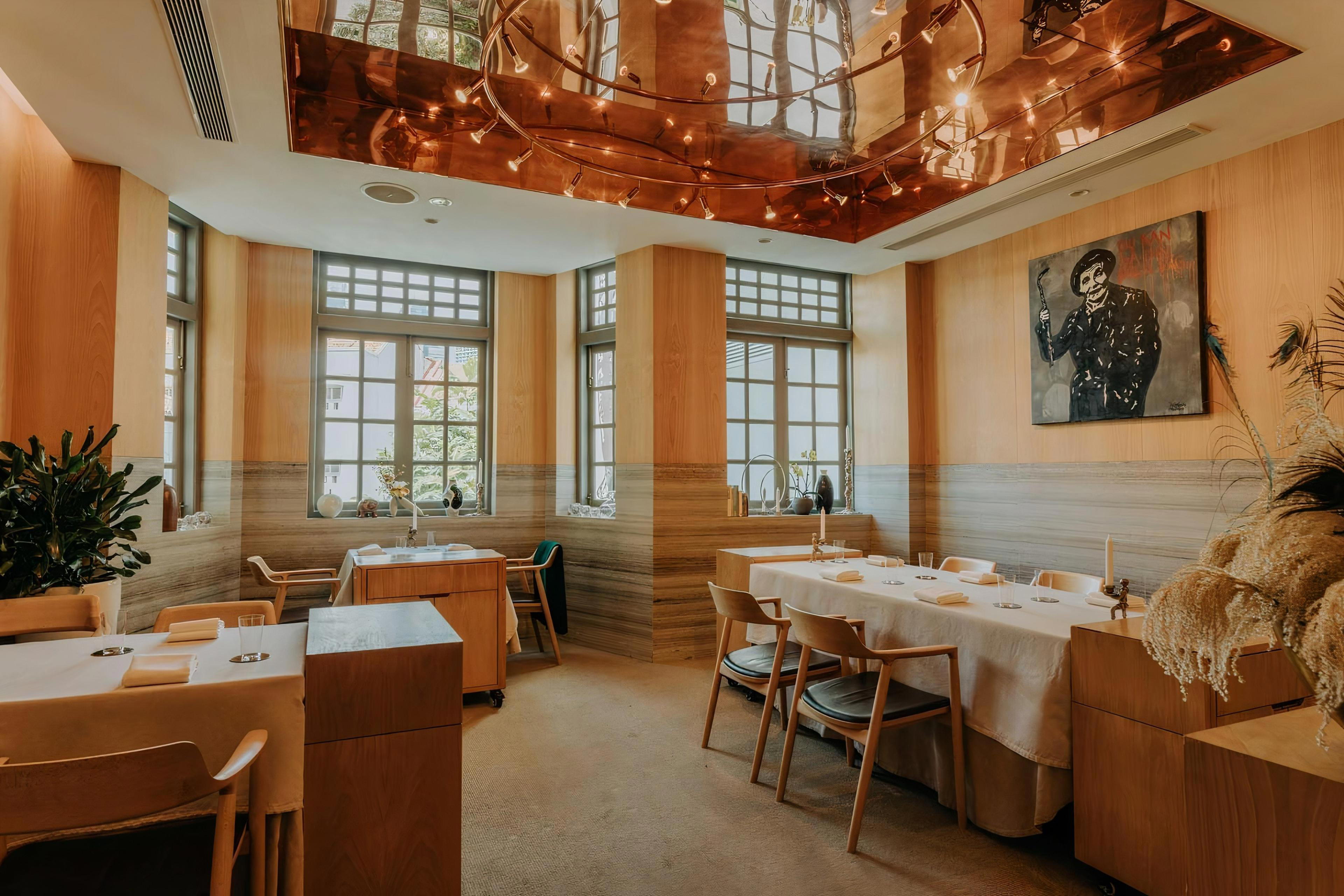
Restaurants in Singapore
All restaurants in Singapore →
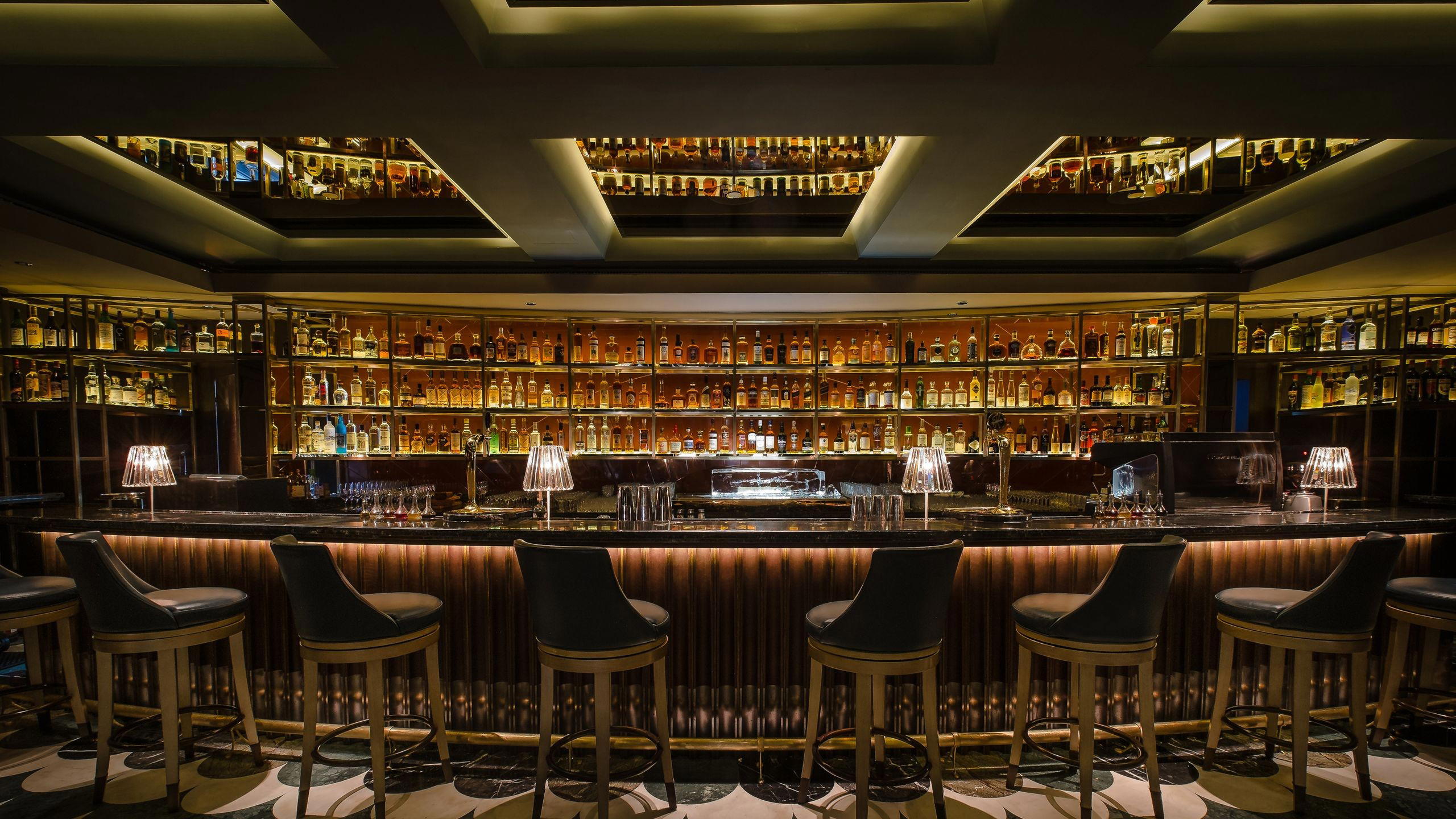
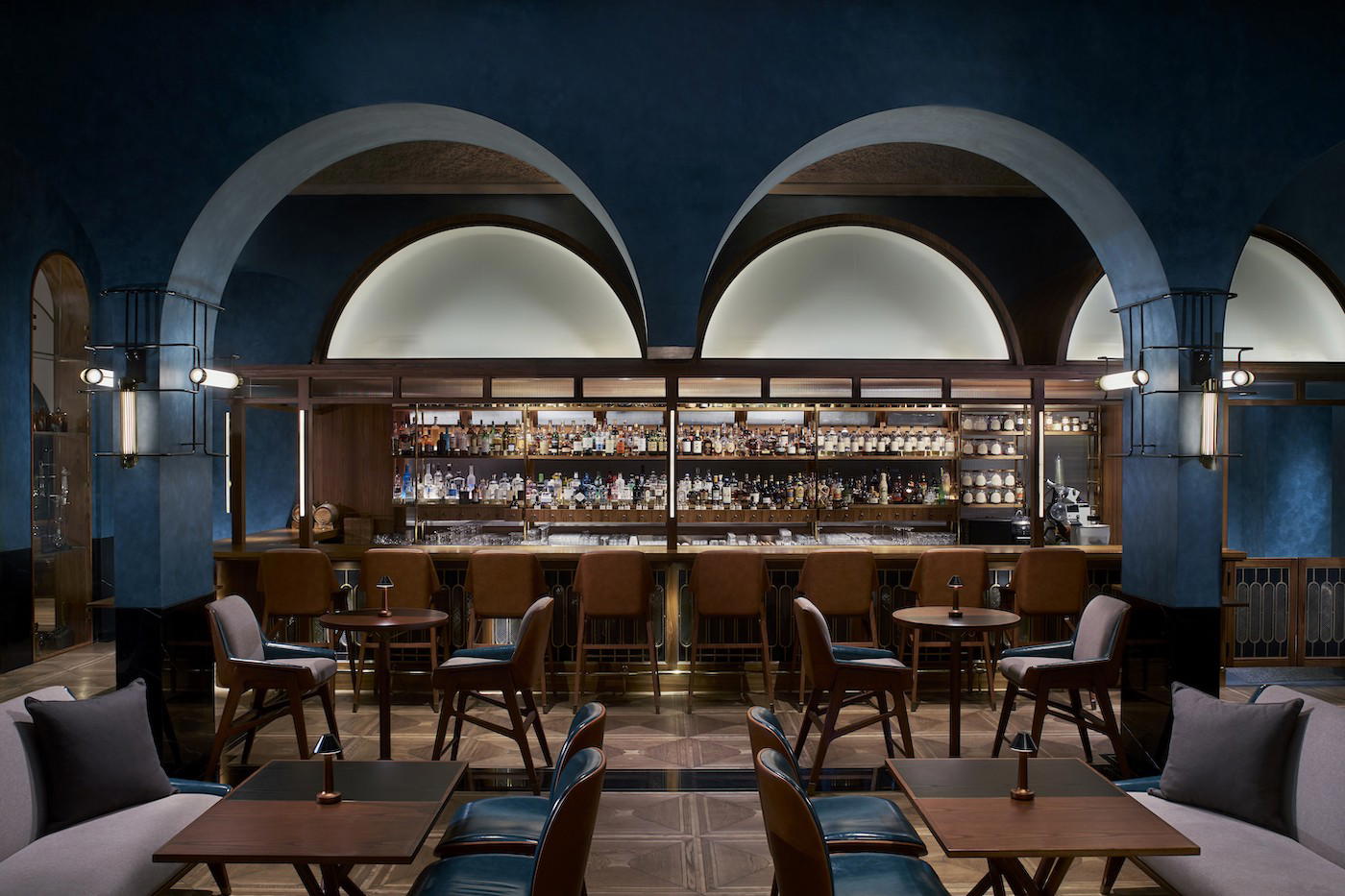
Bars in Singapore
All bars in Singapore →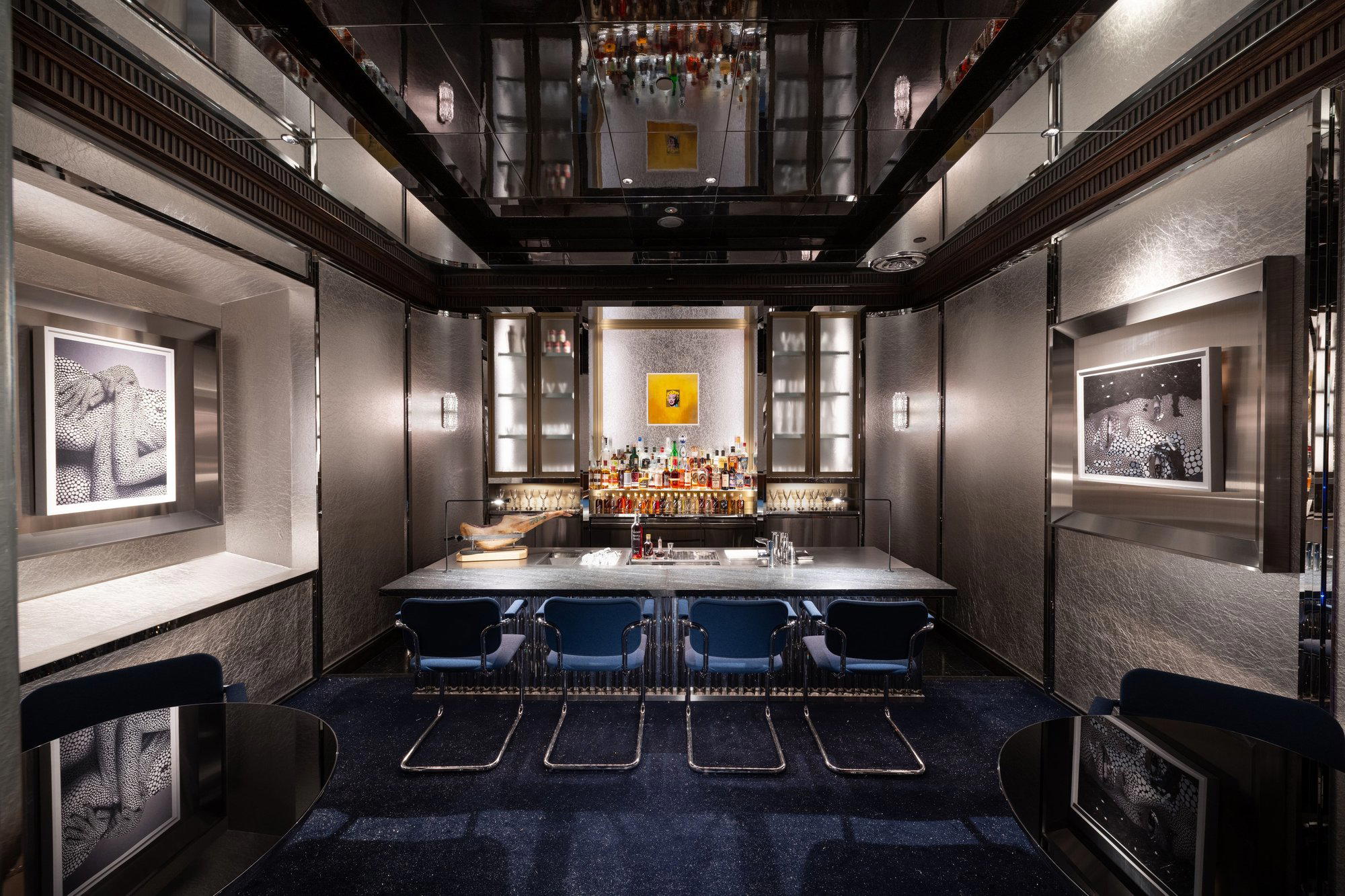

Details
- Cozy
- Casual Hangout
- Family
- Standalone
- A La Carte
Current opening hours
- Monday
- 9 AM–9 PM
- Tuesday
- 9 AM–9 PM
- Wednesday
- Closed
- Thursday
- 9 AM–9 PM
- Friday
- 9 AM–9 PM
- Saturday
- 9 AM–9 PM
- Sunday
- 9 AM–9 PM
Hours can change for holidays and private events. Hours as of .
Casual hawker stall atmosphere with focus on hearty, herbal soups served in claypots.