Legami


Wine Spectator Award of Excellence · Wine Enthusiast Best Wine Restaurants
Our verdict
Legami belongs to Charleston’s newer wine-led dining conversation, where sourcing, bottle culture, and King Street foot traffic increasingly shape the meal as much as cuisine labels do. Its clearest credential is Wine Enthusiast’s Best Wine Restaurants 2025 recognition for the Southeast, a signal that the restaurant is being read through wine service and regional relevance rather than tourist-district volume.

Pearl is the En Primeur Club membership app, where members save venues, book tables and use the concierge.
The menu
What to order
- Bone-in Veal Milanese
- Grouper in vicentina
- Tortellini wagyu
- Pollo milanese
King Street gives restaurants little room to hide. The street moves in layers: shoppers in daylight, dinner traffic after dark, hotel guests cutting across blocks, and locals measuring a dining room against Charleston’s long memory for seafood, produce, rice, and Lowcountry seasonality. In that setting, Legami is better understood as part of the city’s wine-and-ingredient turn than as a standalone address with a neat cuisine label.
Charleston dining has spent years negotiating two pressures at once. One is the visitor economy, which rewards recognisable formats and easy storytelling. The other is a sharper local standard around sourcing: fish with a short supply chain, vegetables that make sense in the coastal South, and menus that do not treat regional produce as decoration. Wine-led restaurants add a third layer, because the bottle list changes how a kitchen thinks about salt, acidity, fat, and pacing.
That context matters for Legami because its strongest public signal comes from Wine Enthusiast, which included it in its Leading Wine Restaurants 2025 list for the Southeast. That is not the same credential as a starred tasting-menu system; it points instead to a restaurant where wine is central to the editorial reading of the room. In Charleston, that places the conversation closer to producers, pairings, and ingredient discipline than to spectacle.
The broader Charleston map helps explain the shift. Spanish market cooking has a different rhythm at Malagón Mercado y Taperia, contemporary American cooking has another at Vern's, and seafood sourcing frames the appeal of Chubby Fish. Bintü Atelier broadens the city’s reference points, while Graft Wine Shop shows how strongly wine culture now sits inside Charleston’s dining identity. For a wider read on the city, use our full Charleston restaurants guide, then cross-check the trip through our full Charleston hotels guide, our full Charleston bars guide, our full Charleston wineries guide, and our full Charleston experiences guide.
Legami awards and recognition
Wine Enthusiast’s 2025 recognition is the useful trust signal here. The list is built around restaurants where wine programs carry editorial weight, and its Southeast category puts Charleston in a regional frame rather than a local popularity contest. For readers, that matters because wine recognition usually rewards range, point of view, and food compatibility, not only the size of a cellar.
Nationally, wine-driven dining can mean different things. At Le Bernardin in New York City, the conversation is tied to seafood precision and formal service; at The French Laundry in Napa and Single Thread Farm in Healdsburg, agricultural identity and cellar depth become part of the same luxury language. Benu in San Francisco, Atomix in New York City, Alinea in Chicago, Lazy Bear in San Francisco, and Emeril’s in New Orleans each show another model: tasting-menu architecture, Korean fine dining, experimental service, communal format, or modern Creole hospitality. Legami’s relevance is quieter and more Charleston-specific: a wine-recognised restaurant operating in a city where ingredient provenance carries social and culinary weight.
The sourcing angle is the part to watch. Charleston kitchens are judged harshly when they use Lowcountry language without Lowcountry logic. The better local rooms understand that coastal ingredients need restraint, not over-explanation, and that wine service can either clarify a menu or make it feel imported from another city. Legami’s award signal suggests the former: a restaurant being noticed for how wine sits with the meal rather than as a decorative inventory.
Getting to Legami
For planning purposes, Legami sits in Charleston’s King Street corridor, which means the meal belongs to a walkable downtown evening rather than a destination that requires building the night around transit. That centrality has a trade-off: the neighbourhood is convenient, but it also concentrates demand from visitors and locals in the same narrow dinner window. In a city where award mentions quickly change reservation behaviour, advance planning is the sensible move, especially around weekends, college events, major festivals, and high-season travel months.
The strongest reason to go is not a single dish or chef narrative, neither is publicly necessary to make the case. The draw is Charleston’s current dining question: how a restaurant can speak to local sourcing while competing in a wine-literate market. Legami belongs in that discussion, and the Wine Enthusiast nod gives the room a clear editorial hook for travelers who care as much about what is in the glass as what comes from the kitchen.
Frequently asked questions
Can I bring kids to Legami?
Legami’s address at 492 King St puts it in Charleston’s downtown dining corridor, so it fits a dinner out with children who are comfortable in a city restaurant setting.
What's the vibe at Legami?
Legami sits on King Street in Charleston, which points to a downtown dinner room rather than a casual neighborhood drop-in. Its Wine Enthusiast 2025 recognition suggests the experience is organized around wine as much as the table.
What distinctions does Legami have?
Legami has received recognition including:
Where is Legami located?
Legami is located at 492 King St, Charleston, SC 29403, Charleston.
Should I book Legami in advance?
Yes, planning ahead makes sense for Legami in Charleston, especially given its Wine Enthusiast 2025 recognition. A restaurant on King Street with that kind of editorial attention is the sort of place where tables are better treated as a scheduled dinner than an impromptu stop.
What do critics highlight about Legami?
Wine Enthusiast included Legami in its 2025 Best Wine Restaurants list, which is the clearest critical signal attached to the restaurant. That points to a wine program with enough editorial weight to place it among the notable wine-driven dining rooms in Charleston.
Can Legami handle vegetarian requests?
Legami’s Charleston location at 492 King St suggests a full-service dinner setting, which is the right format for handling special requests. The published recognition centers on wine, so vegetarian needs are best treated as part of the dining plan rather than as the headline feature.
Reputation & Price
Comparable venues nearby, for context on price, style, and recognition.
| Venue | Cuisine | Price | Awards | Notes |
|---|---|---|---|---|
| LegamiThis venue (the venue you are viewing) | Modern Italian social club & cocktail lounge | $50–100 | Wine Spectator Award of Excellence · Wine Enthusiast Best Wine Restaurants | Not listed |
| Melfi's | Classic Italian with Fresh Pasta & Pizza | $50–100 | Not listed | Upper King, Classic Italian with Fresh Pasta & Pizza |
| Mondo's Delite | Traditional Italian Trattoria | $20–30 | Not listed | James Island, Traditional Italian Trattoria |
| Allora | Coastal Italian | $30–50 | Not listed | Downtown Charleston, Coastal Italian |
| 39 Rue de Jean | Classic French Brasserie | Not listed | Not listed | historic downtown, Classic French Brasserie |
| Rudy Royale | Upscale Southern Chicken + Cocktails | $30–50 | Not listed | downtown, Upscale Southern Chicken + Cocktails |
Recognition history
Dated appearances from independent guides and award organizations, with the underlying list record or original source where available.
Wine Spectator Award of Excellence
Wine Spectator
Wine Enthusiast Best Wine Restaurants
Wine Enthusiast
Continue exploring
More in Charleston
Restaurants in Charleston
All restaurants in Charleston →
Bars in Charleston
All bars in Charleston →

Legami
The wine
Legami holds the Wine Spectator Award of Excellence, which Wine Spectator gives to lists of usually 90 or more selections.
- Wine program
- Deep wine list
- Wine Spectator
- Wine Spectator Award of Excellence
- Extensive wine list
- Craft cocktails
- Beer program
Details
- Lively
- Romantic
- Elegant
- Trendy
- Whimsical
- Sophisticated
- Date Night
- Group Dining
- Celebration
- Special Occasion
- After Work
- Late Night
- Private Event
- Live Music
- Garden
- Private Dining
- Terrace
- Courtyard
- Design Destination
- Historic Building
- Standalone
- Extensive Wine List
- Craft Cocktails
- Beer Program
- Garden
- Street Scene
- A La Carte
- Small Plates
- Wine
- Cocktails
- Spirits
- Beer
- Vegetarian Friendly
Current opening hours
- Monday
- Closed
- Tuesday
- Closed
- Wednesday
- 5–11 PM
- Thursday
- 5–11 PM
- Friday
- 5–11 PM
- Saturday
- 4–11 PM
- Sunday
- 11 AM–3 PM, 4–8 PM
Hours can change for holidays and private events. Hours as of .
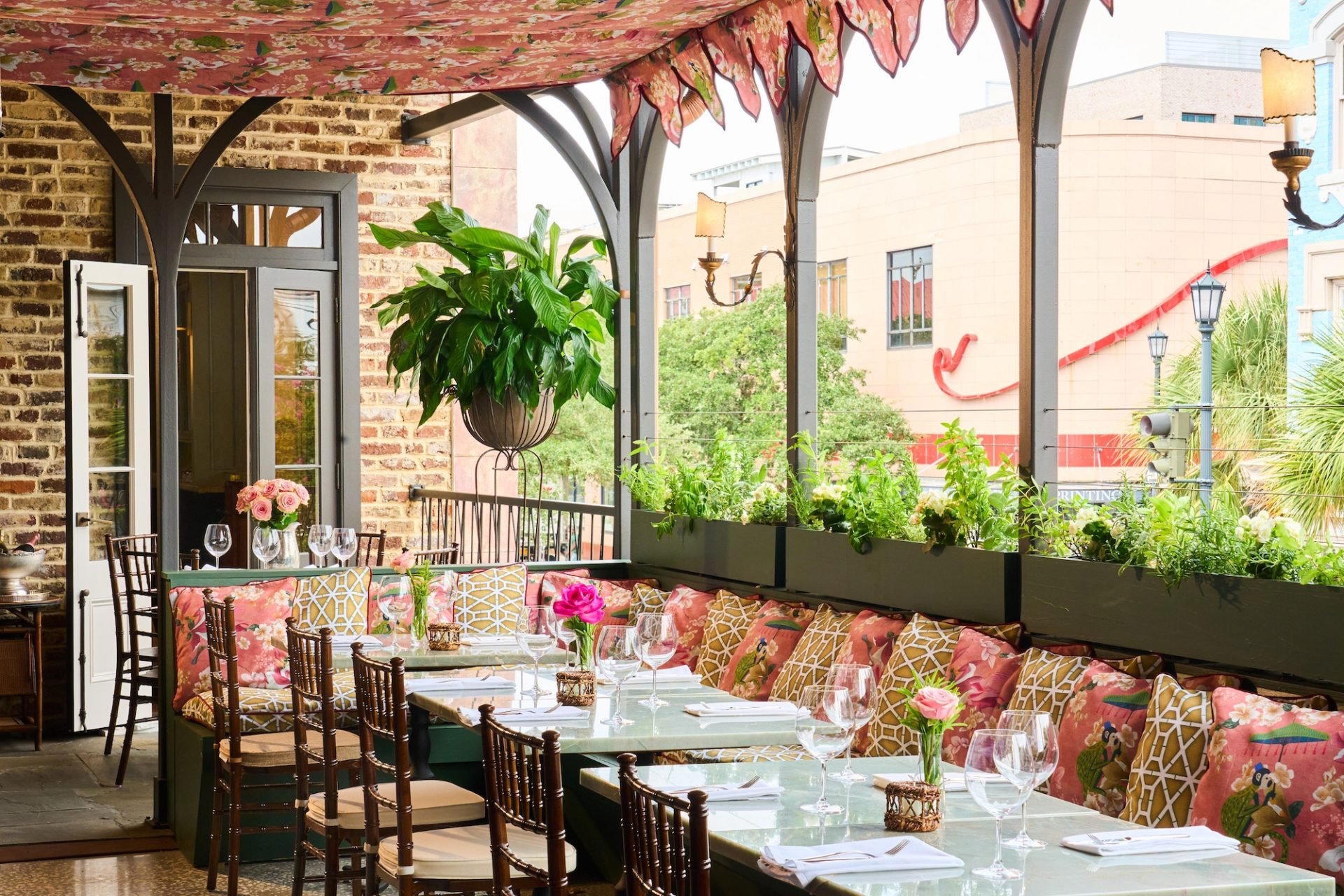
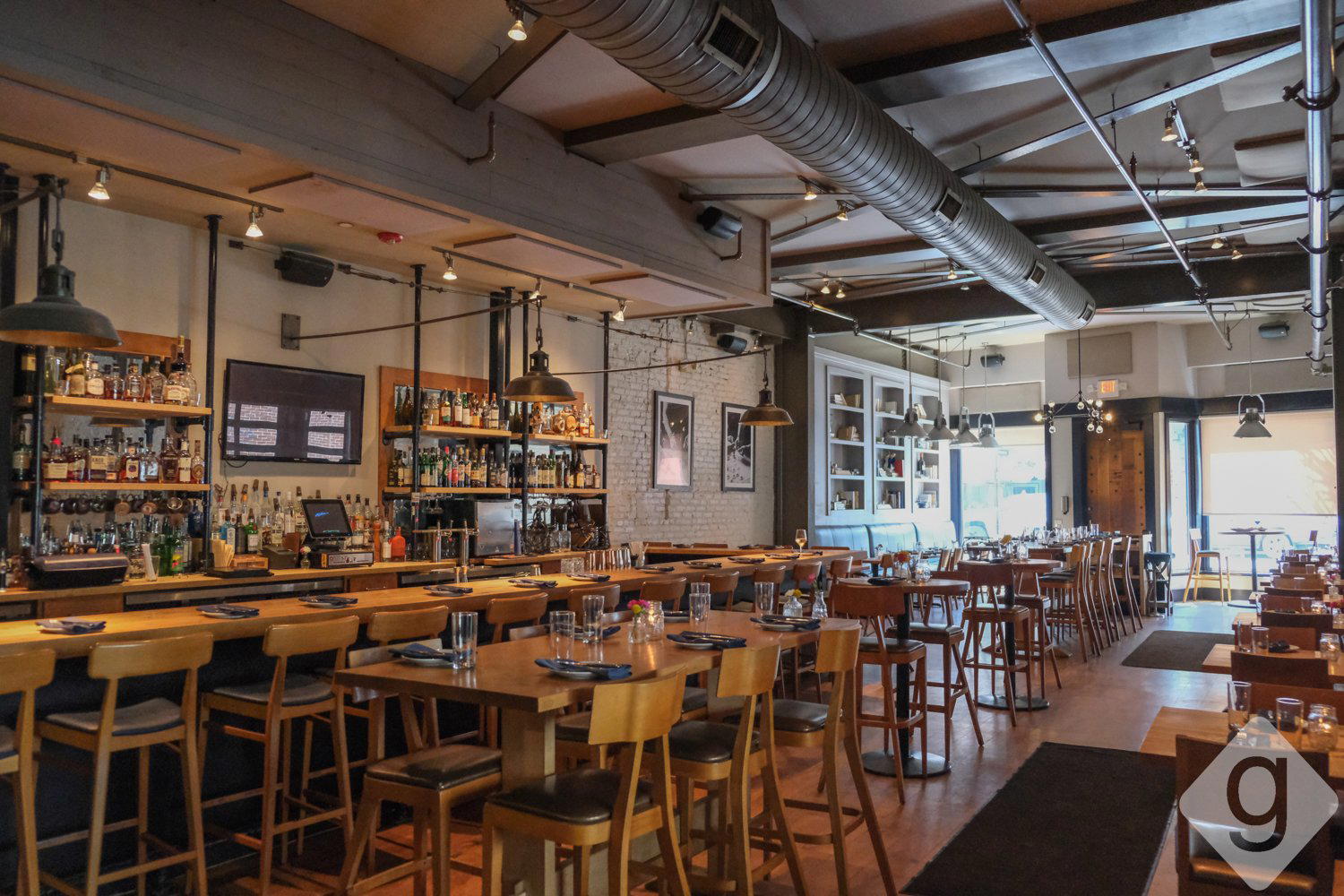
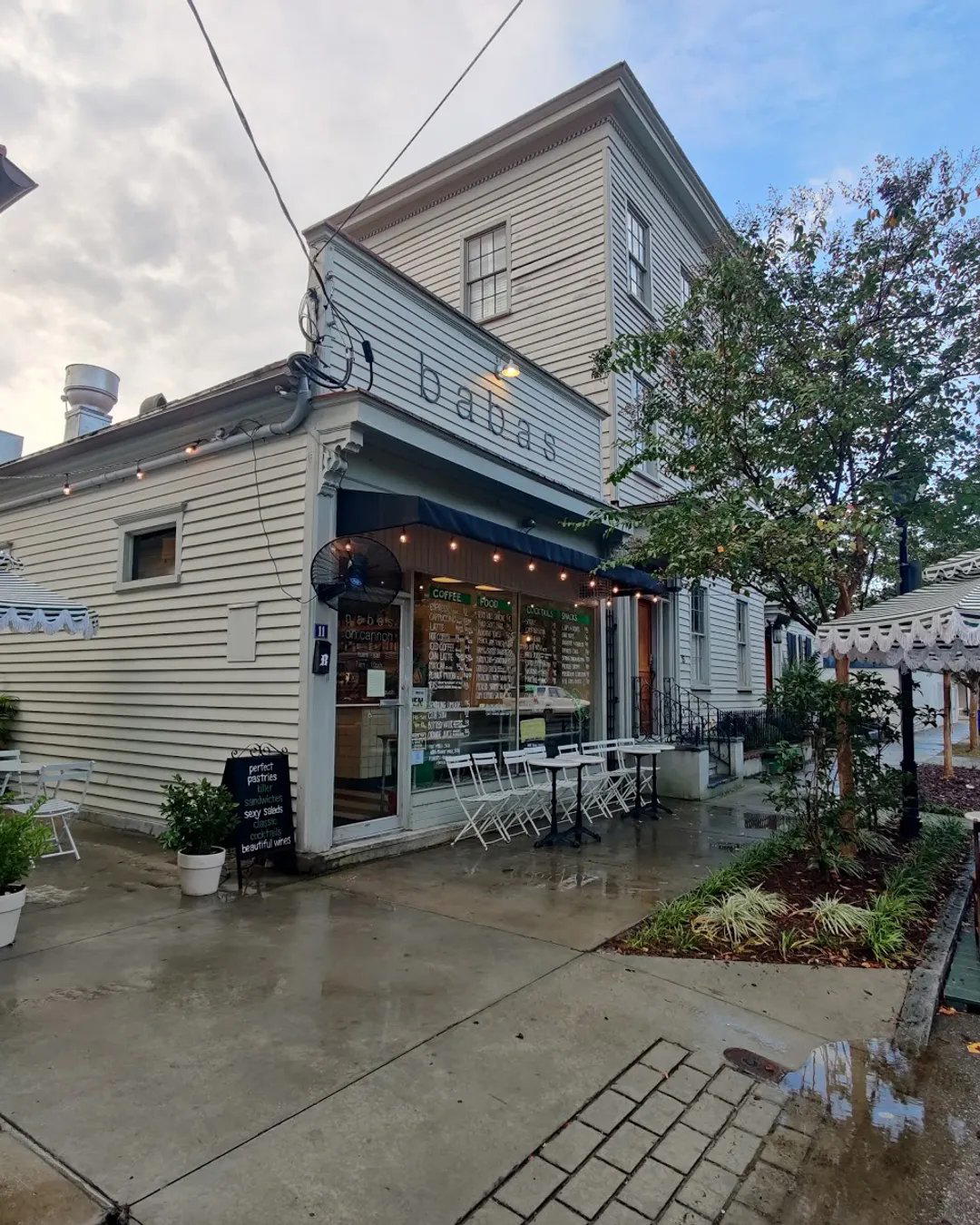
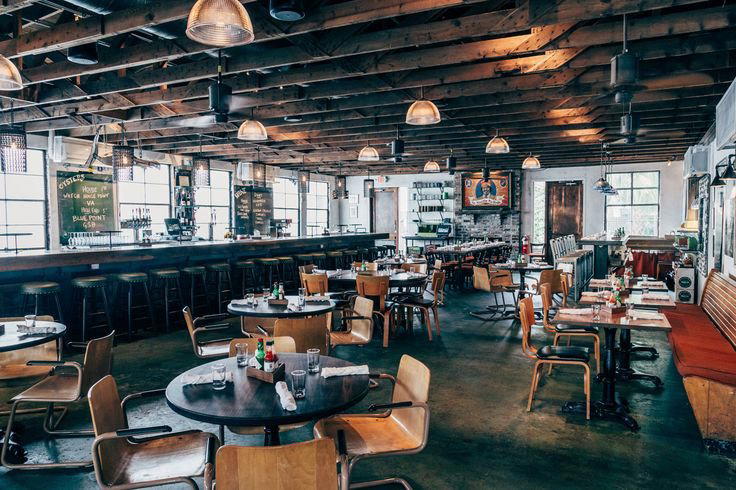
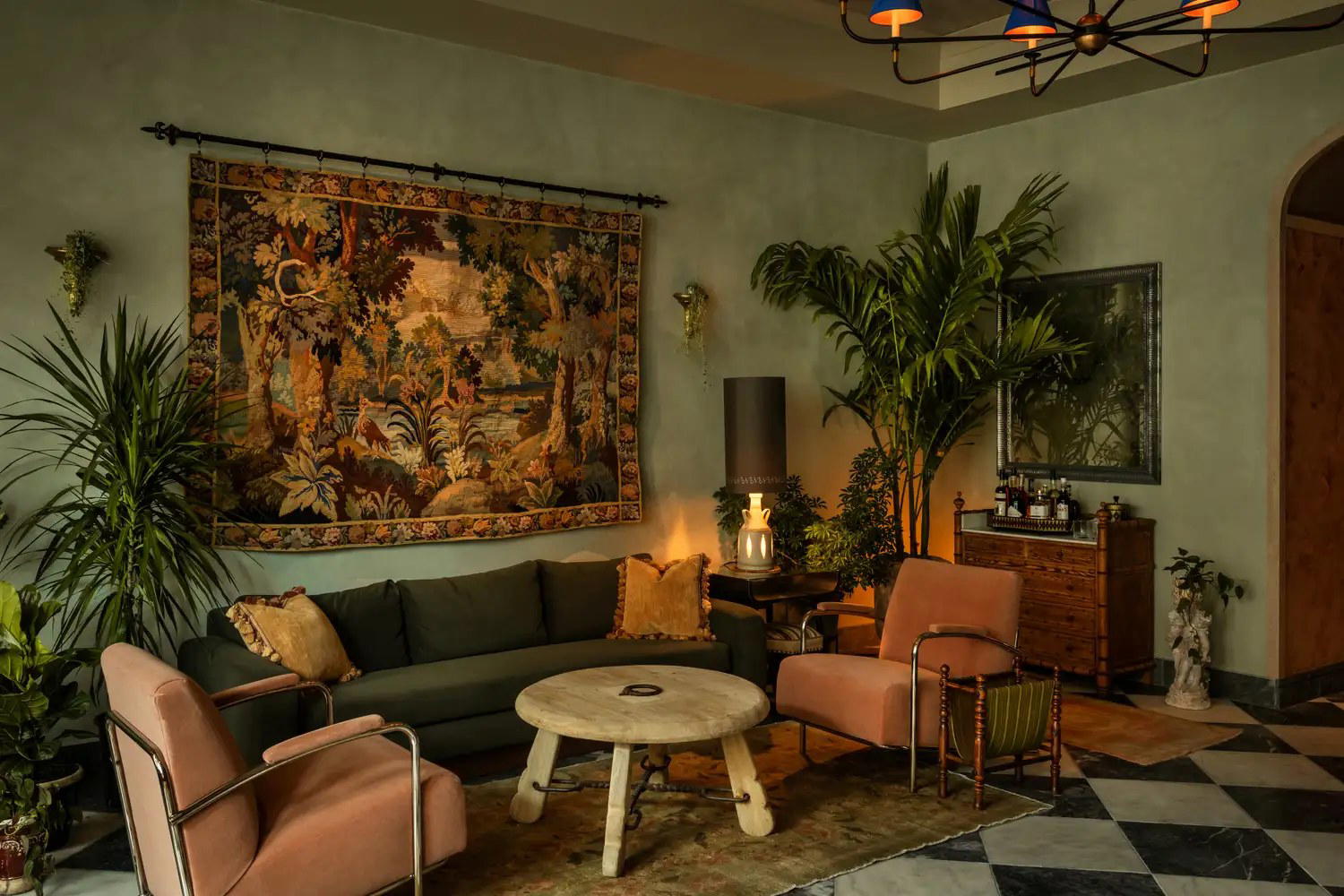
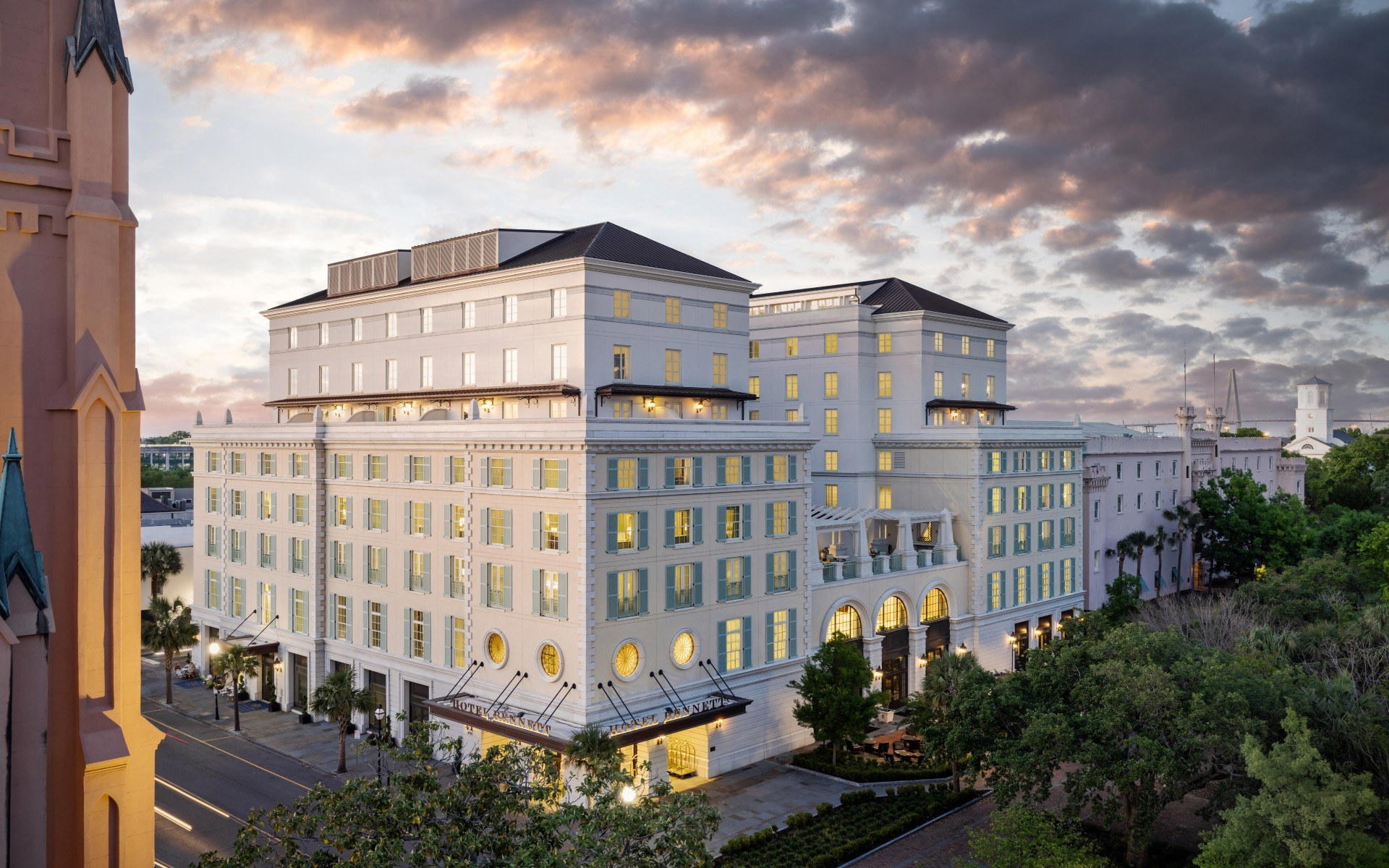
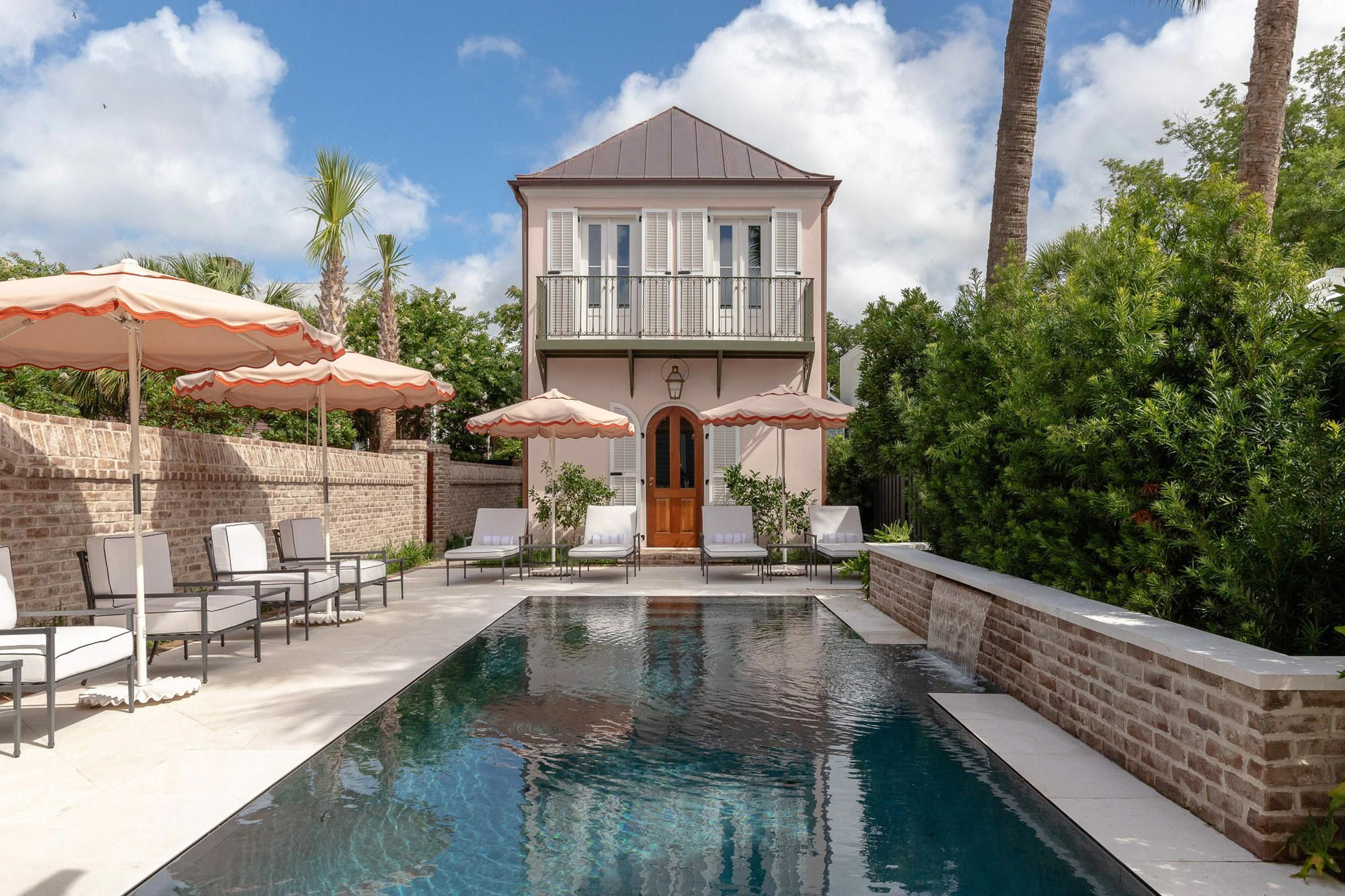
Legami has a warm, design-driven atmosphere that blends Old World Italian villa elements with playful, colorful details—hand-painted palm walls, velvet banquettes, vine chandeliers, and lush garden seating—creating a lively yet intimate setting that feels tailored to evenings of cocktails, shared plates, and celebration.