LEF
Our verdict
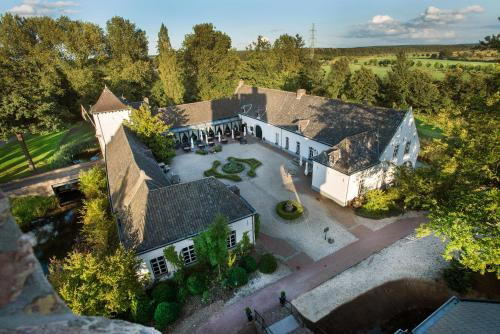
LEF sits on Rijksweg 41 in Reuver, a small Limburg town on the Maas river corridor where serious Dutch fine dining has quietly taken root outside the major cities. The address places it in a regional tier that rewards those willing to look beyond Amsterdam and Rotterdam for ambitious cooking. For a full picture of the area's dining options, see our full Reuver restaurants guide.

Pearl is the En Primeur Club membership app, where members save venues, book tables and use the concierge.
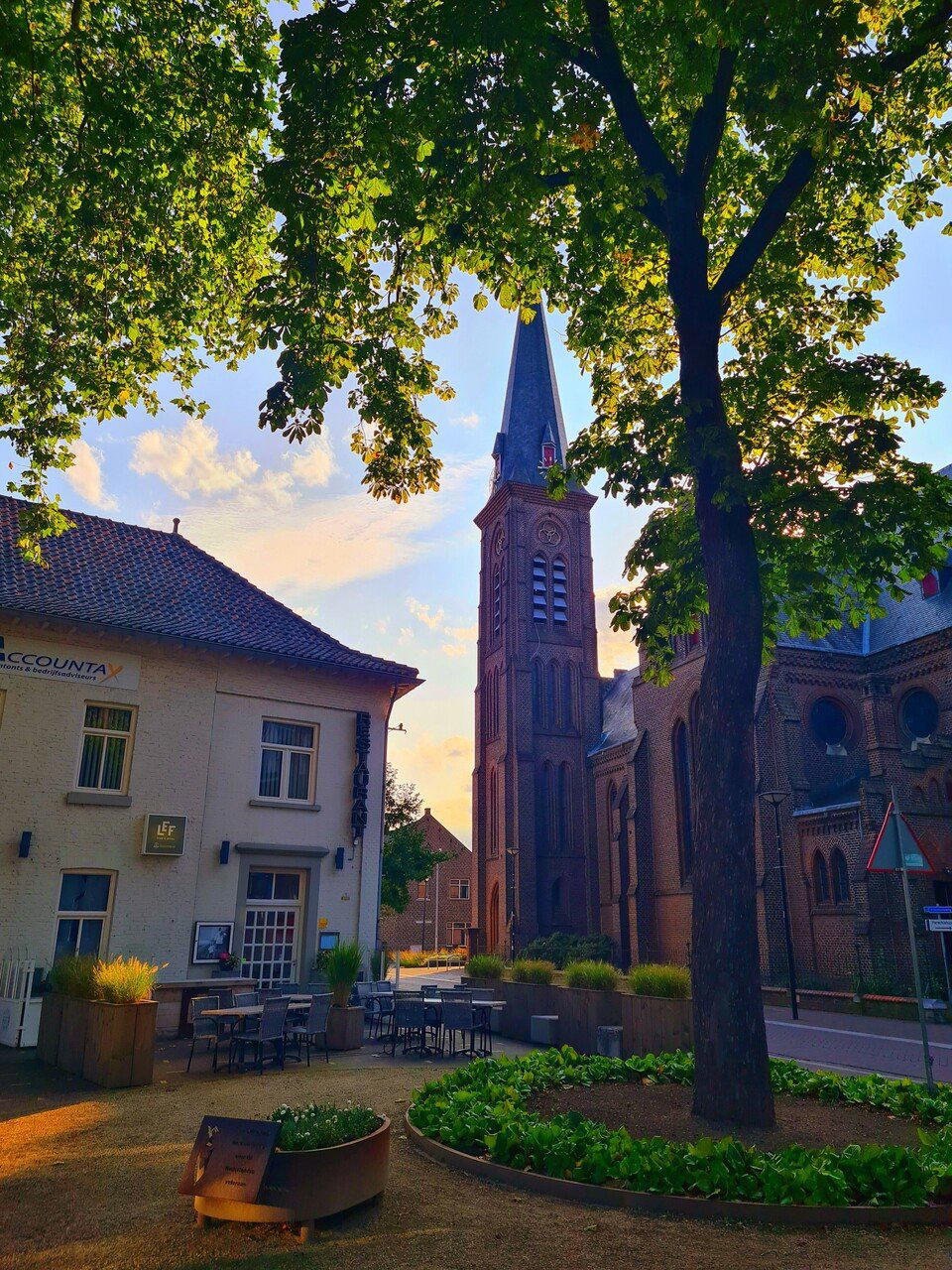
Reuver and the Quiet Ambition of Limburg Dining
The road into Reuver runs flat and direct through North Limburg, the Maas to the east, agricultural land stretching west. It is not a dramatic arrival. The province has long operated in the shadow of the Netherlands' culinary conversation, which defaults to Amsterdam, Rotterdam, and the Randstad corridor. That geographic bias has, for some time now, obscured a meaningful concentration of serious restaurants across Limburg and the neighbouring provinces of Gelderland and Brabant, places where lower overheads and proximity to cross-border ingredient networks, Belgian, German, and French supply chains are all within reach, have allowed kitchens to operate with a sourcing discipline that city-centre rents often make difficult to sustain.
LEF, at Rijksweg 41 in Reuver, sits inside that provincial pattern. The address is deliberate: a main-road location in a town of modest size, the kind of placement that in France would signal a destination restaurant pulling from a wide catchment rather than relying on foot traffic. The Dutch fine dining tradition has always accommodated this model, from De Lindenhof in Giethoorn to Inter Scaldes in Kruiningen, where the surrounding landscape is part of the proposition rather than an obstacle to it.
The Sourcing Logic of the Limburg Border Zone
Ingredient sourcing is where the Limburg position becomes genuinely useful for a kitchen with ambition. The region borders both Belgium and Germany, which means access to Ardennes produce, Eifel suppliers, and the dense network of small-scale growers that the Flemish fine dining scene has spent two decades cultivating. Kitchens in this corridor can draw from a different pantry than their counterparts in Amsterdam or Rotterdam, where supply chains are more standardised and the distance from primary producers is greater.
This cross-border dynamic has shaped what restaurants in the southern Netherlands are able to put on the plate. Operations like Brut172 in Reijmerstok and De Treeswijkhoeve in Waalre have both built reputations in part around sourcing specificity, the ability to name the farm, the breed, or the variety, and to have that claim be credible rather than decorative. In a market where provenance language has become ubiquitous, the proximity to actual producers carries weight.
The editorial angle for any serious restaurant in this part of the country is therefore less about urban credibility and more about what arrives at the kitchen door. Where the food comes from, and how directly, matters here in a way that is structurally different from city dining. This is not a romantic argument for ruralism; it is a practical observation about supply chain geography and what it enables.
Placing LEF in Its Competitive Set
The Dutch fine dining tier LEF operates within is both smaller and more geographically dispersed than most international visitors expect. The country has produced a consistent run of Michelin-recognised restaurants outside its three major cities, and the provincial model, destination dining in smaller towns, often with strong regional sourcing stories, is well established. De Lindehof in Nuenen, Tribeca in Heeze, and De Groene Lantaarn in Staphorst all operate on a similar premise: serious cooking in non-metropolitan settings, with a dining room that functions as a destination rather than a neighbourhood convenience.
At the higher end of the national market, the reference points shift. De Librije in Zwolle and 't Nonnetje in Harderwijk anchor the three-star tier outside Amsterdam. Within Amsterdam itself, Ciel Bleu and Aan de Poel in Amstelveen represent the urban end of the same fine dining conversation. LEF in Reuver occupies a different position in that spectrum, provincial, access-dependent, and shaped by the sourcing possibilities of its location rather than the visibility of a major-city address.
For context on what ingredient-led cooking looks like at the furthest edge of this category, De Nieuwe Winkel in Nijmegen operates a kitchen built almost entirely around vegetable sourcing, a model that places it in a different competitive set from LEF but illustrates how far Dutch fine dining has travelled from its classical European base. Internationally, the conversation around sourcing discipline and tasting-menu format has moved toward operations like Le Bernardin in New York City and Atomix, both of which demonstrate how rigorous supply chain thinking translates directly into plate-level distinction.
Getting There and Planning Your Visit
Reuver is accessible by train from Venlo, the nearest significant rail hub, with services connecting to the national network. By car, the town is roughly 15 kilometres south of Venlo on the N271, making it reachable from Eindhoven, Maastricht, and the German border within an hour. For visitors coming from further afield, Düsseldorf Airport is the most practical international entry point, placing Reuver inside a 90-minute drive. The Rijksweg address is on the town's main arterial road, which simplifies arrival if you are driving. Given the limited public transport options for evening return, arriving by car is the practical choice for most diners.
For anyone building a longer Limburg itinerary, the restaurant sits within reach of FG in Rotterdam to the north and 't Amsterdammertje in Loenen aan de Vecht to the northwest, both of which represent different points in the Dutch fine dining spectrum and could anchor a multi-day circuit. Our full Reuver restaurants guide maps the immediate area in more detail.
Frequently asked questions
Is LEF good for families?
LEF sits on Rijksweg 41 in Reuver, a small North Limburg town rather than a city dining district. The restaurant's positioning within the Dutch fine dining tier suggests a focused, adult-oriented format where the kitchen's ambition takes precedence over casual family flexibility. Families with young children would be better served checking directly before booking.
Is LEF better for a quiet night or a lively one?
Reuver itself is a compact, unhurried town in North Limburg, and LEF's address on Rijksweg reflects that character. The surrounding area does not generate the pre- or post-dinner street energy you would find in Amsterdam or Maastricht. Expect a composed, conversation-friendly evening rather than a buzzing room.
Why is LEF in Reuver rather than a larger Dutch city?
LEF operates from Reuver, a North Limburg town positioned near the Maas and within reach of both Belgian and German suppliers. That geography is a practical asset for a kitchen building around regional sourcing: the border zone offers ingredient access that a comparable restaurant in Amsterdam or Utrecht would have to work considerably harder to secure. It places LEF in a small but growing cluster of destination dining rooms outside the Randstad.
What's the signature dish at LEF?
What is established is that the kitchen draws on the Limburg border zone's proximity to both Belgium and Germany, giving it access to a sourcing range that most Dutch restaurants at a comparable level cannot easily replicate. For current menu information, contacting the restaurant directly is the most reliable route.
What's LEF's location?
LEF is located at Rijksweg 41, 5953 AA Reuver, Netherlands, Reuver.
Comparable Spots, Quickly
Comparable venues nearby, for context on price, style, and recognition.
| Venue | Cuisine | Price | Awards | Notes |
|---|---|---|---|---|
| LEFThis venue (the venue you are viewing) | Modern European Fine Dining | $50–100 | Not listed | Not listed |
| Ivory | Modern European Fine Dining | Not listed | Not listed | Stadscentrum |
| De Houtloods | Modern Seasonal Dutch | $30–50 | Not listed | Spoorzone |
| Krelis | Modern European | $50–100 | Not listed | Uitgeest |
| PRESSROOM | Modern European Bistro | $30–50 | Not listed | Spuistraat Noord |
| Remouillage | Seasonal European Tasting Menu | $50–100 | Star Wine List | Kromme Mijdrechtbuurt |
LEF
Featured Guides
Continue exploring
More in Reuver
Restaurants in Reuver
All restaurants in Reuver →
Bars in Reuver
Browse all →
Details
- Cozy
- Intimate
- Historic
- Date Night
- Special Occasion
- Historic Building
- Local Sourcing
- A La Carte
- Vegetarian Friendly
Current opening hours
- Monday
- Closed
- Tuesday
- 12–2 PM, 6–9 PM
- Wednesday
- 12–2 PM, 6–9 PM
- Thursday
- 12–2 PM, 6–9 PM
- Friday
- 12–2 PM, 6–9 PM
- Saturday
- 12–2 PM, 6–9 PM
- Sunday
- Closed
Hours can change for holidays and private events. Hours as of .
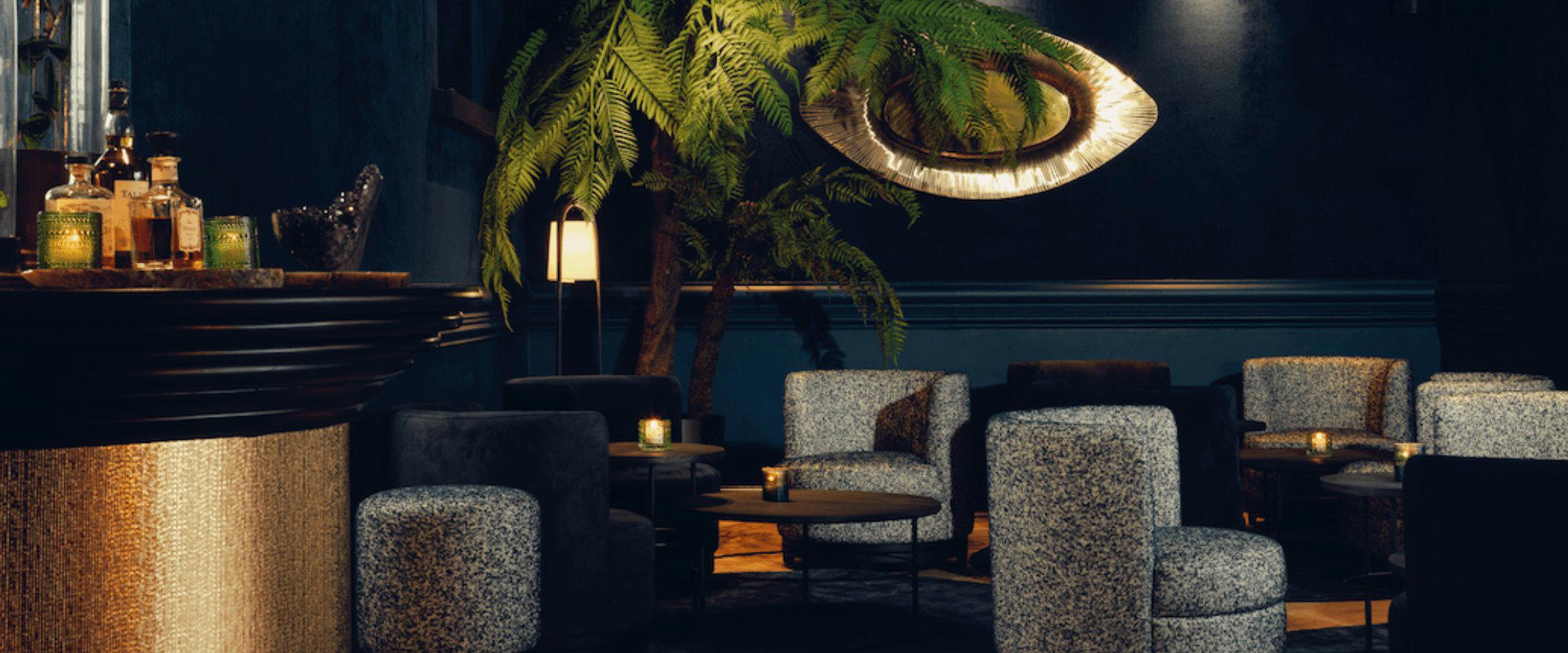
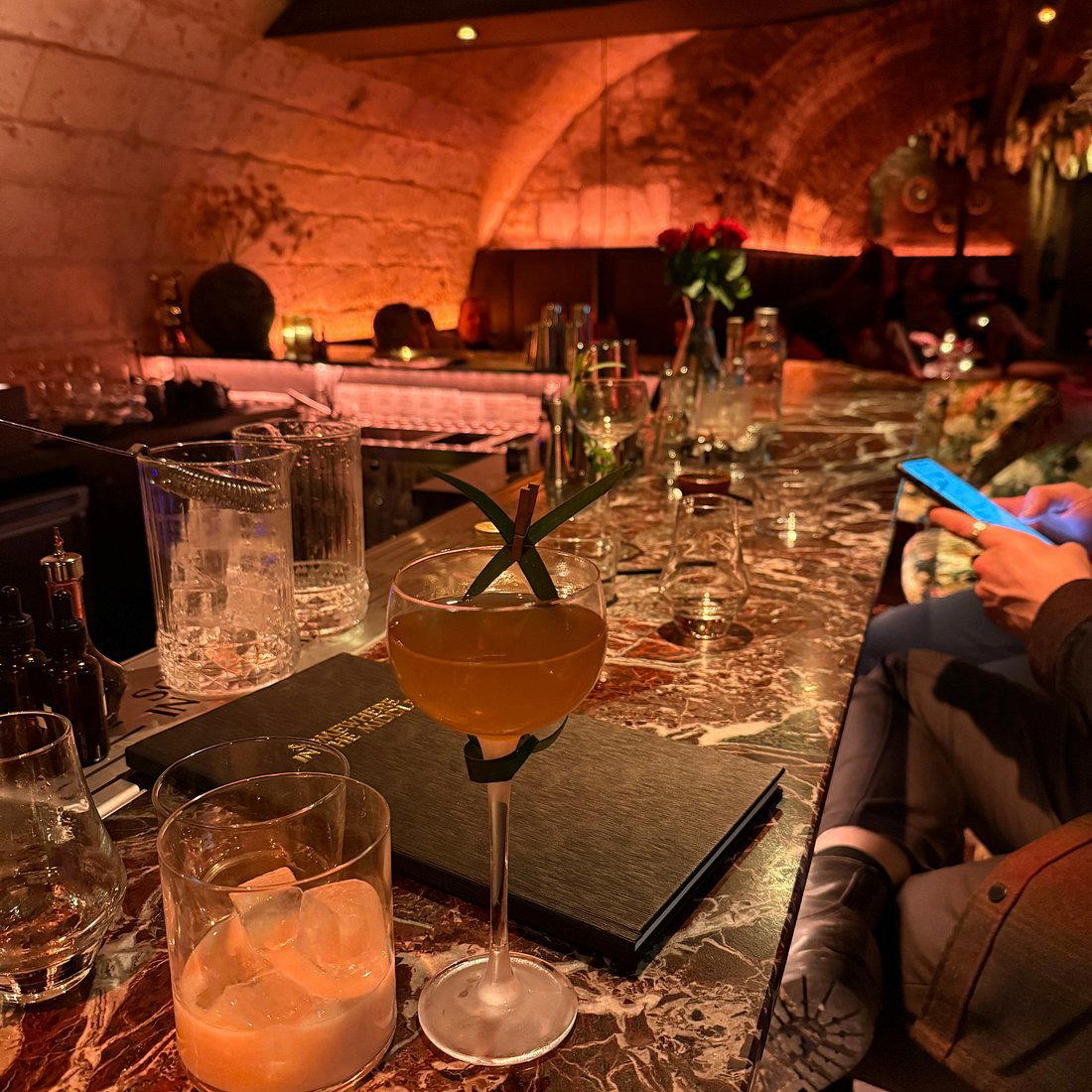
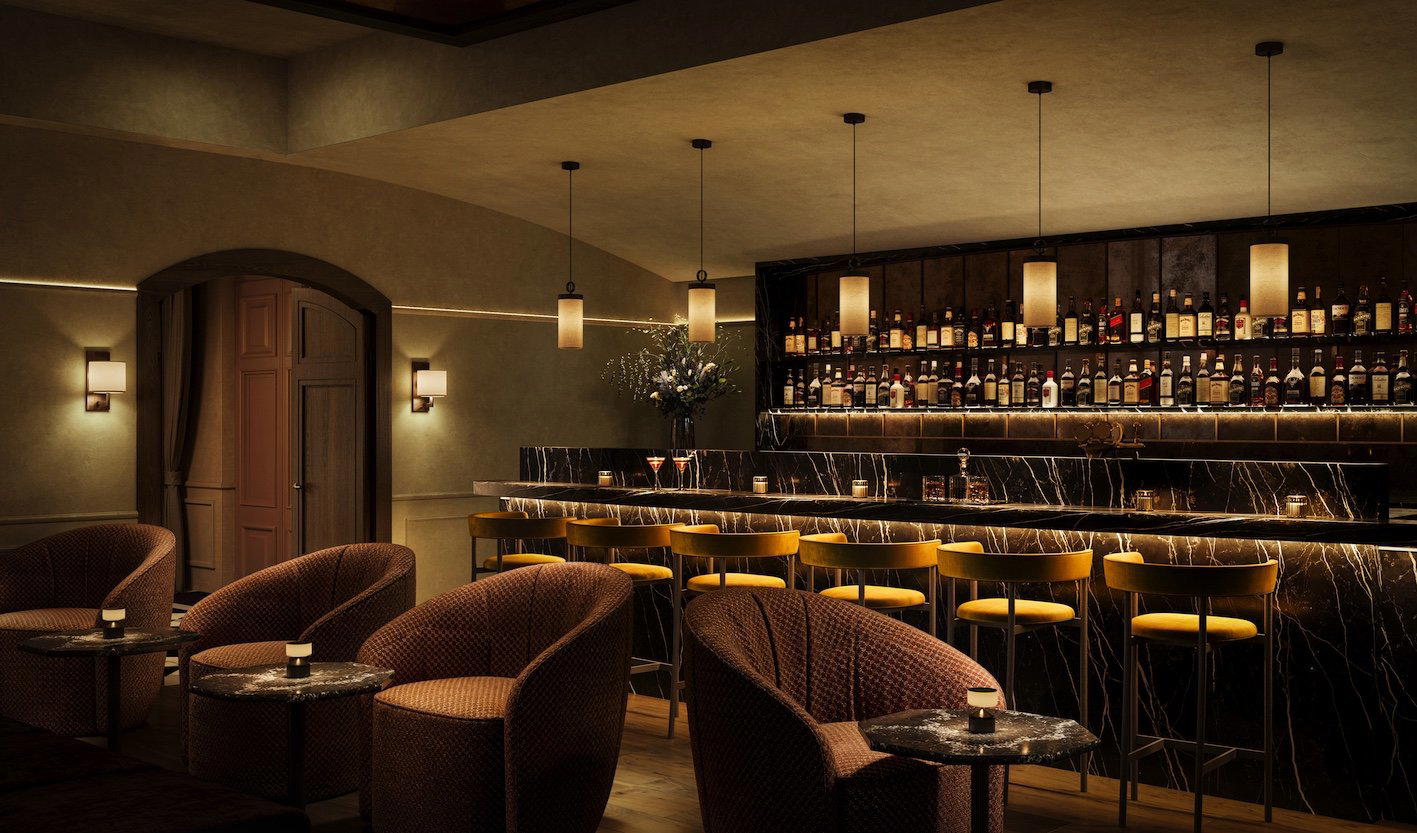
Gezellig and sfeervol atmosphere in historical vaulted cellar.