A Realistic Guide to Visiting Olivier Leflaive in Puligny-Montrachet in 2026
Getting a table at Olivier Leflaive in Puligny-Montrachet is genuinely achievable, but not on a whim.
Getting a table at Olivier Leflaive in Puligny-Montrachet is genuinely achievable, but not on a whim. The estate's lunch table in the village runs a single sitting format with limited covers, and demand from wine tourists, trade visitors, and collectors passing through the Côte de Beaune means the calendar fills weeks, sometimes months, ahead during peak season. The single most reliable route is booking directly through the estate's own reservation system, well in advance of your travel dates.
Why the Lunch Table in Puligny Fills So Fast
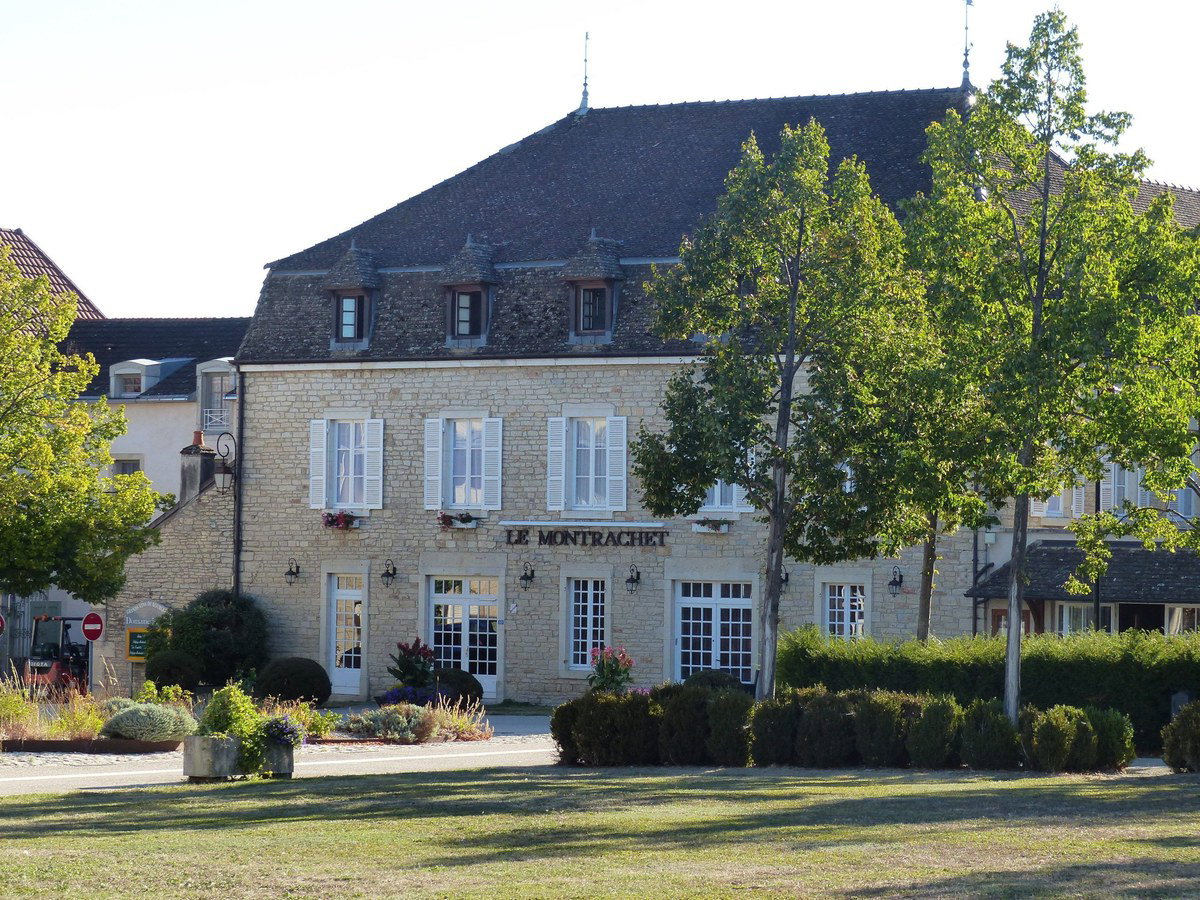
A charming stone building in Puligny-Montrachet, where Olivier Leflaive's lunch table fills fast. Puligny-Montrachet is a village of roughly 350 residents. There is no high street, no tourist infrastructure to speak of, and the Olivier Leflaive table, set inside the estate's premises on the Place du Monument, is one of the few places in the village where you can sit down, eat, and work through a structured tasting of white Burgundy without driving anywhere. That combination of location, format, and wine list creates a bottleneck. The estate operates as a négociant-éleveur, sourcing fruit and wine from across the Côte de Beaune and Côte Chalonnaise, which means the range on the table covers appellations from Rully and Mercurey up through Meursault, Puligny-Montrachet, and the Grands Crus. Collectors who want to taste across that breadth in a single sitting, rather than driving between domaines and hoping for appointments, treat this table as a practical shortcut. Trade buyers, sommeliers on buying trips, and serious wine tourists all compete for the same seats. Confirm capacity with the estate if you are planning for a group.
When Reservations at Olivier Leflaive Actually Open
The booking calendar is not tied to a platform like Resy or OpenTable with a rolling 30-day or 60-day window that opens at a set hour. In practice, the estate accepts reservations by email and by phone, and the calendar appears to open on a rolling basis, meaning you can, in principle, contact them months ahead. For harvest season and weekends, a week or two ahead is the practical minimum,1 though for travel during the Burgundy harvest window (late September through October) or the summer high season (July and August), contacting the estate well before that floor is the more prudent approach. For shoulder-season visits, November through March, excluding the Hospices de Beaune weekend in November, which draws the trade from across Europe, lead times are shorter.
How to Actually Secure a Seat
Direct by email or phone is the primary channel. Reservations can be made directly through the domaine's website, which takes bookings for both lunch and dinner.1 The estate can also be reached by phone at +33 3 80 21 95 27.1 There is no third-party platform intermediary, which means no algorithm, no bot competition, and no platform fee, but also no instant confirmation. Expect a response within a few business days during quieter periods; allow longer during harvest. Group bookings follow the same direct channel. The estate accommodates groups, though larger parties should contact well ahead and be specific about numbers, dietary requirements, and whether the visit is trade or private. Walk-ins are not a reliable strategy. The village has no passing foot traffic in the way that a city restaurant does, and arriving without a reservation during peak season is likely to result in a polite refusal. During quieter winter months, a walk-in might occasionally work, but it is not a route worth building an itinerary around. Wine merchant relationships occasionally yield access for trade clients visiting the region, but this is informal and not a published channel. If you buy Olivier Leflaive wines through a merchant with a direct relationship to the estate, it is worth asking whether they can facilitate an introduction.
Inside the Lunch Table: What the Tasting Format Actually Involves
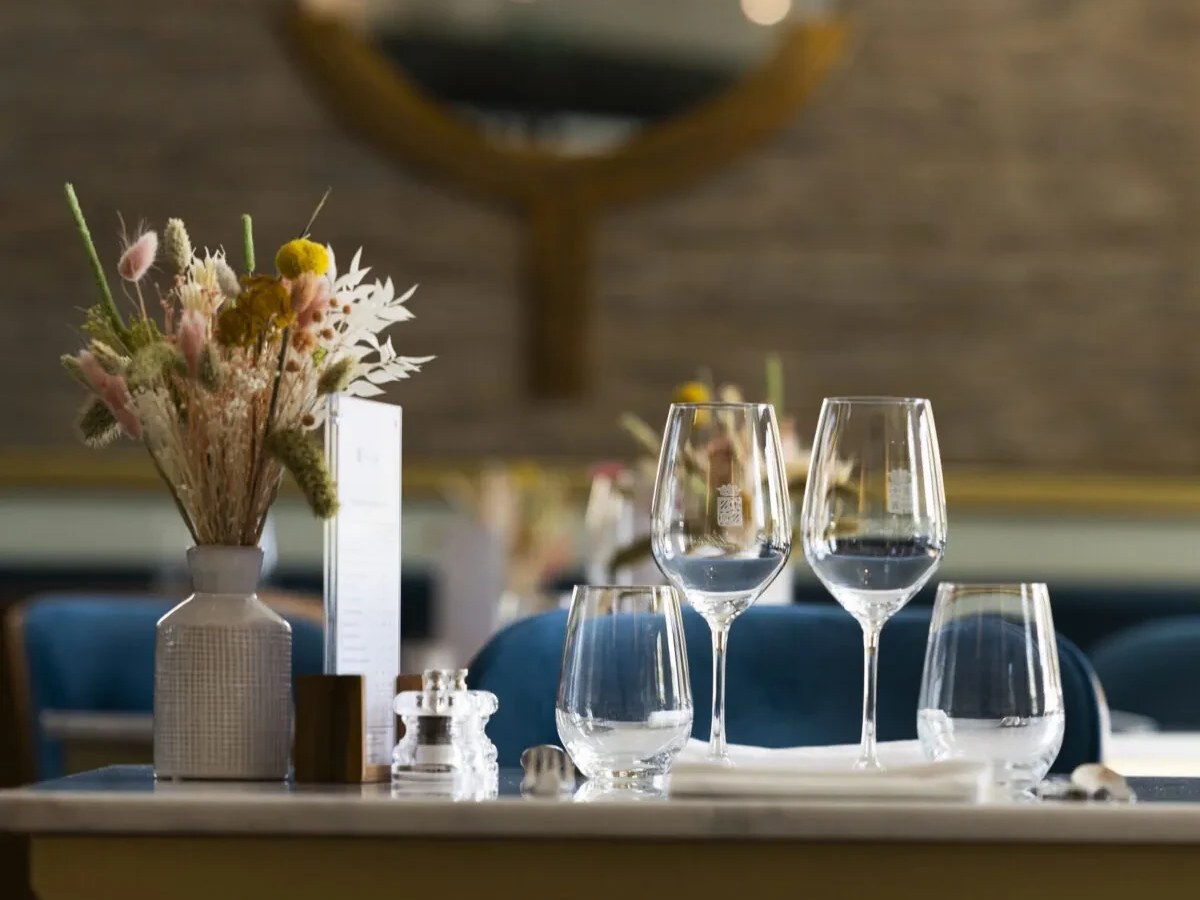
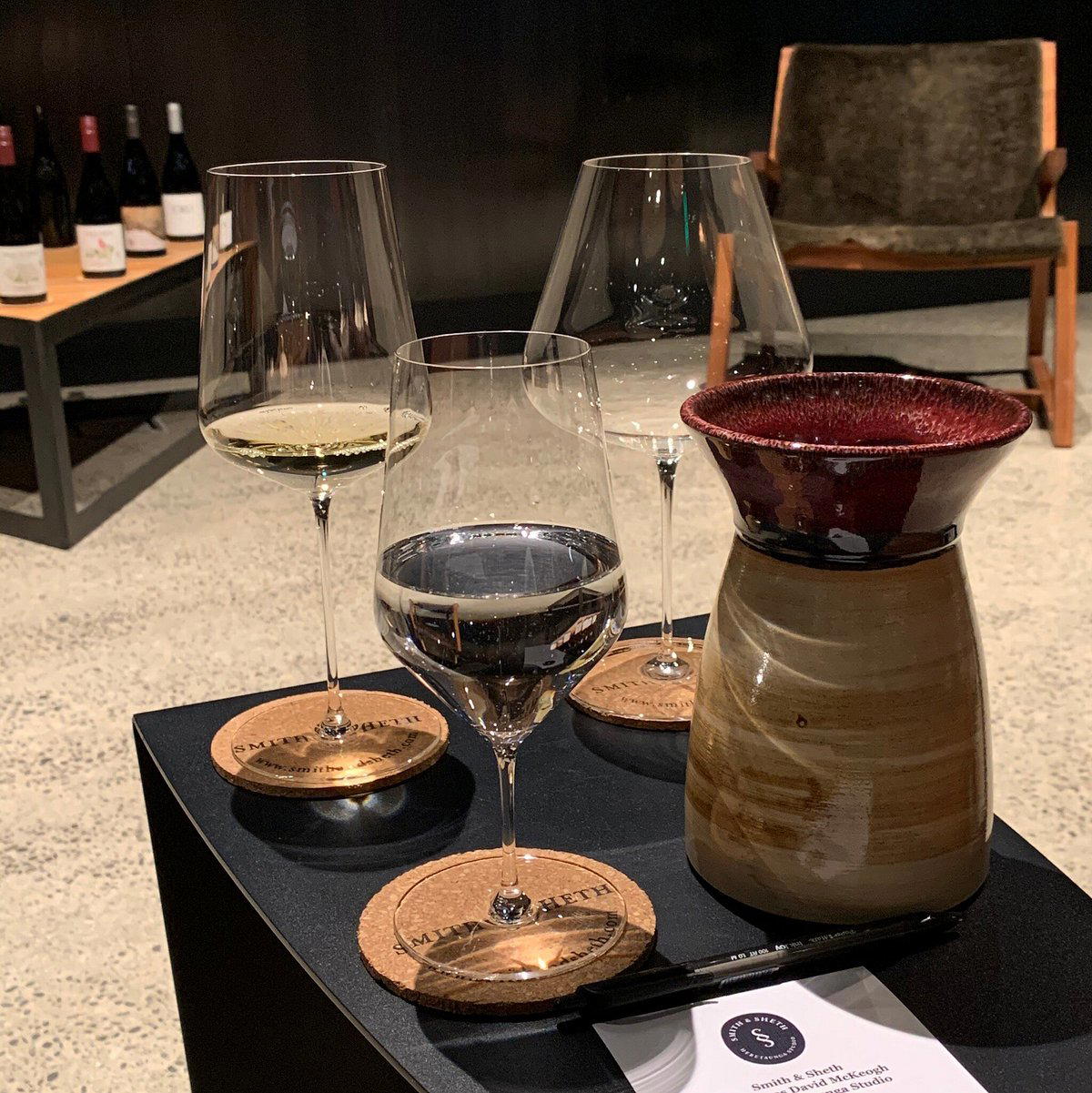
Table setting with glassware, a vase of dried flowers, and a menu. The format at Olivier Leflaive is a seated lunch with wines poured through the meal, not a stand-up cellar tasting, and not a formal dégustation in a barrel room. The visit format is a repas-dégustation: three seasonal Burgundian plates paired with a flight of six to nine estate wines, poured in sequence.1 You eat. You drink. The wines move from lighter appellations upward through the hierarchy of the Côte de Beaune. The range draws on the estate's négociant holdings, so the lineup on any given day might open with a Rully or a Bourgogne Blanc before moving through Meursault, villages and premier cru, and into Puligny-Montrachet. Depending on the format chosen, Grand Cru Burgundy from Bâtard-Montrachet or Chevalier-Montrachet may appear. The estate produces wines under its own label from purchased fruit and wine, aged in its cellars in Puligny, and the tasting is structured to show the appellation hierarchy of white Burgundy as a coherent argument rather than a random flight. The room sits steps from the village church, stone, quiet, unhurried, rather than a purpose-built visitor center. Lunch runs at a pace that allows conversation about the wines; this is not a conveyor-belt format. The dress code is smart-casual.1 The full nine-wine dégustation lunch costs around €110; a shorter menu du jour is available at €25.1 Confirm current pricing directly when booking, as it may vary by format and group size. The restaurant closes for parts of the winter; check the calendar before planning a January or February visit.1
Allocation and Buying Strategy at the Table
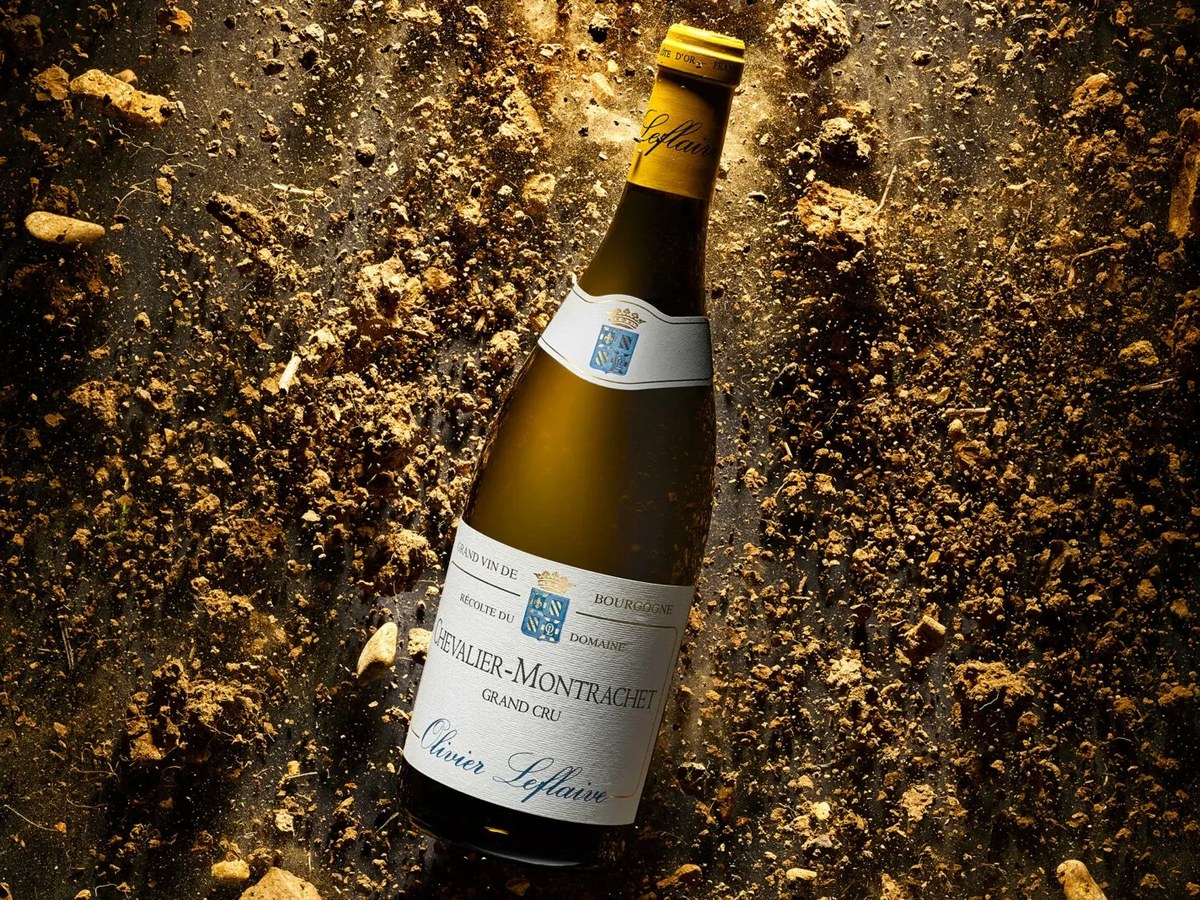
Olivier Leflaive Chevalier-Montrachet Grand Cru, an ex-cellars buying opportunity. The lunch table is also a buying opportunity. Wines tasted during the meal can typically be purchased directly from the estate, which matters for bottles that are difficult to source through standard merchant channels, particularly single-appellation cuvées in small volume, or wines from specific premier cru parcels that don't reach export markets in quantity. The money-vs-time tradeoff here is real. Buying ex-cellars in Puligny after a tasting lunch means paying estate prices without import duty or merchant margin layered on top, for collectors based in Europe, this can represent a price differential on cases of premier cru white Burgundy. The cost is the time investment: travel to Puligny, the advance booking effort, and the lead time. For buyers who are already visiting the Côte de Beaune for other appointments, the marginal cost of adding this stop is low. For someone flying in specifically for this table, the calculus is different. The faster route, buying Olivier Leflaive through a UK or US merchant, costs more per bottle but requires no travel and no advance planning beyond placing an order. The estate's wines are well-distributed through specialist Burgundy merchants in London, New York, and Hong Kong. You won't get the cellar-door price, but you will get the wine. Who you'll sit next to at the Olivier Leflaive table skews heavily toward the wine trade and serious collectors. Sommeliers on buying trips from London, Paris, and further afield use this table as a working lunch. American and Asian collectors visiting the Côte de Beaune during harvest week are a consistent presence in autumn. The format attracts people who have done some homework, you are unlikely to find yourself explaining what a premier cru is. Beyond the lunch table, the estate also runs vineyard and cellar visits. Vineyard tours depart at 9:30am Wednesday to Saturday; cellar tours run on Fridays and Saturdays at 11:00am.2 Rates start from €20 and from €35 per person,2 with a maximum group size of 20 persons.2 Vineyard and cellar visits are closed from 21 December 2025 to 4 February 2026,2 factor that into any winter itinerary. Booking requests can also be submitted via Wine Paths.3
Alternatives That Scratch the Same Itch
Puligny and Côte de Beaune Tasting Experiences Compared
Venue / Option
Format
Booking Difficulty
Lead Time (Peak Season)
How to Book
Olivier Leflaive, Puligny
Seated lunch tasting, négociant range
Moderate, fills weeks ahead
Weeks to months; confirm directly
Direct by email/phone or via domaine website
Domaine Leflaive, Puligny
Appointment-only cellar visit
High, trade/allocation clients prioritized
Months ahead; often closed to public
Direct; trade introduction helps
Maison Joseph Drouhin, Beaune
Cellar tour and tasting
Lower, larger operation
Weeks ahead
Direct booking via estate website
Château de Meursault
Self-guided cellar walk and tasting
Low, walk-ins often possible
Same day possible off-peak
Direct; some walk-in capacity
Domaine Leflaive, the separate, biodynamic domaine in Puligny, is the name collectors often confuse with Olivier Leflaive. Access there is effectively closed to the general public; visits are by trade introduction and allocation-client relationship only. If you are on the Domaine Leflaive allocation list, you already know this. If you are not, the Olivier Leflaive table is the practical alternative for tasting the appellation at depth. Château de Meursault offers a self-guided walk through among the more atmospheric cellars in the Côte de Beaune, with a tasting at the end. The format is less curated than Olivier Leflaive's lunch, but the cellar itself, vaulted, medieval, running under the village, is worth the detour. Walk-ins are often possible outside July and August. Maison Joseph Drouhin in Beaune runs a more structured visitor program with cellar tours and tastings bookable through their website. The range covers Burgundy from Chablis to the Côte Chalonnaise, and the operation is large enough that availability is less constrained than at a village-scale estate.
Who Should Make the Effort, and When
The Olivier Leflaive lunch table is the right choice if you want to understand the appellation hierarchy of white Burgundy through a single, well-paced sitting, and if you are already in the Côte de Beaune or can justify the journey. It works particularly well as an anchor for a two- or three-day Burgundy itinerary built around Meursault, Puligny, and Chassagne. It is less suited to visitors who want a quick cellar snapshot, who are traveling with non-wine-focused companions, or who need same-day flexibility. The format rewards attention and appetite. The Hospices de Beaune weekend in November draws the trade from across Europe and is the single hardest window to book, avoid it unless you have a confirmed reservation already in hand. The quieter months of January through March offer the availability and, often, one focused conversation with the estate's team, though note the winter closure dates for vineyard and cellar visits before finalizing plans.
Worth the Planning?
Yes, with the caveat that the planning is the price of admission. Olivier Leflaive's lunch table in Puligny-Montrachet is one of the few places in the Côte de Beaune where a private visitor can taste a coherent range of white Burgundy, from village appellation to Grand Cru, in a single sitting without a trade introduction or an existing allocation relationship. That access has real value. The booking logic here resembles an allocation list more than a walk-in restaurant: move early, contact directly, and don't assume availability will be there when you finally get around to it. For harvest season and weekends, a week or two ahead is the realistic floor,1 treat that as the absolute minimum, not the target. For collectors who also want to buy, the ex-cellars pricing on premier cru white Burgundy makes the trip worth calculating against your merchant's current offer prices. For those who simply want to drink well in among the more quietly beautiful villages in France, the table delivers that without requiring a trade badge or a six-figure cellar. The wines of the Côte de Beaune reward patience in the glass and in the planning, and this table is no different.
Frequently Asked Questions
How far in advance should I book the Olivier Leflaive lunch table in Puligny-Montrachet?
For visits during peak season, July, August, and the October harvest window, contacting the estate well ahead of your travel dates is strongly advised. Reach out directly by email or phone as soon as your travel dates are confirmed. For shoulder-season visits between November and March (excluding the Hospices de Beaune weekend), shorter lead times may be sufficient, but the estate does not guarantee availability for any period. Confirm current availability directly with the venue.
Can you walk into Olivier Leflaive in Puligny without a reservation?
Walk-ins are not a reliable strategy, particularly during the summer and harvest seasons when the table fills well in advance. During quieter winter months a walk-in might occasionally succeed, but Puligny-Montrachet is a small village with no passing tourist traffic, and arriving without a booking risks a refusal. A confirmed reservation is strongly recommended before making the journey.
Is Olivier Leflaive the same as Domaine Leflaive in Puligny-Montrachet?
No, they are separate operations. Domaine Leflaive is the biodynamic domaine whose wines (including Chevalier-Montrachet and Clavoillon) are among the more sought-after in Burgundy; visits there are effectively closed to the general public and reserved for trade and allocation clients. Olivier Leflaive is a négociant-éleveur founded by a member of the same family, operating independently, with a visitor-facing lunch table that is accessible to private visitors who book in advance.
Can you purchase Olivier Leflaive wines directly at the Puligny table after tasting?
Wines tasted during the lunch are typically available to purchase directly from the estate, which can offer ex-cellars pricing without the import duty or merchant margin that applies to bottles bought through a UK or US retailer. Confirm what is available to purchase when you make your reservation.
What is a strong time of year to visit Olivier Leflaive in Puligny for a quieter experience?
January through March offers the lowest competition for bookings and, often, more time with the estate's team, though note that vineyard and cellar visits are closed from 21 December 2025 to 4 February 2026, so check the calendar before finalizing a winter trip. The Hospices de Beaune weekend in November is the single most congested window in the Burgundy calendar and is best avoided unless you already have a confirmed reservation. Harvest week in October is atmospheric but busy with trade visitors; summer is high season for wine tourism across the Côte de Beaune.