
L'Ecailler du Bistrot sits on Rue Paul Bert in the 11th arrondissement, operating as the seafood-focused companion to Le Bistrot Paul Bert. The menu reads as a focused argument for the French tradition of letting high-quality shellfish and fish speak without substantial intervention, a counterpoint to the technique-heavy cooking that dominates Paris's formal dining tier.
Pearl is the En Primeur Club membership app — saves, bookings, and concierge access live there. Same editors, same standards.
- Address
- 22 Rue Paul Bert, 75011 Paris, France
- Phone
- +33 1 43 72 76 77
- Website
- lecaillerdubistrot.fr
- Directions
- Get directions
 Saves & bookings on Pearl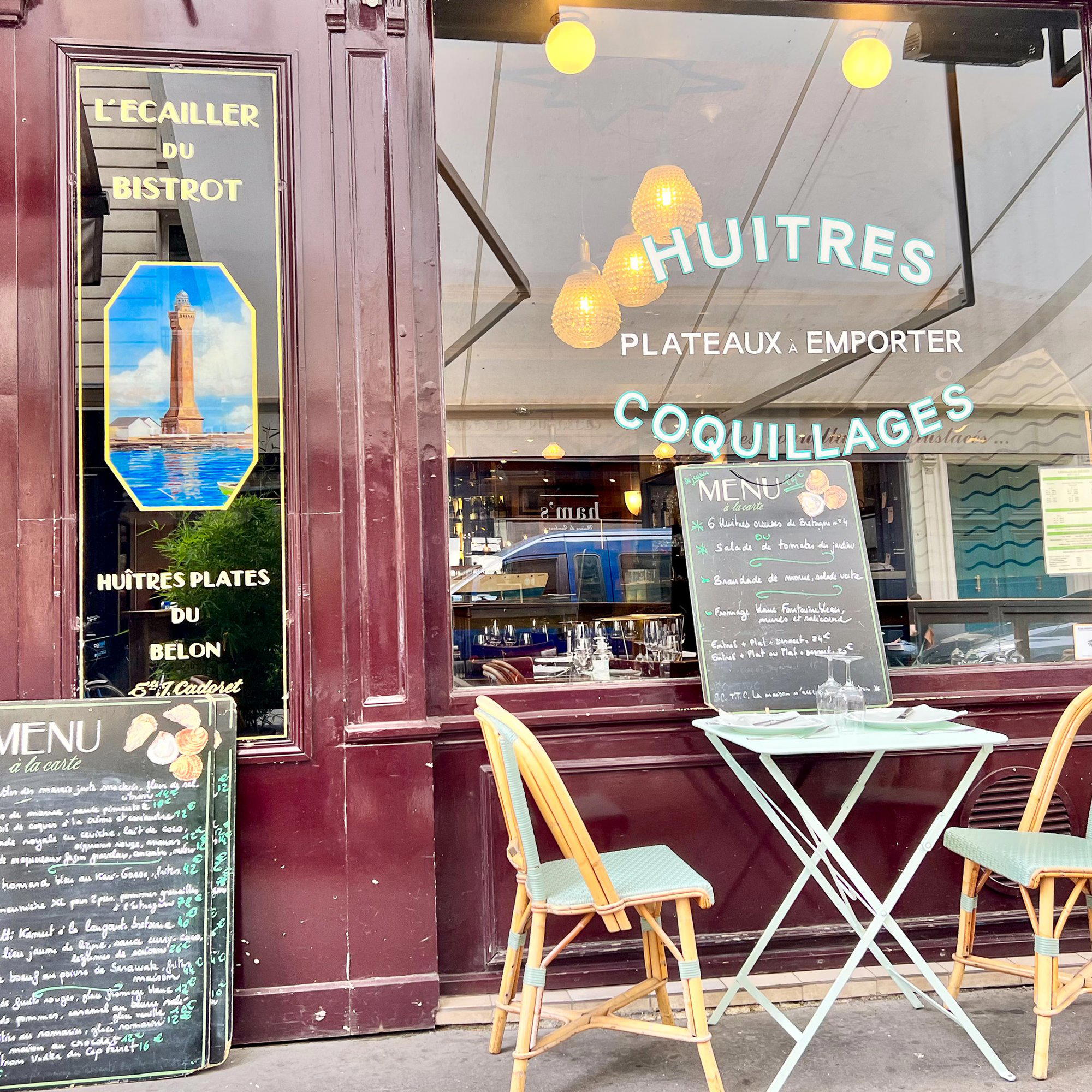
Rue Paul Bert and the Logic of the Annex
L'Ecailler du Bistrot is a French Seafood Bistro at 22 Rue Paul Bert, 75011 Paris, France, with. The neighbourhood runs on a different logic: smaller rooms, shorter menus, and a preference for produce over production. Rue Paul Bert is the street that most clearly embodies this tendency, and it is on that street, at number 22, that L'Ecailler du Bistrot operates as the seafood-dedicated counterpart to the well-established Le Bistrot Paul Bert next door.
The relationship between the two addresses is itself an editorial statement about how a certain kind of Paris bistrot thinks about menu architecture. Rather than folding seafood into a general menu and competing on breadth, the split format assigns the fish and shellfish tradition its own room and its own logic. This is not unusual in cities with serious fish cultures; Le Bernardin in New York City operates on a similar premise of seafood exclusivity, though at a considerably different price point and level of formality.
What the Menu Architecture Reveals
In Paris, the écailler tradition is one of the older forms of seafood hospitality: a counter or dedicated space focused on raw shellfish, oysters, and cold seafood preparations, often served with little more than mignonette, lemon, and good bread. L'Ecailler du Bistrot works within that tradition but extends it into a full dining format. The menu architecture at this kind of specialist address typically divides into two clear registers: raw preparations, where the quality of the source material is the entire argument, and cooked fish dishes, where technique earns its place by serving the ingredient rather than transforming it.
This structure is worth reading carefully because it tells you what the kitchen values. A menu that leads with a plateau de fruits de mer and moves through grilled whole fish is making a claim about restraint and sourcing. It is a different claim from the one made by restaurants like Arpège or Alléno Paris au Pavillon Ledoyen, where the kitchen's intellectual framework is the subject of the meal. At an écailler, the subject is the sea, and the kitchen's job is to stay out of the way.
That discipline is harder than it looks. The French seafood bistrot at its leading is a format that has produced some of the country's most satisfying meals, a properly assembled plateau, a sole meunière cooked correctly, a half-dozen Gillardeau oysters at the right temperature, and also some of its most mediocre ones, where the promise of simplicity masks indifferent sourcing. The distinction lives in the details of procurement and timing rather than in visible technique.
The 11th Arrondissement as Context
Understanding the restaurant requires understanding what the 11th has become as a dining neighbourhood. The area's identity was shaped partly by the success of a cluster of bistrots on and around Rue Paul Bert that developed a reputation for serious cooking at prices that remained accessible by Paris standards. This placed the neighbourhood in a specific tier: above the tourist-facing brasserie, below the formal dining room, and committed to the idea that French bistrot cooking, done honestly, needed no apology.
That positioning connects to a broader conversation about French dining that plays out across the country. The formal haute cuisine tradition, represented in its most sustained form by addresses like L'Ambroisie on the Place des Vosges or Le Cinq in the 8th, operates on different assumptions about occasion and spectacle. The bistrot tradition, as practised in the 11th, argues that occasion and quality are not the same thing. Outside Paris, that argument has been made with particular force at destination addresses like Troisgros in Ouches, Bras in Laguiole, and Auberge de l'Ill in Illhaeusern, each of which built reputations on specific regional identity rather than Parisian prestige. The restaurant belongs to a different scale entirely, but it operates on a related conviction: that specificity of focus is a form of seriousness.
Who Eats Here and When
The neighbourhood crowd that uses Rue Paul Bert regularly tends to treat L'Ecailler as a destination for lunches that extend, or for dinners that begin with a plateau and proceed at the rhythm of the room. The format suits the 11th's dining culture, which runs later and more loosely than the Right Bank's more formal corridors. For visitors approaching Paris through its contemporary bistrot scene, this part of the city offers a more legible version of how Parisians actually eat, a sharper contrast to the destination formality of, say, Kei in the 1st arrondissement.
Seasonality matters in an écailler format more than in most. Oyster quality shifts across the year, and the shellfish plateau is at its most coherent in the colder months, when the bivalves are at their densest and most flavourful. The cooked fish menu will track availability, which means that what appears on a spring lunch will differ from a winter dinner in ways that a static menu description cannot fully convey.
The address is at 22 Rue Paul Bert, in the 11th arrondissement. Booking ahead is recommended, particularly for dinner and weekend lunch.
Where This Sits in the Wider French Seafood Tradition
France's relationship with seafood at the restaurant level has multiple registers. At one end, the palace hotel kitchens and multi-starred country houses, Mirazur in Menton, Flocons de Sel in Megève, Les Prés d'Eugénie in Eugénie-les-Bains, treat fish as one ingredient among many in a broader tasting architecture. At the other end, the écailler model treats seafood as the entire subject and trusts that a well-sourced plateau de fruits de mer, assembled with care, is as complete a meal as any tasting menu. The restaurant operates in that second tradition, on a street that has consistently argued for the value of getting one thing right.
Style and Standing
Comparable venues nearby, for context on price, style, and recognition.
| Venue | Cuisine | Price | Notes |
|---|---|---|---|
| L'Ecailler du BistrotThis venue — the venue you are viewing | French Seafood Bistro | $$$ | Not listed |
| Mauvaises Graines | Modern French with Corsican influences | $$$ | 13e Arr. – Gobelins |
| Carl Marletti | Classic French Patisserie | $$$ | Latin Quarter |
| Ardent | Modern French Flame-Grill | $$$ | 9th arrondissement |
| Café Ruc | Classic French Brasserie | $$$ | Louvre / Palais-Royal |
| Rue du Bac | Classic French Bistro & Haute-Bistronomie | $$$ | Saint-Germain-des-Prés, 7th Arrondissement |
Recognition history
Dated appearances from independent guides and award organizations, with the underlying list record or original source where available.
Opinionated About Dining Casual in Europe Recommended
Opinionated About Dining
Opinionated About Dining Casual in Europe Ranked #182
Opinionated About Dining
Opinionated About Dining Casual in Europe Recommended
Opinionated About Dining
Continue exploring
More in Paris
More from Chef Bertrand Auboyneau
Browse all →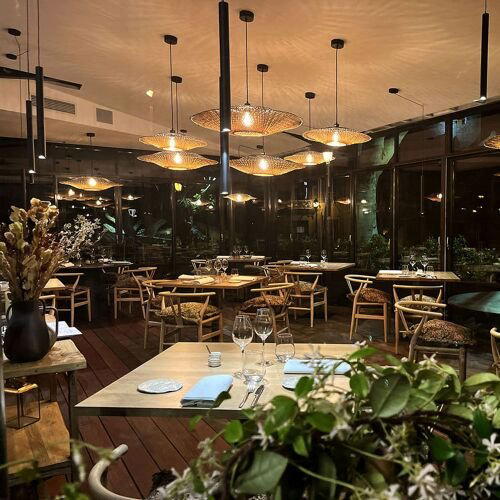
Restaurants in Paris
Browse all →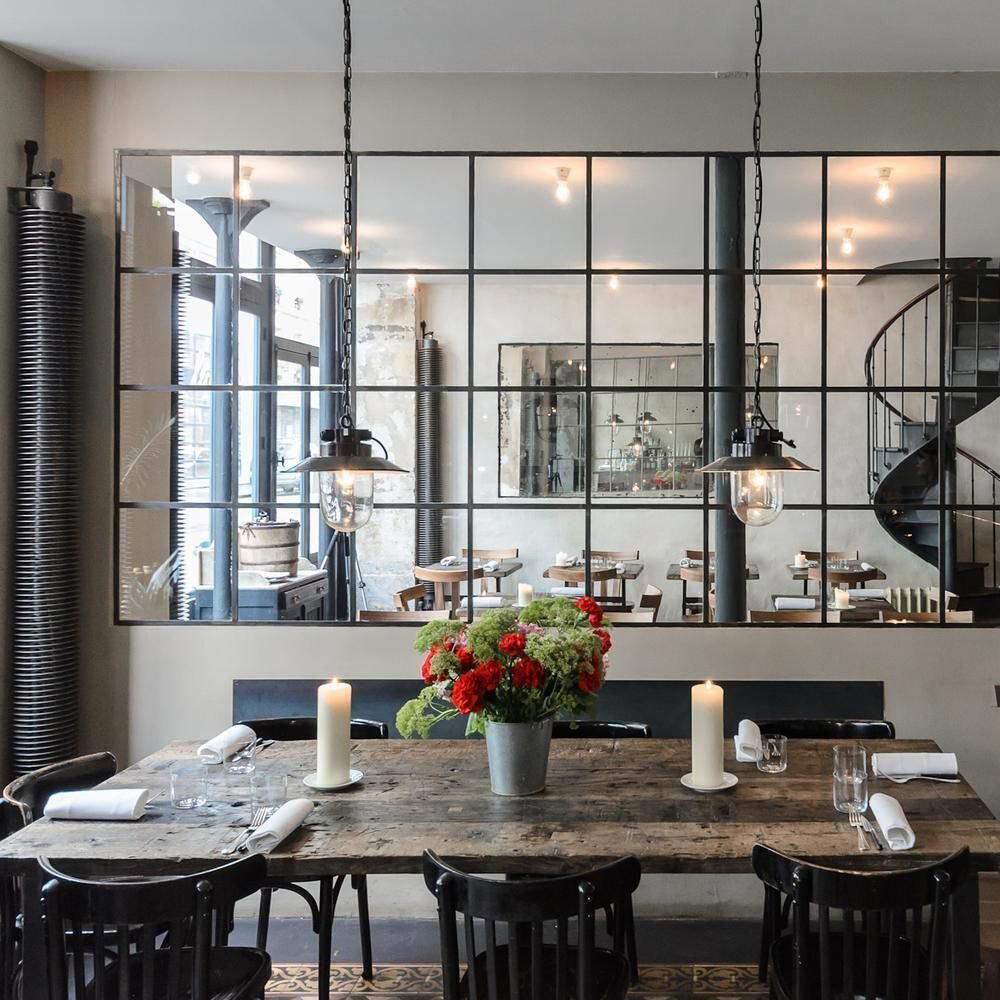
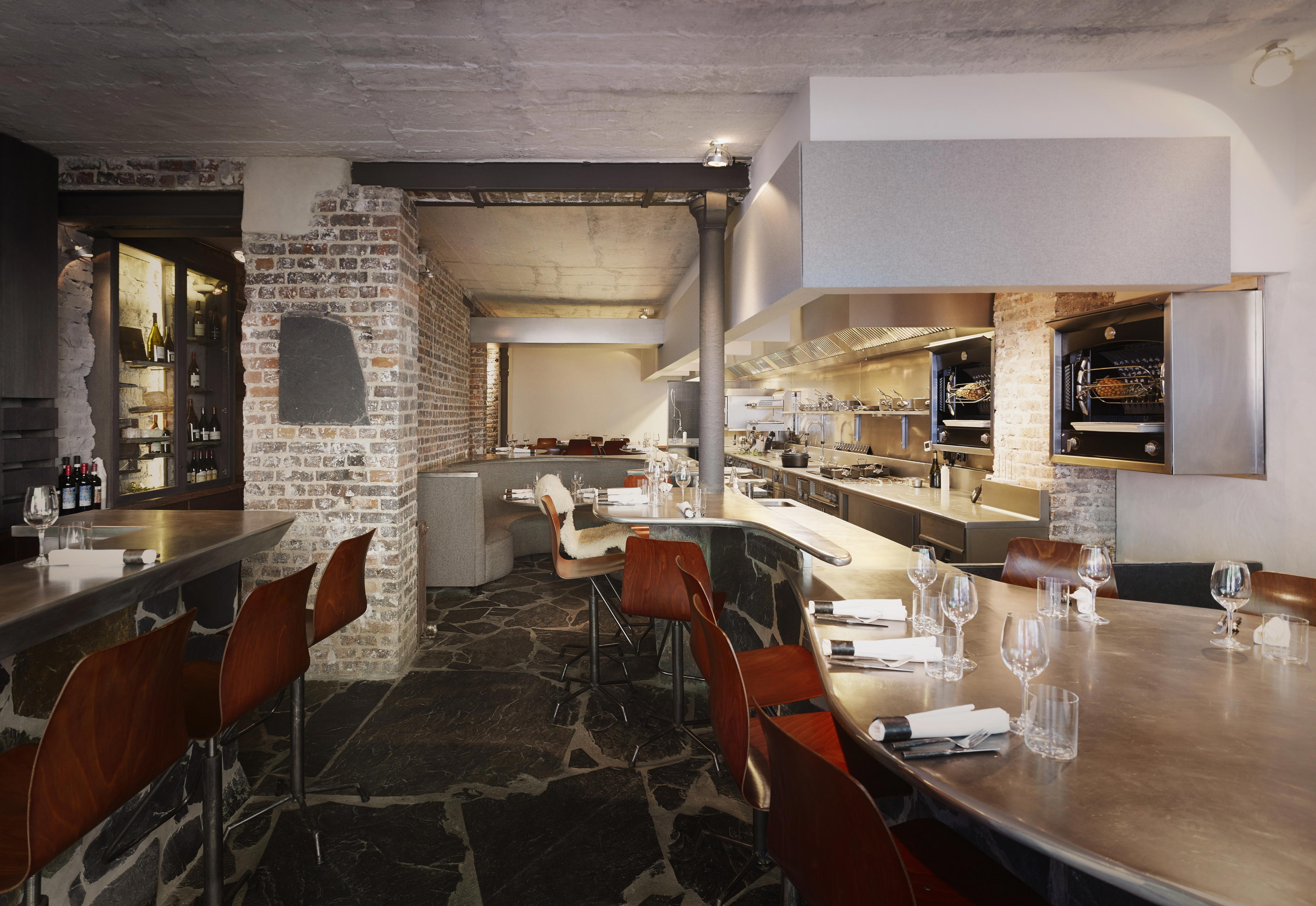
Bars in Paris
Browse all →
Hotels in Paris
Browse all →
At a Glance
- Classic
- Elegant
- Date Night
- Special Occasion
- Terrace
- Natural Wine
- Sustainable Seafood
Current opening hours
- Monday
- Closed
- Tuesday
- 12–2:30 PM, 7:30–11 PM
- Wednesday
- 12–2:30 PM, 7:30–11 PM
- Thursday
- 12–2:30 PM, 7:30–11 PM
- Friday
- 12–2:30 PM, 7:30–11 PM
- Saturday
- 12–2:30 PM, 7:30–11 PM
- Sunday
- Closed
Hours can change for holidays and private events. Last verified .
Traditional bistro decor with a maritime theme, refined and unpretentious atmosphere.