Michelin Plate · Star Wine List
Our verdict
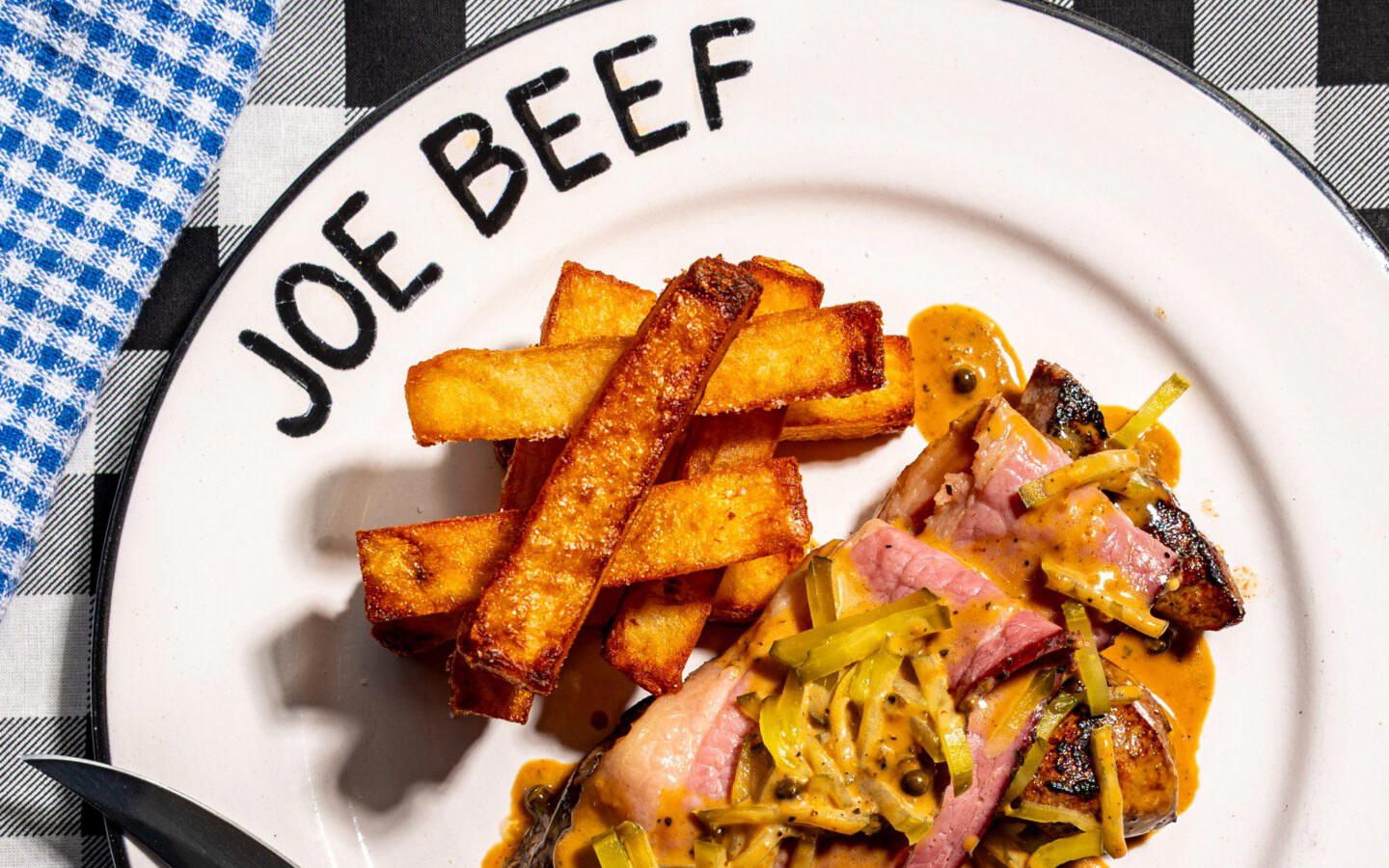
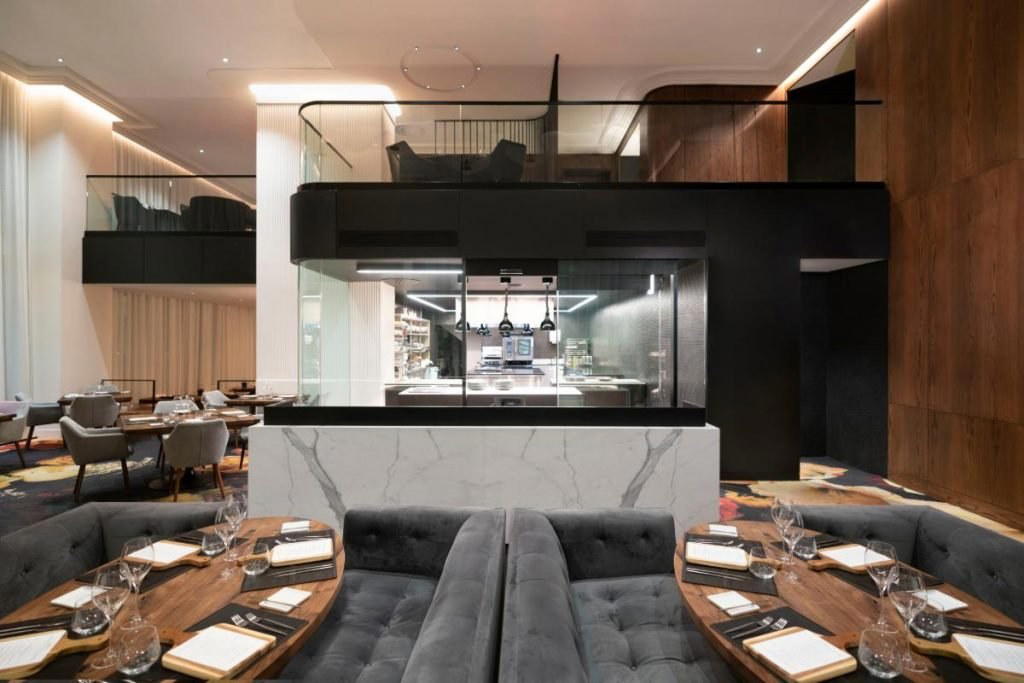
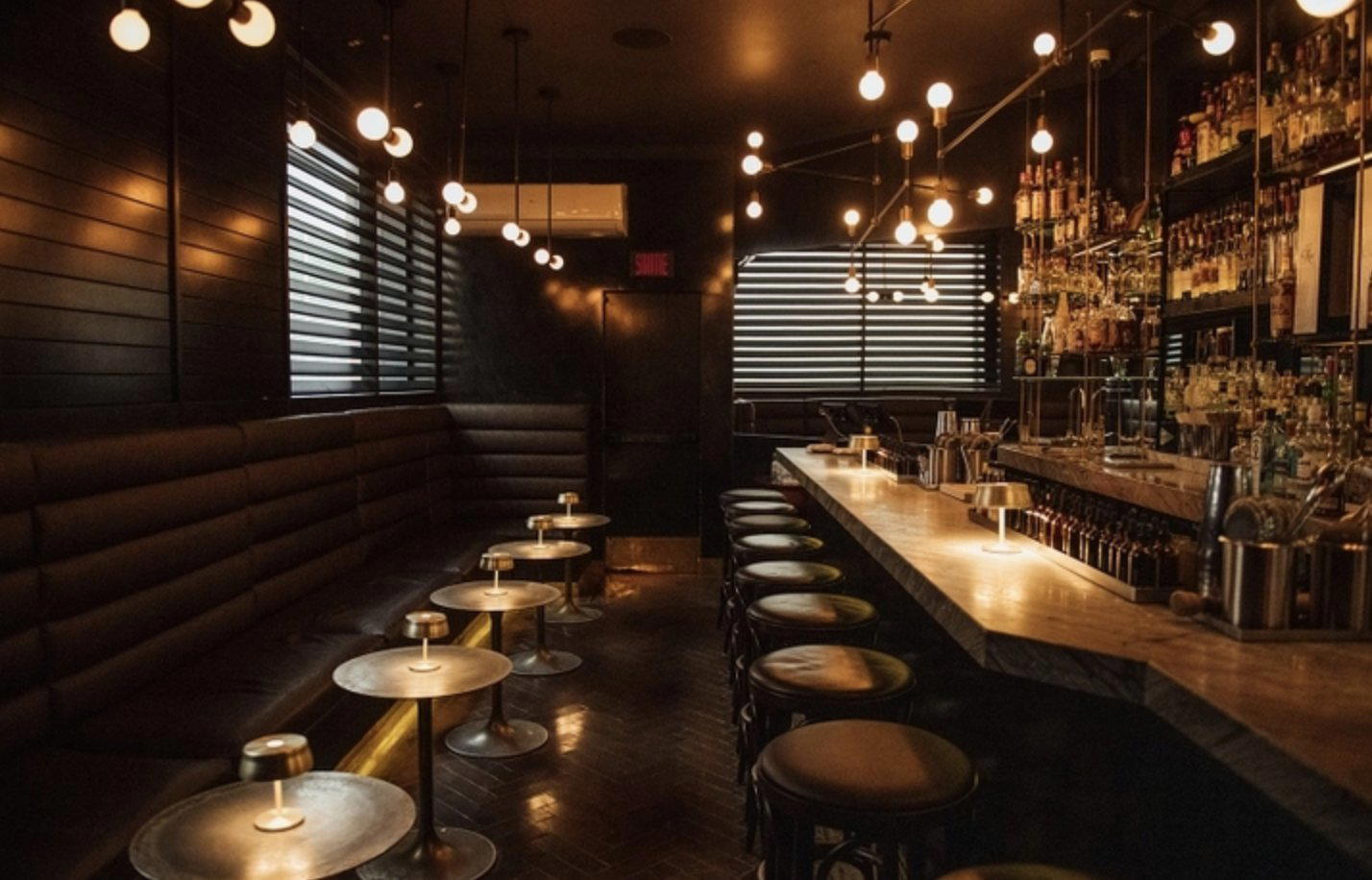
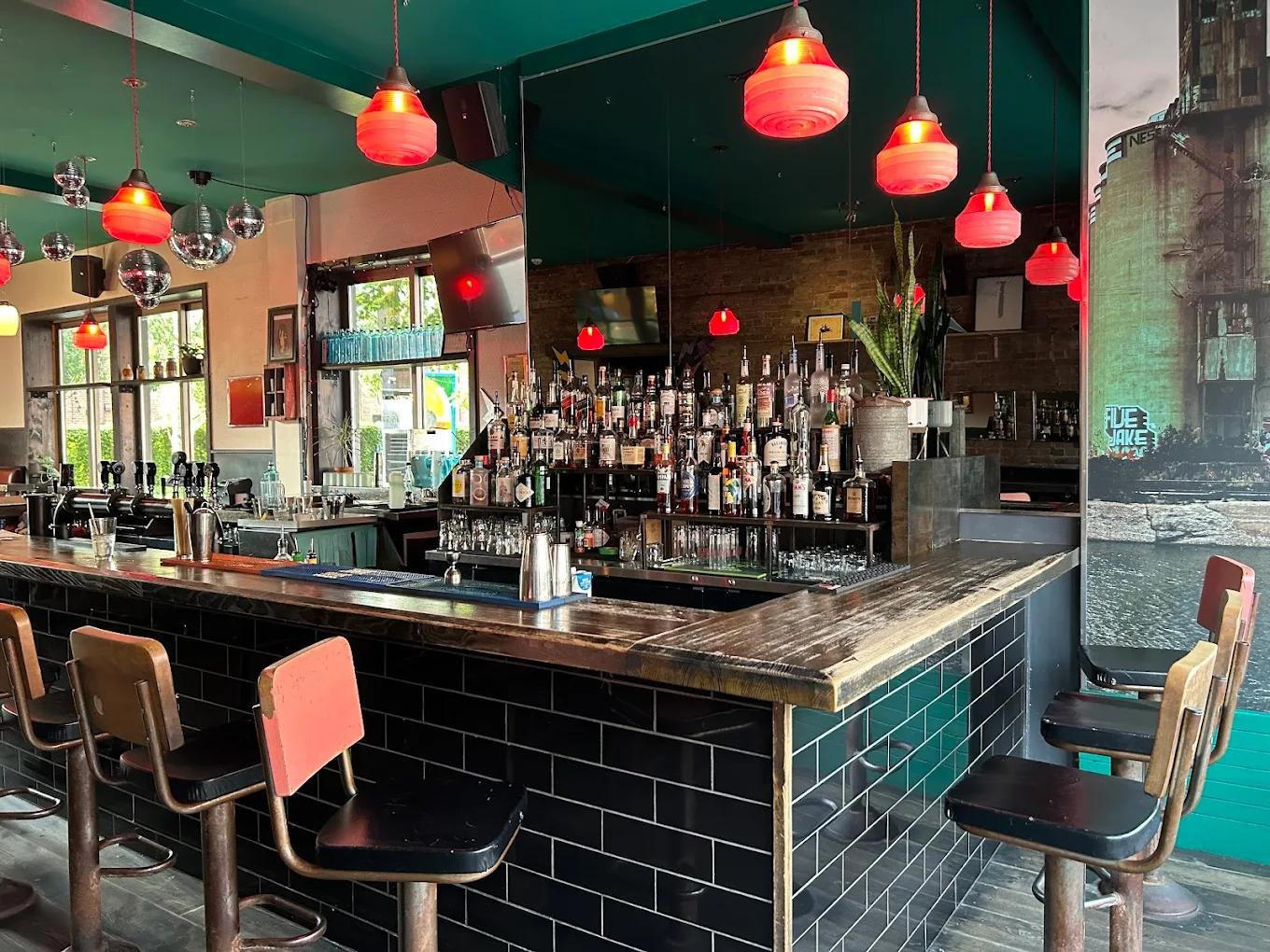
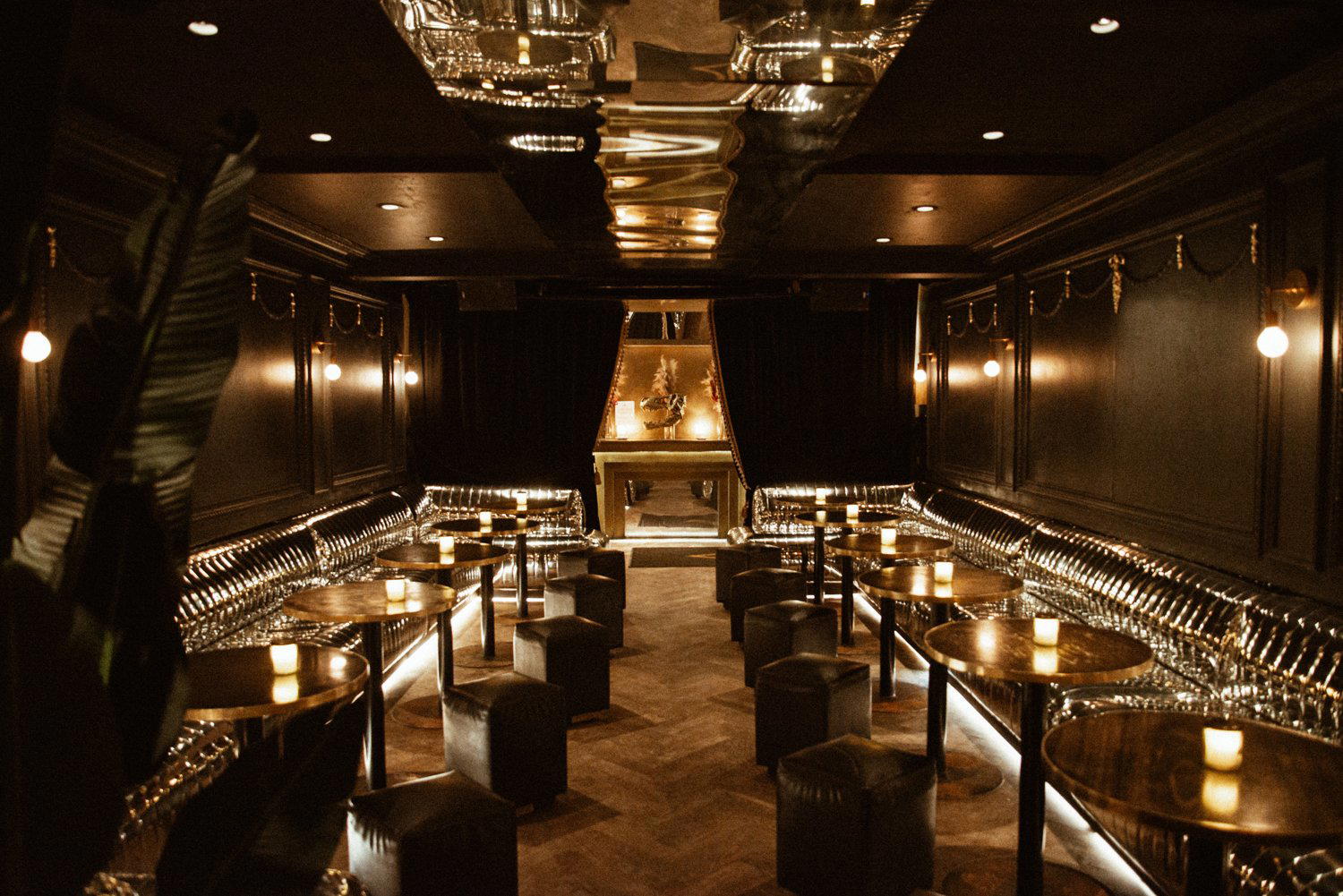
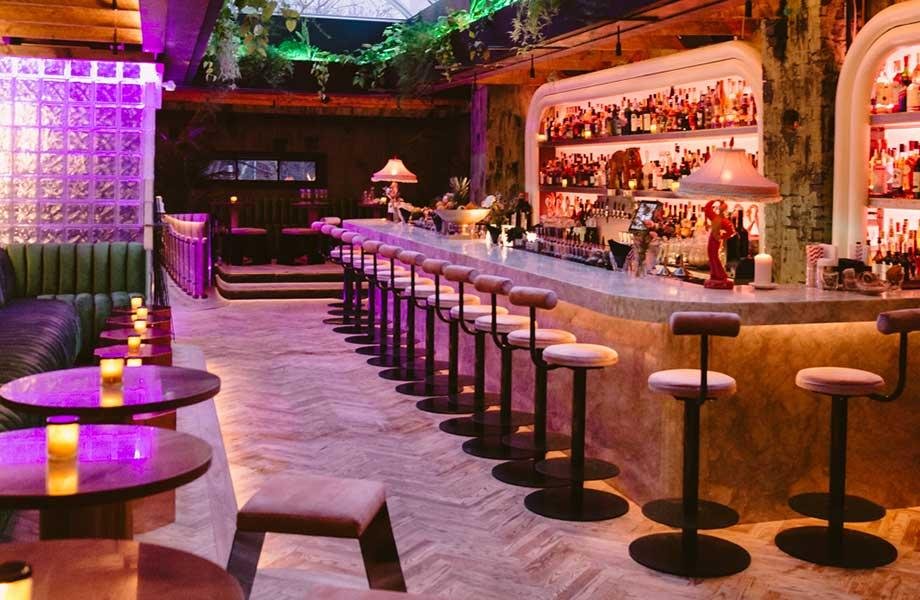
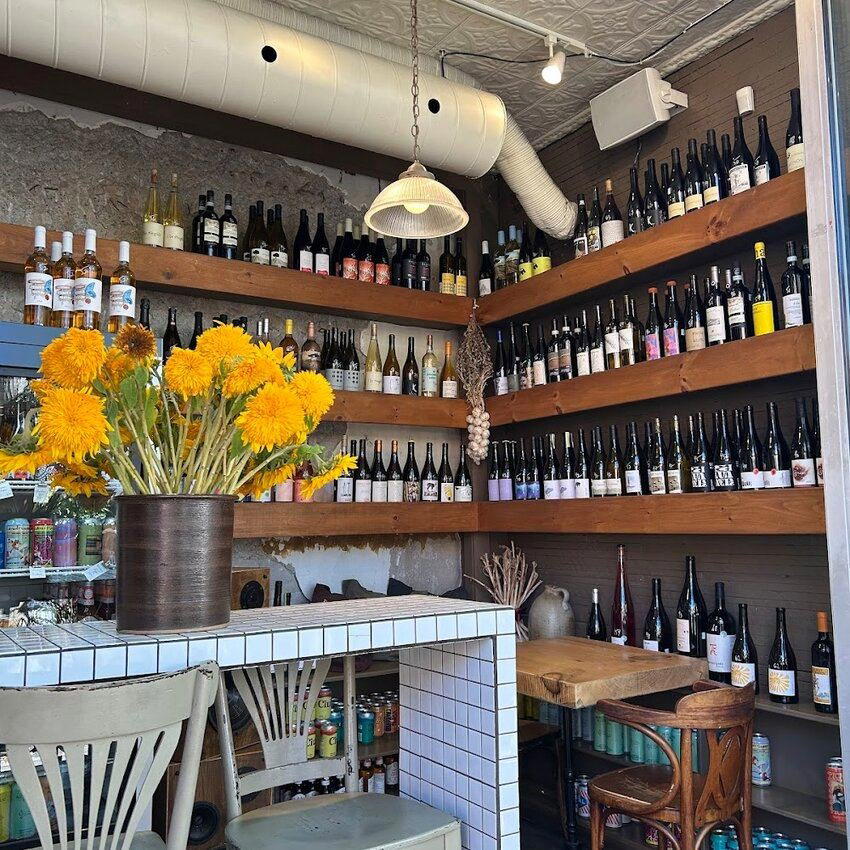
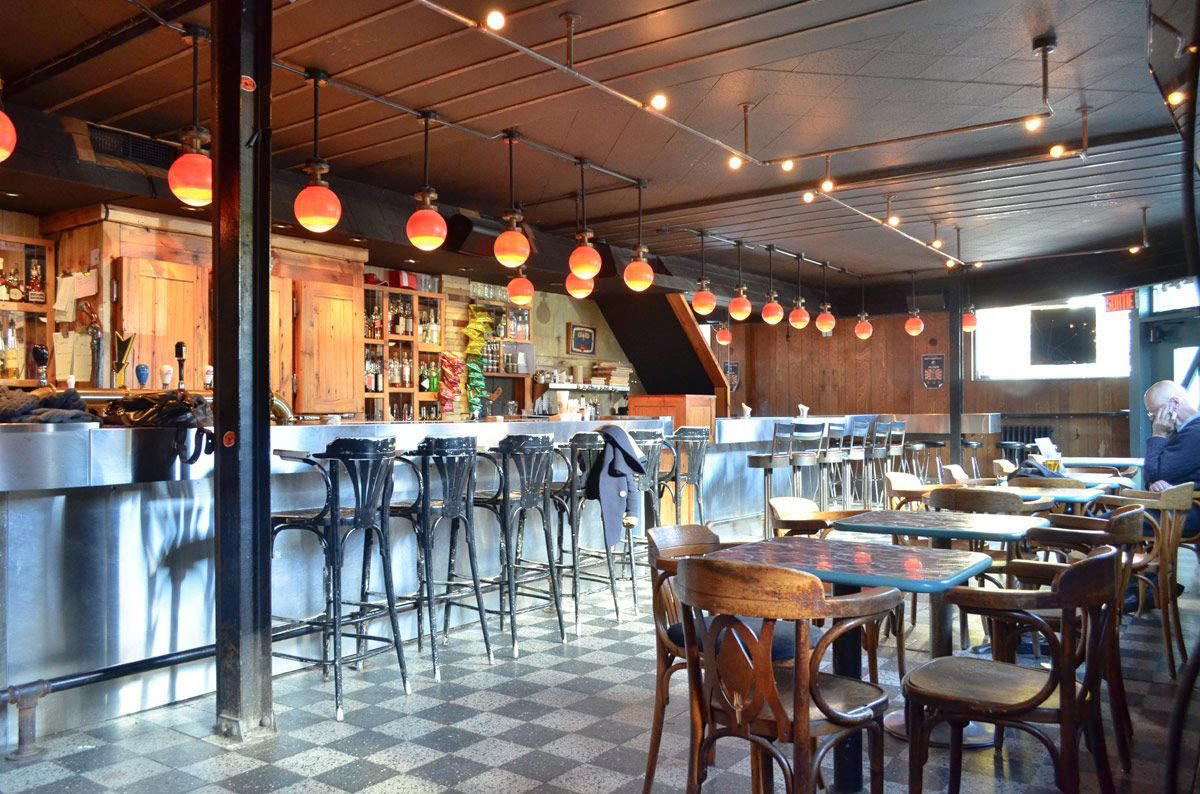
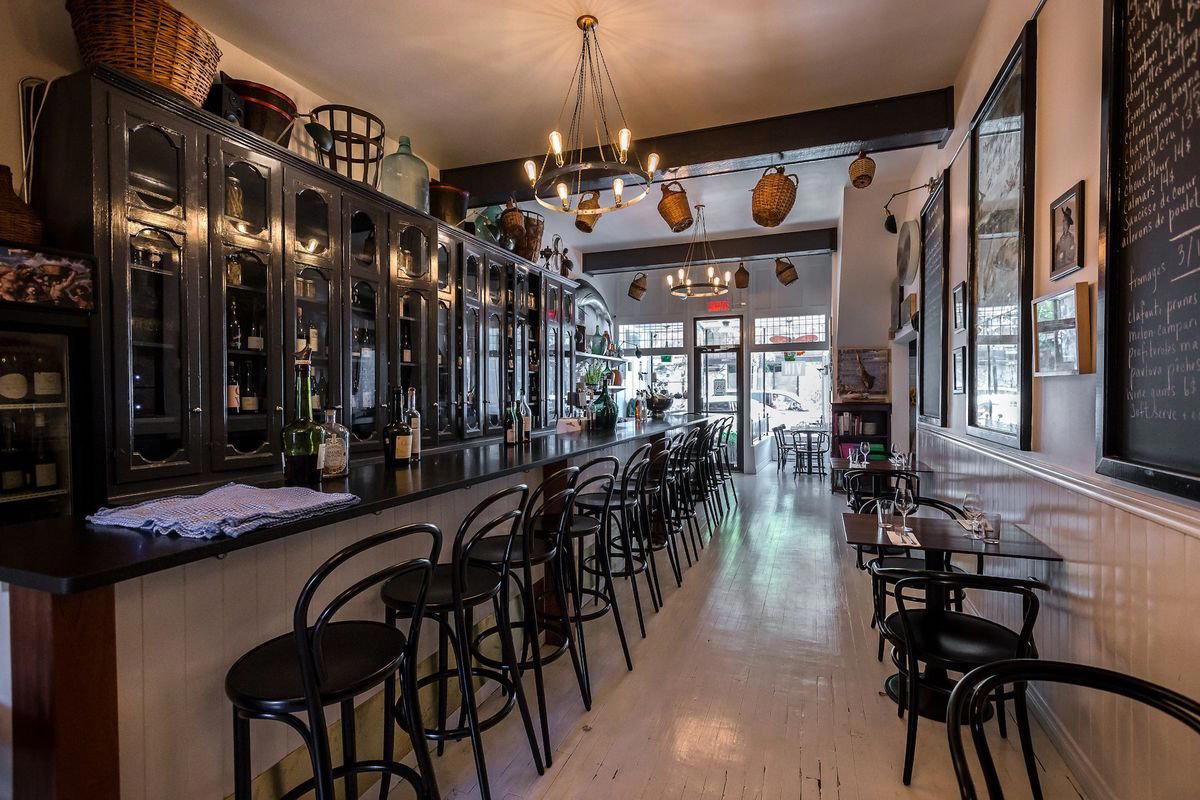
Le Vin Papillon is a 45-seat wine bar on Notre-Dame Ouest that operates as the informal sibling to Joe Beef, holding a Michelin Plate and consecutive Opinionated About Dining recognition through 2025. Under chef Marc-Olivier Frappier, the room trades on honest, vegetable-forward cooking and a wine list that rewards curiosity over convention. The summer terrasse extends both the season and the appeal.

Pearl is the En Primeur Club membership app, where members save venues, book tables and use the concierge.
The menu
What to order
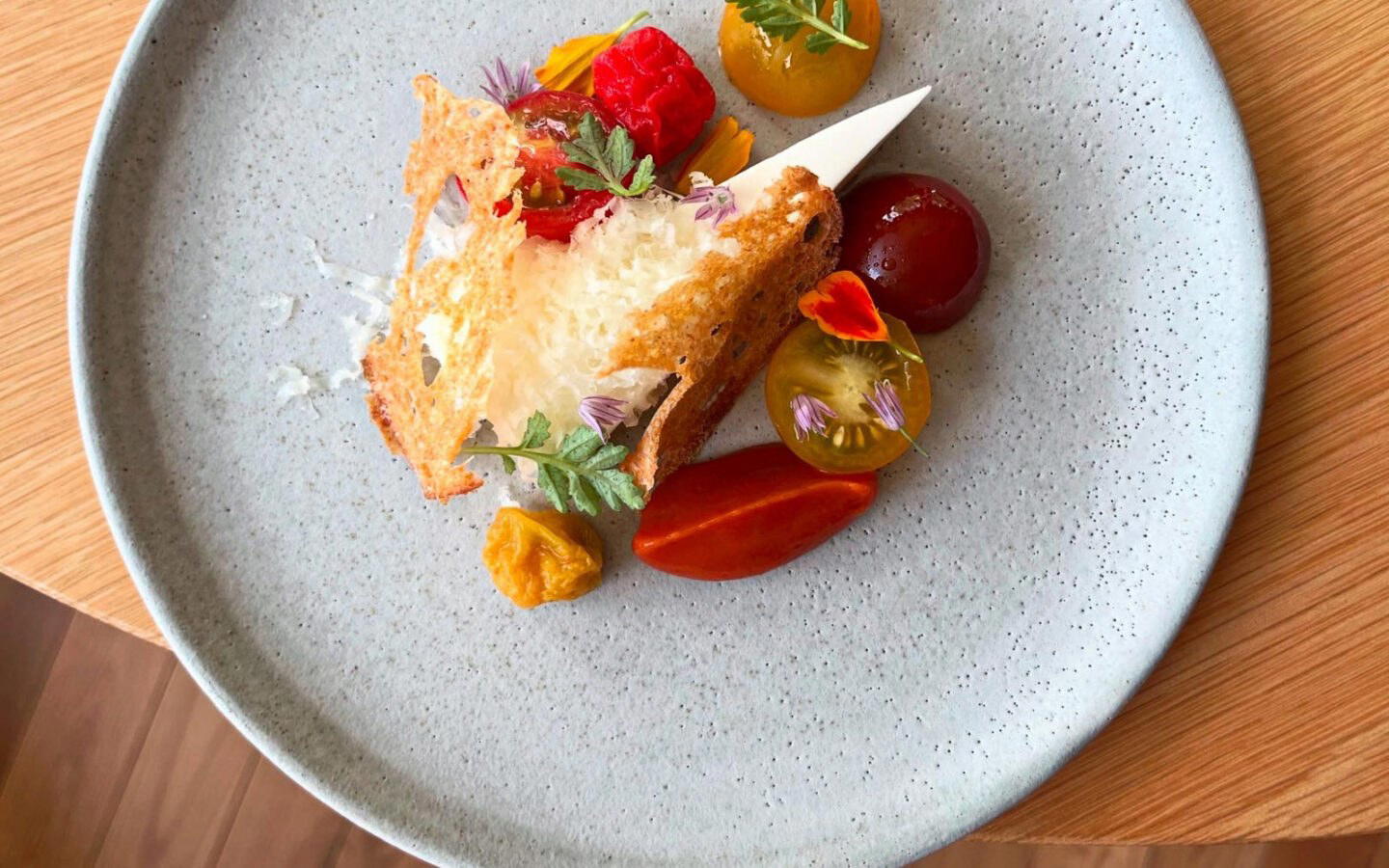
- Roasted Cauliflower with Thyme and Crispy Chicken Skin
- Petite Bourgogne Ham with Aged Gouda
- Beef Tartare with Candied Artichokes
- Smoked Carrot Sandwich
Notre-Dame Ouest and the Wine Bar Format It Shaped
The stretch of Notre-Dame Ouest running through Saint-Henri and into the lower Westmount borderlands has, over the past decade, become the clearest argument for Montreal's informal-dining thesis: that the most interesting rooms in the city are not the grandest ones. Le Vin Papillon sits at 2519 Notre-Dame Ouest inside that argument, a 45-seat room that has held Michelin Plate recognition and consecutive placement on Opinionated About Dining's Casual North America list, ranked 512th in 2024 and climbing to 707th in 2025 within a list that rewards consistency over spectacle.
The wine bar format, as it has evolved across cities that take it seriously, places specific demands on an operation. In London, places like 40 Maltby Street have demonstrated what the format looks like at its most stripped-back: producer-led lists, minimal intervention in the kitchen, a room that functions as context rather than destination. In Amsterdam, 4850 has pushed the format toward a more curated tasting experience. Le Vin Papillon belongs to a distinct North American iteration of this tradition, one that takes the wine-first principle and layers in serious, vegetable-forward kitchen work without tipping into full-restaurant territory.
The Joe Beef Ecosystem and What It Means Here
Montreal's most-discussed dining cluster on Notre-Dame Ouest includes Liverpool House and the original Joe Beef, properties that helped define a particular style of generous, produce-driven, wine-obsessed hospitality that has since been studied and replicated far beyond the city. Le Vin Papillon occupies a deliberate position within that ecosystem: it is the room where the wine list takes precedence and the food program is built around fermentation, preservation, and vegetables rather than the richer protein-led cooking of its neighbours.
That positioning matters because it signals an approach to sustainability that predates the terminology. Wine bars that survive on small producers and minimal-intervention viticulture are, almost by definition, working with a lower-carbon supply chain than those built on heavily industrialised production. The kitchen's emphasis on vegetables, pickles, and fermented preparations reflects a similar logic: shorter supply chains, less waste, and techniques that extract maximum value from seasonal ingredients. This is not sustainability as marketing concept; it is sustainability as culinary method, embedded in how the menu is structured.
Chef Marc-Olivier Frappier leads the kitchen within a framework that the room has established over time. The format at Le Vin Papillon prioritises shared plates and snacks calibrated to wine rather than standalone dishes designed to anchor a conventional three-course structure. That approach keeps portion sizes honest, reduces the overproduction that plagues larger tasting-menu formats, and places the emphasis on ingredients that need less to do more.
Fermentation, Preservation, and the Ethics of the Seasonal Plate
Quebec's climate compresses the growing season into a relatively narrow window, which has historically driven preservation culture in the province's cooking. Fermentation and pickling are not affectations here; they are practical responses to a short harvest and a long winter. Wine bars that build their food programs around these techniques are effectively working within an ingredient philosophy that reduces dependency on imported, out-of-season produce and the refrigerated logistics chains that support it.
This connects Le Vin Papillon to a broader pattern visible in Canadian restaurants that have built serious reputations on seasonal constraint. Tanière³ in Québec City has made indigenous and hyper-local ingredients the explicit architecture of its tasting menu. Narval in Rimouski operates within tight regional sourcing on the St. Lawrence. Restaurant Pearl Morissette in Lincoln has integrated wine production and kitchen sourcing into a single agricultural operation. Le Vin Papillon works at a different scale and with a different register, but the underlying philosophy, using what is available, preserving what must be preserved, and building cooking around the realities of place and season, connects it to this wider current in Canadian hospitality.
Compared to Montreal's formal dining tier, which includes rooms like Jérôme Ferrer's Europea and Sabayon, Le Vin Papillon operates at a deliberately lower price register and with a format that generates less kitchen complexity and, by extension, less waste. That is not a criticism of the formal tier; it is an observation about how different formats carry different environmental footprints.
The Terrasse and the Argument for Outdoor Dining
The interior seats 45, a capacity that keeps service personal and limits the energy and resource draw of the operation. In summer, the backyard terrasse extends that capacity without requiring structural expansion, the kind of seasonal adaptation that makes physical sense in a city where summer dining is a cultural event rather than a weather hedge. Montreal's outdoor dining culture, shared with cities like Vancouver and Toronto but shaped by a more compressed summer window, gives places like Le Vin Papillon a natural second gear between late spring and early autumn.
The terrasse functions as an argument for the room rather than a departure from it. The same wine list, the same kitchen program, but with the added variable of a Montreal summer evening on Notre-Dame Ouest. For those planning a visit, the outdoor option makes May through September the natural window, though the interior operates with consistent warmth in the colder months. The room is closed Mondays and Sundays; Tuesday through Saturday service runs from 5pm to 10:30pm.
Where Le Vin Papillon Sits in the Montreal Picture
Montreal's mid-tier dining scene has deepened considerably, with rooms like Mastard and Alma Montreal demonstrating that the city can sustain serious, creative cooking outside the grand-tasting-menu format. The Pine in Creemore and similar properties elsewhere in Canada have shown that the wine-bar-with-serious-kitchen model travels. Le Vin Papillon predates most of this conversation and, in some ways, helped shape the Montreal version of it.
The Opinionated About Dining recognition across three consecutive years (Recommended in 2023, ranked in 2024 and 2025) is a more meaningful signal than a single award cycle. OAD's methodology relies on a network of regular diners rather than a single inspector visit, which means sustained ranking reflects consistent performance rather than a single high-stakes service. For a 45-seat room running five nights a week, that consistency is the credential.
For the full picture of what Notre-Dame Ouest and the broader city offer, EP Club's guides cover Montreal bars, Montreal hotels, Montreal wineries, and Montreal experiences alongside the full restaurant guide.
Planning a Visit
Le Vin Papillon is at 2519 Notre-Dame Ouest, in the Saint-Henri neighbourhood, with service running Tuesday to Saturday from 5pm to 10:30pm. The room is closed Sunday and Monday. With 45 interior seats and a summer terrasse, demand is concentrated; booking ahead is sensible, particularly for weekend evenings when the Joe Beef block draws higher foot traffic. The format rewards lingering over wine rather than a quick turn, so arriving early in the service window allows the most time.
Frequently asked questions
Does Le Vin Papillon have a Michelin star or similar recognition?
Le Vin Papillon has received recognition including: This friendly wine bar belongs to the same owners that also run the famous restaurant Joe Beef. The room only seats 45 clients, but the nice backyard terrasse can welcome some more in the summer. The...; Opinionated About Dining Casual in N….
Is Le Vin Papillon focused on a specific cuisine style?
What dish is Le Vin Papillon famous for?
Le Vin Papillon, under chef Marc-Olivier Frappier, is associated with a style of cooking rather than a single signature plate. The kitchen draws on fermentation and preservation techniques that reflect Quebec's compressed growing season, producing vegetable-forward small plates built around what is available rather than a fixed menu centerpiece. That approach, more than any one dish, is what earned the room its Michelin Plate recognition and repeat placement on the Opinionated About Dining Casual North America list.
What are Le Vin Papillon's hours?
Hours at Le Vin Papillon: Hours: Monday Closed Tuesday 5–10:30 pm Wednesday 5–10:30 pm Thursday 5–10:30 pm Friday 5–10:30 pm Saturday 5–10:30 pm Sunday Closed.
How do I find Le Vin Papillon?
Le Vin Papillon is located at 2519 R. Notre Dame O, Montréal, QC H3J 1N4, Montreal.
Is Le Vin Papillon chef-led?
The chef associated with Le Vin Papillon is Marc-Olivier Frappier.
What has Le Vin Papillon built its reputation on?
Three things define the room: a wine list weighted toward small producers and minimal-intervention winemaking, a kitchen program grounded in fermentation and seasonal preservation, and the credibility that comes from operating within the Joe Beef group on Notre-Dame Ouest. The 45-seat interior keeps the format personal, and the venue has held a Michelin Plate since 2025 while climbing from an OAD Recommended listing in 2023 to a ranked position by 2024 and 2025.
How It Stacks Up
| Venue | Cuisine | Price | Awards | Notes |
|---|---|---|---|---|
| Le Vin PapillonThis venue (the venue you are viewing) | Modern French Small Plates & Natural Wine | $50–100 | Michelin Plate · Star Wine List | Not listed |
| L’Express | Classic French Bistro | $50–100 | Michelin Plate · Star Wine List | Not listed |
| Schwartz’s | Montreal Smoked Meat Deli | $20–30 | Michelin Plate | Not listed |
| Toqué | Modern Quebecois Fine Dining | $100–150 | Michelin Plate · La Liste Top Restaurants | Not listed |
| Jérôme Ferrer - Europea | Modern French Fine Dining with Quebec Influences | $150–200 | 1 Michelin Star · Relais Chateaux Award | Modern Cuisine |
| Mastard | Modern Quebec Terroir Fine Dining | $50–100 | 1 Michelin Star · Canada's 100 Best Restaurants #63 | Modern Cuisine |
Recognition history
Dated appearances from independent guides and award organizations, with the underlying list record or original source where available.
Michelin Plate
Michelin
Star Wine List
Star Wine List
Opinionated About Dining Casual in North America Ranked #707
Opinionated About Dining
Full recognition history (6 entries)
Michelin Plate
Michelin
Opinionated About Dining Casual in North America Ranked #512
Opinionated About Dining
Opinionated About Dining Casual in North America Recommended
Opinionated About Dining