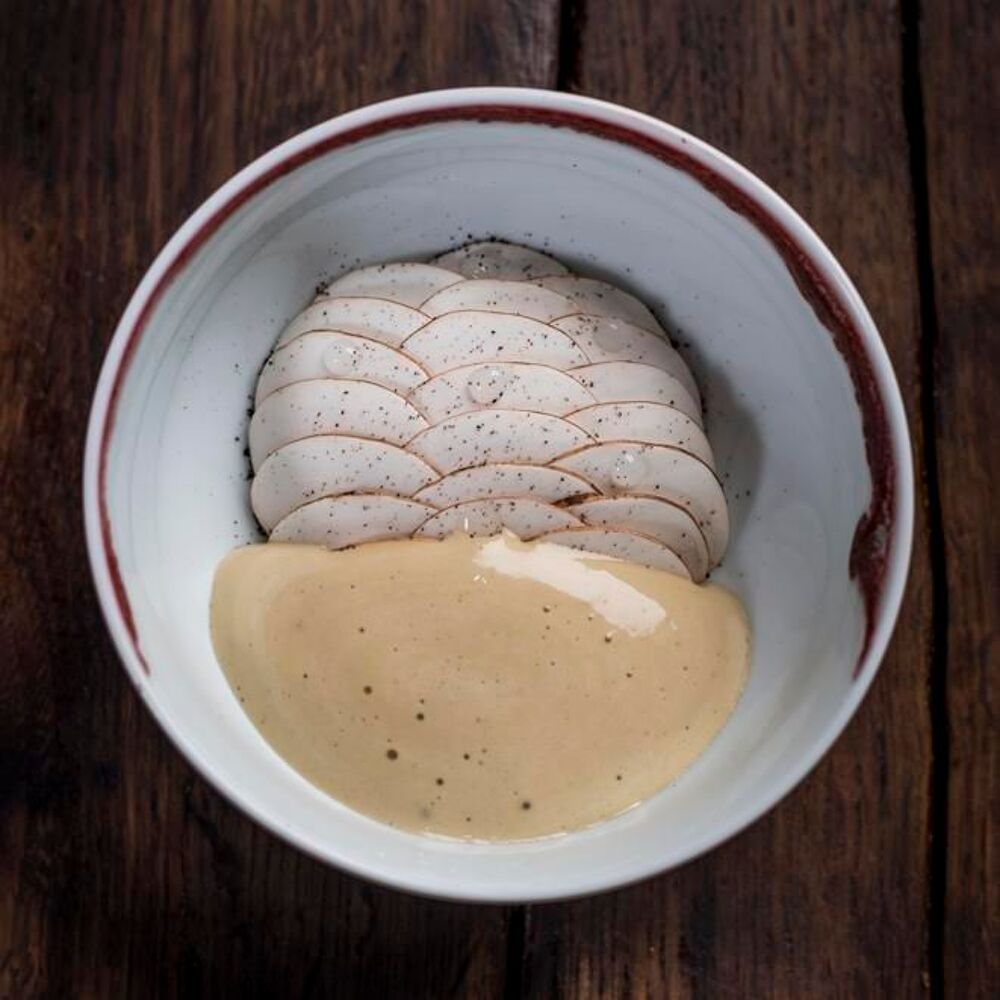
le Toi du Monde serves French brasserie gastronomique in Flumet, with a terrace, mountain views, and farm-to-table, local sourcing for lunch or dinner.
Pearl is the En Primeur Club membership app — saves, bookings, and concierge access live there. Same editors, same standards.
- Address
- 464 chemin des Zorgières, 73590 Flumet, France
- Phone
- +33479106353
- Website
- letoidumonde.com
- Directions
- Get directions
 Saves & bookings on Pearl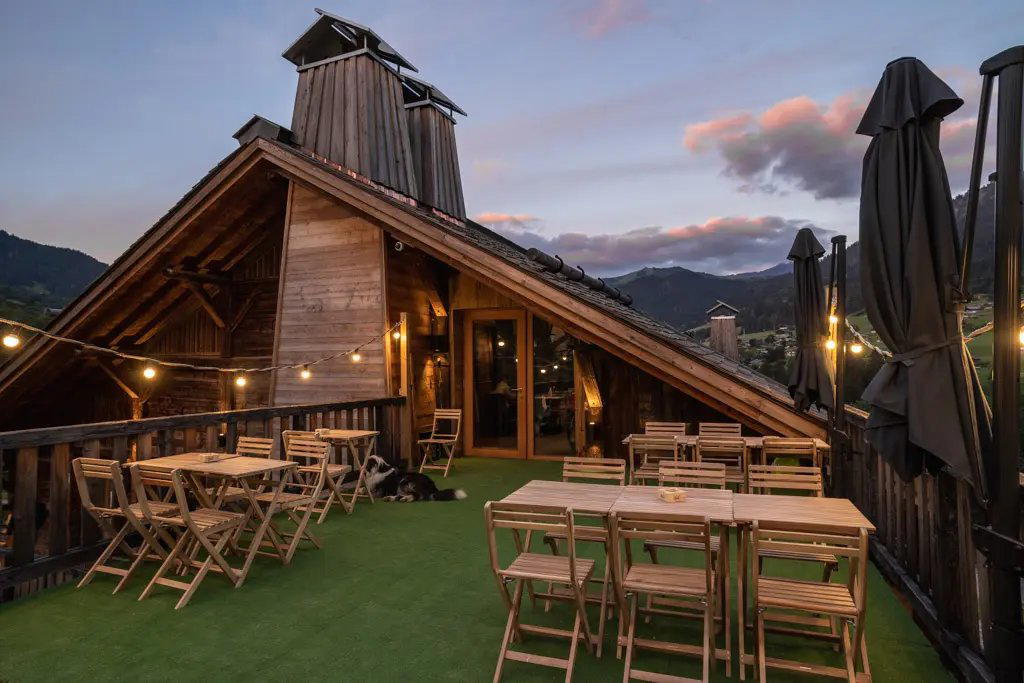
Where the Alps Shape What Arrives on the Plate
The village of Flumet sits at the crossroads of the Arly valley, roughly equidistant between Megève and the Col des Aravis pass, at an altitude where the growing season compresses and the landscape does the editorial work that warmer climates leave to the kitchen. In this context, ingredient sourcing is not a marketing choice, it is a structural constraint and, for the restaurants willing to work within it, a genuine creative framework. Le Toi du Monde, at 464 chemin des Zorgières, is a restaurant in Flumet serving French Brasserie Gastronomique at about $39 per person. It occupies that position: a mountain address that places it inside a broader regional tradition of cooking shaped by altitude, seasonality, and proximity to some of the leading raw materials the Savoie can produce.
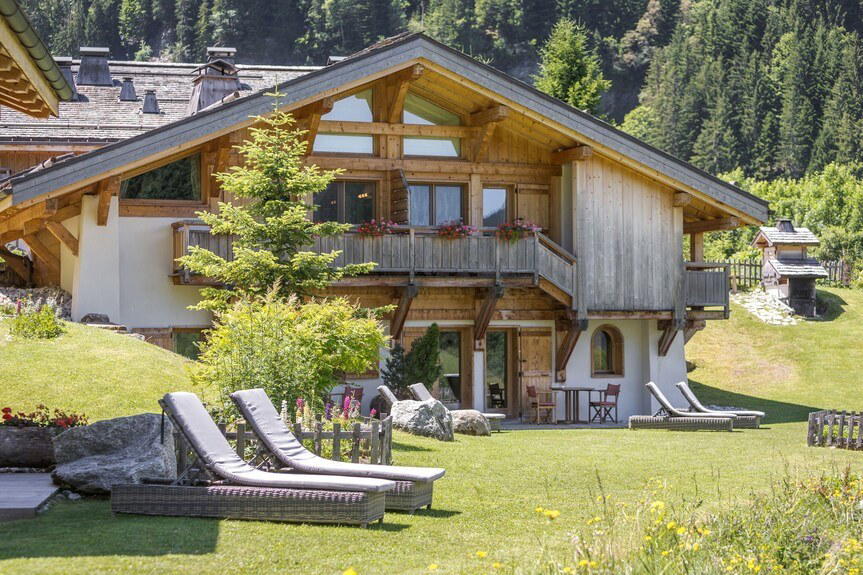
The name, loosely translating from French as "the roof of the world", is a reference to the physical fact of the building's relationship with the mountains rather than any aspirational claim. At this elevation, the horizon is made of ridgelines, and what arrives in the kitchen does so on a tight seasonal clock. That compression of available seasons is the central editorial fact about dining in the Flumet area. Restaurants here do not have the luxury of a year-round growing corridor. They earn their menus by building relationships with producers who work the same compressed rhythms.
Alpine Sourcing as a Culinary Discipline
Savoie's culinary tradition has always been shaped by what survives altitude: cured meats, aged mountain cheeses, river fish from glacially fed streams, wild mushrooms that fruit briefly and generously in autumn. The regional kitchen is not sparse, it is selective by necessity, and that selectivity produces a clarity of flavor that distinguishes it from the broader French canon. The cheeses alone, Beaufort, Abondance, Reblochon, are appellation-controlled products of specific highland pastures and microclimates, carrying the kind of geographic specificity that the wine world has codified for decades but that food culture in general is only recently learning to articulate.
For a restaurant like le Toi du Monde, operating in a valley that sits within reach of these production zones, the sourcing question is less about philosophy and more about logistics and relationship. The nearest major cheese-producing area for Beaufort d'Alpage is the high pastures around Beaufortain, a short drive east. Wild game, mushrooms, and river fish circulate through local networks that restaurants at this level of address typically access directly. This is the ingredient infrastructure that makes mountain dining in this part of France categorically different from the Alpine-themed restaurants of city centers, which simulate the aesthetic without the supply chain.
In that broader context, le Toi du Monde's Flumet address is a credential in itself. Compare this to the sourcing frameworks employed by Flocons de Sel in Megève, where Emmanuel Renaut has built a three-Michelin-star program partly on the argument that proximity to alpine producers is irreplaceable. The principle scales down: a smaller, less formally recognized address in Flumet operates within the same regional supply logic, even if the format and ambition differ. The Savoie mountain kitchen is not a single price tier, it is a geographic and seasonal discipline that runs from farmhouse table to grand établissement.
Flumet in the Wider French Mountain Dining Picture
France's mountain restaurant culture is more varied than the luxury-chalet image suggests. The grandes maisons of the French Alps, anchored by operations like Flocons de Sel or the broader Haute-Savoie tradition, sit at the summit of a structure that includes village auberges, farm-to-table operations, and informal mountain huts serving food that would embarrass many urban bistros for its directness and quality. Flumet, which is not a resort town in the Courchevel or Méribel sense, occupies a quieter register. Its dining scene is oriented toward the people who live in or pass through the valley year-round, not the seasonal influx of international ski tourism.
That distinction matters for how a restaurant here positions itself. Venues in Flumet, including Auberge des Églantiers, operate within a more grounded local economy. This is a different competitive set from the high-altitude resort destinations, and it produces a different kind of cooking, less performative, more rooted in what the valley actually produces and consumes. For the traveler who wants to eat in the French Alps without the resort-town price premium and theater, that distinction is relevant.
For context on the wider range of French regional excellence, the EP Club covers a spectrum from Mirazur in Menton and Bras in Laguiole, both representing terroir-driven ambition at the highest decorated level, to village-scale addresses that anchor local food culture without the awards apparatus. The Auberge du Vieux Puits in Fontjoncouse is the clearest national precedent for how a geographically remote address, when built on serious sourcing, can generate outsized culinary relevance. Le Toi du Monde operates in a smaller register, but the geographic logic is the same: place your kitchen close to good raw materials and let the sourcing do the structural work.
Elsewhere in France's decorated regional landscape, venues like Georges Blanc in Vonnas, Auberge de l'Ill in Illhaeusern, and L'Oustau de Baumanière in Les Baux have made the argument for decades that France's most compelling food comes from addresses that are embedded in specific landscapes rather than transplanted to cities. That argument has only strengthened as sourcing transparency has become a standard by which serious kitchens are judged.
Planning Your Visit to Flumet
Flumet is accessible by car from Albertville (roughly 20 kilometers south) or from Megève via the Col des Aravis route when conditions permit. The valley is navigable year-round by road, though winter driving requires appropriate tires and awareness of pass closures. The village is small enough that 464 chemin des Zorgières is direct to locate. Visiting Flumet is best planned as part of a broader Arly valley day rather than as a standalone destination trip. For those traveling between Megève and the Aravis, the valley rewards an unhurried approach, stopping to eat here sits naturally within that kind of itinerary rather than requiring a dedicated detour.
Comparable Venues
Comparable venues nearby, for context on price, style, and recognition.
| Venue | Cuisine | Price | Awards | Notes |
|---|---|---|---|---|
| le Toi du MondeThis venue — the venue you are viewing | French Brasserie Gastronomique | $$$ | Not listed | Not listed |
| Auberge des Églantiers | Traditional French Savoyard Bistro | $$$ | Michelin Plate | Flumet |
| La Chamade | Traditional French Savoyard with Cheese Specialties | $$$ | Not listed | centre of Morzine |
| Le Cèpe | French Mountain Cuisine with Cèpe Focus | $$$ | Not listed | Les Allues |
| L'Empreinte | Modern French Bistronomique | $$$ | Not listed | Alpe d'Huez |
| Chalet de la Marine | Refined Savoyard French | $$$ | Not listed | Val Thorens |
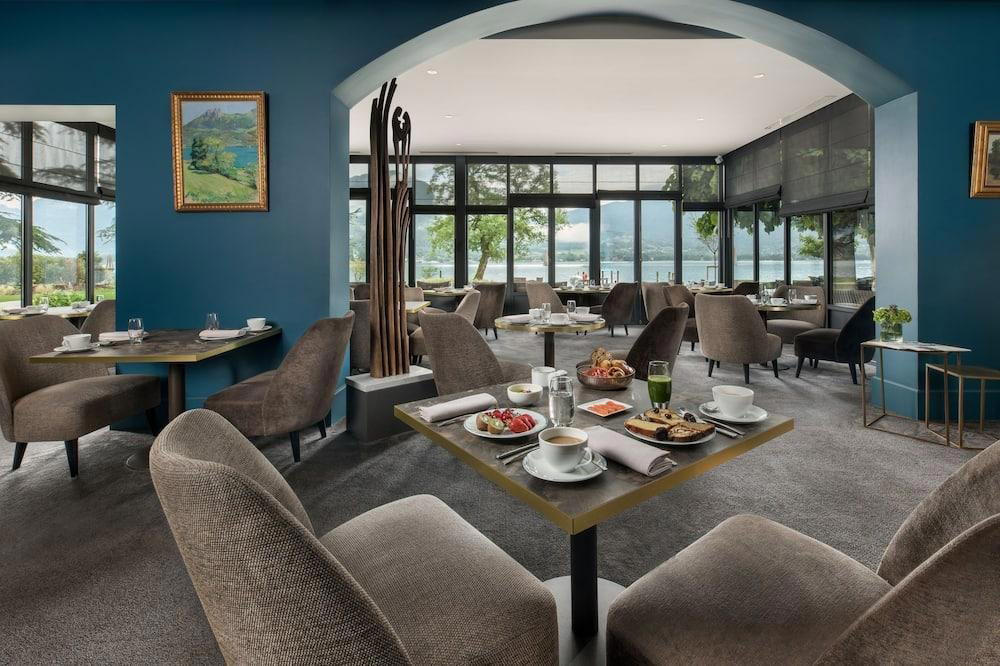
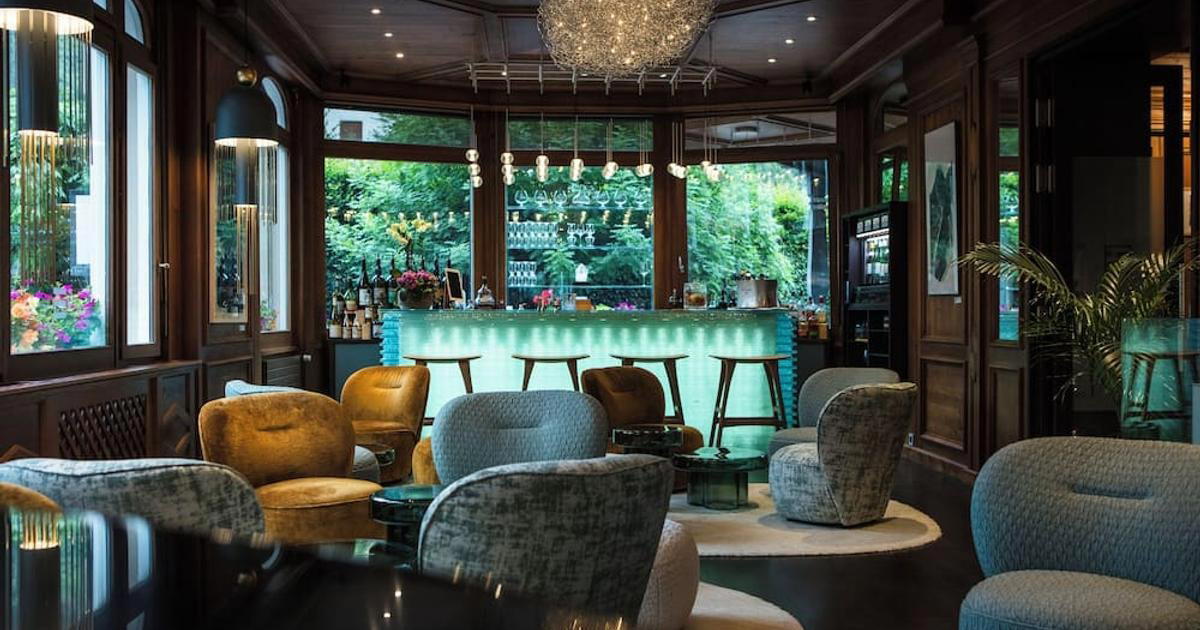
At a Glance
- Cozy
- Rustic
- Scenic
- Elegant
- Special Occasion
- Family
- Open Kitchen
- Terrace
- Farm To Table
- Local Sourcing
- Mountain
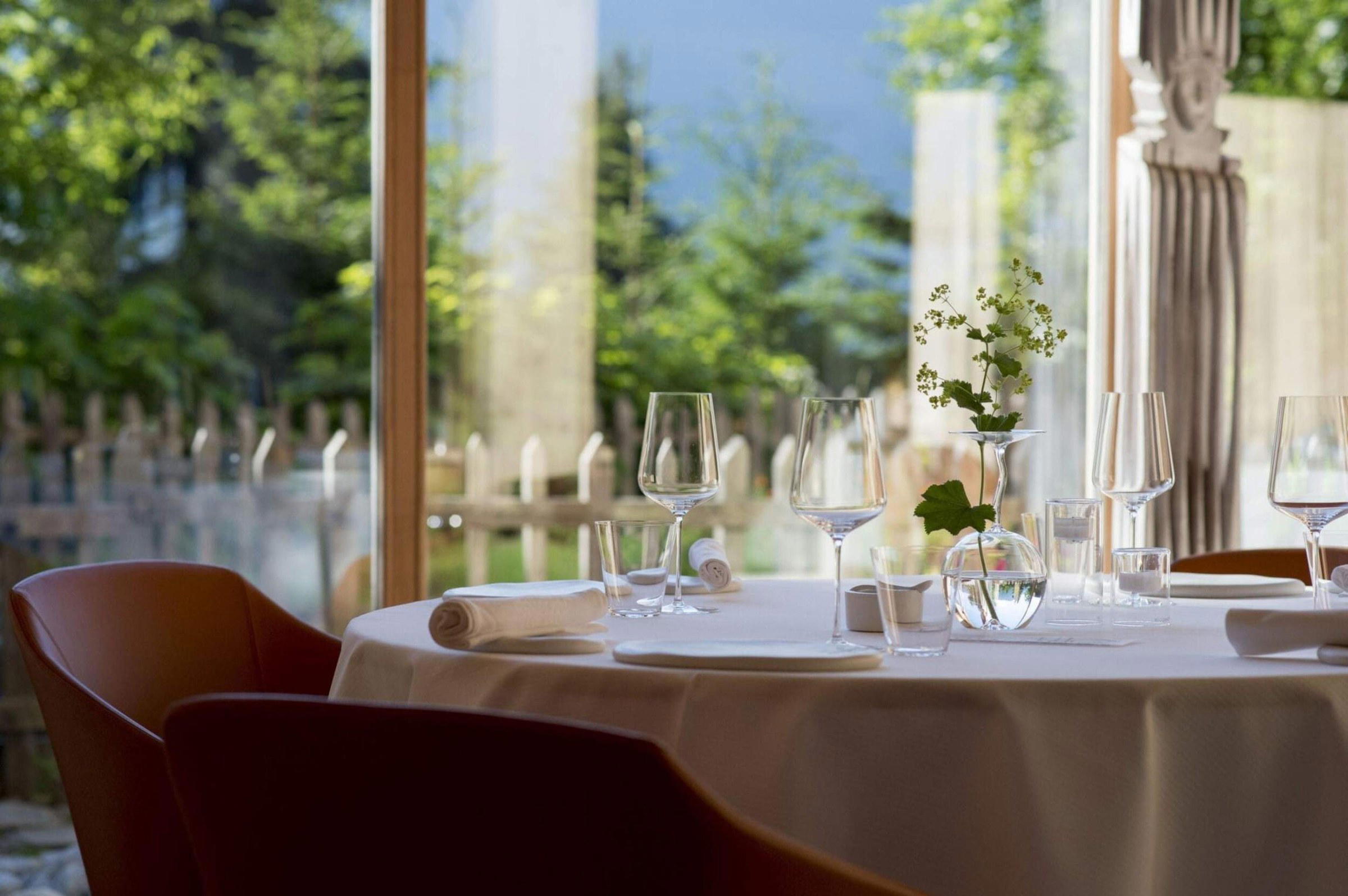
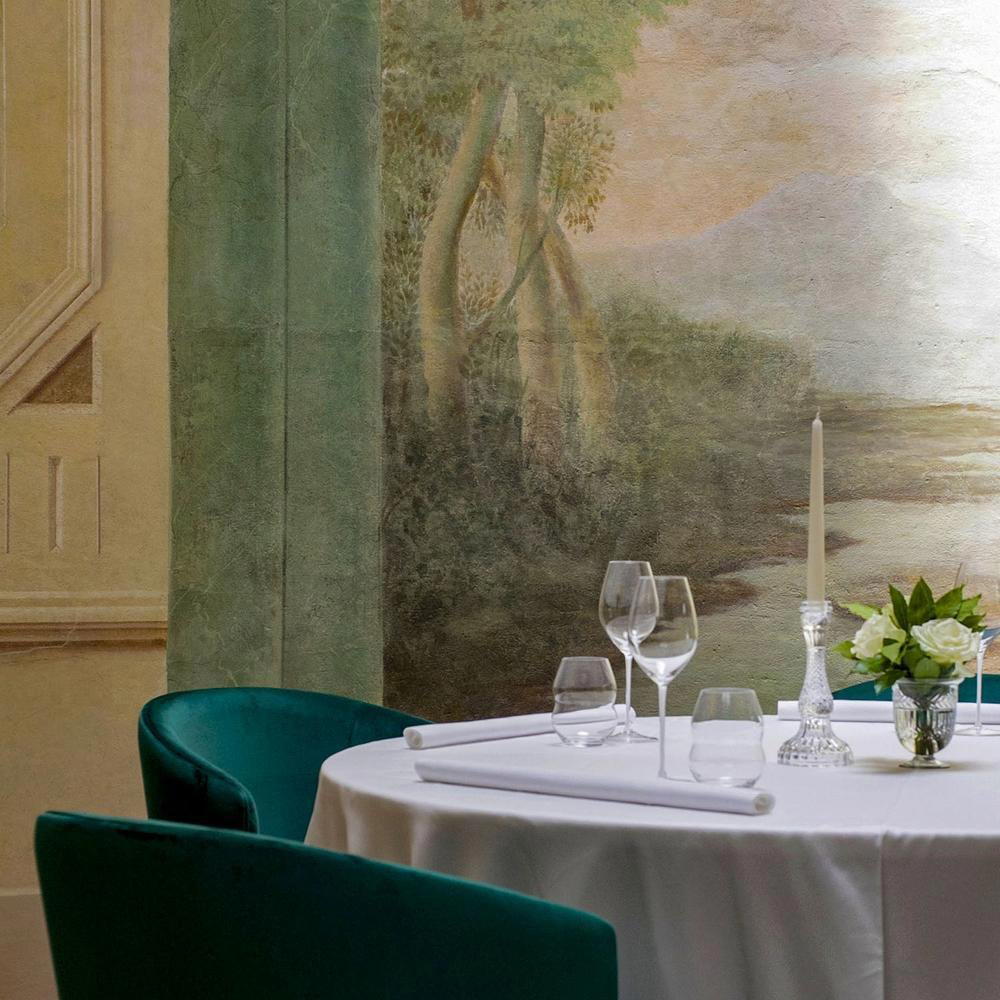
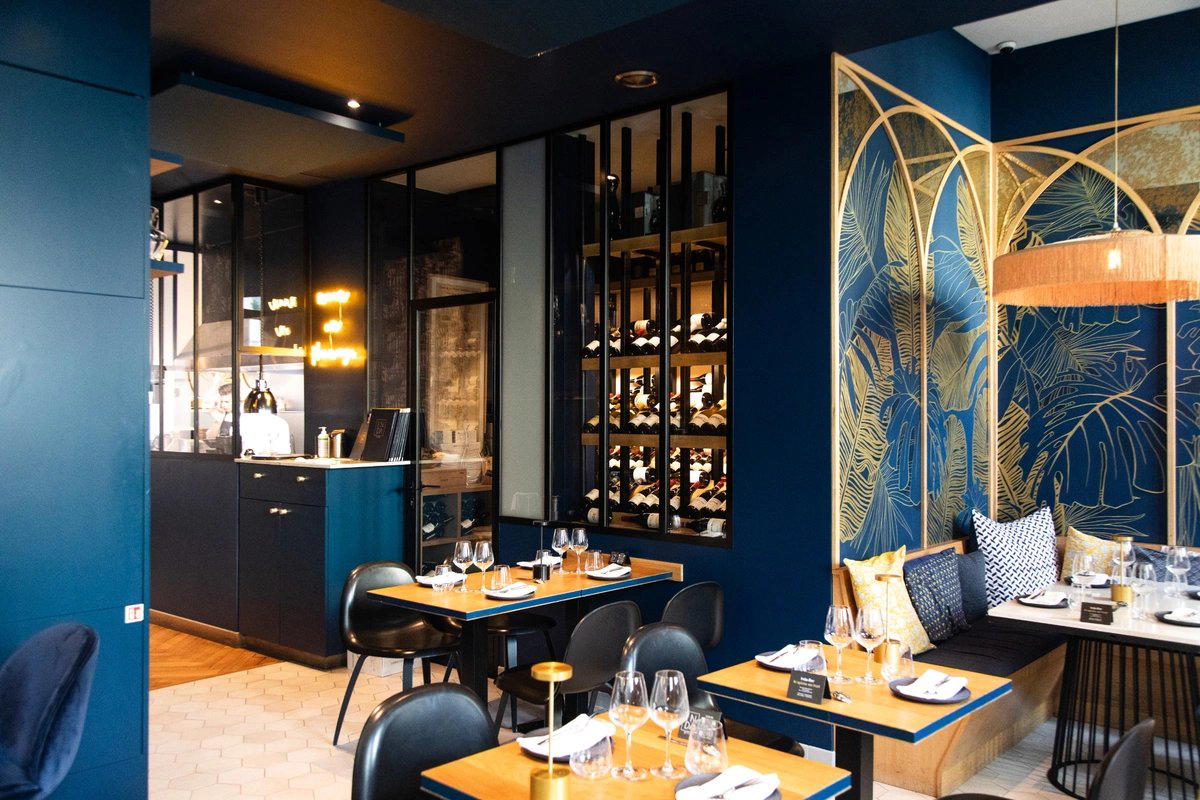
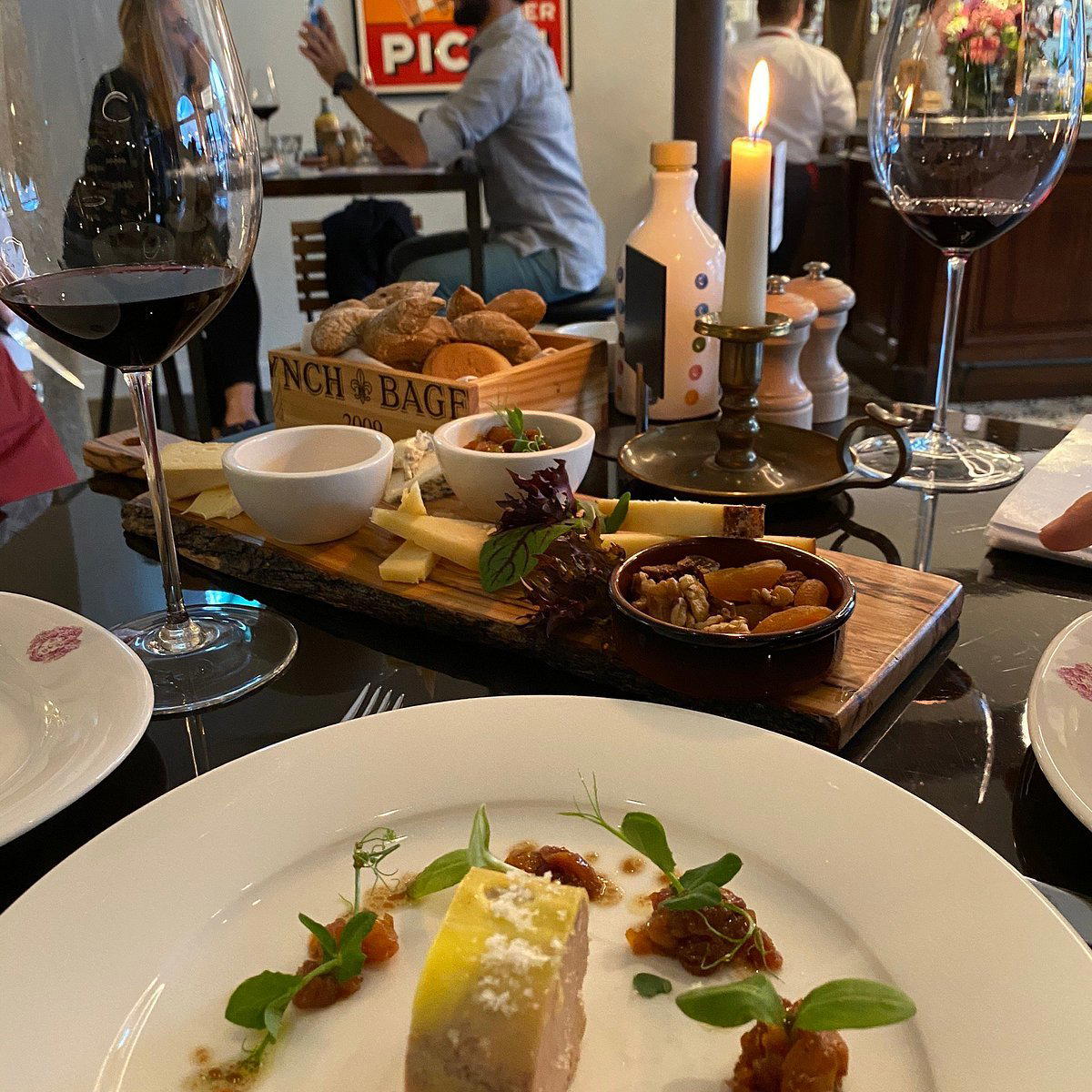
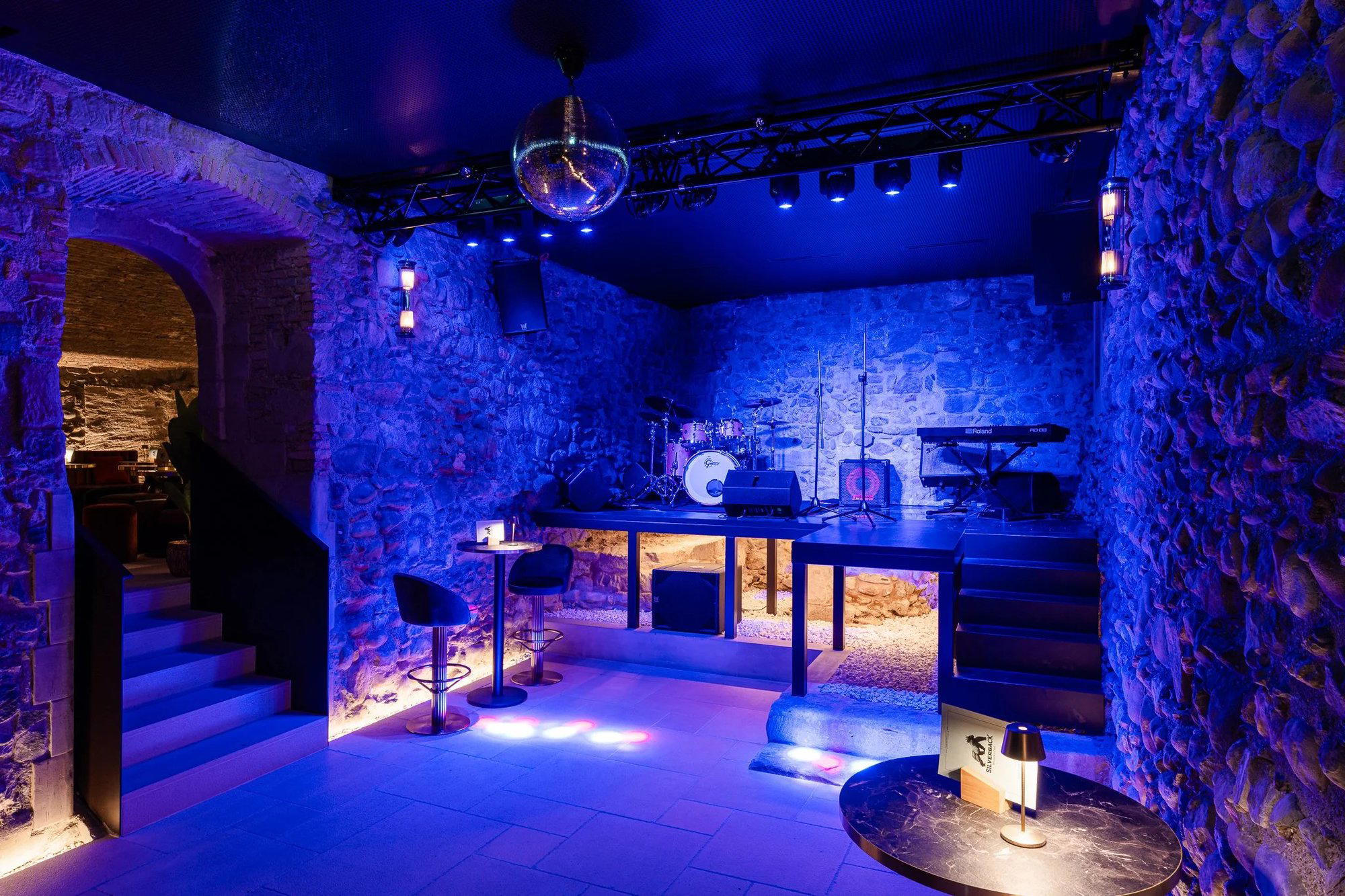
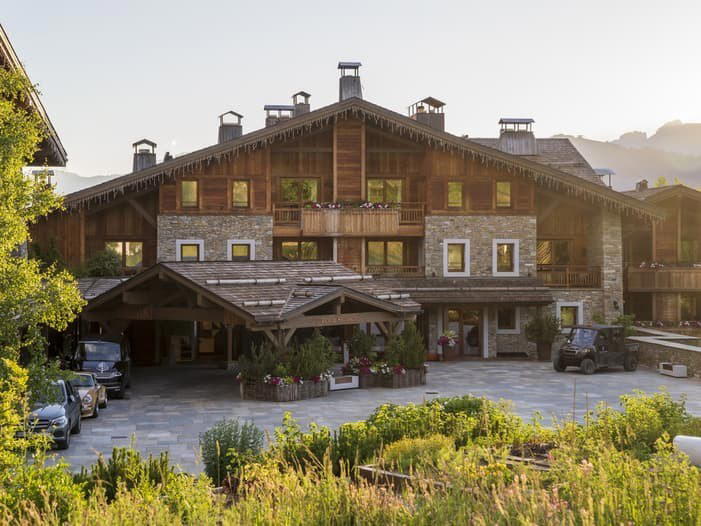
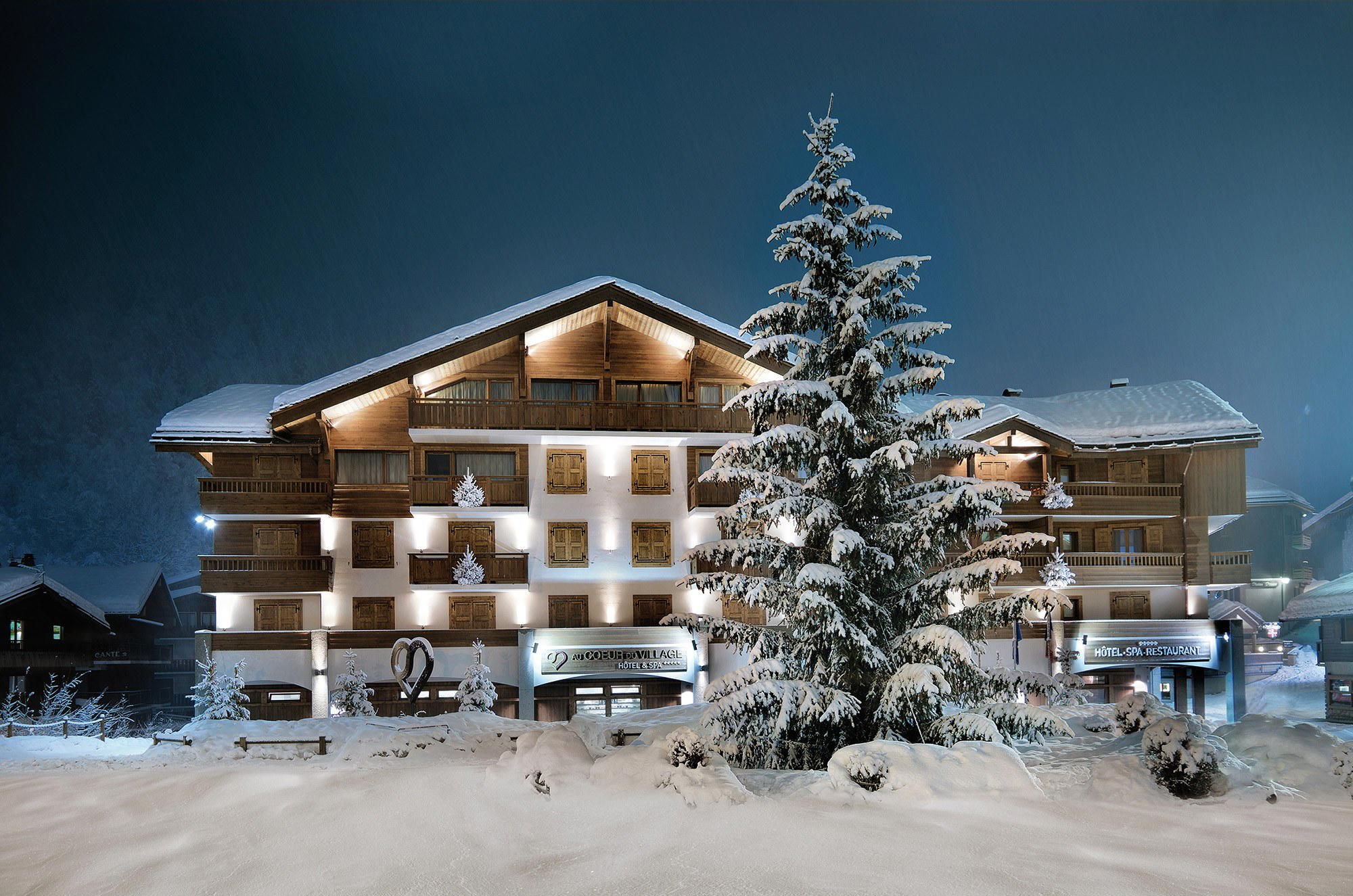
Chaleureuse, agréable et conviviale with warm lighting in a welcoming, elegant rustic atmosphere.