Le Cèpe
Le Cèpe sits in Les Allues, the working village above Méribel in the Tarentaise Valley, where altitude and alpine terrain shape what lands on the plate. In a resort area dominated by convenience dining, it represents the kind of address that rewards attention to sourcing and setting over spectacle. Check current hours and booking directly before visiting.
Pearl is the En Primeur Club membership app — saves, bookings, and concierge access live there. Same editors, same standards.
- Address
- immeuble les merisiers, 1827 Rte du Plateau, 73550 Les Allues, France
- Phone
- +33479224608
- Website
- m.facebook.com
- Directions
- Get directions
 Saves & bookings on Pearl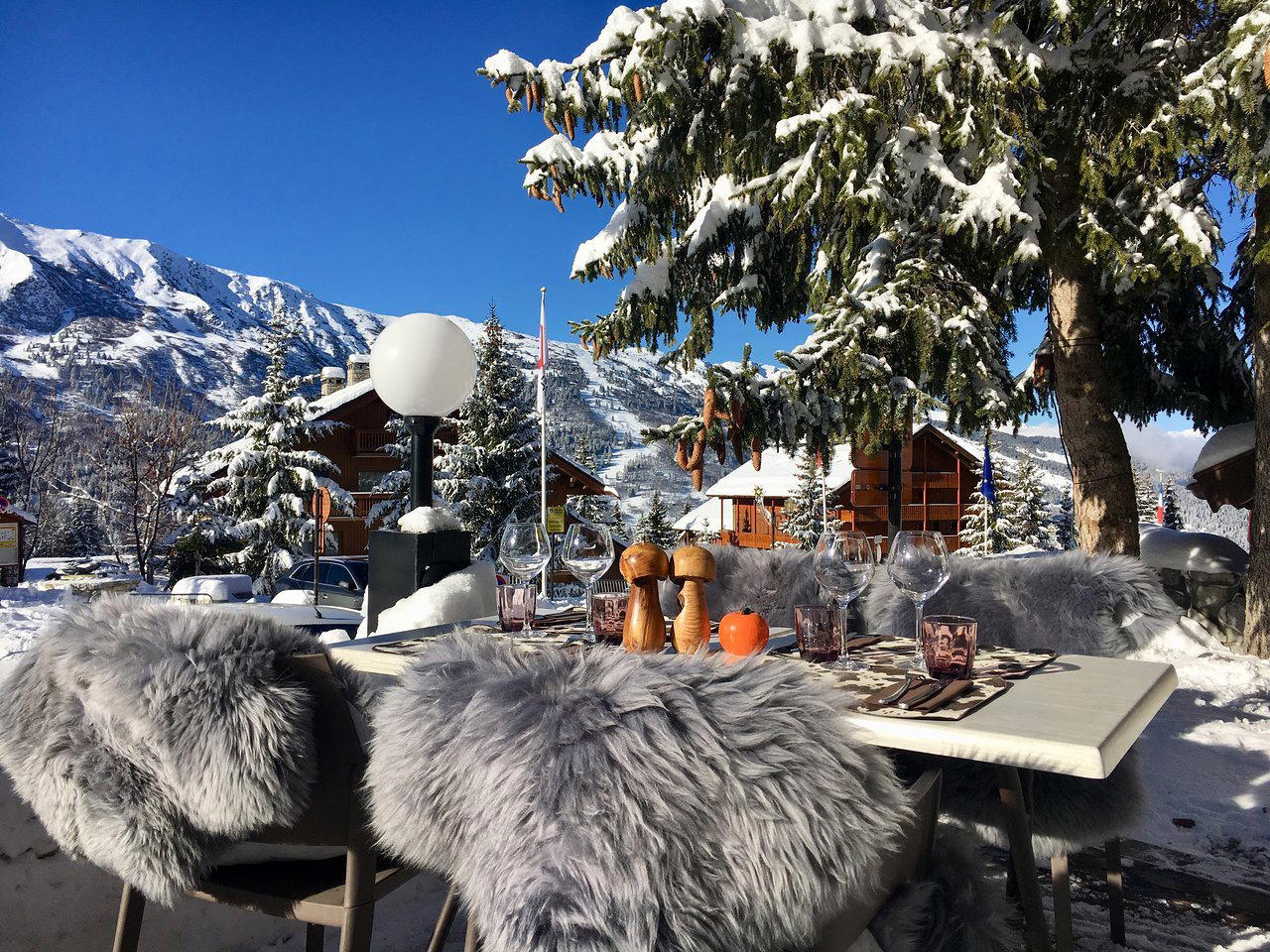
Where the Mountain Dictates the Menu
Les Allues occupies an unusual position in the Savoie dining scene. Unlike the purpose-built resort villages that line the valleys of the Tarentaise, it retains the character of an actual working commune, one where the altitude, the season, and the surrounding terrain have always shaped what people eat. The forests here yield cèpes, the boletus mushroom that gives the restaurant its name, in autumn, and the high pastures above the village produce milk and cheese that move through French kitchens at every level, from farmhouse tables to the kind of places that appear in our full Les Allues restaurants guide.
In mountain restaurant traditions across the French Alps, sourcing has never been a marketing position, it has been a practical necessity. The logistics of altitude mean that what grows or grazes nearby has always been more reliable than what travels long distances on mountain roads. That constraint, historically, produced a cuisine of notable coherence: raclette and tartiflette from valley dairies, game from the surrounding forests, river trout from the cold streams that drain the massifs. The leading alpine tables treat those ingredients not as rusticity to be apologised for, but as a competitive advantage over urban peers.
The Setting at Immeuble Les Merisiers
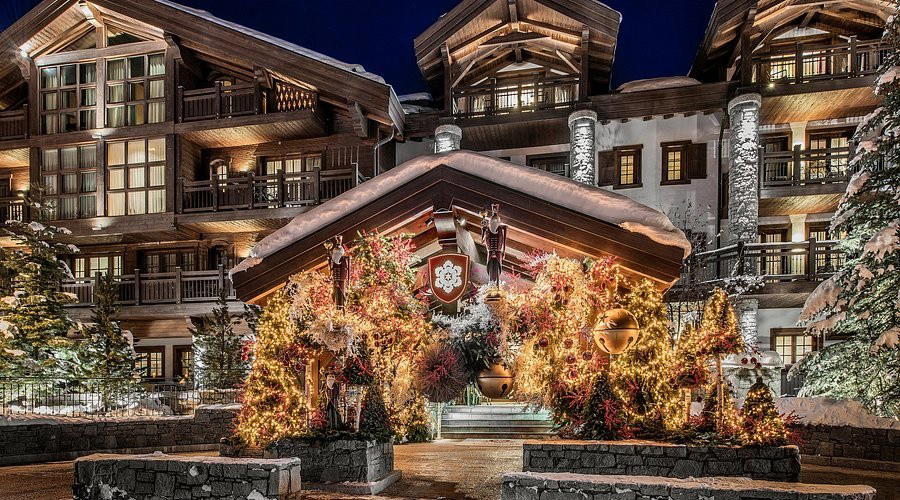
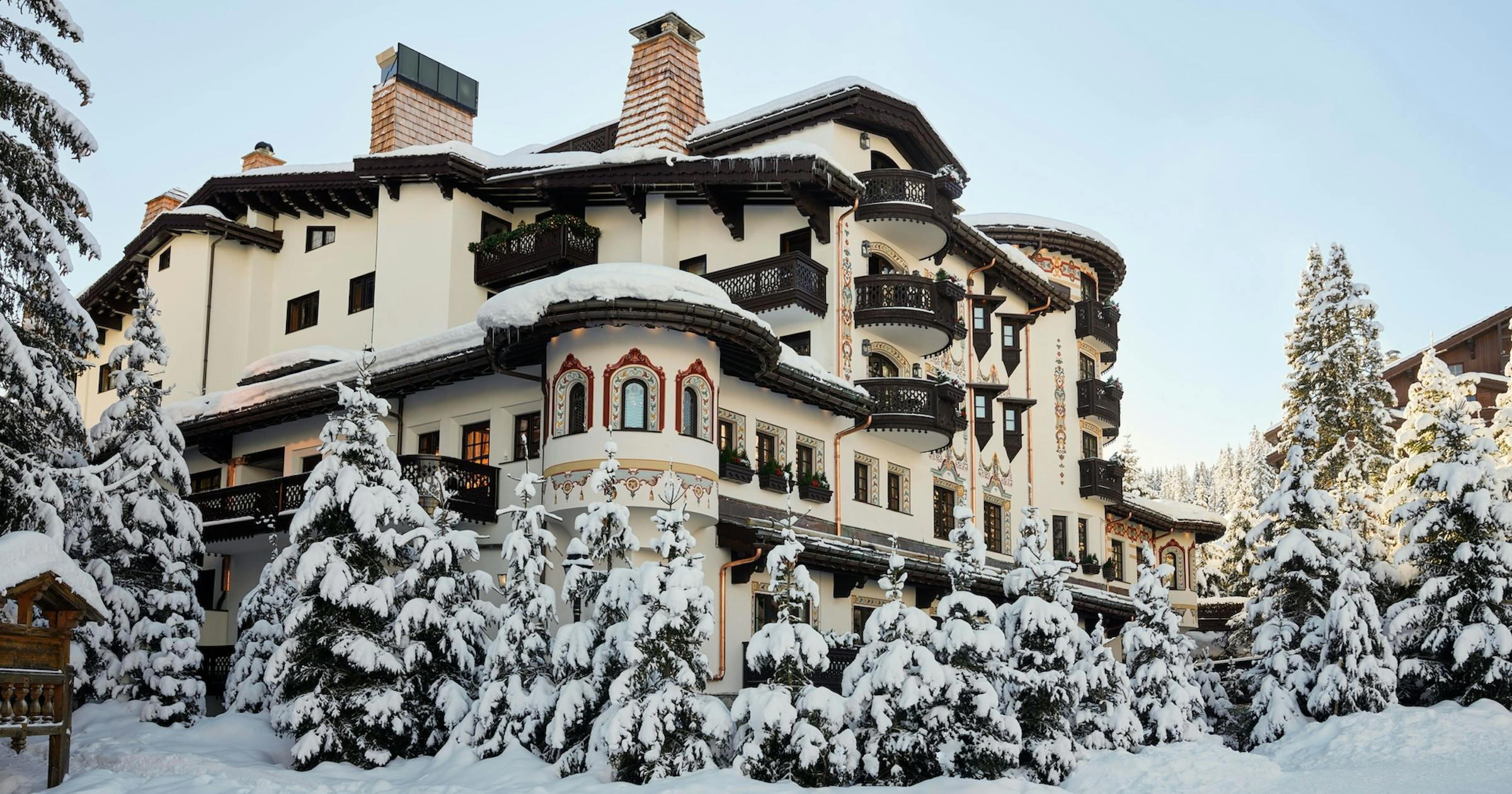
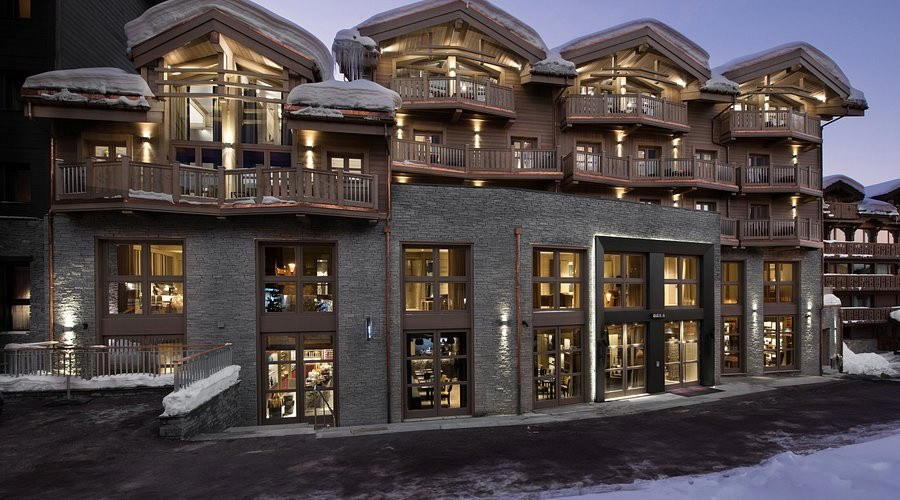
Le Cèpe sits in the Immeuble Les Merisiers building along the Route du Plateau, a road that connects the lower village to the wider plateau above Méribel. Approaching from the valley, the building sits against the kind of alpine backdrop that is simply a fact of geography at this elevation, stone, timber, and the specific quality of light that comes off snow in winter and off high meadows in summer. The interior register of Savoyard dining rooms at this altitude tends toward warmth by necessity: low ceilings, natural materials, and a sense of enclosure that suits the climate outside. The name itself signals an orientation toward the forest and the local botanical calendar rather than toward imported luxury ingredients.
In a resort corridor where dining options range from slope-side fast food to a small number of serious tables, the addresses that choose a meaningful name, one tied to a specific wild ingredient with a defined season, tend to be making a statement about intent. The cèpe has an almost talismanic status in French cooking: it is the mushroom that appears at Bras in Laguiole and at Savoyard farmhouses with equal credibility, valued equally at both ends of the formality spectrum because its flavour is simply difficult to replicate or substitute.
Sourcing in the Tarentaise Context
The Tarentaise Valley runs from Bourg-Saint-Maurice south and west through the ski resort corridor that includes Les Arcs, Tignes, Val d'Isère, and the Three Valleys complex around Méribel and Courchevel. Across that geography, ingredient sourcing splits between two distinct approaches. The resort-facing tables in Courchevel, particularly at the upper end, have converged on a model of high-cost imported luxury goods, truffles from Périgord, fish from the coasts, international wine programs, that mirrors what you find at urban French restaurants such as Alléno Paris au Pavillon Ledoyen or Mirazur in Menton. The other approach, practised by a smaller number of tables, treats elevation and locality as the primary editorial logic: Beaufort and Abondance from valley cooperatives, mountain herbs, foraged fungi, and lamb from the high pastures.
Both models have merits. But for travellers who come to the Alps specifically because the landscape is different from Paris or Lyon, the locally anchored approach delivers something the resort-luxury model cannot: a direct line between the terrain outside and what arrives at the table. That coherence is what distinguishes the leading Savoyard addresses from their equivalents elsewhere in France, and it is the logic that restaurants with names like Le Cèpe are implicitly invoking.
For comparison, the way that Flocons de Sel in Megève has built its identity around alpine botanical sourcing, earning three Michelin stars in the process, demonstrates how the same regional ingredient logic can operate across different price points and formats. Le Cèpe sits at a different position in that spectrum, serving a local and resort visitor mix in a working village rather than a prestige resort, but the underlying sourcing philosophy draws from the same well.
Planning a Visit
Les Allues is accessible by road from Moûtiers in the valley below, and the village sits within the Méribel ski area during winter. The Route du Plateau address places the restaurant on the edge of the village above the main settlement, making a car or taxi the practical option for evening visits, particularly in winter when road conditions above the valley can change quickly. Reservations are recommended, especially during the peak winter season between December and April when the Tarentaise resort corridor runs at capacity. Summer visits, in late June through early September when the high pastures are accessible and the foraging calendar is active, offer a quieter window and the seasonal ingredients that give the restaurant its name their moment on the plate.
Readers interested in comparing the broader register of French regional fine dining will find useful reference points in Auberge de l'Ill in Illhaeusern, Georges Blanc in Vonnas, and L'Oustau de Baumanière in Les Baux, each of which represents the kind of deeply rooted regional table that French provincial cooking at its most serious tends to produce. Further afield, Auberge du Vieux Puits in Fontjoncouse and Christopher Coutanceau in La Rochelle each demonstrate how sourcing specificity translates across different French regional traditions.
At-a-Glance Comparison
Comparable venues nearby, for context on price, style, and recognition.
| Venue | Cuisine | Price | Notes |
|---|---|---|---|
| Le CèpeThis venue — the venue you are viewing | French Mountain Cuisine with Cèpe Focus | $$$ | Not listed |
| Chalet de la Marine | Refined Savoyard French | $$$ | Val Thorens |
| Le Chalet Gourmand | Creative French Mountain Bistro | $$$ | Vaujany Village |
| Le Carre d'As | French Bistronomic | $$$ | Casino Grand Cercle |
| Le Refuge de Solaise | Traditional Savoyard Mountain Cuisine | $$$ | Solaise |
| La Menthe Poivrée | French Market Cuisine | $$$ | Centre of Gap |
Continue exploring
More in Les Allues
Restaurants in Les Allues
Browse all →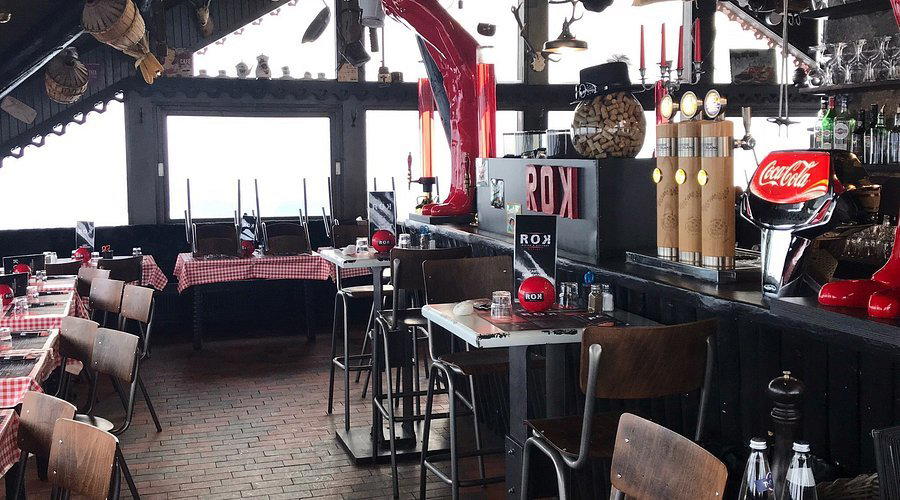
Bars in Les Allues
Browse all →
At a Glance
- Cozy
- Rustic
- Elegant
- Intimate
- Special Occasion
- Date Night
- Terrace
- Extensive Wine List
- Local Sourcing
- Mountain
Current opening hours
- Monday
- 9 AM–10:30 PM
- Tuesday
- 9 AM–10:30 PM
- Wednesday
- 9 AM–10:30 PM
- Thursday
- 9 AM–10:30 PM
- Friday
- 9 AM–10:30 PM
- Saturday
- 9 AM–10:30 PM
- Sunday
- 9 AM–10:30 PM
Hours can change for holidays and private events. Last verified .
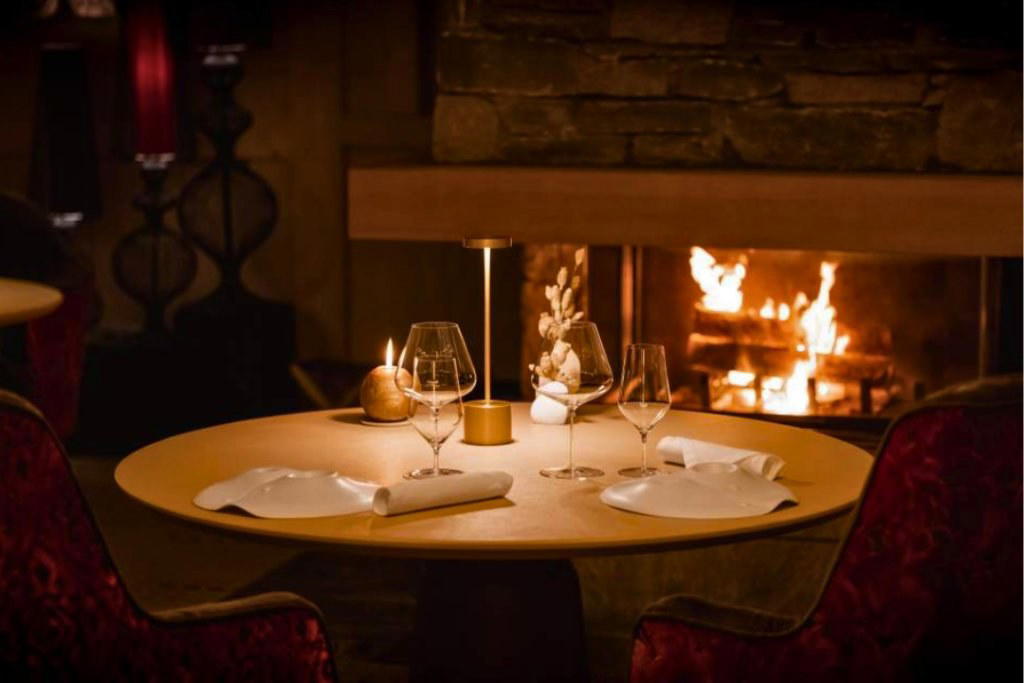
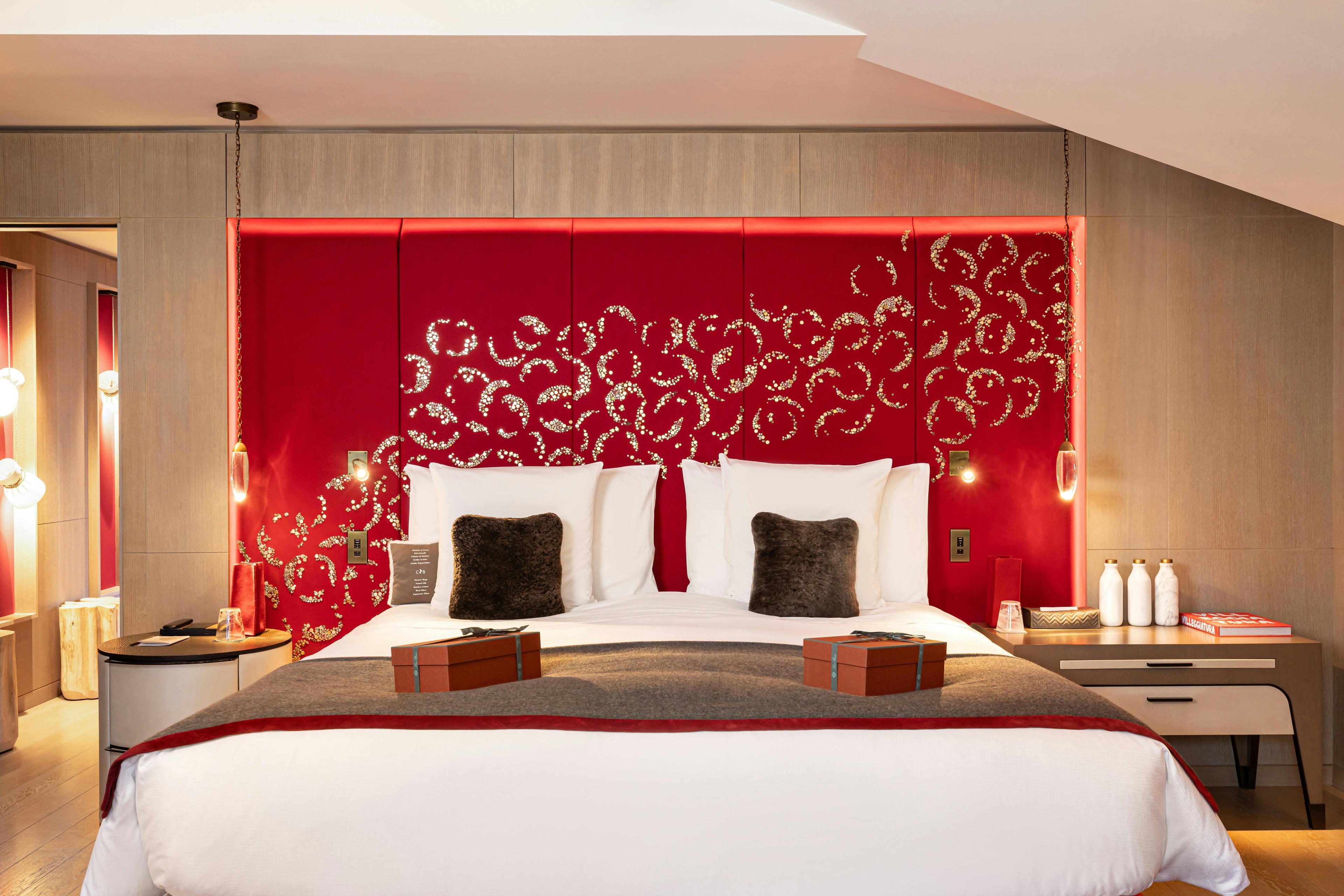
Cozy wood-paneled interior with warm, convivial atmosphere and spacious terrace.