Our verdict
Le Tamarin occupies a quiet address on Rue du Collège in Éghezée, a small Walloon municipality southeast of Namur where the dining scene rewards those who look beyond the obvious city circuits. The restaurant sits within Belgium's broader tradition of producer-linked regional cooking, where the distance between farm and plate is both a geographic fact and an editorial statement. For context on what Éghezée's table scene looks like at its most considered, see our full Éghezée restaurants guide.

Pearl is the En Primeur Club membership app — saves, bookings, and concierge access live there. Same editors, same standards.
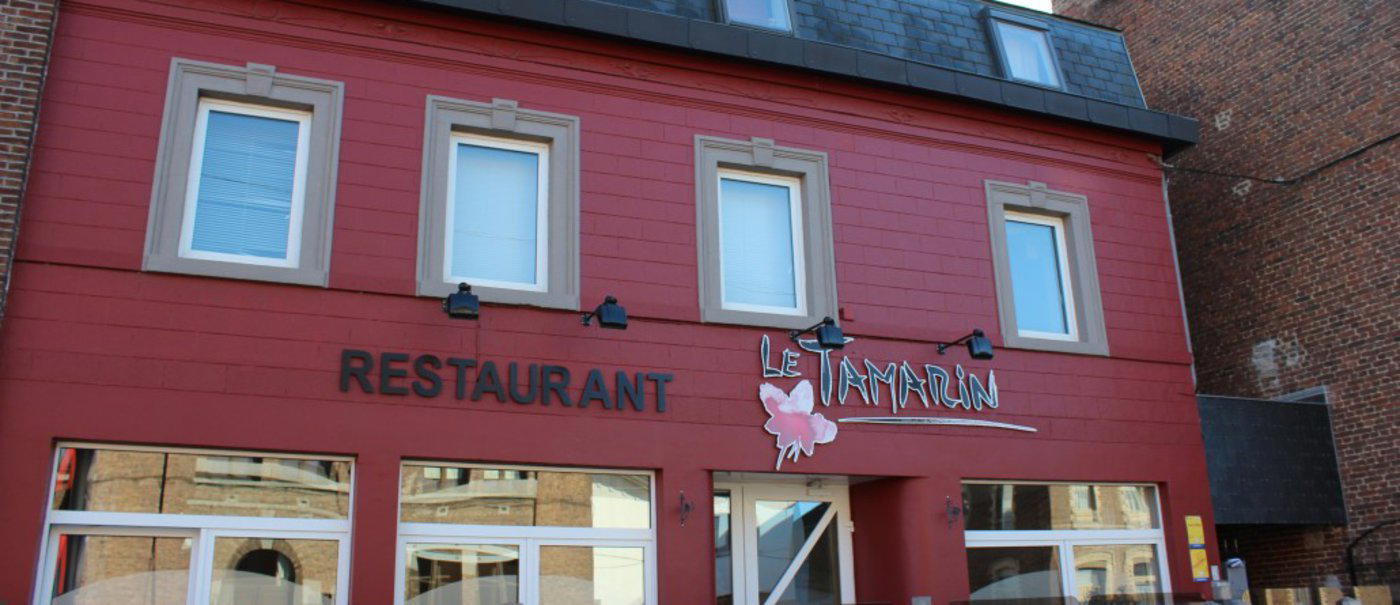
Where Walloon Countryside Meets the Plate
Rural Belgium has always maintained a quieter, more deliberate version of the country's celebrated dining culture. While Brussels draws the international press and Flemish restaurants collect the majority of high-profile awards, the Walloon interior operates on a different rhythm: smaller villages, tighter supplier networks, and restaurants that earn loyalty from locals before they earn coverage from critics. Éghezée, a commune of modest scale southeast of Namur in the province of Namur, sits squarely within that tradition. Le Tamarin, on Rue du Collège 13, is part of this less-narrated but genuinely distinct chapter of Belgian gastronomy.
Arriving in Éghezée itself frames the meal before you reach the door. The commune lacks the urban noise that surrounds high-profile Belgian addresses like Zilte in Antwerp or Boury in Roeselare. What it offers instead is the kind of agricultural proximity that makes ingredient-sourcing arguments credible rather than aspirational. The Hesbaye plateau, which Éghezée sits within, is among Belgium's most productive cereal and sugar-beet regions, and the surrounding farmland also supports vegetable growers and small-scale producers whose output tends to stay local rather than flowing toward the capital's wholesale markets.
The Sourcing Argument in Belgian Regional Cooking
The most persuasive version of terroir-driven cooking in Belgium is not found in the starred rooms of Brussels or Ghent but in restaurants that are geographically embedded in production zones. This is not a romantic claim — it is a logistical one. When a kitchen in Éghezée sources from the Hesbaye basin, the supply chain is shorter, the growing conditions are specific and traceable, and the seasonal calendar is dictated by what is actually available rather than what can be shipped in from distant suppliers.
That model has clear precedents in Belgian fine dining. L'air du temps in Liernu — itself a rural Walloon address, built a significant reputation on exactly this logic, with its kitchen garden functioning as both a production asset and an editorial statement about where the food comes from. Willem Hiele in Oudenburg made coastal foraging central to its identity. In each case, the sourcing narrative is not decorative; it shapes what appears on the menu and when. Le Tamarin operates within this same regional-producer tradition, on a Walloon plateau that gives it access to ingredients many urban kitchens need to import.
Context Within the Belgian Dining Scene
Belgium's restaurant scene has split, over the past decade, into broadly two tiers of serious cooking: the internationally credentialled rooms collecting Michelin stars and appearing on global lists, and a quieter layer of regional addresses doing technically accomplished work without the same publicity infrastructure. The first tier includes places like Hof van Cleve in Kruishoutem and De Jonkman in Sint-Kruis. The second tier is where most of the country's actual dining life happens, and it is where a restaurant like Le Tamarin is most usefully positioned.
That positioning matters because it changes how you read the meal. You are not comparing it against Bozar Restaurant in Brussels or Le Chalet de la Forêt in Uccle on the axis of formal ambition. You are asking a different question: does the kitchen make a convincing argument about where it is, and does the food on the plate justify the trip out of the city? For addresses in Wallonia's agricultural interior, that is the only criterion that genuinely matters.
Other Belgian regional addresses that operate on similar premises include La Table de Maxime in Our, d'Eugénie à Emilie in Baudour, and Maison Colette in Tongerlo, each anchored in a non-urban setting where the surrounding landscape shapes the menu in ways that city restaurants can approximate but rarely replicate with the same directness. Further afield, Nuance in Duffel, Bartholomeus in Heist, Castor in Beveren, and La Durée in Izegem represent the same pattern across Flanders: serious kitchens working in small towns, drawing on local suppliers, and building reputations that spread by word of mouth more than by press cycle.
The Éghezée Approach to a Meal
Dining in a village of Éghezée's scale is a different commitment from booking a table in a city with a dozen alternatives within walking distance. You drive out, or you take the train toward Namur and arrange onward transport, and the meal becomes the event rather than one stop among several. That framing tends to produce a more attentive dining experience on both sides of the pass: kitchens in towns like this cook for rooms where every table has made a deliberate choice to be there, and the atmosphere that results is less transactional than what you find in high-turnover urban rooms.
The Hesbaye setting also contributes something that is harder to quantify but genuinely present in this kind of meal: the knowledge that the countryside visible from the road into town is, in some direct way, the source of what appears on the plate. That connection is increasingly rare in European dining, and it is one of the central reasons to seek out addresses like Le Tamarin rather than defaulting to the city circuits that are easier to research and easier to reach.
For a broader survey of what Éghezée's dining scene looks like across price points and formats, our full Éghezée restaurants guide maps the options with the same editorial specificity applied here. For comparison with what French-inflected ingredient-led cooking looks like at the highest international level, Le Bernardin in New York City and Atomix in New York City represent different but instructive benchmarks for what sourcing discipline produces when applied at full technical scale.
Planning Your Visit
Le Tamarin is located at Rue du Collège 13 in Éghezée, a commune most easily reached by car from Namur (approximately 20 kilometres to the southwest) or from Brussels via the E42. Given the limited public transport options in rural Wallonia, driving or arranging a taxi from Namur is the practical approach for most visitors. For rural Belgian restaurants of this type, advance booking is the expected norm rather than the exception, particularly for weekend service.
Frequently asked questions
Is Le Tamarin suitable for children?
Le Tamarin is located in Éghezée, a small Walloon commune where the dining culture runs toward unhurried, adult-focused occasions rather than casual family meals. The address at Rue du Collège 13 is not a large urban restaurant with broad programming, so parents should check the venue's official channels before booking. This is not a setting calibrated around children's menus or fast pacing.
How would you describe the vibe at Le Tamarin?
Éghezée sits well outside Belgium's urban restaurant circuit, and the atmosphere at a village address like Rue du Collège 13 tends to reflect that: quiet, deliberate, and oriented around the meal itself rather than ambient energy. Rural Walloon restaurants at this scale typically attract guests who have made a specific choice to travel there, which shapes the room considerably. Expect focus over flair.
Is Le Tamarin worth a dedicated trip from Namur or Brussels?
Éghezée sits approximately 20 kilometres northeast of Namur, making Le Tamarin a reasonable destination for a deliberate afternoon or evening out of the city rather than an incidental stop. Within Belgium's regional dining scene, Walloon village restaurants occupy a distinct position from the internationally credentialled rooms in Brussels or Ghent — the draw is specificity of place rather than accumulation of awards. Guests travelling from Brussels should factor in roughly an hour by road.
Comparison Snapshot
Comparable venues nearby, for context on price, style, and recognition.
| Venue | Cuisine | Price | Awards | Notes |
|---|---|---|---|---|
| Le TamarinThis venue — the venue you are viewing | Thai-Vietnamese Fusion | $30–50 | Not listed | Not listed |
| Au Tour du Vin | French | Not listed | Michelin Bib Gourmand | Éghezée |
| Incorrect | Modern Sourdough Pizza | $30–50 | Not listed | Center of Namur |
| Camino | Pan-Asian Fusion | $20–30 | Not listed | Historisch Centrum |
| La Cabosse d'Or | Artisan Belgian Chocolatier | Not listed | Not listed | Ways |
| Le Royal | French-Belgian Brasserie | $20–30 | Not listed | Namur Centre-Ville |
Continue exploring
More in Éghezée
Restaurants in Éghezée
All restaurants in Éghezée →
Bars in Éghezée
Browse all →

Details
- Cozy
- Casual
- Family
- Date Night
- Casual Hangout
- Open Kitchen
- Terrace
- A La Carte
Current opening hours
- Monday
- 12–2 PM, 6–9 PM
- Tuesday
- 6–9 PM
- Wednesday
- Closed
- Thursday
- 6–9 PM
- Friday
- 6–9 PM
- Saturday
- 6–9 PM
- Sunday
- 12–3 PM, 6:30–9 PM
Hours can change for holidays and private events. Last verified .
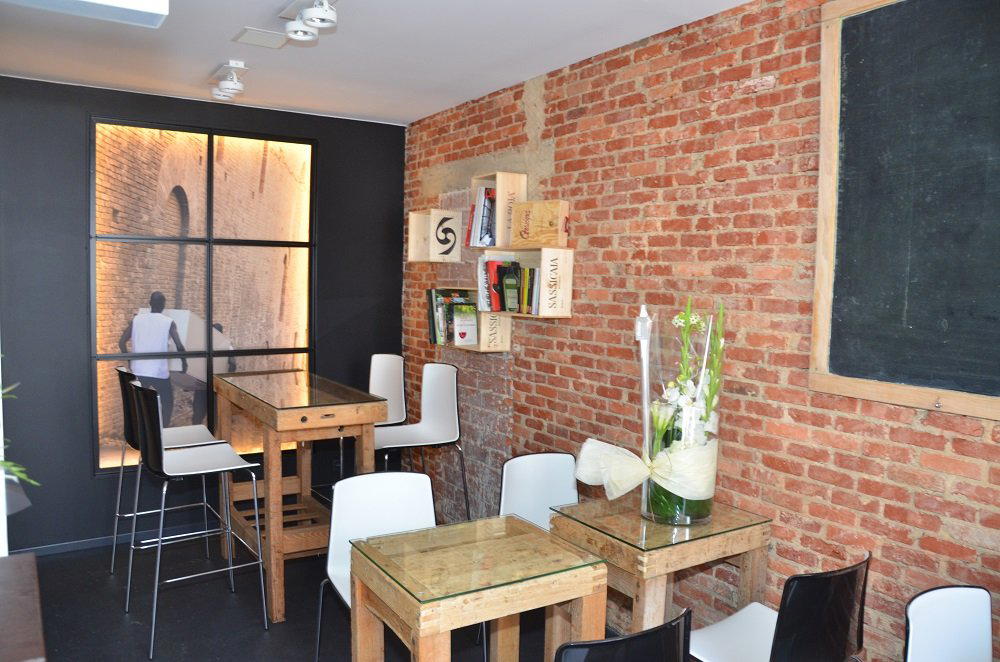
Cozy Asian-inspired decor with warm welcoming atmosphere and open kitchen.