Located on Rue du 4 Septembre in Paris's 2nd arrondissement, Bianca occupies a neighbourhood where working lunch culture meets a growing appetite for ingredient-led cooking. The address places it squarely in the Opéra-Bourse corridor, a district that rewards those willing to look past the obvious tourist circuits for something more considered.
Pearl is the En Primeur Club membership app — saves, bookings, and concierge access live there. Same editors, same standards.
- Address
- 2 Rue du 4 septembre, 75002 Paris, France
- Phone
- +33982285339
- Website
- bianca-trattoria.fr
- Directions
- Get directions
 Saves & bookings on Pearl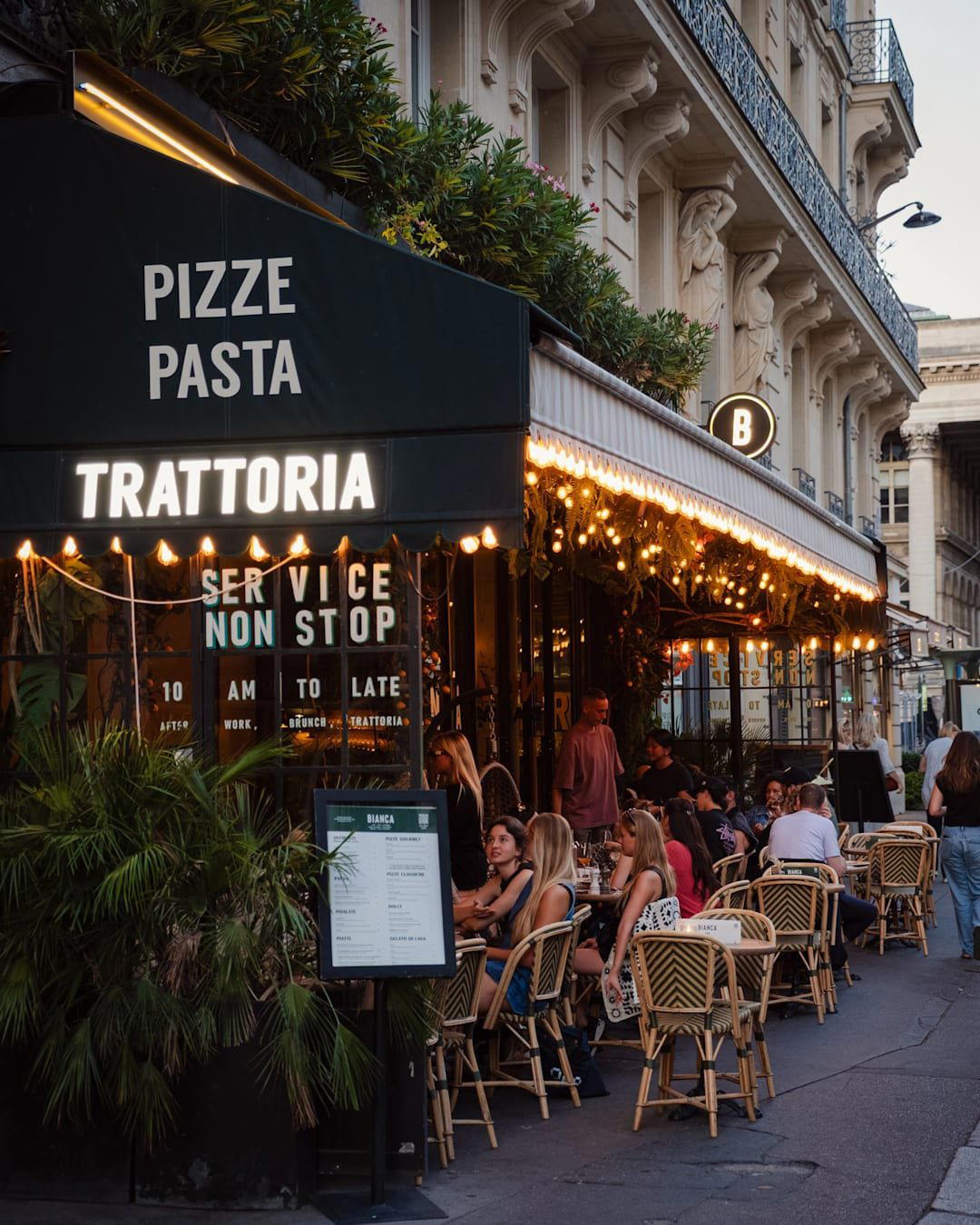
The 2nd Arrondissement and the Case for Considered Dining
Paris's 2nd arrondissement is not the city's most celebrated dining postcode. The Opéra-Bourse corridor runs on working rhythms: financial institutions, press offices, the wholesale trades around Sentier. That professional density shapes what restaurants here are expected to do, which is, broadly, to perform reliably at lunch and ask few questions of the diner's schedule.
On one side sit the grandes maisons, L'Ambroisie, Le Cinq at the Four Seasons George V, Alléno Paris au Pavillon Ledoyen, where the meal is an institutional event, the produce sourcing is embedded in a larger narrative of prestige, and the price point reflects that. On the other side, a quieter category has grown: smaller rooms with no particular institutional ambition, where the sourcing story is the point rather than a supporting detail.
What Ethical Sourcing Actually Means in a Paris Context
In the latter model, menu length tends to be shorter, because the kitchen is working with what suppliers can actually deliver rather than maintaining a fixed repertoire. Seasonal deviation is not a marketing gesture but a practical consequence of buying from growers and producers who are themselves subject to what the land produces.
France has its own tradition of this kind of cooking, though it tends to be better represented outside Paris than within it. Bras in Laguiole built its entire identity around terroir and the Aubrac plateau long before farm-to-table became an international export. Mirazur in Menton grew into one of the world's most decorated restaurants partly through its on-site gardens and biodynamic sourcing. Flocons de Sel in Megève anchors its menu to mountain producers in ways that would be harder to replicate in a capital city context.
What that produces, in practice, is a style of cooking that tends to be leaner on theatrical technique and heavier on the quality of the base ingredient. The question a diner should bring to a place like Bianca is not what the kitchen is doing to the produce, but what produce the kitchen has chosen and where it came from.
The Room and the Register
Rue du 4 Septembre is a mid-width boulevard running between the Place de l'Opéra and the Bourse. The street is functional rather than picturesque, which means the interior of any restaurant here carries more weight than it might in a more atmospheric arrondissement. Rooms in this corridor tend toward one of two modes: the brasserie format, built for throughput and volume, or the more considered bistro register that trades density of covers for quality of experience.
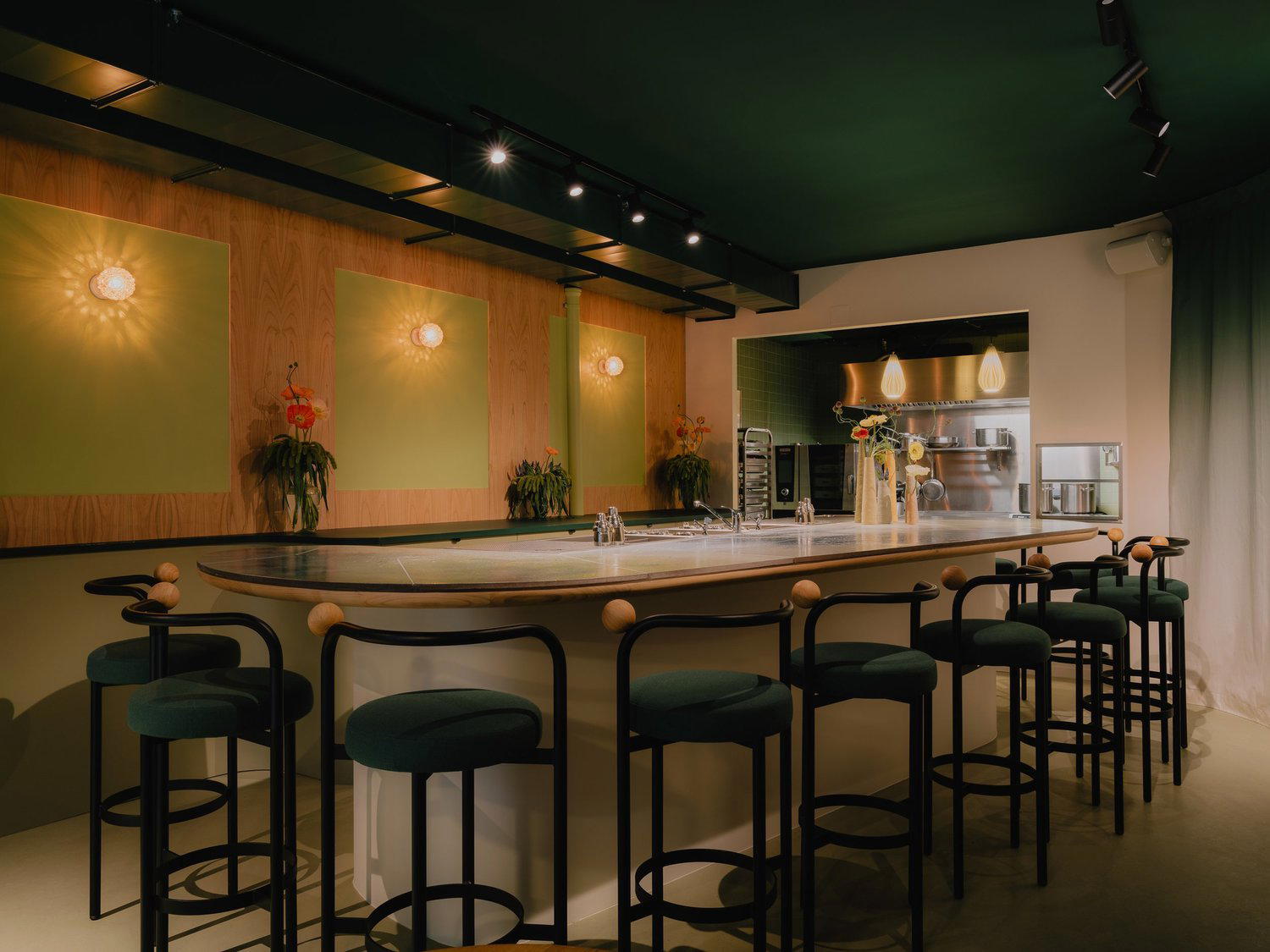
It now functions as a visual signal of the kitchen's priorities before a dish arrives. That coherence between room and plate matters: diners reading the sourcing credentials of a menu are also reading the room, and disconnects between the two tend to register even if they go unnamed.
Placing Bianca in a Wider French Conversation
French haute cuisine has its own longstanding argument about sustainability, though it is often framed differently than in Anglophone markets. The classical tradition, running from Paul Bocuse through Troisgros and Auberge de l'Ill, was always rooted in regionality, in the idea that a kitchen's authority derived partly from its relationship to local producers. Michel Guérard at Les Prés d'Eugénie extended that into health and lightness; Georges Blanc in Vonnas built a local agricultural network into the fabric of his operation. More recently, Kei in Paris and Arpège have demonstrated that ingredient-led cooking at the highest level can coexist with creative ambition.
Smaller restaurants without Michelin stars or 50 Best placements carry the ethical sourcing argument in a different register: without the budget overhead of a grandes maisons kitchen, the margins on responsibly sourced produce are sharper and the operational discipline required to maintain them is more visible. That is a different kind of credential, and for a certain type of diner, a more persuasive one.
In each case, the question of sustainability is not separate from the question of quality; it is embedded in it.
The Neighbourhood as Context
The 2nd arrondissement's dining scene rewards navigation on foot. The Sentier district to the north has developed a concentration of natural wine bars and market-driven bistros that have shifted the area's culinary identity considerably over the past decade. La Table du Castellet and Auberge du Vieux Puits represent the kind of regional French cooking, rooted, producer-facing, that has influenced what younger Paris kitchens aspire to. Bianca's address on Rue du 4 Septembre places it at the edge of that gravitational pull, close enough to the Opéra institutions to draw a business lunch crowd, close enough to the evolving Sentier scene to appeal to a more ingredient-focused diner.
Planning Your Visit
Side-by-Side Snapshot
Comparable venues nearby, for context on price, style, and recognition.
| Venue | Cuisine | Price | Notes |
|---|---|---|---|
| BiancaThis venue — the venue you are viewing | Authentic Italian Trattoria | $$ | Not listed |
| LA PLACE ITALIENNE by DaFaustino Paris 17 | Authentic Italian Pizza and Pasta | $$ | Batignolles |
| Little Davoli | Authentic Italian Trattoria | $$ | 7th arrondissement |
| Romantica Caffè | Authentic Italian with tableside pasta flambé | $$ | 16th Arr. - Passy |
| DICE Caffè | Seasonal Italian Bistro | $$ | Le Marais |
| Mille Grazie | Regional Italian Pizzeria | $$ | 15th arrondissement (Pasteur) |
Continue exploring
More in Paris
Restaurants in Paris
Browse all →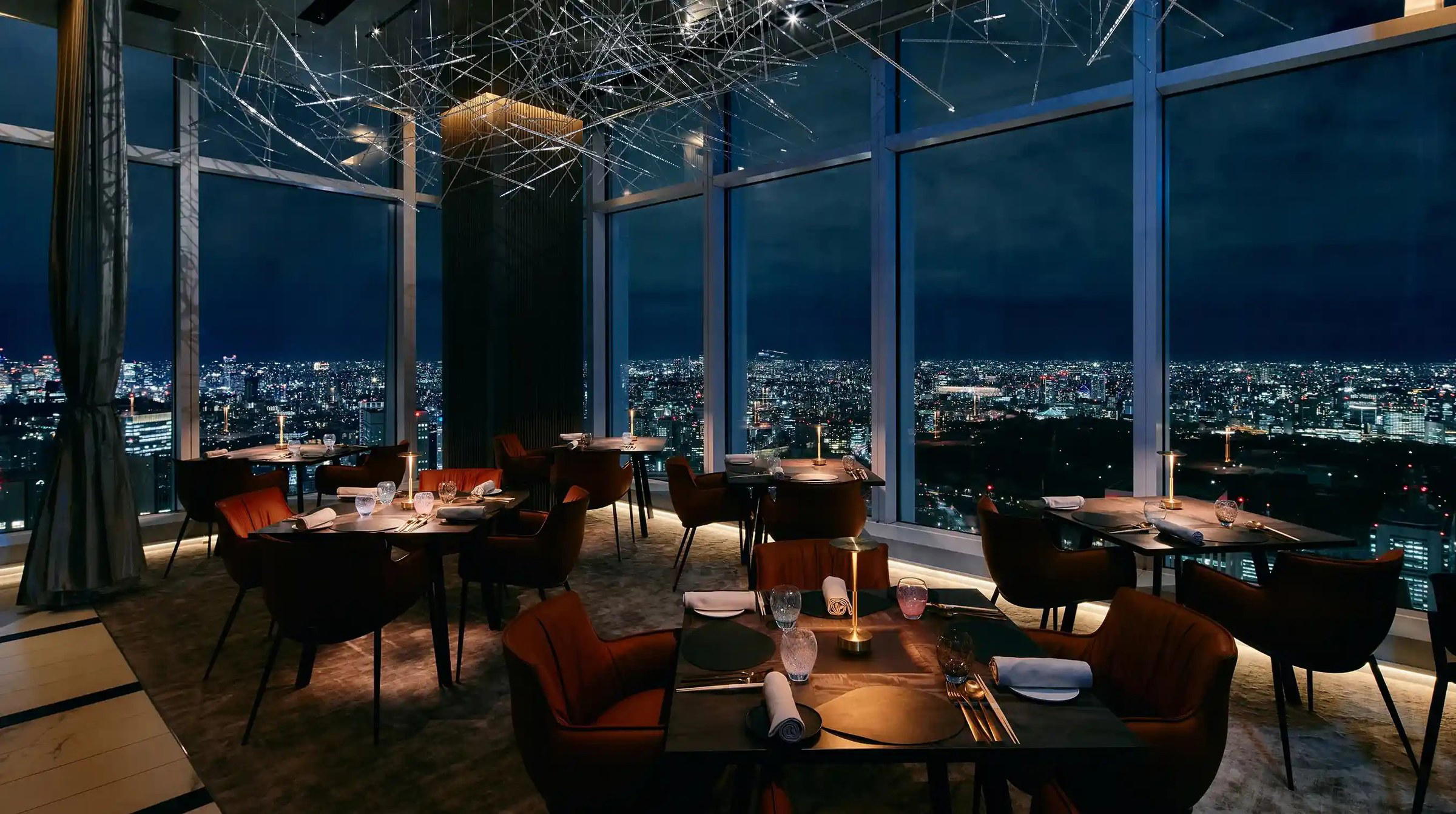
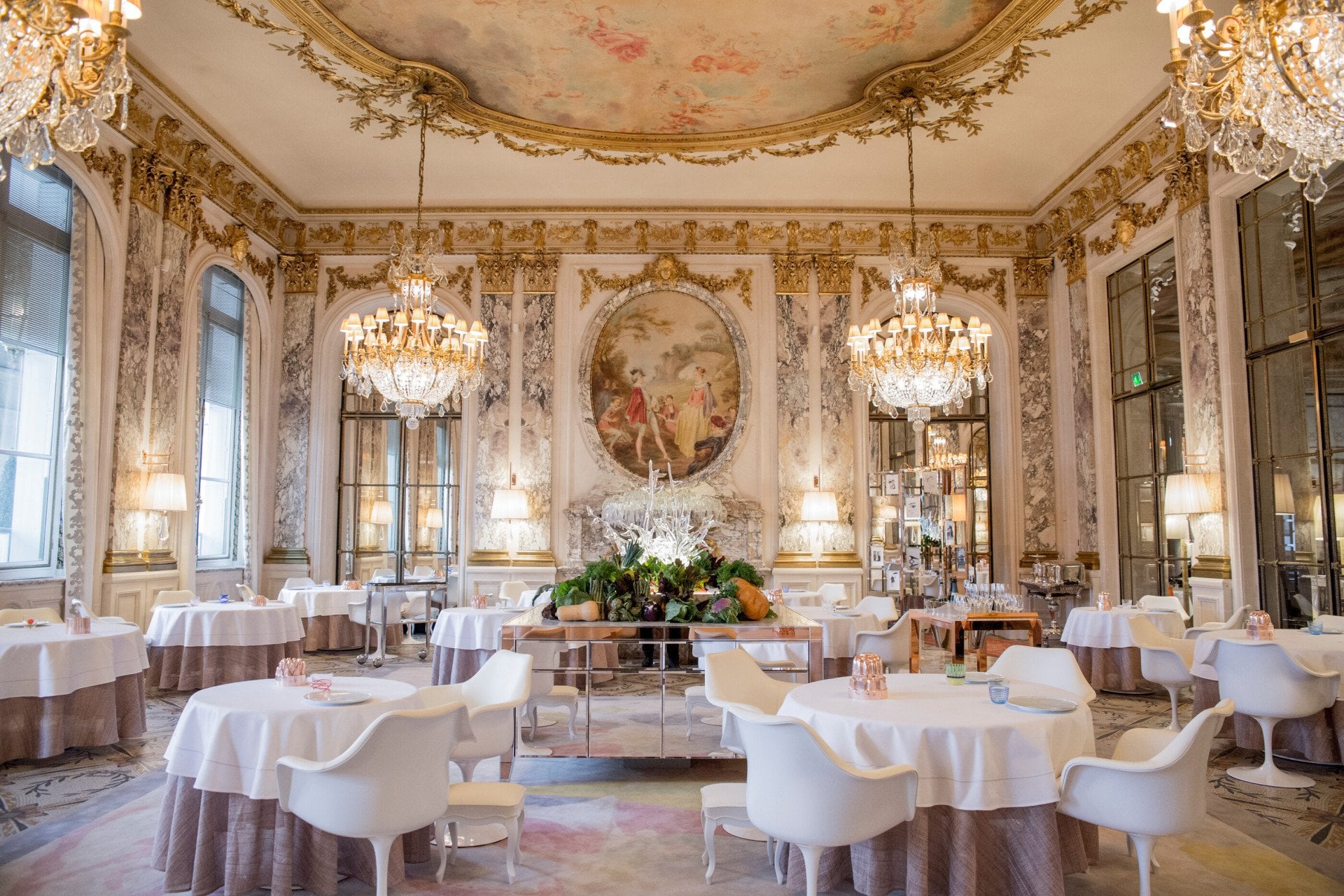
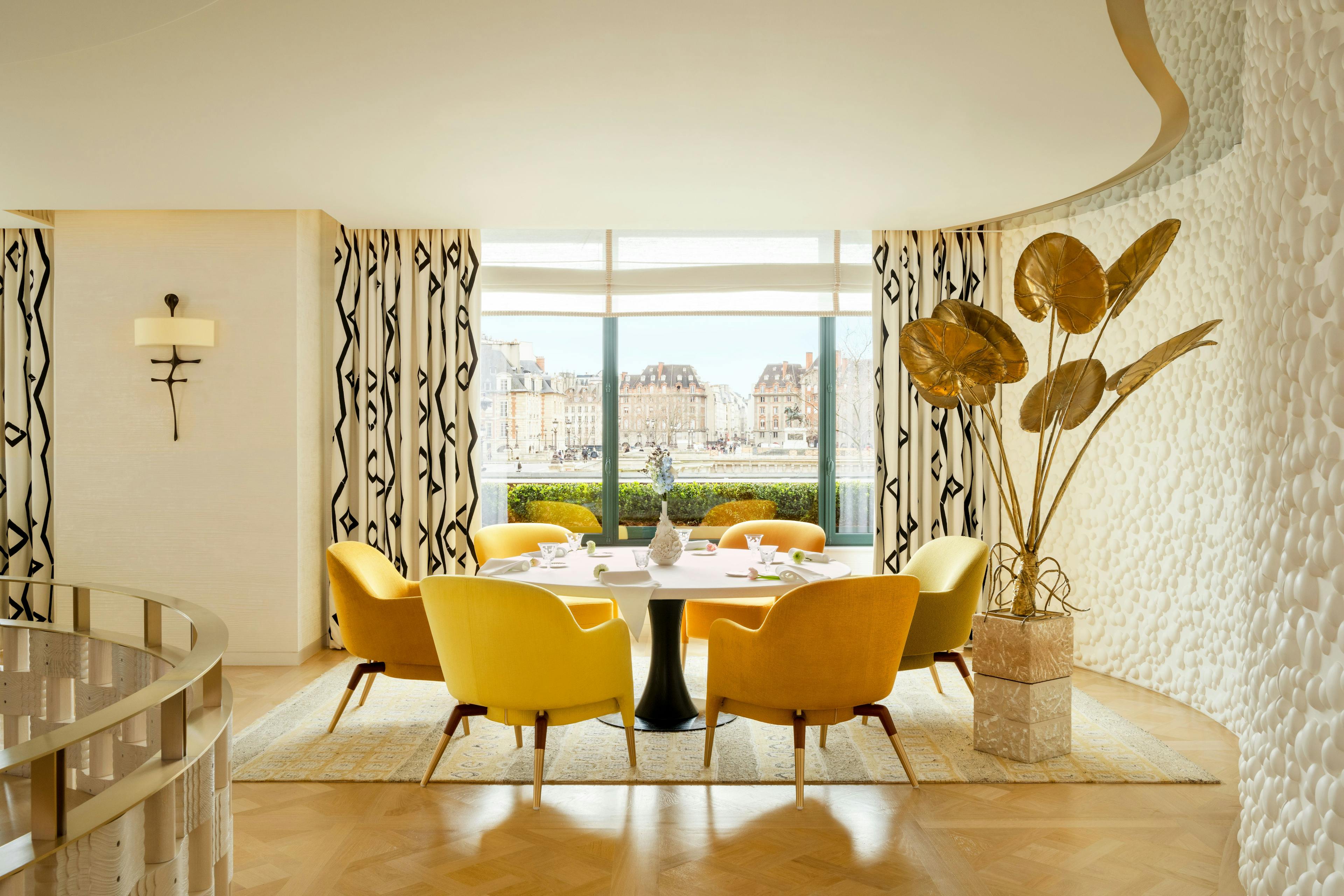
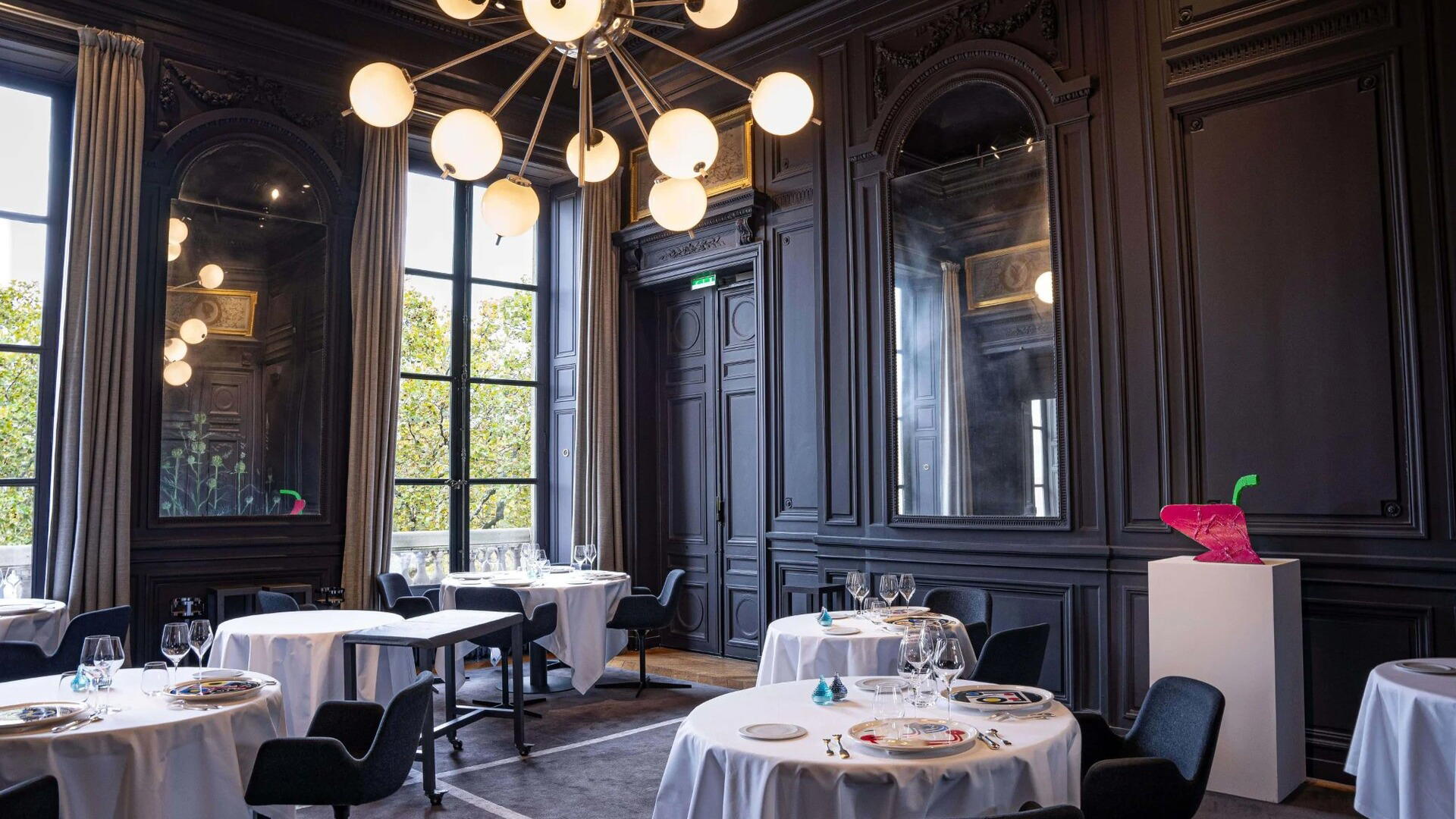
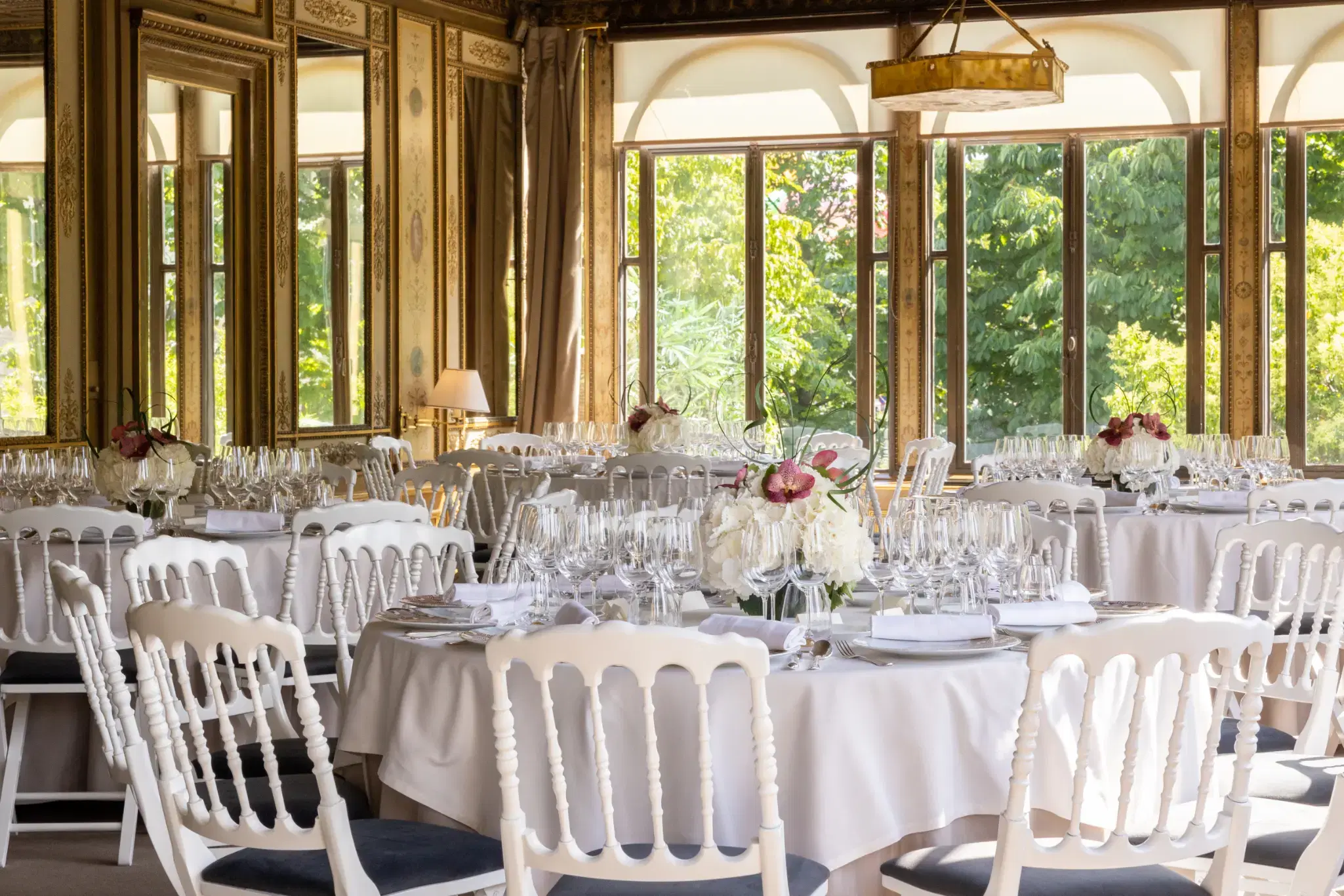
Bars in Paris
Browse all →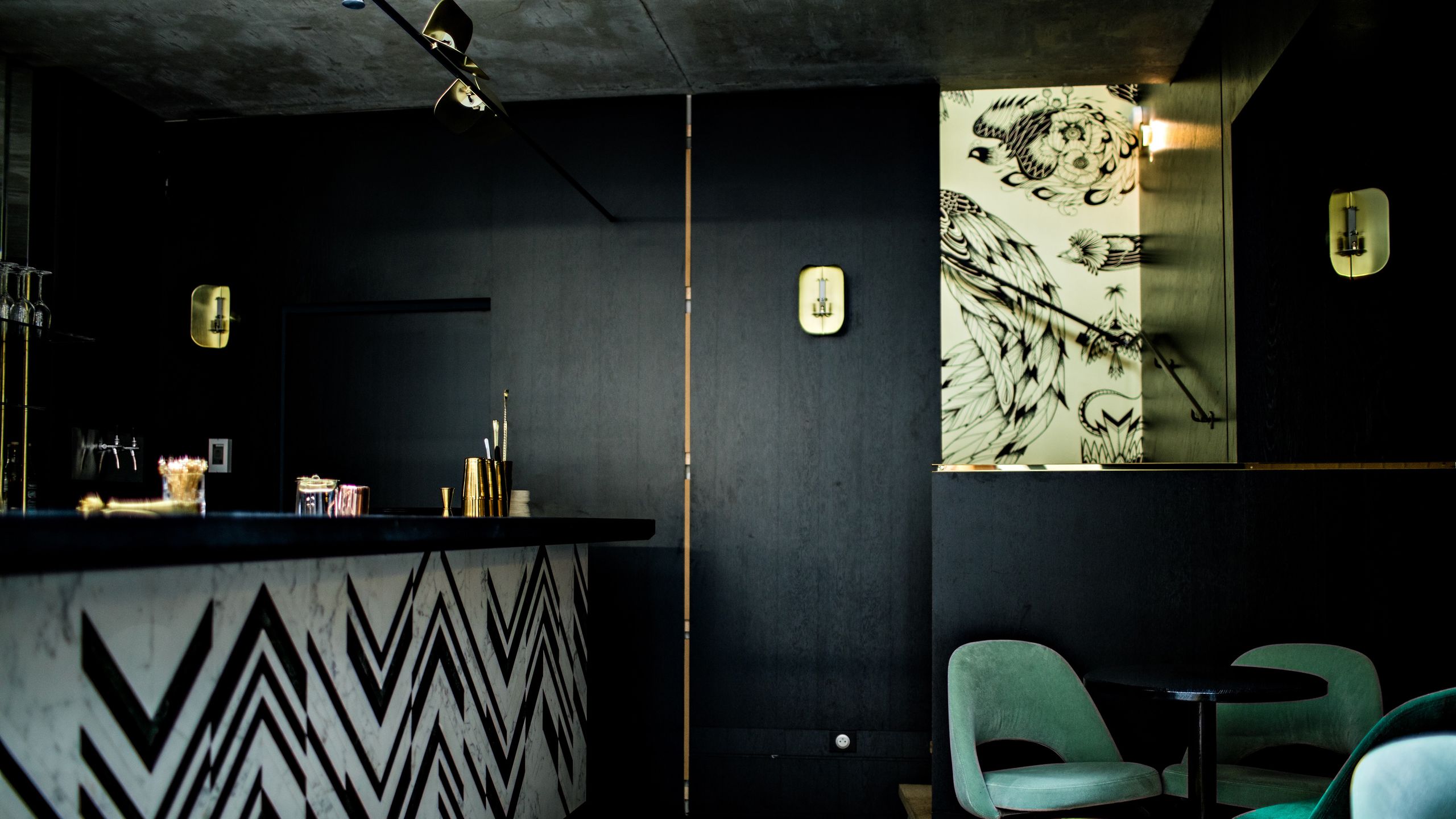
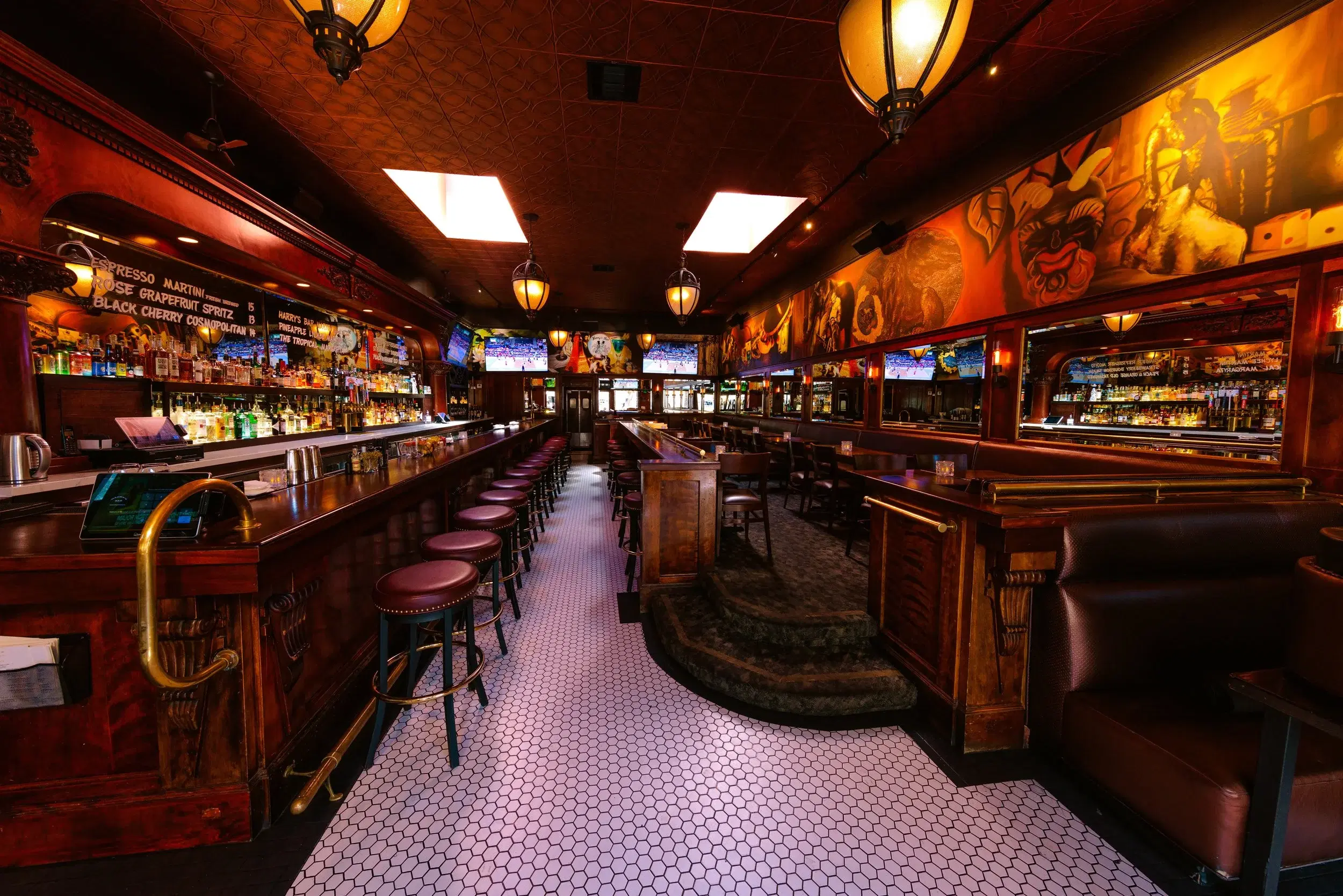
Hotels in Paris
Browse all →



At a Glance
- Cozy
- Romantic
- Lively
- Classic
- Date Night
- Group Dining
- Family
- Celebration
- Casual Hangout
- Brunch
- Late Night
- Terrace
- Private Dining
- Open Kitchen
- Beer Program
- Local Sourcing
Current opening hours
- Monday
- 10 AM–1 AM
- Tuesday
- 10 AM–1 AM
- Wednesday
- 10 AM–1 AM
- Thursday
- 10 AM–1 AM
- Friday
- 10 AM–1 AM
- Saturday
- 10 AM–1 AM
- Sunday
- 10 AM–1 AM
Hours can change for holidays and private events. Last verified .
Warm and inviting atmosphere with subtle music, comfortable seating, and a welcoming vibe ideal for special occasions and casual gatherings.