Our verdict
Located on Rue Saint-André in the heart of Angoulême, Le Saint-André sits within a city better known for its comic-book festival than its restaurant scene — which makes attentive French dining here a quiet proposition. The address places it in the historic upper town, where stone facades and medieval street plans frame a style of neighbourhood eating that provincial France still does quietly well.

Pearl is the En Primeur Club membership app — saves, bookings, and concierge access live there. Same editors, same standards.
- Address
- 6 Rue Saint-André, 16000 Angoulême, France
- Phone
- +33545922585
- Hours
- Mon ClosedTue 12–2 PM, 7:30–11 PMWed 12–2 PMThu–Fri 12–2 PM, 7:30–11 PMSat 12–2 PMSun Closed
- Website
- le-st-andre.fr
- Directions
- Get directions
- Booking
- Book on the venue's website
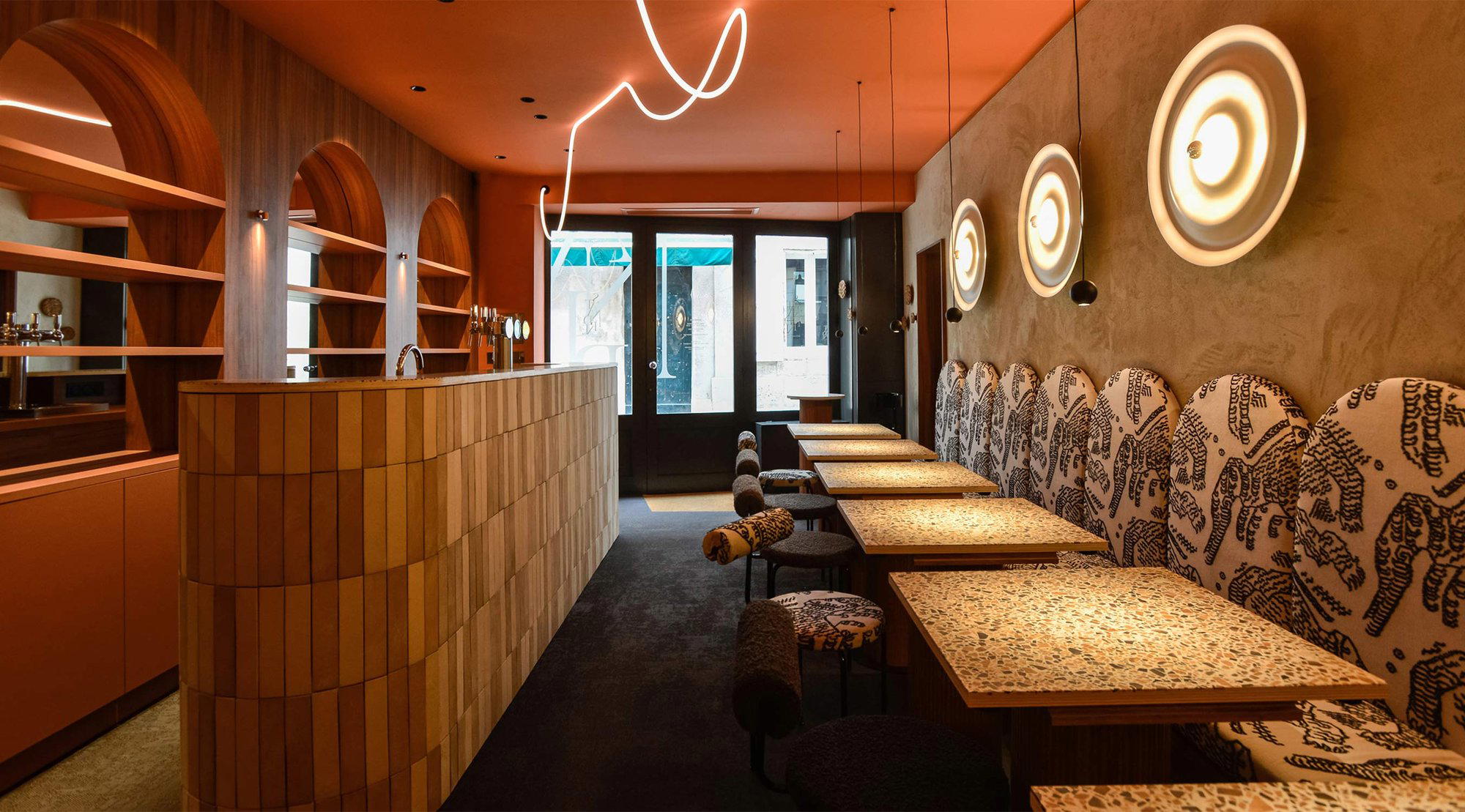
Angoulême at the Table: What Provincial French Dining Looks Like Here
France's mid-sized regional cities occupy an interesting position in the national dining hierarchy. They sit below the pressure-cooker intensity of Paris, Lyon, and the Côte d'Azur — where addresses like Alléno Paris au Pavillon Ledoyen and Mirazur in Menton compete at the furthest edge of creative ambition — but above the purely local bistro economy. In towns like Angoulême, the dining scene that develops is neither starred showmanship nor corner-café convenience. It is something more characteristically French: an assumption that cooking well is a matter of civic seriousness, not performance.
Angoulême itself is a city more internationally associated with its annual Festival International de la Bande Dessinée than with its kitchens. The hilltop old town, ramparts, Romanesque cathedral, narrow streets that drop sharply toward the Charente river, sets the physical stage. The Charente-Maritime coast is close enough to pull seafood into local menus, while the surrounding Charente countryside supplies game, duck, and the cognac country begins just to the north. This is the raw geography that informs what ends up on plates in the city's more considered restaurants.
Le Saint-André, at 6 Rue Saint-André in the 16000 postal district, sits within this upper-town framework. The street itself is one of those narrow Angoumoisin passages that runs between larger arteries, the kind of address that rewards people who read maps rather than follow crowds. In a city without a deep roster of destination restaurants, an address on a quiet historic street carries a particular signal: this is a place that expects to be sought out rather than stumbled upon.
The Regional Tradition Behind the Address
Charente cooking, the broader culinary tradition that surrounds Angoulême, is one of France's less-celebrated regional cuisines, which is itself revealing. Unlike Burgundy, Alsace, or the Basque country, where strong gastronomic identities have attracted international attention and anchored addresses like Auberge de l'Ill in Illhaeusern or Bras in Laguiole, the Charente sits in a quieter tier. It produces excellent raw materials, pineau des Charentes, oysters from Marennes-Oléron, duck confit, snails, walnuts, without having generated the kind of definitive haute cuisine identity that turns a region into a pilgrimage destination.
That absence of celebrity pressure is, paradoxically, what keeps provincial French dining in cities like Angoulême honest. The audience is largely local. The expectation is regularity, not novelty. Cooking that respects the season and the product, rather than cooking that performs for critics, tends to be the dominant mode. Compare this to the coastal intensity of Christopher Coutanceau in La Rochelle, 120 kilometres to the west, where a three-Michelin-star operation has made the city a recognisable fine-dining stop. Angoulême operates at a different register: the goal is a good dinner, well-executed, in a room that feels like it belongs to the city.
For the broader context of where French regional cooking has developed its most ambitious expressions, addresses like Troisgros in Ouches, Auberge du Vieux Puits in Fontjoncouse, and Paul Bocuse in Collonges-au-Mont-d'Or represent what happens when regional rootedness scales into institutional ambition. Le Saint-André operates in a considerably different tier, closer in spirit to the neighbourhood anchors you find throughout provincial France, where the distinction being made is between eating well and eating carelessly, not between one creative register and another.
Angoulême's Dining Scene: Where Le Saint-André Sits
Within Angoulême itself, the restaurant offering is compact. The city's most discussed contemporary address is La Bistronomie, which occupies the bistronomic register that has become France's default mode for serious-but-accessible modern cooking since the early 2000s. Le Comptoir de Brice represents another point on the city's dining map. Le Saint-André, on its medieval side street, reads as part of a small group of addresses that give Angoulême a functional dining identity beyond tourist-facing brasseries.
For visitors approaching Angoulême as part of a broader southwest France itinerary, the kind of trip that might also include the Atlantic coast or the Dordogne, the city's restaurant scene is leading understood as an honest complement to its architectural and cultural character, not a destination in its own right. The full Angoulême restaurants guide maps the scene more completely. The working assumption for an address like Le Saint-André is that you call ahead, you arrive appropriately, and you eat what the kitchen is doing that week.
That model connects Le Saint-André to a broader tradition in French provincial dining, one that neither aspires to the creative intensity of AM par Alexandre Mazzia in Marseille or Assiette Champenoise in Reims, nor retreats into the comfortable repetition of tourist-menu cooking. It is the tier that France produces most naturally and exports least successfully: the good local restaurant, making the case for attentive cooking as a normal expectation rather than a special occasion.
Planning a Visit
Le Saint-André is at 6 Rue Saint-André, 16000 Angoulême, in the historic upper town. As with many independent restaurants of this type in provincial French cities, specific booking details, hours, and pricing are best confirmed directly rather than assumed from third-party listings. The city itself is well-connected: Angoulême sits on the TGV line between Paris Montparnasse and Bordeaux, with journey times of approximately 2 hours from Paris. Arriving by train and walking up to the old town is the logical approach for visitors coming from either direction. Those travelling from Bordeaux in under 40 minutes by TGV have a natural daytrip or overnight option. Given the limited capacity typical of restaurants in this style and setting, a reservation rather than a walk-in is the practical starting point.
Frequently asked questions
Is Le Saint-André a family-friendly restaurant?
Le Saint-André's address in Angoulême's historic upper town and its positioning within the city's compact independent dining scene suggest a sit-down format typical of French provincial restaurants, which generally welcome families without being organised around them. As with most independent addresses of this type in regional France, the experience is shaped by the rhythm of a conventional service rather than a dedicated family offer.
What's the overall feel of Le Saint-André?
The address on Rue Saint-André places the restaurant in Angoulême's historic upper town, which sets a particular tone: old stone, a slower pace, and the kind of neighbourhood that rewards walking rather than driving. Provincial French restaurants at this level tend toward relaxed formality — more attentive than a brasserie, less ceremonial than a destination table.
How does Le Saint-André fit into Angoulême's broader dining scene?
Angoulême's restaurant offering is compact relative to larger French cities, which means individual independent addresses carry more weight in the local scene. Le Saint-André occupies a position in the historic upper town at 6 Rue Saint-André, situating it within the older residential and commercial core rather than the more tourist-facing lower streets. In a city where the contemporary dining conversation centres on a small number of addresses, a long-standing independent in this part of town tends to draw a regular local clientele alongside visitors.
What's the must-try dish at Le Saint-André?
No specific menu items are documented for Le Saint-André, so naming a signature dish would be speculation. What is clear is that the restaurant sits within the Charente culinary tradition, a region whose cooking leans on river fish, Charentais butter, Cognac-based sauces, and locally raised poultry. Asking the front of house for the day's regional speciality is the reliable approach at an independent address like this one.
Where is Le Saint-André in Angoulême?
Le Saint-André is located at 6 Rue Saint-André, 16000 Angoulême, France, Angoulême.
Do they take walk-ins at Le Saint-André?
For an independent restaurant of this type in a mid-sized French city, walk-in availability typically depends on the day and season — Angoulême draws visitors around its January comics festival, which compresses table availability city-wide. Arriving at opening or calling ahead on the day remains the practical approach.
Budget and Context
Comparable venues nearby, for context on price, style, and recognition.
| Venue | Cuisine | Price | Awards | Notes |
|---|---|---|---|---|
| Le Saint-AndréThis venue — the venue you are viewing | French Traditional with Fusion Influences | $30–50 | Not listed | Not listed |
| Le Comptoir de Brice | Modern Bistronomic French | $30–50 | Not listed | vieil Angouleme, Modern Bistronomic French |
| La Bistronomie | Modern French Bistronomy | Not listed | Michelin Bib Gourmand | Centre-ville, Modern French Bistronomy |
| Les Sources de Fontbelle | Modern French | Not listed | 1 Michelin Star | Dining |
| CAIRN | French Charcoal-Grilled Bistro | $20–30 | Not listed | Chartrons - Grand Parc - Jardin Public, French Charcoal-Grilled Bistro |
| 585 | Modern French Bistronomic | $30–50 | Not listed | Centre ville, Modern French Bistronomic |
Continue exploring
More in Angoulême
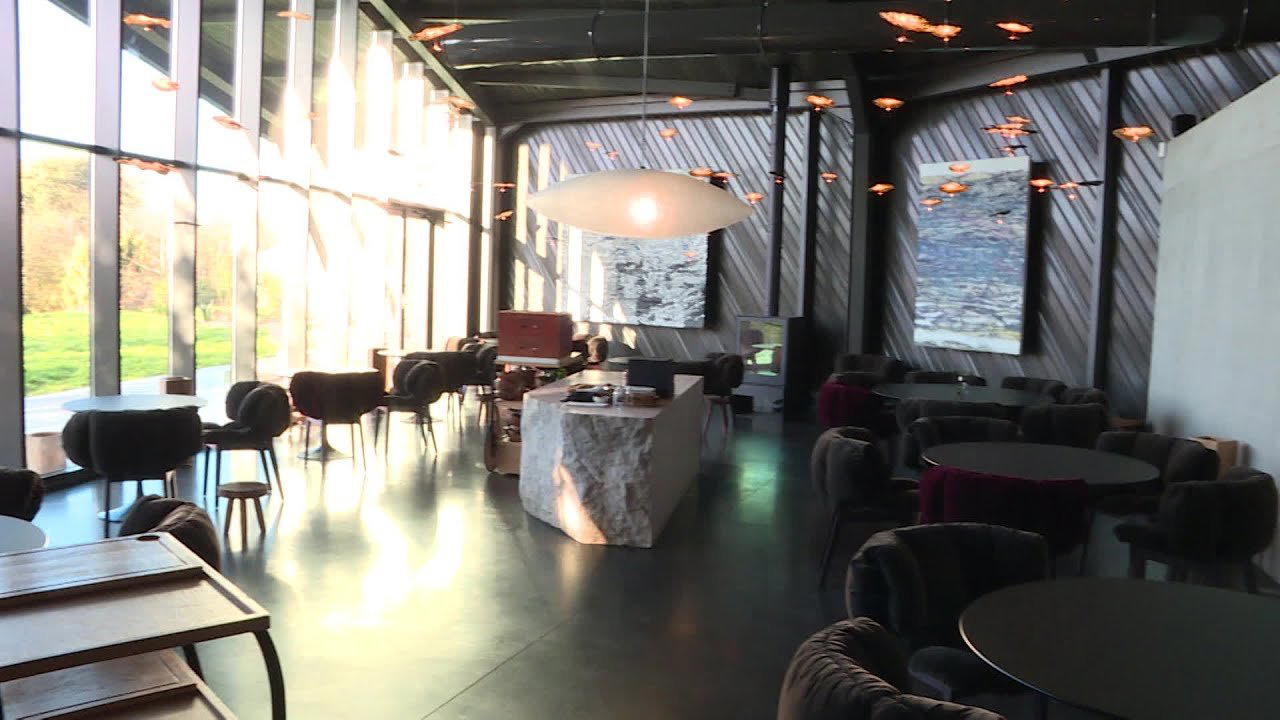
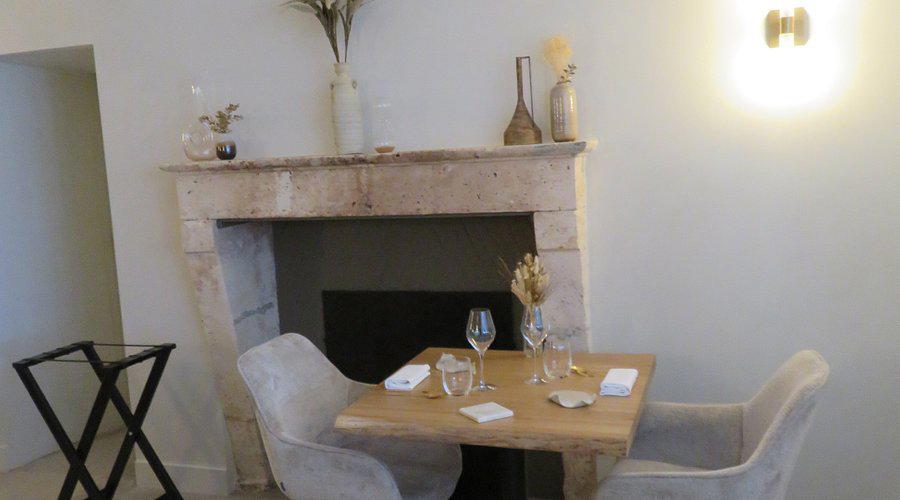
Restaurants in Angoulême
Browse all →
Bars in Angoulême
Browse all →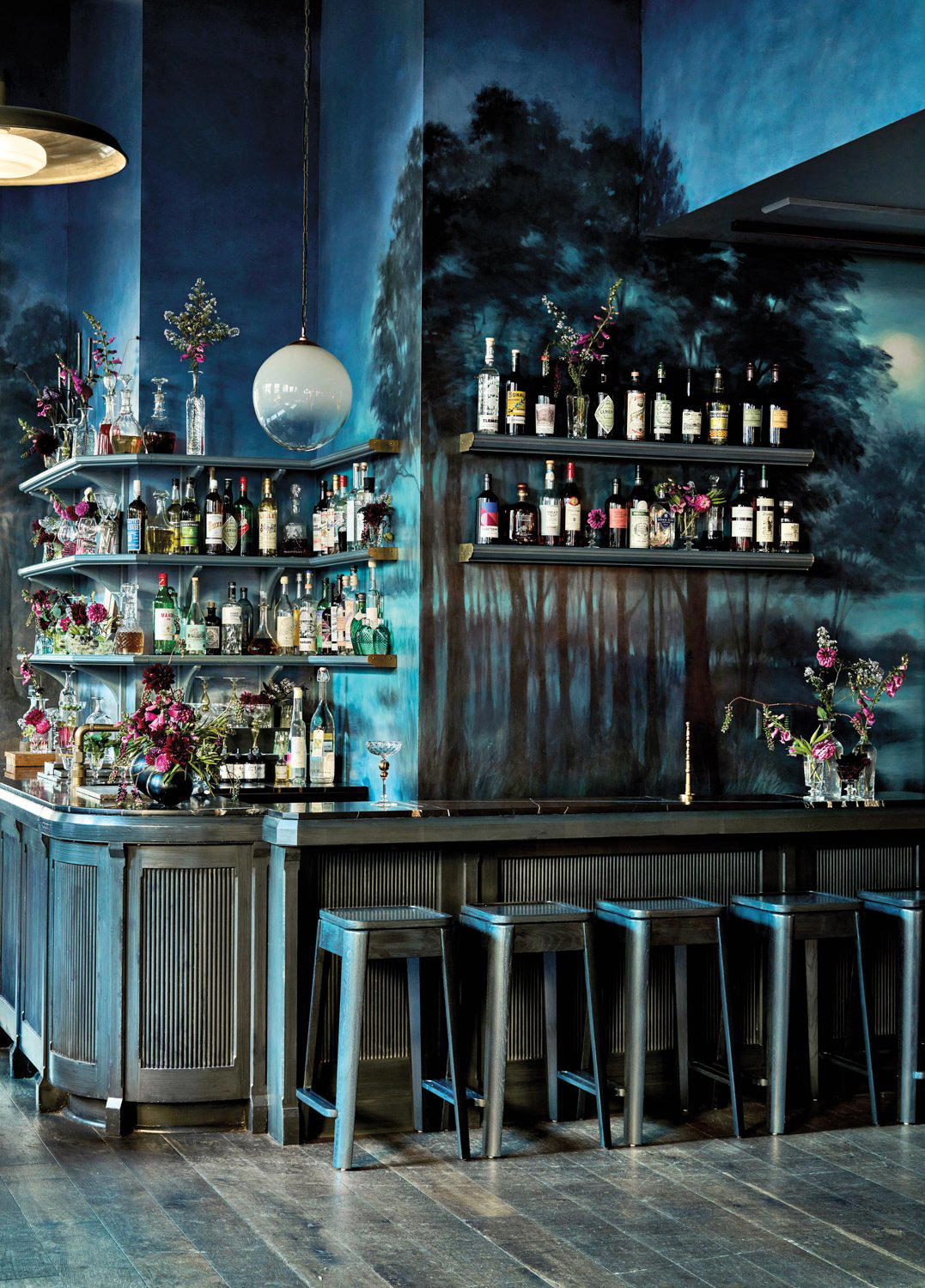
Hotels in Angoulême
Browse all →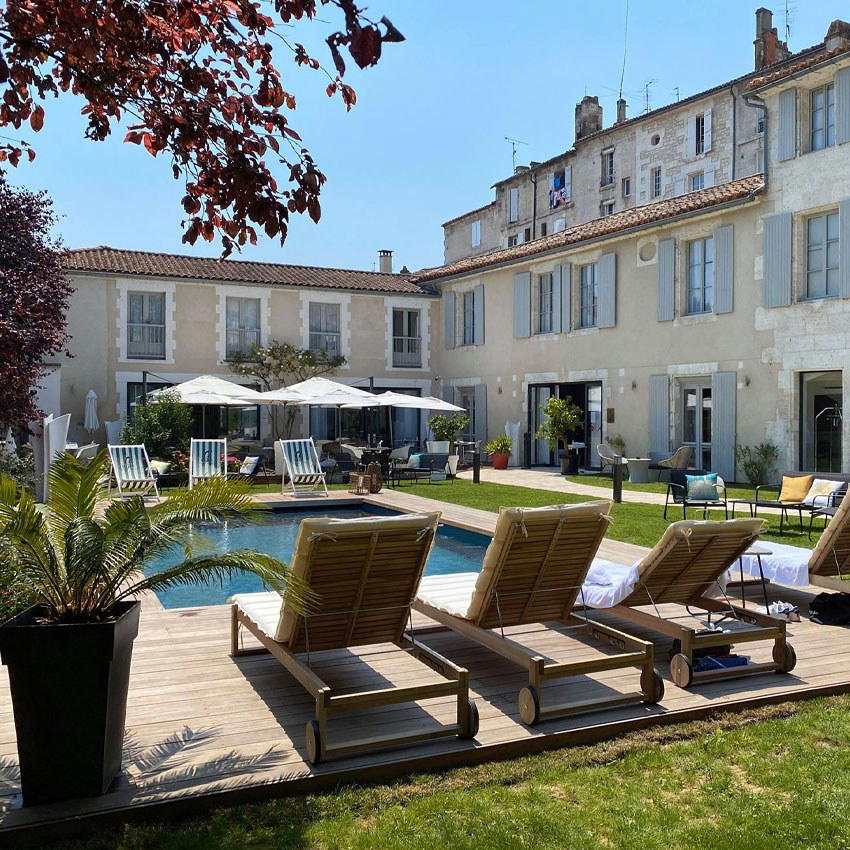

Details
- Modern
- Elegant
- Cozy
- Date Night
- Terrace
- Extensive Wine List
- Local Sourcing
- Street Scene
- A La Carte
- Vegetarian Friendly
- Gluten Free Options
Current opening hours
- Monday
- Closed
- Tuesday
- 12–2 PM, 7:30–11 PM
- Wednesday
- 12–2 PM
- Thursday
- 12–2 PM, 7:30–11 PM
- Friday
- 12–2 PM, 7:30–11 PM
- Saturday
- 12–2 PM
- Sunday
- Closed
Hours can change for holidays and private events. Last verified .
Soft and relaxed atmosphere in a modern & chic cadre with a formidable view from the terrace.