
1 Michelin Star
Our verdict
Aumì earned its Michelin star in 2024 with a menu built on Dordogne porcini, locally sourced mackerel, and Charentais produce — modern cooking that treats the surrounding region as both pantry and argument. Set in Puymoyen on the edge of Angoulême, this is a €€€ address that rewards the detour with focused, flavour-first plates and a calendar that runs Thursday through Sunday.

Pearl is the En Primeur Club membership app — saves, bookings, and concierge access live there. Same editors, same standards.
- Address
- 6 Chem. des Rochers, 16400 Puymoyen, France
- Phone
- +33 5 45 70 76 19
- Hours
- Mon–Tue ClosedWed 7:30–9 PMThu–Fri 12–1:15 PM, 7:30–9:15 PMSat 12:15–1:15 PM, 7:30–9:15 PMSun 12:15–1:15 PM
- Website
- aumirestaurant.com
- Directions
- Get directions
- Booking
- Book on Zenchef
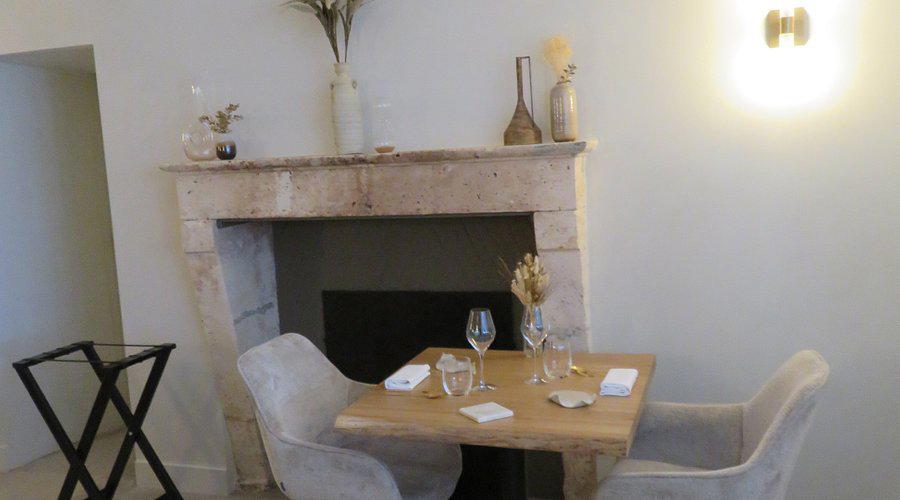
Where the Charente Countryside Reaches the Plate
The road into Puymoyen, a small commune sitting just south of Angoulême in the Charente department, gives little away. The village is the kind of place you pass through rather than plan for — which is exactly the condition that makes a Michelin-starred table here more significant than a similarly decorated address on a Paris boulevard. When the Michelin Guide awards a star to a restaurant in a location this modest, it is making an argument: that serious cooking does not require a metropolitan backdrop, and that a kitchen tethered to its immediate geography can compete on the same critical terms as the €€€€ addresses in the capital. For context, the three-star tier in France — represented by houses such as Alléno Paris au Pavillon Ledoyen or Mirazur in Menton, operates at a different price point and with a different resource base. Aumì sits in the single-star tier at €€€ pricing, but the critical framing is revealing: Michelin's own write-up reads as a statement about sourcing discipline and flavour coherence rather than technical virtuosity for its own sake.
Aumì opened at 6 Chemin des Rochers, a restored address that the team has reconfigured carefully, and it received its first Michelin star in 2024, a rapid recognition for a newly opened kitchen. That speed of acknowledgement is not routine in France, where the Guide typically observes a restaurant across multiple services before committing. It signals a kitchen that arrived at opening with a clear point of view already in place.
A Sourcing Argument, Not a Style Statement
The editorial logic of Aumì's cooking is most legible through what it sources and from where. The Dordogne department, immediately to the north and east of the Charente, produces some of France's most respected wild porcini, and the kitchen draws on that supply directly: pan-fried ceps with hazelnut and poultry jus appear on the menu as a direct expression of what the region yields in season. This is not the kind of sourcing that functions as a marketing claim, the dish is built around the mushroom's own texture and weight, with the hazelnut adding a dry, roasted note and the jus providing just enough acidity to keep it from reading as heavy.
The mackerel preparation, crunchy green beans, lemon cream, and marinated fish, is a useful illustration of the kitchen's broader approach. Mackerel is not a prestige ingredient; it is abundant, cheap, and often handled poorly in formal dining contexts because it resists the kind of clean plating that photographs well. Here, the combination works as a flavour argument rather than a visual one: the acidity of the lemon cream against the oiliness of the fish, the textural contrast of the beans providing structure. The discipline is in what has been left out.
Charentais beef appears as a leading rump cut with pear, a pairing that draws on the region's fruit production and positions a secondary cut of meat as the right choice rather than a compromise. In much of the French fine-dining tier, the instinct is still to reach for more expensive primary cuts; using leading rump and building around it with seasonal produce reflects a kitchen that is sourcing first and engineering the menu around what arrives, rather than the reverse. The Cognac ice cream that accompanies the roast fig dessert extends the same logic into the sweet course: Cognac is the defining agricultural product of the Charente, and its appearance in the dessert is coherent rather than gimmicky.
This sourcing-led approach places Aumì in a recognisable current within contemporary French regional cooking, the same instinct that has driven acclaimed rural tables such as Bras in Laguiole and Auberge du Vieux Puits in Fontjoncouse, where geography is the primary creative constraint. The difference at Aumì is one of register: the cooking is modern rather than rooted in classical formalism, and the price point keeps it accessible relative to those longer-established houses.
The Service Calendar and What It Means in Practice
Aumì operates Thursday through Sunday, with the kitchen closed Monday, Tuesday, and Wednesday entirely. Lunch service runs on Thursday and Friday from noon to 1:15 PM, on Saturday and Sunday from 12:15 PM. Evening service opens at 7:30 PM on Thursday, Friday, and Saturday, closing between 9 PM and 9:15 PM depending on the day. Sunday evenings are not served.
This compressed schedule is worth understanding before planning a visit. The Charente is not a region with dense transport infrastructure, and Angoulême, the nearest city, is connected by TGV to Paris (approximately 1 hour 40 minutes from Paris Montparnasse) but local transport onward to Puymoyen is limited. Most diners arriving from outside the region will be driving. The Thursday-to-Sunday window, combined with the proximity to Cognac country and the Dordogne's broader gastronomic circuit, suggests that Aumì works well as part of a longer southwest France itinerary rather than a standalone trip from the capital. For accommodation and further planning in the area, see our full Puymoyen hotels guide.
Reading Aumì Within the French One-Star Field
France's single-star tier is, in practice, a broad category. It encompasses brasseries with technically competent kitchens, neighbourhood bistros with one exceptional dish, and destination restaurants in rural locations that happen to lack the profile to push beyond their first star. Aumì's positioning within that tier is more specific: it is a newly opened, sourcing-led modern kitchen in a small commune, with a short operating week and a Michelin citation that focuses on flavour construction rather than technique display. That places it in a peer group closer to rural destination tables than to urban neighbourhood stars.
The comparison set for the French one-star rural category includes houses with considerably longer histories, Auberge de l'Ill in Illhaeusern, Flocons de Sel in Megève, and others that have built reputations over decades. What distinguishes newly starred rural tables like Aumì is the speed of their critical ascent and the degree to which their identity is built around regional produce rather than classical technique. That is partly a generational shift in French fine dining, visible at tables across the country from Marseille (AM par Alexandre Mazzia) to Reims (Assiette Champenoise), and partly a response to what the Charente and Dordogne actually produce: abundant, high-quality seasonal ingredients that reward a kitchen willing to let them lead.
For those building a broader picture of French fine dining across the country, our guides to Troisgros in Ouches, Au Crocodile in Strasbourg, and Paul Bocuse in Collonges-au-Mont-d'Or provide useful context on the range of approaches within French starred cooking. For international modern cuisine comparisons, Frantzén in Stockholm and FZN by Björn Frantzén in Dubai illustrate how the sourcing-led modern format travels across geographies.
Planning a Visit
Aumì sits at a €€€ price point, a meaningful step below the €€€€ Parisian three-star tier but firmly in the range where a booking functions as a considered occasion rather than a casual lunch. Reservations, given the short operating week and the speed of the 2024 Michelin recognition, should be treated as non-trivial: the combination of limited service days and growing critical attention means availability at short notice is unlikely. No booking channel is listed in the public record, so contacting the restaurant directly or monitoring reservation platforms for the region is the practical route.
Puymoyen itself offers a narrow range of supporting infrastructure for visitors, so broader Charente planning is worth doing in advance. See our full Puymoyen restaurants guide, bars guide, wineries guide, and experiences guide to build out the wider visit.
Frequently asked questions
What should I budget for a meal at Aumì?
Pricing at Aumì is listed as €€€.
What days is Aumì closed?
Hours at Aumì: Monday closed Tuesday closed Wednesday 7:30 PM-9 PM Thursday 12 PM-1:15 PM 7:30 PM-9:15 PM Friday 12 PM-1:15 PM 7:30 PM-9:15 PM Saturday 12:15 PM-1:15 PM 7:30 PM-9:15 PM Sunday 12:15 PM-1:15 PM.
Side-by-Side Snapshot
| Venue | Cuisine | Price | Awards |
|---|---|---|---|
| AumìThis venue — the venue you are viewing | Modern French Fine Dining | $50–100 | 1 Michelin Star |
| Alléno Paris au Pavillon Ledoyen | Creative | Not listed | Michelin 3 Star |
| Kei | Contemporary French, Modern Cuisine | Not listed | Michelin 3 Star |
| L'Ambroisie | French, Classic Cuisine | Not listed | Michelin 3 Star |
| Le Cinq - Four Seasons Hôtel George V | French, Modern Cuisine | Not listed | Michelin 3 Star |
| Plénitude | Contemporary French | Not listed | Michelin 3 Star |
Recognition history
Dated appearances from independent guides and award organizations, with the underlying list record or original source where available.
Michelin 1 Star
Michelin
Full recognition history (3 entries)
Michelin 1 Star
Michelin
Michelin 1 Star
Michelin
Continue exploring
More in Puymoyen
Restaurants in Puymoyen
Browse all →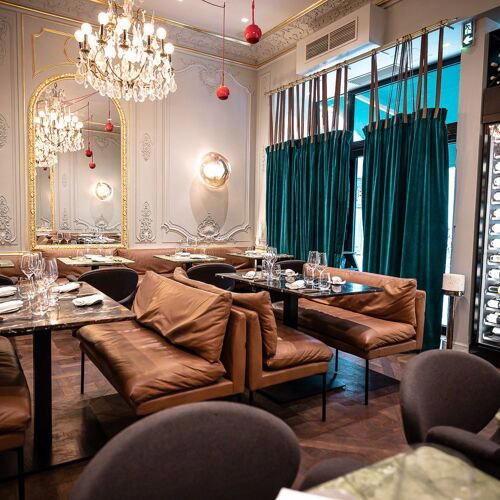
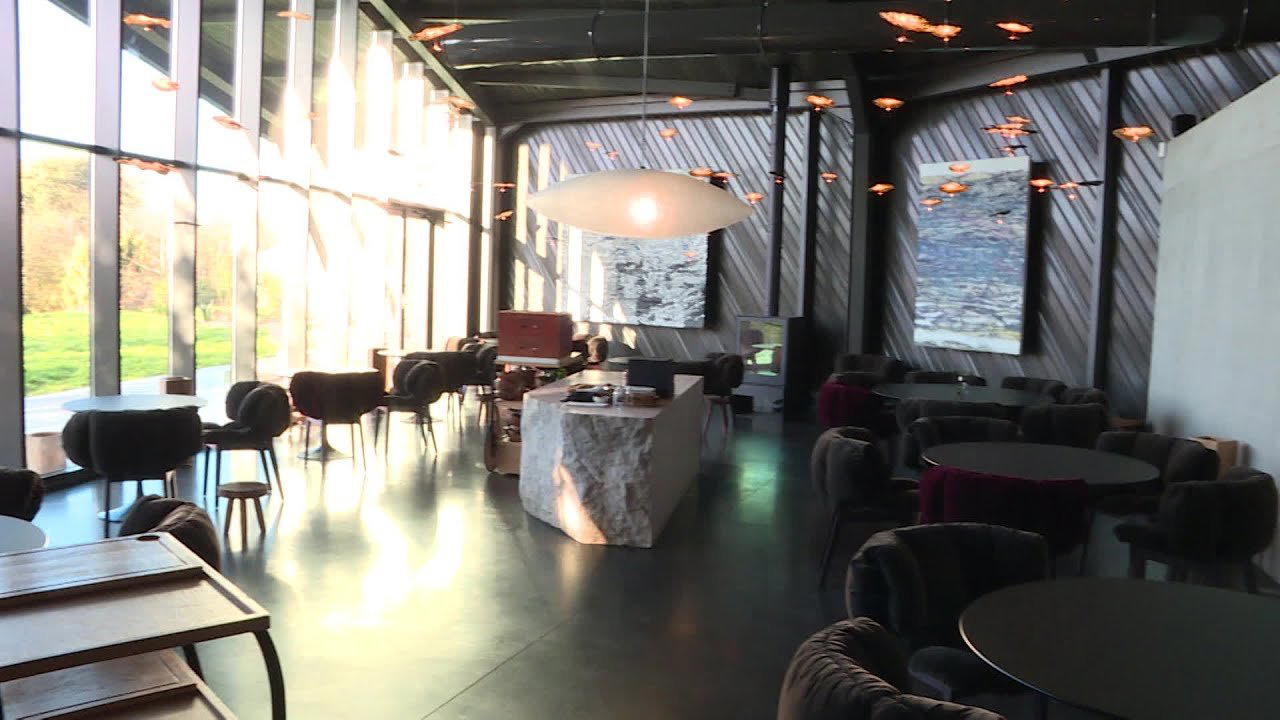
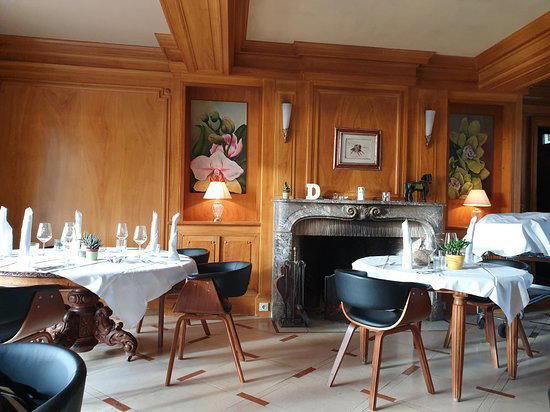
Bars in Puymoyen
Browse all →
Hotels in Puymoyen
Browse all →
Wineries in Puymoyen
Browse all →
Details
- Modern
- Cozy
- Elegant
- Intimate
- Date Night
- Special Occasion
- Garden
- Farm To Table
- Local Sourcing
- Garden
- Tasting Menu
- Prix Fixe
- Vegetarian Friendly
Current opening hours
- Monday
- Closed
- Tuesday
- Closed
- Wednesday
- 7:30–9 PM
- Thursday
- 12–1:15 PM, 7:30–9:15 PM
- Friday
- 12–1:15 PM, 7:30–9:15 PM
- Saturday
- 12:15–1:15 PM, 7:30–9:15 PM
- Sunday
- 12:15–1:15 PM
Hours can change for holidays and private events. Last verified .
Warm, attentive, calm and welcoming atmosphere in a peaceful house with garden terrace, airy dining room, and beautiful ceramic dishware.