On a quiet street in the heart of Nice, Franchin occupies a distinct position in the city's dining scene, where the traditions of Niçoise and Provençal cooking meet the produce-driven rigour of the French Riviera hinterland. The address on Rue Massenet places it within easy reach of the old town and the Promenade, making it a practical base for the kind of meal that rewards attention to what is on the plate rather than the room around it.
Pearl is the En Primeur Club membership app — saves, bookings, and concierge access live there. Same editors, same standards.
- Address
- 10 Rue Massenet, 06000 Nice, France
- Phone
- +33493871574
- Website
- franchin.net
- Directions
- Get directions
 Saves & bookings on Pearl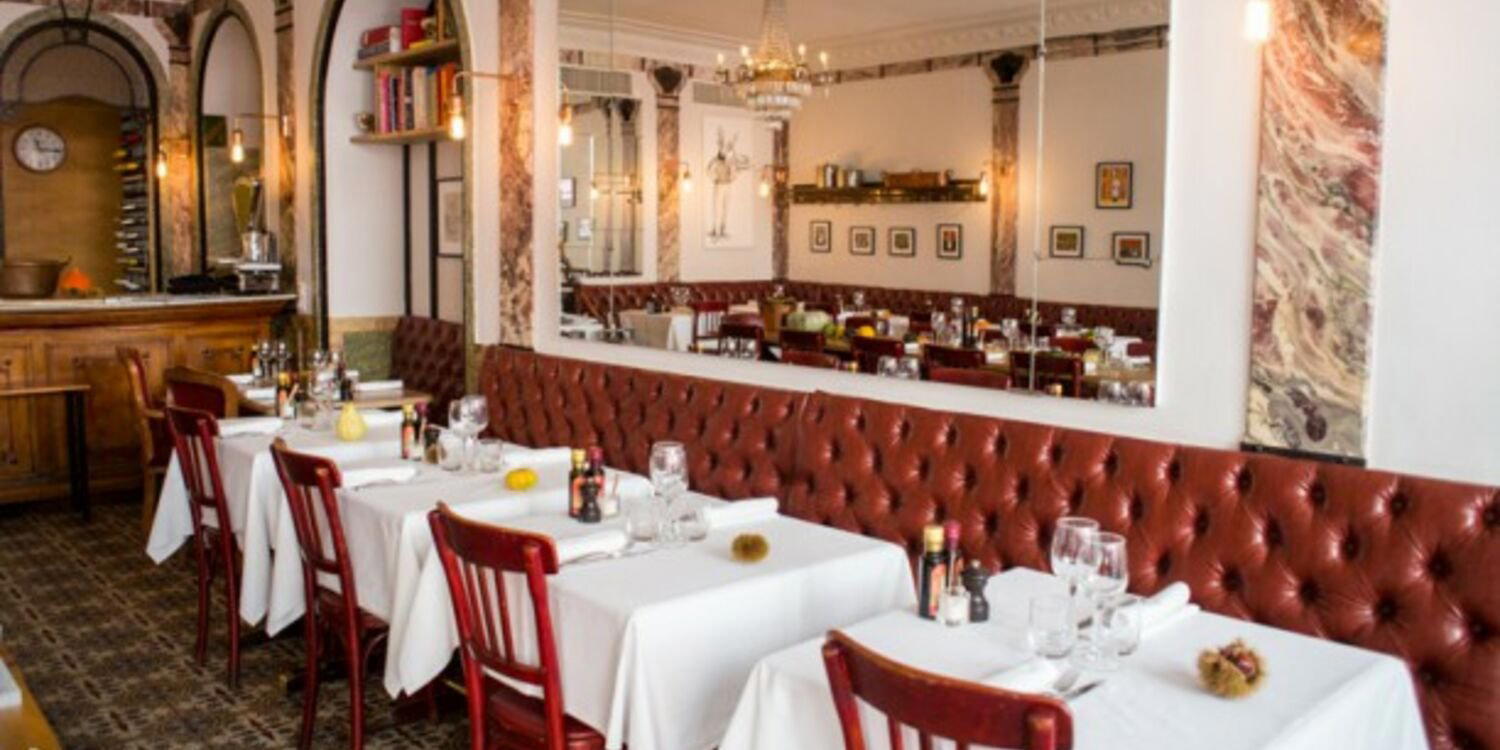
Where Rue Massenet Meets the Riviera Table
Nice operates on a culinary register that most French cities cannot replicate. The proximity to the Italian border, the altitude differential between the coast and the pre-Alpine valleys behind it, and the century-long tradition of market trading at the Cours Saleya all converge to give the city's kitchens access to a supply chain that spans sea, pasture, and mountain within a radius few other French departments can match. Franchin is a Classic French Bistro at 10 Rue Massenet, 06000 Nice, France. It sits inside this geography in a way that shapes what reaches the table before any decision about technique or style is made.
The street itself belongs to the quieter residential face of Nice, removed from the tourist density of the old town but close enough to the city's market infrastructure to make daily sourcing practical. That locational logic matters in a city where the gap between what is grown or caught that morning and what appears at lunch can be measured in kilometres rather than supply-chain days. It is a dynamic that places Franchin in a different frame from the haute cuisine addresses further along the coast, such as Mirazur in Menton, where the kitchen operates at an international competitive register, or the ambitious creative programmes at Flaveur and L'Aromate, both of which sit at the higher end of Nice's contemporary dining spectrum.
The Sourcing Logic of the Côte d'Azur
The ingredient culture of this part of France is worth understanding on its own terms before considering any individual kitchen. The Alpes-Maritimes department runs from the Mediterranean shoreline to elevations above 2,000 metres, compressing a range of microclimates into a compact territory. Fishing ports at Villefranche-sur-Mer and Antibes supply line-caught sea bass, rouget, and octopus to city kitchens with the kind of turnaround that keeps quality high and waste low. Inland, the valleys around Contes, Levens, and Utelle produce olives, citrus, courgette flowers, and aromatic herbs that have defined Niçoise cooking for generations. The region's olive oil, protected under the AOC designation for Nice, carries a flavour profile distinct from its Provençal neighbours, lighter, with a green, grassy finish that reflects the cultivar mix used in the hills above the city.
This is the sourcing context in which a kitchen on Rue Massenet operates. For visitors accustomed to the supply-chain distances that characterise dining in London, New York, or Paris, the compression of producer to plate in this part of France represents a structural advantage that technique alone cannot manufacture. Comparable sourcing ambition at altitude in the Alps informs establishments such as Flocons de Sel in Megève, while the broader tradition of French kitchens anchored to their immediate territory is visible across properties from Bras in Laguiole to Auberge de l'Ill in Illhaeusern.
Franchin in the Context of Nice's Restaurant Field
Nice's restaurant scene has broadened considerably over the past decade. The city now supports a range of formats from the no-reservation, cash-only authenticity of places like La Merenda in the old town through to the multi-course tasting menu addresses targeting international recognition. Within that spread, the mid-market and neighbourhood-anchored tier has grown, driven partly by a younger local dining public and partly by the shift in visitor expectation toward meals that reflect where they actually are rather than a globalised luxury register.
Franchin on Rue Massenet occupies a position in that broader field, though its format, price point, and current menu are not detailed here. What the address suggests is a kitchen oriented toward the neighbourhood rather than the destination-dining circuit. That is not a limitation in Nice, where the density of good produce and the strength of the local cooking tradition mean that a well-run room focused on its immediate supply chain can produce meals that outperform more decorated addresses elsewhere. For comparison within Nice's more documented contemporary tier, Les Agitateurs and ONICE represent the direction travel in the city's creative dining, while the grande tradition is anchored by Le Chantecler at the Negresco.
The broader French fine dining conversation, from the classical ambition of Alléno Paris au Pavillon Ledoyen and Paul Bocuse to the regional rigour of Les Prés d'Eugénie and Troisgros, or even international reference points like Le Bernardin in New York and Lazy Bear in San Francisco, runs on a spectrum that ultimately returns to the same question: how closely does the kitchen work with what grows, swims, or grazes within reach of it? In Nice, the honest answer is that almost any kitchen that commits to the Cours Saleya and the local fishing ports has a head start on that question that money and ambition cannot easily buy elsewhere.
For those planning a broader trip through the region, La Table du Castellet in the Var and Georges Blanc in Vonnas offer further reference points along the Provençal and Rhône Valley corridor. A full orientation to dining in the city is available through our Nice restaurants guide.
Planning a Visit
Franchin is located at 10 Rue Massenet, in the part of Nice that sits between the train station district and the residential streets approaching Cimiez. The area is walkable from the city centre and accessible by tram. As with many neighbourhood addresses in Nice, visiting in the autumn months, when the last of the summer produce overlaps with the arrival of wild mushrooms, chestnuts, and game from the pre-Alpine valleys, tends to produce particularly interesting market-driven menus.
Same-City Peers
Comparable venues nearby, for context on price, style, and recognition.
| Venue | Cuisine | Price | Notes |
|---|---|---|---|
| FranchinThis venue — the venue you are viewing | Classic French Bistro | $$ | Not listed |
| Lavomatique | Modern French Small Plates | $$ | Nice Historique |
| Chez Acchiardo | Traditional Niçoise Bistro | $$ | Nice Historique |
| L'Escalinada | Traditional Niçoise Cuisine | $$ | Nice Historique |
| Chez Palmyre | Authentic Niçoise Bistro | $$ | Nice Historique |
| Le clin d'œil | Niçois Bistronomie | $$ | Cœur de Nice |
Continue exploring
More in Nice
Restaurants in Nice
Browse all →
Bars in Nice
Browse all →
Hotels in Nice
Browse all →

At a Glance
- Classic
- Elegant
- Cozy
- Intimate
- Date Night
- Special Occasion
- Historic Building
- Extensive Wine List
- Farm To Table
- Local Sourcing
Current opening hours
- Monday
- Closed
- Tuesday
- Closed
- Wednesday
- 12–1:30 PM, 7–9:30 PM
- Thursday
- 12–1:30 PM, 7–9:30 PM
- Friday
- 12–1:30 PM, 7–9:30 PM
- Saturday
- 12–1:30 PM, 7–9:30 PM
- Sunday
- 12–1:30 PM, 7–9:30 PM
Hours can change for holidays and private events. Last verified .
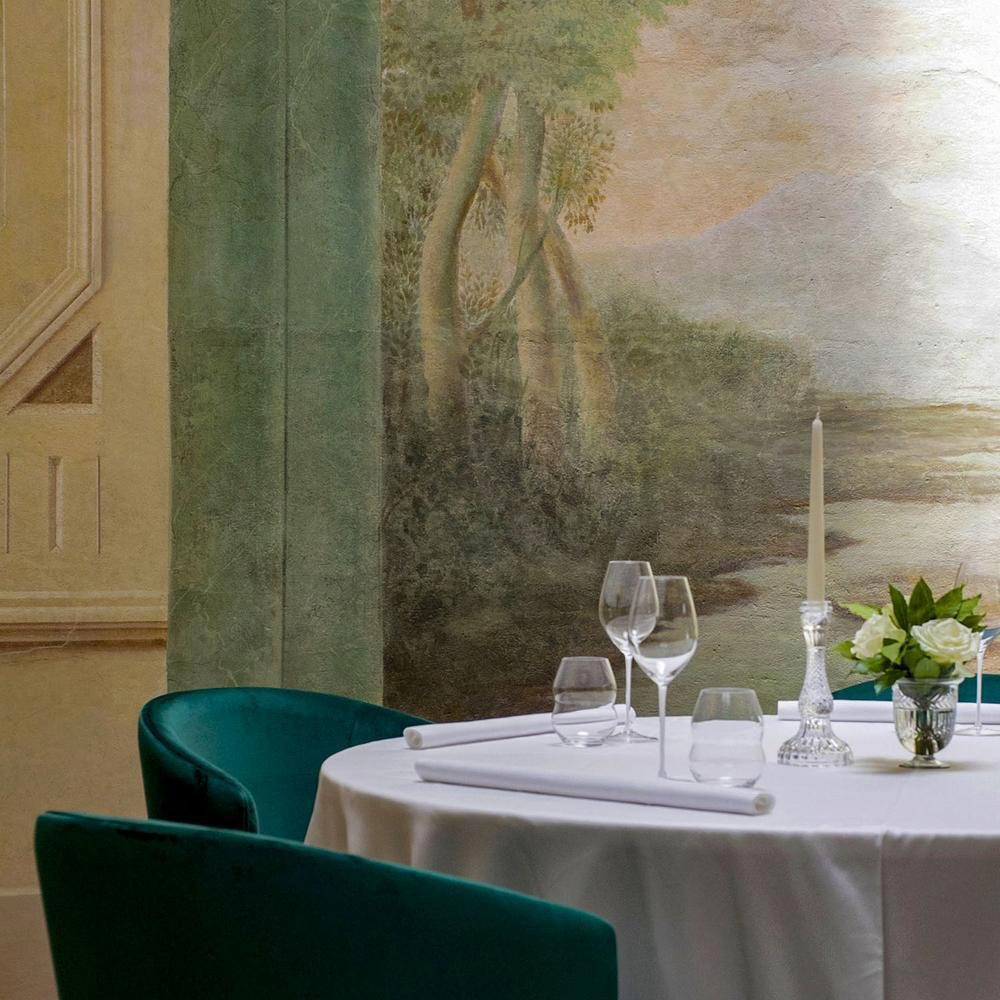
Warm, convivial Belle Epoque decor with discreet elegance and bistro charm.