La Petite Maison at 11 Rue Saint-François de Paule sits at the intersection of Niçoise tradition and polished Mediterranean cooking, occupying a position in Nice's dining scene that draws comparisons to its London and Dubai offshoots. Where peers like Flaveur push toward inventive modern French, La Petite Maison holds its ground on the classical Riviera repertoire, shared plates, olive oil-forward sauces, and the kind of confidence that comes from a formula that travels.
Pearl is the En Primeur Club membership app — saves, bookings, and concierge access live there. Same editors, same standards.
- Address
- 11 Rue Saint-François de Paule, 06000 Nice, France
- Phone
- +33 4 93 92 59 59
- Website
- instagram.com
- Directions
- Get directions
 Saves & bookings on Pearl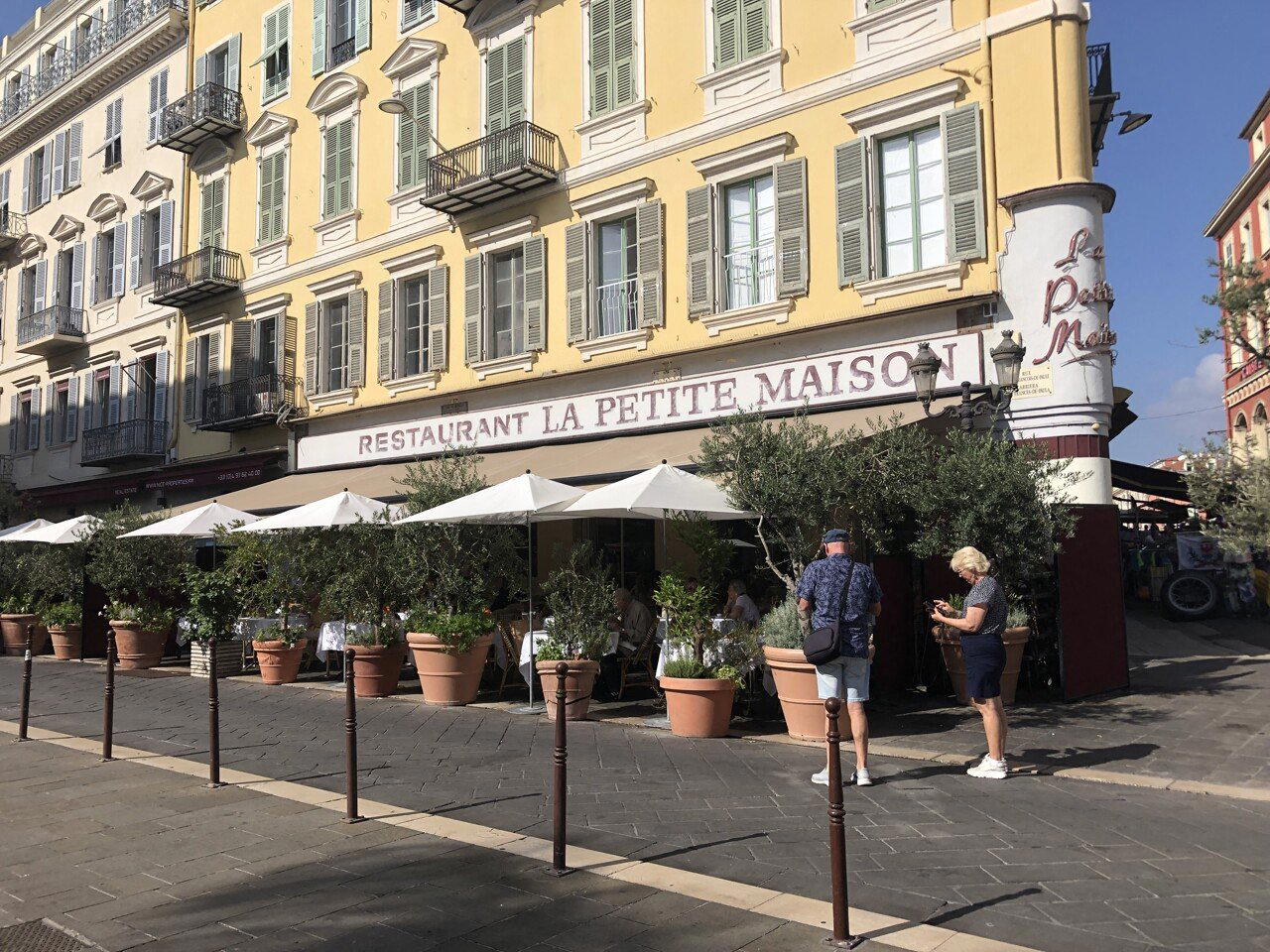
A Street That Sets the Tone
Rue Saint-François de Paule is not a side street. Running between the Place Masséna and the Cours Saleya market, it is one of the more deliberate approaches to dining in central Nice, a route past the gilded facade of the Opéra de Nice, past Alziari's olive oil shop, and into a block where the restaurant density is high and the competition between formats is visible. La Petite Maison sits at number 11, and the address alone places it in a specific bracket: this is a room that has always understood its position within the city's established dining geography.
That geography matters when reading Nice's restaurant scene. The city operates across at least three distinct registers: the Niçoise and Provençal tradition of places like La Merenda, which holds to a cash-only, no-reservation format and a menu of socca, daube, and stockfish; the modern French and creative tier, where Flaveur and Les Agitateurs push the cooking toward contemporary technique; and a mid-to-upper tier of Mediterranean addresses that prioritise shareable formats, quality sourcing, and a room that can hold an international clientele. La Petite Maison operates squarely in the third register.
How the Menu Is Structured, and What That Signals
The menu architecture at La Petite Maison reflects a specific philosophy about Mediterranean eating that is worth understanding before you arrive. The format is built around sharing: starters designed for the table, mains that arrive in sequence rather than simultaneously plated per person, and a rhythm that encourages extended meals rather than efficient turnover. This structure is not accidental. It mirrors the way Côte d'Azur eating has traditionally functioned, the long lunch, the rotating small plates, the sense that the table rather than the individual is the unit of the meal.
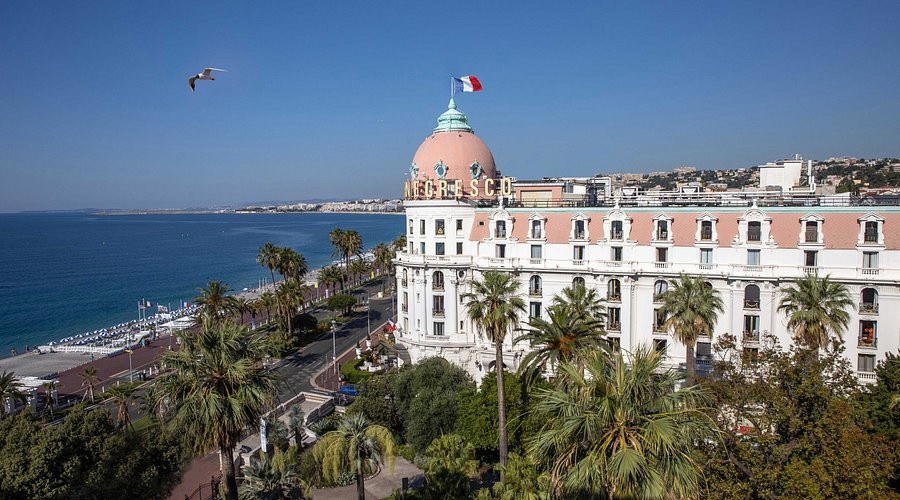
That approach places the restaurant in a different competitive set than the tasting-menu addresses on Nice's finer end. Le Chantecler, the grand dining room of the Negresco, operates on a formal, chef-led progression. L'Aromate and ONICE sit in the modern cuisine tier where the kitchen's logic governs the meal's structure. The restaurant's sharing format is a deliberate counter-position to that sequence-led model, it hands some of the meal's architecture back to the table.
Within French fine dining more broadly, this kind of format has gained ground over the past decade. The rigid tasting menu that once defined aspirational restaurant eating has given way, in many rooms, to formats that allow more guest agency. The restaurant arrived at that model through the logic of Niçoise and southern French tradition rather than through avant-garde positioning, which gives the format a different kind of credibility. Compare this to the direction of travel at houses like Alléno Paris au Pavillon Ledoyen or Assiette Champenoise in Reims, where the kitchen's authorship over sequence remains central, the restaurant's approach reads as a regional alternative rather than a compromise.
The Riviera Reference Point
Nice's position on the French-Italian border has always shaped what ends up on plates here. The cooking draws on lemon, olive oil, anchovies, artichokes, and herbs in proportions that differ from either Parisian French or Ligurian Italian. The Cours Saleya market, a short walk from the restaurant's address, supplies much of what defines the Niçoise table across the city's better kitchens. That market proximity is not distinctive to the restaurant, but a restaurant at this address and at this price point is expected to be working with that supply chain seriously.
For context on the wider Riviera dining picture: Mirazur in Menton, the three-Michelin-star address that held the leading position in the World's 50 Best, has defined what the region is capable of at its most ambitious. The restaurant operates well below that register of technical ambition, but it occupies a different and more repeatable role: a room where the cooking reads as southern French without requiring the focus and budget of a once-in-a-trip occasion.
When a restaurant successfully exports its format across multiple markets, the original address takes on a different meaning, it becomes both the origin and the quality benchmark against which the outposts are measured. Dining in Nice rather than at a satellite location carries a specific logic: the produce sourcing, the seasonal alignment with the Cours Saleya, and the proximity to the culinary tradition the menu draws on are all stronger at the source.
Where It Sits Among French Destinations
Nice is not the first city that comes to mind when mapping France's fine dining circuit. That conversation typically centres on Paris, then moves through Lyon, before reaching Alsace (where Au Crocodile and the Alsatian tradition hold weight), the Auvergne (home to Bras in Laguiole), and Burgundy. The Riviera occupies a specific niche: strong on Mediterranean produce, historically less celebrated for technical haute cuisine, but increasingly capable of holding serious meals across multiple formats and price points.
Flocons de Sel in Megève and Troisgros in Ouches represent the kind of destination dining that defines the French countryside at its most concentrated. The restaurant sits in a different register entirely, a city restaurant with strong Mediterranean identity, built for a clientele that includes both serious diners and a broader international audience in Nice on other business. That breadth of audience has shaped the room and the format in ways that distinguish it from either the haute cuisine circuit or the strictly local Niçoise tradition.
Planning Your Visit
The restaurant sits at 11 Rue Saint-François de Paule, within easy reach of the Cours Saleya, Place Masséna, and the main hotel strip along the Promenade des Anglais.
Flaveur and L'Aromate at the creative end, with Le Chantecler for formal occasion dining and ONICE for a more contemporary read on the same Mediterranean larder. AM par Alexandre Mazzia in Marseille, where the Provençal produce base meets a far more experimental kitchen approach.
Just the Basics
Comparable venues nearby, for context on price, style, and recognition.
| Venue | Cuisine | Price | Notes |
|---|---|---|---|
| La Petite MaisonThis venue — the venue you are viewing | Not listed | $$$ | Not listed |
| Le Boudoir | Not listed | $$$ | Cœur de Nice, Modern French Bistronomique |
| Le Panier | Not listed | $$$ | Nice Historique, Modern French Tasting Menus |
| Le clin d'œil | Cœur de Nice, Niçois Bistronomie | $$ | Not listed |
| 21 PAYSANS | Hauts de Nice, Organic French Bistro | $$ | Not listed |
| La pêche à la vigne | Not listed | $$ | Nice Historique, French-Italian Natural Wine Bistro |
Continue exploring
More in Nice
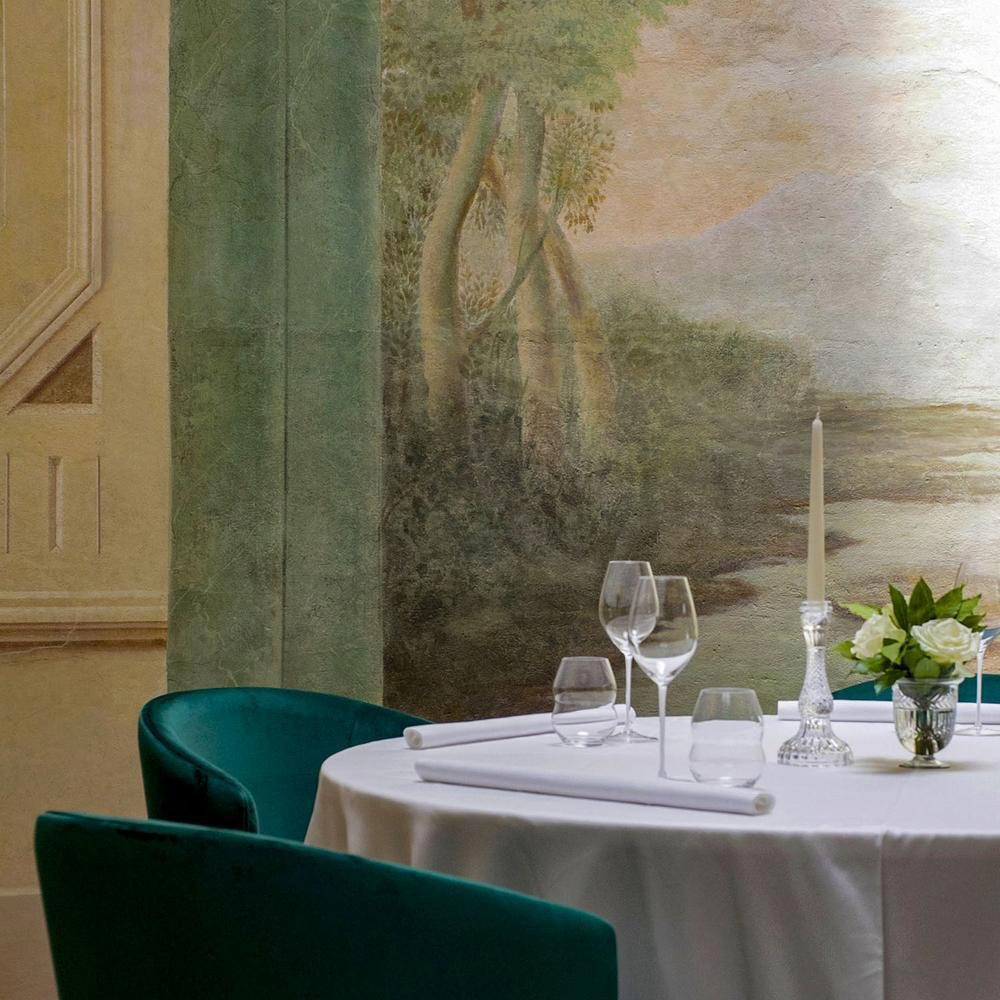
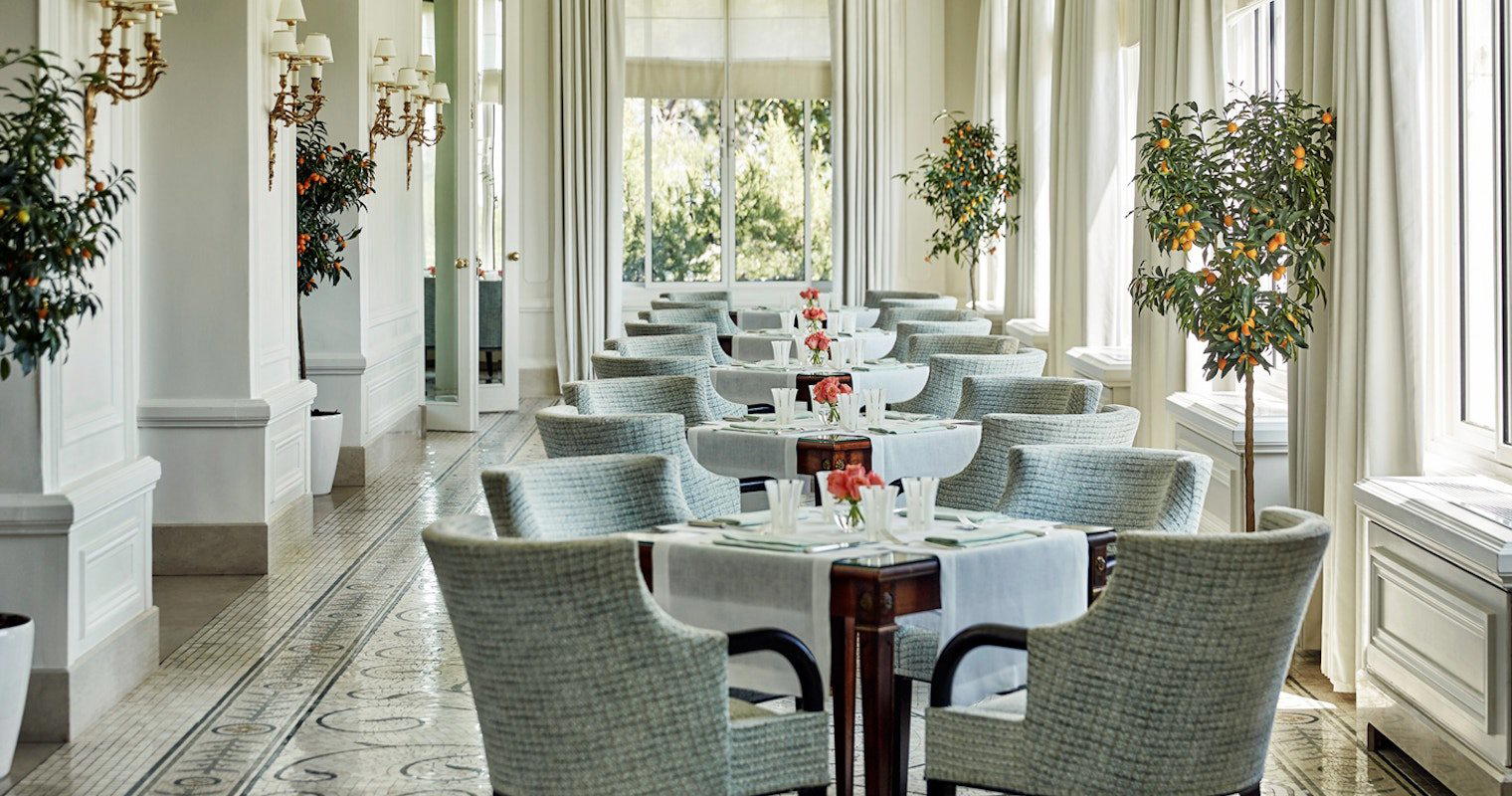
Restaurants in Nice
Browse all →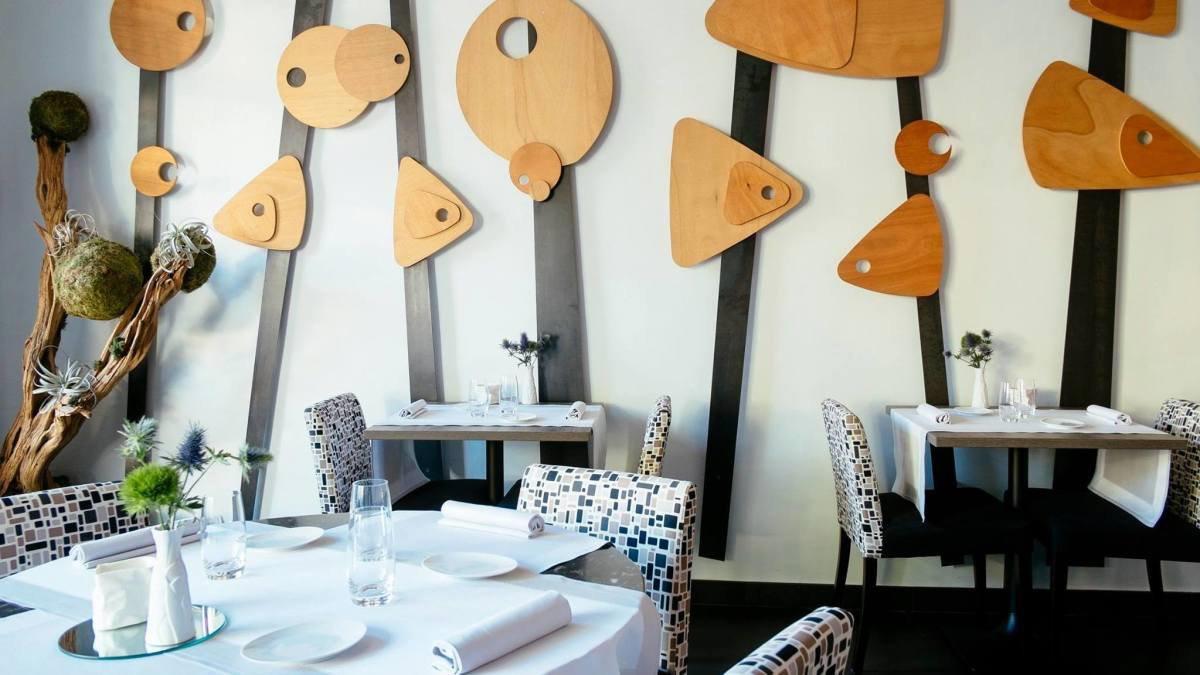
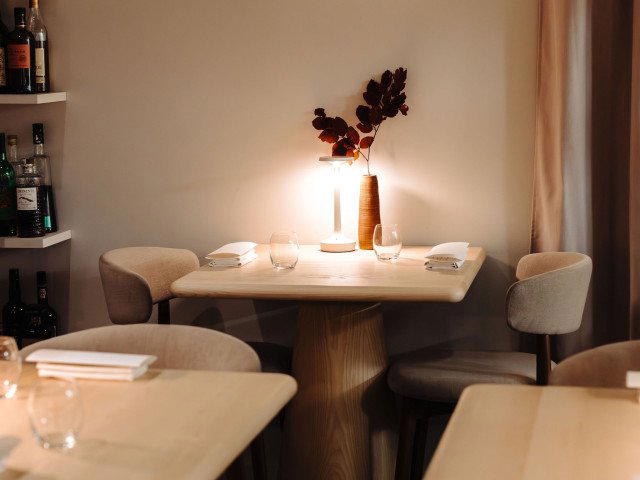
Bars in Nice
Browse all →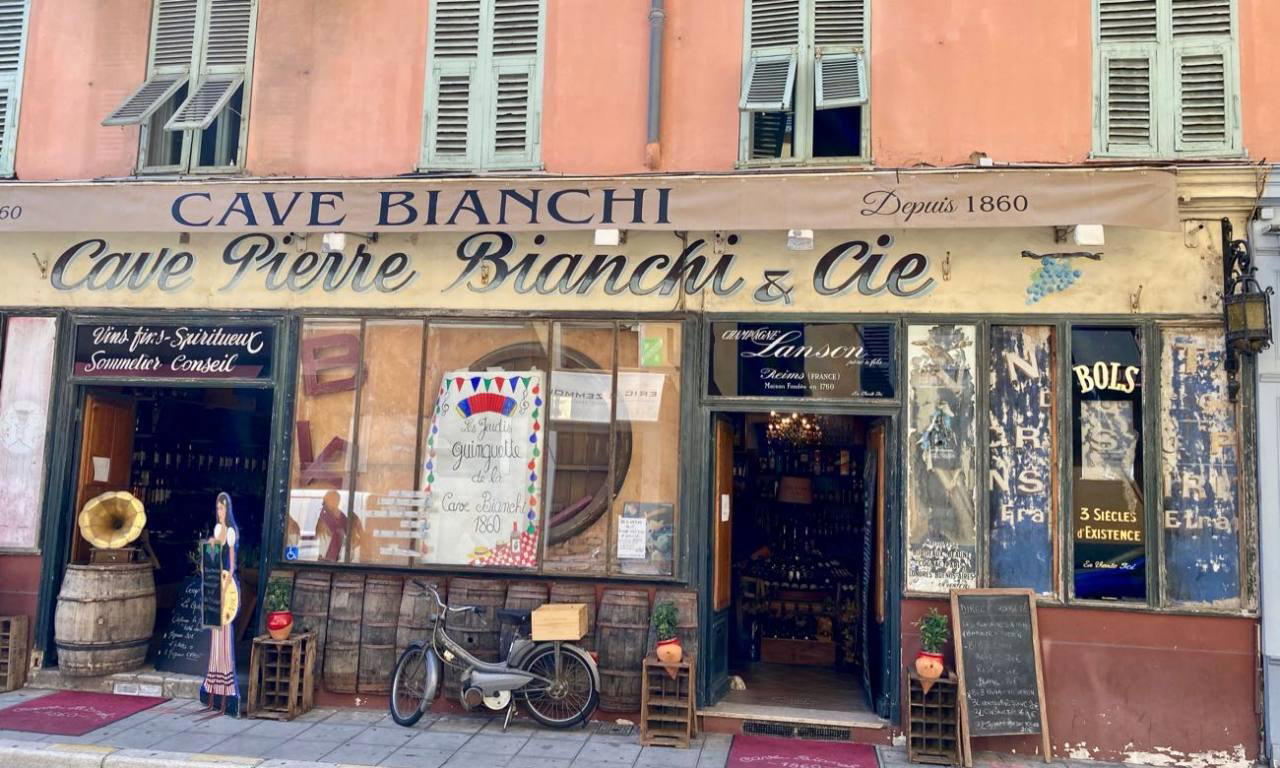
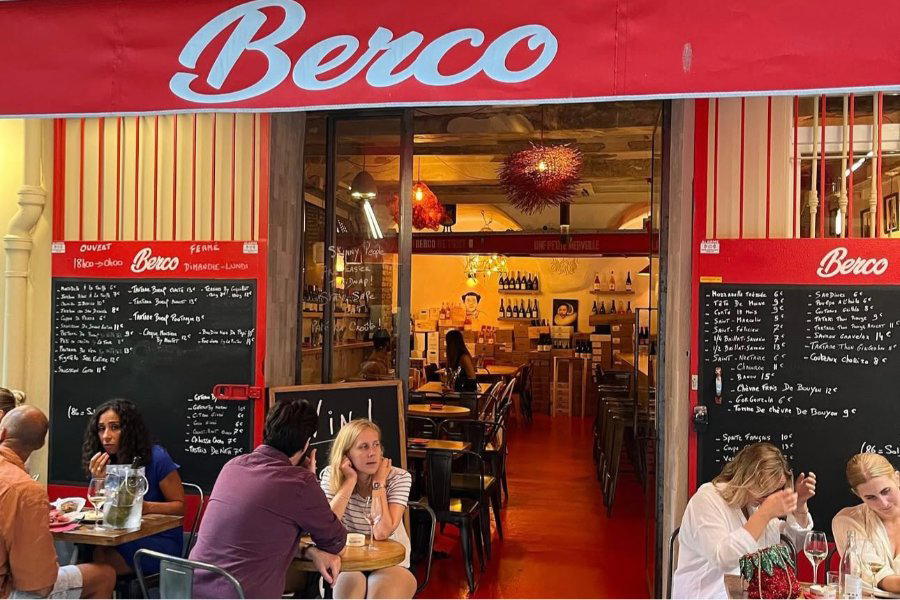
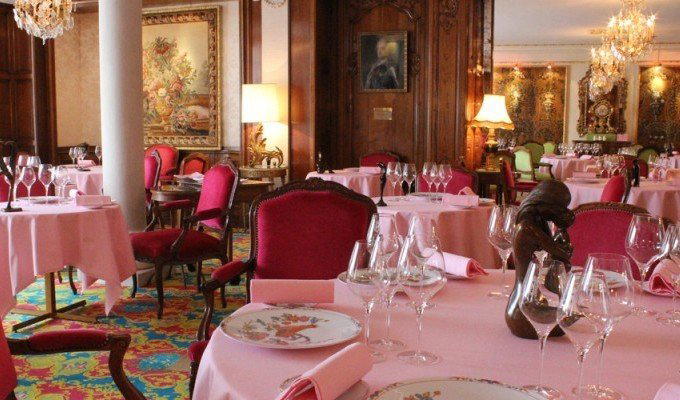
Hotels in Nice
Browse all →

At a Glance
- Classic
- Elegant
- Cozy
- Intimate
- Date Night
- Group Dining
- Celebration
- Live Music
- Terrace
- Historic Building
- Extensive Wine List
- Local Sourcing
- Street Scene
Current opening hours
- Monday
- 12–2:30 PM, 7:30–11:30 PM
- Tuesday
- 12–2:30 PM, 7:30–11:30 PM
- Wednesday
- 12–2:30 PM, 7:30–11:30 PM
- Thursday
- 12–2:30 PM, 7:30–11:30 PM
- Friday
- 12–2:30 PM, 7:30–11:30 PM
- Saturday
- 12–2:30 PM, 7:30–11:30 PM
- Sunday
- Closed
Hours can change for holidays and private events. Last verified .
Warm candlelit atmosphere in a laid-back, homy setting with flickering lights creating a special, inviting glow.