Our verdict
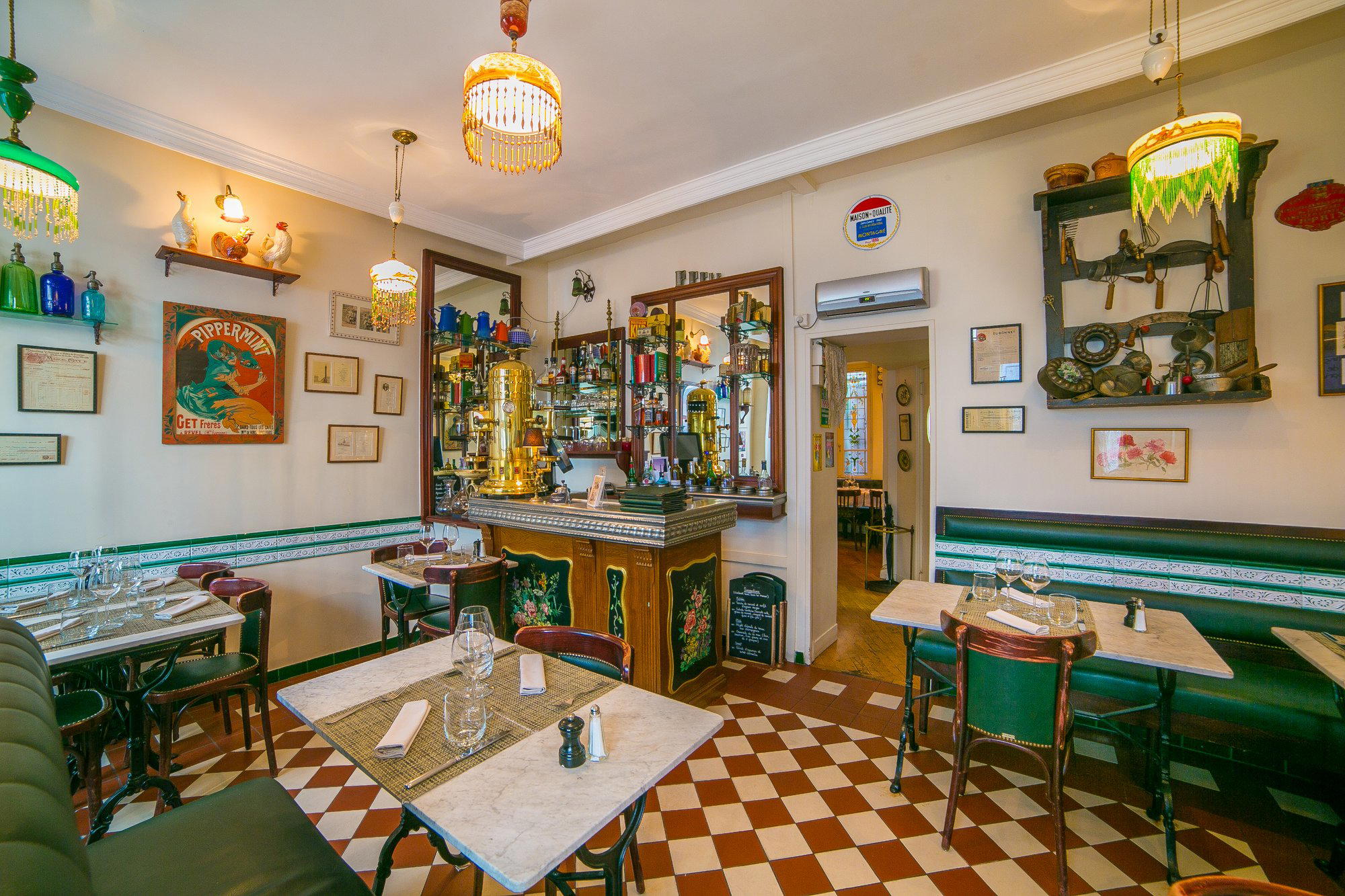
On a quiet street in the 7th arrondissement, Le P'tit Troquet holds a particular position in Paris's bistro tradition: small in scale, deliberate in execution, and firmly rooted in the kind of neighbourhood dining that the city's grander tables rarely replicate. The address on Rue de l'Exposition places it within easy reach of the Eiffel Tower, but the room reads less like a tourist landmark and more like a working local institution with genuine culinary intent.

Pearl is the En Primeur Club membership app, where members save venues, book tables and use the concierge.
The menu
What to order
- Beef Bourguignon
- Foie Gras with Fig Chutney
- Crème Brûlée
- Terrine de Lapin aux Pruneaux
- Bourride de Lotte
The 7th Arrondissement Bistro in Context
Rue de l'Exposition sits in the residential core of the 7th arrondissement, a street that runs parallel to the grander avenues without sharing their tourist volume. The neighbourhood's dining character divides sharply between the grand-format tables Arpège a short walk north, Alléno Paris au Pavillon Ledoyen a few blocks east, and the smaller, more personal rooms that define the arrondissement's residential character after dark. Le P'tit Troquet belongs unambiguously to the latter category. The room is compact, the tables close, and the physical environment communicates what the menu is trying to do before a dish arrives: this is considered French cooking at a scale that prioritises specificity over spectacle.
That scale matters as a category signal. Paris's €€€€ bracket, occupied by rooms like L'Ambroisie, Le Cinq at the Four Seasons Hôtel George V, and Kei, operates on formal ceremony and extended menus. Le P'tit Troquet prices and presents itself differently, which is precisely what gives it relevance in a city where mid-scale bistros often trade on nostalgia rather than execution. The question worth asking in this neighbourhood is whether the cooking reflects genuine technique or merely comfortable habit. At this address, the evidence points toward the former.
French Technique, Local Product: The Intersection That Defines the Room
The broader shift in Parisian cooking over the past two decades has been away from rigid classical frameworks toward menus that apply rigorous method to seasonal and regional produce. This movement gained momentum at the haute end, most visibly at Arpège, where the kitchen's relationship with its own garden reshaped what French produce-led cooking could mean at the highest level, but it has filtered steadily into the bistro register.
Le P'tit Troquet sits inside this tradition at a neighbourhood scale. The kitchen applies classical French technique to market-driven ingredients, a pairing that sounds direct in description but requires daily discipline in execution. The discipline shows in a menu that shifts with the seasons rather than anchoring to a fixed identity. Spring brings the lighter, herb-forward preparations that the Ile-de-France market calendar supports; autumn moves toward roasted and braised formats that suit the room's warmth and the evening's extended pace. This kind of seasonal responsiveness connects the bistro register in Paris to the same logic operating at much higher price points across France, at Flocons de Sel in Megève, at Bras in Laguiole, or further south at Mirazur in Menton.
The global-technique, local-product frame also places this address in an interesting comparative position against France's longer tradition of regionally rooted cooking. Tables like Auberge de l'Ill in Illhaeusern, Troisgros in Ouches, and Paul Bocuse in Collonges-au-Mont-d'Or built their identities around the intersection of classical French training and specific regional terroir. A Paris bistro on Rue de l'Exposition cannot claim regional terroir in that provincial sense, but it can, and at its finest does, draw the same straight line between market provenance and plate. That discipline is where Le P'tit Troquet earns its position in the neighbourhood.
The Room in Practice
Small bistros in Paris succeed or fail on atmosphere as much as food. The room at 28 Rue de l'Exposition has the physical character that the 7th arrondissement's residential streets tend to produce: unhurried, close in scale, with an evening pace that does not rush a second glass. The closest international analogue in terms of format and ambition would be the intimate tasting-counter model that cities like New York have developed, compare the intimacy of Atomix in New York at its most personal, or the product-focused precision of Le Bernardin in its classical phase, though the Paris bistro format removes the counter ceremony and replaces it with something closer to a private dinner.
That compression of space creates a particular dining dynamic. Service operates without the formal choreography of a three-star room, and the wine list reflects a French provincial sensibility rather than a collector's cellar. This is the correct format for the address and the price point. Visitors arriving from grander Paris tables, from the ceremony of Le Cinq or the architectural drama of Ledoyen, will register the shift immediately, and should read it as intentional. The room is designed for a different kind of attention: horizontal rather than hierarchical, focused on what is on the plate rather than on the ritual around it.
Regional parallels from the French south offer useful contrast. Auberge du Vieux Puits in Fontjoncouse and AM par Alexandre Mazzia in Marseille both demonstrate how small-room format and high technique can coexist in France outside the three-star ceremony frame. Le P'tit Troquet operates in the same structural logic, adjusted for the 7th arrondissement's particular register, quieter than Marseille, more domestic than Fontjoncouse, resolutely Parisian in pace.
Planning Your Visit
The Rue de l'Exposition address places Le P'tit Troquet in easy walking distance from the Champ de Mars and the École Militaire metro station (line 8), making it accessible from most central Paris arrondissements without requiring a taxi. The 7th is a low-density dining neighbourhood in the evenings, tables at this scale book ahead, and this address is no exception. Given the room's size, reservations on weekday evenings tend to be more available than Friday and Saturday sittings, which fill first.
| Venue | Format | Price Tier | Booking Lead Time |
|---|---|---|---|
| Le P'tit Troquet | Neighbourhood bistro, compact room | Mid-range | Days to weeks ahead |
| Arpège | Chef's table, produce-focused | €€€€ | Weeks to months ahead |
| L'Ambroisie | Formal classic French | €€€€ | Weeks ahead |
| Kei | Contemporary French-Japanese | €€€€ | Weeks ahead |
For a broader map of where Le P'tit Troquet sits within Paris's dining spectrum, see our full Paris restaurants guide. Tables at Assiette Champenoise in Reims and Au Crocodile in Strasbourg represent the nearest regional comparables if a day-trip from Paris is under consideration.
Frequently asked questions
Where is Le P'tit Troquet located?
Le P'tit Troquet is located at 28 Rue de l'Exposition, 75007 Paris, France, Paris.
Is Le P'tit Troquet a good choice for a quiet dinner away from Paris's tourist corridors?
Rue de l'Exposition sits in the residential interior of the 7th arrondissement, parallel to the grander avenues but without their foot traffic or tourist-facing pricing. Le P'tit Troquet operates within that context: a small-format bistro drawing a local clientele in a neighbourhood where cooking is assessed against everyday French standards, not visitor expectations. For anyone seeking Paris bistro cooking at a human scale, this address consistently appears in that conversation.
What dish is Le P'tit Troquet famous for?
The kitchen does not build its identity around a single signature dish. At 28 Rue de l'Exposition, the menu shifts with market availability, which means the repertoire changes across seasons rather than anchoring to a fixed showpiece. That approach places Le P'tit Troquet within a Parisian bistro tradition that treats the weekly produce run as the real menu.
Can I walk in to Le P'tit Troquet?
At a room this size in the 7th arrondissement, walk-in availability is not guaranteed. Weekday lunch sittings at 28 Rue de l'Exposition offer the most realistic chance without a reservation; weekend evenings in this residential quarter fill quickly. Arriving early or late in a service window improves the odds considerably.
Nearby-ish Comparables
Comparable venues nearby, for context on price, style, and recognition.
| Venue | Cuisine | Price | Notes |
|---|---|---|---|
| Le P'tit TroquetThis venue (the venue you are viewing) | Traditional French Bistro | $50–100 | Not listed |
| François Félix | Classic French Bistro | $50–100 | 8th arrondissement (Faubourg Saint-Honoré) |
| Eggs&Co. | French Egg-Centric Brunch | $20–30 | 6th Arrondissement (Luxembourg) |
| La Maison du Jardin | French Bistronomic | $30–50 | 6th Arrondissement (Notre-Dame-des-Champs) |
| L'Entredgeu | Traditional French Bistro | $30–50 | Ternes |
| Le Coupe Gorge | Bistronomic French | $30–50 | Saint-Merri |
Continue exploring
More in Paris
Restaurants in Paris
All restaurants in Paris →
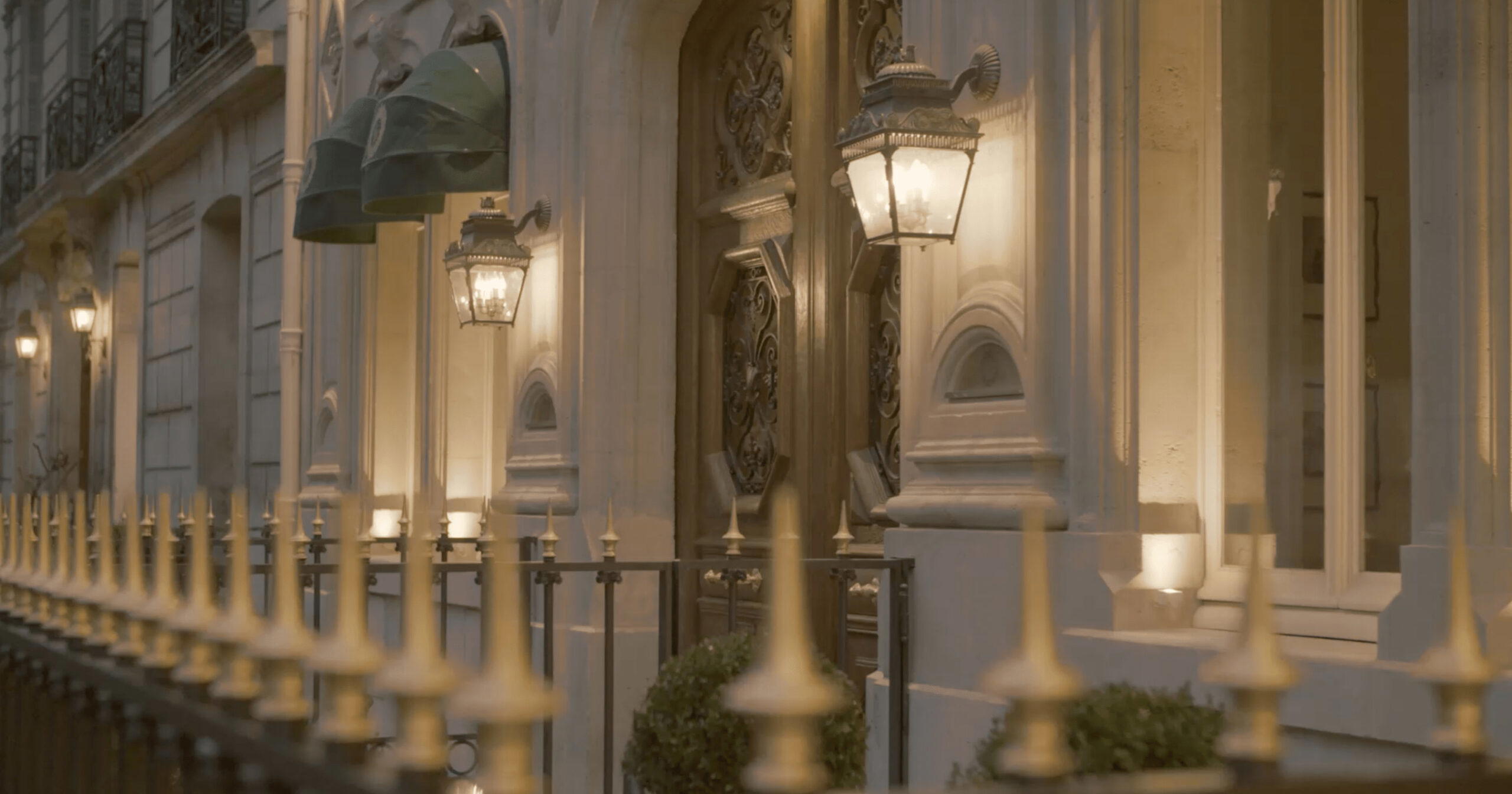
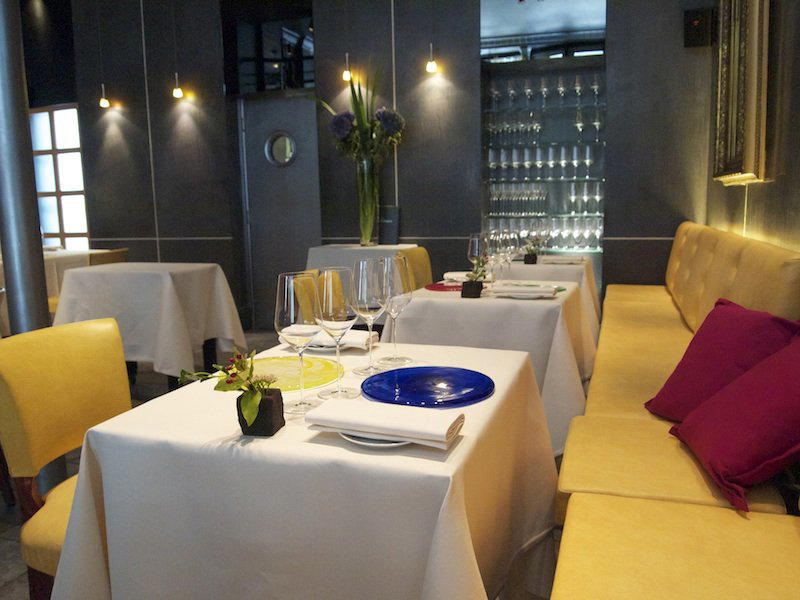
Bars in Paris
All bars in Paris →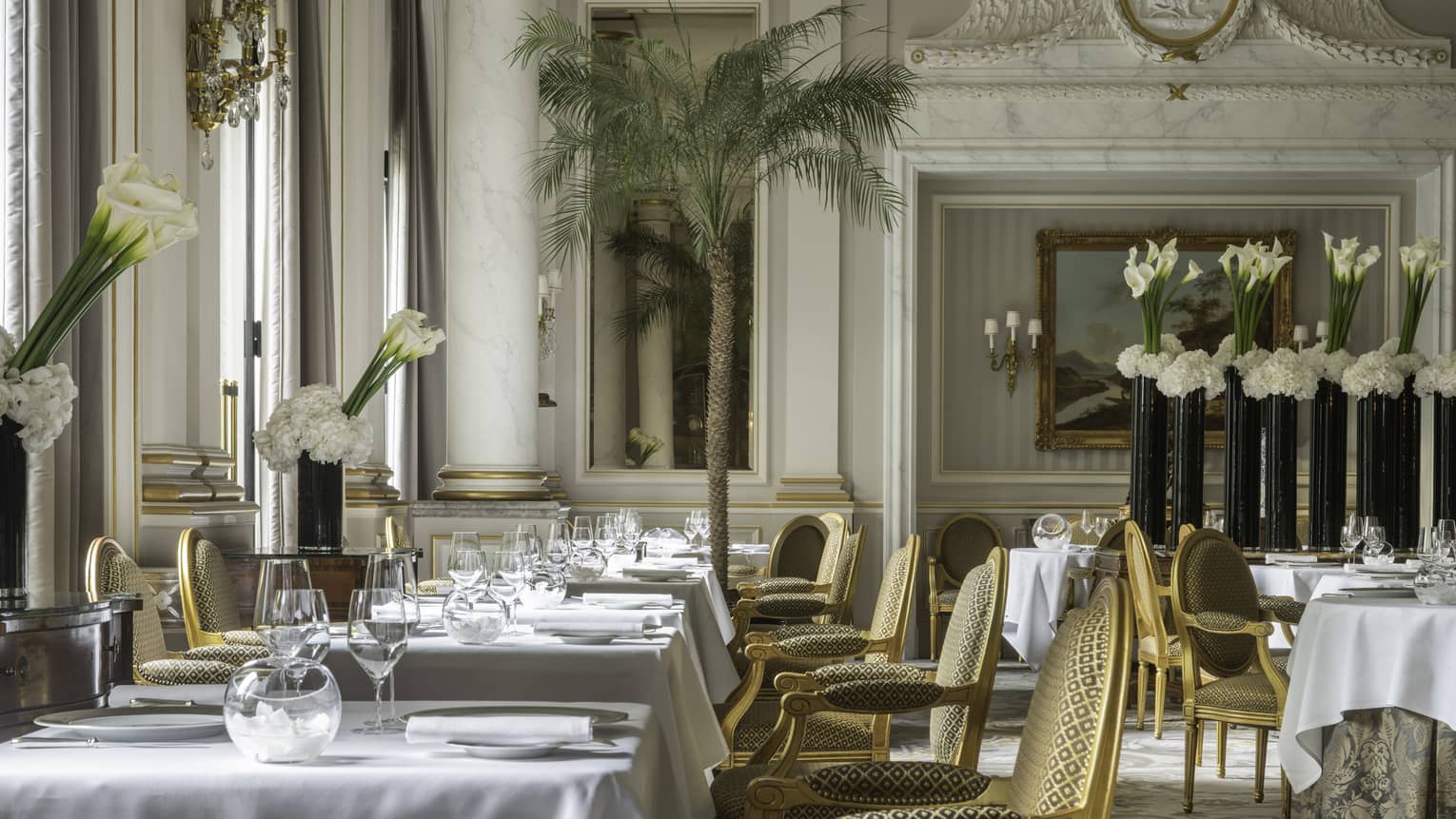
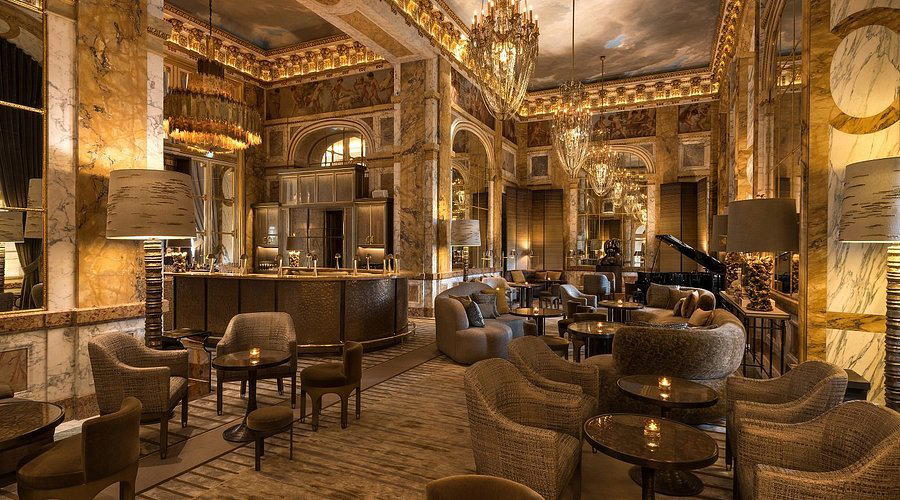
Hotels in Paris
All hotels in Paris →

Details
- Cozy
- Rustic
- Classic
- Intimate
- Date Night
- Business Dinner
- Group Dining
- Family
- Casual Hangout
- Terrace
- Beer Program
- Natural Wine
- Local Sourcing
- A La Carte
- Prix Fixe
- Organic Wine
- Craft Beer
- Vegetarian Friendly
- Gluten Free Options
Current opening hours
- Monday
- Closed
- Tuesday
- 12–2 PM, 7–11 PM
- Wednesday
- 12–2 PM, 7–11 PM
- Thursday
- 12–2 PM, 7–11 PM
- Friday
- 12–2 PM, 6:30–11 PM
- Saturday
- 6:30–11 PM
- Sunday
- Closed
Hours can change for holidays and private events. Hours as of .
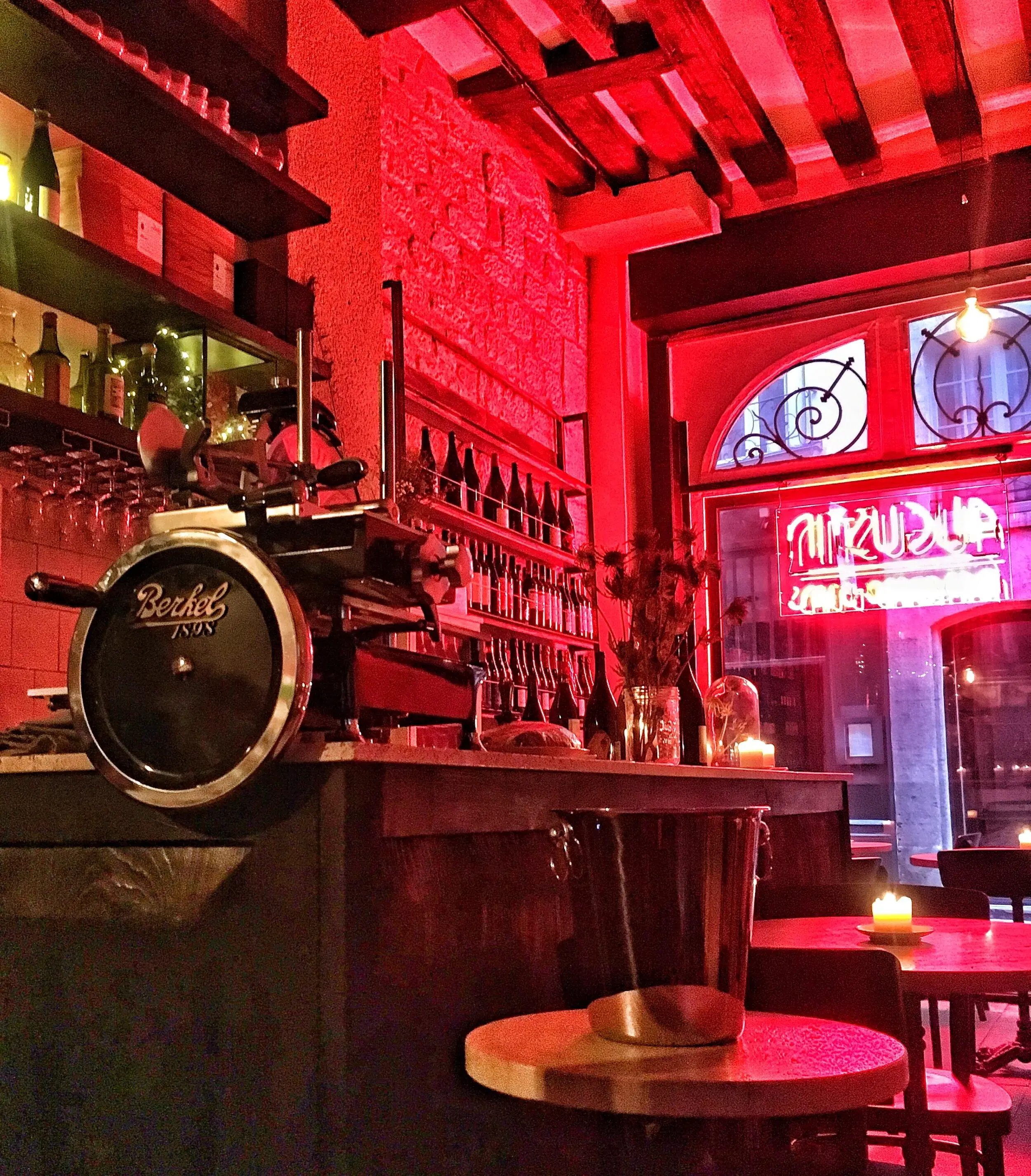
Warm and cozy with rustic charm, decorated with popular arts and crafts objects, creating a nostalgic, old-fashioned atmosphere reminiscent of a traditional Parisian bistro.