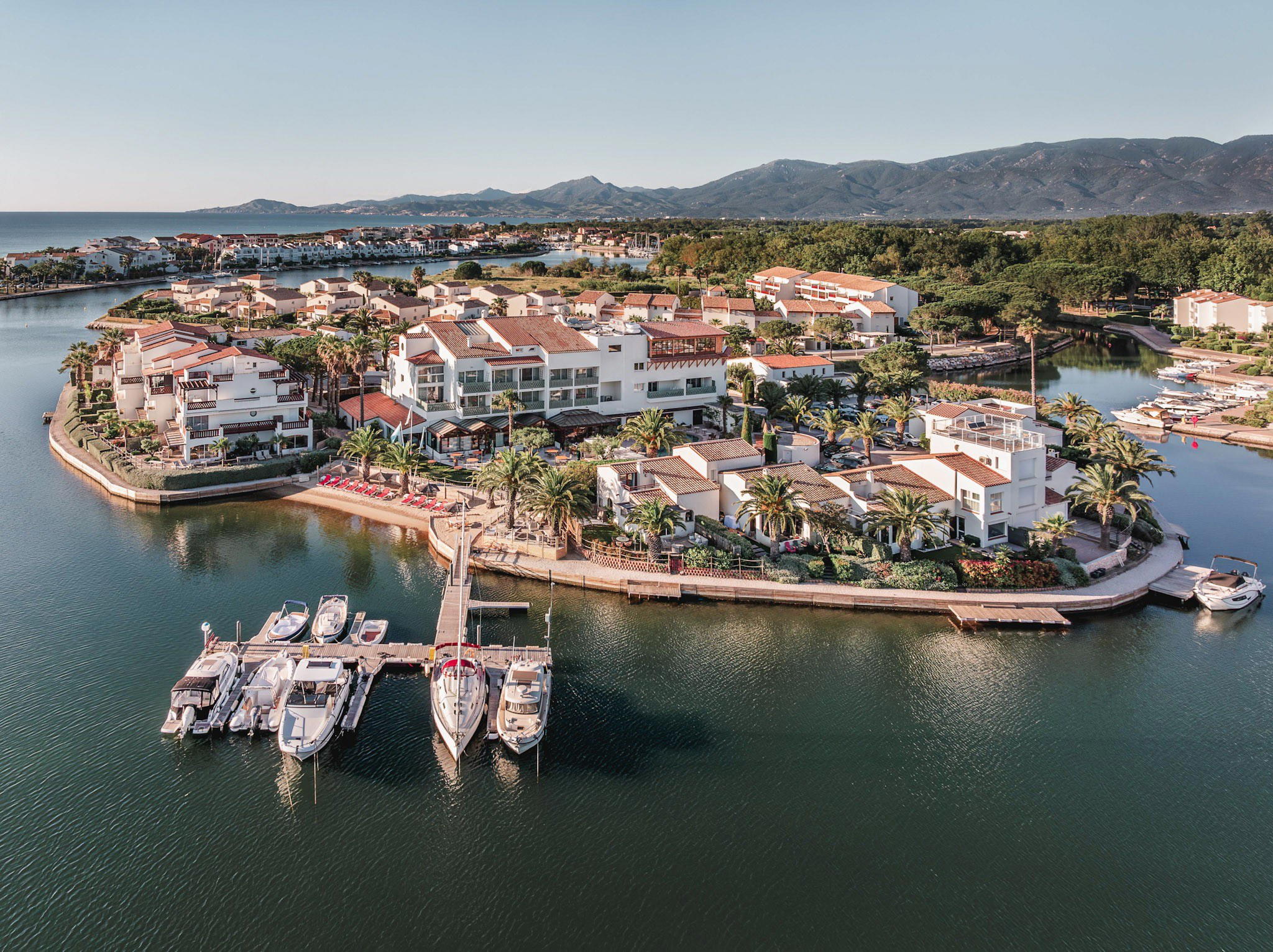
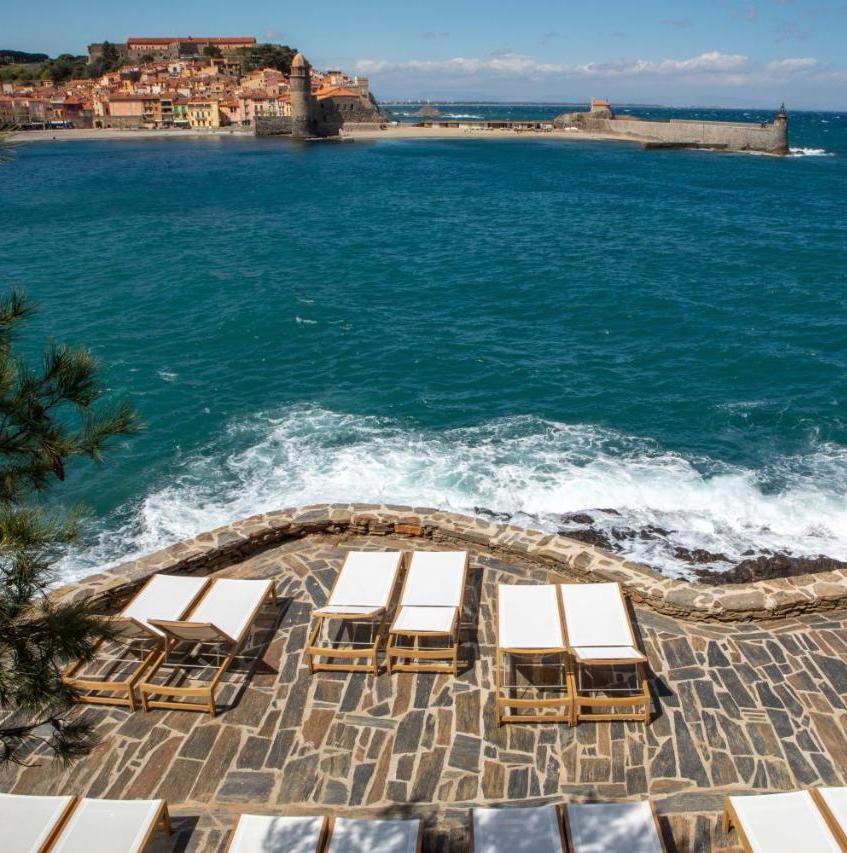
Set among the vineyards of Roussillon at Château de Jau, Le Grill operates where wine estate and open-fire cooking meet on the edge of the Agly valley. The setting alone, sun-bleached stone, vine rows, and the particular light of the Catalan plain, frames a lunch experience rooted in the agricultural character of the Pyrénées-Orientales. For the region's produce-driven approach to grilling, this is a reference address.
Pearl is the En Primeur Club membership app — saves, bookings, and concierge access live there. Same editors, same standards.
- Address
- RD 59, 66600 Cases-de-Pène, France
- Phone
- +33 4 68 38 91 38
- Website
- chateaudejau.com
- Directions
- Get directions
 Saves & bookings on Pearl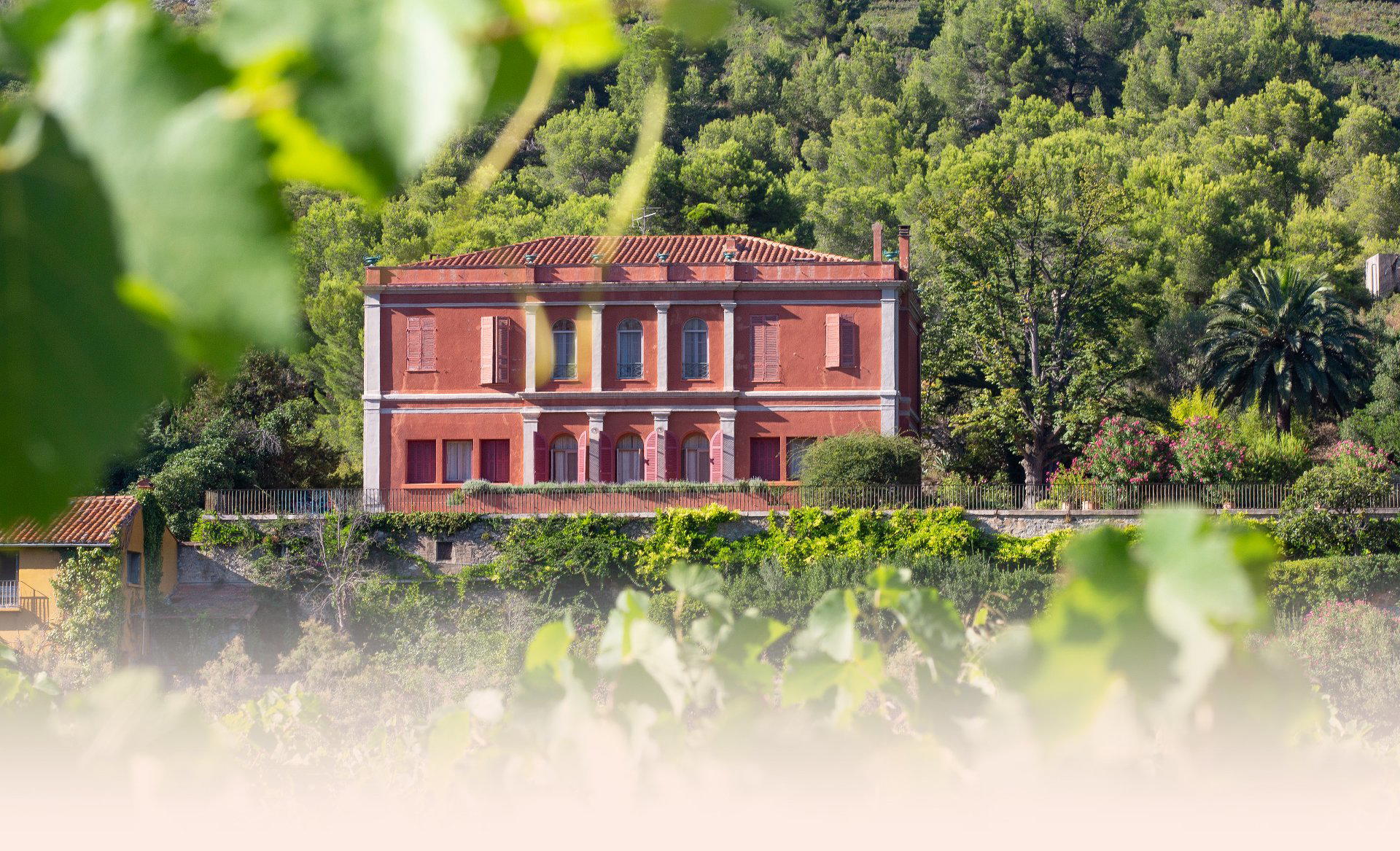
Where the Vineyard Feeds the Fire
The southern edge of Roussillon has its own agricultural logic. The Agly valley runs west from the coast toward the Pyrenean foothills, and the land on either side, schist and limestone, baked dry for months at a time, produces fruit, olives, and grapes with an intensity that has little in common with the softer terroirs of the Languedoc to the north or the irrigated plains farther south. Château de Jau sits inside this geography, not as a decorative backdrop but as a working estate where viticulture and hospitality share the same soil. Le Grill, the estate's table, takes that proximity seriously. The fire-cooking format positions local sourcing not as a marketing claim but as a practical necessity: the produce of the Pyrénées-Orientales, handled this way, requires little else.
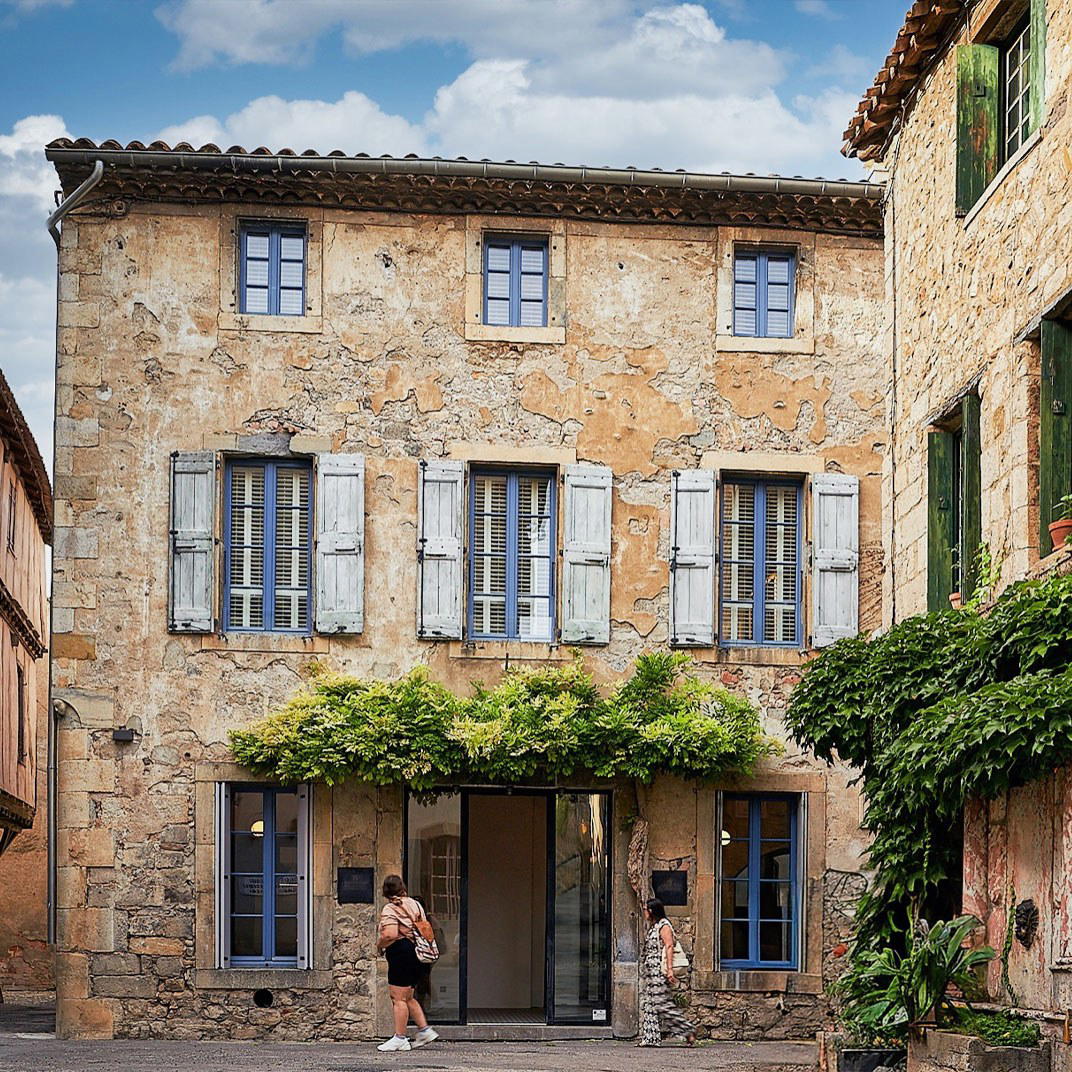
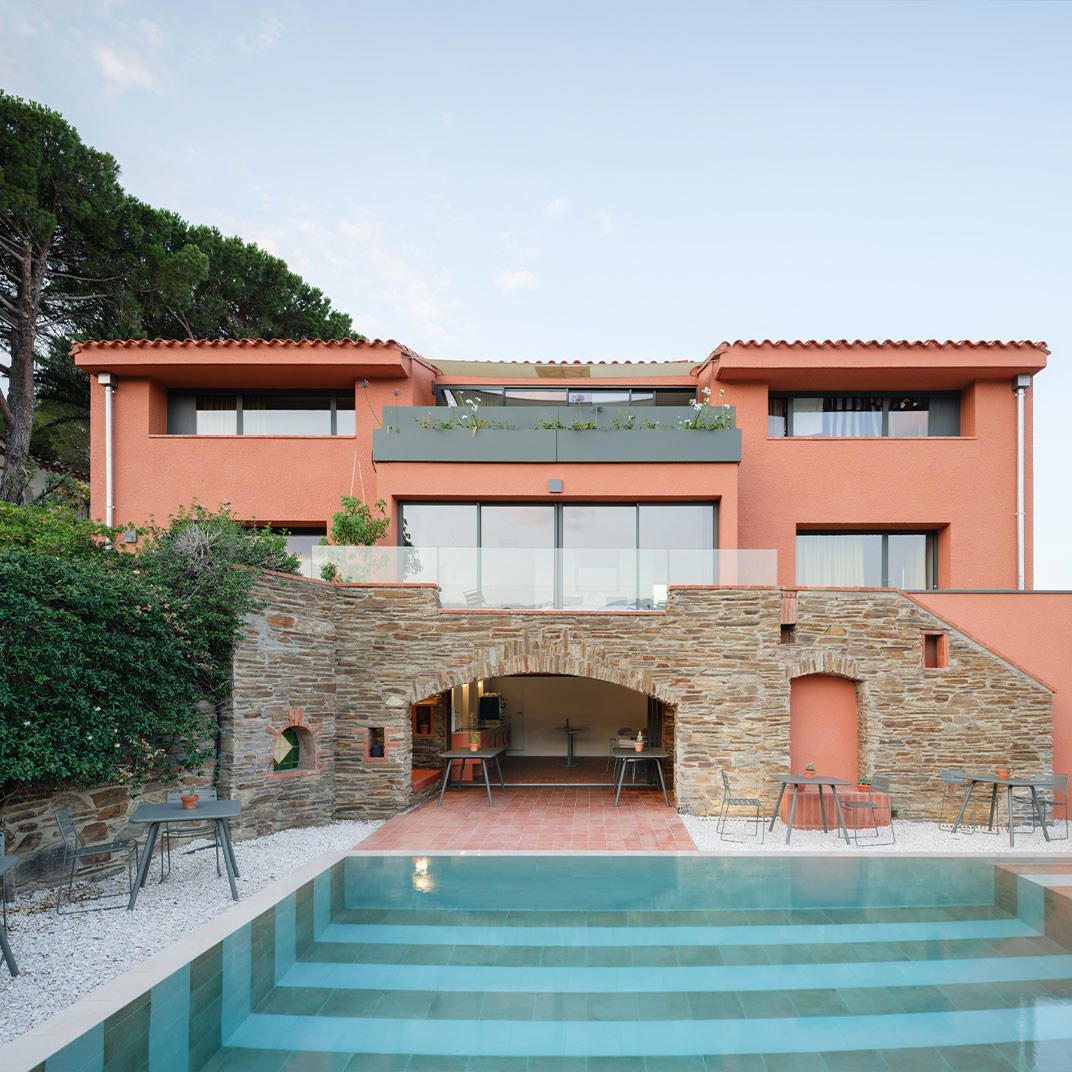
Approaching from the D59 between Estagel and Cases-de-Pène, the estate appears as a cluster of ochre buildings in a fold of the valley, surrounded by vines that in late summer carry the deep blue-black of Grenache and Syrah. The light in this part of Catalonia has a specific quality, harder and more directional than Provence, less humid than the coast at Perpignan, and it shapes the character of everything grown here. Sitting outside at Le Grill, that light is unavoidable, and it puts the sourcing question front and center: the same sun that drives the ripeness in the estate's wine also concentrates the flavor in the region's vegetables, lamb, and game.
The Case for Roussillon's Produce
Southern French grill cooking operates in a tradition that is older and more specific than the contemporary farm-to-table shorthand might suggest. In the Pyrénées-Orientales, the Catalan influence on food culture runs through centuries of agricultural practice: dry-cured meats, oil-preserved vegetables, slow-grilled meats seasoned with little more than salt and time. The department is one of France's more productive agricultural zones despite its small size, with apricots, peaches, and cherries from the Conflent valley, Camargue-style salt from the coastal lagoons, and lamb raised on the garrigue slopes above the Fenouillèdes. A grill format that sources within this radius has access to an ingredient pool that doesn't require embellishment.
This is the context that gives Le Grill its editorial interest, particularly when set against the broader French fine-dining conversation. At the other end of the spectrum, kitchens like Mirazur in Menton and Alléno Paris au Pavillon Ledoyen in Paris construct elaborate technical frameworks around their local sourcing narratives. Bras in Laguiole built an entire philosophy around the Aubrac plateau's wild herbs and minerals. Flocons de Sel in Megève and Auberge de l'Ill in Illhaeusern maintain deep relationships with their respective regional producers across decades. What Le Grill represents is a different register entirely: the estate table, where the cooking format is grilling and the sourcing logic flows directly from what surrounds the kitchen. There is no tasting menu architecture to navigate here, no amuse-bouche sequence before the main event. The fire is the method, the land is the supplier, and the wine is made on-site.
Wine-Estate Dining and What It Means in Practice
The wine-estate restaurant category has grown across southern France over the past two decades, particularly in appellations that attract tourist traffic but lack the branded dining infrastructure of, say, the Médoc or the Côte de Nuits. Roussillon's estates have moved unevenly in this direction: some run seasonal lunch services with minimal investment, others have built dedicated kitchen and service operations. Château de Jau is among the estates with a longer relationship with hospitality, and Le Grill operates in the higher-commitment tier of that local category. For visitors arriving from the coast around Perpignan or from the medieval walled town of Villeneuve-lès-Maguelone, this part of the Agly valley offers a different pace and a sharper sense of agricultural specificity than the beach-adjacent dining options to the east.
The estate's wine program, produced from vineyards in the appellation Côtes du Roussillon and Côtes du Roussillon Villages, gives the table an obvious pairing advantage that few comparable addresses in the department can match. Grenache-based reds from schist soils carry a mineral signature that aligns structurally with grilled meats and fat-rich cuts. Roussillon's whites, increasingly from Grenache Blanc and Vermentino, have the textural weight to carry through the char and smoke of open-fire cooking. Drinking the estate's wine at the estate table removes the translation layer that most restaurant wine lists impose, you are, in a literal sense, in the vineyard.
For other points of comparison in southern France's terroir-led dining, L'Oustau de Baumanière in Les Baux and La Table du Castellet in Le Castellet represent the more formally structured end of Provençal estate-adjacent dining. Auberge du Vieux Puits in Fontjoncouse, just over the departmental boundary in the Aude, is the region's most decorated address and represents an entirely different level of technical ambition. Le Grill is not competing with that benchmark. It occupies the estate-lunch category, where the measure of quality is how faithfully the cooking translates the agricultural character of its specific valley, and by that measure, the Agly's schist-grown produce is strong raw material. You can also explore Les Prés d'Eugénie in Eugénie-les-Bains, Georges Blanc in Vonnas, Maison Lameloise in Chagny, Troisgros in Ouches, and Paul Bocuse in Collonges-au-Mont-d'Or for a broader survey of France's estate and region-anchored restaurants. For international reference points in fire-driven or produce-led cooking, Lazy Bear in San Francisco and Le Bernardin in New York City illustrate how different markets position ingredient sourcing at opposite ends of formality. Le 1947 à Cheval Blanc in Courchevel and La Vague d'Or in Saint-Tropez show how hotel-anchored fine dining constructs its own sourcing narratives in the French context.
Planning a Visit
The estate sits on the RD 59 at Cases-de-Pène, accessible from Estagel to the west and from the D117 corridor connecting Perpignan to the Pyrenean passes. The Agly valley sees little through-traffic relative to the coastal road, which keeps the approach unhurried. Given the estate-table format and the outdoor setting, the summer and early autumn window, when Roussillon's long dry season is at its most reliable, is the period when the full context of the setting makes itself felt.
Side-by-Side Snapshot
Comparable venues nearby, for context on price, style, and recognition.
| Venue | Cuisine | Price | Notes |
|---|---|---|---|
| Château de Jau - Le GrillThis venue — the venue you are viewing | French Grill with Roussillon Wines | $$$ | Not listed |
| Comptoir De Vie | Modern French Tasting Counter-Bar | $$$ | 2nd Arrondissement |
| Le Petit Canard | Traditional French Duck Bistro | $$$ | 9th arrondissement |
| Bienheureux | Modern French seasonal tasting menu | $$$ | Wasquehal |
| Maison Bebelle | French Grill - Market-Fresh Meat & Frites | $$ | Les Halles (Narbonne Market) |
| La Table De Stephane | Refined French Gastronomic with Seafood Focus | $$$ | PAE des 7 fonts |
Continue exploring
More in Estagel
Restaurants in Estagel
Browse all →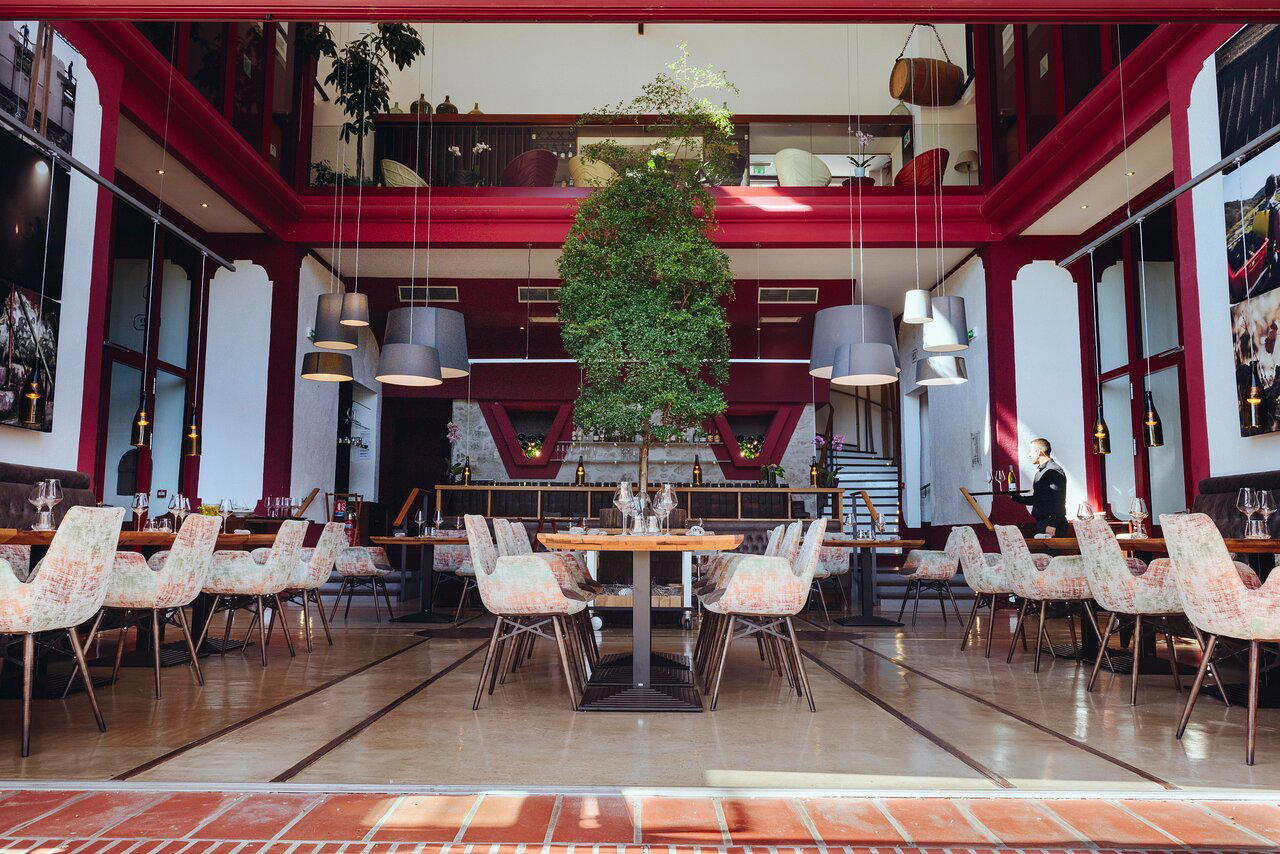
Bars in Estagel
Browse all →
Hotels in Estagel
Browse all →

At a Glance
- Rustic
- Scenic
- Elegant
- Group Dining
- Casual Hangout
- Terrace
- Historic Building
- Extensive Wine List
- Local Sourcing
- Vineyard
- Garden
Current opening hours
- Monday
- Closed
- Tuesday
- Closed
- Wednesday
- Closed
- Thursday
- 12:30–4 PM
- Friday
- Closed
- Saturday
- 12:30–4 PM
- Sunday
- 12:30–4 PM
Hours can change for holidays and private events. Last verified .
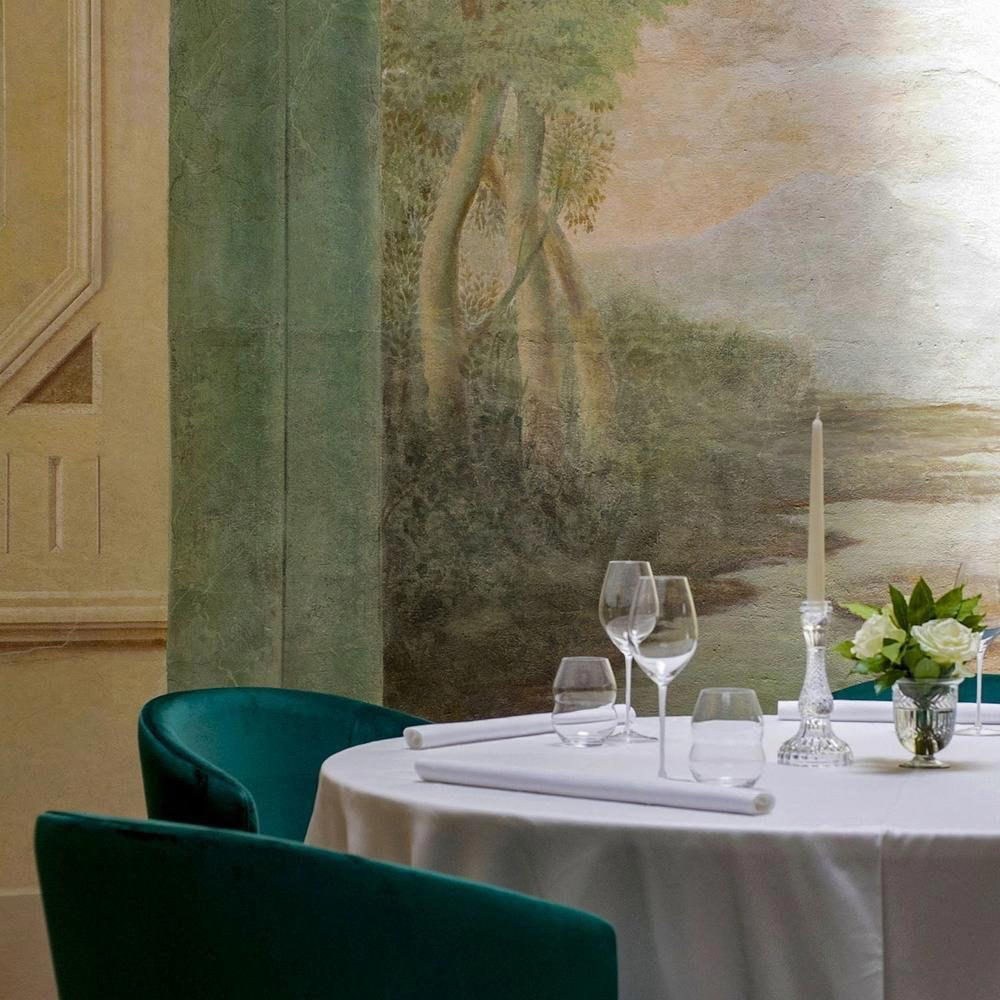
Spectacular ambiance in a verdant setting with beautiful decor, enhanced by the winery surroundings.