Domaine Gayda
Set among the vineyards of the Languedoc-Roussillon, Domaine Gayda in Brugairolles represents the southern French model of estate dining: wine-led, terroir-focused, and rooted in a landscape where Carignan and Grenache have grown for centuries. The kitchen draws directly from the surrounding agricultural region, placing it in a category distinct from urban fine dining. Check our full Brugairolles restaurants guide for regional context.
 Discover on Pearl
Pearl is the En Primeur Club membership app — saves, bookings, and concierge access live there. Same editors, same standards.
- Address
- Chem. de Moscou, 11300 Brugairolles, France
- Phone
- +33468316414
- Website
- domainegayda.com
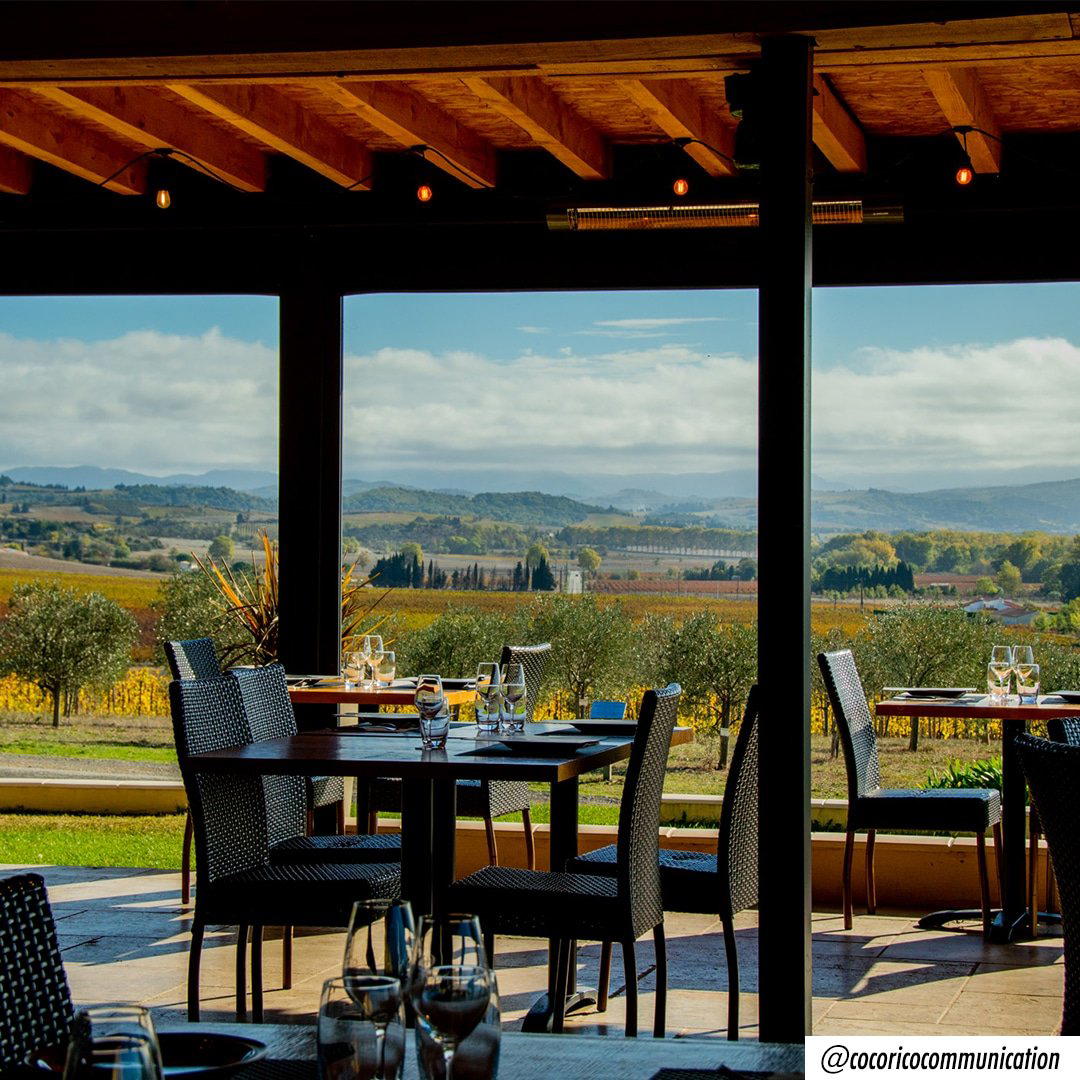
Vineyards at the Table: Dining at Domaine Gayda
Domaine Gayda is a restaurant in Brugairolles, France, with a 4.4 Google rating and a price tier of 3. Approach Domaine Gayda along the Chemin de Moscou and the Languedoc announces itself before you reach the door. The garrigue runs close to the access road, the air carries herbs that grow without cultivation, and the vine rows that surround the estate make clear this is a place where the agricultural and the culinary are not separated by metaphor but by a few hundred metres of actual ground. That physical relationship between what grows here and what appears on the table is the defining logic of the estate, and it sets the tone for everything that follows.
The Languedoc-Roussillon is one of France's most productive wine regions by volume, but the premium end of the appellation has spent the past two decades working to reposition itself. Estates in the Malepère and Limoux zones, which surround Brugairolles, have pushed toward lower yields, more careful selection, and a closer relationship between viticulture and hospitality. Domaine Gayda sits within that movement, occupying a position in the southern French estate-dining category rather than the urban restaurant tier occupied by addresses like Alléno Paris au Pavillon Ledoyen or Mirazur in Menton. The competitive reference point here is not the tasting-menu counter but the winery-restaurant model increasingly common across southern Europe, where the wine programme and the food programme are developed together rather than one serving the other.
Where the Ingredients Come From
The agricultural character of the Aude department shapes what is possible at the table. The region produces olives, stone fruits, wild mushrooms from the Pyrenean foothills, lamb from the Corbières, and a range of market-garden produce that reaches peak quality in the long, dry summers that define the Mediterranean climate here. For an estate kitchen in this position, sourcing is not a marketing statement but a geographic reality: the supply chain for local ingredients is short because the region produces abundantly, and the seasonal calendar is clear because the climate is pronounced.
This is the structural advantage that rural estate dining holds over its urban counterparts. Where a Paris kitchen must build supplier relationships across distances, an estate in the Aude can align its menu with what is happening in the surrounding fields and hills in real time. The southern French table tradition, running from simple cassoulet country to the more refined registers now found at addresses like Auberge du Vieux Puits in Fontjoncouse and Bras in Laguiole, has always understood this. The leading cooking in this region starts with what is available rather than what is fashionable, and the results carry a specificity that is difficult to replicate elsewhere.
The Regional Table in Context
France's rural fine dining circuit has produced some of its most durable addresses precisely because they are anchored to place. Auberge de l'Ill in Illhaeusern has held its Michelin stars for decades while remaining deeply Alsatian in its sourcing and sensibility. Les Prés d'Eugénie in Eugénie-les-Bains built an international reputation on thermal-country ingredients and a specific understanding of southwestern French cuisine. Maison Lameloise in Chagny and Georges Blanc in Vonnas represent the Bresse and Burgundy models of the same logic: place first, technique in service of ingredient. The Languedoc is still developing its version of this tradition at the premium level, but the raw material argument is strong. Few French departments can match the Aude's range of agricultural output across a single season.
For travellers more accustomed to resort-adjacent fine dining, addresses like La Table du Castellet in Le Castellet or L'Oustau de Baumanière in Les Baux offer a useful comparison point for the southern French estate register. Domaine Gayda operates in the same broad category but from a less-trafficked corner of the south, which changes the atmosphere considerably. There is no Saint-Tropez proximity effect here, no passing trade from luxury hotels. The clientele arrives with a specific intention, and the experience is shaped accordingly.
The Wine Dimension
Any serious consideration of Domaine Gayda starts with its wines rather than its food. The estate produces across multiple appellations and price points, with the higher-tier selections drawing attention from the French wine press and export markets. This matters for the dining experience because at a functioning winery estate, the wine list is not assembled from third-party suppliers but drawn directly from what is made on site, sometimes across many vintages. That vertical depth is rare in restaurant settings and gives the food-and-wine pairing a specificity that is difficult to achieve elsewhere. For context on how wine-focused estates in France operate at the luxury register, Flocons de Sel in Megève and Le 1947 à Cheval Blanc in Courchevel demonstrate how wine identity can anchor an entire hospitality proposition, though from a very different Alpine context.
Planning Your Visit
Brugairolles sits in the Aude, roughly between Carcassonne and Limoux, and is most practically reached by car. Carcassonne has an airport with connections to Paris and several European cities, and the drive south toward the Malepère hills takes under thirty minutes. The estate address on the Chemin de Moscou places it within the rural commune rather than any town centre, so a vehicle is essential for arrival and departure. For those comparing French dining styles, the contrast with city-focused addresses like Le Bernardin in New York City or more experimental formats like Lazy Bear in San Francisco illustrates how differently the estate-dining model positions itself against purely restaurant-focused experiences.
Given the estate setting and the wine production context, visits that combine a cellar perspective with a meal make the most of what Domaine Gayda offers as a destination. The Languedoc summer season runs long, and the period from May through October gives the fullest picture of what the region produces at the table.
Side-by-Side Snapshot
Comparable venues nearby, for context on price, style, and recognition.
| Venue | Cuisine | Price | Awards | Notes |
|---|---|---|---|---|
| Domaine GaydaThis venue — the venue you are viewing | French Bistro with Wine Estate Focus | $$$ | , | |
| Comptoir De Vie | Modern French Tasting Counter-Bar | $$$ | , | 2nd Arrondissement |
| L'Odalisque | Bistronomic French with Breton Accents | $$$ | , | Limoux |
| Les Fines Gueules | French Bistro | $$$ | , | Capitole / Arnaud Bernard / Carmes |
| Restaurant Les P'tits Fayots | Modern French Bistro | $$$ | , | Capitole / Arnaud Bernard / Carmes |
| Le Rocher | Traditional French Bistro | $$$ | , | Les Chalets / Bayard / Belfort / Saint-Aubin / Dupuy |
Continue exploring
More in Brugairolles
Restaurants in Brugairolles
Browse all →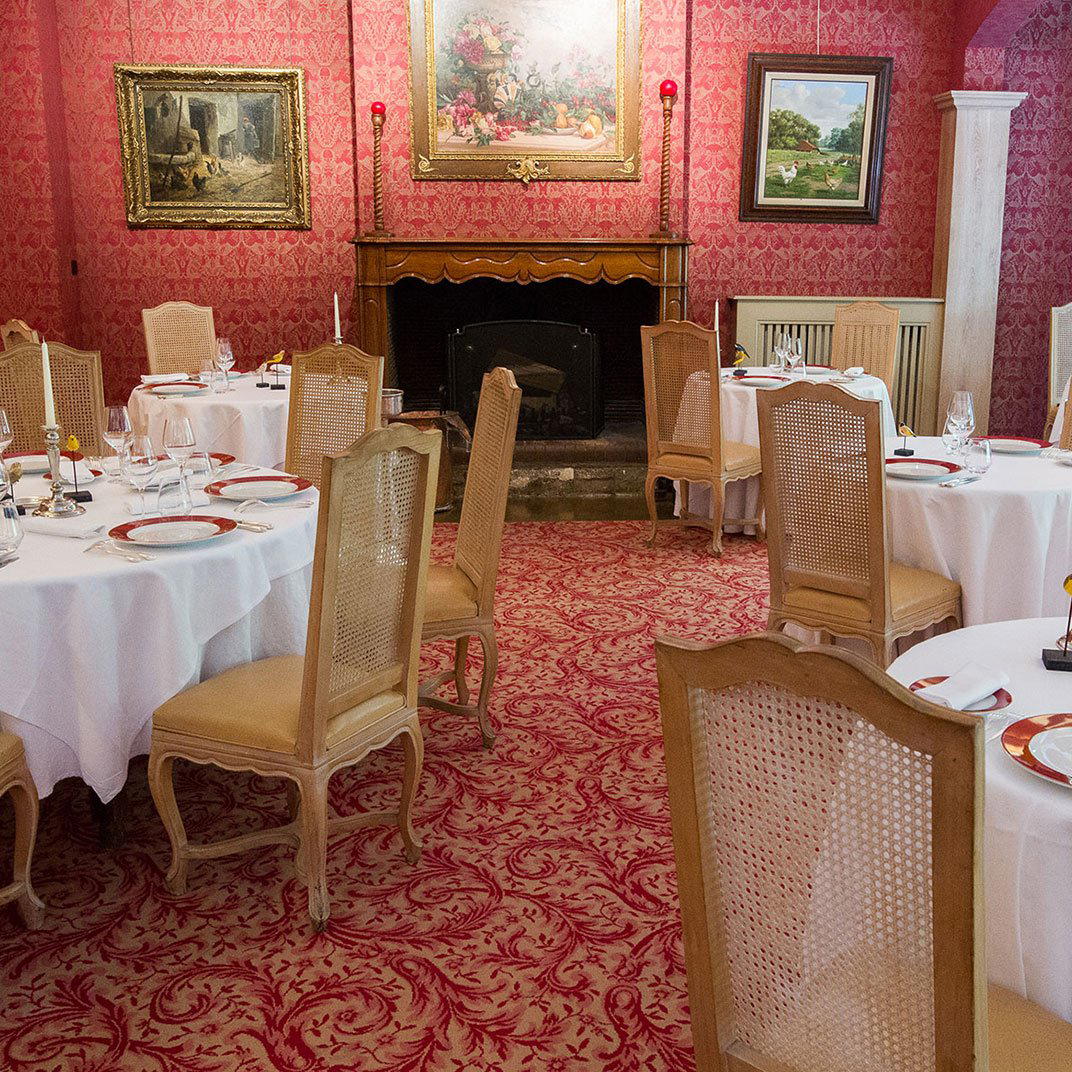
At a Glance
- Scenic
- Elegant
- Romantic
- Sophisticated
- Date Night
- Special Occasion
- Group Dining
- Celebration
- Terrace
- Garden
- Private Dining
- Panoramic View
- Wine Cellar
- Extensive Wine List
- Sommelier Led
- Organic
- Biodynamic
- Vineyard
- Mountain
- Garden
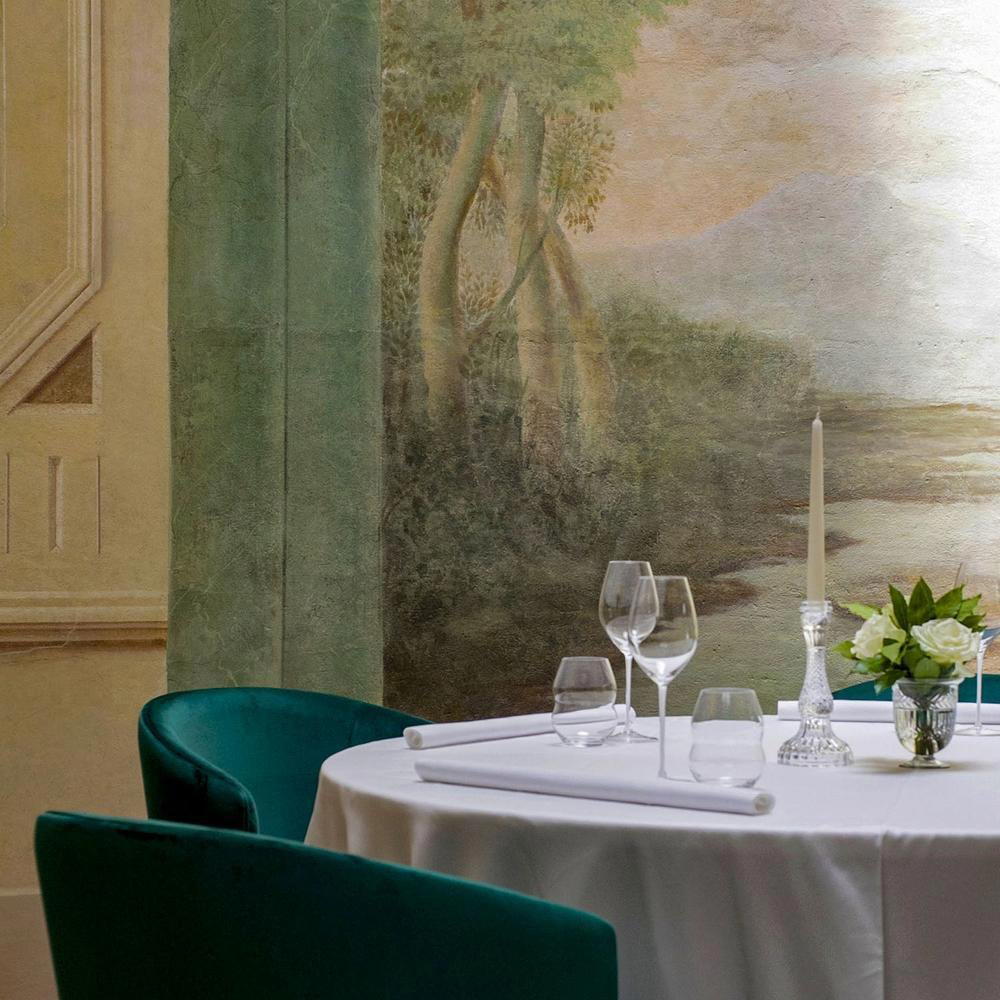
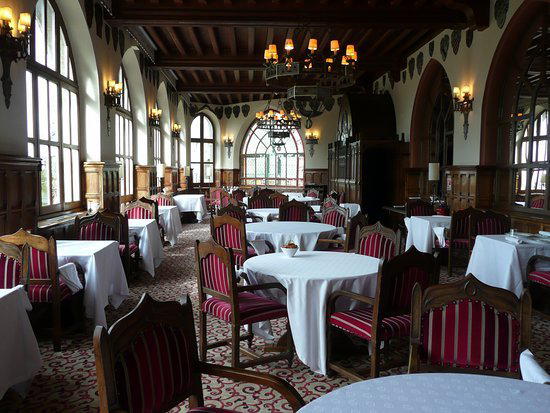
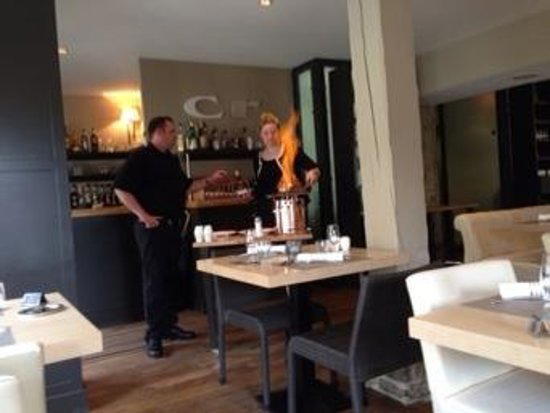
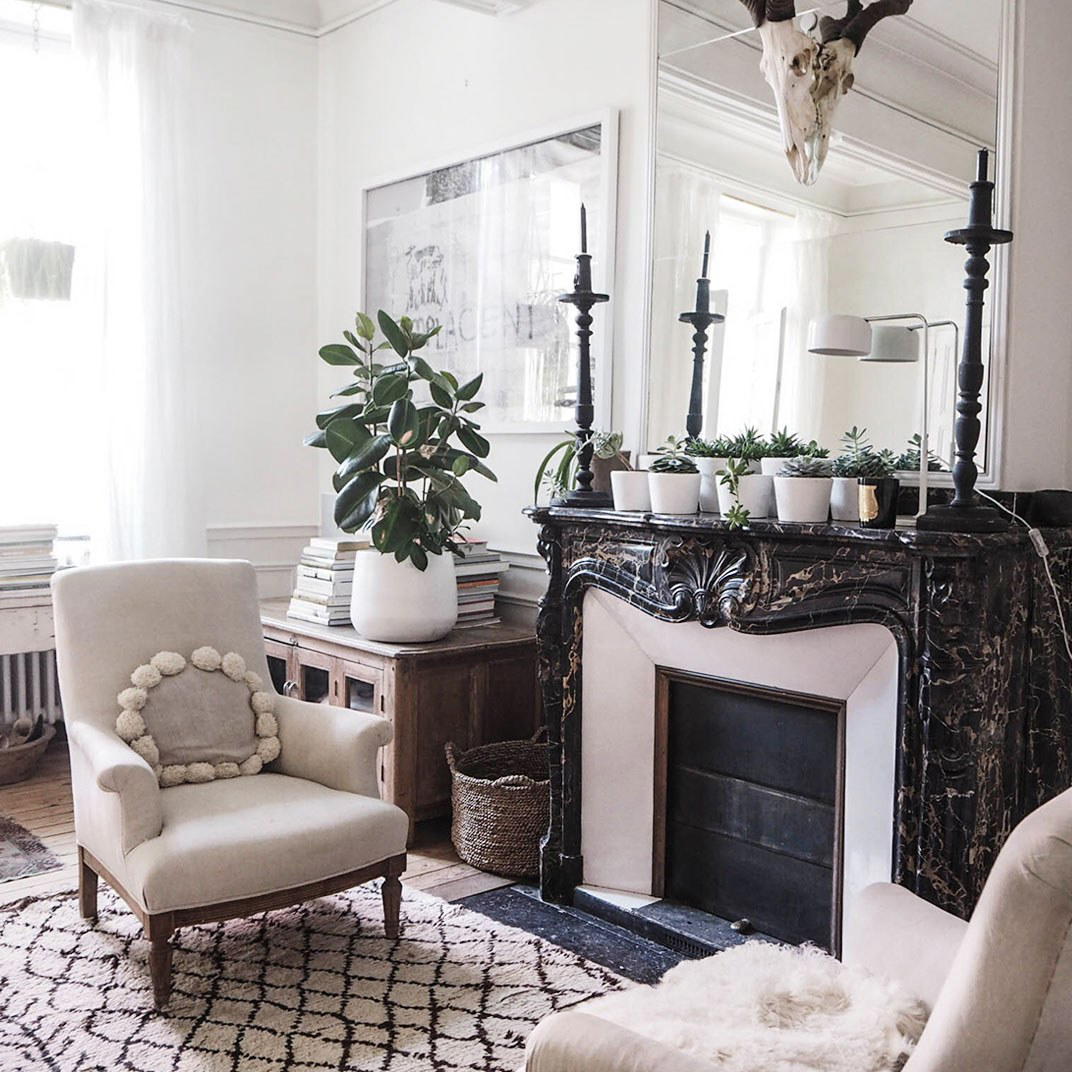
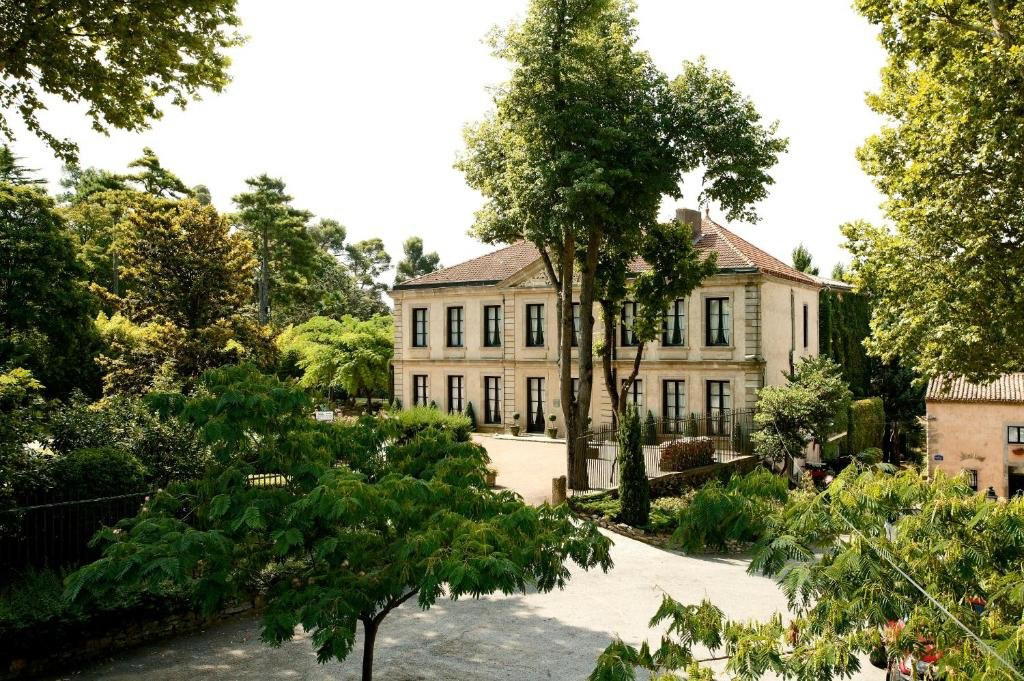
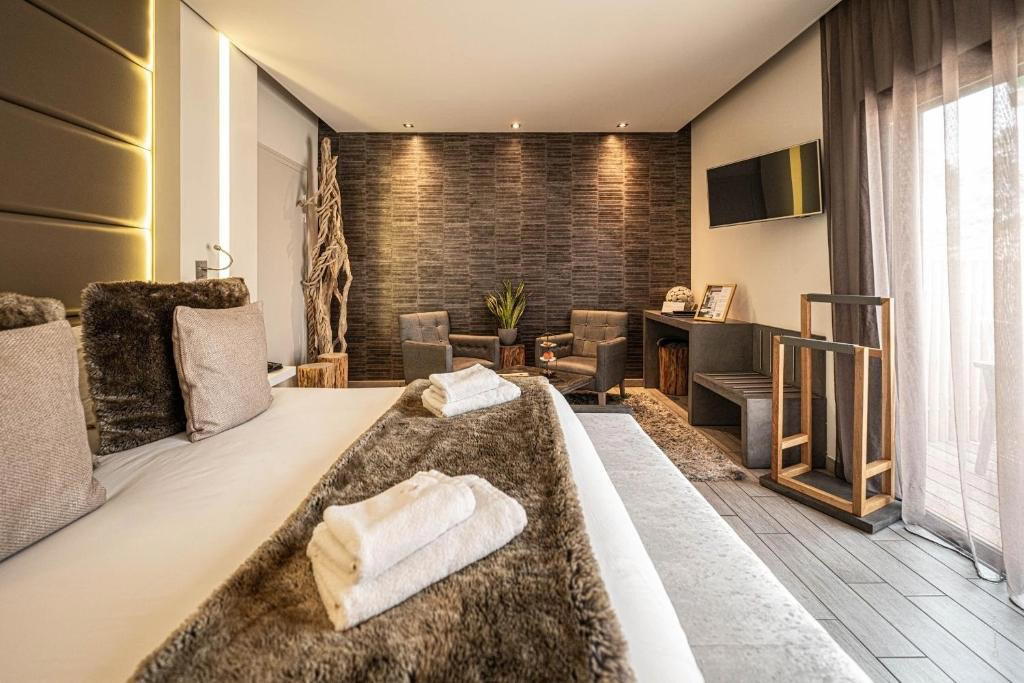
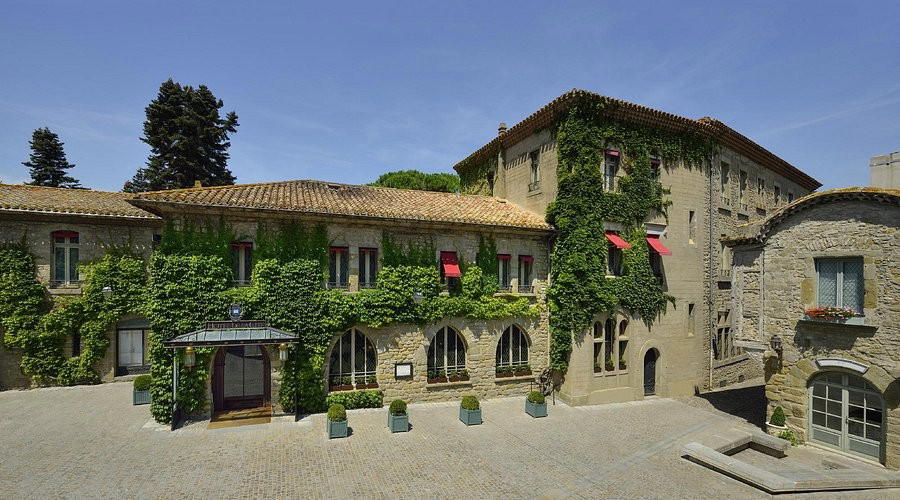
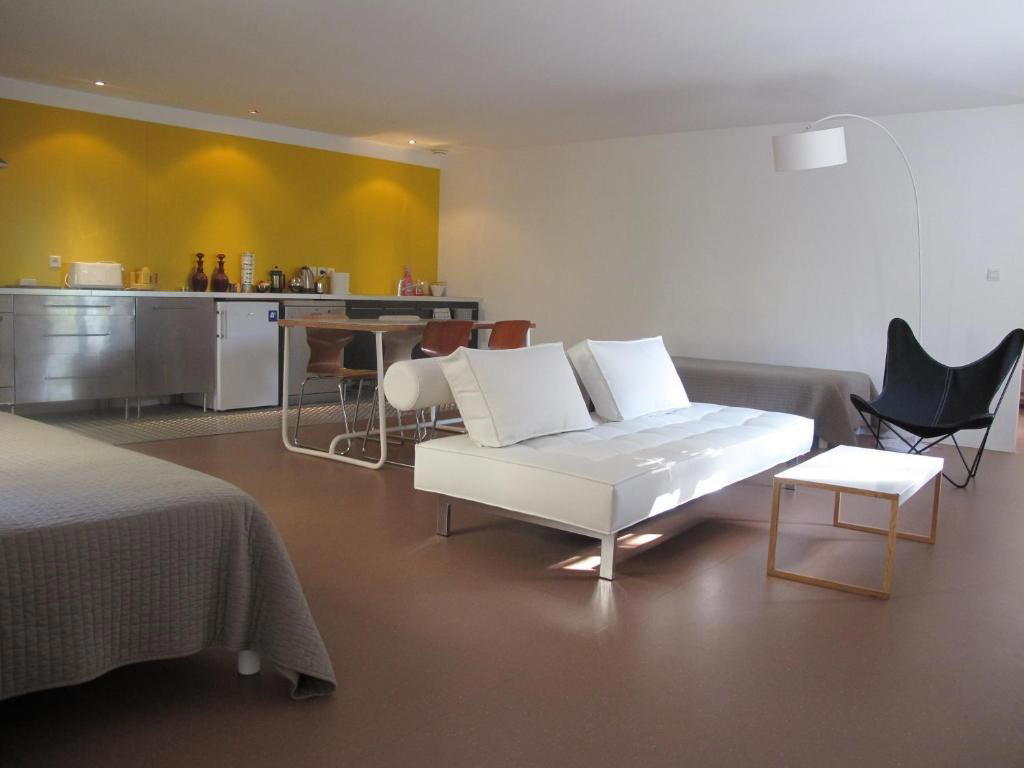
Refined and contemporary setting overlooking vineyards and countryside from the terrace, with natural light and garden views creating an elegant yet relaxed atmosphere.