Le Piquebaure

A Michelin Plate-recognised address in the ochre village of Roussillon, Le Piquebaure grounds its cooking firmly in Provençal tradition, drawing on the aromatic herbs, seasonal produce, and slow-cooked techniques that define the cooking of the Luberon.
Pearl is the En Primeur Club membership app — saves, bookings, and concierge access live there. Same editors, same standards.
- Address
- 166 Av. Dame Sirmonde, 84220 Roussillon, France
- Phone
- +33 4 32 52 94 48
- Directions
- Get directions
 Saves & bookings on Pearl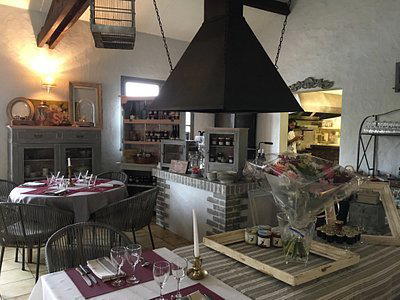
Where the Luberon Comes to the Table
Roussillon sits on a plateau of ochre cliffs in the heart of the Luberon, among the more colour-saturated villages in Provence and, by extension, among the more photographed. The address at 166 Avenue Dame Sirmonde places Le Piquebaure on a road named after the medieval lady associated with the village's founding myth, and that rootedness in local identity is not incidental. In a region where the land itself is the primary argument for being here, restaurants that work directly from the surrounding terroir occupy a different category from those that import their identity from Paris or elsewhere.
The Provençal kitchen is among France's most codified regional traditions. It draws from a specific geography: the garrigues scrublands that supply wild thyme, rosemary, and savory; the market gardens of the Comtat Venaissin that have provisioned the region since the medieval papacy at Avignon; the olive groves that produce oils with a peppery finish distinct from the milder oils of Liguria or Andalusia. A restaurant working in this tradition is, in effect, working with a centuries-old argument about what this landscape tastes like. For comparisons that show how that logic scales into France's highest-recognised Provençal cooking, Alain Llorca in La Colle-sur-Loup and La Bastide Bourrelly - Mathias Dandine in Cabriès both show how the same regional vocabulary is being handled at the starred tier.
The Michelin Recognition and What It Signals
Le Piquebaure holds Michelin Plate recognition for 2024 and 2025. The Plate designation, introduced formally into Michelin's vocabulary as a positive recognition rather than a neutral listing, marks kitchens that produce food worth seeking out without yet meeting the criteria for a starred award. In the Luberon, that tier is meaningful: the village dining circuit around Roussillon, Gordes, and Bonnieux runs from simple terrasse lunches to addresses with genuine Michelin recognition, and the Plate places Le Piquebaure above the former without competing directly with the latter. The repeated recognition points to consistency rather than a single good inspection.
To understand the full spectrum of what Michelin recognition looks like in France, one need only compare the Plate tier here against the three-star conversations happening at Alléno Paris au Pavillon Ledoyen or Troisgros - Le Bois sans Feuilles in Ouches. Closer geographically, Mirazur in Menton represents the Mediterranean French kitchen at its most internationally recognised extreme. The distance between those addresses and the restaurant is not a criticism; it is a map of where different kinds of cooking live, and who they are meant to serve.
Provençal Cooking at the €€ Tier
At the €€ price point, the restaurant occupies territory where regional cooking has to earn its recognition through precision and sourcing rather than luxury ingredients or elaborate technique. In France's mid-tier restaurant category, the distinction between a kitchen that takes its terroir seriously and one that coasts on a picturesque setting is usually visible within the first course. The Luberon is a region where that contrast is particularly sharp: the volume of tourists passing through Roussillon every summer creates demand for restaurants that do not need to work especially hard, and kitchens that nonetheless maintain Michelin-level notice are, by definition, resisting that gravitational pull.
Provençal cooking at this tier tends to focus on the summer and autumn abundance of the region: slow-braised lamb from the high plateaus, ratatouille built properly as successive individual preparations rather than a single pot, tapenade made with olives from within driving distance. The aromatic base of thyme, bay, and fennel that characterises the cuisine is not a stylistic choice so much as a function of what grows in the surrounding hills and finds its way to local markets each morning.
The Setting and the Season
Roussillon's position as one of the designated Plus Beaux Villages de France shapes the rhythm of a meal here in practical terms. The village draws concentrated visitor traffic between June and September, which affects both the character of the dining room and the logic of booking. Arriving outside peak summer months allows the restaurant to operate closer to its local identity: the tables are more likely occupied by regional visitors and residents rather than day-trippers working through a list of Luberon stops.
The season also changes what the kitchen can reach for. Spring brings asparagus from the Vaucluse lowlands; summer arrives with tomatoes, courgettes, and the first aubergines; autumn turns toward wild mushrooms and game from the surrounding forests. A Provençal kitchen tied to this calendar is, at its most functional, a record of what the surrounding countryside is doing at any given moment. That relationship between place and plate is part of what the Michelin Plate recognition, held for two consecutive years, implicitly acknowledges.
For a contrasting approach to contemporary cooking in the village itself, Omma represents the modern cuisine end of Roussillon's current restaurant offer.
Planning a Visit
The restaurant is located at 166 Avenue Dame Sirmonde in Roussillon, in the Vaucluse department of Provence. The €€ pricing places it within reach of most travel budgets for the region, with meals sitting comfortably below the cost of starred Provençal tables while still carrying formal Michelin recognition. Given the volume of visitors the village receives between July and August, booking ahead for those months is sensible. Shoulder season dining, particularly in May, June, and September, tends to offer a less pressured rhythm while the Provençal produce calendar remains generous.
For those constructing a broader itinerary around France's regional culinary traditions, the southern arc from the Luberon to the coast offers a concentrated range of reference points. AM par Alexandre Mazzia in Marseille sits at one end of that southern spectrum; Flocons de Sel in Megève, Bras in Laguiole, Auberge de l'Ill in Illhaeusern, Au Crocodile in Strasbourg, Assiette Champenoise in Reims, and Paul Bocuse - L'Auberge du Pont de Collonges in Collonges-au-Mont-d'Or map how France's regional identities diverge as you move further from the Mediterranean heat that defines the Luberon kitchen.
A Quick Peer Check
Comparable venues nearby, for context on price, style, and recognition.
| Venue | Cuisine | Price | Awards | Notes |
|---|---|---|---|---|
| Le PiquebaureThis venue — the venue you are viewing | Provençal French Bistro | $$ | Michelin Plate | Not listed |
| Omma | Modern Provençal | $$$ | Michelin Plate | centre du village |
| Cédrat | Modern Mediterranean Bistronomique | $$ | Michelin Plate | Palais De Justice |
| La Balade des Saveurs | Modern French Bistro | $$ | Michelin Plate | L'Isle-sur-la-Sorgue |
| La Fourchette | Provençal French Bistro | $$ | Michelin Plate | historic city centre |
| Ferme de la Besse | Traditional French Farm-to-Table | $$ | Michelin Plate | Usclades-et-Rieutord |
Recognition history
Dated appearances from independent guides and award organizations, with the underlying list record or original source where available.
Michelin Plate
Michelin
Michelin Plate
Michelin
Michelin Plate
Michelin
Continue exploring
More in Roussillon
Restaurants in Roussillon
Browse all →
Bars in Roussillon
Browse all →
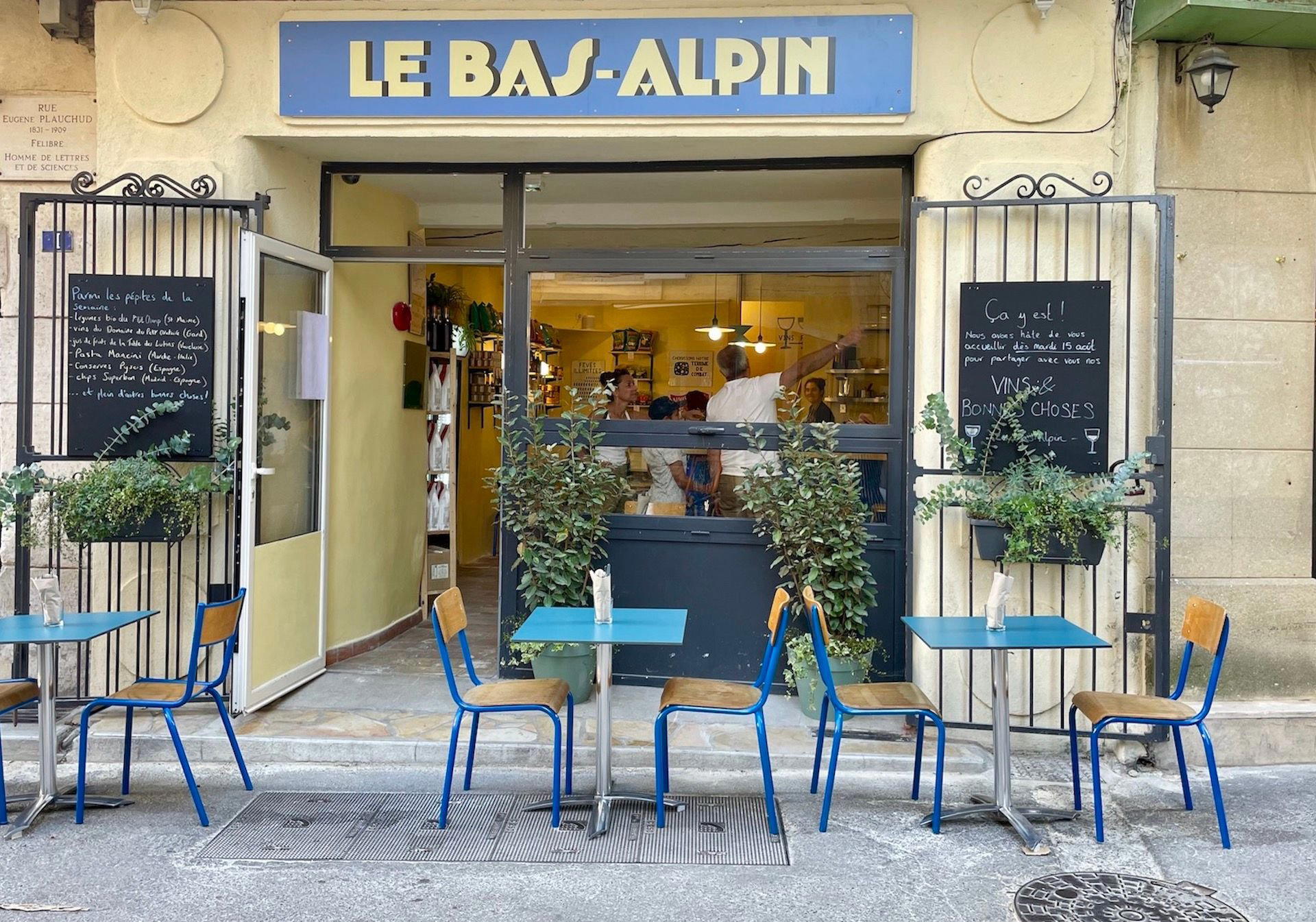
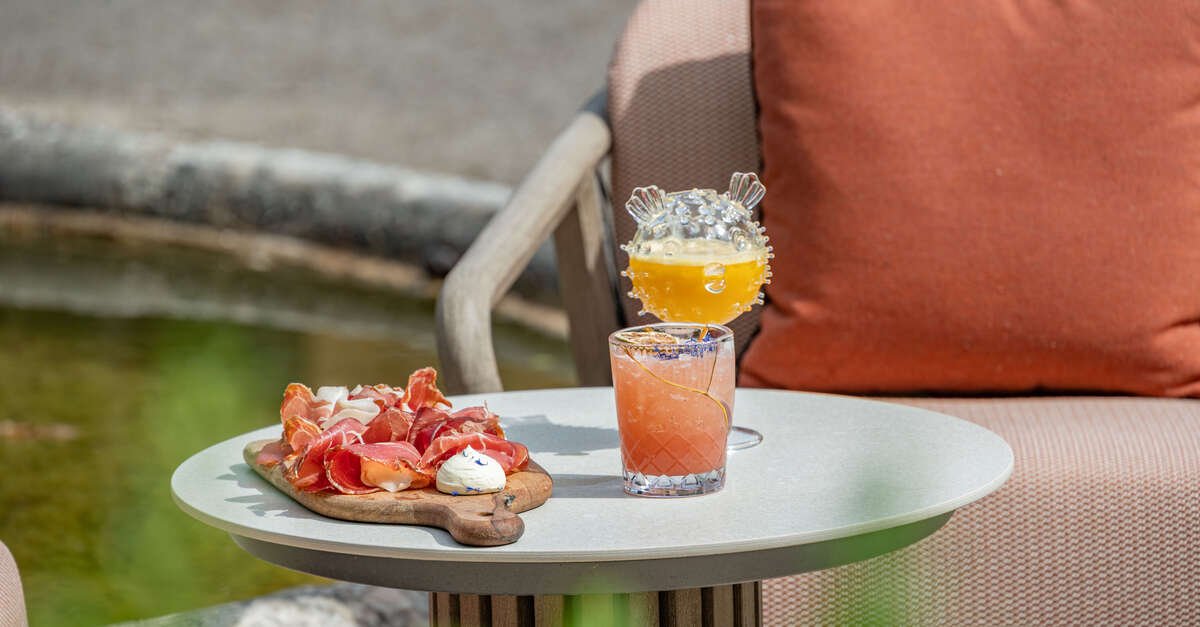
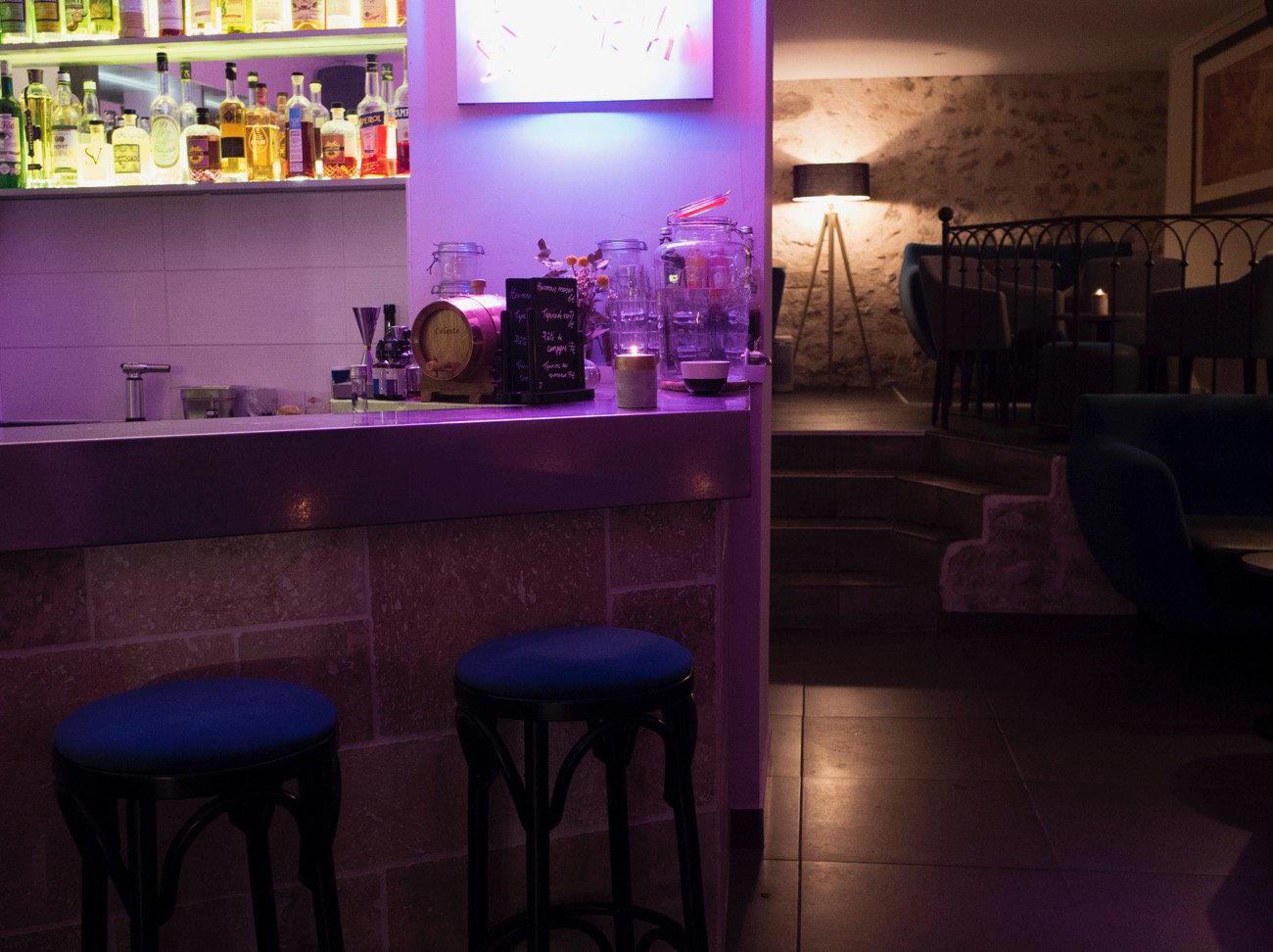
Hotels in Roussillon
Browse all →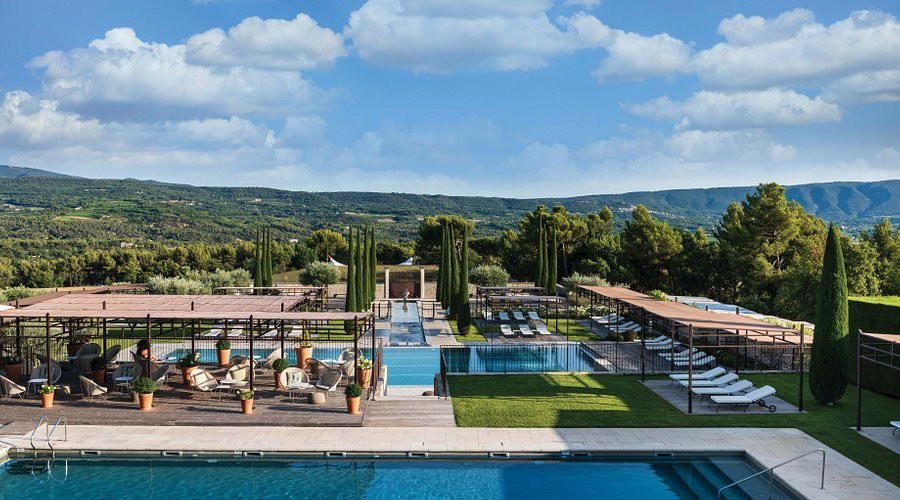
At a Glance
- Cozy
- Rustic
- Scenic
- Special Occasion
- Casual Hangout
- Terrace
- Extensive Wine List
- Local Sourcing
- Mountain
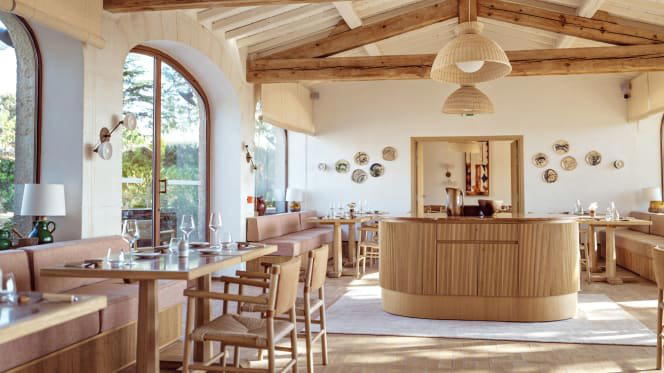
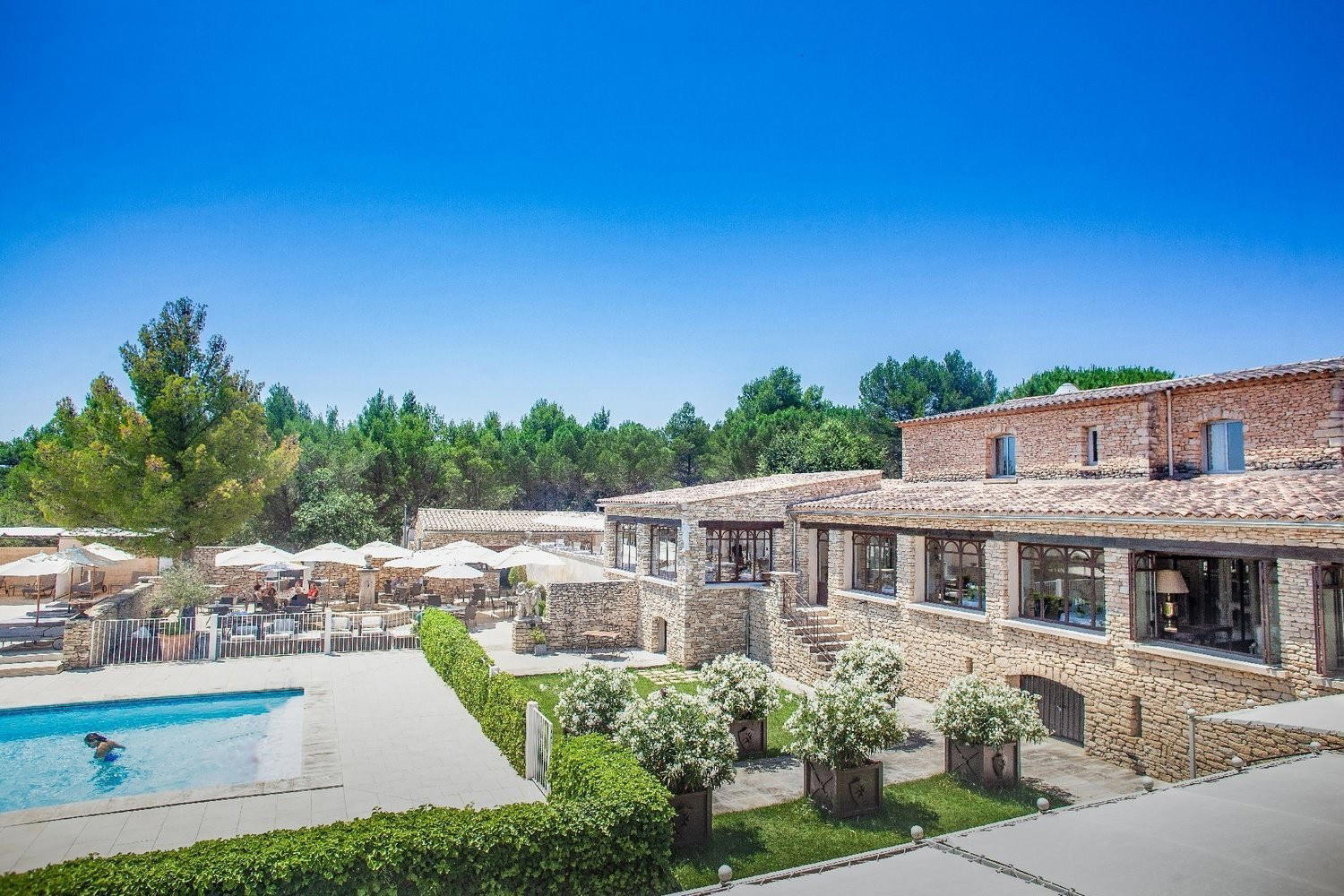
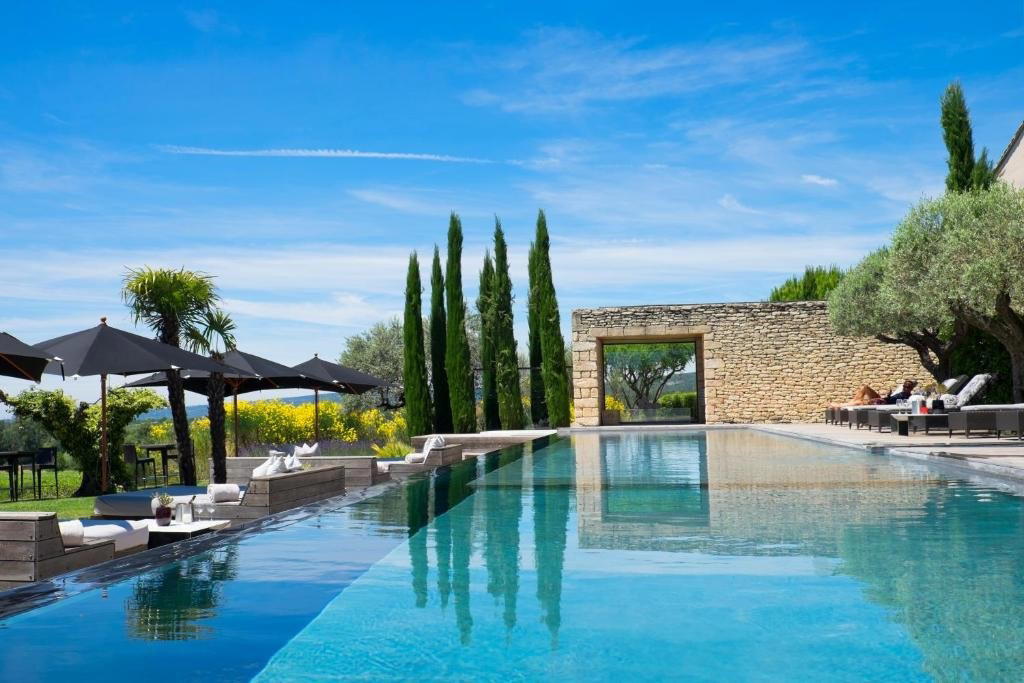
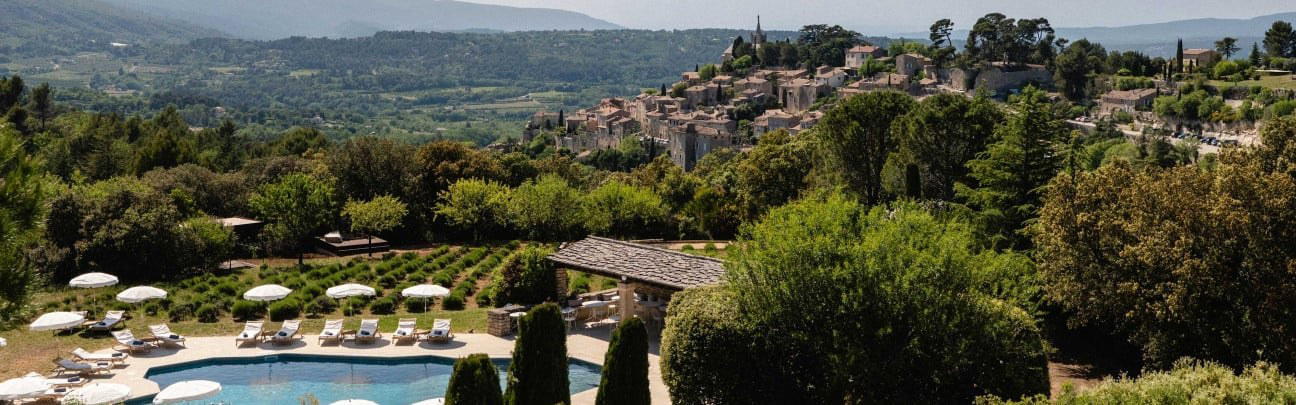
Cozy and relaxed Provençal atmosphere in a rustic stone house with indoor and outdoor terrace seating.