Le Pilori

Michelin Plate
Our verdict
For a region not overloaded with fine dining, this is a meaningful destination.

Pearl is the En Primeur Club membership app, where members save venues, book tables and use the concierge.
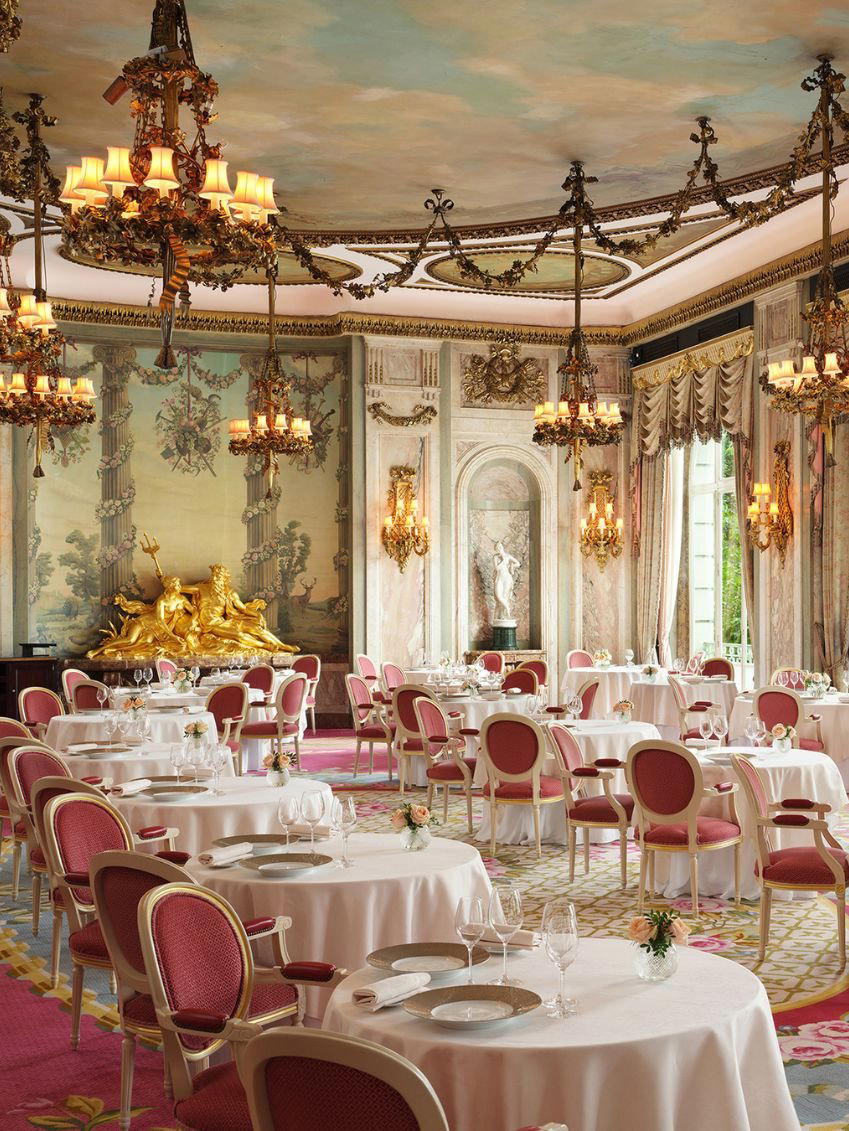
Where Belgian Countryside Meets the French Kitchen Tradition
The village of Écaussinnes-Lalaing sits in the Hainaut province of Wallonia, a part of Belgium where blue limestone quarries have shaped the land for centuries and where the French-speaking south slides quietly into rural self-sufficiency. There are no grand dining boulevards here, no cluster of starred addresses competing for the same reservations.
That context matters. In Belgium, the density of Michelin recognition in Flemish cities and the Brussels corridor can obscure how much serious cooking is happening in smaller Wallonian communes. Le Pilori belongs to a thread of destination restaurants in the French-speaking south that draw guests willing to drive for the food rather than the address. d'Eugénie à Emilie in Baudour and L'Eau Vive in Arbre occupy similar territory: formal French technique applied with regional conviction, in villages that require deliberate travel. Le Pilori fits squarely in that company.
The Terroir Argument in a Modern French Frame
Modern French as a category covers a wide spectrum, from the hyper-technical Paris school to the produce-first tradition rooted in regional supply chains. In Hainaut, the latter has always made more sense. The province grows endive, asparagus, and beet at scale; its rivers support freshwater fish; its farms supply pork and poultry that feed both domestic tables and the kitchens of Wallonia's better restaurants. A kitchen operating in this environment, under the discipline of French classical structure, has the raw material to build menus with genuine provenance rather than performed regionalism.
Chef Olivier Samin's kitchen at Le Pilori operates within that tradition. The Modern French designation signals classical foundations, but the sustained Michelin recognition across two consecutive years points to a kitchen that is consistent and technically grounded, not simply riding a single inspired season. The volume and consistency of that score, for a village address at the €€€ price tier, suggests a guest experience that regularly meets or exceeds expectation.
For comparison, most of Belgium's current one-star addresses in Wallonia price at €€€€. Le Pilori's €€€ positioning places it below peers like L'Eau Vive and La Durée in Izegem on price, while delivering the same tier of Michelin recognition. That gap is worth noting for anyone planning a serious dining itinerary through Belgium's smaller communes.
Reading the Room: Atmosphere and Approach
Arriving at a restaurant on a medieval street in a Hainaut village carries its own atmospheric freight. The Pilori address, named after the old pillory square common to market towns across this part of Europe, sits within a built environment of stone and quiet. The pace outside is not the pace of a city dining district, and the leading kitchens in settings like this tend to calibrate their dining rooms accordingly: considered service rather than choreographed performance, room temperature that invites lingering, a sequence of courses that earns its length.
The €€€ price range positions Le Pilori as a significant occasion rather than a casual evening, but not at the ceiling of Belgian fine dining. That repeatability is often what sustains a star in a location without the built-in footfall of a city.
Le Pilori in Belgium's Broader Starred Landscape
Belgium punches well above its size in Michelin recognition, with a concentration of multi-starred addresses that places it among Europe's most decorated dining countries per capita. The northern Flemish restaurants, Hof van Cleve in Kruishoutem, Boury in Roeselare, Zilte in Antwerp, tend to dominate the international conversation, while Wallonian addresses occupy a quieter register of the same guide.
At one star, Le Pilori sits in the tier where the guide is recognising consistent quality and distinct character, not necessarily the technical maximalism of a two- or three-star kitchen. Within that tier, its Modern French identity places it in dialogue with restaurants as varied as Bozar Restaurant in Brussels and, at the international level, addresses like Schanz in Piesport or Sketch's Lecture Room and Library in London, all working within the French tradition at different scales and registers. Le Pilori's register is distinctly local: a village kitchen drawing on Hainaut's agricultural base rather than reaching for cosmopolitan references.
Other smaller Belgian addresses worth cross-referencing in this tier include Willem Hiele in Oudenburg, Bartholomeus in Heist, Ralf Berendsen in Neerharen, and Sir Kwinten in Sint-Kwintens-Lennik, each representing the pattern of serious cooking planted in non-urban Belgium, each requiring the kind of deliberate travel that tends to produce more attentive guests.
Planning the Visit
Écaussinnes-Lalaing is not a destination with multiple evening options, which means Le Pilori is typically the reason for the trip rather than one stop among several. For guests travelling from Brussels, the drive runs through Hainaut's open farmland, a journey that takes roughly forty minutes and requires a car. There is no practical public transport option for a dinner visit. The village itself warrants a longer look: its medieval castle and the surrounding stone town centre are among the quieter heritage sites in Wallonia, making a half-day pairing with a dinner reservation a reasonable itinerary.
Current contact and booking details are best confirmed via the restaurant directly. For those building a wider Wallonian itinerary, the full Écaussinnes-Lalaing restaurants guide provides additional context, as does the hotels guide for overnight stays. Supplementary guides covering bars, wineries, and experiences in the area round out the planning picture.
Frequently asked questions
Is Le Pilori good for families?
Is Le Pilori better for a quiet night or a lively one?
at Le Pilori?
| Venue | Cuisine | Price | Awards |
|---|---|---|---|
| Le PiloriThis venue (the venue you are viewing) | French-Belgian Michelin Starred | $100–150 | Michelin Plate |
| Boury | Creative French Fine Dining | $300–500 | 3 Michelin Stars · La Liste Top Restaurants |
| Comme chez Soi | French - Belgian, Classic Cuisine | Not listed | Not listed |
| Hertog Jan at Botanic | Modern Japanese Omakase Fine Dining | Not listed | 2 Michelin Stars · La Liste Top Restaurants |
| L'Eau Vive | Modern French Fine Dining | $150–200 | 2 Michelin Stars · La Liste Top Restaurants |
| La Durée | Modern French Fine Dining | $150–200 | 2 Michelin Stars · La Liste Top Restaurants |
Recognition history
Dated appearances from independent guides and award organizations, with the underlying list record or original source where available.
Michelin Plate
Michelin
Continue exploring
More in Écaussinnes-Lalaing
Restaurants in Écaussinnes-Lalaing
All restaurants in Écaussinnes-Lalaing →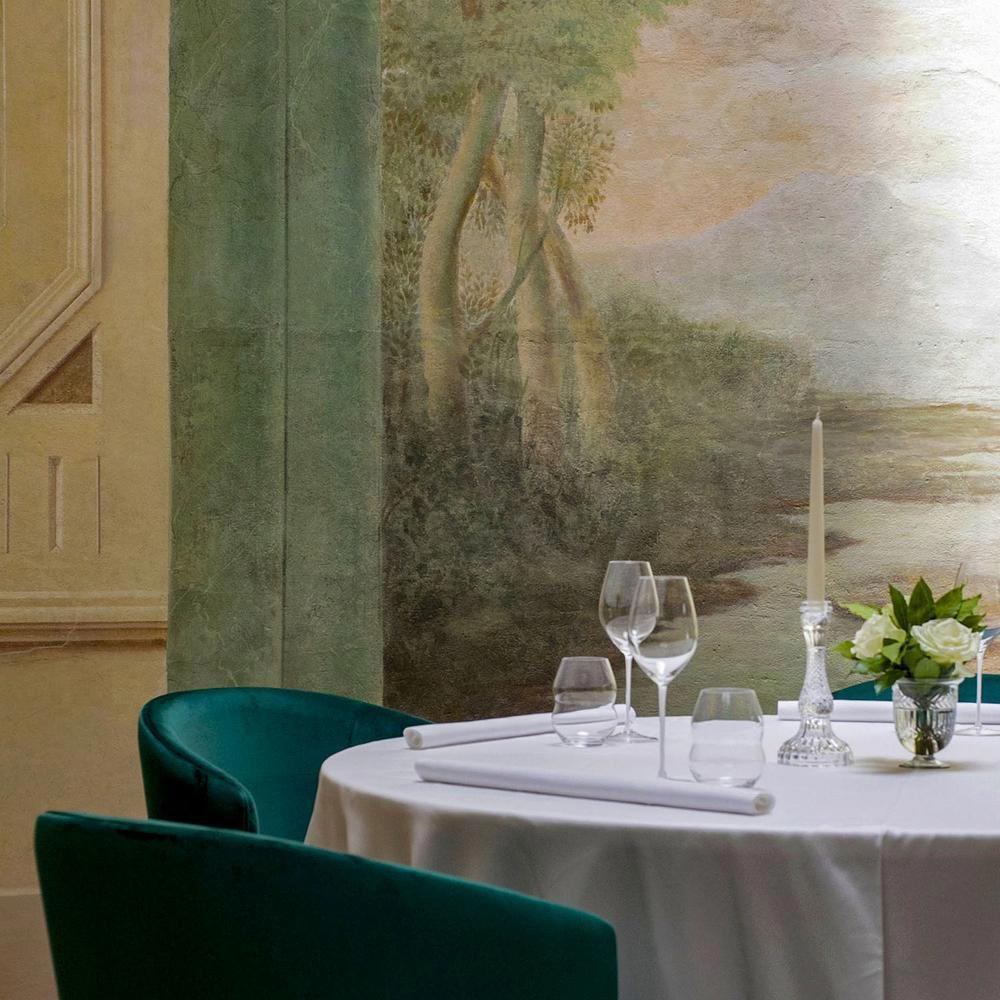
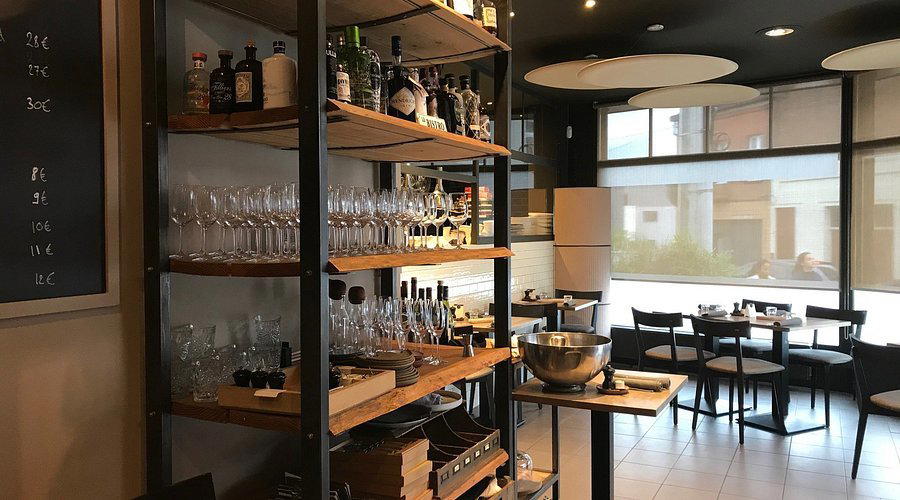
Bars in Écaussinnes-Lalaing
Browse all →
Hotels in Écaussinnes-Lalaing
Browse all →
Wineries in Écaussinnes-Lalaing
Browse all →
Details
- Cozy
- Classic
- Business Dinner
- Special Occasion
- Group Dining
- Terrace
- Historic Building
- Extensive Wine List
- Sommelier Led
- Street Scene
- A La Carte
- Wine
Current opening hours
- Monday
- 12–2 PM
- Tuesday
- 12–2 PM
- Wednesday
- 12–2 PM
- Thursday
- 12–2 PM, 7–9 PM
- Friday
- 12–2 PM, 7–9 PM
- Saturday
- Closed
- Sunday
- Closed
Hours can change for holidays and private events. Hours as of .
Bright spacious interior with modern art, relaxed and friendly atmosphere.