Our verdict
Le Petit Polonais occupies a quietly prominent address on Rue des Granges, Besançon's most characterful commercial street. It represents the strand of French provincial dining that looks east for its reference points, bringing Central European culinary tradition into a city already defined by its border-crossing food culture. Visitors planning a Besançon table should place it within that broader Franco-Polish conversation.

Pearl is the En Primeur Club membership app, where members save venues, book tables and use the concierge.
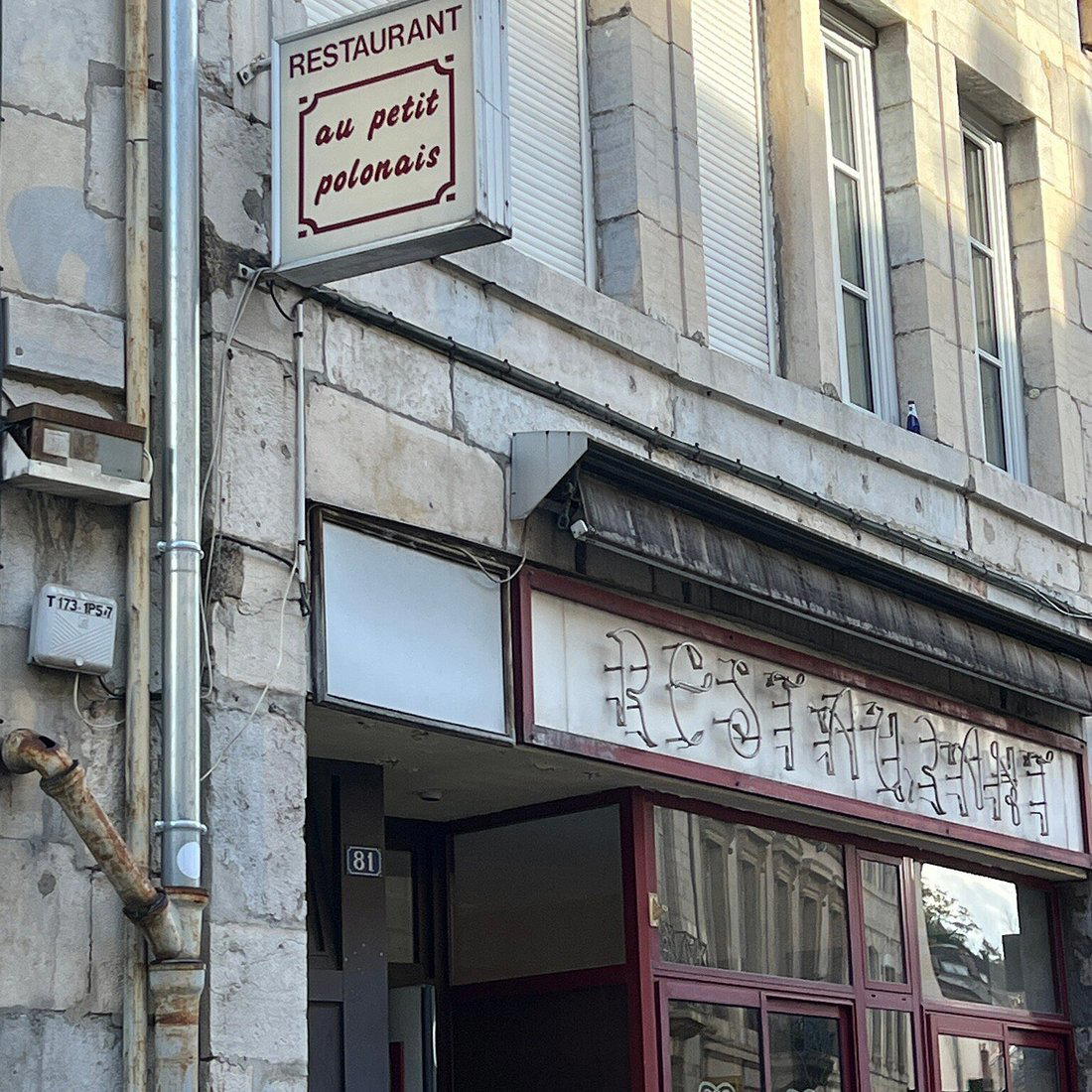
A Central European Thread in Franche-Comté's Dining Fabric
Besançon sits closer to Zurich than to Paris, and its restaurant culture reflects that geographic ambiguity. The city's kitchens have long drawn on Alsatian, Swiss, and Burgundian reference points, making it one of the more layered provincial dining cities in eastern France. Into this context, Polish cuisine arrives not as novelty but as a logical extension of the region's appetite for central European culinary vocabulary. The presence of a Polish table on Rue des Granges, the pedestrianised artery that concentrates much of the city's independent restaurant life, fits a pattern visible in other mid-sized French cities: specialists in cuisines from France's eastern and northeastern European diaspora communities finding a durable audience among diners who have moved past the reflexive assumption that regional French cooking has no serious rivals in its own backyard.
Le Petit Polonais, at 81 Rue des Granges, occupies this niche in the Besançon scene. The address alone signals intent: Rue des Granges runs through the historic centre, a street where the competition includes confident modern French tables and established bistros, not international fast-casual chains. Choosing to operate Polish cuisine in that corridor is a positioning decision with clear implications about the expected audience and price expectations.
What Polish Culinary Tradition Brings to the Table
Polish gastronomy is one of Central Europe's more underrepresented cuisines in French dining rooms, which makes its appearance in Besançon worth examining in culinary terms. The tradition is built on preserved and fermented elements: rye breads, cured meats, sauerkraut preparations distinct in character from their Alsatian equivalents, and slow-cooked meat dishes where fat and acidity play against each other over long cooking times. Pierogi, the filled dumplings that function as Poland's most portable culinary export, carry a wider range of fillings than casual familiarity suggests, from potato and cheese to buckwheat and mushroom, meat-forward or entirely vegetable-driven depending on region and season.
In France, this tradition has limited institutional representation. The grand Polish diaspora tables that once existed in Paris have largely given way to smaller, more casual formats. The shift mirrors a broader European pattern in which immigrant cuisines move from formal restaurant settings into neighbourhood-scale operations that trade on authenticity rather than prestige. Besançon, with its university population and culturally literate middle class, provides the audience profile that sustains this kind of specialist dining in a French regional city.
For context on how French regional dining handles culinary traditions with deep local roots, the Alsatian model is instructive. Venues like Au Crocodile in Strasbourg demonstrate how a cuisine grounded in Germanic tradition can achieve formal recognition within France's gastronomic hierarchy. Polish cuisine has not yet found its equivalent institutional champions in French dining rooms, which is part of what makes specialist venues operating outside major cities notable.
Besançon's Restaurant Tier and Where Polish Cuisine Sits
The Besançon restaurant scene is anchored by a cluster of modern French and traditional regional tables. Among the city's better-documented venues, Épicéa operates at the €€€ modern cuisine tier, Le Manège at €€, and Le Saint-Pierre at the €€€ traditional end. These comparison points matter because they establish what a Besançon diner considers normal pricing for a serious meal. Polish cuisine in this setting occupies a different positioning question: it is likely to price below the formal modern French tier, drawing on the relative informality of the format and the lower cost of its primary ingredients, while still operating above the fast-casual baseline.
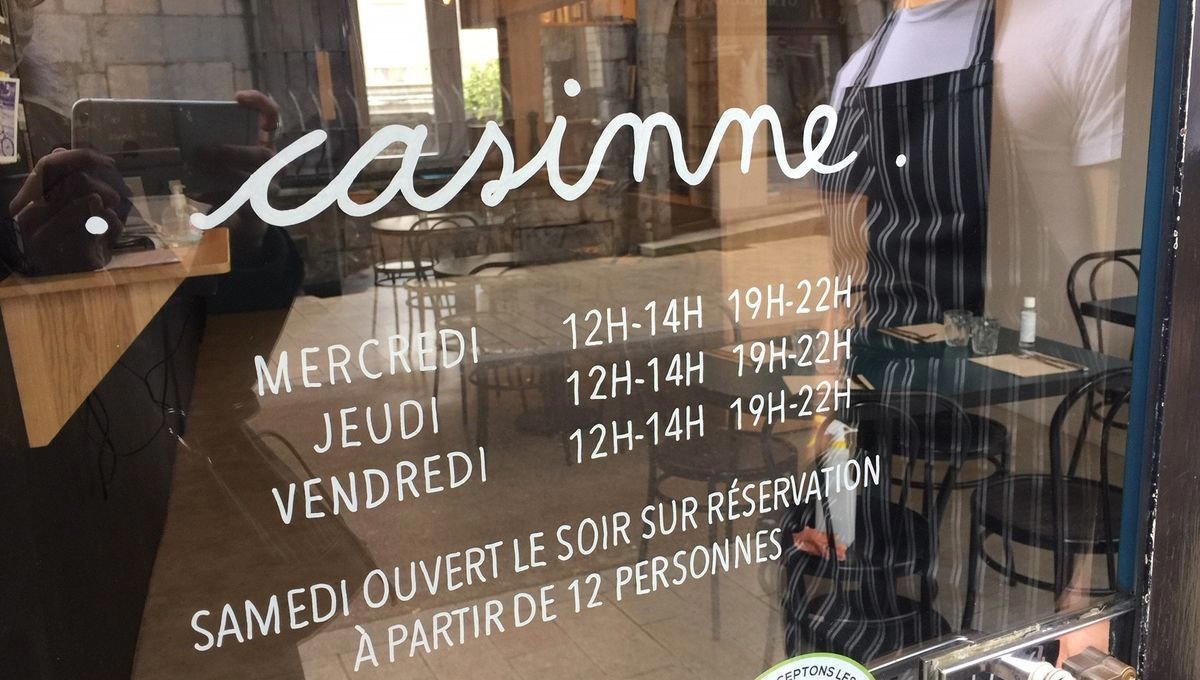
That mid-market positioning is consistent with how Polish restaurants operate across French cities. It places Le Petit Polonais in the same broad tier as Chez Achour and other Besançon tables that draw on non-French culinary traditions. For readers building a Besançon itinerary across multiple meals, cross-referencing with venues like Basilic Instant, Bleu de Sapin, Casinne, and L'Affineur Comtois allows for a fuller picture of the city's range. The broader Besançon restaurants guide provides that structured overview.
How Le Petit Polonais Fits a Wider French Dining Conversation
France's fine dining conversation is dominated by the Michelin constellation: venues like Alléno Paris au Pavillon Ledoyen, Mirazur in Menton, Troisgros in Ouches, and Bras in Laguiole define what French institutional gastronomy looks like at its most decorated. Paul Bocuse - L'Auberge du Pont de Collonges and Auberge de l'Ill in Illhaeusern sit within the same recognisably French-Alsatian lineage. These venues represent one pole of French dining. The other pole, occupied by small specialist restaurants operating on narrower margins and more specific culinary identities, is where Le Petit Polonais belongs.
This is not a lesser category. Across French cities, the most durable neighbourhood specialists often outlast the formal fine dining rooms that briefly surround them. The logic is familiar in other national contexts: AM par Alexandre Mazzia in Marseille and Assiette Champenoise in Reims represent the decorated French regional tier. Below and alongside that tier, independent restaurants working with non-French culinary traditions fill a different but genuinely valued role in how cities eat. Flocons de Sel in Megève similarly illustrates how regional French dining with a strong identity can operate outside the capital's gravitational pull.
Internationally, the question of how to sustain specialist immigrant cuisine in formal dining contexts has found different answers in different cities. New York's Le Bernardin and Atomix demonstrate that non-native cuisines can occupy the highest prestige tiers when execution and positioning are right. The French provincial context offers its own slower, more incremental version of that dynamic.
Planning a Visit
The address at 81 Rue des Granges places Le Petit Polonais within walking distance of Besançon's old town and its principal architectural landmarks, making it a plausible anchor for a lunch or dinner around a broader day in the city. Given the limited publicly available data on booking policy, hours, and current pricing, prospective visitors should plan to confirm operational details directly before travelling. For a city the size of Besançon, popular specialist tables on Rue des Granges can reach capacity on weekend evenings without carrying the public booking infrastructure of a larger urban operation, so contacting the venue in advance is advisable rather than assuming walk-in availability. Besançon is accessible by TGV from Paris Gare de Lyon in approximately two hours and twenty minutes, and the historic centre is compact enough to reach on foot from the station.
Frequently asked questions
How do I find Le Petit Polonais?
Le Petit Polonais is located at 81 Rue des Granges, 25000 Besançon, France, Besançon.
Is Polish cuisine at Le Petit Polonais suitable for diners new to Central European food?
Polish gastronomy is one of the more underrepresented cuisines in French dining rooms, making its presence in Besançon a practical entry point for curious diners. The structural logic of Polish cooking, cured ingredients, slow-cooked proteins, fermented bases, overlaps with northern French and Alsatian traditions that are already widely understood in this part of France. The location at 81 Rue des Granges, within walking distance of Besançon's old town, makes it accessible as part of a broader day in the city.
What's the signature dish at Le Petit Polonais?
Polish culinary tradition is structured around preparations like pierogi, żurek, and slow-braised meats, dishes that share a preservation-and-warmth logic with the regional cooking already familiar across Franche-Comté. Until confirmed menu data is published, the address at 81 Rue des Granges is the most reliable starting point for direct inquiry.
How far ahead should I plan for Le Petit Polonais?
Specialist tables on Besançon's Rue des Granges, the city's principal restaurant street, tend to fill at pace on weekends, particularly for dinner. Contacting the restaurant directly in the week prior is a reasonable minimum; a week or two ahead gives more room if you have a fixed date.
Price Lens
Comparable venues nearby, for context on price, style, and recognition.
| Venue | Cuisine | Price | Notes |
|---|---|---|---|
| Le Petit PolonaisThis venue (the venue you are viewing) | Traditional French Bistro with Franche-Comté Specialties | $20–30 | Not listed |
| Le 1802 | Modern French Brasserie | $50–100 | Place Granvelle, Modern French Brasserie |
| Basilic Instant | Vegetarian French Buffet | Not listed | Besancon Old Town, Vegetarian French Buffet |
| L'Affineur Comtois | Traditional Franche-Comté Regional Cuisine | $50–100 | Battant, Traditional Franche-Comté Regional Cuisine |
| Bleu de Sapin | Cuisine créative française locale | $20–30 | Richebourg, Cuisine créative française locale |
| Les Tables d'antan | Traditional Franc-Comtois French | $20–30 | Centre-ville, Traditional Franc-Comtois French |
Continue exploring
More in Besançon
Restaurants in Besançon
All restaurants in Besançon →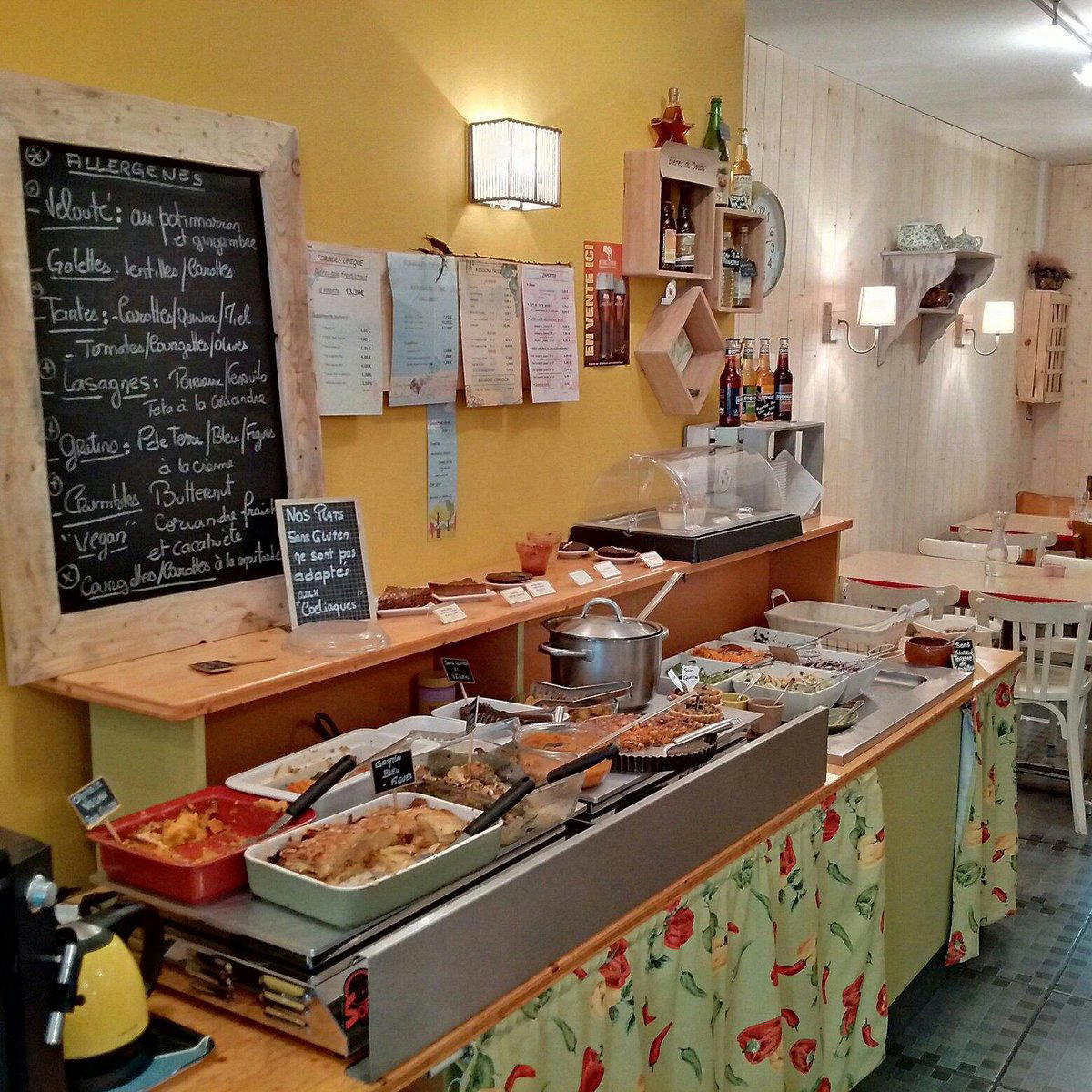
Hotels in Besançon
All hotels in Besançon →

Details
- Cozy
- Classic
- Intimate
- Family
- Casual Hangout
- Historic Building
- Local Sourcing
- A La Carte
- Allergy Accommodating
Current opening hours
- Monday
- 12–2 PM
- Tuesday
- 12–2 PM
- Wednesday
- 12–2 PM
- Thursday
- 12–2 PM
- Friday
- 12–2 PM, 7–10 PM
- Saturday
- 12–2 PM, 7–10 PM
- Sunday
- Closed
Hours can change for holidays and private events. Hours as of .
Classic bistro with old-fashioned charm, simple and familiar setting featuring warm lighting and welcoming atmosphere.