Our verdict
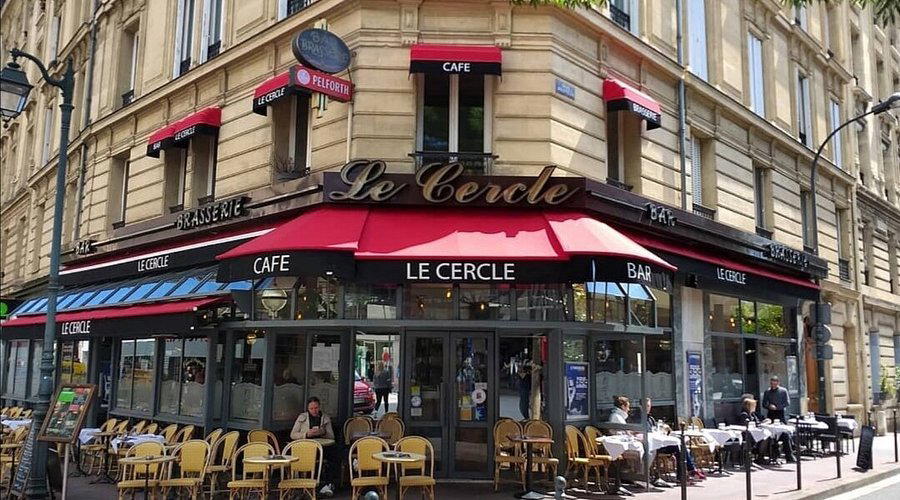
Le Cercle occupies a quiet address on Rue Lacoré in central Besançon, placing it within reach of the old town's medieval fabric and the Franche-Comté food culture that surrounds it. In a city where regional sourcing traditions run deep, from Comté cellars to Pontarlier distilleries, the restaurant positions itself inside a dining scene that prizes provenance as much as technique. For travellers approaching Besançon's table seriously, Le Cercle belongs on the itinerary alongside the city's most considered addresses.

Pearl is the En Primeur Club membership app, where members save venues, book tables and use the concierge.
The menu
What to order
- Sweetbreads with morels
- Truite
- Cannelloni de chair de brochet
Besançon's Table and the Logic of Provenance
French regional dining has always rested on a simple premise: that geography is an argument. In Franche-Comté, that argument is particularly hard to ignore. The region produces Comté, one of France's most complex aged cheeses, alongside Morteau and Montbéliard sausages, trout from clear Doubs tributaries, and a charcuterie tradition that predates most of the country's celebrated food appellations. When a restaurant operates at 4 Rue Lacoré in central Besançon, it does so inside a larder that is, by any measure, exceptional in depth and specificity.
That context matters when reading Le Cercle against Besançon's wider dining scene. The city occupies a peculiar position in French gastronomy: serious enough to sustain multiple address tiers, quiet enough to have avoided the kind of culinary tourism that inflates menus and softens sourcing discipline in more visited cities. Diners here tend to know what they're eating and where it comes from. That pressure, in a provincial city with attentive regulars rather than a rotating crowd of first-timers, shapes what kitchens put on the plate.
Rue Lacoré and What the Address Signals
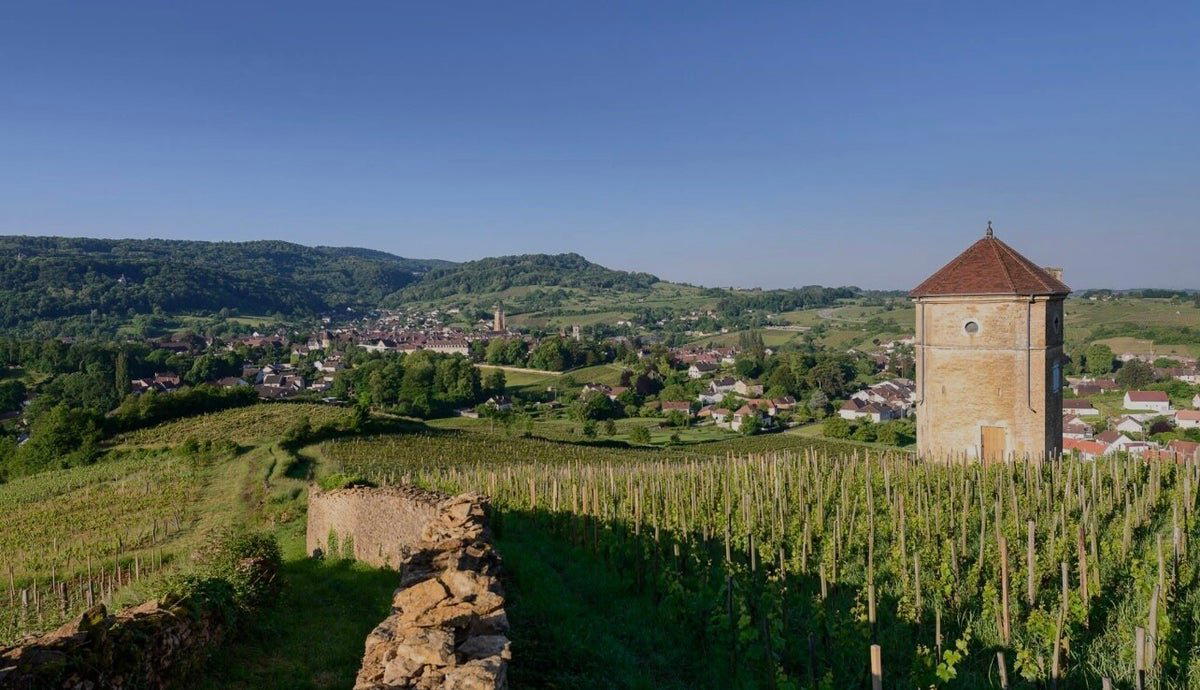
Le Cercle sits on Rue Lacoré, a street that places it within the dense historic core of Besançon, close to the loop of the Doubs river that gives the city its distinctive topography. The old town here is compact and walkable, and the concentration of serious restaurants in this zone reflects a broader pattern in French provincial cities: the leading tables tend to cluster near the historic fabric rather than dispersing to peripheral commercial strips. Arriving on foot from the Vauban citadel or the Grande Rue takes roughly the same time as arriving by car, Besançon's centre rewards pedestrian exploration, and the approach to a restaurant in this quarter sets expectations accordingly.
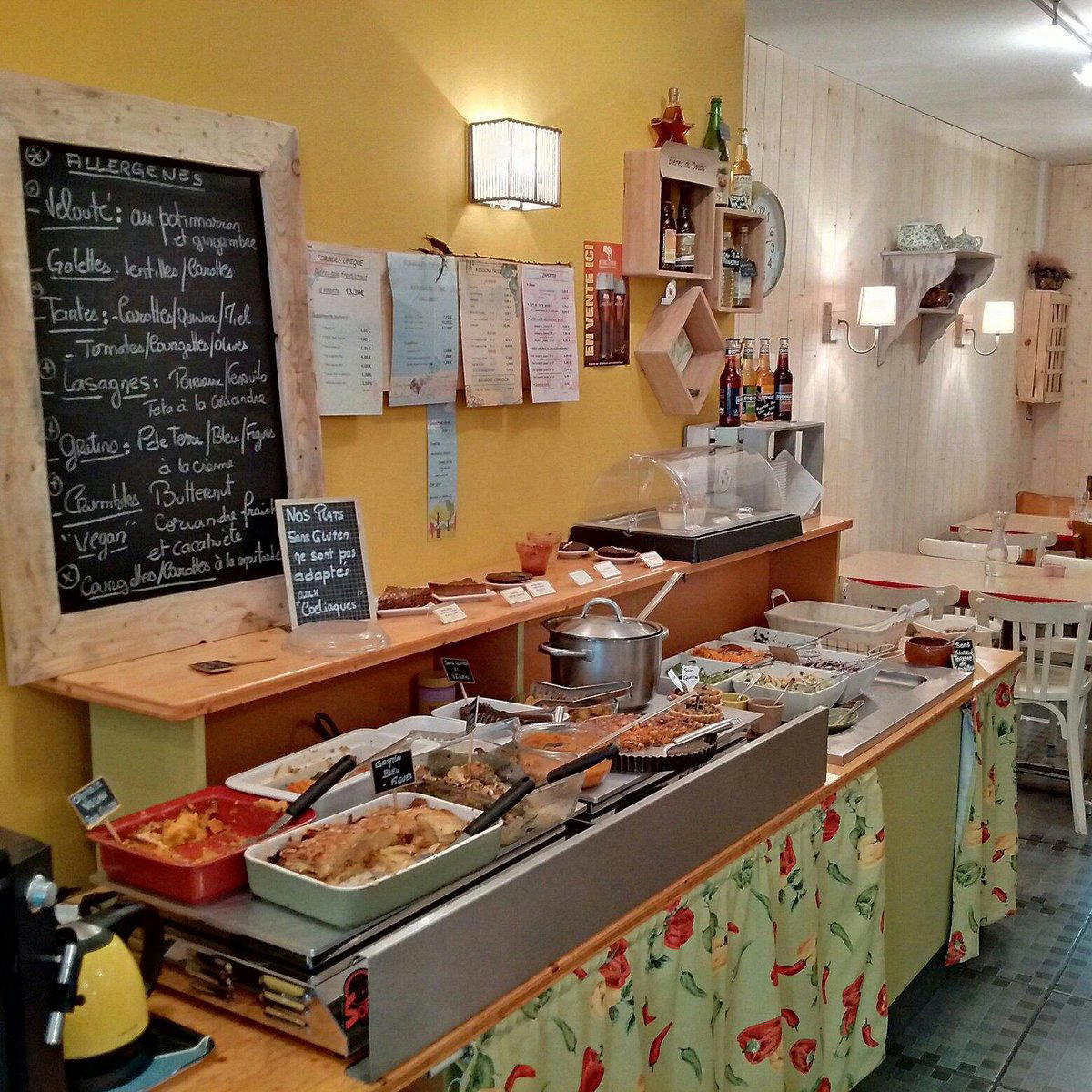
Among the addresses operating in this part of the city, the competitive set includes Casinne, Basilic Instant, and Bleu de Sapin, each occupying a different register of the city's dining offer. L'Affineur Comtois anchors the cheese-focused end of the spectrum with particular force, while Chez Achour operates in a different register entirely. Le Cercle's positioning within this group, and the dining logic it represents, is part of what makes Besançon worth reading carefully as a food city rather than passing through.
Franche-Comté Sourcing and Why It Matters at the Table
The ingredient logic of Franche-Comté is not incidental to what restaurants here serve, it is the foundation. Comté, aged at minimum four months but commonly twelve to twenty-four in the leading affineurs' caves, develops a nutty, crystalline complexity that distinguishes it from generic mountain cheeses. Morteau sausage carries a protected geographical indication that ties it specifically to the fumoirs of the Haut-Doubs plateau. River fish from the Doubs and Loue are among the freshest in inland France, given the area's limestone-filtered water sources.
For a restaurant operating in this environment, the question is less whether to use these ingredients and more how to handle them. The strongest provincial French kitchens treat regional sourcing not as a marketing position but as a technical constraint: the ingredient dictates the approach, not the reverse. This is a different discipline from the tasting-menu model that dominates ambitious French cooking in larger cities, where the kitchen's narrative tends to take precedence over the raw material. In Besançon, at the tier Le Cercle occupies, the rawness of the larder reasserts itself.
This sourcing tradition connects Besançon's table to a broader lineage of French regional cooking that runs through addresses like Bras in Laguiole, where the Aubrac plateau's herbs and cattle have defined the kitchen's output for decades, or Flocons de Sel in Megève, where alpine provenance frames the entire tasting experience. At a different register, Troisgros in Ouches and Auberge de l'Ill in Illhaeusern demonstrate how long-rooted provincial kitchens can sustain serious reputations outside the gravitational pull of Paris.
Reading Le Cercle Against the French Provincial Canon
France's provincial dining tier is healthier than its reputation in international food media suggests. The conversation tends to concentrate on Paris addresses, Alléno Paris au Pavillon Ledoyen and its peers, or on a handful of destination restaurants that draw international visitors: Mirazur in Menton, Paul Bocuse in Collonges-au-Mont-d'Or, AM par Alexandre Mazzia in Marseille. But the deeper and arguably more durable layer of French gastronomy operates in cities like Besançon, Reims (where Assiette Champenoise holds its position quietly), and Strasbourg, home to Au Crocodile.
At this tier, the dining proposition depends less on spectacle and more on the sustained relationship between kitchen and region. A restaurant in Besançon that takes Franche-Comté sourcing seriously is making a bet that its regulars will notice the difference between a Comté aged eighteen months and one aged six, and, over time, reward the kitchen for that attention. This is a different economy of trust from what operates in, say, a New York tasting-menu environment, where Le Bernardin and Atomix both function in a context of high turnover and intense critical scrutiny. Provincial French dining is slower, more relational, and often more honest for it.
Planning a Visit
Le Cercle's address at 4 Rue Lacoré places it within central Besançon, accessible from the train station (Besançon Viotte, served by TGV connections from Paris-Gare de Lyon in approximately two hours fifteen minutes) on foot or by a short taxi ride. Besançon's historic centre is compact enough that most serious dining addresses are within ten to fifteen minutes of each other on foot, making it practical to visit multiple restaurants across a short stay. For a fuller picture of where Le Cercle sits within the city's wider dining offer, the EP Club Besançon restaurants guide maps the scene across price points and styles.
Frequently asked questions
Where is Le Cercle in Besançon?
Le Cercle is located at 4 Rue Lacoré, 25000 Besançon, France, Besançon.
How does Le Cercle fit into dining in Besançon compared to other restaurants in the city?
Besançon is the administrative and cultural capital of Franche-Comté, and its central dining scene on streets like Rue Lacoré reflects a provincial French seriousness that rarely surfaces in international food coverage. Le Cercle's address places it within the historic loop of the Doubs, the densest concentration of the city's better restaurants, rather than in peripheral or tourist-facing areas.
What's the must-try dish at Le Cercle?
What is clear from the restaurant's Franche-Comté context is that the region's signature ingredients, aged Comté, smoked meats, and Doubs river fish, tend to anchor menus at this level of provincial French dining. Checking directly with the restaurant before visiting is the most reliable approach.
Is Le Cercle reservation-only?
Restaurants in the historic core of Besançon at this tier of French regional dining typically operate with advance reservations, particularly on weekend evenings. Contacting the restaurant directly at its Rue Lacoré address is advisable before visiting.
What's the defining dish or idea at Le Cercle?
Le Cercle sits within a French provincial dining tradition where the sourcing argument precedes the plate. Franche-Comté's larder, Comté aged well beyond its four-month minimum, Morteau sausage, and local dairy, forms the intellectual backbone of restaurants in this region.
Is Le Cercle allergy-friendly?
No allergy or dietary accommodation information is publicly available for Le Cercle at 4 Rue Lacoré, Besançon. French regional menus built around Franche-Comté staples, dairy, cured pork, and wheat, can present challenges for certain dietary requirements. Communicating specific needs directly with the restaurant ahead of your visit is the only reliable course of action.
At-a-Glance Comparison
Comparable venues nearby, for context on price, style, and recognition.
| Venue | Cuisine | Price | Notes |
|---|---|---|---|
| Le CercleThis venue (the venue you are viewing) | Bistronomie Comtoise | $30–50 | Not listed |
| Basilic Instant | Vegetarian French Buffet | Not listed | Besancon Old Town |
| Le Petit Polonais | Traditional French Bistro with Franche-Comté Specialties | $20–30 | Centre-ville |
| L'Annexe | French Bistro | $30–50 | historic center |
| Chez Achour | Authentic Moroccan | $20–30 | rue Battant |
| Le 1802 | Modern French Brasserie | $50–100 | Place Granvelle |
Continue exploring
More in Besançon
Restaurants in Besançon
All restaurants in Besançon →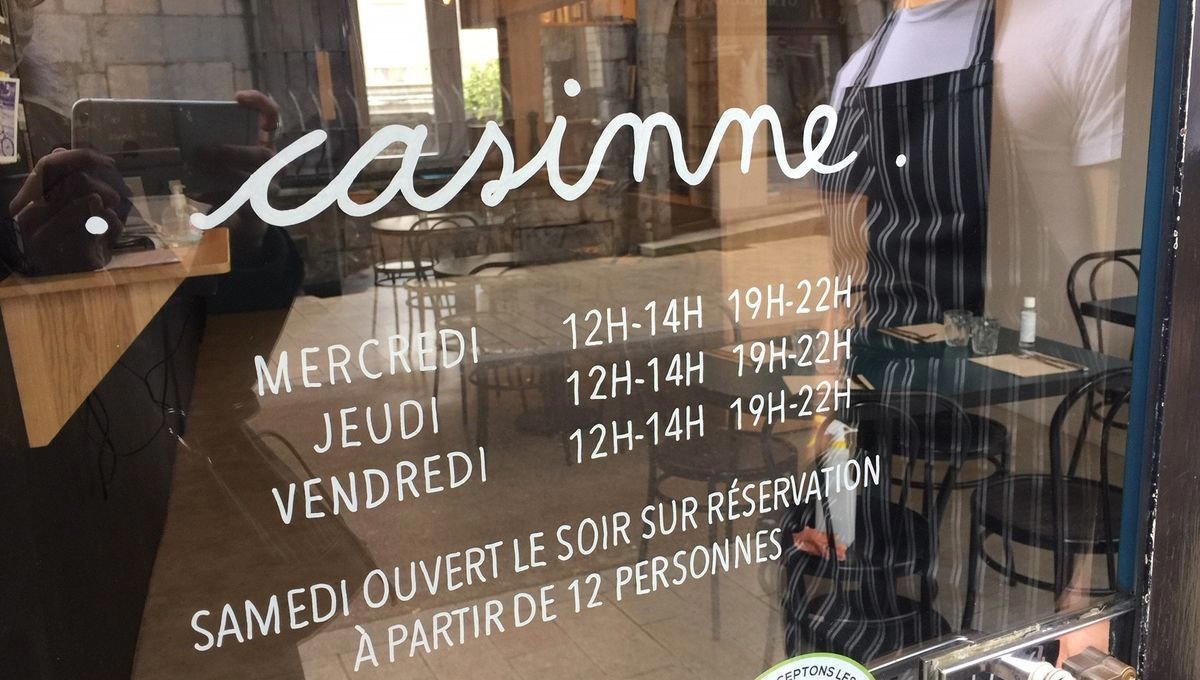
Hotels in Besançon
All hotels in Besançon →

Details
- Elegant
- Classic
- Intimate
- Sophisticated
- Date Night
- Special Occasion
- Historic Building
- Terrace
- Extensive Wine List
- Local Sourcing
- A La Carte
- Prix Fixe
- Vegetarian Friendly
Current opening hours
- Monday
- 7–9:30 PM
- Tuesday
- 7–9:30 PM
- Wednesday
- Closed
- Thursday
- 7–9:30 PM
- Friday
- 7–9:30 PM
- Saturday
- 12–2 PM, 7–9:30 PM
- Sunday
- 12–2 PM, 7–9:30 PM
Hours can change for holidays and private events. Hours as of .
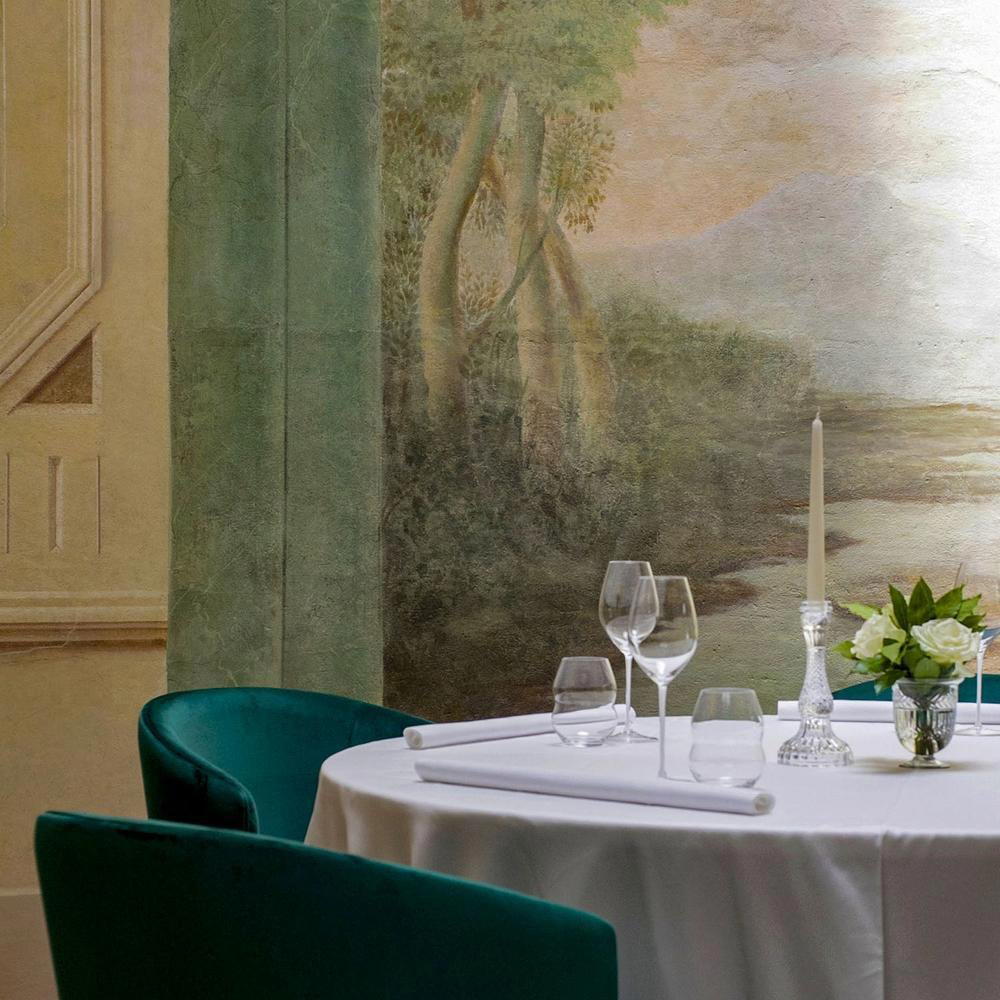
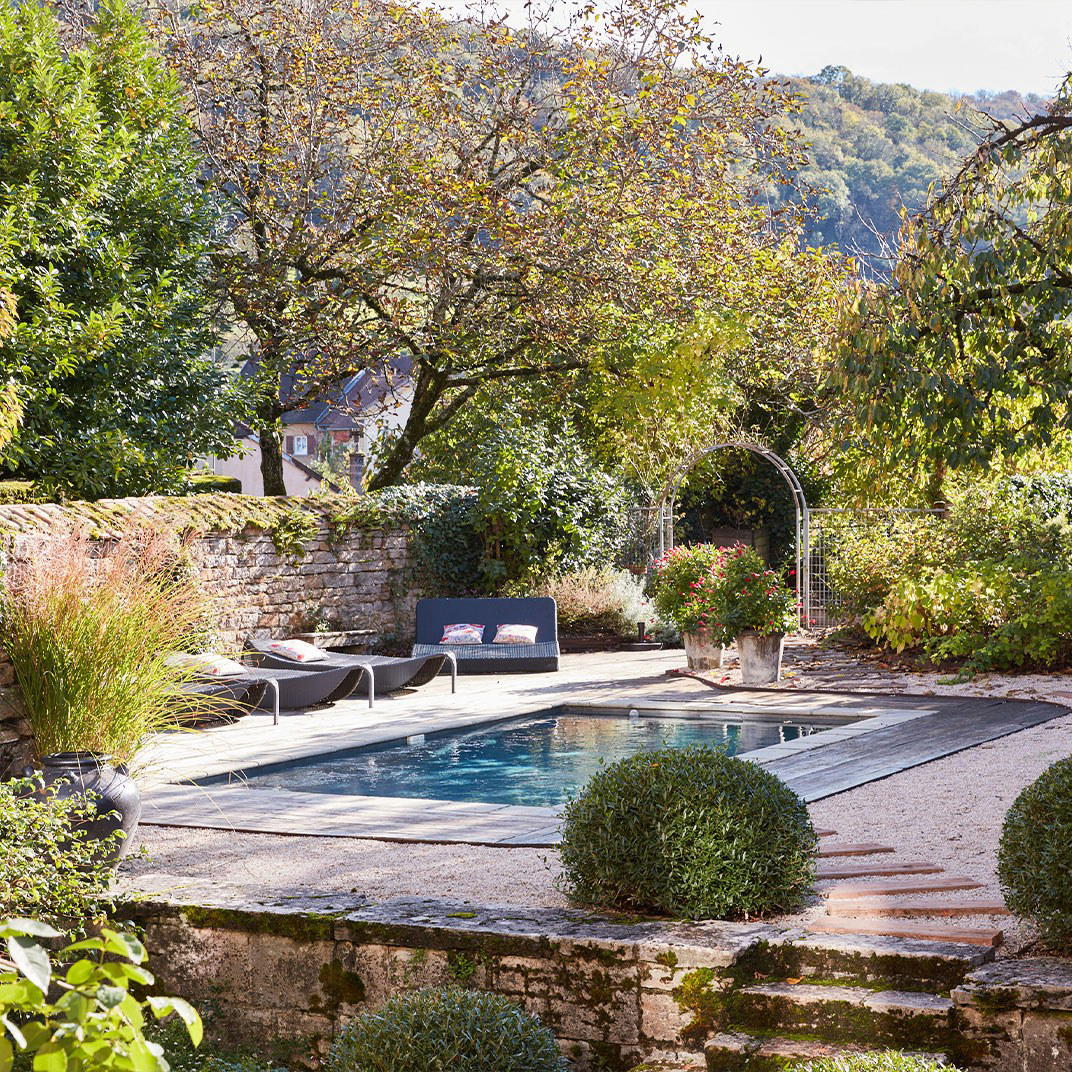
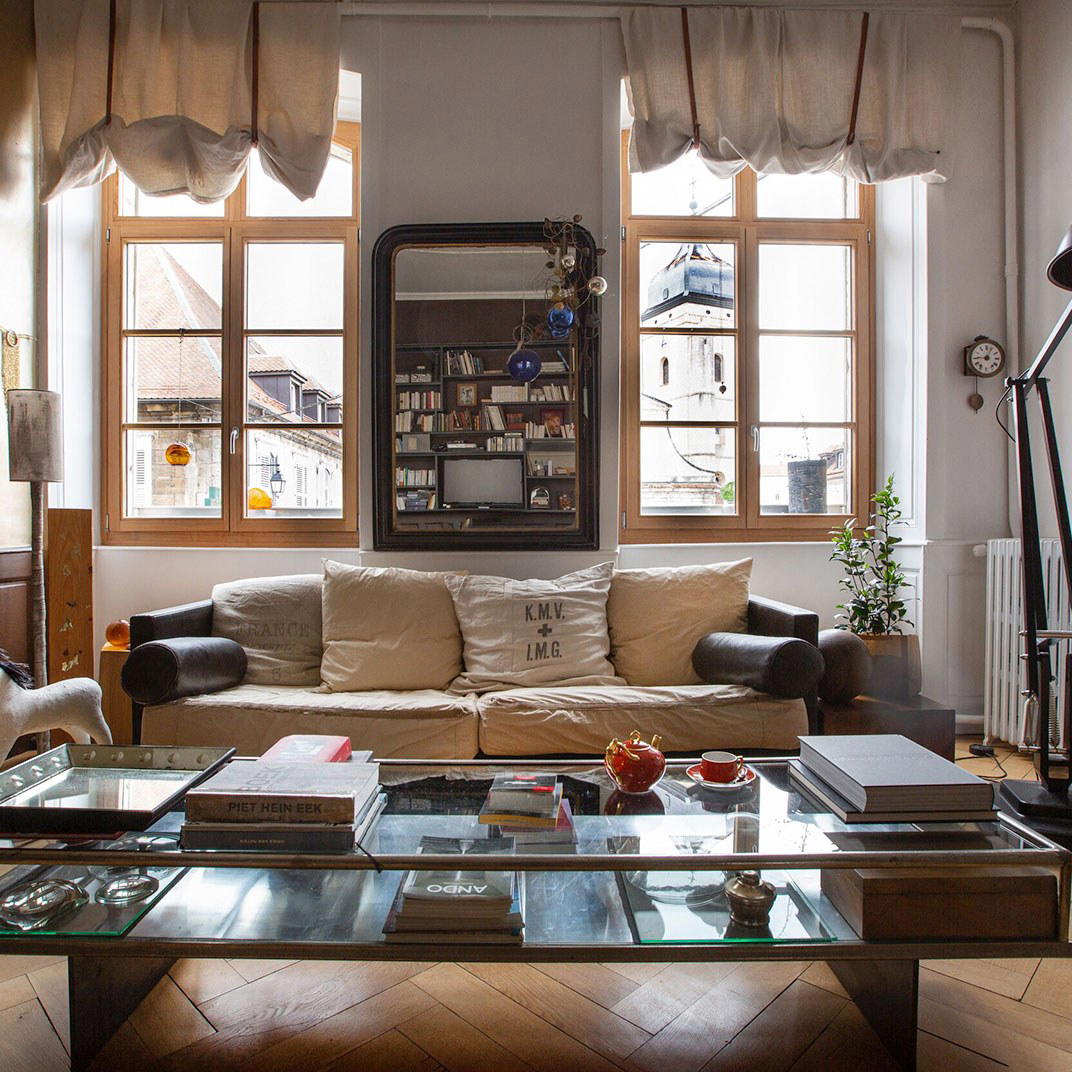
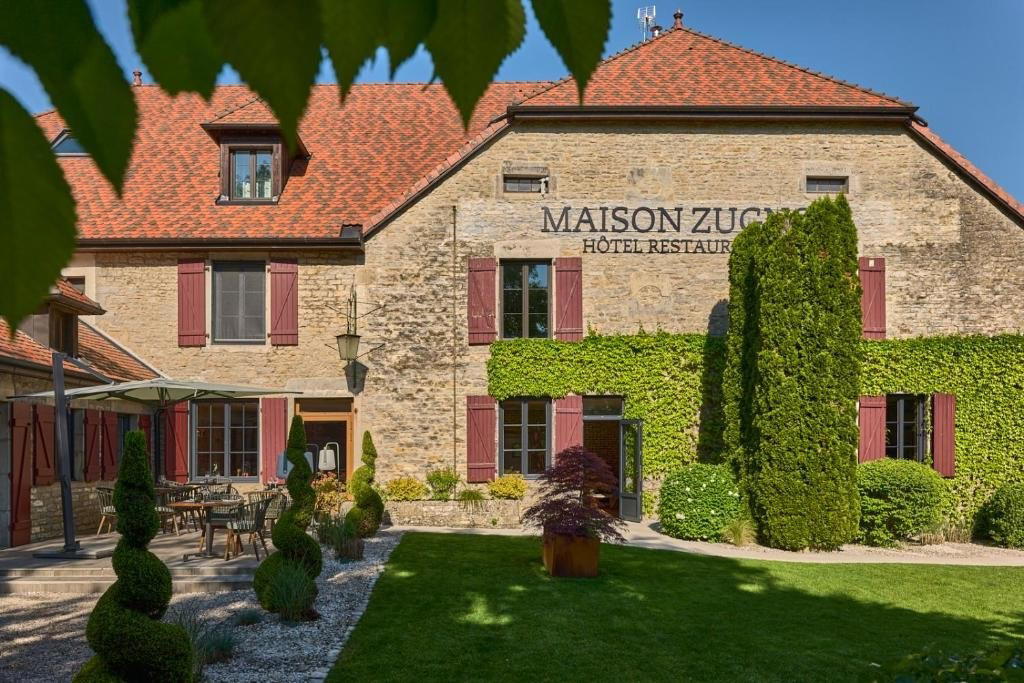
Chic and discreet luxury in a comfortable historic space with beautiful decor, elegant plating, and attentive service creating a refined bistro atmosphere.