Our verdict
A neighbourhood address on Merseburger Strasse in Leipzig's western Altlindenau district, Le Petit Franz operates in a city where mid-range dining has become increasingly serious about provenance and product. The room sits at a remove from the tourist circuit, drawing a local crowd for whom ingredient quality and familiar French-influenced cooking carry more weight than spectacle or ceremony.

Pearl is the En Primeur Club membership app — saves, bookings, and concierge access live there. Same editors, same standards.
- Address
- Merseburger Str. 27, 04177 Leipzig, Germany
- Phone
- +4934149262822
- Hours
- Mon 6 PM–12 AMTue ClosedWed–Sun 6 PM–12 AM
- Website
- lepetitfranz.de
- Directions
- Get directions
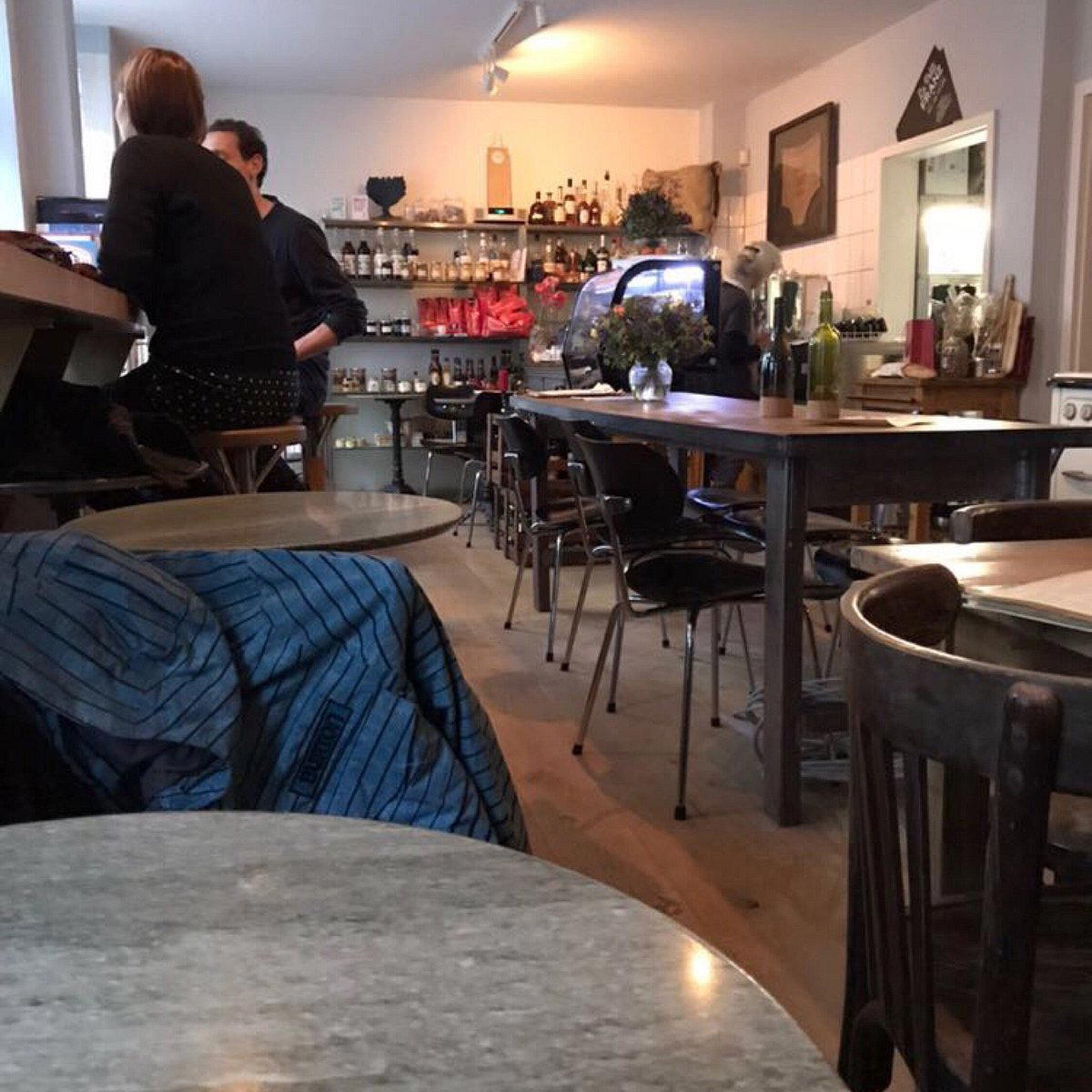
West of the Centre, Where Leipzig Eats Without an Audience
There is a particular category of European neighbourhood restaurant that does not announce itself loudly. Merseburger Strasse, running through Leipzig's Altlindenau quarter west of the Hauptbahnhof, belongs to a part of the city that has absorbed successive waves of residents without ever fully gentrifying into a dining destination. The streets here are wide, the buildings solidly Wilhelmine, and the few restaurants that earn repeat custom do so on the strength of what arrives on the plate rather than on any ambient hype. Le Petit Franz, at number 27 on that street, occupies this position: a local address in a working neighbourhood, operating in a city whose dining scene has quietly accumulated range and ambition over the past decade.
Leipzig's restaurant culture presents a useful counterpoint to Germany's more celebrated food cities. Frankfurt, Munich, and Hamburg have long commanded the bulk of Michelin attention — names like JAN in Munich and Restaurant Haerlin in Hamburg anchor their respective fine-dining scenes with institutional weight. Leipzig operates differently. The city's restaurant identity sits closer to the mid-market, with pockets of genuine seriousness at venues like Stadtpfeiffer, which occupies the creative upper tier, and Kuultivo, representing modern cuisine at the €€€ price point. Le Petit Franz slots below that ceiling — a neighbourhood proposition rather than a destination-dining statement, but operates in a city that now sustains enough informed diners to keep ingredient standards honest.
The Ingredient Question in a Mid-Market Room
Across Germany's smaller cities, the sharper neighbourhood restaurants have increasingly framed themselves around sourcing as a point of difference. This is not a new argument, the farm-to-table vocabulary has circulated through European dining for the better part of two decades, but in Leipzig specifically, where the food scene spent much of the post-reunification period rebuilding a consumer base from scratch, the conversation around provenance has arrived with some genuine conviction. Saxony's agricultural hinterland gives Leipzig kitchens direct access to regional produce in a way that more urbanised city centres do not always enjoy: game from the surrounding forests, freshwater fish from the river systems, vegetables from market gardens within a reasonable radius of the city.
For a restaurant with French inflections in its name and register, the question of where the raw material originates carries particular weight. French-adjacent cooking in Germany occupies an interesting position: it has enough historical legitimacy to operate at multiple price points, from the austere three-star precision of Vendôme in Bergisch Gladbach to relaxed bistro formats that trade on seasonal product and classical technique without the ceremony. The latter register tends to live or die by the quality of what the kitchen buys rather than by elaborate preparation. A well-sourced piece of duck or a properly aged cheese needs considerably less intervention than a mediocre ingredient dressed up with technical complexity.
At the neighbourhood level, this is where Le Petit Franz sits, in a category where the kitchen's purchasing decisions are visible in the finished plate in ways that skill alone cannot conceal. The broader German dining context rewards this honestly: diners who have eaten at Schwarzwaldstube in Baiersbronn or followed the sourcing arguments made by chefs at ES:SENZ in Grassau bring calibrated expectations to smaller rooms as well. The market for credible mid-market cooking in Leipzig is real, and it is not an uncritical one.
The Room and the Rhythm
Altlindenau has the texture of a neighbourhood that functions rather than performs. Approaching Merseburger Strasse 27, the register is residential rather than commercial, a street of daily errands and local allegiances rather than weekend destination traffic. This physical context shapes the kind of dining experience a room like Le Petit Franz can credibly offer. The format is almost certainly modest in scale: the neighbourhood, the address, and the name all signal a compact operation rather than a multi-room event-dining setup. That modesty, if accurate, is a feature rather than a limitation in the current moment. Germany's most interesting smaller restaurants, consider the concentrated format that defines Schanz in Piesport or the tight editorial focus at Aqua in Wolfsburg, tend to succeed precisely because limited scale allows the kitchen to focus purchasing and preparation on a narrow, honest range.
Leipzig's broader offer is wide enough that a visitor can triangulate between formats with reasonable ease. For contrast with French-leaning bistro cooking, Addis Café provides a completely different register, and 997 Sushi Restaurant anchors Japanese formats in the city. Alfa Restaurant represents another mid-market option within the Leipzig scene. For those building a broader German itinerary, the full range of fine-dining reference points, from Victor's Fine Dining by Christian Bau in Perl and Waldhotel Sonnora in Dreis at the top of the German formal-dining tier to the experimental format of CODA Dessert Dining in Berlin, illustrates how much range the national scene now sustains. Within Leipzig itself, the full Leipzig restaurants guide maps the city's current offer across price points and cuisine types.
Planning a Visit
Merseburger Strasse 27 is reachable from central Leipzig by tram, with the western neighbourhoods served by lines running from the Hauptbahnhof along Lützner Strasse and connecting routes. The address sits in a part of the city where parking is generally less constrained than in the centre. Because no current booking contact or hours data is available in verified form, confirming reservation arrangements and service times directly before visiting is the practical approach, neighbourhood restaurants in this part of Leipzig typically operate with limited covers and may adjust schedules seasonally. Pricing and menu details are best confirmed on arrival or through any current online presence the venue maintains.
Frequently asked questions
Is Le Petit Franz okay with children?
Nothing in the venue's profile signals a formal or high-ceremony format that would make children unwelcome. Merseburger Strasse 27 sits in a working residential neighbourhood in Leipzig's west, and restaurants in that register tend to be practically minded rather than exclusionary.
What kind of setting is Le Petit Franz?
Le Petit Franz occupies a residential stretch of Merseburger Strasse in Altlindenau, one of Leipzig's western neighbourhoods that functions rather than performs for visitors. The address and district place it firmly in the category of local room over destination showcase — the kind of spot where the regulars outnumber the tourists. Expect a grounded, neighbourhood-oriented atmosphere rather than a designed interior statement.
Is Le Petit Franz in Leipzig good for a weeknight dinner away from the tourist centre?
Its position on Merseburger Strasse in Altlindenau, well west of Leipzig's central Innenstadt, places it outside the circuits that fill up on tourist traffic. For visitors or locals seeking a dinner without the central-city premium or crowd, the address is a practical choice. Reaching it from the Hauptbahnhof by westbound tram keeps the journey short. Booking ahead is still sensible for a small neighbourhood room.
What should I order at Le Petit Franz?
German neighbourhood restaurants at this address type and district often anchor their offer around seasonal mid-market plates shaped by regional sourcing, though that framing should be confirmed when you visit or check the venue's official channels at Merseburger Str. 27, Leipzig.
Where do I go for Le Petit Franz?
Le Petit Franz is located at Merseburger Str. 27, 04177 Leipzig, Germany, Leipzig.
Side-by-Side Snapshot
Comparable venues nearby, for context on price, style, and recognition.
| Venue | Cuisine | Price | Notes |
|---|---|---|---|
| Le Petit FranzThis venue — the venue you are viewing | French Bistro & Wine Bar | Not listed | Not listed |
| Cinnamoon | Innovative Levante Café | $10–20 | Altlindenau |
| HUWA – 100 Wasser | Modern Fusion International | Not listed | Zentrum |
| Niiko Asia Streetfood | Vegan Sushi Fusion | $20–30 | Zentrum |
| Persisches Restaurant Barena | Authentic Persian Cuisine | Not listed | Zentrum-Nordwest |
| Cafe Madrid | Spanish Tapas | $20–30 | Zentrum |
Continue exploring
More in Leipzig
Restaurants in Leipzig
Browse all →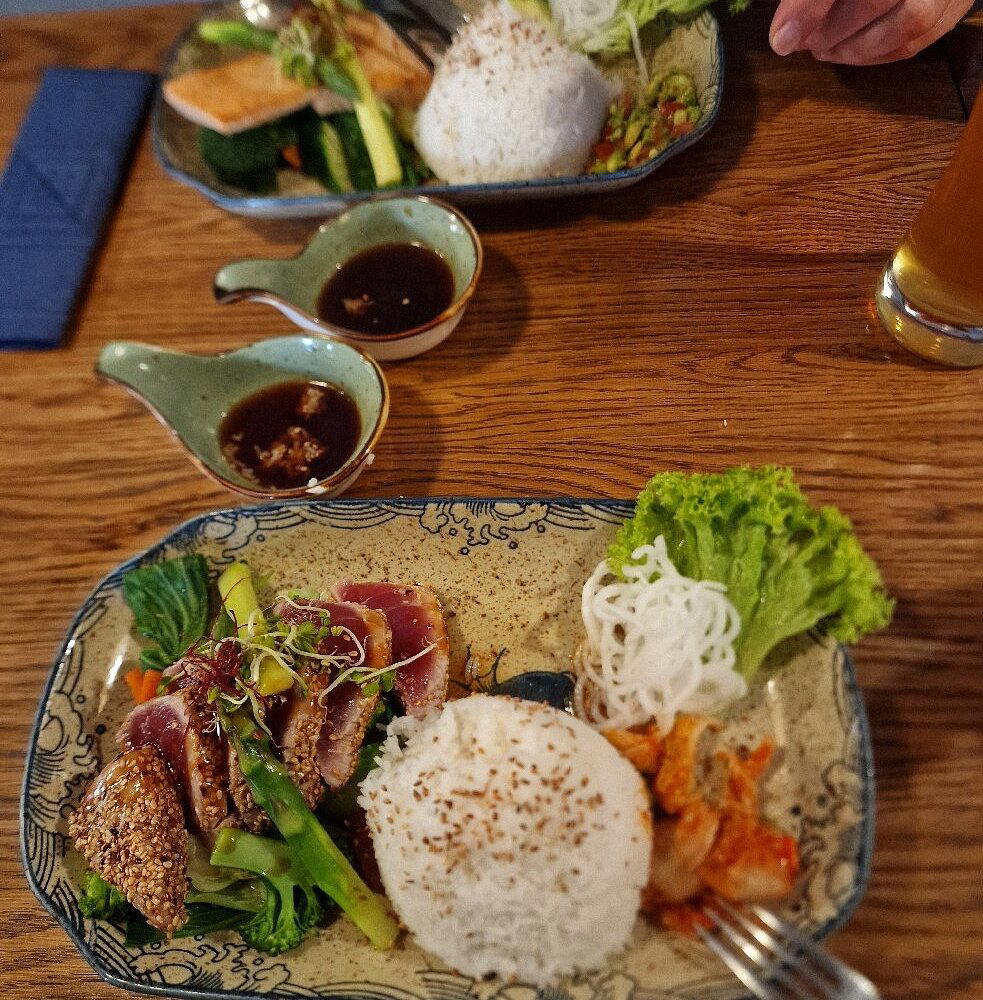
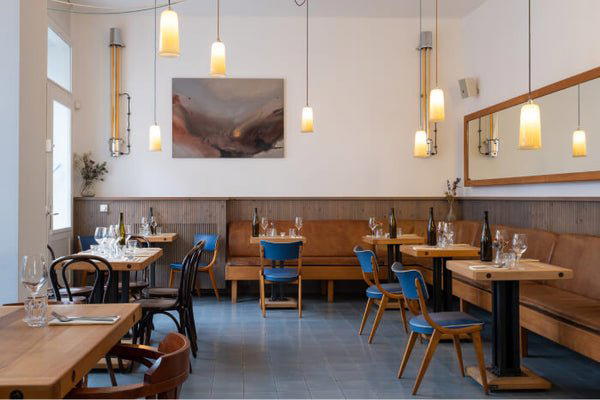
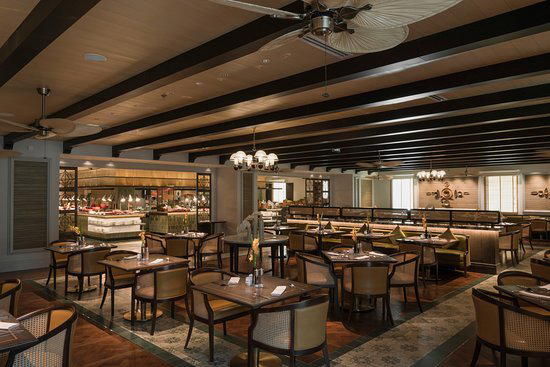
Bars in Leipzig
Browse all →
Hotels in Leipzig
Browse all →

Details
- Cozy
- Elegant
- Intimate
- Date Night
- Casual Hangout
- After Work
- Wine Cellar
- Extensive Wine List
- A La Carte
- French Wines
- Vegetarian Friendly
Current opening hours
- Monday
- 6 PM–12 AM
- Tuesday
- Closed
- Wednesday
- 6 PM–12 AM
- Thursday
- 6 PM–12 AM
- Friday
- 6 PM–12 AM
- Saturday
- 6 PM–12 AM
- Sunday
- 6 PM–12 AM
Hours can change for holidays and private events. Last verified .
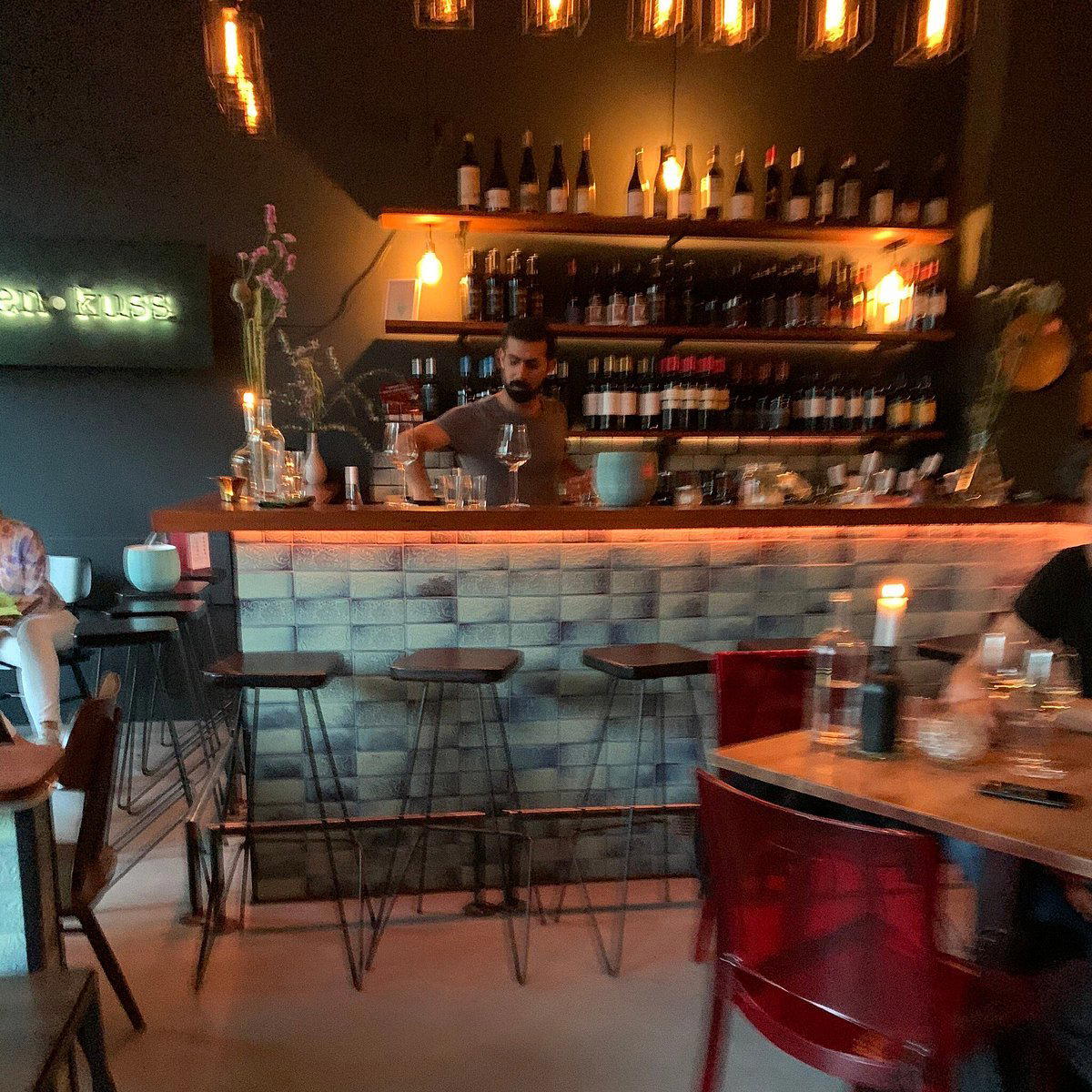
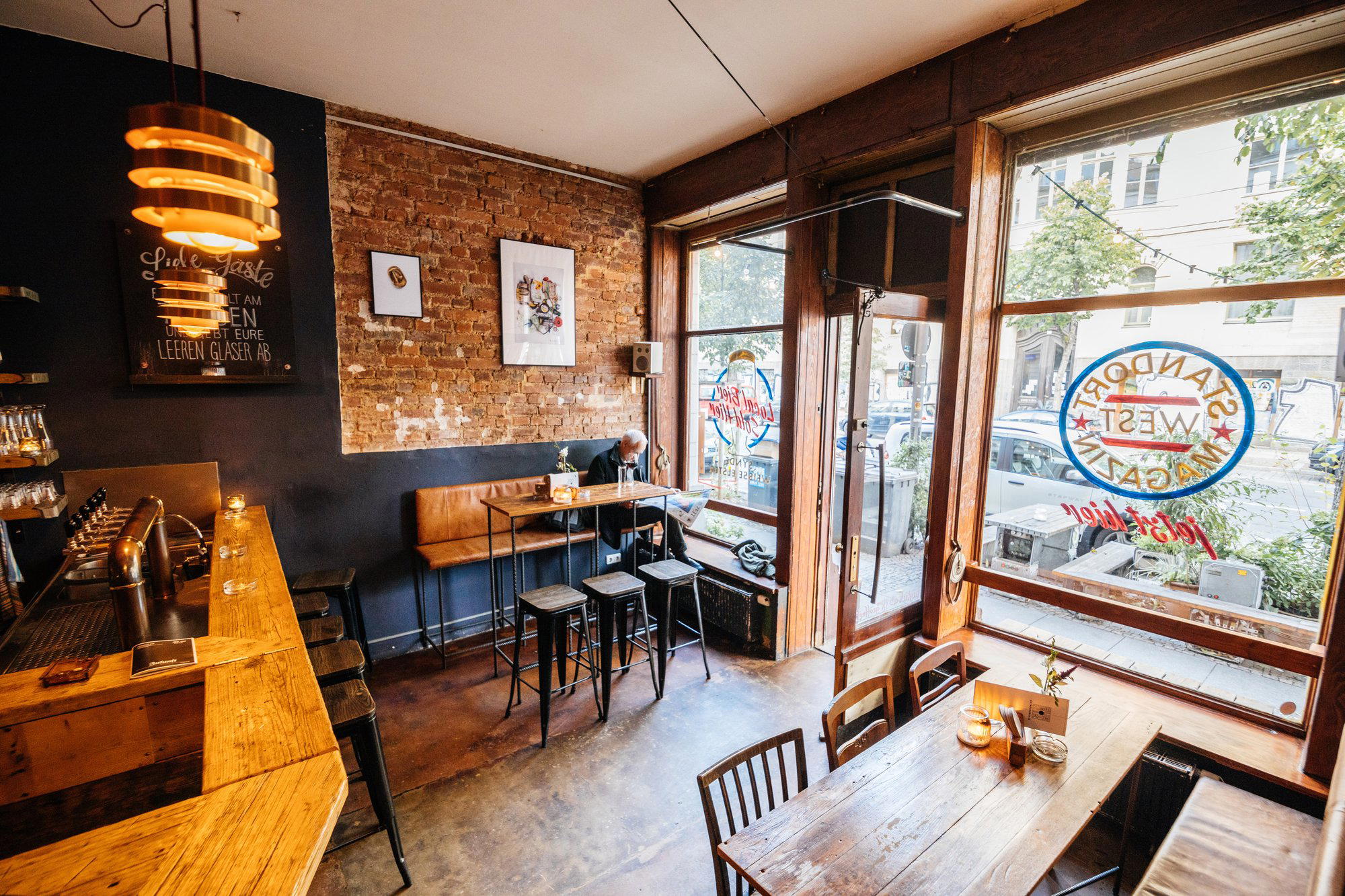
Warm, inviting, and stylishly cozy with a relaxed French bistro feel.