On the Boulevard de Port-Royal in the 5th arrondissement, Le Languedoc occupies a stretch of Paris where academic life and neighbourhood permanence coexist. The address puts it in the company of long-running Left Bank institutions rather than trend-driven openings, making it a reference point for those who return to a restaurant not for novelty but for reliability. For regulars, that distinction matters considerably.
Pearl is the En Primeur Club membership app — saves, bookings, and concierge access live there. Same editors, same standards.
- Address
- 64 Bd de Port-Royal, 75005 Paris, France
- Phone
- +33147072447
- Directions
- Get directions
 Saves & bookings on Pearl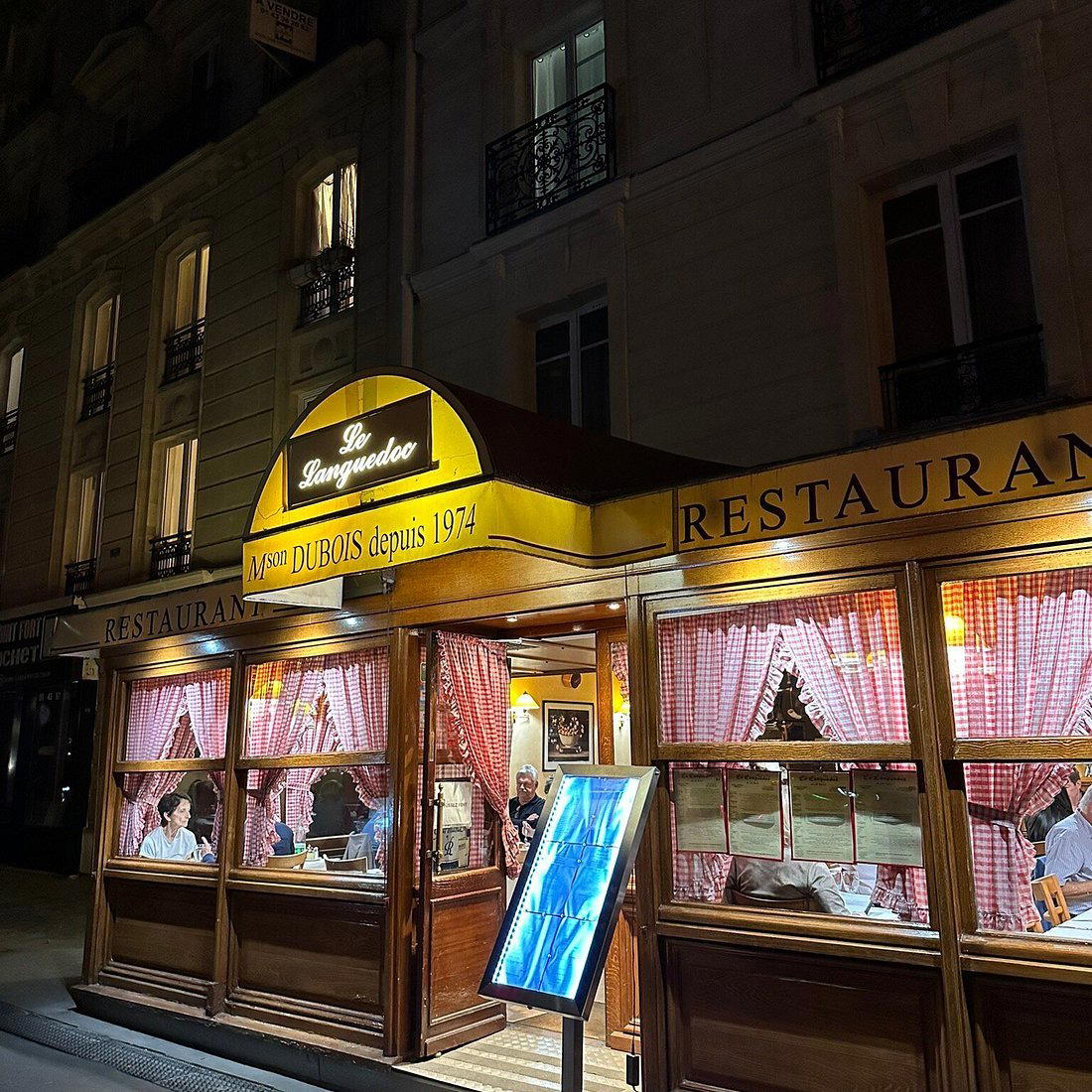
The Boulevard de Port-Royal and What It Asks of a Restaurant
The 5th arrondissement's Boulevard de Port-Royal is not a dining destination in the way that the Marais or Saint-Germain attract first-time visitors with a list. It is a working boulevard, lined with hospital buildings, research institutions, and the quiet residential fabric of a quartier that has resisted the aggressive gentrification of other Left Bank addresses. A restaurant that survives here does so on the strength of its regulars, not on the traffic of tourists moving between monuments. Le Languedoc, at number 64, belongs to that category of Parisian establishment whose continued presence is itself a form of editorial statement about what the neighbourhood values.
Paris has a long tradition of regional restaurants that carry a southern French identity into the capital without performing it. The Languedoc region, stretching from the Rhône delta to the foothills of the Pyrenees, produces a cuisine grounded in olive oil rather than butter, in garlic, tomato, and the herbs of the garrigue, and in wine traditions that predate Bordeaux's international reputation. A restaurant bearing that name in the 5th sits in a lineage of places that have served Parisian professionals a corrective to the cream-heavy canon of classical French cooking.
What Keeps the Regulars Returning
In Paris, the measure of a neighbourhood restaurant is its consistency and the loyalty of its regulars. It is the table that books the same slot every second Thursday, the couple who arrive without a reservation because they know how the room fills, and the solo diner at the zinc who orders without consulting the menu. Le Languedoc's address on the Port-Royal boulevard places it squarely in that category of restaurant where this kind of loyalty is the operating model.
The regulars' perspective on a place like this is rarely about a single dish or a particular vintage. It is about consistency across seasons, about the room feeling the same in February as it does in October, and about the implicit contract that the kitchen will not overreach in pursuit of press attention. Southern French cooking, when executed with discipline rather than ambition, rewards that contract: cassoulet variants, fish preparations from the Mediterranean tradition, and the kind of wine list that draws from Languedoc-Roussillon appellations rather than defaulting to Burgundy or Bordeaux as the only serious choices.
That regional wine focus matters to a specific type of Paris diner: one who has moved past the prestige appellations and wants something from Pic Saint-Loup, Faugères, or the Corbières that shows what the south does when it is not trying to impress anyone. A restaurant on Boulevard de Port-Royal that maintains a serious Languedoc wine list is serving a clientele that knows the difference, and that shared knowledge is part of what regulars return for.
Placing Le Languedoc in the Paris Dining Spectrum
Paris dining splits between upper-tier Michelin rooms and the neighbourhood bistro tier. At the upper end, addresses like Alléno Paris au Pavillon Ledoyen, Arpège, Kei, L'Ambroisie, and Le Cinq at the Four Seasons George V operate at a different price point and formality level. The restaurant occupies different territory: the kind of room where frequency of visit is the point, not rarity.
Across France, the regional restaurant tradition that restaurant represents connects to a broader pattern of cooking that values place over technique. Bras in Laguiole built its reputation on the Aubrac plateau's produce and philosophy. Auberge du Vieux Puits in Fontjoncouse operates from the Corbières, a few kilometres from the Languedoc's heartland. Auberge de l'Ill in Illhaeusern and Troisgros in Ouches represent the Alsatian and Burgundian strands of that same regional anchoring. In Paris, where the regional tradition must survive transplantation, restaurants like Le Languedoc perform a different function: they allow the city's southern diaspora and its Francophile visitors to access a cuisine without travelling to it.
Further afield, the same conversation about regionality and ambition plays out at Mirazur in Menton, AM par Alexandre Mazzia in Marseille, Flocons de Sel in Megève, and Assiette Champenoise in Reims. Each represents a regional identity expressed at Michelin level. The restaurant in Paris represents something different: the same regional identity expressed at neighbourhood level, for an audience that visits on a Tuesday rather than a special occasion.
For those comparing across borders, the tradition of carrying a regional identity into a capital city's dining scene has parallels at Le Bernardin in New York City, which transplanted a Breton seafood ethos to Manhattan, and at Atomix in New York City, which operates with a different kind of regional precision. The mechanics of loyal clientele, repeat booking, and menu trust operate similarly across those contexts.
The broader canon of long-established French regional cooking also includes Paul Bocuse at L'Auberge du Pont de Collonges and Au Crocodile in Strasbourg, both of which demonstrate how deeply rooted regional identity can sustain a restaurant across decades.
Planning a Visit: Practical Context
| Consideration | The restaurant (Port-Royal, 5th) | Peer Reference: L'Ambroisie (4th) | Peer Reference: Kei (1st) |
|---|---|---|---|
| Price tier | €€ | €€€€ | €€€€ |
| Booking approach | Reservation recommended | Advance reservation required | Advance reservation required |
| Neighbourhood character | Academic, residential, low tourist density | Place des Vosges, tourist-adjacent | Palais-Royal, central |
| Regional identity | Southern French (Languedoc) | Classic French, no regional anchor | Japanese-French fusion |
Visitors planning a meal at the restaurant should note that reservations are recommended.
Budget and Context
Comparable venues nearby, for context on price, style, and recognition.
| Venue | Cuisine | Price | Notes |
|---|---|---|---|
| Le LanguedocThis venue — the venue you are viewing | Not listed | $$ | Not listed |
| La Petite Périgourdine | Not listed | $$ | 5th Arrondissement, South-West French Bistro |
| Les Gros Tontons de Paname | Not listed | $$ | 3ème arrondissement (Marais), Classic French Bistro |
| Brasserie Martin | Not listed | $$ | 11th arrondissement, Traditional French Brasserie with Rotisserie |
| Café Cassette | Not listed | $$ | 6e arrondissement, Cozy French Brasserie & Bistro |
| Grizzli Cafe | Saint-Merri, Traditional French Bistro | $$ | Not listed |
Continue exploring
More in Paris
Restaurants in Paris
Browse all →
Bars in Paris
Browse all →
Hotels in Paris
Browse all →
Wineries in Paris
Browse all →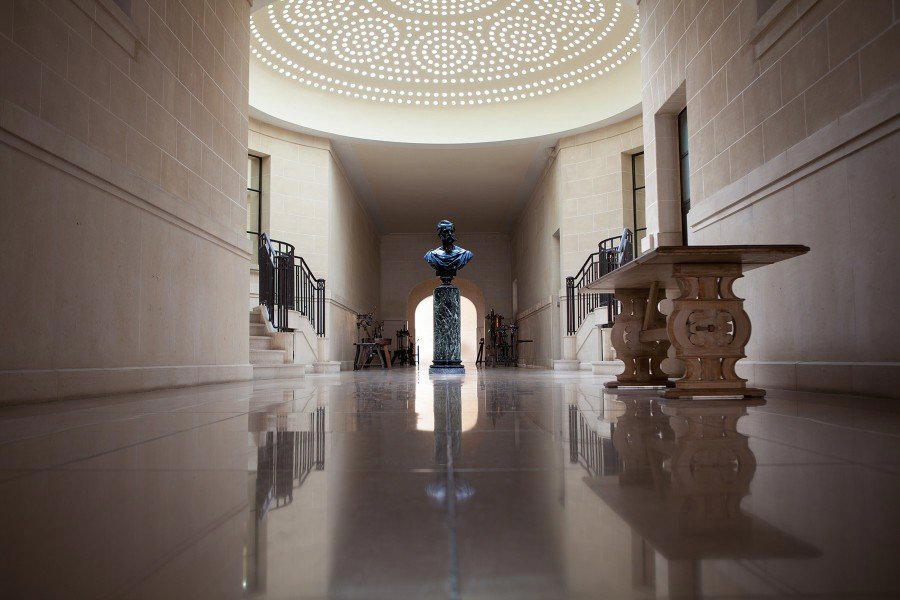
At a Glance
- Classic
- Cozy
- Casual Hangout
- Date Night
- Standalone
- Extensive Wine List
Current opening hours
- Monday
- 12–2 PM, 7–10 PM
- Tuesday
- Closed
- Wednesday
- Closed
- Thursday
- 12–2 PM, 7–10 PM
- Friday
- 12–2 PM, 7–10 PM
- Saturday
- 12–2 PM, 7–10 PM
- Sunday
- 12–2 PM, 7–10 PM
Hours can change for holidays and private events. Last verified .
Pleasant and calm interior with cozy ambiance.