Our verdict
On Rue de Rennes in the 6th arrondissement, Café Cassette occupies the kind of address that rewards those who know Saint-Germain-des-Prés beyond its flagship brasseries. Where the area's €€€€ dining rooms, from Arpège to L'Ambroisie, demand occasion dressing and advance planning, Café Cassette operates on a different register: accessible, neighbourhood-focused, and attuned to the rhythms of a working Parisian street.

Pearl is the En Primeur Club membership app, where members save venues, book tables and use the concierge.

The menu
What to order
- Escargot
- Truffle Risotto
- Eggs Benedict with Avocado
Saint-Germain at Street Level
Rue de Rennes moves at a different pace from the quieter side streets feeding into Boulevard Saint-Germain. It is a working thoroughfare, wide, commercially active, and used by Parisians rather than performed for them. Café Cassette sits at number 73, on a stretch where the 6th arrondissement sheds its museum-piece quality and functions as a real neighbourhood. That address matters. In a district increasingly defined by its grand dining rooms and heritage brasseries, a café operating at street level, for street-level purposes, occupies a distinct position in the local food ecology.
The 6th has always maintained this split. On one side, the formal dining tradition represented by houses like Arpège on the nearby Rue de Varenne or L'Ambroisie on the Place des Vosges, multi-course, reservation-dependent, occasion-driven. On the other, the café tradition that has always been the connective tissue of Parisian daily life: counter service, reliable plats du jour, a glass of something cold without ceremony. Café Cassette belongs to the latter category, and in a city where that category is under real pressure from rising rents and shifting foot traffic, its presence on Rue de Rennes is worth reading carefully.
The Lunch-to-Evening Shift
Parisian cafés live and die by their lunchtime identity. The midday service is where the local clientele sorts itself out, who comes in alone with a newspaper, who meets colleagues, who orders quickly and leaves, who lingers. By early evening, the same room often takes on different weight: slower service, longer stays, more deliberate choices. This rhythm is not unique to Café Cassette; it is the structural reality of the French café format, and it explains why so many visitors misread these spaces by arriving at the wrong hour.
At the lunch tier, the proposition is typically value-forward: a formule built around a main course with an entrée or dessert, priced to compete with the sandwich counters and boulangeries on the same street. The daytime crowd on Rue de Rennes skews local and purposeful, people with somewhere to be after the meal. The evening shift changes the calculation. Tables turn more slowly, and the expectation shifts toward something closer to a proper dining experience, even if the room and the menu remain modest in scope. For visitors to Paris, understanding this divide is more useful than any specific recommendation: come at lunch if you want to sit among Parisians doing what Parisians actually do; come in the evening if you want the slightly more relaxed, slightly more conversational version of the same room.
This dynamic places Café Cassette in a competitive position that has nothing to do with the city's starred circuit. Restaurants like Le Cinq at the Four Seasons George V or Kei operate in an entirely different economy of time, money, and intention. The café format does not compete with those rooms, it runs parallel to them, serving the same city's appetite for a reliable, unremarkable-in-the-best-sense midday meal.
The 6th Arrondissement Context
Saint-Germain-des-Prés has a complicated relationship with authenticity. It is simultaneously one of the most historically significant literary and intellectual neighbourhoods in Europe and one of the most aggressively touristed. The cafés that defined the postwar period, Les Deux Magots, Café de Flore, now function partly as heritage sites, their terrasse prices reflecting their reputation as much as their coffee. Smaller, less-freighted venues on the surrounding streets operate with more freedom precisely because they carry less symbolic weight.
Rue de Rennes itself connects the 6th to Montparnasse, cutting through a stretch of the arrondissement that is more commercial than the Place Saint-Sulpice end. The result is a mixed clientele: students from the nearby schools, workers from the surrounding offices, and visitors who have wandered slightly off the main tourist circuit. For those exploring the city's dining culture beyond the flagship addresses, beyond Alléno Paris au Pavillon Ledoyen and the multi-Michelin rooms that France's regional gastronomy exports to the capital, this part of the 6th offers a more grounded reading of how the city actually eats on an ordinary Tuesday.
France's great restaurant tradition, from Troisgros in Ouches to Mirazur in Menton to the long legacy of Paul Bocuse in Collonges-au-Mont-d'Or, has always coexisted with the quotidian café and bistro culture that feeds the country daily. Houses like Bras in Laguiole, Auberge de l'Ill in Illhaeusern, and Les Prés d'Eugénie in Eugénie-les-Bains represent one pole of French dining ambition. The neighbourhood café represents the other, and the distance between those poles is what makes the French food culture legible. See our full Paris restaurants guide for a mapped view across both registers.
Planning Your Visit
Address: 73 Rue de Rennes, 75006 Paris, served by the Saint-Placide or Rennes métro stops on Line 12. Timing: Lunchtime service (roughly 12:00–14:30 in the French café model) offers the most local atmosphere; early evening arrivals typically find a slower, more relaxed pace. Budget: No confirmed pricing is available; expect the café-tier range standard for the 6th arrondissement. Dress: No dress code applies at this format level.
Frequently asked questions
What do people recommend at Café Cassette?
At café-format venues on Rue de Rennes, the standard recommendation is to follow the plat du jour at lunch, these are typically the best-value and freshest options on any given day.
Is Café Cassette reservation-only?
No booking data is confirmed for Café Cassette. Café-format venues in Paris's 6th arrondissement typically operate on a walk-in basis for most services, though peak midday on weekdays can see limited availability. We recommend calling ahead if you are visiting with a group or during high-season periods in the city.
What is the standout thing about Café Cassette?
Its address and format together define its appeal. Sitting on Rue de Rennes in the 6th, it operates at the neighbourhood-café register in a district better known for its formal dining rooms and heritage brasseries. That positioning, accessible, local, daytime-anchored, is precisely what distinguishes it from the starred circuit that draws visitors to this part of Paris. For the broader creative and fine dining scene, venues like Alléno Paris and Kei represent a different ambition entirely.
Can Café Cassette accommodate dietary restrictions?
The standard approach for café-format venues in Paris is to call ahead if you have specific requirements, kitchen flexibility varies significantly at this tier. Paris as a city has become more responsive to dietary needs over the past decade, but individual venues differ.
Is eating at Café Cassette worth the cost?
Without confirmed pricing, a direct cost-value assessment is not possible. At the café tier in the 6th arrondissement, the value case is typically made at lunch through the formule format: a two-course set at a fixed price that competes directly with the sandwich and boulangerie options on the same street. If that model applies here, the lunch service is likely the higher-value entry point compared with à la carte evening dining.
How does Café Cassette compare to other café options in the Saint-Germain area?
Saint-Germain's café scene divides between heritage addresses with significant tourist premiums, Café de Flore and Les Deux Magots being the clearest examples, and smaller neighbourhood venues on surrounding streets where prices are lower and the clientele more local. Café Cassette's Rue de Rennes address places it in the latter group, which tends to offer a more grounded experience of how the 6th actually functions as a working neighbourhood rather than a postcard. For travellers who have already covered the city's grand dining rooms, including destinations like Flocons de Sel in Megève or Georges Blanc in Vonnas on regional trips, this is the complementary, lower-register Paris experience worth building into an itinerary.
A Minimal comparable set
Comparable venues nearby, for context on price, style, and recognition.
| Venue | Cuisine | Price | Notes |
|---|---|---|---|
| Café CassetteThis venue (the venue you are viewing) | Cozy French Brasserie & Bistro | Not listed | Not listed |
| Dupin | Modern French Bistro | $30–50 | Notre-Dame-des-Champs, Modern French Bistro |
| Chez Gladines Saint Germain | Basque Bistro | $20–30 | Quartier Latin, Basque Bistro |
| Au Bourguignon du Marais | Traditional Burgundian French Bistro | $30–50 | Le Marais, Traditional Burgundian French Bistro |
| Chez Mademoiselle | Traditional French Bistro | $20–30 | Saint-Gervais, Traditional French Bistro |
| La Gauloise | Traditional French Brasserie | $30–50 | 15th arrondissement, Traditional French Brasserie |
Continue exploring
More in Paris
Restaurants in Paris
All restaurants in Paris →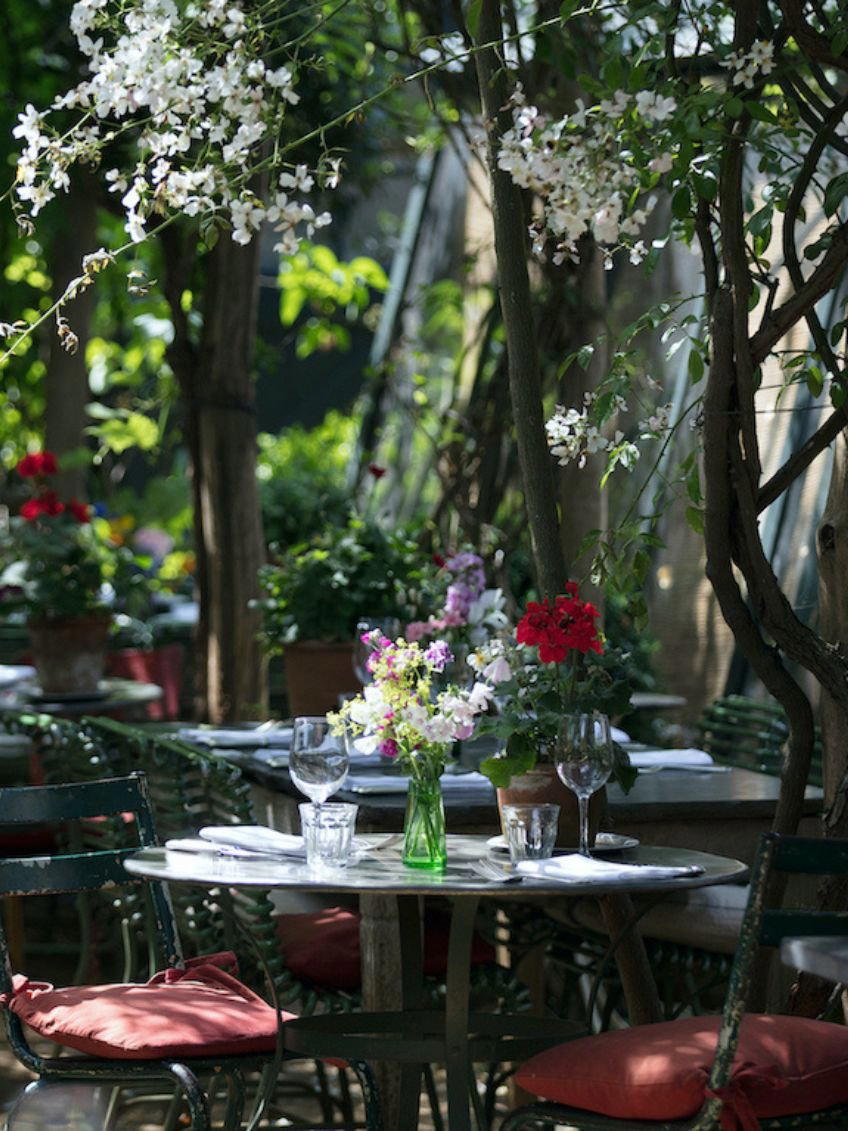
Bars in Paris
All bars in Paris →

Details
- Cozy
- Trendy
- Lively
- Brunch
- Casual Hangout
- Late Night
- Live Music
- Terrace
- Open Kitchen
- Extensive Wine List
- Craft Cocktails
- Local Sourcing
- A La Carte
- Vegetarian Friendly
- Vegan Options
Current opening hours
- Monday
- 7 AM–12 AM
- Tuesday
- 7 AM–1 AM
- Wednesday
- 7 AM–1 AM
- Thursday
- 7 AM–1 AM
- Friday
- 7 AM–1 AM
- Saturday
- 7 AM–1 AM
- Sunday
- 7 AM–12 AM
Hours can change for holidays and private events. Hours as of .
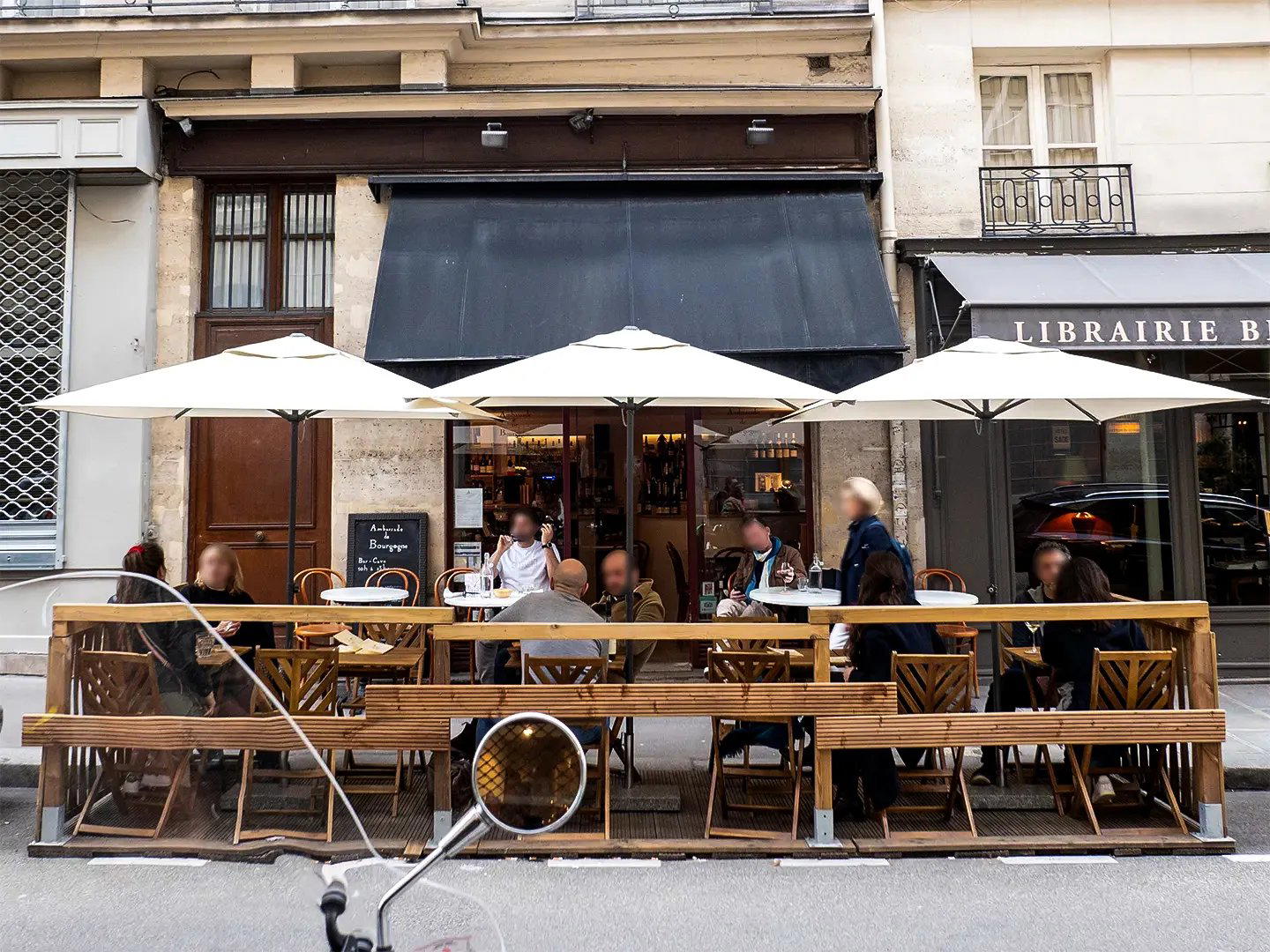
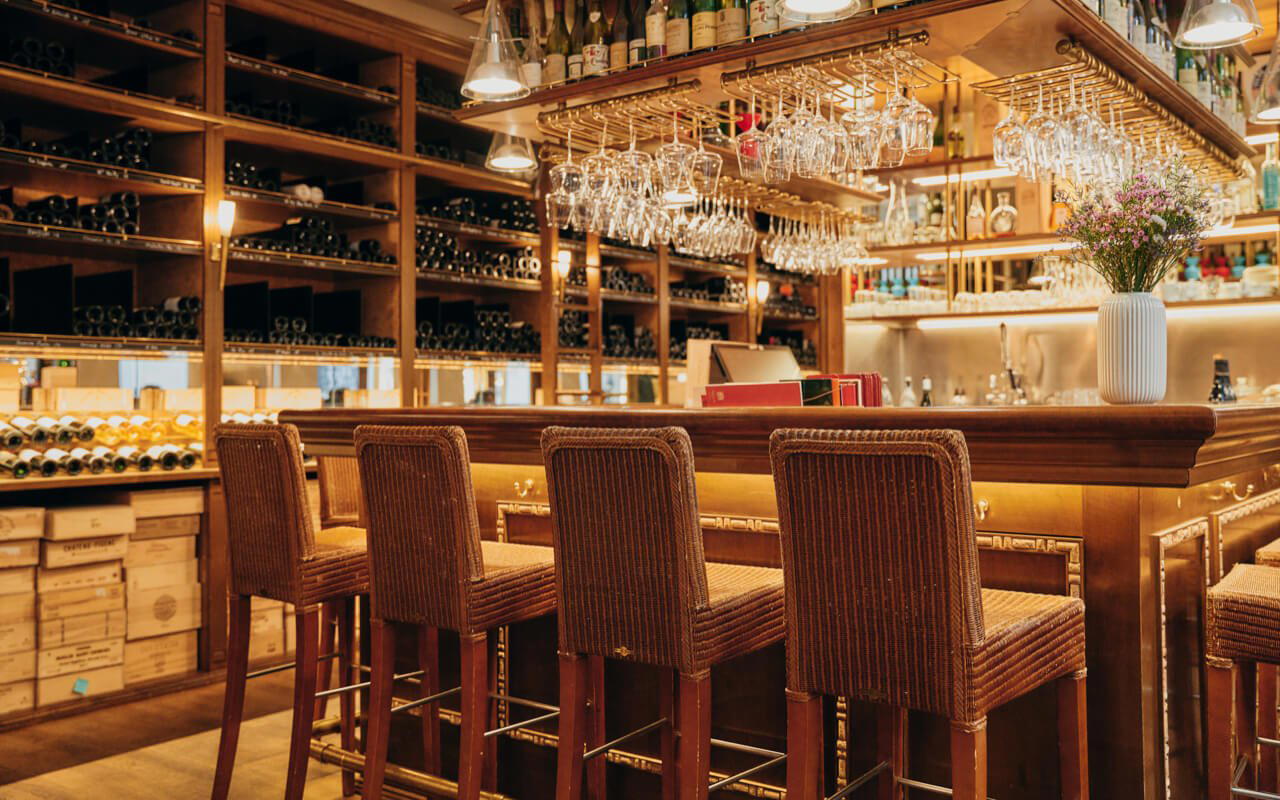
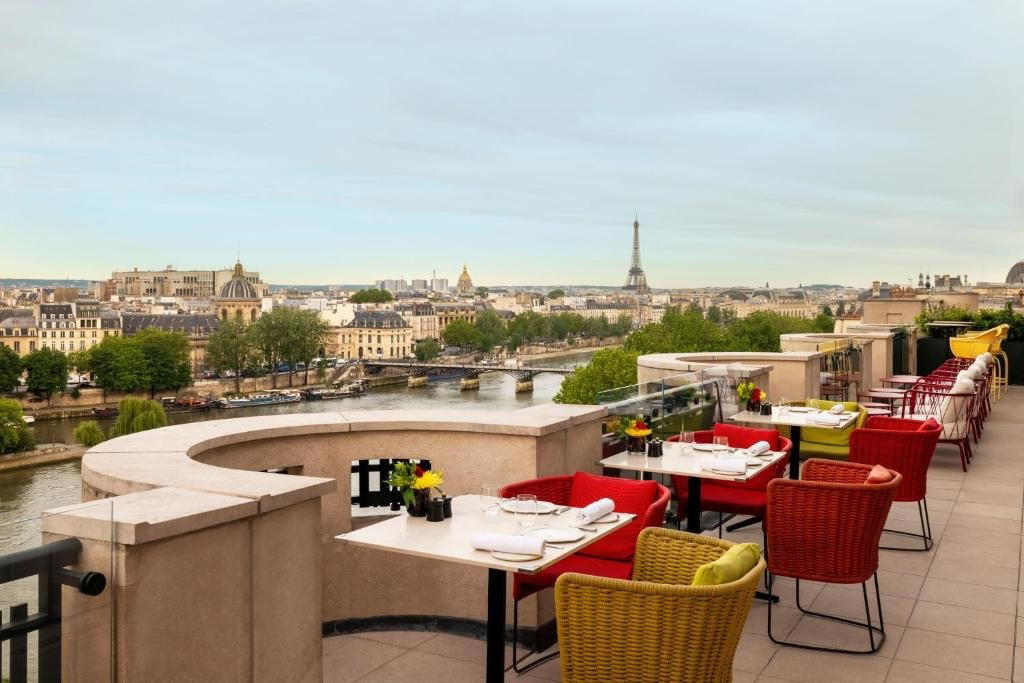
Warm and inviting with floral decorations, bright colors, and a convivial atmosphere mixing contemporary and traditional styles.