Le Jardin des Saveurs
Our verdict
In a town better known for its 16th-century bridge than its restaurants, Le Jardin des Saveurs occupies a position on the Boulevard de la Gare that rewards those who look past Landerneau's modest culinary profile. The kitchen draws on the agricultural depth of Finistère, placing it within a broader Breton tradition that ties dining directly to the land and sea surrounding it.

Pearl is the En Primeur Club membership app — saves, bookings, and concierge access live there. Same editors, same standards.
- Address
- 10 Bd de la Gare, 29800 Landerneau, France
- Phone
- +33257525580
- Hours
- Mon ClosedTue–Sat 12–2 PM, 7–10 PMSun 12–2 PM
- Directions
- Get directions
- Booking
- Book on TheFork
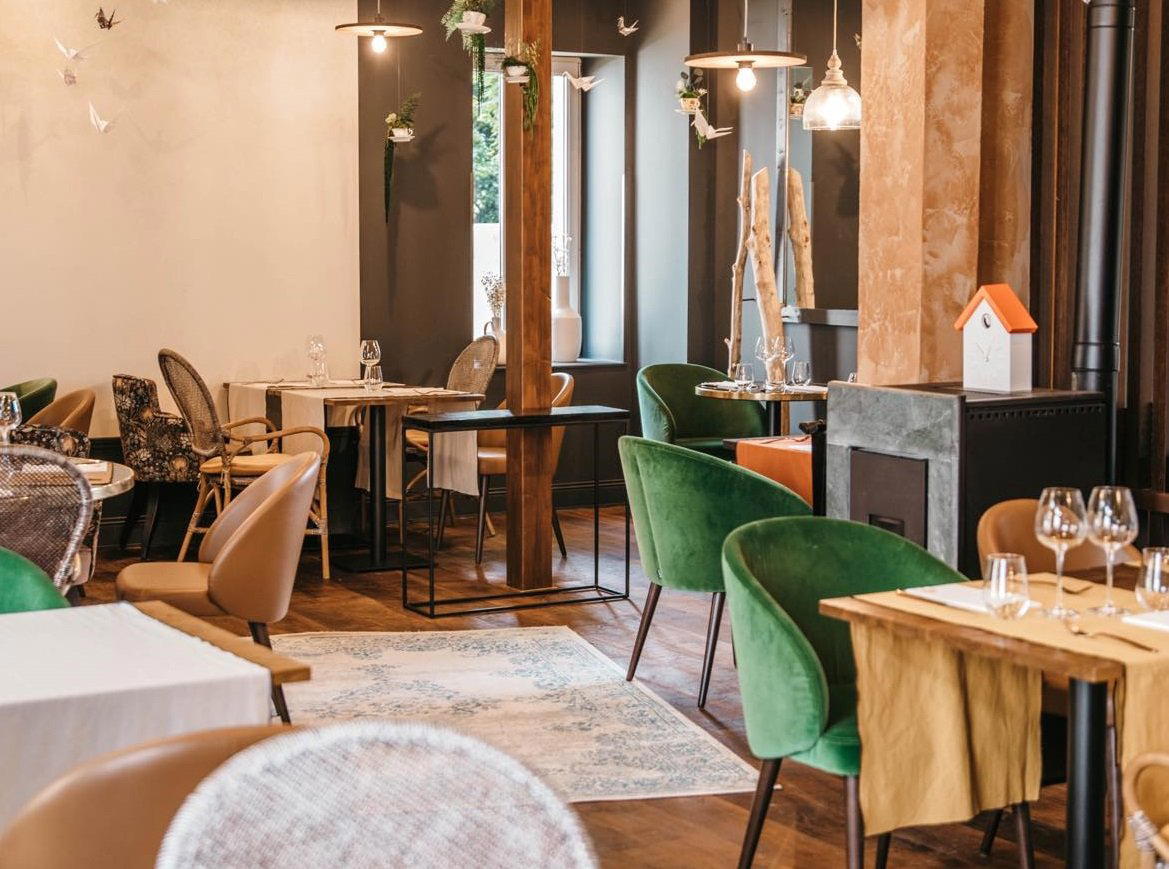
Finistère on the Plate: What Landerneau's Dining Scene Tells You
Brittany's westernmost department, Finistère, has one of France's most coherent food geographies. The Atlantic coastline delivers crab, langoustines, and oysters. Inland, the bocage terrain supports dairy herds and market gardens that have supplied regional tables for generations. Yet outside Brest and the well-worn tourist corridor of the Crozon peninsula, few towns along the Elorn river have attracted serious kitchen attention. Landerneau sits on that river, roughly equidistant between Brest and Morlaix, and its restaurant scene reflects the town's character: understated, local in orientation, and largely uninterested in the validation frameworks that drive dining in larger French cities.
Le Jardin des Saveurs, at 10 Boulevard de la Gare, sits within this context. The boulevard runs close to the old railway axis, a part of town that carries the functional density of provincial French life rather than the self-conscious charm of a restored historic quarter. Approaching the address, you read the city before you read the restaurant: a working Breton town where the ingredients moving through professional kitchens are the same ones appearing in weekly markets, and where the supply chain between producer and plate is short by necessity as much as philosophy.
Why Ingredient Sourcing Defines Breton Restaurant Identity
Across Brittany, the most coherent restaurants share a single structural advantage: proximity to exceptional raw material. The region produces roughly a third of France's vegetables, holds a dominant position in the country's shellfish output, and maintains strong artisan cheesemaking and charcuterie traditions, particularly around Finistère and Côtes-d'Armor. For a kitchen operating in this environment, the sourcing question is less about access and more about selection and honesty — which producers to commit to, and whether the cooking respects what those producers hand over.
This is what separates provincial Breton dining from the abstracted farm-to-table rhetoric that circulates in larger European cities. In Landerneau, the distance from farm to restaurant can be measured in minutes. That proximity creates a different kind of accountability: a kitchen cannot obscure indifferent sourcing with technique when the reference point — the crab caught off Camaret-sur-Mer, the artichoke from Saint-Pabu, is known and tasted locally. It is a dynamic that shapes the culinary register of restaurants throughout the region, from the rural western tip to the more trafficked coastal towns.
France's most discussed restaurants operate on different terrain. Mirazur in Menton, Alléno Paris au Pavillon Ledoyen in Paris, and Flocons de Sel in Megève operate at price tiers and with supply networks that are categorically different from a mid-size Breton town restaurant. The comparison that matters here is not vertical, Landerneau versus three-star France, but horizontal: what does a serious provincial kitchen do with the ingredients its region produces, and does the cooking treat that material as the point rather than as backdrop?
For further context on how French coastal kitchens handle similar sourcing conditions, Christopher Coutanceau in La Rochelle offers a useful reference: a kitchen that built its reputation precisely on Atlantic seafood discipline, demonstrating how coastal ingredient honesty translates into sustained critical recognition.
The Landerneau Dining Context
Landerneau is not a restaurant destination city. Its population sits around 15,000, and its culinary scene draws primarily from local regulars and visitors passing through western Finistère rather than from destination diners travelling specifically to eat. This shapes the operating model of restaurants here: menus tend toward accessibility rather than provocation, service registers lean informal, and price points reflect local purchasing power rather than the tourism premium that affects coastal resort towns.
Within this framework, Le Jardin des Saveurs occupies a boulevard address that serves both the town's working population and visitors arriving by rail. Its name suggests a kitchen attentive to produce, the garden vocabulary common to French restaurants that want to signal seasonal and land-rooted cooking without the formalism of a haute cuisine identity. Whether that signal translates into sourcing practice is, ultimately, the question the kitchen has to answer on each cover.
For those building a broader Brittany itinerary, our full Landerneau restaurants guide maps the town's dining options against each other, and Le Comptoir de Landerneau provides an alternative reference point within the same city.
Readers interested in how other French regional kitchens, operating far from Paris, have built reputations through terrain and ingredient discipline will find useful comparisons at Bras in Laguiole, Auberge du Vieux Puits in Fontjoncouse, Troisgros - Le Bois sans Feuilles in Ouches, Georges Blanc in Vonnas, L'Oustau de Baumanière in Les Baux, Auberge de l'Ill in Illhaeusern, Paul Bocuse - L'Auberge du Pont de Collonges in Collonges-au-Mont-d'Or, Assiette Champenoise in Reims, Au Crocodile in Strasbourg, and AM par Alexandre Mazzia in Marseille. Each represents a distinct regional register, and together they demonstrate how French cuisine's depth is distributed far beyond the capital. Internationally, Le Bernardin in New York City and Atomix in New York City show how ingredient-led thinking translates across culinary cultures.
Planning a Visit
Le Jardin des Saveurs is located at 10 Boulevard de la Gare, 29800 Landerneau. Landerneau is served by TGV and regional rail connections between Brest and Rennes, making the restaurant accessible as part of a wider Finistère itinerary without requiring a car. Contact details, current hours, and booking availability are best confirmed directly through current local listings, as these details were not available at the time of writing. Given the restaurant's provincial setting and local clientele, advance contact before a dedicated visit is advisable.
Frequently asked questions
Is Le Jardin des Saveurs good for families?
Landerneau is a town of around 15,000 people, and the Boulevard de la Gare address places Le Jardin des Saveurs in a accessible, neighbourhood-facing part of the city. Provincial French restaurants at this scale and location typically operate without the formal rigidity of recognition-tier venues. Families visiting Finistère as part of a broader western Brittany trip should find the setting workable, though confirming capacity and hours directly before visiting is advisable given no booking details are confirmed in public records.
Is Le Jardin des Saveurs better for a quiet night or a lively one?
Landerneau does not have the competitive dining density of Brest or Rennes, which means the pace at most local restaurants skews quieter and more neighbourhood-regular in character. Without award signals or a documented reservation-heavy format, Le Jardin des Saveurs reads as a local fixture rather than a destination-draw venue. Expect a calmer atmosphere rather than a scene-driven one.
How does Le Jardin des Saveurs compare to dining options in nearby Brest?
Brest, roughly 20 kilometres west of Landerneau, has a larger and more competitive restaurant scene with a broader range of price points and formats. Le Jardin des Saveurs sits in a smaller, local-regulars market where the proposition is proximity to Finistère produce rather than the variety or recognition-tier options available in the city. Travellers based in Brest might visit Landerneau specifically for the change of pace rather than for comparative restaurant density.
What should I order at Le Jardin des Saveurs?
The department produces some of France's most consistent shellfish, including crab and langoustines from the Atlantic coastline, alongside sea bass and bream from inshore waters. A kitchen operating under the name 'Jardin des Saveurs' in this context would be expected to track seasonal and regional availability rather than a fixed international menu.
Where exactly is Le Jardin des Saveurs?
Le Jardin des Saveurs is located at 10 Bd de la Gare, 29800 Landerneau, France, Landerneau.
Do they take walk-ins at Le Jardin des Saveurs?
No booking infrastructure is confirmed. In a Landerneau-scale town, walk-in dining at off-peak hours is broadly feasible across the provincial restaurant category, and Le Jardin des Saveurs does not have documented reservation requirements in public records. Arriving outside Friday and Saturday dinner service would reduce any wait risk.
What makes Le Jardin des Saveurs worth seeking out?
The case is largely geographical. Finistère consistently delivers Atlantic shellfish, fish, and produce that few French departments can match in proximity and freshness, and a kitchen operating at 10 Boulevard de la Gare in Landerneau has direct access to that supply chain. For travellers moving between Brest and Morlaix by rail, Landerneau is a practical stop rather than a detour, and Le Jardin des Saveurs represents a local dining option grounded in one of Brittany's strongest ingredient regions.
Fast Comparison
Comparable venues nearby, for context on price, style, and recognition.
| Venue | Cuisine | Price | Notes |
|---|---|---|---|
| Le Jardin des SaveursThis venue — the venue you are viewing | Modern French Local | $50–100 | Not listed |
| Le Comptoir de Landerneau | Traditional French Brasserie | $20–30 | Centre-ville |
| La Maison des Mets | Semi-Gastronomic French with Breton & Mediterranean Influences | $30–50 | Gouesnou |
| Comptoir De Vie | Modern French Tasting Counter-Bar | $100–150 | 2nd Arrondissement |
| Le Chantier | French Seafood Bistro | $30–50 | Quai Carnot |
| Le Jardin Gourmand | Refined Breton French Bistro | $50–100 | Centre-ville |
Continue exploring
More in Landerneau
Restaurants in Landerneau
Browse all →
Details
- Elegant
- Sophisticated
- Cozy
- Date Night
- Special Occasion
- Terrace
- Extensive Wine List
- Local Sourcing
- A La Carte
- Vegetarian Friendly
Current opening hours
- Monday
- Closed
- Tuesday
- 12–2 PM, 7–10 PM
- Wednesday
- 12–2 PM, 7–10 PM
- Thursday
- 12–2 PM, 7–10 PM
- Friday
- 12–2 PM, 7–10 PM
- Saturday
- 12–2 PM, 7–10 PM
- Sunday
- 12–2 PM
Hours can change for holidays and private events. Last verified .
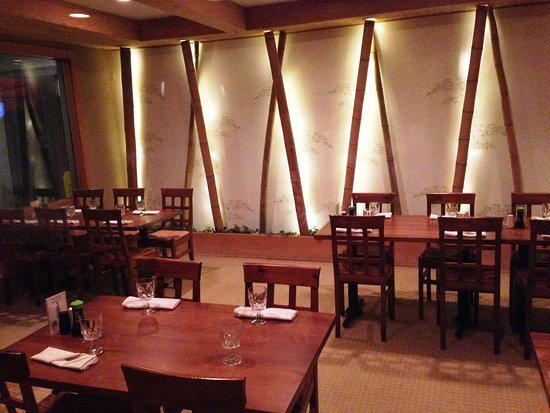
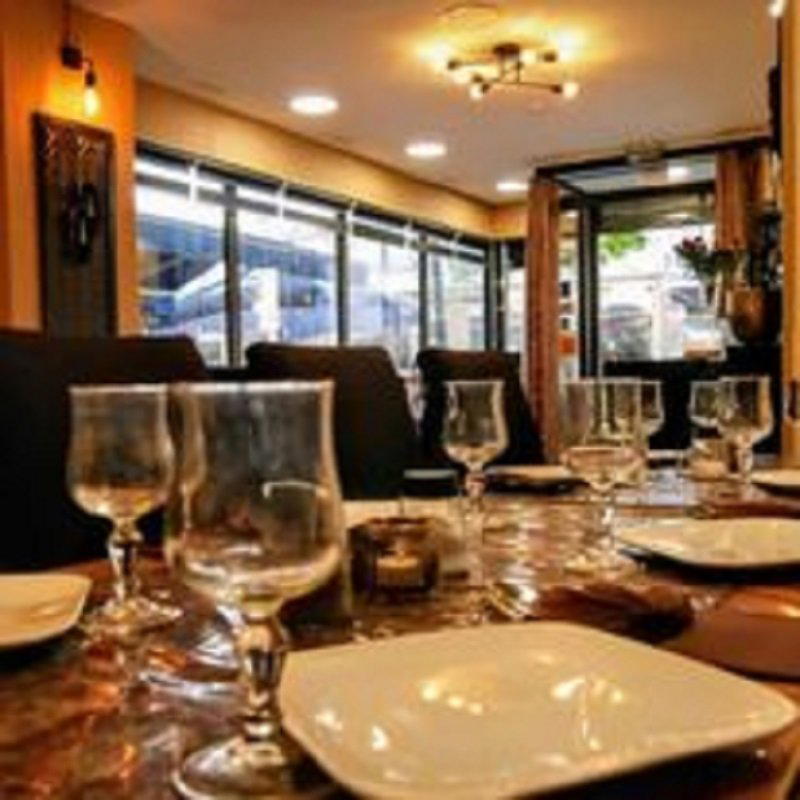
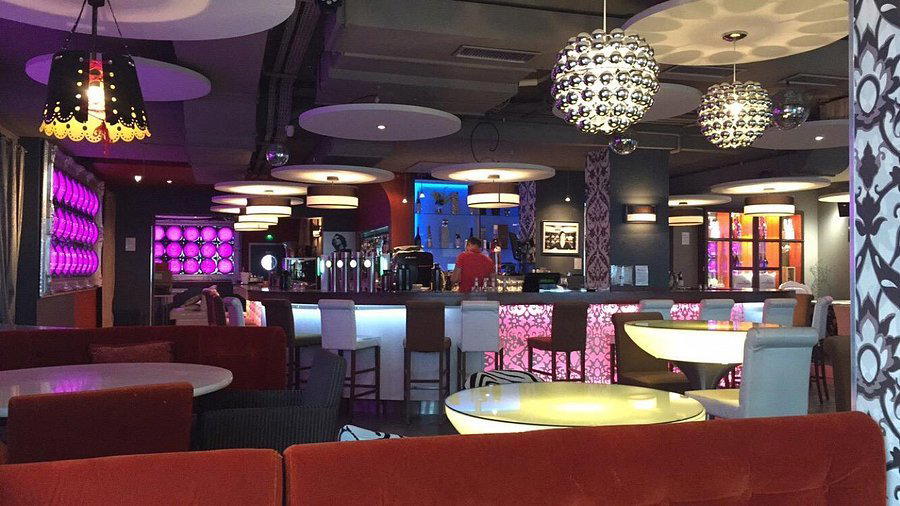
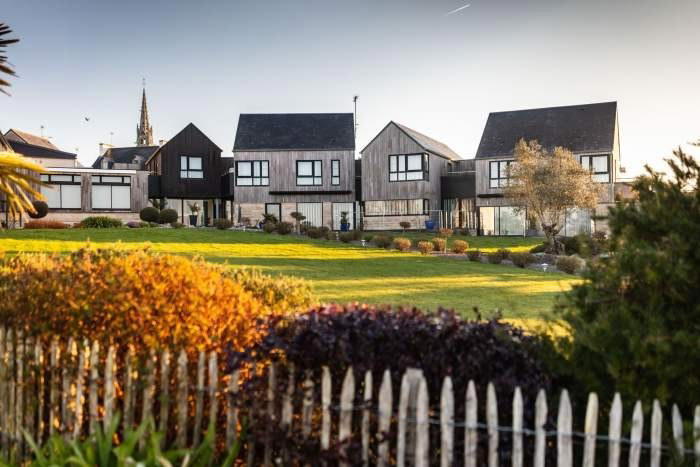
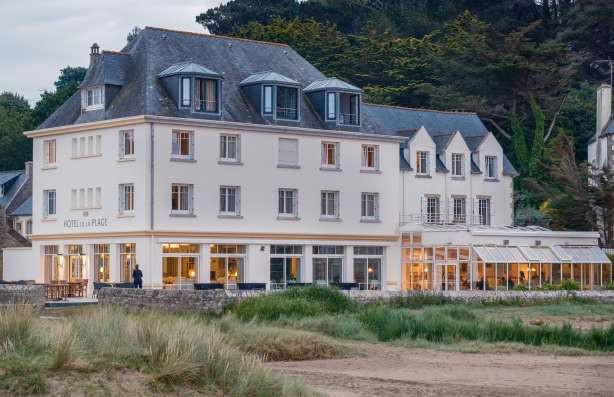
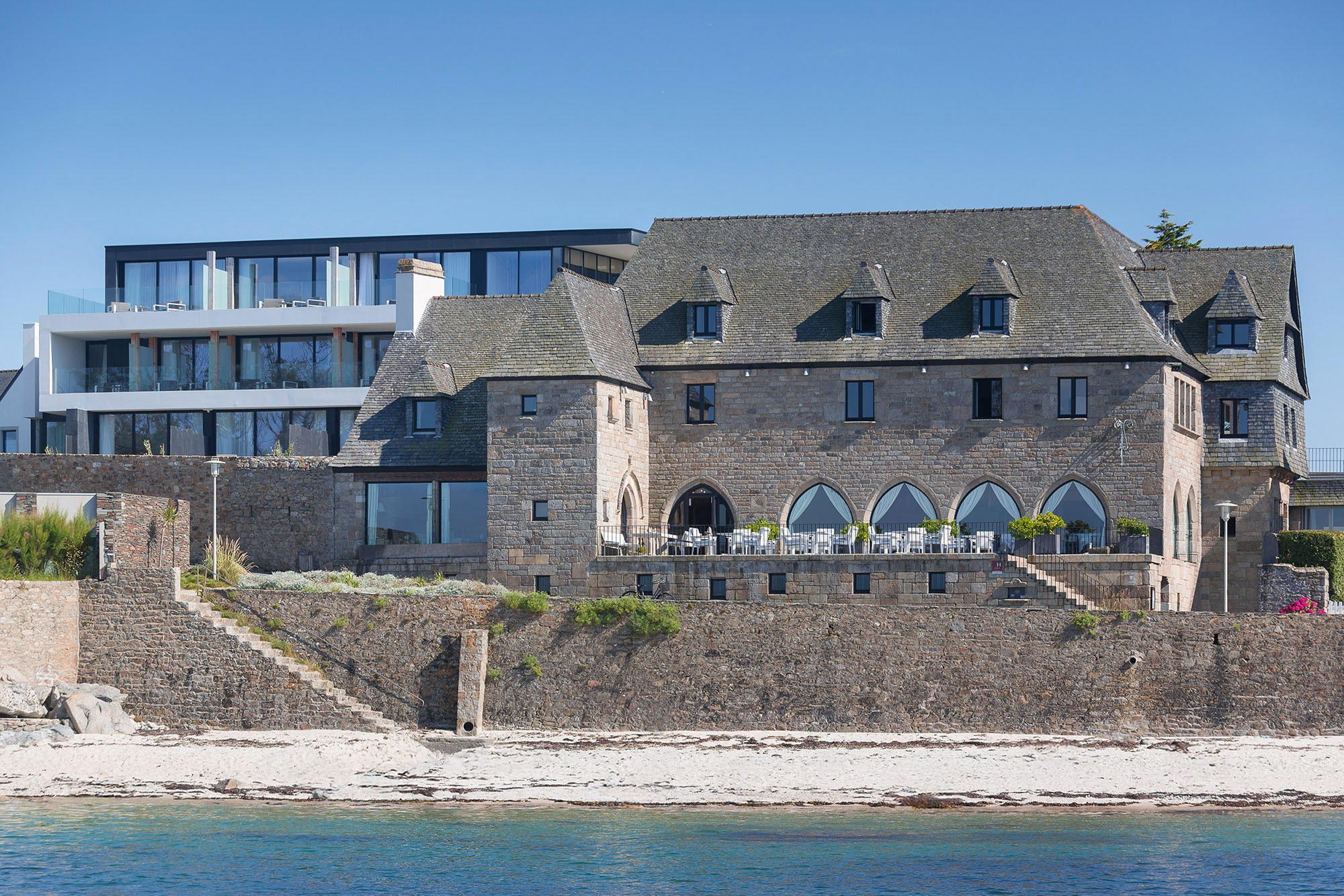
Charming historic architecture blended with contemporary decor, creating an elegant and sophisticated atmosphere.