Le Chantier
Our verdict
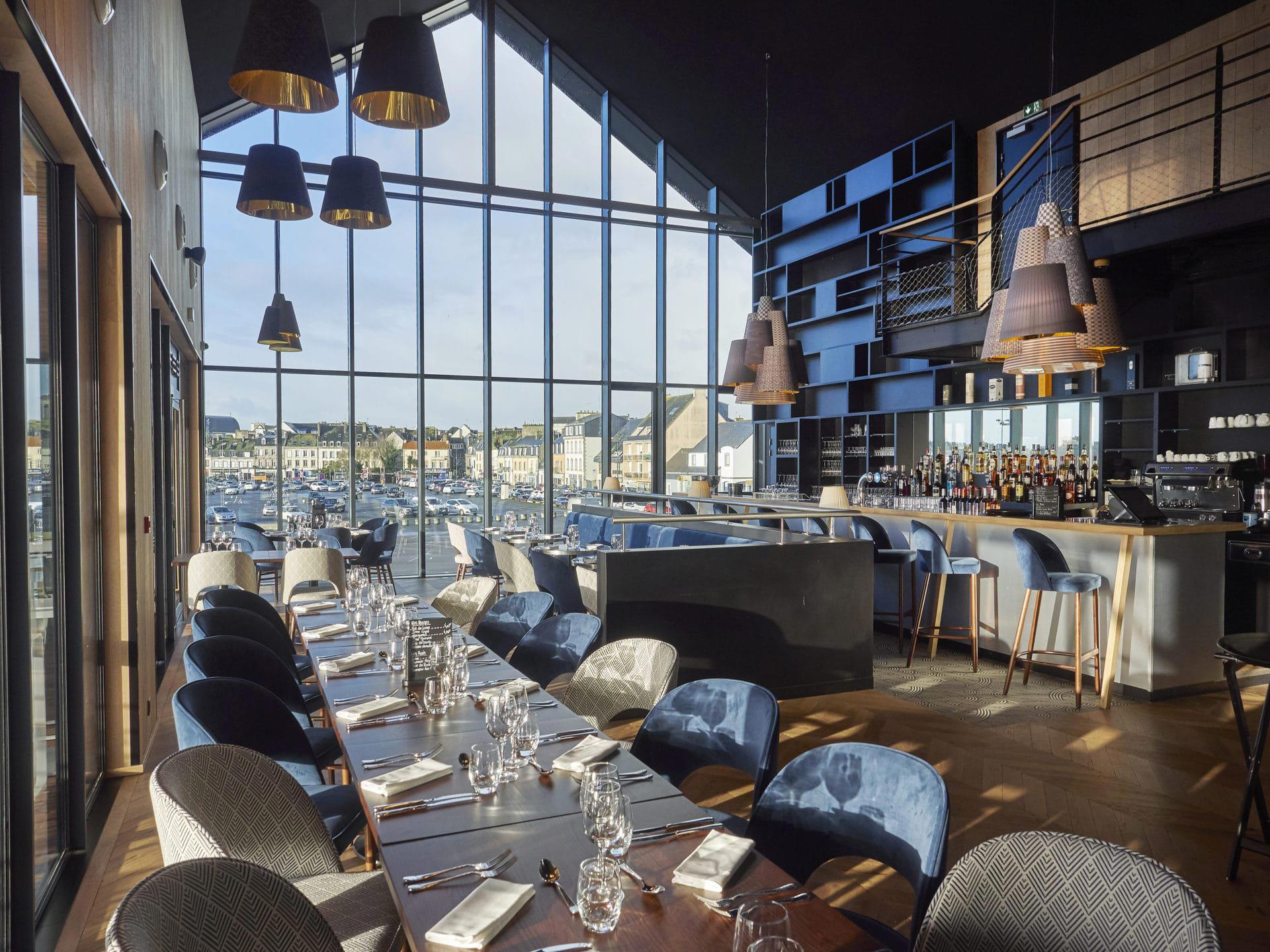
On Concarneau's working quayside, Le Chantier occupies a position that few restaurants in southern Finistère can match: a direct address on Quai Carnot, where the fishing port's daily rhythms set the tone before you reach the door. Compared to the town's more polished dining rooms, it sits closer to the harbour's operational core, making it a natural reference point for visitors reading Concarneau's seafood-led restaurant scene.

Pearl is the En Primeur Club membership app — saves, bookings, and concierge access live there. Same editors, same standards.
- Address
- 20 Quai Carnot, 29900 Concarneau, France
- Phone
- +33298980390
- Hours
- Daily 9 AM–11:30 PM
- Website
- restaurant-lechantier.fr
- Directions
- Get directions
- Booking
- Book on the venue's website
The menu
What to order
- Homard grillé
- Fruits de mer
- Carpaccio de dorade
- Saumon fumé maison
Where the Port Does the Talking
Concarneau is one of France's busiest fishing ports, and Quai Carnot is where that fact becomes impossible to ignore. The quay runs along the inner harbour, facing the walled medieval town across the water, and the activity on it belongs to a working port rather than a tourist promenade. Trawlers unload at irregular hours, crates move, and the smell of the Atlantic arrives well before any menu does. Le Chantier sits at number 20 on that quay, and its address is its most immediate credential: you are eating within metres of where the catch comes in, inside a city whose entire culinary identity is built on proximity to the sea.
That context matters when comparing Concarneau's restaurants against one another. Les Sables Blancs sits at the beach end of town, closer to the resort register. Le Flaveur, operating in the modern cuisine bracket at the €€ tier, brings a more composed, technique-forward approach to local produce. L'Atelier du Nord pushes further, into fusion territory at the €€€ level. Le Chantier's positioning on the quayside places it in a different conversation: one about immediacy and place rather than format innovation.
The Quayside as Editorial Frame
Breton port dining has a particular logic. The leading addresses in this tradition don't derive their authority from technique alone; they derive it from the supply chain being visibly short. In Concarneau, that logic is strongest on the quays facing the fleet. Restaurants here are accountable in a way that those two streets back simply aren't: the fish market records are public, the boats are named, and regulars know the trawlermen. It is a transparency that major-city seafood restaurants, even those operating at considerably higher price points, cannot replicate. Compared to the formal grandeur of Alléno Paris au Pavillon Ledoyen or the mountain-sourced precision of Flocons de Sel in Megève, a quayside address in Concarneau operates on entirely different terms, where the environment is the primary argument.
That argument holds across a range of French regional cooking traditions. The river-anchored intimacy of Auberge de l'Ill in Illhaeusern or the landscape-first philosophy underpinning Bras in Laguiole both rest on the same principle: the place around the restaurant is doing work that no brigade can fully substitute for. On Quai Carnot, the harbour does that work in real time.
Reading the Neighbourhood
Concarneau divides into legible zones for anyone planning a few days of eating and drinking in southern Finistère. The Ville Close, the fortified island accessed by a short bridge from the quays, draws heavy visitor traffic and its restaurants respond accordingly. The area around the fish market and the working quays operates at a different frequency: more local, less set-dressed, and more responsive to what actually arrived that morning. Le Chantier's address on Quai Carnot places it in the latter zone, which in practical terms means the dining experience is inflected by port rhythms rather than tourist ones.
For visitors mapping the town's restaurant options, that distinction carries weight. L'Amiral and La Coquille represent other points in Concarneau's dining geography, each with their own relationship to the port's identity. Our full Concarneau restaurants guide maps the full range, from casual quayside eating to the town's more considered options. Le Chantier occupies a specific node in that map: hard against the water, close to the operational core, and carrying the address that positions it inside the port's daily logic rather than at a remove from it.
Brittany's Seafood Supply and Why It Matters
France's Atlantic coast produces some of Europe's most closely tracked seafood: Breton lobster, scallops from the Bay of Saint-Brieuc, bar (sea bass) from offshore rocks, and sole landed at ports including Concarneau, Lorient, and Douarnenez. The Concarneau fish market, one of the larger ones on the Breton coast, handles a meaningful volume of that trade. For a restaurant on Quai Carnot, that market is not a distant wholesale supplier; it is the immediate context. The same infrastructure that places Concarneau on the map as a fishing port is what gives its quayside restaurants their primary point of difference against both urban fine dining and the broader Breton tourist circuit.
This supply chain logic is what separates Concarneau from a city-based seafood restaurant operating at a comparable price point. Even at ambitious addresses like Le Bernardin in New York City or the Korean-inflected precision of Atomix, the sourcing relationship is mediated and managed at distance. On a working quay in Brittany, the distance collapses. That is not an argument against technique or ambition; it is an argument about the distinct value of place-specific proximity, which is the strongest editorial case a restaurant at this address can make.
Planning a Visit
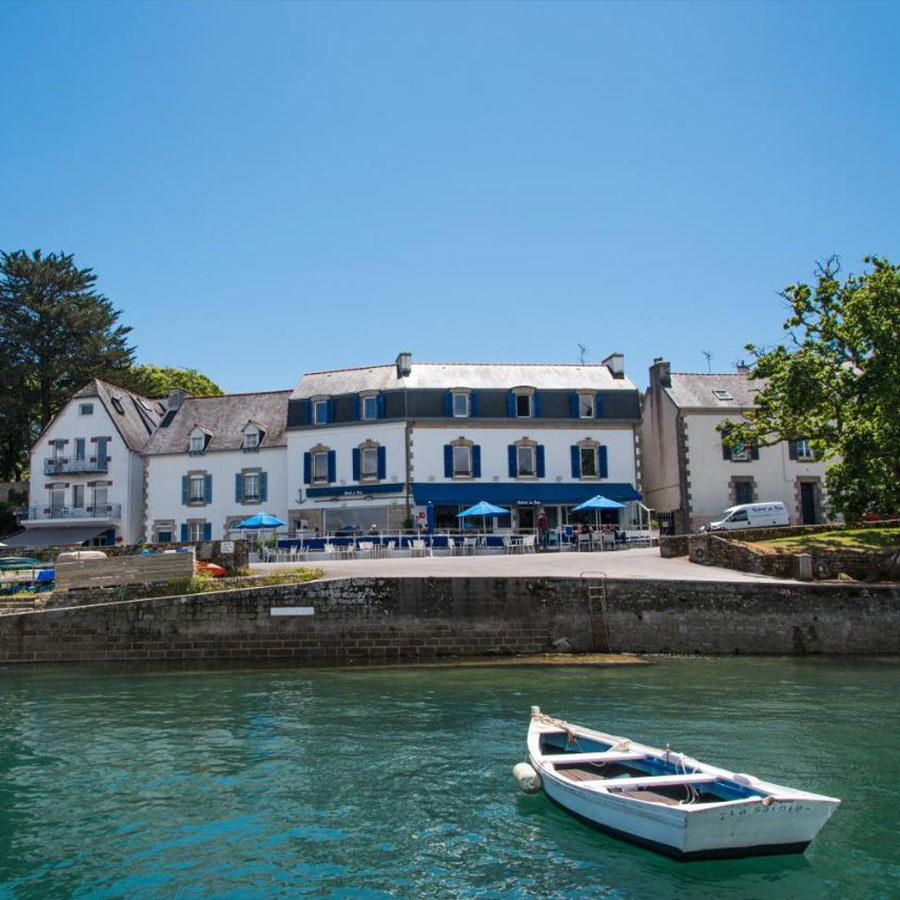
Le Chantier sits at 20 Quai Carnot, on the inner harbour facing the Ville Close. The quay is walkable from the main town centre and accessible by car, with parking available along the harbour front. The surrounding area rewards spending time before or after eating: the fish market, the Ville Close, and the broader quayside are all within easy walking distance and provide the physical context that makes the address coherent.
For visitors building a longer itinerary through France's leading restaurant tier, the contrast is instructive: the coastal informality of a Concarneau quayside meal sits at one end of the French dining spectrum, while three-Michelin-star rooms like Mirazur in Menton, Troisgros in Ouches, Paul Bocuse in Collonges-au-Mont-d'Or, AM par Alexandre Mazzia in Marseille, and Assiette Champenoise in Reims occupy the other. Both ends of that spectrum are valid, and understanding how a quayside address functions is part of reading French regional dining clearly. Au Crocodile in Strasbourg offers another regional reference point, rooted in Alsatian tradition rather than Atlantic supply. Le Chantier's argument is simpler and more place-specific: the harbour is right there, and that fact shapes everything from what appears on the plate to how the room sounds when the fleet is in.
Frequently asked questions
What's Le Chantier's location?
Le Chantier is located at 20 Quai Carnot, 29900 Concarneau, France, Concarneau.
Is Le Chantier a good base for exploring Concarneau's wider food scene in southern Finistère?
Le Chantier's location on Quai Carnot puts it at the centre of Concarneau's most walkable eating and drinking zone, within reach of the Ville Close and the town's main market area. Southern Finistère as a region has a well-documented seafood supply network, making Concarneau a practical anchor for anyone eating through the area. The inner harbour is accessible on foot from most of the town centre, which makes Le Chantier a natural starting point rather than a detour.
What should I eat at Le Chantier?
Le Chantier sits on Quai Carnot in Concarneau, one of France's most active fishing ports, which shapes what lands on the plate. Southern Finistère supplies Breton lobster, scallops from the Bay of Saint-Brieuc, and bar (sea bass) from the Atlantic coast — the kind of provenance that makes ordering straightforward: follow what the port brought in that day. The specific menu is not published in advance, so arriving with flexibility rather than a fixed order in mind is the practical approach.
How hard is it to get a table at Le Chantier?
Quai Carnot addresses with harbour views tend to fill during peak season. Contacting the venue directly ahead of a visit is advisable, particularly between June and September.
What's the defining dish or idea at Le Chantier?
Le Chantier's address at 20 Quai Carnot, facing the Ville Close across the inner harbour, places it squarely in the Breton port-dining tradition: the supply chain is the concept. The logic here is geographic — Concarneau's fishing fleet delivers the kind of Atlantic catch that most French restaurants import from a distance. The defining idea is proximity, not technique for its own sake.
Can Le Chantier adjust for dietary needs?
No specific information about dietary accommodation is available for Le Chantier. In Brittany's port restaurant tradition, menus lean heavily on seafood and fish, which may limit options for those avoiding them. Contacting the venue at 20 Quai Carnot, Concarneau directly before arrival is the most reliable way to confirm what adjustments are possible.
A Lean Comparison
Comparable venues nearby, for context on price, style, and recognition.
| Venue | Cuisine | Price | Awards | Notes |
|---|---|---|---|---|
| Le ChantierThis venue — the venue you are viewing | French Seafood Bistro | $30–50 | Not listed | Not listed |
| La Coquille | Modern Breton Seafood | $50–100 | Not listed | Quai du Moros, Modern Breton Seafood |
| L'Amiral | Breton Seafood Brasserie | $30–50 | Not listed | Port, Breton Seafood Brasserie |
| Les Sables Blancs | French Coastal Brasserie | $50–100 | Not listed | Concarneau, French Coastal Brasserie |
| L'Atelier du Nord | Modern Japanese-Inspired Seafood Fusion | $50–100 | Michelin Plate | Quai Carnot, Modern Japanese-Inspired Seafood Fusion |
| Le Flaveur | Modern French with Breton Seafood | $50–100 | Michelin Bib Gourmand | near port and Ville-Close, Modern French with Breton Seafood |
Continue exploring
More in Concarneau
Restaurants in Concarneau
Browse all →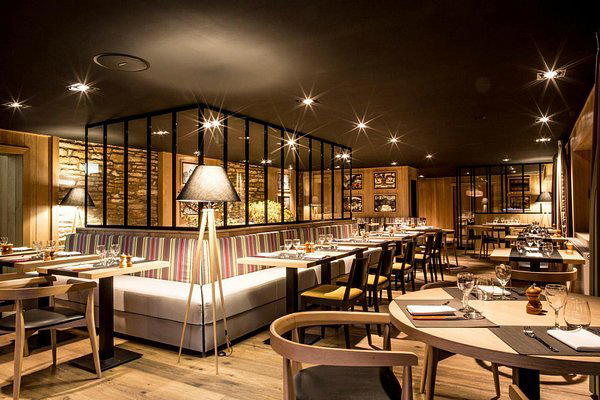
Details
- Lively
- Cozy
- Family
- Group Dining
- Casual Hangout
- Waterfront
- Open Kitchen
- Terrace
- Local Sourcing
- Waterfront
- A La Carte
Current opening hours
- Monday
- 9 AM–11:30 PM
- Tuesday
- 9 AM–11:30 PM
- Wednesday
- 9 AM–11:30 PM
- Thursday
- 9 AM–11:30 PM
- Friday
- 9 AM–11:30 PM
- Saturday
- 9 AM–11:30 PM
- Sunday
- 9 AM–11:30 PM
Hours can change for holidays and private events. Last verified .
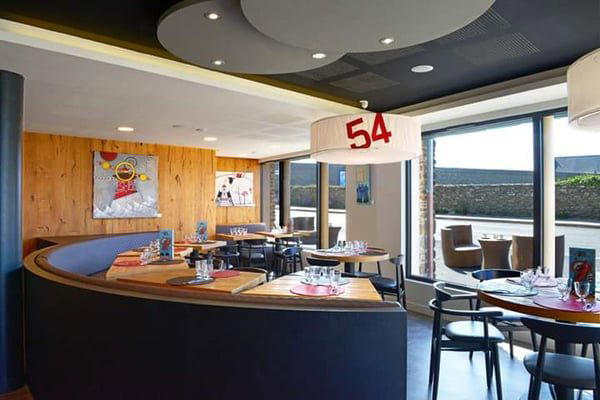
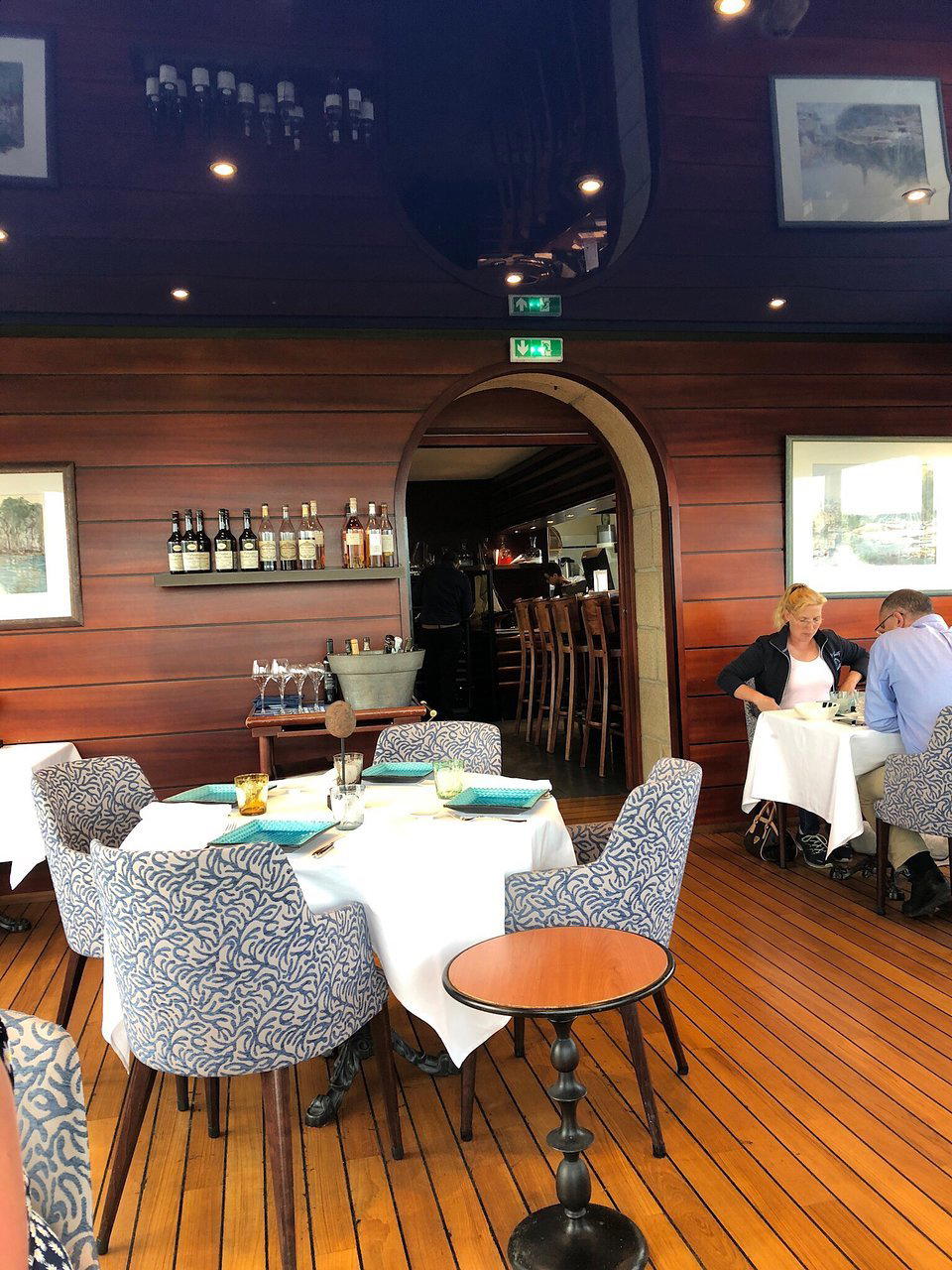
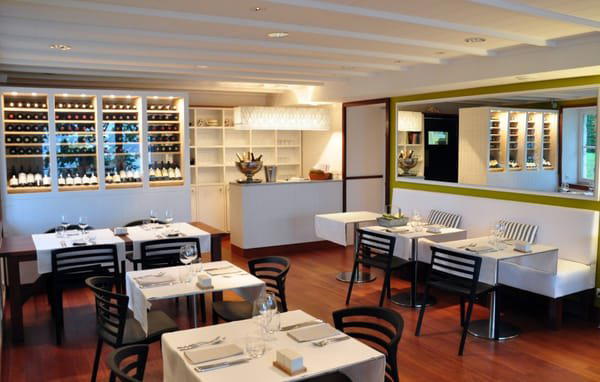
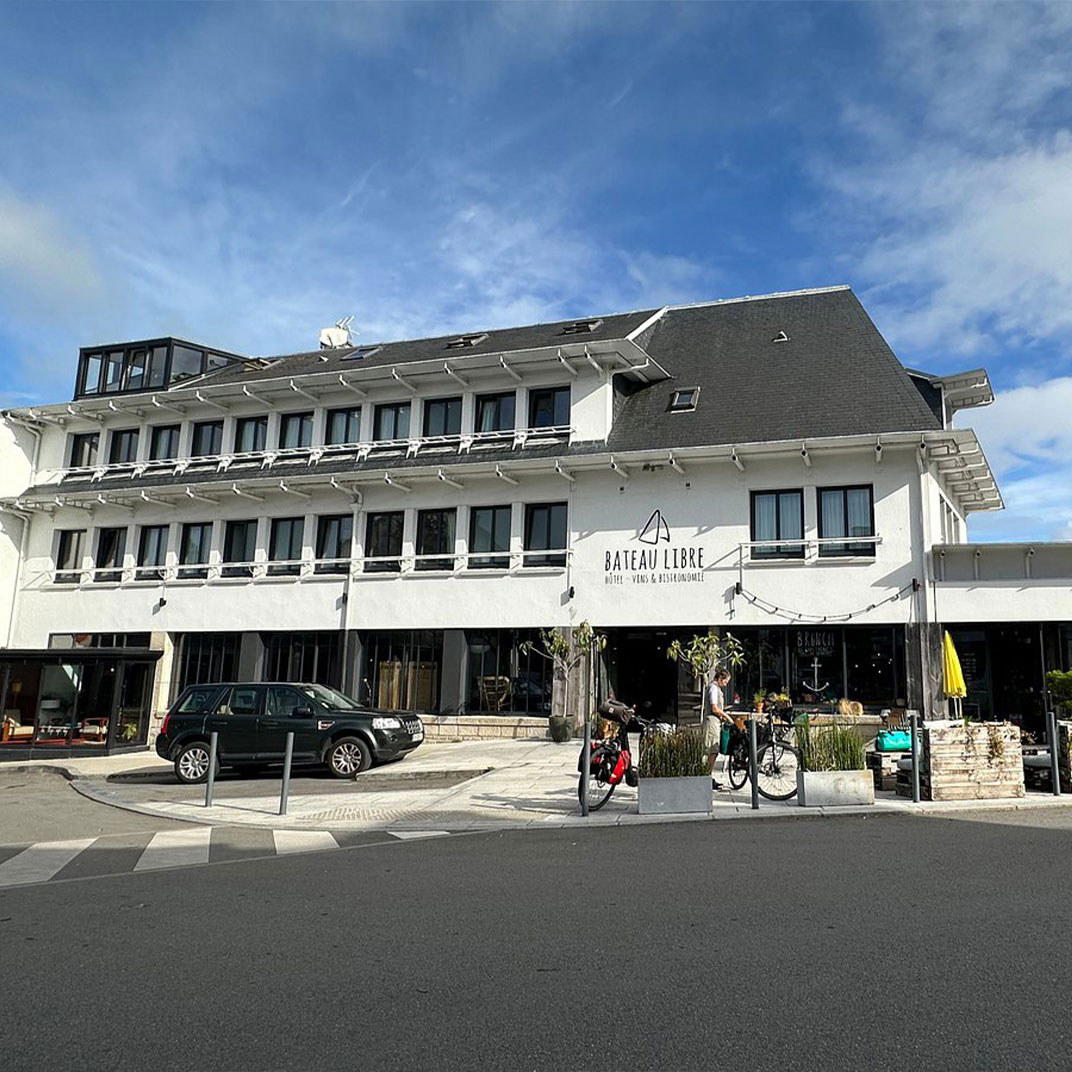
Bustling brasserie atmosphere on the ground floor with south-facing terrace, cosier upstairs, open kitchen visible from dining room.