


1 Michelin Star · Wine Spectator Award of Excellence · We're Smart World 5 Radishes
Our verdict
La Table de La Butte holds a Michelin star and the We're Smart five-radish rating, the highest in the plant-forward guide, making it the reference address in Finistère for produce-led cooking. The kitchen under Nicolas Conraux draws entirely on Brittany's coastline and farmland, translating seaweed, oysters, and fermented vegetables into a menu that reads as a precise map of the peninsula. Plouider is not a detour; it is the destination.

Pearl is the En Primeur Club membership app, where members save venues, book tables and use the concierge.
Where the Finistère Coast Becomes the Menu
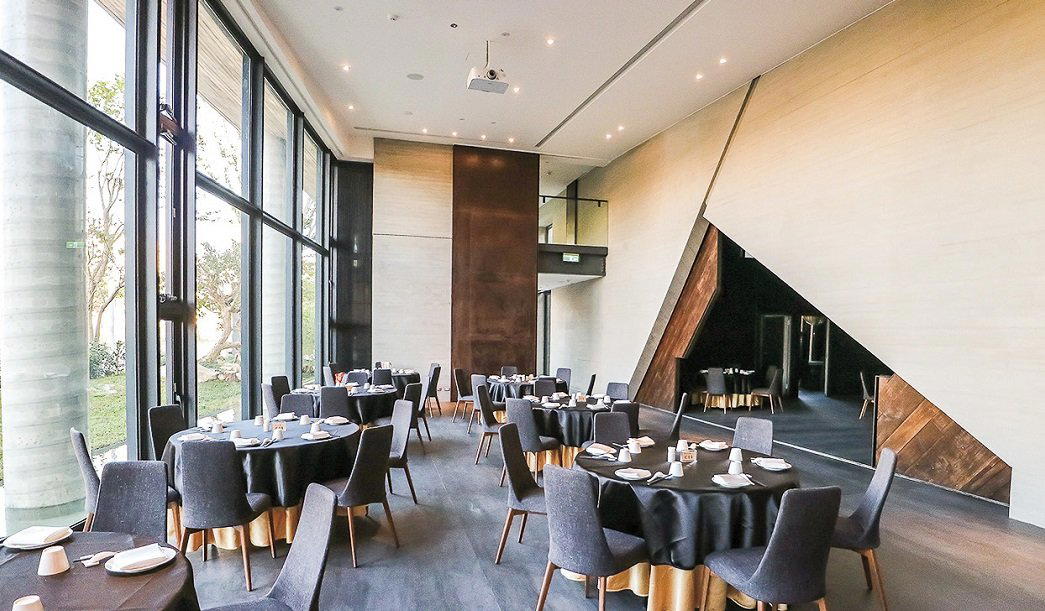
The road to Plouider runs through bocage farmland before the Atlantic opens up without warning, and the shift registers physically, salt air, lower light, a horizon that extends farther than it should. La Table de La Butte sits at that threshold, with views across the coastline and beaches that frame the dining room as a deliberate act of place-making rather than a backdrop. In a region where restaurants routinely invoke terroir as a selling point, this one builds a rigorous system around it.
France's most recognised plant-forward kitchens have historically clustered around the Loire and Rhône valleys, where market gardening traditions run deep. Brittany's case is different: the peninsula's culinary identity is built on the sea, and translating that into a plant-led framework requires a different kind of fluency. La Table de La Butte operates in that specific register, oceanic flavour delivered through seaweed, coastal vegetables, and fermentation rather than through fish or shellfish, which places it in a distinct position relative to the broader French plant-forward movement.
A Kitchen Built on Three Generations of Commitment
The editorial angle of most destination restaurants rests on a single chef's vision. At La Table de La Butte, the context is generational: Nicolas and Solenne Conraux represent the third generation at the head of an establishment that has been working with sustainable principles long before that framing became common currency in French fine dining. That continuity matters structurally, because it means the supplier relationships, the fermentation knowledge, and the sourcing protocols have compounded over decades rather than being assembled from scratch.
Nicolas Conraux's cooking is now categorically plant-forward, the restaurant has committed to 100% pure plant cuisine, but the evolution has been visible and documented. The We're Smart Green Guide, which ranks restaurants on their use of vegetables and plant-based ingredients, awarded La Table de La Butte its maximum rating of five radishes. That credential sits alongside a Michelin star earned in the 2024 edition, placing the kitchen in a small cohort of European restaurants that hold both a Michelin star and the highest We're Smart ranking simultaneously. Across France, Michelin-starred kitchens that have made a full transition to plant cuisine remain rare; the guide's traditional criteria weight classical technique and product quality in ways that historically favoured animal proteins. A star in this context functions as a signal that the technical standard is comparable to the broader starred tier.
For comparison, the plant-forward movement in French fine dining looks very different at the top of the conventional hierarchy. Kitchens like Alléno Paris au Pavillon Ledoyen in Paris or Mirazur in Menton incorporate vegetable-forward thinking within multi-course frameworks that still include seafood and meat. La Table de La Butte has moved past that hybrid model entirely, which is either a constraint or a commitment depending on how you read the kitchen's output.
The Produce Logic: Finistère as Ingredient Map
The sourcing framework at La Table de La Butte operates as a geographic inventory of Finistère. The department covers the western tip of the Brittany peninsula, where Atlantic exposure, granite soils, and tidal estuaries create conditions for a specific range of produce: oysters from the bays around Brest and Cancale, abalone, seaweed harvested along the rocky coastline, and coastal vegetables shaped by salt-laden growing conditions. The kitchen uses all of these, including the seaweed, as primary flavour sources rather than garnish.
The vegetable charcuterie programme and fermentation work documented by the We're Smart team represent the technical infrastructure behind what might otherwise seem like a simple regional sourcing story. Fermentation extends shelf life and develops umami depth without animal-derived ingredients; maceration creates textural and flavour complexity that compensates for the absence of fat-rich proteins. These are not decorative choices, they are the kitchen's mechanism for delivering the salty, oceanic flavour profile that defines Brittany cooking through an entirely plant-based vocabulary.
Bread is baked in the chef's own bakery, and the butter selection, seaweed butter, fleur de sel butter and others made in Brittany, is treated as a course in itself rather than a pre-meal formality. The tableware and décor are sourced from local craftspeople, meaning the regionalism extends beyond the plate into the room's physical objects. The wine list is weighted toward small, organic producers, consistent with the kitchen's sourcing philosophy.
Where This Kitchen Sits in the Wider French Fine Dining Map
France's top tier of destination restaurants is heavily concentrated in Paris and Lyon, with a secondary cluster along the Mediterranean coast. The Atlantic northwest, Brittany and the pays de la Loire, operates on a different circuit, and Plouider specifically is not a city that appears on most fine dining itineraries. The We're Smart assessment explicitly names it as a key destination on their world map, which gives the restaurant a specific kind of recognition: authoritative within the plant-forward community, which has its own geography and pilgrimage logic.
Kitchens like Bras in Laguiole, which has its own long history of vegetable-centred cooking in a remote French landscape, offer the closest structural comparison: a destination-format restaurant in a non-urban setting, with a philosophy built around regional produce and a multi-generational story. Flocons de Sel in Megève provides a different version of the same model: high-end cooking anchored to a specific geographic identity, accessible only by committing to the journey. Troisgros - Le Bois sans Feuilles in Ouches represents the multi-generational model in its most storied form. La Table de La Butte sits in this broader group of regionally rooted, non-urban French restaurants that require a trip to reach and reward that trip with something specific to their location.
What separates the Plouider kitchen from much of that peer group is the completeness of the plant commitment. Most destination restaurants in France, including celebrated addresses like Auberge de l'Ill in Illhaeusern, Assiette Champenoise in Reims, or Au Crocodile in Strasbourg, maintain classical frameworks with broad protein ranges. The decision to work exclusively within plant cuisine at the starred level remains a minority position in France's fine dining structure, which gives La Table de La Butte a more specific competitive identity than its location alone would suggest. Internationally, restaurants like Frantzén in Stockholm or AM par Alexandre Mazzia in Marseille show the range of approaches possible within the modern, ingredient-obsessed format, but neither has made the complete plant pivot that defines the Plouider kitchen.
Planning Your Visit
La Table de La Butte is located at 12 Rue de la Mer, 29260 Plouider, in Finistère, the westernmost department of Brittany. Plouider sits roughly between Brest and Roscoff, making it a logical stop on a broader Brittany circuit rather than a purely standalone destination. The restaurant operates at the €€€€ price point, consistent with its Michelin-starred positioning, and the format is a set tasting menu given the kitchen's commitment to seasonal plant cuisine. The service team is noted for explaining fermentation and maceration techniques at the table, which makes the meal function as an education in method as well as a sequence of courses.
For those building a longer stay in the area, the associated Le Comptoir de La Butte (Traditional Cuisine) offers a different register within the same establishment. Accommodation options, additional restaurants, bars, and local experiences can be found through our full Plouider hotels guide, our full Plouider restaurants guide, our full Plouider bars guide, our full Plouider wineries guide, and our full Plouider experiences guide. Given the restaurant's growing profile following the 2024 Michelin recognition and five-radish We're Smart rating, advance booking is advisable, particularly for weekend visits.
Frequently asked questions
What awards or recognition does La Table de La Butte have?
La Table de La Butte has received recognition including: La Table de la Butte continues to evolve when it comes to 100% pure plant cuisine! During the latest visit by the We’re Smart team, we were fully convinced that chef Nicolas Conraux truly deserves the 5 Radishes! Not only are you completely….
What's the must-try dish at La Table de La Butte?
The kitchen's signature territory is vegetable charcuterie and fermentation-driven preparations that replicate salty, oceanic flavour profiles entirely through plants, the approach that earned chef Nicolas Conraux the We're Smart 5 Radishes, the organisation's highest recognition for plant-forward cooking. The house-baked bread, served with Made in Brittany butters including seaweed and fleur de sel, is also a consistent reference point across reviews of the restaurant. Specific current menu items are best confirmed directly with the restaurant, as the sourcing logic follows Finistère's seasonal produce calendar.
Side-by-Side Snapshot
| Venue | Cuisine | Price | Awards | Notes |
|---|---|---|---|---|
| La Table de La ButteThis venue (the venue you are viewing) | Modern Breton Fine Dining | $100–150 | 1 Michelin Star · Wine Spectator Award of Excellence | Not listed |
| Alléno Paris au Pavillon Ledoyen | Modern French Fine Dining | $150–200 | 3 Michelin Stars · World's 50 Best #79 | Creative |
| Kei | Contemporary French, Modern Cuisine | Not listed | Michelin 3 Star | Not listed |
| L'Ambroisie | Classic French Haute Cuisine | $300–500 | 2 Michelin Stars · World's 50 Best #23 | French, Classic Cuisine |
| Le Cinq - Four Seasons Hôtel George V | Modern French Fine Dining | $300–500 | 3 Michelin Stars · World's 50 Best #24 | French, Modern Cuisine |
| Plénitude | Modern French Sauce-Led Fine Dining | $300–500 | 3 Michelin Stars · World's 50 Best #14 | Contemporary French |
Recognition history
Dated appearances from independent guides and award organizations, with the underlying list record or original source where available.
Michelin 1 Star
Michelin
We're Smart World 5 Radishes
We're Smart World
Wine Spectator Award of Excellence
Wine Spectator
Full recognition history (6 entries)
Michelin 1 Star
Michelin
We're Smart World Top 100 #66
We're Smart World
Michelin 1 Star
Michelin
Continue exploring
More in Plouider
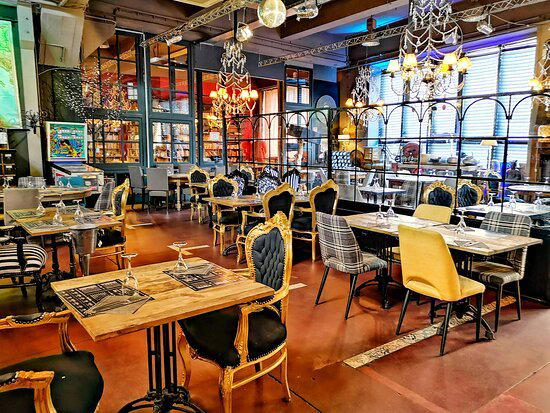
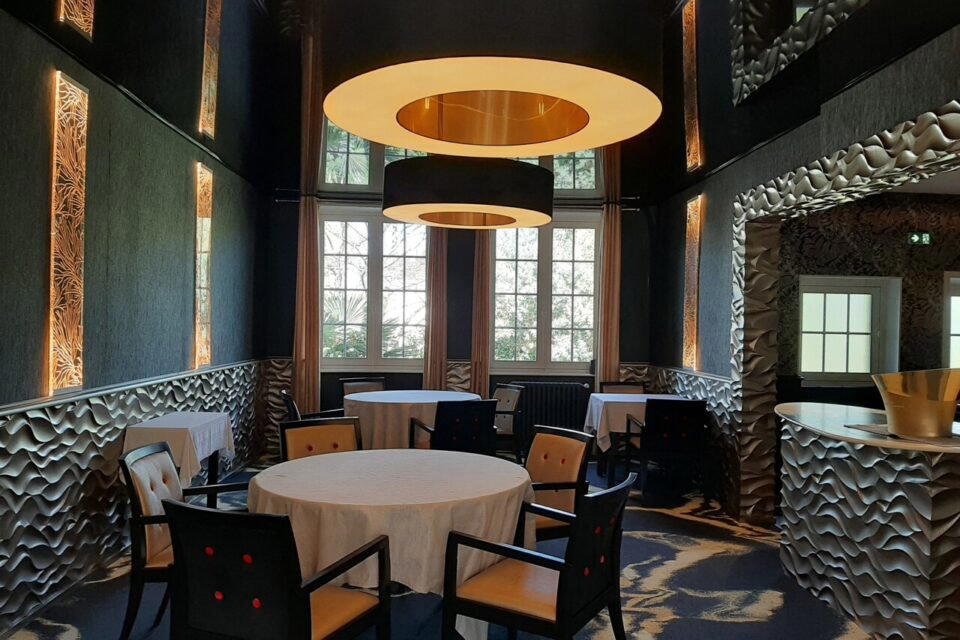
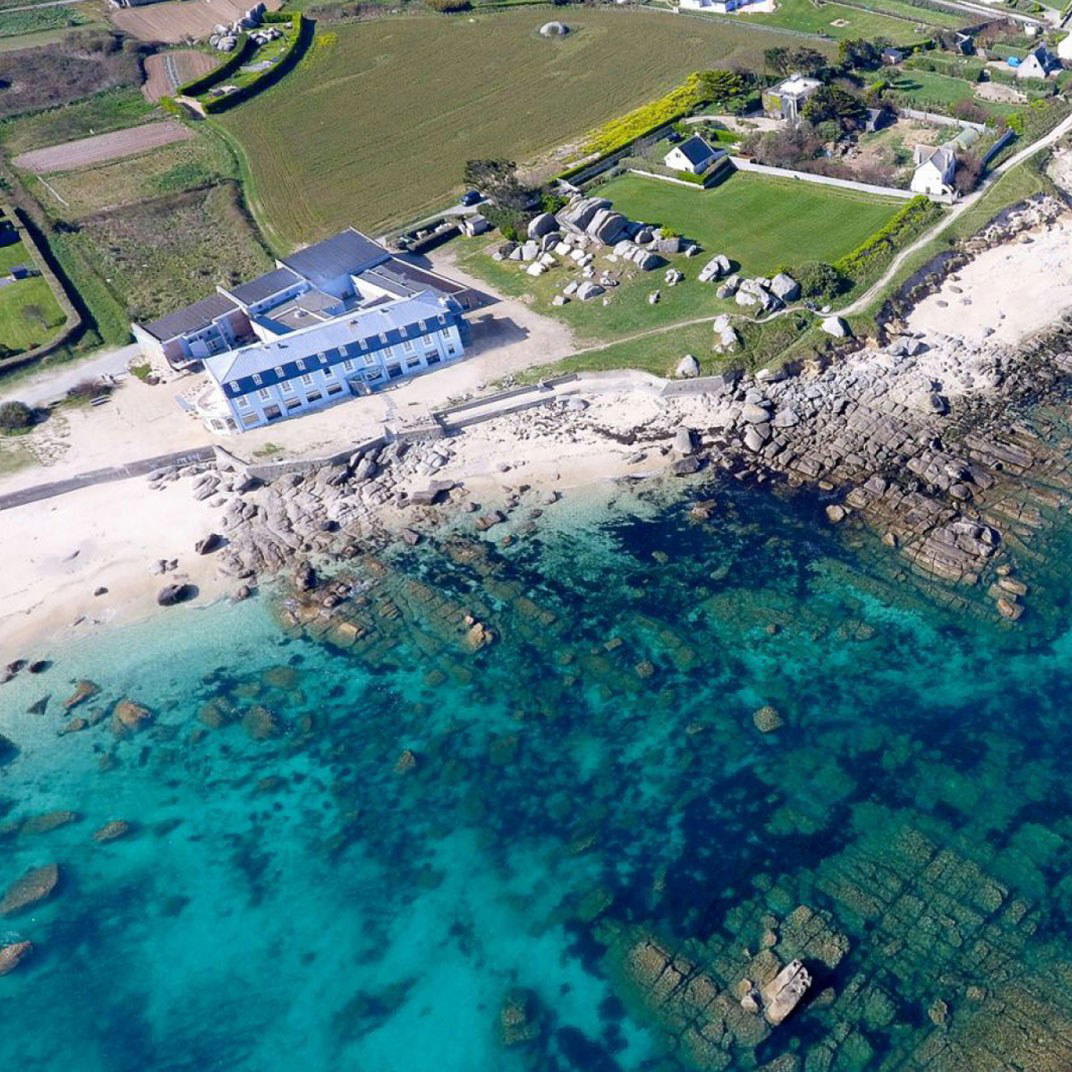
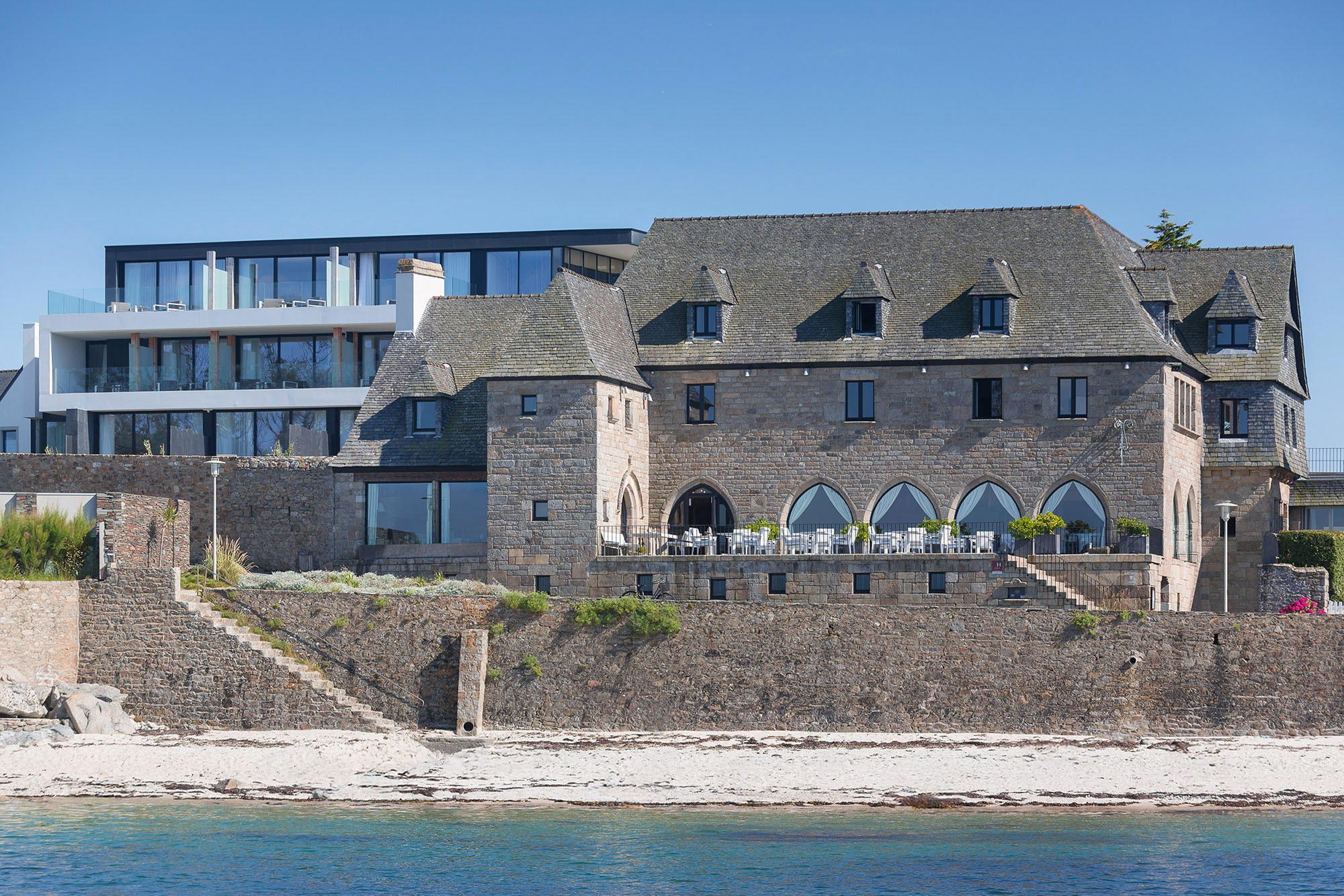
La Table de La Butte
The wine
La Table de La Butte holds the Wine Spectator Award of Excellence, which Wine Spectator gives to lists of usually 90 or more selections.
- Wine Spectator
- Wine Spectator Award of Excellence
- Selections
- 130
- Bottles in cellar
- 820
- List strengths
- California, France
- Wine director
- Ahmad Hammoud
- Extensive wine list
Details
- Elegant
- Sophisticated
- Cozy
- Scenic
- Date Night
- Special Occasion
- Open Kitchen
- Terrace
- Extensive Wine List
- Farm To Table
- Local Sourcing
- Street Scene
- Tasting Menu
- Vegetarian Friendly
- Vegan Options
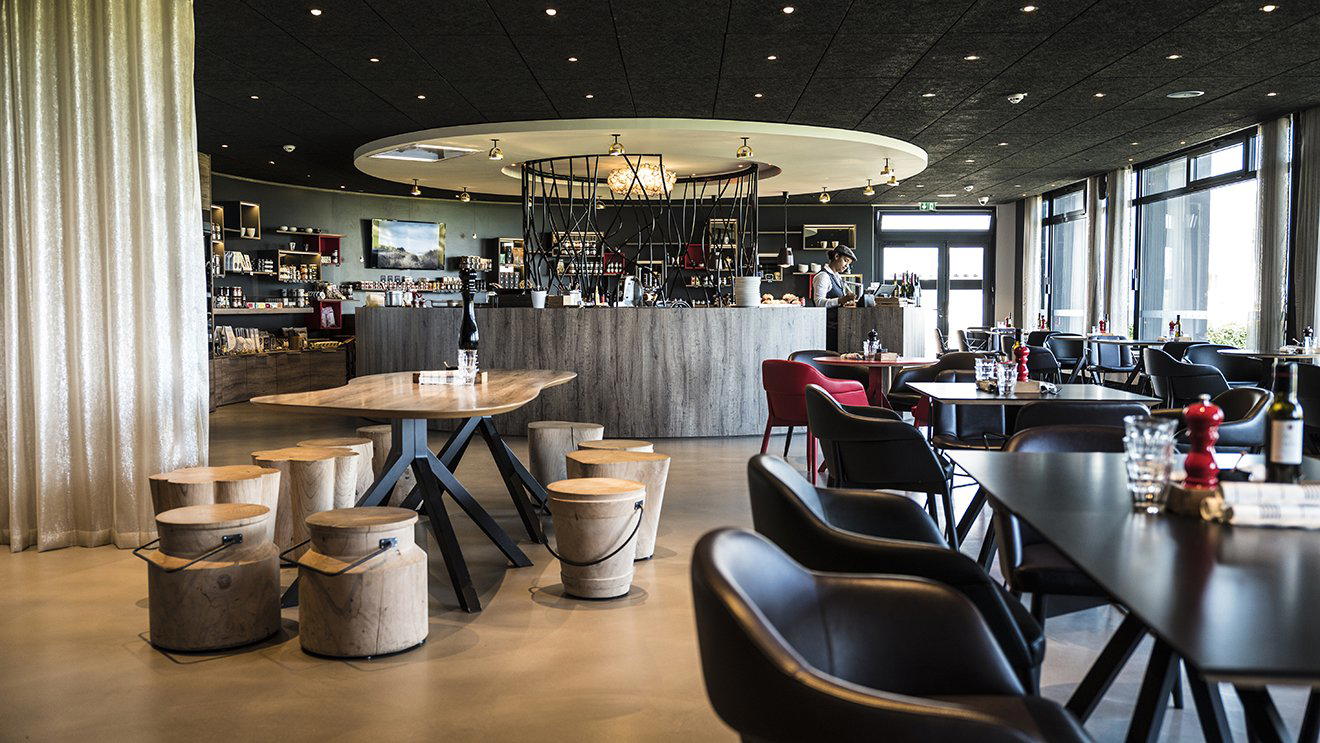
Refined and intimate atmosphere with large bay windows offering sea views, local artisan decor, and a warm, professional service.