Le Gratin
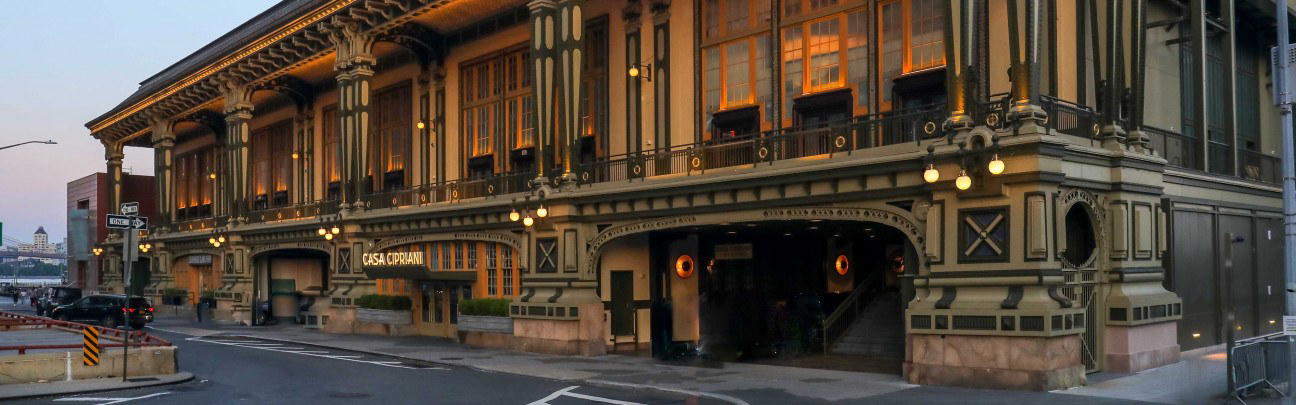
Le Gratin occupies a distinctive position in Lower Manhattan's fine dining circuit, operating from the storied address at 5 Beekman Street. The name itself signals a French sensibility, and the restaurant sits within a broader moment when classical European technique is being reassessed and reinvented across New York's upper dining tier. Reservation demand and neighborhood context place it firmly in a conversation with the city's most considered tables.
Pearl is the En Primeur Club membership app — saves, bookings, and concierge access live there. Same editors, same standards.
- Address
- 5 Beekman St, New York, NY 10038
- Phone
- +12125979020
- Website
- legratinnyc.com
- Directions
- Get directions
 Saves & bookings on Pearl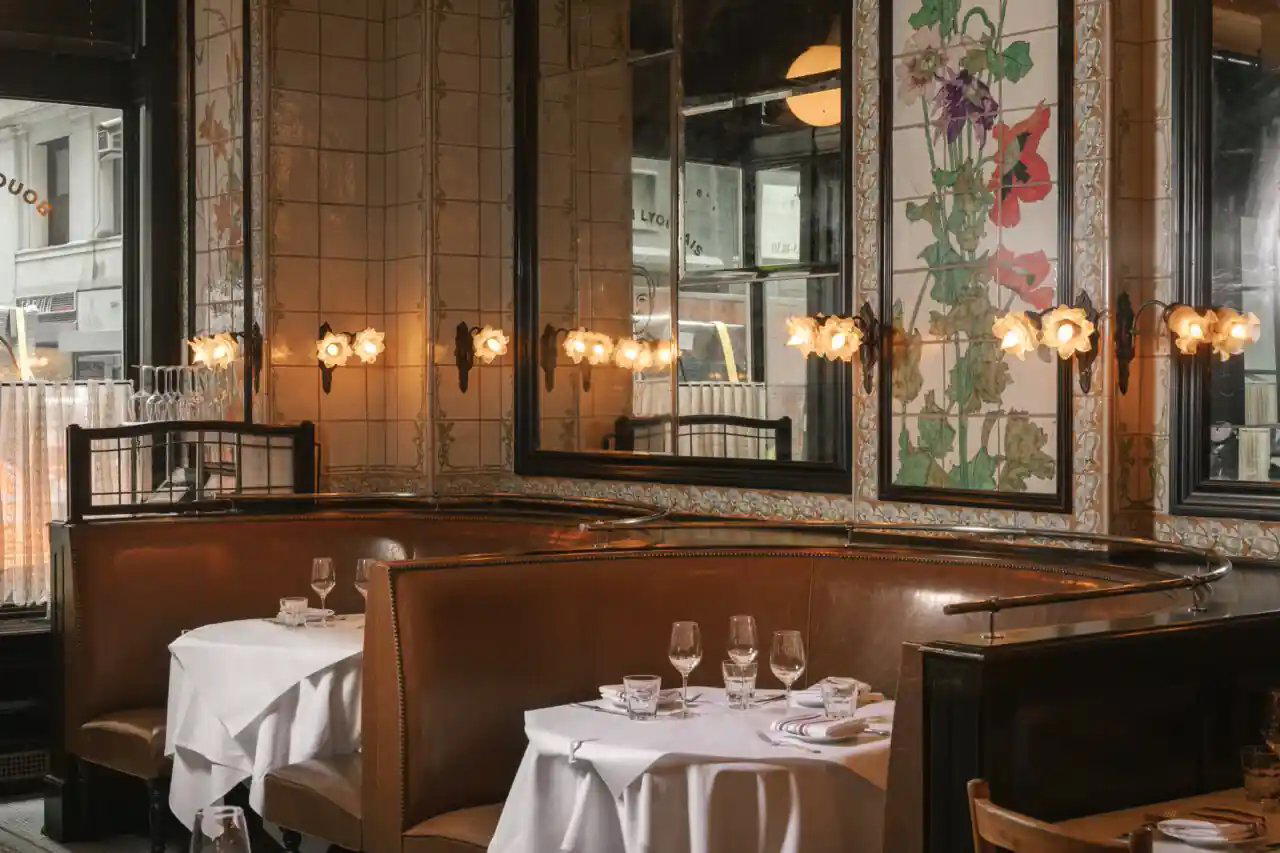
A Beekman Address and What It Implies
The block around 5 Beekman Street carries a particular kind of weight in Lower Manhattan. The neighborhood has spent the better part of two decades shedding its reputation as a district that emptied at six in the evening, and the restaurants that have taken root here in recent years are doing something more deliberate than filling a vacancy. They are staking a claim on a part of the city that, for much of the twentieth century, conceded fine dining entirely to Midtown and the Upper West Side. Le Gratin, at that address, is one of the more considered arrivals in this southward migration of serious tables.
The name itself carries editorial information. Le gratin in French means both the browned, crusted leading of a baked dish and, colloquially, the social elite. For a restaurant to choose that word as its identity is a deliberate act of positioning, one that signals classical French sensibility without the formal stuffiness that phrase sometimes implies. It is the kind of naming decision that places a restaurant in a specific conversation about what French cooking means in contemporary New York.
French Dining in New York: The Reinvention Pressure
Evolution of French fine dining in New York has been one of the more instructive stories in the city's restaurant culture over the past fifteen years. Through the 1990s and into the 2000s, the category was dominated by rooms that priced formality as a feature. White tablecloths, brigade service, and tasting menus running past a dozen courses were the grammar of the top tier. Le Bernardin, which has held three Michelin stars since the New York guide launched in 2006, represents the standard against which French-leaning kitchens in the city are measured. Per Se, Thomas Keller's Columbus Circle dining room, occupies a similarly entrenched position at the summit of the Contemporary French tier.
What has changed is the space below and around those anchors. A generation of chefs trained in classical French kitchens has been opening restaurants that apply that technical foundation to less ceremonious formats. The bistronomy movement, which originated in Paris in the 1990s, arrived in New York with a lag but has since accelerated. Shorter menus, less hierarchical service, and a willingness to treat gratin, daube, or tarte flambée as viable centerpieces rather than supporting roles represent a genuine editorial shift in how French cooking is presented to a New York dining public that has grown more fluent in the cuisine but less patient with its traditional packaging.
Le Gratin arrives in that context. Its address in Lower Manhattan, away from the established French dining corridors of Midtown, is itself a statement about which version of the tradition it is aligning with.
The Beekman Neighborhood as a Dining Environment
The stretch of Lower Manhattan around Beekman and Fulton Streets has attracted a particular kind of operator in the current decade: restaurants willing to rely on destination traffic rather than the dense foot flow that defines neighborhoods like the Meatpacking District or the West Village. That requires a stronger reason to visit. Across the country, premium restaurants operating in secondary neighborhoods have solved this problem through programmatic clarity: knowing precisely what they are and communicating it without hedging. Lazy Bear in San Francisco built a community-dinner format that made the Mission District trek feel intentional. Alinea in Chicago drew diners to Lincoln Park through a format so distinct that location became irrelevant to the decision.
In New York, the same logic applies. The city's most-discussed tables, from Atomix in NoMad to Jungsik in TriBeCa, demonstrate that geographic centrality matters less than editorial conviction. The restaurant's Beekman address is not a liability in this reading; it is a marker of a restaurant that expects its concept to carry the commute.
Where Le Gratin Sits in the Wider National Conversation
French technique as a foundation for American fine dining is not a New York-specific story. The French Laundry in Napa defined the template for classical-technique tasting menus in this country for more than two decades. Single Thread Farm in Healdsburg applies a similar precision to a kaiseki-inflected format. Addison in San Diego became California's first restaurant to earn a Michelin Grand award, operating within a French-trained technical tradition. What connects these properties is not geography but the seriousness with which classical training is applied to a contemporary dining context.
The comparison set extends beyond the West Coast. The Inn at Little Washington has held three Michelin stars in a rural Virginia setting since the Washington DC guide launched. Providence in Los Angeles operates in the French-trained seafood tradition with two Michelin stars. Internationally, Alain Ducasse at Louis XV in Monte Carlo and 8½ Otto e Mezzo Bombana in Hong Kong demonstrate that classical European fine dining continues to generate recognition across Michelin guides worldwide. The restaurant enters a category that has proven its durability across formats, price points, and geographies.
Within New York specifically, French-leaning restaurants not operating at the Le Bernardin or Per Se tier have space to define their own register. Bacchanalia in Atlanta and Emeril's in New Orleans show how French-influenced kitchens outside New York have built durable identities by committing to a specific relationship between classical training and local ingredient culture. Blue Hill at Stone Barns in Tarrytown, just north of the city, has built its entire identity around a farm-to-table framework that uses classical technique as infrastructure rather than spectacle.
Planning Your Visit
The restaurant is located at 5 Beekman Street in Lower Manhattan, placing it within walking distance of the Fulton Street subway complex, which connects multiple lines including the 2, 3, 4, 5, A, C, and J trains.
Address: 5 Beekman St, New York, NY 10038.
Category Peers
Comparable venues nearby, for context on price, style, and recognition.
| Venue | Cuisine | Price | Notes |
|---|---|---|---|
| Le GratinThis venue — the venue you are viewing | Lyonnais Bouchon | $$$ | Not listed |
| Boucherie Union Square | Traditional French Brasserie & Steakhouse | $$$ | Midtown South-Flatiron-Union Square |
| Quality Bistro | French Brasserie Steakhouse | $$$ | Midtown-Times Square |
| Le Jardin Bistro | Authentic French Bistro | $$$ | Lower East Side |
| Le Marais | Kosher French Steakhouse | $$$ | Midtown-Times Square |
| Landmarc Tribeca Events | French-Italian Bistro & Steakhouse | $$$ | Tribeca-Civic Center |
Continue exploring
More in New York City
Restaurants in New York City
Browse all →
Bars in New York City
Browse all →
Hotels in New York City
Browse all →




At a Glance
- Romantic
- Elegant
- Lively
- Classic
- Cozy
- Date Night
- Business Dinner
- Special Occasion
- Hotel Restaurant
- Extensive Wine List
- Local Sourcing
Current opening hours
- Monday
- Closed
- Tuesday
- 11:30 AM–9:45 PM
- Wednesday
- 11:30 AM–9:45 PM
- Thursday
- 11:30 AM–9:45 PM
- Friday
- 11:30 AM–9:45 PM
- Saturday
- 11 AM–9:45 PM
- Sunday
- 11 AM–9:45 PM
Hours can change for holidays and private events. Last verified .
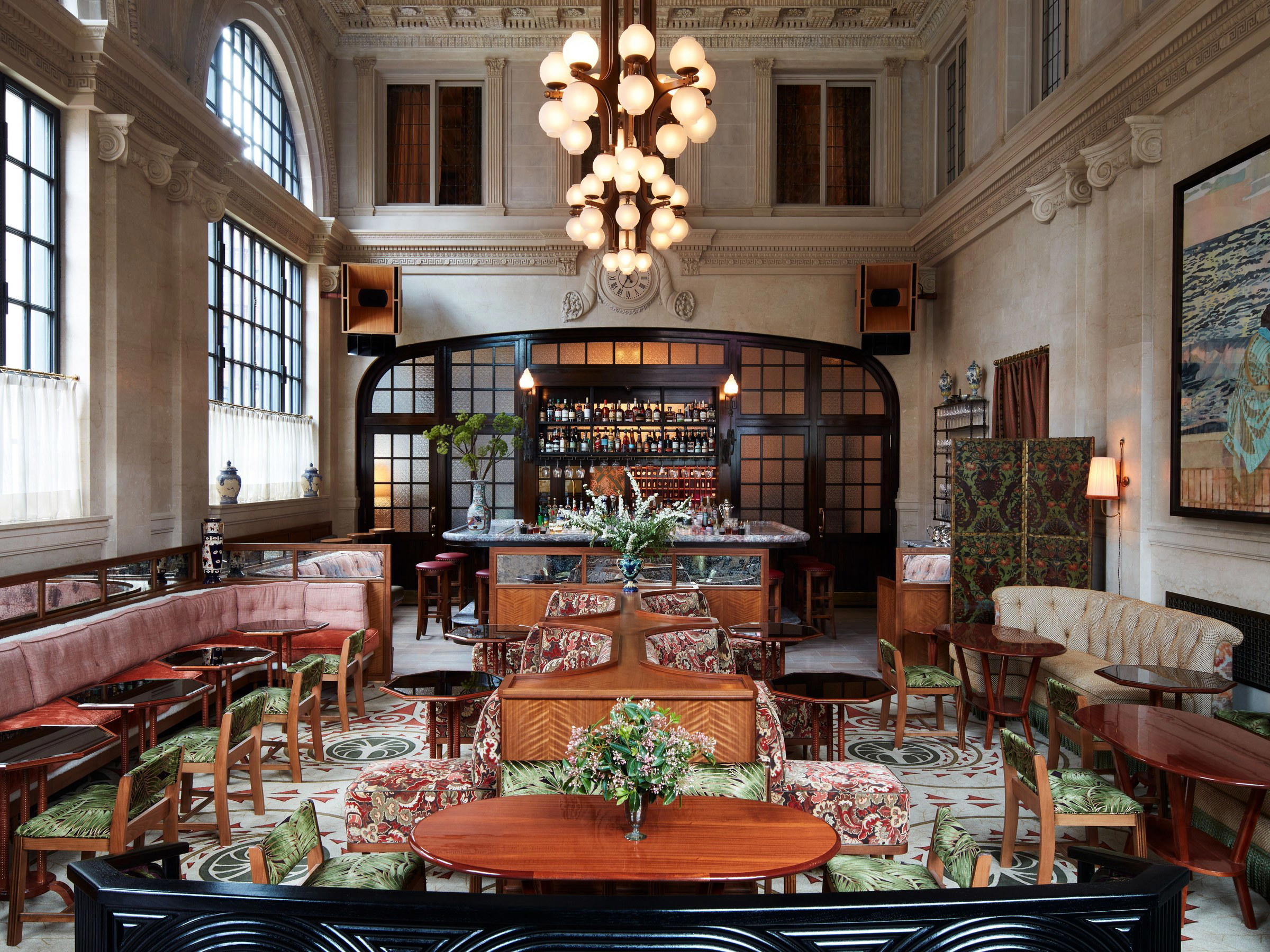
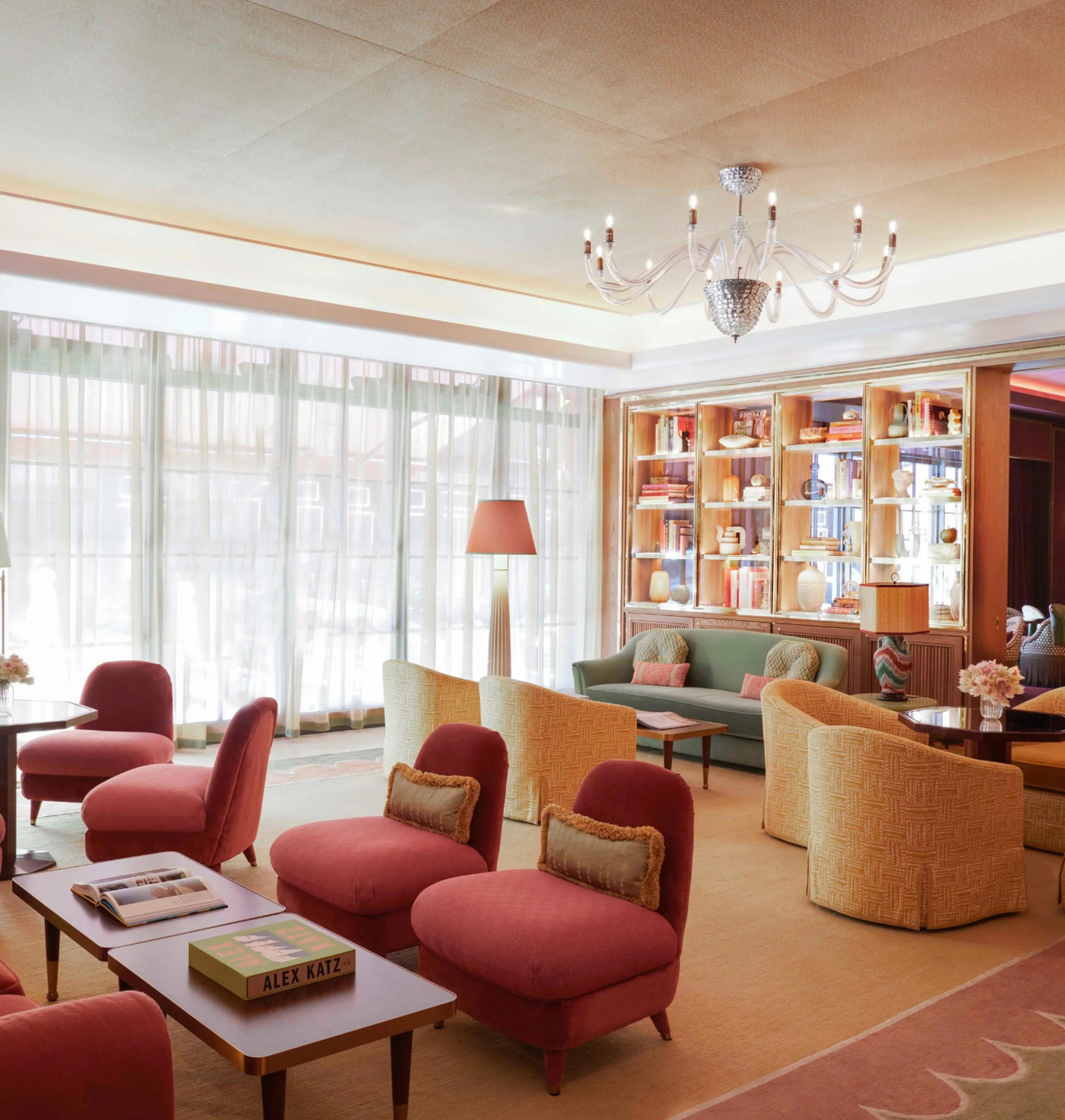
Lively bistro with marble floors, wood accents, and floral art creating a warm, welcoming, and effortlessly romantic atmosphere.