Our verdict
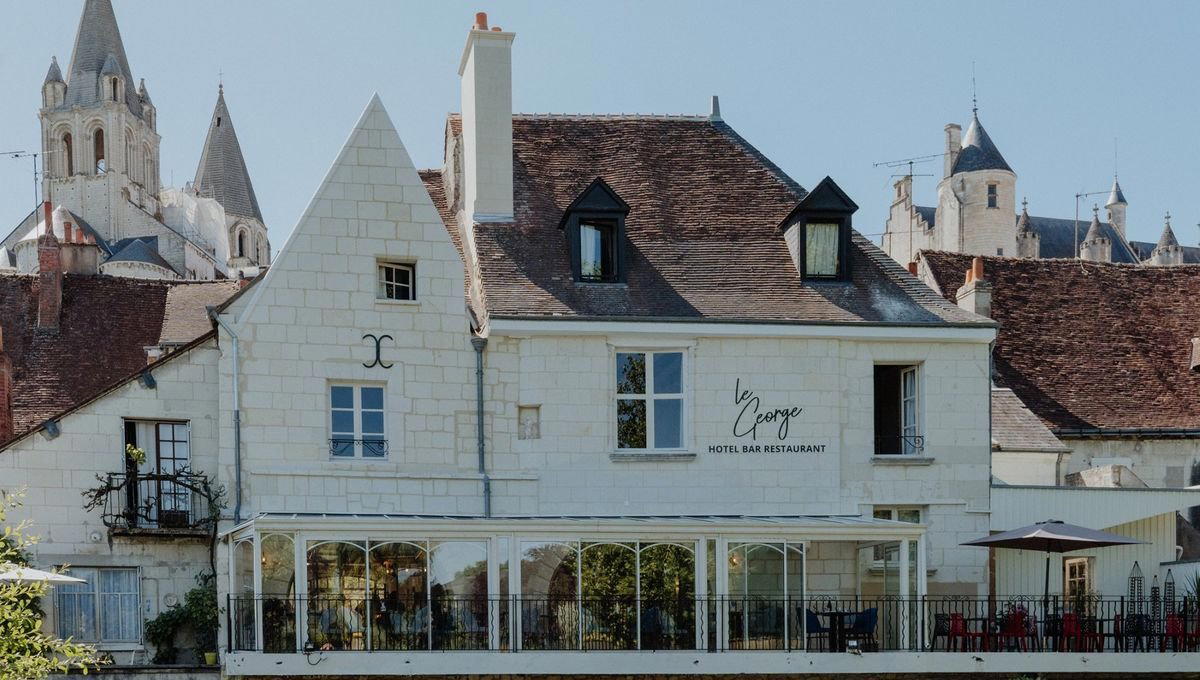
On a quiet street in the medieval Loire Valley town of Loches, Le George operates as a benchmark for the kind of sourcing-led French cooking that defines this agricultural region. The surrounding Touraine countryside — its river gardens, market farms, and small-scale producers — shapes what appears on the plate here, placing Le George squarely within a tradition of place-rooted cuisine that runs deeper than trend.

Pearl is the En Primeur Club membership app — saves, bookings, and concierge access live there. Same editors, same standards.
- Address
- 39 Rue Quintefol, 37600 Loches, France
- Phone
- +33247593974
- Website
- le-george.com
- Directions
- Get directions
The menu
What to order
- Pana cotta with piquillos
- Roasted zander with risotto
- Quinoa tabbouleh
Where the Touraine Table Begins
The rue Quintefol in Loches is the kind of street that rewards slow walking. Flanked by the limestone architecture common to the middle Loire, with the shadow of the royal château falling across the rooftops above, it sets up an arrival that is unhurried by design. This is not Paris, and the dining culture here does not try to be. Le George, at number 39, sits within that context: a room that belongs to its town rather than gesturing toward something grander elsewhere.
What defines the serious end of French provincial dining — the tier that separates a good local restaurant from one worth planning a stop around — is almost always the sourcing question. Who supplies the kitchen? How far did the produce travel? In the Loire Valley, this question carries particular weight. The Touraine subregion is among the most agriculturally varied in France: river-valley market gardens, goat farms producing the aged chèvre that appears on every serious regional cheese board, river fish from the Indre and the Vienne, and early-season vegetables that reach the kitchen before they reach Paris. Le George sits in a town that is, by geography, already close to the source.
The Ingredient Argument in the Loire Valley
France's most persuasive regional kitchens are not defined by technique alone. The benchmark restaurants of the French countryside, from Bras in Laguiole, with its herb-gathering terroir philosophy, to Auberge du Vieux Puits in Fontjoncouse and Auberge de l'Ill in Illhaeusern, are defined by a demonstrable relationship between kitchen and landscape. The Loire Valley has its own version of this argument. The appellation wines of Chinon, Vouvray, and Bourgueil, the Sainte-Maure-de-Touraine goat cheese with its protected designation, the freshwater fish that have fed the towns along these rivers for centuries: the raw materials are here. The question for any serious kitchen in Loches is how directly it engages with them.
For context on where France's most celebrated restaurants place sourcing within their hierarchy of values, consider the contrast with Alléno Paris au Pavillon Ledoyen, where extraction techniques and fermentation science reframe the ingredient entirely, or Mirazur in Menton, where the restaurant's own kitchen garden supplies a documented share of the menu. At a different scale, the Loire Valley equivalent of this sourcing commitment shows up in smaller-room kitchens like Le George, where proximity to producer rather than laboratory ambition tends to be the operative logic.
Loches as a Dining Town
Loches is not widely covered in the Parisian food press, which means it operates without the reservation pressure or performance anxiety that shapes dining in better-known destinations. The town draws visitors primarily for its remarkably intact medieval citadel, one of the most complete in France, and for its position as a base for exploring the southern Touraine. That visitor profile tends to reward restaurants that offer a genuine sense of place rather than a polished approximation of metropolitan dining.
The Loches restaurant scene is small enough that each serious address carries more weight than it would in a city. Arbore & Sens represents the more contemporary end of local cooking; Le George occupies a different position in the same compact landscape. Together they give the town more culinary range than its size would typically suggest. See our full Loches restaurants guide for the broader picture.
For visitors arriving from the west, Christopher Coutanceau in La Rochelle represents the Atlantic-facing equivalent of Loire Valley sourcing discipline, with its marine-focused, producer-anchored approach. Travelling east, Georges Blanc in Vonnas and Troisgros in Ouches show how deeply sourcing can be woven into multi-generational restaurant identity. Le George operates at a different scale, but the principle is the same.
Planning a Visit
Loches sits roughly an hour south of Tours by car, accessible via the D943. The town is compact enough to navigate on foot once you arrive, and the rue Quintefol is within easy walking distance of the main visitor sites. For those touring the Loire Valley châteaux, Loches makes a natural lunch or dinner stop rather than a dedicated destination meal: the drive from Chenonceau or Amboise is short, and the pace of the town suits an unhurried afternoon. French provincial kitchens at this level typically close one or two days mid-week, so confirming service days before arriving is advisable. Given the limited public information currently available on Le George's specific booking arrangements, visiting the address directly or checking locally is the practical approach.
The wider Loire Valley dining circuit rewards those who move beyond the well-documented addresses. Assiette Champenoise in Reims, Au Crocodile in Strasbourg, and Flocons de Sel in Megève illustrate how French regional kitchens at the serious tier sustain identity through geography and seasonal rhythm rather than urban proximity. Le George belongs to that provincial tradition, operating in a town where the sourcing advantage is structural rather than aspirational.
Those whose France itinerary extends south to Provence will find the ingredient-landscape argument taken to a different register at L'Oustau de Baumanière in Les Baux, and the creative extraction of local produce pushed further still at AM par Alexandre Mazzia in Marseille. For reference points further afield, Paul Bocuse in Collonges-au-Mont-d'Or remains the standard-bearer for French regional identity at institutional scale, while Le Bernardin in New York and Atomix in New York show what happens when sourcing discipline travels into entirely different culinary frameworks.
Frequently asked questions
Is Le George good for families?
Loches is a compact, walkable town with a relaxed pace, and Le George on Rue Quintefol sits within that unhurried context. Without specific family policy details on record, it is worth contacting the venue directly before visiting with young children. The broader dining culture of the Loire Valley tends toward inclusive, unhurried meals rather than formal tasting-counter experiences.
Is Le George worth visiting as a standalone reason to stop in Loches?
Loches itself is roughly an hour south of Tours via the D943 and holds one of the Loire Valley's most intact medieval citadels, which makes it a natural stop for travellers moving through Indre-et-Loire. Le George at 39 Rue Quintefol sits within that draw rather than competing with it. For visitors already planning time in the middle Loire, combining the town's historical site with a meal on Rue Quintefol makes the detour purposeful on both counts.
What do people recommend at Le George?
Given its location in the Touraine, the regional pantry — river fish, rillettes, goat's cheese, and Loire Valley wines — tends to anchor the menus of serious kitchens in this corridor.
Where do I go for Le George?
Le George is located at 39 Rue Quintefol, 37600 Loches, France, Loches.
Is Le George reservation-only?
Restaurants in smaller Loire towns often have limited covers and do fill up, particularly on weekends and during the summer season when the region draws visitors from Tours and beyond. Reaching out in advance is the reliable approach.
What's Le George best at?
Le George is positioned within the Touraine tradition, a regional kitchen built on direct relationships between table and terroir rather than technique-led showmanship. The Loire Valley's ingredient argument — its river produce, its chèvre, its appellation wines — gives kitchens in Loches a foundation that larger city restaurants often have to import.
Fast Comparison
| Venue | Cuisine | Price | Awards | Notes |
|---|---|---|---|---|
| Le GeorgeThis venue — the venue you are viewing | Modern French | $30–50 | Not listed | Not listed |
| Alléno Paris au Pavillon Ledoyen | Modern French Fine Dining | $150–200 | 3 Michelin Stars · World's 50 Best #79 | Creative |
| Kei | Modern French with Japanese Influences | $300–500 | 3 Michelin Stars · World's 50 Best #93 | Contemporary French, Modern Cuisine |
| L'Ambroisie | Classic French Haute Cuisine | $300–500 | 2 Michelin Stars · World's 50 Best #23 | French, Classic Cuisine |
| Le Cinq - Four Seasons Hôtel George V | Modern French Fine Dining | $300–500 | 3 Michelin Stars · World's 50 Best #24 | French, Modern Cuisine |
| Mirazur | Modern French Fine Dining | $300–500 | 3 Michelin Stars · World's 50 Best #1 | Modern French, Creative |

Details
- Scenic
- Classic
- Modern
- Cozy
- Date Night
- Family
- Casual Hangout
- Terrace
- Historic Building
- Hotel Restaurant
- Craft Cocktails
- Local Sourcing
- Waterfront
- Set Menu
- A La Carte
- Cocktails
- Whiskey
- Vegetarian Friendly
- Vegan Options
- Gluten Free Options
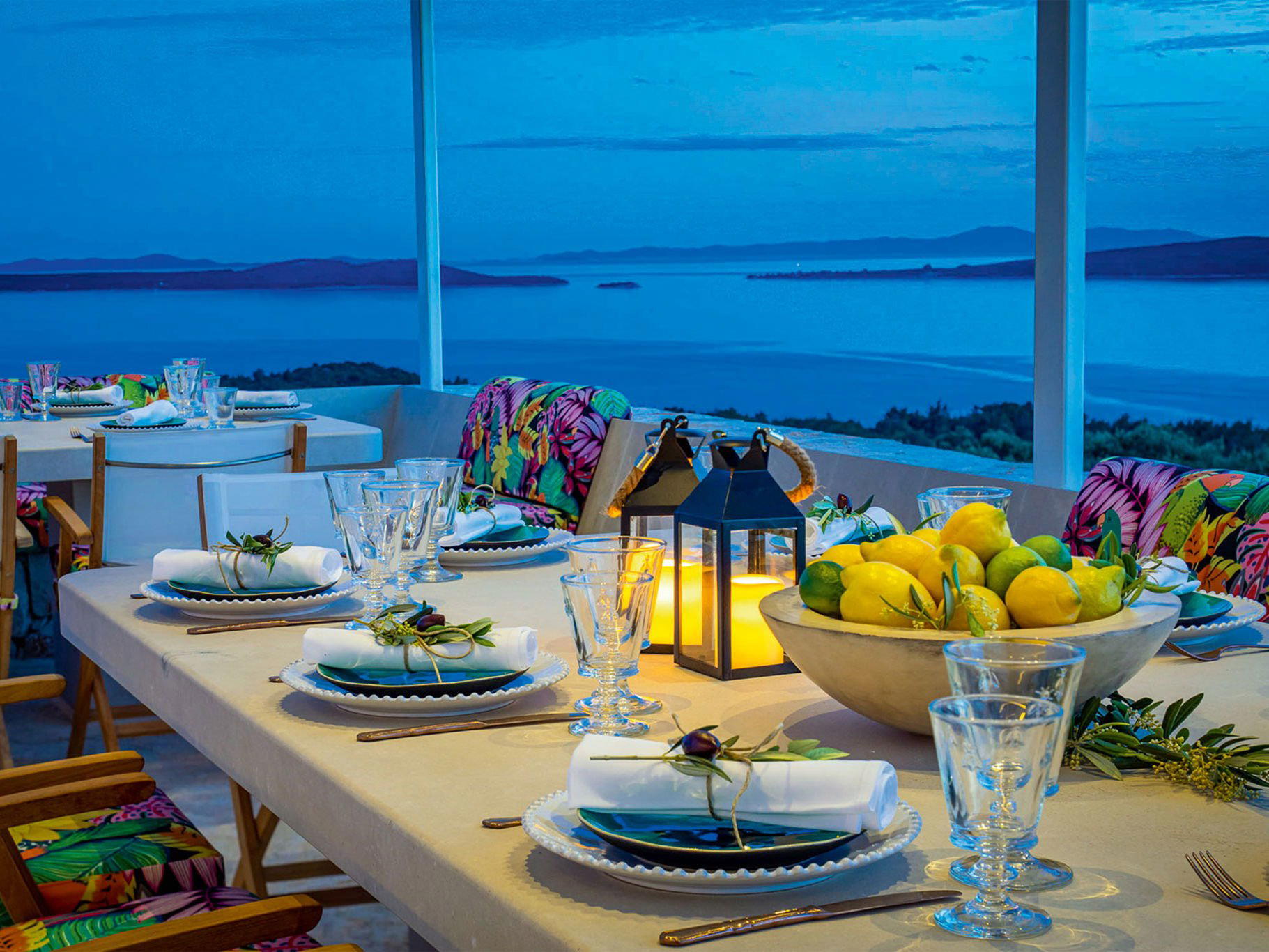
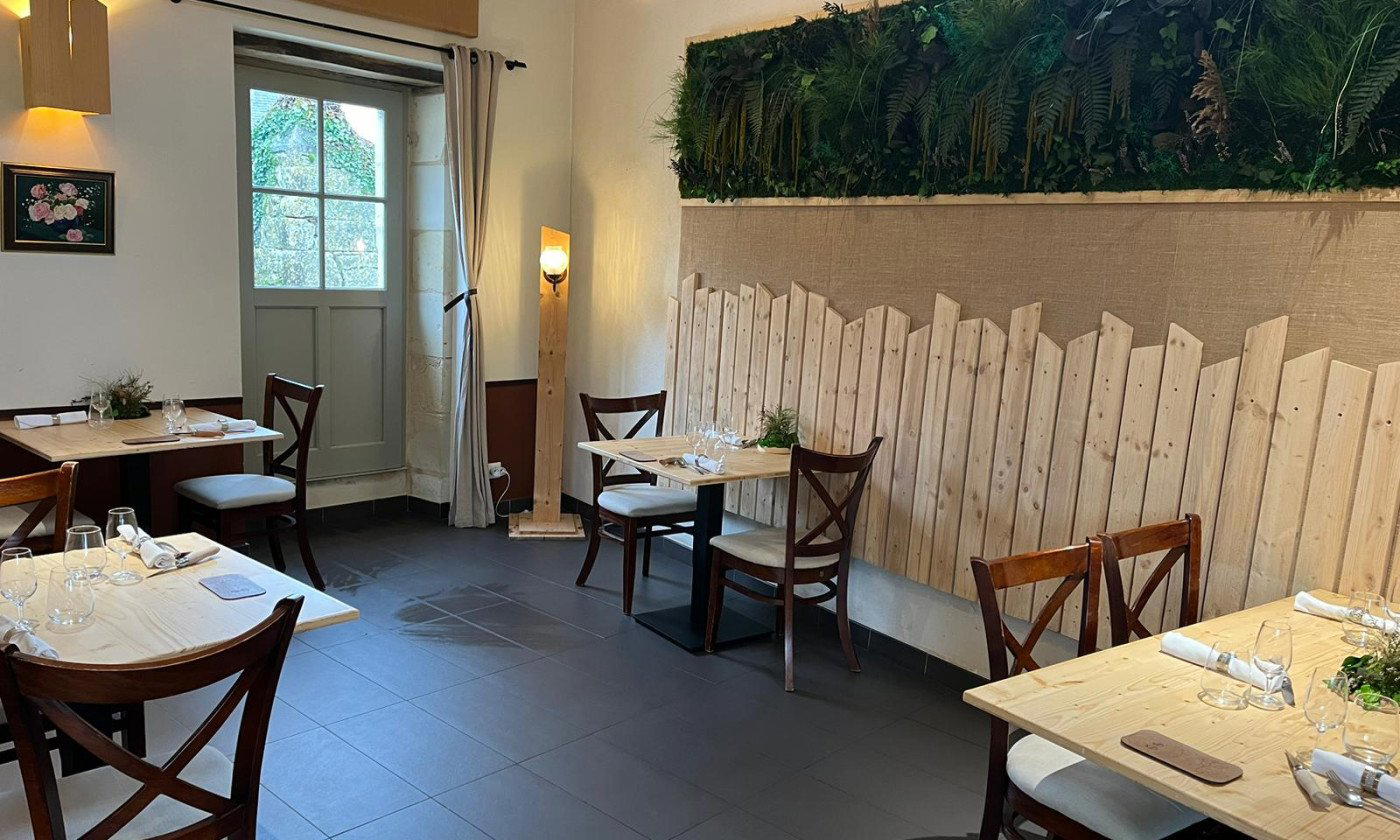
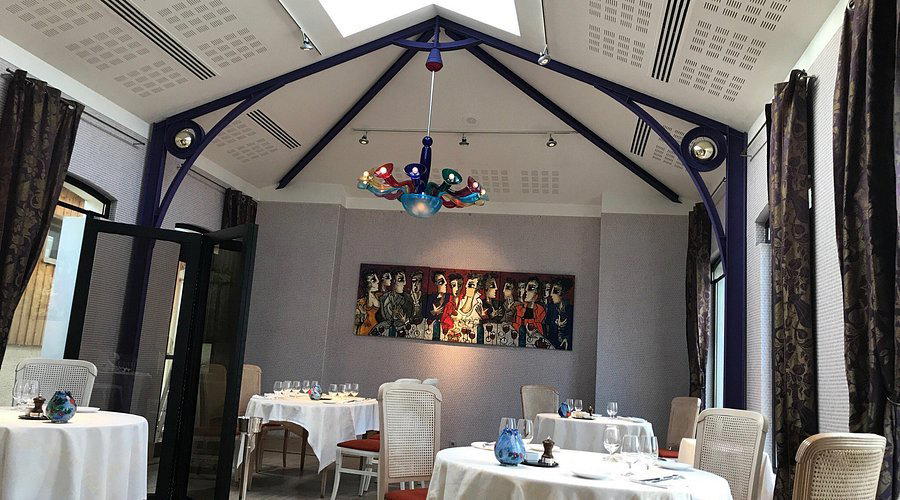
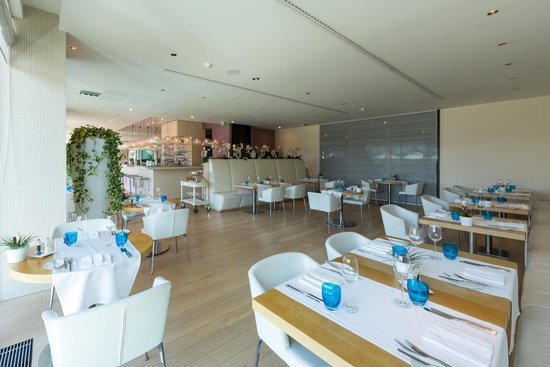
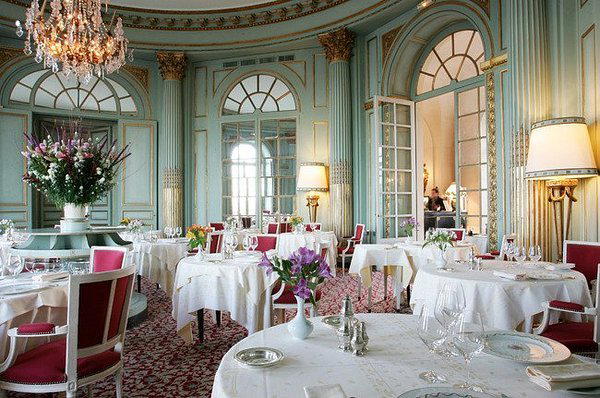
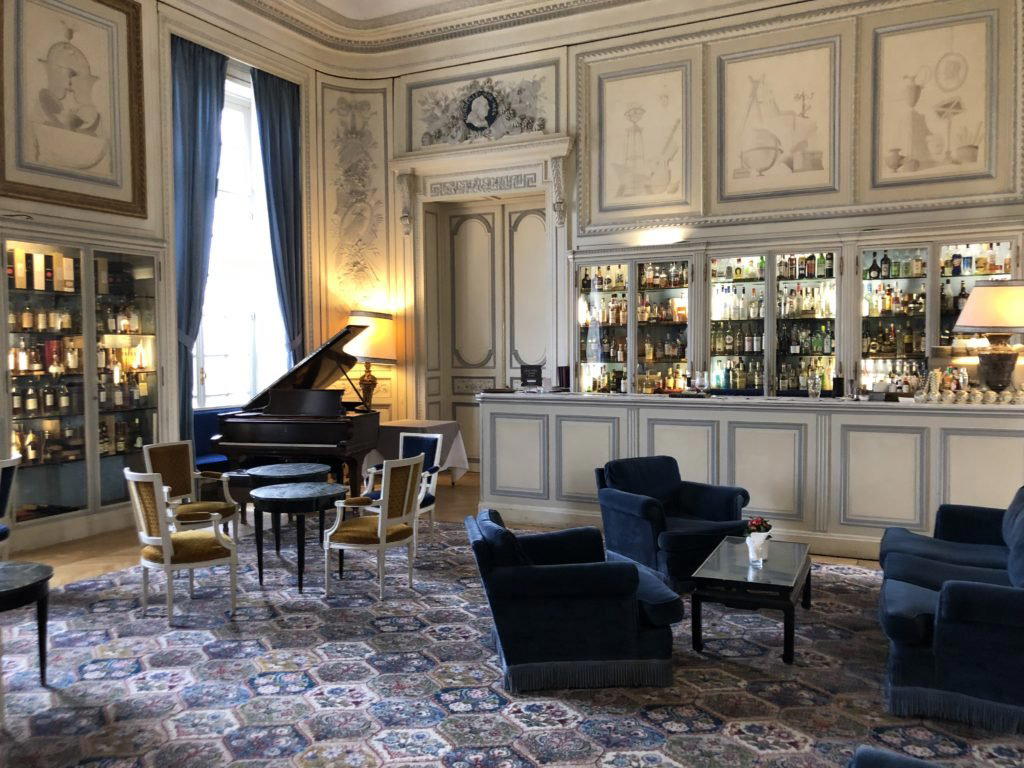
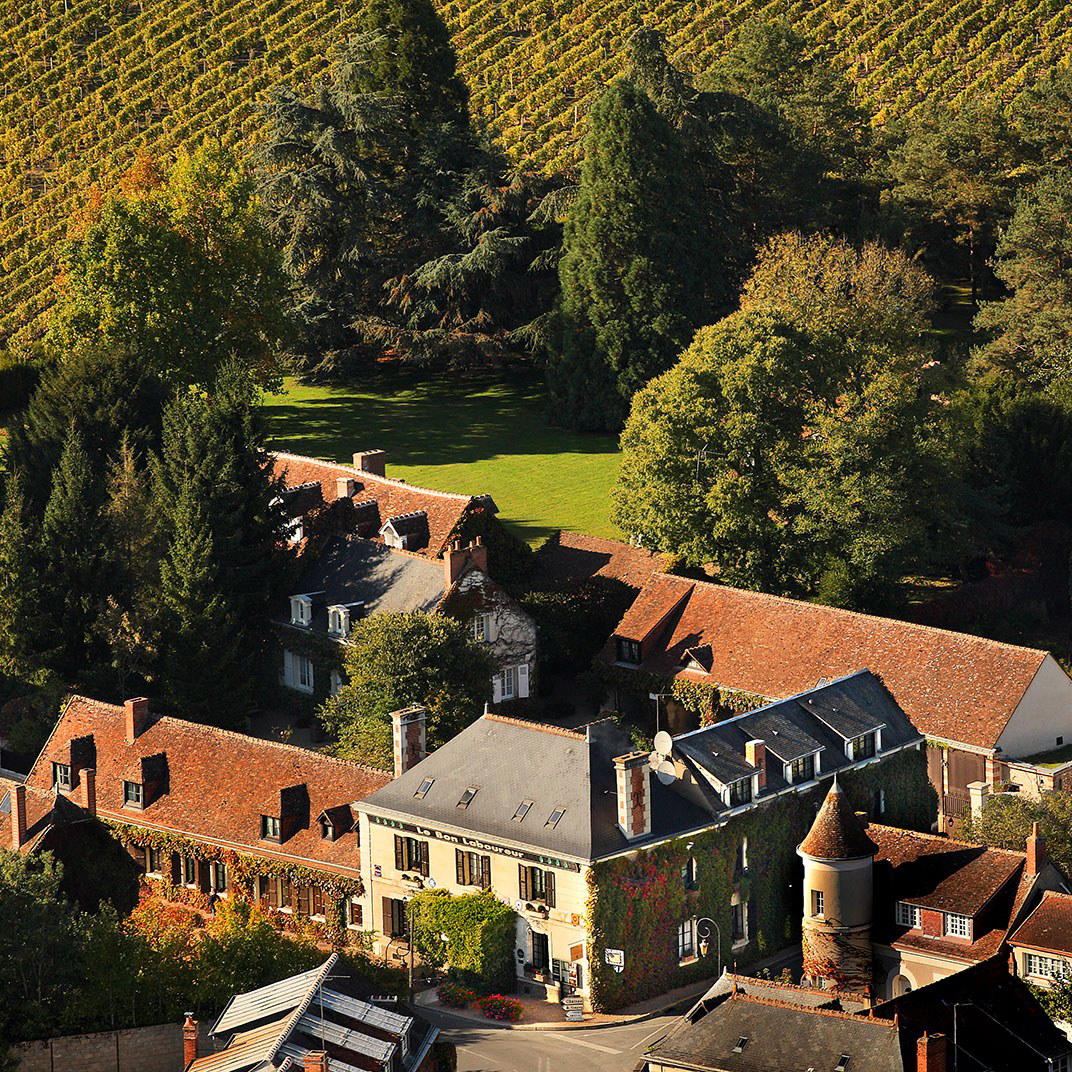
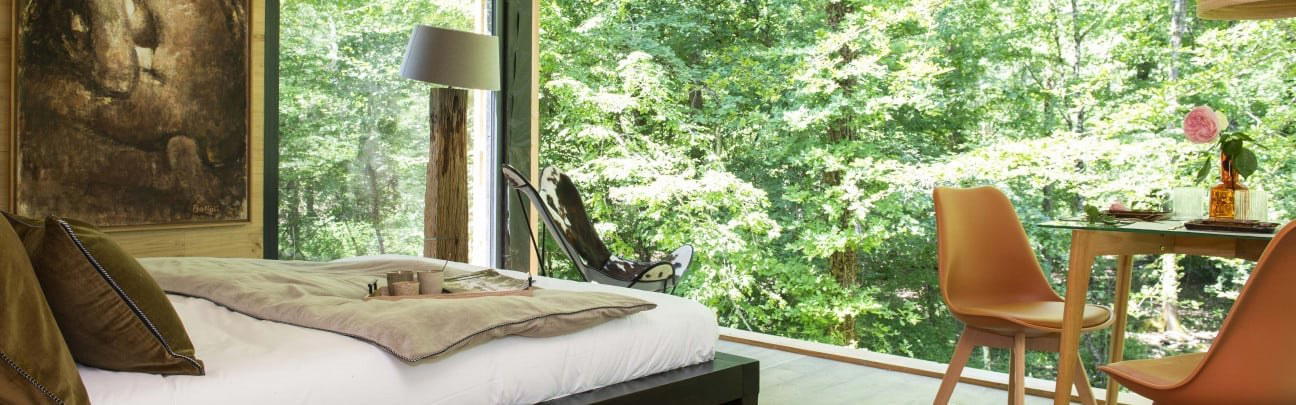
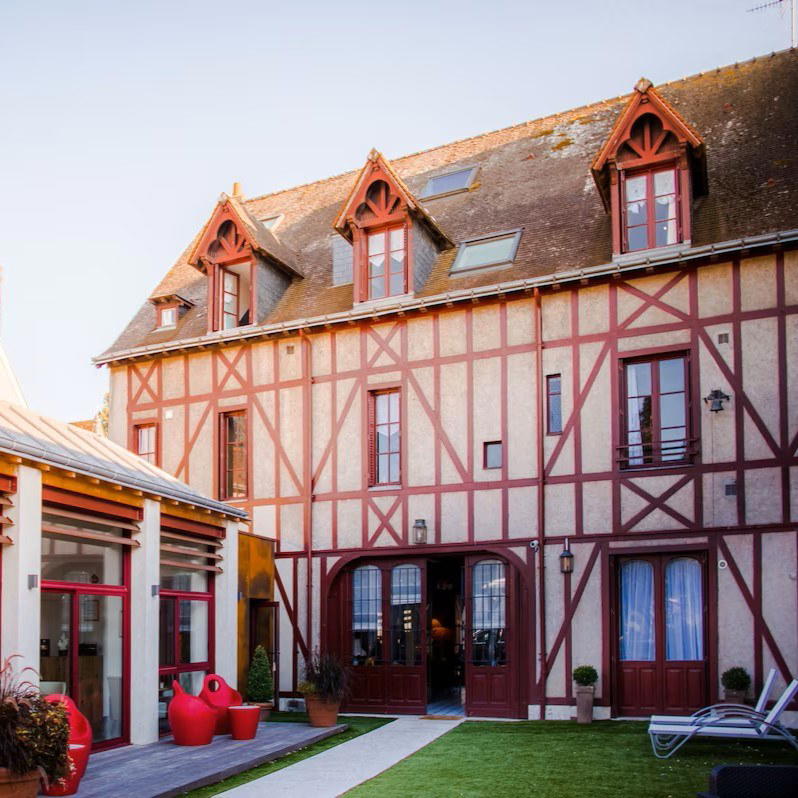
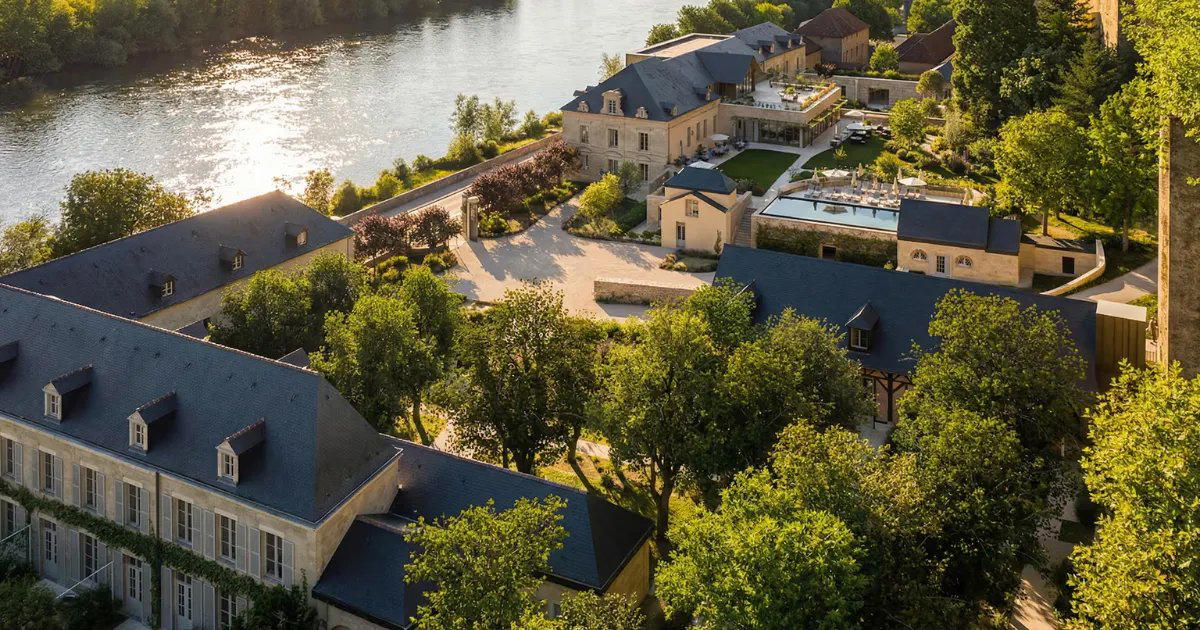
Warm, bucolic and contemporary while retaining the authenticity of a historic former coaching inn, with a veranda and riverside setting.